Filter :
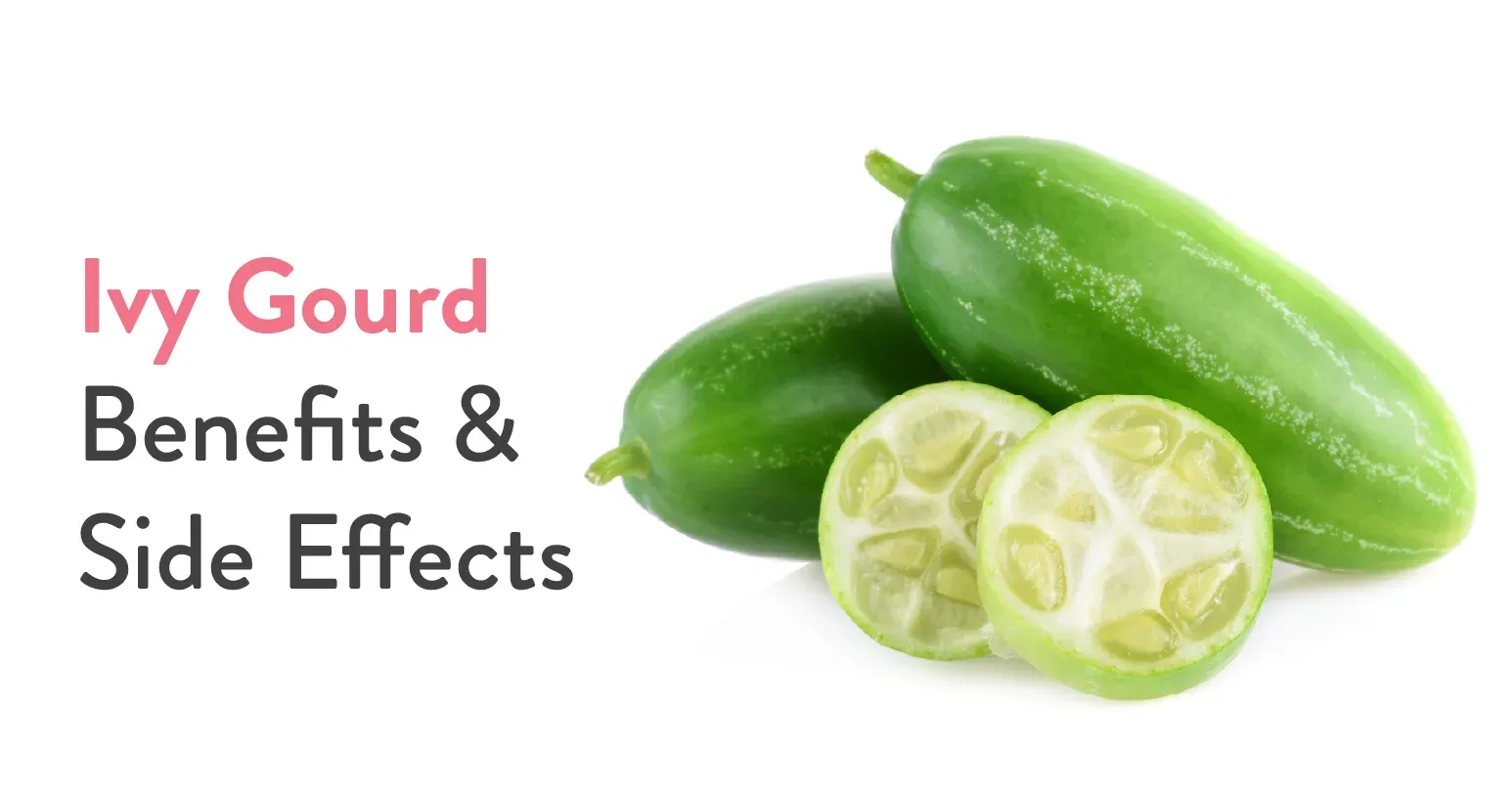
Table of Contents
Ivy gourd is a vegetable packed with essential nutrients vital for maintaining overall health. The vegetable offers a good source of vitamin A, vitamin C, calcium, iron, potassium and more. Additionally, ivy gourd is consumed widely as it helps support digestion, boosts immunity, helps fight infections (as its high in antibacterial & antifungal properties), regulates blood pressure, aids in weight loss (as it promotes fullness), etc.
Ivy gourd is also referred to as Kundru, Tindora, Tendli, Dondakaya, Kovai, Little Gourd, Scarlet Gourd, and more. The vegetable is widely consumed in various cuisines across India and Asian countries. Ivy ground, scientific name Coccinia grandis, is a tropical vine belonging to the cucumber family. The vegetable is oval-shaped with a size like a small cucumber while the leaves are heart-shaped and bright green in colour. The vegetable is consumed as curries, salads, soups, pickles and more. Ivy gourd is native to tropical Asia and is known to be used by Ayurvedic practitioners and traditional Thai healers as a natural remedy.
Also Read: Healthy Diet Chart for High Blood Pressure Patients
Ivy gourd is known for its high-nutritional content, the fruit of ivy gourd is used in preparing traditional medicines for several diseases and infections. Additionally, the leaves of the plant are used for treating fever, bronchitis, jaundice, and osteoarthritis.
The vegetable is consumed as it helps regulate blood sugar, supports digestive health, has inflammatory properties, supports weight management & more.
The table below showcases the nutritional composition of 100 gms of Ivy Gourd:
| Nutrient | Amount |
| Calories | 18 kcal |
| Carbohydrate | 3.2 g |
| Fat | 0.1 g |
| Dietary Fibre | 1.4 g |
| Vitamin C | 1.56% |
| Iron | 17.50% |
| Potassium | 0.0064 |
| Calcium | 0.04 |
Also Read: Diet Chart for Diabetic Patient
Ivy gourd – a low- calories, high-benefit veggie is known to have numerous health benefits, especially for diabetic patients. The plant’s fruit, leaves, and even roots are used as a natural remedy. The benefits of consuming Ivy gourd include:
Ivy gourd is widely consumed as it is known to control blood sugar level. It contains compounds that help regulate blood sugar, improve glucose mechanism, and insulin sensitivity.
The vegetable is high in dietary fibre and low in calories, making it a perfect choice for individuals looking to lose weight by promoting a feeling of fullness while keeping the calories intake low.
Adding Ivy gourd to the diet promotes regular bowel movements and prevents constipation given its high content of dietary fibre. Additionally, fibre acts as a probiotic and helps promote healthy bacteria.
Consuming Ivy gourd is also linked to boosting immunity as the vegetable is high in vitamin C which helps promote white blood cells and enhances the body’s ability to fight infections.
Ivy gourd is packed with antioxidant and beta-carotene properties. These nutrients are known to suppress the growth of tumour cells and help prevent cancer.
The vegetable is a good source of potassium, the mineral essential for optimal heart health, as it helps regulate blood flow and prevent heart diseases.
Ivy gourd has anti-inflammatory properties, which helps manage inflammatory conditions.
Ivy gourd is high in nutrients like saponin, alkaloids, steroids, flavonoids and glycosides which helps protect from allergic conditions.

Consuming Ivy gourd is usually considered safe, though some individuals may experience side effects like:
The key lies in consuming the nutrient-rich vegetable in moderation. Additionally, the vegetable can also be enjoyed as curry, salad, pickles, soups, etc. Adding Ivy gourd to your daily diet can prove to be beneficial to promote overall health and manage conditions like diabetes effectively.
Read More: Benefits & Side Effects of Muskmelon (Kharbuja)
Does ivy gourd reduce memory?
No, there is no evidence suggesting that consuming Ivy gourd reduces memory.
Consuming Ivy gourd is safe during pregnancy?
There is not much research regarding consuming Ivy gourd during pregnancy.

Summer – the word once used to be synonymous with vacations, ice cream, and never-ending fun. As a child, it was a time of joy, but with time, the season appears to be less of a vacation and more of a routine – blistering heat and a jam-packed schedule without the magic it once held.
Though there’s good in it – a reminder to take things easy, drink plenty of water, look after your health, and find small bits of happiness in amongst the heat. Summer might’ve changed, but it still possesses its own kind of sunshine.
Summers in India typically last 3 – 4 months, and let’s be honest, Indian summers are brutal. The mercury’s rising, the ACs are groaning, and stepping out at noon feels like entering a furnace. But while most of us focus on sunscreen and staying hydrated (important, yes), we often miss the deeper health risks that come with long-term exposure to extreme heat.
Temperatures soar easily above 40°C, especially in northern and central India. The heat isn’t just causing discomfort, it can impact health significantly, leading to conditions like dehydration, fatigue, heatstroke, digestive issues, and more. But with the right care, summers can also be a time for rejuvenation. This summer, think beyond the basics.
Here are 8 proven strategies to stay cool, healthy & productive and beat the heat smartly, especially if you’re juggling a desk job, deadlines, and daily commutes.
Also Read: Dragon Fruit: Benefits, Right Way to eat and who should avoid
To effectively manage stress during summer, prioritizing self-care is the key. While most of the summer health tips focus on hydration and heat-related illness, mental well-being takes a back seat. Intense heat, disrupted routine, and social fatigue can take a toll on emotional balance. High temperatures reduce deep sleep phases like REM, making us feel tired and unfocused the next day. This can directly spike cortisol (stress hormone) levels. This leads to irritability, lack of focus, and anxiety. Here’s how to care for your mental well-being.
Practice meditation or take a 10-minute mindfulness break in a cool room at home or at your office as it can help induce a state of deep relaxation, lower blood pressure, and ease stress.
Intense heat can directly or indirectly contribute to irritability which can hamper productivity resulting in stress. Doing deep breathing exercises can help quickly and effectively lower stress and lead to calmness.
During the summers, the mornings are cooler. Wake up early to tackle the most demanding tasks before the heat sets in. Additionally, schedule the less demanding tasks for the afternoon. Following this helps the effective completion of tasks while avoiding exposure to the scorching heat.
Building a summer skin care routine is quite essential, as summers are unforgivable for the skin – sun exposure, pollution, humidity can all contribute to tanning, breakouts, clogged pores and more. Here’s how to build a summer skin care routine:
Keeping the skin hydrated is crucial. Using a lightweight toner, rose water, and cucumber toner works great and provides the skin adequate hydration. Hydrating serums also help keep the skin plump without the feeling of heaviness.
Selecting the skin care product like sunscreen, serum, moisturizers, based on the skin type is essential. Choose products that are gentle for the skin and don’t clog pores.
What we eat during summers plays a major role in how the body reacts to heat, fatigue, and dehydration. Energy-boosting food has a direct impact on staying cool, healthy, and productive during the summer. Some of the foods to incorporate into your daily diet during summer are:
During summers digestion slows down, thus the focus is on eating lighter meals that provide the body with essential nutrition. Adding lean proteins help repair tissues, support metabolism, and provide a feeling of fullness. Lean proteins to eat during summer include, green gram, fish, low fat yoghurts, tofu, nuts, seeds, and more.
Healthy fats are directly related to healthy functioning of various parts of the body like brain function, hormone balance, skin glow, and more. Eating foods high in healthy fats support hydration and energy. Some of the foods to eat during summer with the right kind of healthy fats include avocado, seeds, cold pressed oils, fatty fish, and more.
Healthy snacks help fuel the body between meals. Snacking options in the summer should be light on the stomach, hydrating, and nourishing. Some of the best snacking options include:
Summers are just not about heat; they are also about delicious fruits that offer numerous health benefits. Fruits like watermelon, muskmelon, berries, and papaya help keep the body hydrated and are rich in vitamins and antioxidants.
Vegetables are a vital part of a balanced diet, especially in hot Indian summers. Summers are the season of cucumbers, bottle gourd, spinach, carrot, and more. Adding these to everyday diet in summer provides hydration, fibre, and antioxidants to cope with heat, fatigue, and digestive issues.
We all have heard that drinking water is very crucial in summers, and yes, it is, but when we sweat, it is just not water that drains. Did you know excessive sweating drains electrolytes like sodium and potassium? The best ways to maintain hydration during the summer include:
Add water infused recipes to your summer diet, as these are light, flavorful, and packed with natural detox benefits. Eg. Cucumber, mint, and lemon mix or watermelon and basil recipes, and more are classic coolers, promote digestive health, and are great for immunity.
Herbal iced teas are caffeine free drinks that are high in antioxidants. Chamomile & mint iced tea, green tea with lemon & mint, are some of the common herbal iced teas known for their cooling benefits, digestion support, and immunity.
Smoothies are another cooling beverage with delicious taste. Some of the natural smoothies to have during summers include pineapple, papaya & mint smoothie, watermelon, strawberry & basil smoothie, etc. Smoothies are great for hydration, are vitamin rich, and support digestion.
Also Read: Health Benefits of Chia Seeds
Staying physically active in summer is crucial as it improves energy, mood, and overall health. Though deciding the exercising time during summer is essential.
Outdoor exercise should be preferred in the early morning when the sun is softer, the air is fresh, and the body is well rested. Outdoor exercise for early summer mornings may include walking, jogging, yoga, or cycling.
Group classes and sports can be motivating and fun. Sports activities like swimming, pilates, group walks, zumba classes, etc, make exercising fun and energizing even in warmer months.
Summers can drain energy and affect focus, resulting in productivity challenges. Some of the ways to create a productive environment during the summer include:
Choose a cool, well-ventilated spot with good airflow. Use light curtains and blinds to reduce heat and glare, also avoid sitting in places with direct sunlight.
Add indoor plants like money plant, lilies, and aloe vera as they purify the air and create a calming vibe.
Also Read: Healthy Diet Chart for High Blood Pressure Patients
Summers makes us all want to retreat indoors to escape the heat. And we’re all aware that building a good social life is as important as physical wellness. It helps boost mood, lower stress, and keeps us mentally energized. Certain ways to foster social connections during the summer include:
Engaging in group activities during the summer is a good way to stay active, have fun while keeping the body energized, and be socially active. Group activities to engage in include yoga, swimming, walking, art & craft, book clubs, summer potlucks, and more.
Remember: Heat isn’t just a weather update, it’s a health risk, especially in urban India. Preventive care isn’t just for monsoons and winters – it starts now. Be mindful, act early, and help those around you stay safe too. Stay cool. Stay kind. Stay healthy.

Table of Contents Breastfeeding is also known as nursing. It includes feeding your infant breast milk directly from the breast. Breastfeeding is highly encouraged by maternal care experts worldwide for its health benefits. Every baby has unique feeding requirements. You can identify if your baby is hungry through the following signs. Your baby may need breastmilk if he/she: Breastfeeding and breast milk have a wide range of health benefits. It is greatly beneficial for both the mother and her baby. Common breastfeeding benefits include: During first breastfeeding after birth, your body produces thick, yellow-coloured milk called the colostrum. Colostrum has additional health benefits and is considered the ideal first milk. It assists your newborn to develop his/her digestive tract fully and prepare to digest breastmilk. Your body begins to transition from colostrum to mature milk in about 10-15 days. Breastmilk is sufficient for your baby’s nutritional needs as it has all kinds of vitamins and proteins required for the growth of your baby. As you nurse your baby, your body grows accustomed and begins to produce more milk to help meet your infant’s feeding needs. Your infant may require feeding every 2-3 hours. You should exclusively breastfeed your baby till 6 months. Post this, you can begin to opt for formula milk, semi-solid foods and others. The ideal breastfeeding position is the one in which you and your baby are completely relaxed and comfortable. Some common breastfeeding positions that you may try include: Here are some breastfeeding tips to help you prepare: You should at least breastfeed your baby up to 6 months and until 2 years or longer. You should not ignore the pain experienced during breastfeeding. You should not give any jaggery or honey to your newborn. Fenugreek seeds, oat milk, fennel seeds, lean meat and garlic help in increasing breast milk.Things you need to know
Benefits of Breastfeeding
First Breastfeeding after Birth
Is Breastmilk Enough?
Breastfeeding Positions
Breastfeeding Tips for New Moms
FAQs
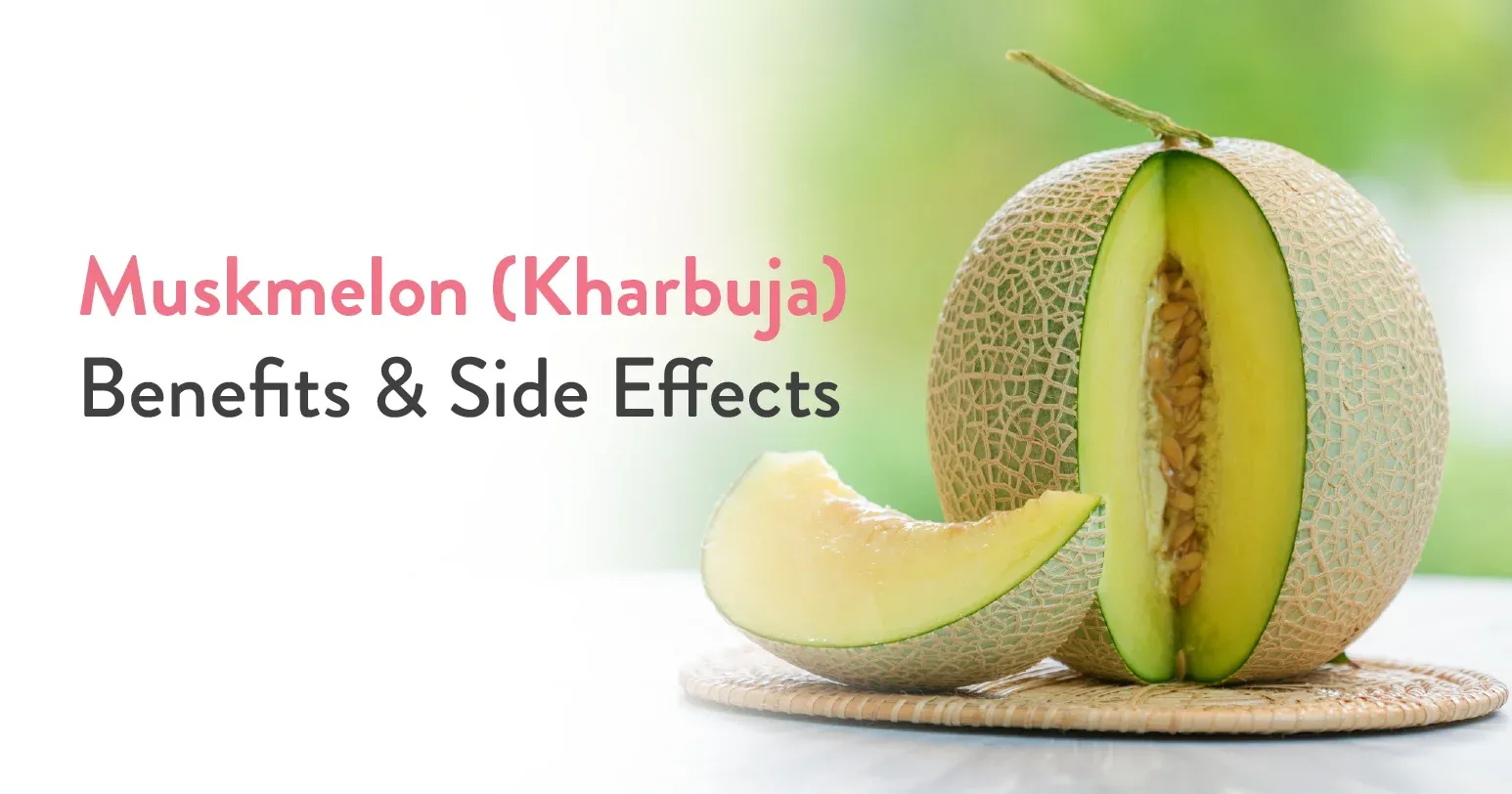
Did you know? Muskmelon is 90% water – making it the perfect summer fruit for hydration. Muskmelon, also commonly referred to as ‘Kharbuja’, the Hindi name of muskmelon, is a type of melon belonging to the Cucurbitaceae family.
In Ayurveda, it is called ‘Madhuphala’, a fruit known to cool the body and aid digestion. The fruit is high in vitamins, minerals, and antioxidants. Additionally, muskmelon seeds are also edible and are rich in protein, fibre, and omega-3.
Table of Contents
Muskmelon, the scientific name ‘Cucumis melo var’ is a sweet and refreshing fruit that is usually grown in a warm climate with plenty of exposure to sun. Muskmelon is a popular summer fruit globally known to be a powerhouse of nutrients. Muskmelon goes by various names across region, culture, and languages including, Kharmuj, Kharabuja, Chibuda, Kakadi, Kharbuja, Kharbuj, Sweet melon, Melon, Turbuch, Teti, Chibdu, Shakarateli, Tarbucha, Khurbuza, Sakkarteli, Kachra, Patkira, Phut, Tuti, Kakni, and more.
Muskmelon is a summer fruit that grows best in hot, sunny months known to have several benefits like supporting immunity function, aids in digestion, good for hair & skin, supports heart health, reduces inflammation, and more. Muskmelon sowing season in India is around late February to April and the harvest time is between April to June.
Also Read: Custard Apple: Benefits & Nutritional Value
Muskmelon – the refreshing superfruit is known for its cooling effect & reducing body heat. The fruit is packed with essential vitamins, minerals, and antioxidants making it an excellent choice for staying hydrated, supporting immunity, and promoting overall well-being. Several health benefits of consuming muskmelon include:

Also Read: Corns & Calluses : Causes, Symptoms & Treatments
Muskmelon has numerous health benefits, thanks to its nutritional content. The fruit is surprisingly high in nutritional benefits despite being light and low in calories. Some of the nutritional content of muskmelon includes:
Additionally, muskmelon being sweet it’s low in sugar and fat, making it a perfect nutrient dense fruit.
Also Read: Why Indian Moms Age Faster — And How to Help Her Stay Healthy
The table below showcases the nutritional composition of 100 gms of muskmelon:
| Nutrient | Amount |
| Energy | 34 kcal |
| Water | 90% |
| Protein | 0.85 gms |
| Vitamin C | 36.7 mg |
| Vitamin A | 3382 IU |
| Calcium | 9 mg |
| Iron | 0.2 mg |
| Magnesium | 12 mg |
| Potassium | 267 mg |
| Fibre | 0.9 g |
Also Read: Ivy Gourd: Benefits & Side Effects
Consuming muskmelon in moderation is generally considered safe. However, there are possible side effects caused by overeating, including:
Read More: Dark Circles: Discover The Secrets to Brighter Eyes
Is muskmelon good for pregnancy?
Yes, muskmelon/kharbuja is a very healthy and safe fruit to eat during pregnancy.
Is muskmelon good for weight loss?
Yes, muskmelon helps with weight loss due to its low-calorie and high water content.
Can diabetic patients eat muskmelon?
Yes, diabetic patients can eat muskmelon in moderation.
Is muskmelon good for kidney patients?
Yes, consuming muskmelon is beneficial for patients with kidney issues given its high water content.

Before understanding and getting into the detailing of how one can detect early stage breast cancer we need to understand what breast cancer is. Knowing your breast and being able to differentiate between what’s normal and what’s not is very important. The look and feel of your breast are what will allow you to know the difference and the signs and symptoms of breast cancer can actually help in early breast cancer diagnosis.
Dr. Rohan Khandelwal shares his opinion and suggests how one can detect breast cancer at the early stages.
Women in the hustle and bustle of everyday life get so involved in their family’s health that they keep on ignoring their own health which can surely lead to severe health problems someday. That is why doctors suggest every woman visit and get herself tested every 6 months to 1 year. The test done for the detection of breast cancer is a mammography test.
Table of Contents
We have all heard the quote “Prevention is better than cure” so it is better to detect and treat something at an early stage so that severe damage and harm can be avoided. If Breast cancer is detected at an early stage there are 97-100% chances of cure or treatment but if it is spread and not treated on time it starts to spread to the lymph nodes of the armpits from where it may start to spread to other parts of the body as well. Once spread to other parts of the body, controlling and treating breast cancer becomes very difficult.
Simply put, early detection is the key to treating and curing breast cancer. Experts suggest and encourage women to really know their bodies. A woman can only know her body better than anyone else and that is why as mentioned above regular screenings and checkups are essential.
Knowing the signs and symptoms of breast cancer can actually help women detect and self-diagnose if they have breast cancer and allow them to seek immediate help from the experts. Therefore, below are some of the important and common symptoms that should be reported to a specialist immediately.
A lump in the breast is one of the most common signs of breast cancer and this can easily be self-diagnosed. The women should be able to touch, feel and understand the lump if any. A breast lump is a painless, hard and irregular shape lump.
There might be changes in the skin cells of the breast which may lead to pain in the breast. Slight tenderness and discomfort might be felt in the breast. The lump is usually found to be painless but the feeling of pain and discomfort should be ignored and one should get tested.
Breast cancer may cause the entire breast to enlarge/swell. This swelling may alter the appearance of your breasts. Even though it is possible for both breasts to be of different sizes, in the case of breast cancer, the swelling may be such that the disparity in each breast would be different from usual.
Breast cancer may cause the skin to change its colour. The breast may start to look bruised or discoloured. The breast skin may appear purple or reddish.
Skin tethering or dimpling means when the cancer cells lead to fluid buildup in the breast. This fluid causes swelling as well as the tethering /dimpling of the breast skin. The dimpling skin of the breast can be a sign of inflammatory breast cancer also called an aggressive type of breast cancer.
A breast cancer patient might observe thin or thick discharge from the nipples which may vary in colour, it may be clear, milky, green, red or even yellow. It is common and mandatory for breastfeeding mothers to see milky discharge but should seek medical assistance if any change in the milk is observed.
Breast cancer is a kind of cancer that develops in the tissues of the breast. It triggers when cells of the breast mutate and start to develop uncontrollably in the ducts and lobules or milk glands of the breast.
It can even travel to the lymph nodes of the armpits from where it can spread to other parts of the body. Although Breast cancer is found mostly in women, it can rarely occur in men, too.
Breast Cancer is the most common cancer among women in India and the world. In India, the incidence rate is rising, especially among urban women. The age of breast cancer is also coming down as it is increasingly affecting younger women. One main reason for the increased incidence rate is late detection.
Any of the above mentioned symptoms can be indicative of breast cancer. But the presence of any of these symptoms doesn’t necessarily mean that one has breast cancer.
It is also essential to note that not all lumps are cancerous. The majority of the breast lumps are benign. But some kind of benign lumps can raise the risk of breast cancer.
In case of any change or lump, that was not there before, it becomes critical that it be checked by the doctor to verify whether it is benign or cancerous and if it can affect any future cancer risk or not.
Also Read: Treatment of fibroadenoma without surgery | Is it possible?
The early detection of breast cancer is key to the successful control of the disease. Although there is no sure solution for the prevention of breast cancer, early detection can result in a good outcome.
Early detection is important as treatment options are more, if detected early and not only do chances of survival increase, the chances to preserve the breast are also higher.
Most breast cancers are detected on screening mammograms, which can find cancers at an early stage, mostly even before the appearance of any symptom or any kind of a lump.
Early detection is the major input in the treatment of breast cancers. There are many steps that can be taken to early detection of breast cancer when it is most curable. The most common tests to detect breast cancer are:
It is a very good preventive measure to know about the appearance and the feeling of the breasts so that any visible lump or changes can be noticed.
It is Consult your doctor to learn the best way of performing a breast exam. While there is no proof that it decreases mortality from breast cancer.
But it is recommended that every woman must be aware of the regular feel and look of her breasts.
It is recommended that one does the self-examination at least once every month, immediately after the monthly period.
A clinical breast examination is performed by a Doctor or another health professional who is trained to recognize any abnormality.
Usually, it is a gynecologist or a family physician who performs the breast exam. This is a physical exam in which your doctor or the healthcare professional using the finger pads palpates the breast, armpits, and collarbone to detect any warning signs.
For better treatment options, it is very essential to get diagnosed as soon as possible. For this, it becomes very important to report the doctor in case of any changes.
Some screening recommendations for the women at average risk advised by the American Cancer Society are:
This is one of the most important screening tests doctors perform for diagnosing breast cancer. This test is an X-ray of the breast area. A mammography test is an advanced test that can detect breast cancer up to 2 years before the tumour could be felt by the patient and doctor.
Informed decision at the right age: Women should consult with their health experts to discuss when the right age and right time is to start the screenings. Breast screenings are very beneficial as they can help detect the problem way before.
Men, like women, can be affected by breast cancer. In addition, different leading organisations have varying recommendations for when and how often people should be checked. It’s critical to discuss with your doctor about your risk and their screening recommendations.
The choice is up to you and the doctor.
Through the mammogram, the breast lumps can be detected up to 2 years before the presence of any visible symptom. Many women do not undergo any mammogram until the age of 40.
But it can be undertaken at a younger age in the case of high-risk women. A mammogram is like an Xray in which breast tissue is imaged using small radiation.
Several tests help to verify if a lump may be cancerous because non- cancerous lumps have different physical features. This difference is confirmed only by imaging tests like mammograms and ultrasounds. Only a doctor can advise when and how these tests should be done.
This is most recommended in the case of women have dense breasts. In such cases, mammograms are not very effective. It is also recommended if you are at high risk and MRI can’t be done. Or in case of pregnancy because exposure to radiation during a mammogram is not recommended.
By the means of this test, different images of the breast are combined into one to generate a single detailed image. Often, it is used after the diagnosis to know about the extension of cancer.
This can be combined with a mammogram in case of;
The only accurate method through which your Doctor can confirm breast cancer is a surgical breast biopsy. In this test, the oncologist uses a specialized needle under Xray guidance to take a sample of cells from the affected area. These cells are then tested in the laboratory to determine whether they are cancerous or not.
After being diagnosed with breast cancer it becomes very necessary for the doctor to know about the type and stage of cancer. Once the type and stage are determined, the oncologist can decide the best mode of treatment.
If you’re seeking a breast cancer diagnosis, our expert Breast Cancer doctors at The Breast Centre can help detect the disease at an early stage.
Q1. Can breast cancer be cured if detected early?
Early detection and treatment can help prevent breast cancer from advancing and may also help in curing and removing breast cancer from its roots.
Q2. Does a blood test show cancer?
Samples collected during a blood test may show cancer cells if any. This may help in the early diagnosis and treatment of breast cancer.

Table of Contents
The period between 13-28 weeks marks the second trimester of pregnancy. Your baby continues to grow and your bump begins to look larger and more profound.
During the 2nd trimester, your morning sickness will likely subside and you will adapt to newer changes.
Though most of your troubling symptoms will ease by the second trimester, your body will continue to change to host the baby’s growth. You can expect the following second trimester symptoms or changes in your body:
Most of your baby’s organs have begun to form by the 2nd trimester. Your fetus will now continue to grow in a baby. Here are some changes that your fetus undergoes during the 2nd trimester of pregnancy:
The second trimester of pregnancy is often the easiest for most women. It is because the troubling symptoms are gone and your baby has not grown large enough to make you uncomfortable. However, you would require similar levels of caution and care during the 2nd trimester.
Here are some points to consider during the second trimester of your pregnancy:
Consult your obstetrician if you experience sudden weight gain, vision changes and swelling in the face or hands.
You should avoid consuming raw meat, unpasteurised dairy products and fish with high levels of mercury.
Common healthy fruits include oranges, mangoes, lemons, bananas, berries and apples.
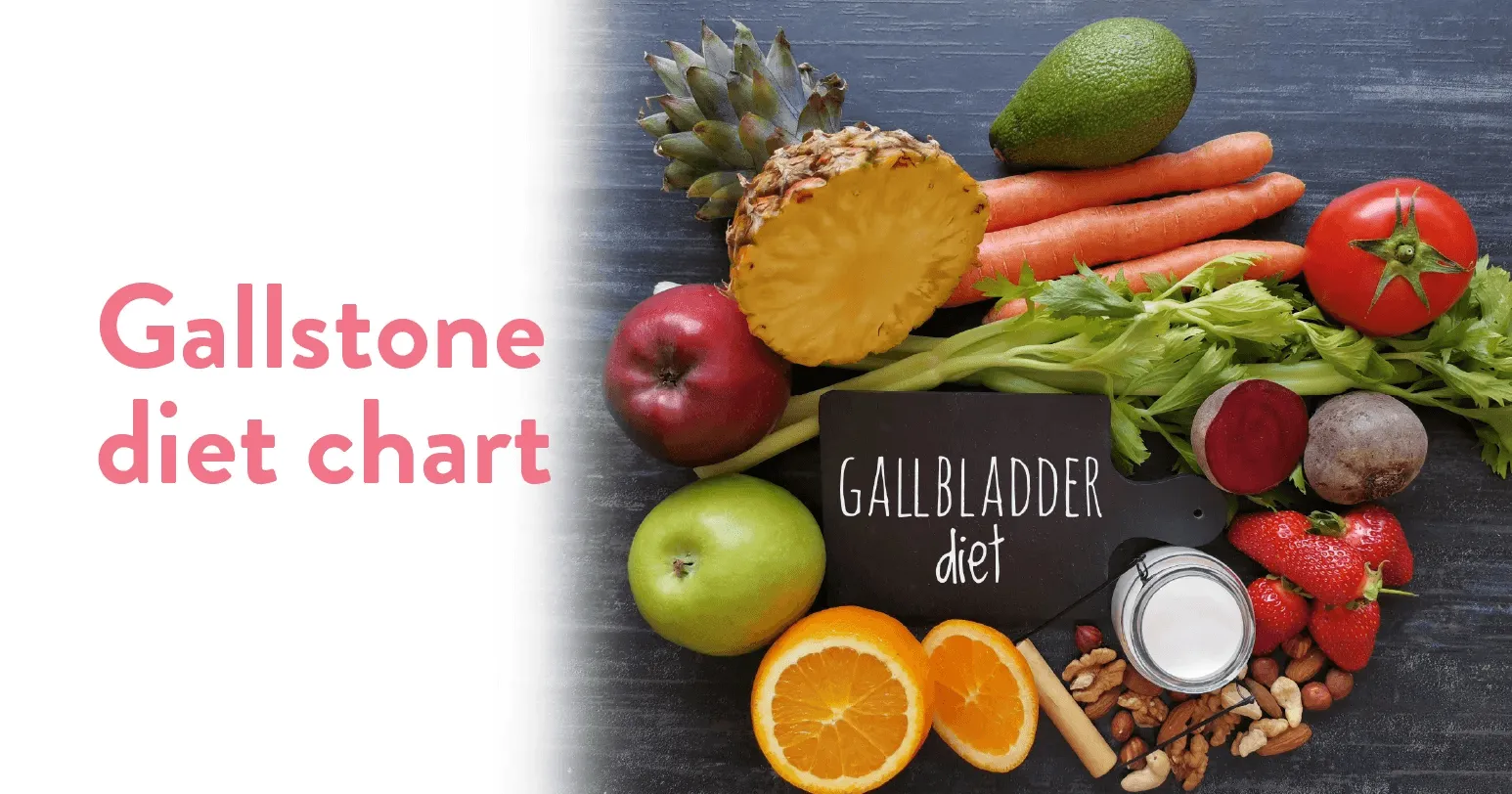
Table of Contents Gallstones are small, hard crystals that form inside the gallbladder. What causes gallbladder stones is high-levels of cholesterol in bile. Bile is a fluid used in digestion. It is produced by the liver and gets stored in the gallbladder. Bile fluid promotes digestion by breaking down fluids and nutrients. Gallstone symptoms vary from one person to another. Some people do not experience any symptoms at all while others experience sudden and sharp abdominal pain, intensifying pain in your back and shoulder as well as nausea and vomiting. A healthy gallbladder diet can help in relieving symptoms of the disease. There is no specific diet that can treat gallstones. However, certain foods can help in relieving symptoms and maintain the health of your gallbladder. Food for gallbladder stone should include: Plenty of fruits and vegetables – You should eat at least five portions of colourful fruits and vegetables each day. Fruits and vegetables are rich in antioxidants and soluble fibre and are low in calories. Starchy carbohydrates – Bread, rice, cereals and potatoes are some food items you can eat to maintain the health of your gallbladder. Low-fat dairy products – You should aim to consume 2-3 portions of dairy products such as milk and yoghurt. High-fibre foods – Foods rich in fibre support your digestive health by enhancing the movement of food as well as preventing the production of secondary bile fluids. Furthermore, fibre helps in reducing cholesterol levels. Healthy fats – Unsaturated, healthy fats like omega-3 fatty acids help protect the gallbladder against the development of stones. Fish, seeds and walnuts are good sources of healthy fats. Coffee – Coffee is known to have substances that balance chemicals and promote the health of your gallbladder. However, you should ensure to consume it moderately as excessive caffeine can cause dehydration. Calcium – Calcium is an essential nutrient to reduce your risk of gallbladder disease. You can include dark leafy green vegetables, low-fat dairy foods and orange juice to your diet to boost your calcium intake. There are certain foods that can trigger the development of gallstones. If you are at an increased risk of gallbladder disease, you should avoid the intake of such trigger foods Gallbladder foods to avoid include: Besides a healthful diet, you can improve your overall gallbladder health by living a healthy lifestyle. Sudden and increasing pain in the abdomen as well as back pain and nausea and vomiting are some early signs of gallstones. Yes, you can eat bananas if you have a gallstone as bananas contain vitamin C and B6 which are good for your gallbladder. A healthful diet can help break up and flush out gallstones without surgical intervention.Things you need to know
About gallstones
Food for gallbladder stone
Gallbladder foods to avoid
Other lifestyle tips
FAQs

This Mother’s Day, let’s honour the woman who has given us everything, often at the cost of herself. Indian moms, with their quiet sacrifices and endless love, often age faster than they should. It’s time to rewrite that story.
Table of Contents
“I still remember the moment. It was 2 AM, and I woke up to the sound of clattering dishes. There she was, my 52-year-old mother, hunched over the kitchen counter, packing tiffins for me and my sister before her 6 AM shift at the hospital. The yellow kitchen light caught the new streaks of grey in her hair, the deep lines around her eyes that no besan-haldi home remedy could fix anymore.”
“Mom, why aren’t you sleeping?” I asked.
“Just make sure you don’t go hungry tomorrow, my child,” she smiled, rubbing her swollen knees. That’s when it hit me: Her ‘normal’ was silently killing her.”
— Ritesh’s story
The ‘little signs’ that she keeps ignoring, are just the tip of the iceberg—and the data is terrifying:
Take the 30-Second Test:
Your result: “82% of early ageing is reversible—if you act now.”
Indian mothers have a habit of prioritizing everything but their health.
While we show them as the epitome of multi-tasking, overtime we forget that she is after all human, and like all of us she needs that extra care too!
Mothers are so used to taking care of all the nitty gritties of our lives, they have grown a much higher pain threshold than most of us. When we realise how much she endures silently, it is often too late.
Being hormonal is very common as mothers age. Most long-suffering lifestyle diseases thrive in comorbidities in the long term, making her health deteriorate faster than it should.
#1: Post menopause, women are at much higher risk of developing cardiovascular diseases. It shows up silently and does more damage than anticipated. Take this 15 minute test.
The 15-Minute “Physical Stress vs Age Test”A quick, non-invasive test to measure how stress is accelerating her biological ageing. |
What Does It Check? Cortisol levels (a chronic stress hormone linked to wrinkles, weight gain)Heart health markers (cholesterol, blood pressure, heart rhythm, etc.) |
Indian moms often dismiss exhaustion as “normal”—this will prove otherwise. While your mom will dismiss it calling it a waste of time & money, your persistence will prove to be your strongest defence: 15 minutes is all it takes!
Also Read: Post Menopausal Bleeding
Three critical nutrients Indian moms miss, leading to fatigue, memory fog, and premature ageing.
Vitamin D (80% of Indian moms are deficient)
Vitamin B12 (“Memory lapses” blamed on age)
Iron (“I have always been tired” = undiagnosed anaemia)
Moms assume these symptoms are “normal ageing”—but 90% improve within weeks of correction.
Fix It With:
“In my 33 years of practice, I have seen one thing work fastest for busy moms, and that is worrying for her children” says Dr Anjali Kumar, Senior Gynaecologist.
❌ “Mom, please schedule a check-up with the doctor.” (She will postpone)
✅ “Mom, I can’t sleep worrying about your health.” (Triggers her protector instinct)
Upgrade her morning routine with 3 powerhouse ingredients—faster than making chai. Replace “cold water” with:
Make it for her first—she will make it her habit once she feels the energy boost!
Also Read: Bone health during menopause: Tip to combat osteoporosis after menopause
At the CK Birla Hospital, we have seen 72-year-old grandmothers reverse “age-related” issues once treated. Because every Indian mother deserves to meet her great-grandchildren, without pain, without fatigue, without being last on her own priority list.
Next Step: Click below before she texts “Did you eat?” again.

Corn/Callus is a very common skin condition. Corns develop slowly and often go unnoticed as they seem like small hard patches of skin, and are mistaken as dry skin. Corns may or may not be painful and the condition is often associated with individuals using ill-fitting shoes, people who walk or stand for long periods, individuals with foot deformities, and more.
Table of Contents
Corns refers to thickened skin or buildup of hard thick areas of skin. Corns develop due to repetitive pressure or friction, these can form on any part of the body, however, they usually appear on the feet, hands, and fingers. Corns and calluses are often used interchangeably, although both are caused due to friction they are not the same. Corns appear to be small, hard, have a central core and are usually painful while calluses are larger, thicker patches of skin, and are often painless.
Individuals wearing tight shoes that don’t allow the toes to move smoothly, having foot deformities like bunions, hammertoe, flat feet, engaged in activities that involve prolonged standing, etc. are more prone to develop corns. Conditions like diabetes and arthritis increase the likelihood of developing corn.
The hardened layer referred to as corn is the body’s way of protecting the skin underneath from irritation and pressure. Foot corns are divided into three types, including:
Also Read: Dark Circles: Discover The Secrets to Brighter Eyes
Corns can have distinct features and are small, round, raised bumps surrounded by irritated skin. Some of the common symptoms include:
One of the most common signs of corn is associated with the appearance of hardened skin. The lumpy/bumpy skin may start to appear yellowish or pale in colour.
The most significant sign of foot corns are thickening, hardening and roughening of the area compared to the surrounding skin.
The affected part and the skin around tend to dry out and become hard. Corns specifically found on the tops or sides of the toe turn out dry and flaky and appear whitish.
Corns can be painful or tender when pressed or when pressure is applied. Additionally, the skin around can become tender and cause pain while walking or standing, especially while wearing shoes.
Another sign of corns are that they are located on tops/sides of toes or soles of feet, where friction is highest.
Read More: Custard Apple: Benefits & Nutritional Value
Corns/Callus are made of dead skin and form due to repeated friction, rubbing, pressure or irritation and pressure on the skin. Some of the leading causes of foot corns include:
Shoes that may be too tight can cause pressure on the toes and not allow them to move leading to corn formation. While wearing loose shoes allows the foot to slide causing friction which can also lead to corn formation.
Wearing high heels or thin-soled shoes can put extra pressure on certain parts of the foot, particularly the toes and balls of the feet.
Walking barefoot can put pressure on the foot, especially where there is bone pressure against the skin.
Foot conditions like bunions, hammertoes, or flat feet can change how pressure is distributed, leading to the formation of corns.
Repetitive activities that put pressure on the feet, like playing sports, manual labour requiring long standing or walking hours may lead to corn formation.
Genetics also plays a role in predisposing individuals to developing corns. Corns caused due to genetics may form in areas that don’t bear weight, like soles, palms, etc.
Also Read: Soaked Almonds vs Raw Almonds for Weight Loss
There are several medical and professional treatment options available for the treatment of foot corn including:
Foot corns can be trimmed or shaved by a podiatrist (a foot specialist). Trimming or shaving of the corn can provide immediate relief and is usually painless.
Treatment using corn pads can help avoid any further irritation and reduce pressure.
Salicylic acid treatment helps soften and break down thickened or hardened skin over time. Salicylic acid treatment can be coupled with other treatment options for better results.
Switch to shoes that fit properly with adequate room for toes to move freely. The medical professional may advise using a toe separator, or extra padding for a better outcome.
Surgery might be recommended in rare recurring cases, or cases caused by bone misalignment. The surgery might be required to correct the underlying issue leading to corns.
Read More: Beriberi (Thiamine Deficiency): Types, Causes, Symptoms & Treatments (Vitamin D Deficiency)
Home treatment of foot corn/foot callus can be effective in managing and potentially resolving foot corns. Some of the most effective home remedies include:
Also Read: Chest Pain Due to Gas
Are foot corns or calluses contagious?
No, foot corns or calluses are not contagious.
How to soften foot corns or calluses?
Foot corns or calluses can be softened by soaking the affected area in warm water for 10-15 minutes, gently filing them, using moisturizer, etc.
Is foot callus related to diabetes?
Yes, foot corn can be a concern for people with diabetes.
Does foot callus hurt?
Usually, foot calluses are not painful, however, foot corns can be painful especially if they become thick or irritated.

