Filter :

Women’s health is influenced by a complex interplay of biological, social, economic, and environmental factors, impacting various aspects of their well-being including reproductive health, mental health, and overall health. According to WHO (World Health Organisation), the top five issues for women’s health include cancer (cervical, breast), reproductive health, maternal health, HIV, and STI (Sexually Transmitted Infection). One such condition that is often undiagnosed or overlooked leading to potential long-term consequences if left untreated is PCOD.
Table of Contents
PCOD – Polycystic Ovary Disorder, as the name implies is a condition where ovaries produce too many immature eggs that over time develop into cysts. PCOD is defined as a hormonal disorder that affects women of reproductive age. Globally, around 6 – 13% of women of reproductive age are affected by PCOD. Polycystic ovary disorder is a prevalent hormonal disorder yet the majority of the women are unaware of the symptoms and overlook the symptoms as normal. Women suffering or diagnosed with PCOD often experience irregular menstrual cycles, excessive hair growth, acne, issues with conceiving, and more. According to several reports around 9 – 22% of Indian women are affected by PCOD. The condition if left untreated can lead to severe health concerns including, diabetes, obesity, heart disease, pregnancy complications, and more.
PCOD & PCOS, you may have heard people use the word interchangeably, but here’s what differs. PCOD (Polycystic Ovary Disorder) and PCOS (Polycystic Ovary Syndrome) are both ovarian conditions that cause cysts and hormonal imbalance, however, PCOS is a more severe condition that can lead to metabolic issues. PCOS is a condition where ovaries may not release eggs regularly unlike PCOD where ovaries release many immature or partially mature eggs. Also, women suffering from PCOS may require medical help to conceive while PCOD patients can conceive with a bit of lifestyle changes. The table below compares both conditions:
| Basis | PCOS – Polycystic Ovary Syndrome | PCOD – Polycystic Ovary Disorder |
| Nature | Syndrome – more serious | Disorder – less severe |
| Ovulation | Absent or very irregular | Often occurs, may be irregular |
| Fertility | Affected, may require medical help to conceive | Can conceive naturally with lifestyle changes |
| Hormonal Imbalance | Significant hormonal imbalance | Mild hormonal imbalance |
| Long-term Risks | Higher risk of diabetes, heart disease | Lower risk of developing severe conditions |
There are several symptoms that may indicate PCOD though these signs can at times be common and often overlooked, it is important to notice the changes. According to Unicef.org, about one-third of menstruating women around the world suffer from PCOD. Some of the common symptoms of PCOD include:
The most common sign of PCOD is irregular periods (delayed, early or missed). Individuals diagnosed with PCOD often experience heavy bleeding or sometimes light or scanty periods.
PCOD can also lead to unexplained weight gain and even cause difficulty losing weight. Women suffering from PCOD may notice fat accumulation around the abdomen.
PCOD can cause changes to the skin and hair like acne or oily skin, dandruff, hair thinning on the scalp, an increase in facial and body hair, etc.
Another sign that may indicate PCOD. Women suffering from PCOD may experience irregular ovulation that may cause issues while conceiving and hormonal issues affecting egg maturation.
A common sign of PCOD is related to increased levels of male hormones leading to excess facial or body hair.
The exact cause of PCOD is still unknown, however, it can result from a combination of genetics, hormonal imbalance, inflammation, and other factors.
PCOD often runs in families, there’s a 50% chance of developing the condition if their immediate female relatives (mother, sister) have it.
The pancreas secretes insulin which aids in controlling blood sugar levels. Ovulation is impacted by the overproduction of androgens caused by an elevated insulin level. Additionally, being overweight or inactive can worsen the condition.
Conditions like PCOD and other related disorders can also be brought on by unhealthy lifestyle choices like excessive junk food consumption, smoking, and drinking too much alcohol.
Being overweight can worsen insulin resistance and worsen the condition and make it more noticeable. Additionally, some women may experience symptoms like irregular periods, and excess hair growth until they gain weight.
PCOD can also be caused by low-grade inflammation for a variety of reasons which can cause the ovaries to overproduce androgens.
Also Read: PCOD Diet Chart That Actually Works – Eat Right to Beat Hormonal Imbalance.
For accurate detection of polycystic ovary disorder, a thorough medical examination by a gynaecologist is essential. The specialist will review the symptoms and may suggest certain tests, a combination of imaging tests and physical examination helps accurately diagnose the condition. Some of the tests to diagnose PCOD include:
As of now, there is no permanent cure for PCOD, the treatment options help manage the symptoms and improve the quality of life. Treatment options usually involve a combination of medications and lifestyle modifications. Treatment options involve:
Treatment through hormonal medicines involves taking birth control pills that help regular hormones, reduce androgen levels, and help with symptoms like acne and excessive hair growth.
Treatment involves using progestin pills or combined estrogen-progestin pills to regulate menstrual cycle, and androgen levels, and protect against endometrial cancer caused by untreated PCOS.
Ovulation-stimulating medicines like Clomiphene Citrate, Letrozole, etc. can help stimulate ovulation.
These medicines are used to treat type 2 diabetes, improve insulin sensitivity, and regulate menstrual cycles.
Other treatment options through lifestyle adjustment involve:
What is the full form of PCOD?
PCOD stands for Polycystic Ovarian Disease.
Why does PCOD occur?
PCOD can occur due to a combination of factors including, hormonal imbalance, insulin resistance, genetic predisposition, etc.
Does PCOD affect pregnancy?
Yes, PCOD can affect pregnancy.
What is a bilateral PCOD?
Bilateral PCOD refers to a condition where both ovaries exhibit characteristics of polycystic ovaries.
Is PCOD curable?
There is no permanent cure for PCOD.
What is the difference between PCOD and PCOS?
PCOD and PCOS are both ovarian conditions that cause cysts and hormonal imbalance, however, PCOS is a severe condition that may cause significant hormonal imbalance, affect fertility, and lead to irregular ovulation.

Table of Contents
Our skin health and overall well-being are linked to both internal and external factors including genetics, hormones, lifestyle factors, diet, stress, and more. An imbalance of these factors can cause various issues like dryness, dehydration, premature ageing, acne, breakouts, etc. One such condition caused by lack of sleep, genetics, skin changes with age, medical conditions, etc. is dark circles under the eyes. A dark circle under the eyes is a condition characterised by darkening of the skin below the eyes.
Stress is often linked to dark circles but it is not the only reason behind dark circles, other probable causes include genetics, dermatitis, hyperpigmentation, lack of sleep, dehydration, etc.
Dark circles are darkened or discolored areas under the eyes. The darkened colour may appear in shades of brown, blue, or purple, depending on the skin tone. Dark circles are usually not a medical concern and are considered a cosmetic concern.
Causes of dark circles can be associated with various reasons, one of the most common causes of dark circles is ageing. As we age, the skin below the eyes starts to loosen and thin out making the blood vessels more visible leading to darkening under the eyes. Other causes that lead to dark circles include:
Lack of Sleep: Lack of sleep is a leading cause of dark circles. Insufficient sleep can cause the skin under the eyes to look paler making the blood vessels more prominent. Additionally, fatigue and exhaustion can also contribute to the appearance of dark circles.
Genetics: The uncommon cause of dark circles is genetics, studies show that dark circles under the eyes may be hereditary.
Hyperpigmentation: Excessive exposure to the sun triggers the body to produce more melanin ( the substance that gives the skin its colour) contributing to the appearance of dark circles under the eyes.
Dehydration: Insufficient water consumption may cause the skin under the eyes to look dull leading to dark circles.
Rubbing the Eyes: Excessively rubbing the eyes can cause the skin under the eyes to swell and blood vessels to break making the skin look dark.
Dermatitis: Certain types of dermatitis can cause the blood vessels under the eyes to dilate and show through the skin leading to dark circles.
Lifestyle Factors: Lifestyle factors including excessive alcohol use, and smoking can contribute to dark circles.
Read More: Uses & Benefits of Castor Oil
Both medical and home remedies are effective ways for dark circle treatment. Dark circles can be treated faster and permanently with medical treatment options. The following are some medical treatments for dark circles:
Chemical Peels: Chemical peel is a procedure involving applying a chemical solution on the skin to remove the top layer of the skin leading to reducing the pigmentation under the eyes.
Topical Creams: Dark circle removal cream and lotions high in vitamin C and bleaching agents help lighten up the dark circles under the eyes.
Laser Therapy: Laser therapy stimulates collagen production, resurfaces, and tightens the skin contributing to reducing the darkened skin colour.
Tissue Fillers: Tissue fillers like hyaluronic acid gel and more are injected to add volume and reduce the appearance of shadows under the eyes.
Platelet-rich Plasma Injection: Injection of platelet-rich plasma can help speed up blood vessel growth, repair the skin around the eyes, and promote collagen production.
Read More: Skin Allergies- Types, Causes, Symptoms & Treatments
Various home remedies help get rid of dark circles under the eyes. Some of the most common home remedies include:
Cold Compress: Putting something cold under the eyes can help shrink dilated blood vessels, reduce puffiness, and lighten the appearance of dark circles.
Cucumber: Cucumber is high on water and vitamin C, laying cucumber slices on the eyes can help with puffiness.
Teabags: Placing cold tea bags under the eyes can increase circulation as they are high in caffeine and antioxidants.
Getting More Sleep: Getting around 7 hours of sleep every day helps prevent shadows or darkening of the skin under the eyes.
Facials: Facials involve massage of the face and around the eye area to help with blood circulation and reduce the darkening of the skin under the eyes.
Also Read: How to Get Rid of Dark Circles Permanently
Prioritize Sleep: Take at least 7 hours of sleep at night, a lack of sleep can make dark circles more noticeable.
Stay Hydrated: Drink plenty of water every day as inadequate water intake can lead to skin dehydration making the blood vessels more visible.
Limit Alcohol & Smoking: Avoid smoking or alcohol consumption excessively as it can lead to dehydration and accelerate ageing.
Eat a Balanced Diet: Switch to a balanced diet consisting of fruits, vegetables, lean proteins, etc. to provide the skin with essential nutrients.
Manage Stress: Stress can contribute to pigmentation and affect overall skin health. Practicing yoga and meditation can help reduce stress and help with skin darkening.
Read More: 10 Home Remedies for Anti-Aging
What causes dark circles?
Dark circles can form due to various reasons including, lack of sleep, dehydration, allergy, genetics, ageing, etc.
What deficiency causes dark circles?
Deficiency of vitamin B12, vitamin K, and vitamin E can contribute to dark circles.
Can dark circles be removed permanently?
Permanent removal of dark circles can be challenging if caused by ageing or genetics. However, lifestyle changes, medical treatment, etc. can help reduce the appearance.
Are dark circles curable?
Yes, dark circles are curable and the skin darkening can be significantly reduced with lifestyle changes and medical treatments.
What should I use for dark circles?
Topical creams, and home remedies like using cold compress, cucumber, teabags, etc. can significantly help reduce dark circles.
Is dark circles hyperpigmentation?
Yes, dark circles are also called periorbital hyperpigmentation.
Can ice make dark circles go away?
Ice can help to temporarily reduce the appearance of dark circles, however, it won’t eliminate them.
Does putting green tea bags under the eyes help reduce dark circles?
Yes, applying cold tea bags can help reduce dark circles under the eyes.
Does potato juice help in reducing dark circles?
Yes, potato juice can help reduce dark circles under the eyes.
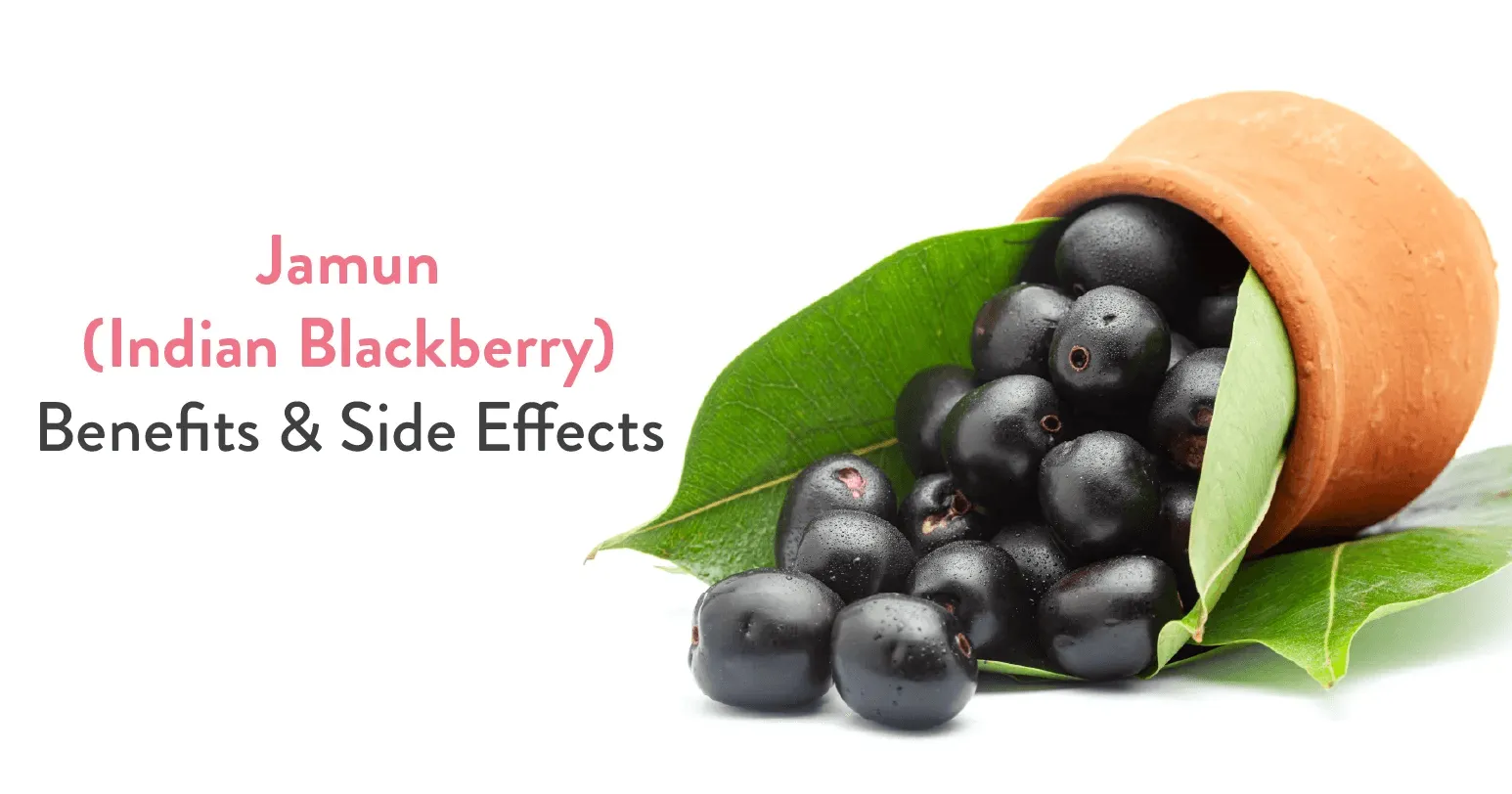
Jamun (Indian blackberry) is safe for most people in moderation — a small bowl of about 100g a day — and is best known for helping regulate blood sugar, aiding digestion, and boosting immunity. People on diabetes medication, however, should monitor their blood sugar closely, since jamun can add to the sugar-lowering effect of their medicines.
Jamun, also called Indian blackberry or java plum, is a small, dark purple fruit native to the Indian subcontinent and Southeast Asia. Its fruit, leaves, bark, and seeds all have traditional and modern medicinal uses. This guide covers jamun’s nutrition, proven benefits, possible side effects, how much to eat, and who should be cautious.
Table of Contents
Jamun, scientifically called Syzygium cumini is characterised as a small, dark purple fruit with a sweet tangy taste packed with dozens of health benefits. In many cultures and different regions of the world jamun is not just considered an exotic fruit rather it is also used as a natural remedy to treat a variety of ailments. Surprisingly, jamun is a diabetic’s best friend, as it helps balance sugar without the bitterness of medicine. Jamun is rich in essential nutrients like vitamin A, vitamin C, calcium, iron, and antioxidants.
Jamun has a low glycemic index (around 25), meaning it raises blood sugar more slowly than most fruits — one reason it is often recommended alongside (not instead of) diabetes management.
Jamun goes by several names including Jambolan, Java Plum, Purple Plum, Damson Plum, Portuguese Plum, and more. The deep purple fruit belongs to the myrtle family and the origin is linked to the Indian subcontinent and Southeast Asia. The compounds found in jamun include anthocyanins, ellagic acid, glucoside, isoquercetin, kaempferol, and myricetin.
Also Read: Benefits & Side Effects of Muskmelon (Kharbuja)
Jamun is a highly nutritious fruit with various health benefits. It is low in calorie count but high in nutrients like vitamin C or ascorbic acid, carbohydrates, protein, iron, and more. The fruit is also rich in nutrients like potassium, sodium, magnesium, and calcium. Some of the nutritional content of jamun includes:
Also Read: Healthy Diet Chart for High Blood Pressure Patients
The table below showcases the nutritional composition of 100 gms of Jamun:
| Nutrient | Amount |
| Energy | 62 kcal |
| Protein | 0.7 g |
| Fat | 0.2 g |
| Dietary Fibre | 0.6 g |
| Vitamin C | 18 mg |
| Iron | 1 – 2 mg |
| Calcium | 15 – 20 mg |
| Potassium | 55 mg |
| Magnesium | 15 – 20 mg |
| Vitamin A | 3 IU |
Additionally, the antioxidants help combat oxidative stress and inflammation of the body. Jamun also aids in digestion and prevents constipation.
Must Read: How to Stay Cool, Healthy & Productive during Indian Summers
Jamun is known as a powerhouse of health benefits, from managing diabetes to supporting skin care jamun is regarded as a nutrition-rich superfruit. Adding jamun to the diet has numerous benefits including:
Jamun is rich in jamboline and jambosine (bioactive compounds) which slows down the conversion of starch into sugar. Additionally, despite being naturally sweet, jamun is low on the glycemic index making it a favourable choice for people managing diabetes.
Jamun is widely preferred as it helps boost immunity. The fruit is rich in vitamin C and antioxidants and helps strengthen immunity and fight off infections.
Jamun has high fibre content and astringent properties. These properties help treat conditions like diarrhoea, ulcers, dysentery, etc and tighten tissues of the digestive tract, and reduce inflammation all contributing to better digestive health.
Jamun works wonders when it comes to maintaining skin & hair health. The antioxidant property and vitamin C content helps reduce signs of ageing, promotes collagen production, and reduces acne, pimples, etc.
Consuming jamun helps maintain healthy blood pressure level, as jamun is rich in potassium content which helps in counteracting the effects of sodium, thereby preventing hypertension. Also, the antioxidants help reduce cholesterol levels and support overall cardiovascular health.
The oval-shaped purple fruit is rich in anti-bacterial properties which help fight off bad breath, reduce gum bleeding, and maintain overall dental hygiene.
Jamun is high in dietary fibre and low in calories which promotes a feeling of fullness while keeping the calorie intake low contributing to weight control.
Jamun is known to have hepatoprotective properties that help repair liver cells, lower enzyme levels, and detoxify the liver.

A safe daily amount is around 100g of fresh jamun (roughly a small bowl), eaten as a snack rather than on a completely empty stomach. People with diabetes should start with a smaller portion and monitor their blood sugar response.
A traditional caution worth passing on: jamun is generally not eaten immediately before or after drinking milk, as the combination is believed to cause digestive discomfort in some people. There isn’t strong clinical evidence behind this, but leaving a gap of an hour or so is a low-risk precaution.
Jamun is known to have numerous health benefits when consumed in moderation, though it can have certain side effects if consumed excessively or if consumed by individuals with certain medical conditions. Some of the possible side effects of consuming jamun include:
Jamun is known to control and lower blood sugar levels which benefits diabetic individuals, however, people who are already on diabetes medicines or individuals with naturally low blood sugar levels consuming jamun excessively can cause symptoms like dizziness, sweating, confusion, etc.
Consuming jamun like other fruits can cause allergic reactions in some individuals and show signs like itching, swelling, hives, etc.
Jamun is rich in iron, and consuming the fruit in excess can lead to iron overload in the body causing symptoms like joint pain, fatigue, and even organ damage overtime.
In some individuals consuming jamun in excess can lead to gastrointestinal issues like constipation, bloating, and acidity.
The key lies in consuming the nutrient-rich fruit in moderation. Additionally, the fruit can also be enjoyed while having it as fresh juice or mixing the jamun seed powder with water or smoothies. Adding jamun to your daily diet can prove to be beneficial to promote overall health and manage conditions like diabetes effectively.
Must Read: Why Indian Moms Age Faster — And How to Help Her Stay Healthy
Yes, jamun is generally considered safe during pregnancy and breastfeeding when eaten in moderation (around 100g a day). Its iron and vitamin C content can support maternal nutrition, and its fibre may help with pregnancy-related constipation.
Women with gestational diabetes can also benefit from jamun’s low glycemic index, but should check with their doctor or dietitian first, since it can affect blood sugar readings alongside any prescribed medication. Always wash the fruit thoroughly before eating.
The key to enjoying jamun’s benefits lies in moderation around 100g a day is a safe target for most people. Beyond the fresh fruit, jamun juice or seed powder mixed into water or smoothies are easy ways to include it in your daily diet.
If you have diabetes, low blood pressure, or are pregnant, it’s worth checking with a clinical nutritionist before making jamun a regular part of your diet — especially if you’re on medication that already affects blood sugar.

लंबे समय तक ऑफिस में बैठे रहना आपकी सेहत के लिए हानिकारक साबित हो सकता है, लेकिन कुछ आसान आदतें हैं जिन्हें अपनाकर आप खुद को फिट रख सकते हैं। सही पॉस्चर रखना, हल्की एक्सरसाइज करना और हेल्दी स्नैक्स का सेवन करना जैसे छोटे-छोटे बदलाव आपके ओवरऑल हेल्थ में बड़ा बदलाव ला सकते हैं। आइए जानते हैं ऑफिस में बैठे-बैठे फिट रहने के 10 टिप्स, जो आपको बनाएंगे एक्टिव और एनर्जेटिक।
Table of Contents
फिटनेस का मतलब आपके शरीर और दिमाग का स्वस्थ रहना है। फिटनेस का मतलब सिर्फ वजन कम करना (lose weight) नहीं, बल्कि शरीर में ताकत, लचीलापन और ऊर्जा बढ़ाना भी है। फिट रहने के लिए सही डाइट लेना (Diet to stay fit), रोजाना एक्सरसाइज करना और अच्छी नींद लेना जरूरी है।
योग करने, दौड़ने, वॉकिंग और साइक्लिंग करने से फिटनेस बेहतर होती है। हेल्दी लाइफस्टाइल अपनाने से बीमारियों से बचाव होता है और आप दिनभर तरोताज़ा महसूस करते हैं। आम भाषा में कहें तो फिटनेस का साफ और सीधा मतलब है खुश और एक्टिव रहना।
आज की लाइफस्टाइल में लोग घंटों बैठकर काम करते हैं, जिसके कारण कई तरह की स्वास्थ्य समस्याएं पैदा हो सकती हैं। इसमें मुख्य रूप से निम्न शामिल हैं:
इसलिए हर एक घंटे में 5 मिनट का ब्रेक लें और टहलें, हल्की स्ट्रेचिंग करें और एक्टिव लाइफस्टाइल अपनाएं।
और पढ़ें: फास्ट फूड (जंक फूड) खाने के नुकसान (junk food khaane ke nuksaan)
अगर आप ज्यादा देर तक बैठकर काम करते हैं, तो आपकी हेल्थ पर बुरा असर पड़ सकता है। लेकिन कुछ आसान आदतों को अपनाकर आप बैठे-बैठे भी खुद को फिट रख सकते हैं। बैठे-बैठे फिट रहने के लिए 10 टिप्स:
ये छोटे-छोटे बदलाव आपकी सेहत में बड़ा फर्क ला सकते हैं। इसलिए, एक्टिव रहें, हेल्दी आदतें अपनाएं और फिटनेस को अपनी डेली रूटीन में शामिल करें।
और पढ़े: ओट्स और दलिया में अंतर, फायदे और नुक्सान
शरीर को स्वस्थ और मजबूत बनाए रखने के लिए फिटनेस एक्सरसाइज बहुत जरूरी है। यह न सिर्फ वजन कंट्रोल रखने में मदद करता है, बल्कि दिल, मांसपेशियों और मेंटल हेल्थ के लिए भी फायदेमंद है।
और पढ़ें: झड़ते, गिरते, कमजोर बालों के लिये वरदान हैं ये घरेलु उपाय
फिट रहने के लिए जरूरी है कि आप रोजाना कम से कम 30 मिनट तक एक्सरसाइज करें और हेल्दी लाइफस्टाइल अपनाएं।
और पढ़ें: एसिडिटी से तुरंत राहत पाने के घरेलू नुस्खे
फिटनेस आपके शरीर और दिमाग के लिए बहुत जरूरी है। यह आपको स्वस्थ, खुश और एक्टिव बनाए रखता है।
इसलिए, अपनी सेहत का ध्यान रखें, एक्टिव रहें और फिटनेस को अपनी डेली लाइफ का हिस्सा बनाएं।
और पढ़ें: बच्चो के लिए हेल्दी डाइट चार्ट
फिटनेस सिर्फ जिम जाने या हैवी एक्सरसाइज करने से नहीं, बल्कि डेली लाइफ की छोटी-छोटी आदतों से भी संभव है। लंबे समय तक बैठने की आदत से कई स्वास्थ्य समस्याएं हो सकती हैं, लेकिन सही पॉश्चर, हल्की मूवमेंट और एक्टिव लाइफस्टाइल अपनाकर इससे बचा जा सकता है।
छोटे-छोटे ब्रेक लेने, स्ट्रेचिंग करने, हाइड्रेटेड रहने और हेल्दी डाइट लेने जैसी आदतें अपनाकर आप बैठे-बैठे भी खुद को फिट रख सकते हैं। छोटी कोशिशें, बड़े बदलाव लाती हैं – इसलिए एक्टिव रहें और स्वस्थ जीवन जिएं।
फिट रहने के लिए कितना वजन होना चाहिए?
फिटनेस सिर्फ वजन पर निर्भर नहीं करती। आदर्श वजन आपकी उम्र, लंबाई और बॉडी टाइप पर निर्भर करता है। आमतौर पर बीएमआई (BMI) 18.5-24.9 के बीच होना बेहतर माना जाता है।
क्या दिनभर कुर्सी पर बैठकर काम करने से स्वास्थ्य पर असर पड़ता है?
हां, लंबे समय तक बैठने से मोटापा, कमर दर्द, दिल की बिमारियों और डायबिटीज (Diabetes) का खतरा बढ़ता है। इन सबसे बचने के लिए हर एक घंटे में 5 मिनट की ब्रेक लें और हल्की मूवमेंट करें।
क्या खड़े होकर काम करना फायदेमंद है?
हां, खड़े होकर काम करने से कैलोरी बर्न होती है, पीठ दर्द कम होता है और ब्लड सर्कुलेशन बेहतर होता है। लेकिन लंबे समय तक खड़े होकर काम करना भी सही नहीं है। बैठने और खड़े होने के बीच संतुलन होना जरूरी है।
क्या ऑफिस में कैफीन का ज्यादा सेवन सही है?
नहीं, ज्यादा कैफीन लेने से नींद पर बुरा असर पड़ सकता है, जिससे डिहाइड्रेशन (Dehydration) और एंग्जायटी हो सकती है। दिनभर में 2-3 कप कॉफी या चाय का सेवन पर्यपत माना जाता है।

Breast cancer refers to a condition where abnormal breast cells grow out of control and lead to a tumour. It can lead to a change in size and shape of the breast, a lump in the breast, dimpling or puckering of breast skin, and more. Breast cancer is the most common cancer that affects women in India. According to the World Health Organization, breast cancer cases are surging globally one in 20 women getting diagnosed with the disease in their lifetime. The treatment options are increasing, leading to reduced mortality and better treatment outcomes. However, after breast cancer treatment, individuals may experience both short-term and long-term complications like fatigue, hair loss, skin changes, heart problems, bone issues, etc.
Table of Contents
Pregnancy and childbirth are among life’s most joyous occasions, but some medical conditions, such as breast cancer, can raise a concern about becoming a mother, particularly during treatment processes that involve chemotherapy, radiation therapy, surgery and other procedures. Sometimes the drugs or medicines used in these treatments may cause harm to the developing baby and lead to infertility. Though pregnancy after breast cancer is possible and is considered safe, however, it depends on several factors, including:
A successful pregnancy after breast cancer is also significantly influenced by the type of cancer. Breast cancer types, such as hormone receptor-positive, grow in response to hormones like oestrogen. And as pregnancy causes hormonal changes in the body, doctors recommend hormonal therapy before attempting to conceive.
The type of treatment option also impacts pregnancy. Below are the treatment options and their impact on pregnancy:
Chemotherapy may reduce fertility by damaging the ovaries.
Considered less harmful if not directed near the ovaries.
Hormonal therapy is considered harmful to a developing fetus.
Naturally, fertility declines with age, and if treatment is received in the late 30s or 40s, fertility may already be on the lower side, leading to issues while conceiving.
Waiting Period: Doctors often recommend waiting for 2 years after finishing treatment before trying to conceive. It is usually the norm as recurrence is most likely in this period.
Also Read: Pregnancy Diet Chart for taking care of yourself & your baby.
Yes, it is possible to get pregnant after breast cancer; many women around the globe are successfully conceiving post-treatment. Doctors often recommend,
Pregnancy after breast cancer treatment ends is considered safe and does not increase the chance of recurrence, even in hormone-sensitive cases. Consulting an oncologist and fertility expert is also a good way to understand the risks and fertility conditions before planning the next steps.
The recommended waiting time depends on the type of breast cancer and treatment received. Certain factors that play a role here include:
If the treatment is done through hormonal therapy, which is usually prescribed for 5 – 10 years, pregnancy is not prescribed during this time. However, some planned breaks in therapy may be recommended by the doctor.
If the treatment is done through chemotherapy, waiting until the menstrual cycle stabilizes and ovarian function is assessed, waiting until then is recommended. Additionally, fertility testing may help determine the chances of conceiving.
It is usually advised to wait for at least 2 years after finishing the cancer treatment before trying to conceive. Waiting is recommended to allow the body to recover and avoid the risk of recurrence of breast cancer.
Also Read: 5 Common Cancers Affecting Women
Breastfeeding after breast cancer treatment is considered safe in most cases. Breastfeeding also depends on the treatment type, i.e. treatment like mastectomy or radiation can directly impact milk production and make breastfeeding more difficult. Treatment types that impact breastfeeding include:
Double Mastectomy – Mastectomy involves removal of all the breast tissues, making breastfeeding impossible.
Radiation Therapy – Radiation may damage the milk ducts and glands, affecting the breast’s milk production.
Breastfeeding is safe after breast cancer treatment, and it does not increase the risk of cancer recurrence and is safe for the mother. Also, it is safe for the baby if the mother is not on active cancer medication.
No, a history of breast cancer does not put the baby at risk during pregnancy. Though there are certain factors, like treatment type, including chemotherapy or radiation therapy might affect a growing fetus, it is safer to wait until all treatment is complete before getting pregnant. It is also recommended to wait at least 2 years to avoid complications and prevent recurrence.
Read More: Alcohol during pregnancy: Is it a wise choice?
If you are a breast cancer survivor and thinking about conceiving, it is recommended to consult your oncologist and fertility specialist. Understand the treatment and its effects on pregnancy. Also, if you are still on medications, it is crucial to talk to your doctor before conceiving, as some drugs might affect fetal development or might even enter the breast milk and affect the baby.
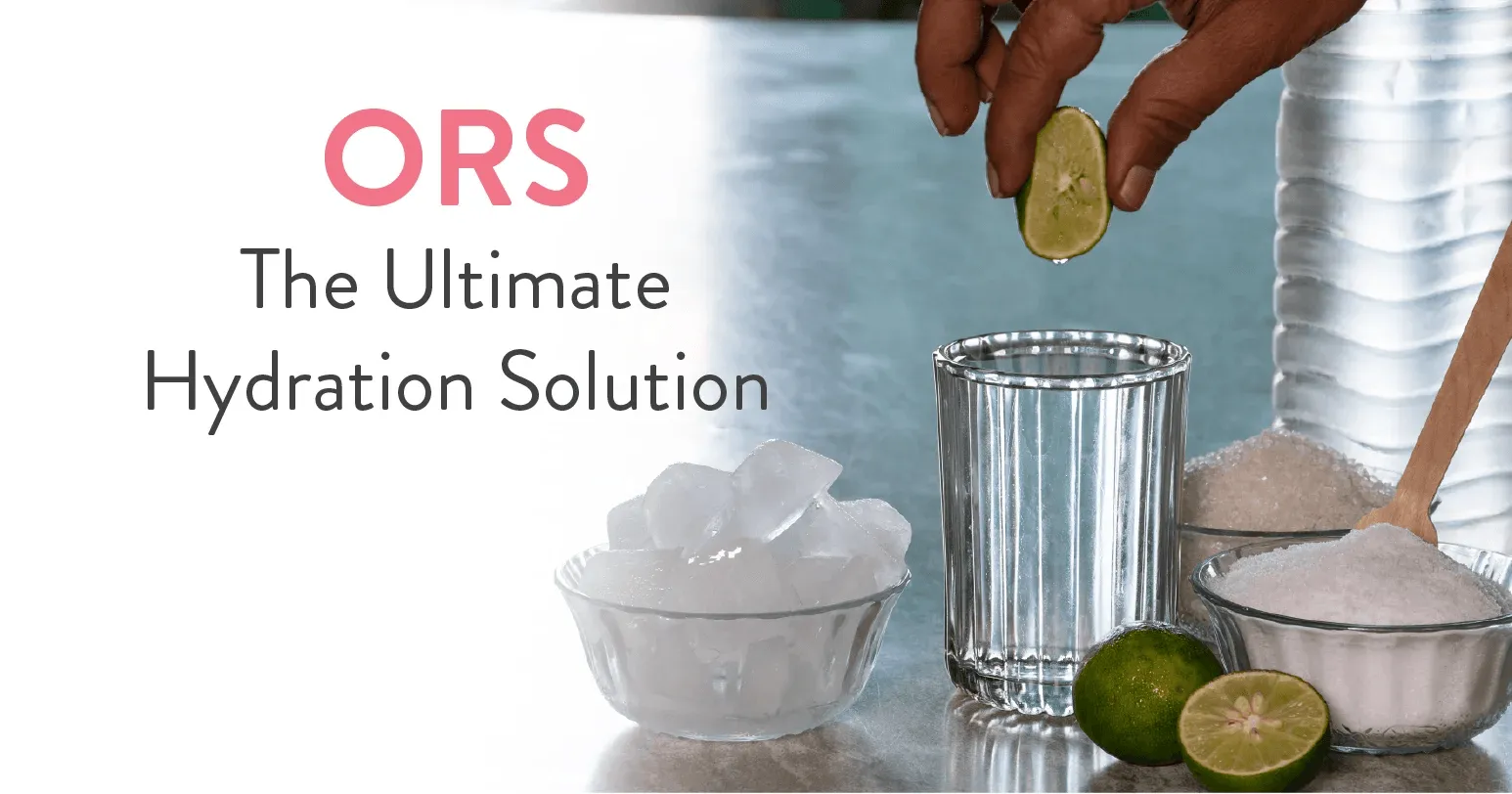
The Great Indian Summer- when the sun is at its brightest, heat is at its peak and all living things are parched for an extra drop of water. Remember that ad where the sun was literally sucking the hydration out of us with a straw. That is literally how most of us feel during summers. Why? Dehydration. The body’s natural water content gets used up leading to headaches, dizziness and more. But even in such situations, there is an effective solution, that is ORS.
Known to all as a fast and effective way to restore the body’s hydration, nothing really beats ORS. Dehydration may also happen due to illness, heat, or physical activity, ORS in such cases is also your go-to solution.
Table of Contents
ORS full form stands for Oral Rehydration Solution. It is a medically approved, easy-to-use fluid that helps restore the body’s water and electrolyte balance. The ORS in medical terms therefore tells you that ORS can rehydrate the body orally and treat or prevent dehydration.
The standard composition of ORS as recommended by the World Health Organization (WHO):
These ingredients help the body absorb fluids quickly and restore lost minerals. ORS liquid comes pre-packaged as ORS powder, which is mixed with clean water and consumed.
Also Read: Soaked Almonds vs Raw Almonds for Weight Loss
The uses of ORS span a wide range of medical and lifestyle requirements:
Also Read: What are the health benefits of Pumpkin Seed Oil
Whether it’s diarrhoea, vomiting, fever, or just a hot summer day—ORS restores lost fluids and electrolytes quickly, helping your body bounce back faster.
Thanks to its precise mix of salt, sugar, and minerals, ORS helps maintain blood pressure, prevents muscle cramps, and supports healthy nerve and muscle function.
From toddlers to seniors and pregnant women—ORS is gentle on the stomach and easy to absorb, making it a go-to rehydration option for the whole family.
Starting ORS early in diarrhoea can reduce its severity and duration, lowering the risk of complications or hospital visits.
Feeling drained after a night out or a hot day? ORS recharges your system better than sugary energy drinks.
Read More: What are the Benefits, Nutrition & Uses of Bajra
Don’t have a packet of ORS powder? You can easily prepare homemade ORS using simple kitchen ingredients.
This DIY electrolyte ORS drink works wonders in emergencies.
Also Read: Custard Apple Benefits & Nutritional Value
ORS comes in several convenient forms:
Choose what works best based on your age, need, and availability.
Read More: Chest Pain due to Gas
How much ORS in a day depends on age, weight, and severity of dehydration:
It’s important to sip ORS slowly and not gulp it all at once. Continue regular food intake along with ORS.
While ORS is generally safe, it may not be suitable for everyone:
Always consult a healthcare provider if symptoms persist.
Also Read: Diet Chart For Weight Loss
Let’s bust some common myths:
Also Read: Diabetes Myths & Facts
ORS is not just a solution—it’s a lifesaver. Easy to use, inexpensive, and highly effective, ORS should be a part of every household’s medical kit. Whether it’s for your child, your elderly parents, or yourself during the summer heat, ORS drink is the fastest route to rehydration. Equip yourself with this knowledge and keep a packet (or the know-how to make home-made ORS) handy. After all, when dehydration strikes, timely ORS can make all the difference.
Also Read: Healthy Diet Chart for High Blood Pressure Patients
Q1: Is ORS good for health?
Yes, ORS is medically safe and effective for preventing and treating dehydration in both children and adults.
Q2: Does ORS contain sugar?
Yes, ORS contains glucose, which helps enhance fluid absorption. It’s medically necessary in balanced amounts.
Q3: Is ORS good for loose motion?
Absolutely. ORS helps replace fluids and electrolytes lost during diarrhoea, reducing the risk of severe dehydration.
Q4: Is ORS safe in pregnancy?
Yes, ORS is safe for pregnant women and helps prevent dehydration from vomiting or heat.
Q5: Is ORS good for vomiting?
Yes. Sipping small amounts of ORS can rehydrate the body even if you’re experiencing nausea or vomiting.
Q6: Can ORS be taken daily?
Yes, especially during periods of fluid loss due to heat or illness. However, it should not replace your daily water intake.
Q7: Can ORS increase blood pressure?
Unlikely in healthy individuals. Those with high blood pressure should use ORS cautiously due to its sodium content.
Q8: Does ORS help with hangover?
Yes, ORS helps replenish lost fluids and electrolytes after alcohol consumption.
Q9: What is the full form of ORS?
ORS full form stands for Oral Rehydration Solution.
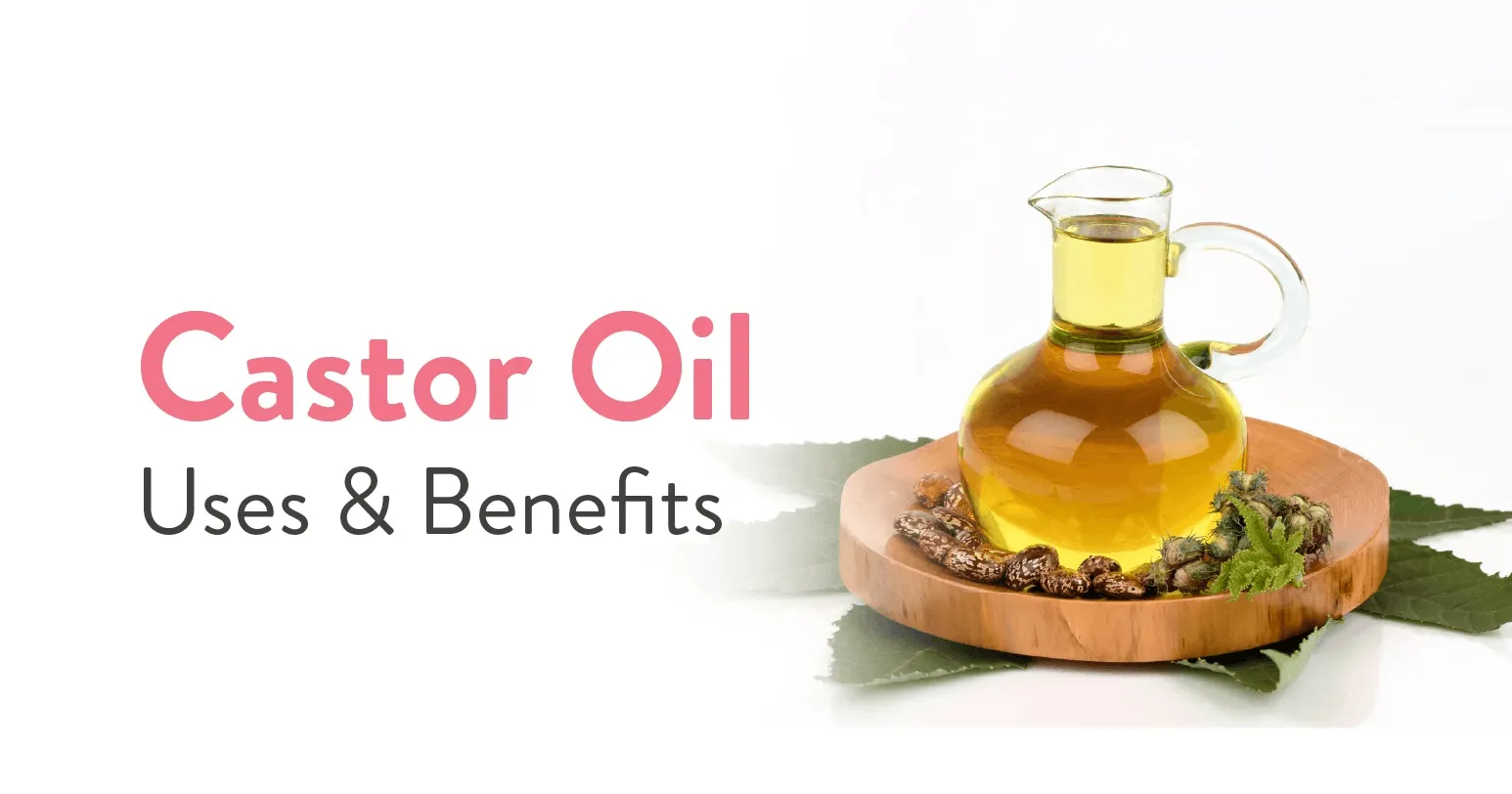
Our ancestors or elders used to rely on products made from natural sources for a reason, from being used for the treatment of diseases to being used as moisturizers, the wide usage and acceptance could be attributed to their healing properties, no allergy or skin reaction, and availability. Today, we all use some or the other skin care products and natural products make up most of the most popular skincare products. Aloe Vera and coconut oil are well-known for their various skin-benefiting properties, similarly, castor oil is a naturally occurring product used in medicine, food, skin care products, industrial lubricants and other products.
Table of Contents
Castor oil is a vegetable oil derived from the castor bean plant and is rich in ricinoleic acid known for its anti-inflammatory, pain-relieving, moisturizing, and antioxidant properties. In India’s traditional ayurvedic practices castor oil was used to treat constipation and other ailments. Additionally, in ancient Egypt, castor oil was also used to treat constipation and dry eyes.
Also Read: Chest Pain Due to Gas-Quick Relief & Prevention Tips
Castor oil is long known to have many health benefits and has been used since ancient times for the treatment of various types of ailments. Some of the health benefits of castor oil include:
Castor oil has long been used as a remedy for treating constipation. It is known as a powerful laxative that stimulates muscle movements in the intestine, helping relieve temporary constipation.
Castor oil is rich in fatty acid and known for its moisturizing qualities that keep the skin hydrated. Castor oil is widely used in skin care products like lip balms, lotions, creams, etc.
Castor oil contains fatty acids, which help dry skin and moisten the area around the wound, reducing pain and speeding up healing. Castor oil is also an ingredient in many wound-healing ointments.
Castor oil is also used on the hair to promote faster growth and give hair a shinier look. Certain hair care products contain castor oil, though there is limited research supporting the point.
Castor oil is known to have a wide range of benefits and is commonly used for skin, hair, and digestive issues. Some of the common uses & benefits of using castor oil include:
| Common Uses | Benefits |
| Skin Care | Moisturizes, heals, and reduces wrinkles |
| Hair Growth | Helps with hair fall & promotes hair growth |
| Constipation Relief | A natural laxative that helps with constipation |
| Pain Relief | Reduces inflammation, soothes arthritis |
Read More: Skin Allergies- Types, Causes, Symptoms & Treatments
Castor oil is known to have many health benefits, while some associated benefits are backed up by scientific research while some of the benefits have limited scientific research behind. Castor oil, a vegetable oil is most commonly used for cosmetic and medical purposes. Most of the skin and hair care products are made using castor oil due to its moisturizing, anti-inflammatory, and antimicrobial properties. Some of the benefits of castor oil include:
Castor oil has long been used as a natural way to induce labor spasms in the intestines, which can stimulate the bowels and vagal nerve.
The anti-inflammatory property of castor oil may help relieve joint pain and alleviates pain associated with arthritis and muscle soreness. Apply a warm castor oil pack to the affected joint for 30 – 60 minutes.
Castor oil is known to help with reducing stretch marks and fine lines due to its antioxidant and moisturizing properties.
Castor oil has additional benefits such as hydrating the skin, reducing acne, improving scalp health, healing dry cracked heels, and accelerating wound healing.
Castor oil is widely used for hair as it promotes hair growth and strengthens hair strands. Hair care products that we use consist of castor oil, a great natural moisturizer that helps nourish dry and brittle hair. Some of the benefits of using castor oil for hair includes:
Promotes Hair Growth: Castor oil stimulates blood circulation to hair follicles, leading to faster hair growth.
Helps Prevent Hair Fall: Castor oil has long been used for hair as it is known to strengthen the roots and reduce breakage.
Thickness Hair & Increases Volume: Castor oil is high in ricinoleic acid, a fatty acid that helps deeply hydrate the hair and coats the hair shaft.
Also Read: 10 Home Remedies for Anti-Aging
The benefits of castor oil for the skin have been known for a long time and the same has been proven by various medical research. The antimicrobial and anti-inflammatory properties of castor oil are known to be beneficial for the skin and work to resolve various skin conditions including:
Helps with Acne: Castor oil is high in antibacterial properties that help fight acne on the face caused by bacteria that clog the pores leading to acne.
Reduces Wrinkles: Castor oil is known for its antioxidant properties that help fight free radicals (unstable molecules that damage skin cells) thus reducing the ageing process and leading to reducing wrinkles.
Helps with Puffiness: The anti-inflammatory property of castor oil helps reduce swelling and puffiness and also reduces the size of pimples or eyebags.
Castor oil is a naturally sourced vegetable oil known for its benefits on the skin, hair, and treatment of various conditions. Castor oil is widely used in skin care products and is a preferred choice for many for their skin & hair care needs. However, some people may find castor oil irritating their skin and experience symptoms like itching and swelling on the lips. There are some ways through which castor oil can be used safely, including:
Patch Test: Before applying the oil in a larger portion, apply a small amount on the wrist, wait for a few hours and check if there’s any allergic reaction or symptoms.
Use in Moderation: Castor oil is thick, avoid using larger quantities that may lead to oil buildup.
Consultation: Before taking castor oil for treatment of constipation-related issues, consultation with a doctor is recommended.
Use Cold Pressed Oil: When using castor oil ensure the oil is pure and chemical-free. Cold-pressed or pure castor oil is known to have the best results for skin and hair.
Keep Away from Eyes: When applying castor oil ensure careful application around the eyes as it may cause irritation.
Dilute before Use: Castor oil is a thick oil, thus before applying or using it on the skin or hair, mix it with coconut oil or olive oil for easier application.
Read More: What Is Tapioca: It’s Uses & Benefits
Is castor oil good for hair?
Yes, castor oil is considered good for hair, it promotes hair growth and helps prevent hair fall.
Is castor oil edible?
Yes, castor oil is edible and is known to help with constipation. However, consult a doctor before using castor oil for digestive issues.
Is castor oil good for hair growth?
Yes, castor oil is good for hair growth, it is beneficial for hair strengthening and overall hair health.
Does castor oil regrow hair?
There is no scientific evidence proving castor oil helps regrowth of hair. However, castor oil is known to promote hair growth.
Is castor oil good for your face?
Castor oil is known for its moisturizing and antioxidant properties that help keep the face smooth and help with pimples and acne.
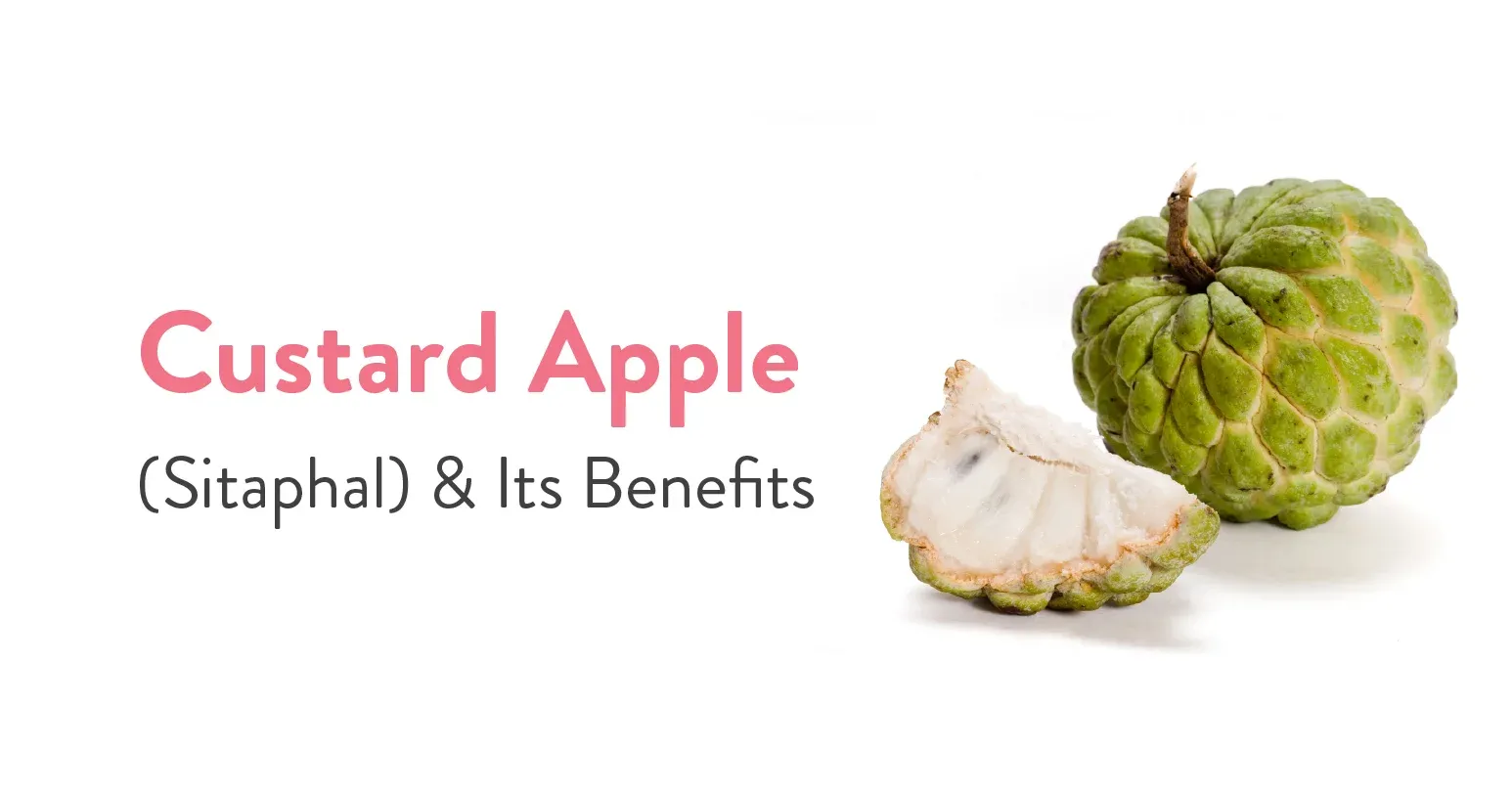
If you have a sweet tooth, then you must have definitely been curious about custard apples. Recognized by its creamy texture and sweet, custard-like flavor, the humble Indian Sitaphal or custard apple has been enjoyed for ages as a nutrient-dense treat. The botanical name of the fruit is Annona squamosa, which refers to the unique, scaly appearance of its skin. Loaded with vitamins, minerals, and antioxidants, it has also been used in traditional medicine while being a nutritious food source.
Table of Contents
Nutritional information per 100 grams of custard apple fruit:
| Nutrient | Amount per 100g |
| Energy | 94 kcal |
| Carbohydrates | 23 g |
| Sugars | 16 g |
| Dietary Fiber | 3.3 g |
| Protein | 2.1 g |
| Fat | 0.3 g |
| Vitamin C | 36 mg |
| Potassium | 247 mg |
| Calcium | 24 mg |
| Iron | 0.6 mg |
| Magnesium | 21 mg |
Also Read: Soaked Almonds vs Raw Almonds for Weight Loss
Custard apple boasts a wide range of benefits that can contribute to better health and wellbeing.
| Nutrients | Benefits |
| Vitamin C & Polyphenols |
|
| High Fiber & Roughage |
|
| Potassium |
|
| Natural Fruit Sugars |
|
| Pregnancy Superfruit |
|
Read More: Uses & Benefits of Castor Oil
Integrating custard apples into your daily meals can be both simple and delicious. Here are some ideas:
These simple ideas allow you to enjoy the custard apple’s flavor and reap its health benefits in a variety of ways.
Also Read: Diet Chart for Pregnancy
While custard apple offers many advantages, there are a few precautions to keep in mind:
Custard apples are naturally sweet and high in sugars, so excessive consumption may not be suitable for those with diabetes or those monitoring their calorie intake.
Some individuals may be allergic to custard apple. If you experience itching, swelling, or difficulty breathing after consuming the fruit, seek medical advice immediately.
The seeds of custard apple contain compounds that can be toxic if consumed. Always remove and discard the seeds before eating the fruit.
While custard apple has benefits during pregnancy, consult your doctor about appropriate serving sizes to avoid any potential complications with blood sugar or calorie intake.
For individuals managing conditions like diabetes or those aiming to maintain a balanced diet, custard apple provides a natural alternative to high-sugar snacks. By replacing processed sweets with this nutrient-dense fruit, you can enjoy a treat that supports your long-term health goals.
Also Read: Diet Chart For Weight Loss
Custard apple is a remarkable superfruit with a wealth of nutritional benefits and health advantages. From its rich vitamin and mineral content to its positive effects on digestion, heart health, and even skin, this fruit is a fantastic natural alternative to processed snacks. Whether you are managing diabetes, looking to maintain a balanced diet, or simply wanting to enjoy a delicious treat, custard apple is an excellent choice.
By incorporating custard apple into your diet in creative and varied ways, you can enjoy its sweet, custard-like flavor while supporting your overall health. Remember to consume it in moderation, be mindful of the seeds, and consult your healthcare provider if you have specific dietary concerns—especially during pregnancy or if you have any allergies.
Custard apple is not just a delightful treat; it’s a nutritional powerhouse that can help enhance your well-being. So why not add this versatile fruit to your diet today and savor its numerous benefits?
Read More: Diet Chart for Diabetic Patient
1. How to Eat Custard Apple?
Custard apples are best enjoyed fresh. Simply peel the skin, remove the seeds, and scoop out the flesh. You can eat it as is, add it to fruit salads, blend it into a smoothie, or use it as a natural sweetener in desserts.
2. Is Custard Apple Good for Diabetes?
Custard apple has natural sugars and is rich in fibre, which can help moderate blood sugar levels. However, portion control is essential, and diabetics should consult with their healthcare provider before incorporating it into their diet.
3. Is Custard Apple Good for Pregnancy?
Yes, custard apples can be a nutritious option during pregnancy as it provides vitamins and minerals essential for both mother and baby. It is important to consume it in moderation and discuss dietary changes with your doctor.
4. Do Custard Apples Cause Cold?
There is no scientific evidence linking custard apple consumption with causing colds. In fact, its high vitamin C content may help bolster your immune system.
5. What Are the Benefits of Custard Apple?
The benefits of custard apple include improved digestion, enhanced immune function, support for heart health, and a natural energy boost. Its antioxidants also contribute to better skin health and overall wellbeing.
6. Do Custard Apples Increase or Decrease Weight?
When consumed in moderation, custard apple is unlikely to cause weight gain due to its fibre content and low fat. Low in fat and rich in fibre aids in satiety which supports weight management. All natural sugars are meant to be enjoyed as part of a balanced diet.
7. Are Custard Apple Seeds Poisonous?
Yes, the seeds of the custard apple contain toxic compounds and should never be consumed. Always discard the seeds before enjoying the fruit.
8. What Are the Benefits of Custard Apple Leaves?
Custard apple leaves have been used in traditional medicine for their anti-inflammatory and anti-diabetic properties. However, they should be used under professional guidance as part of herbal treatments.

The human body is an astonishingly intricate and robust system. Consisting of billions of neurons to trillions of cells, each has a crucial role to play. Similarly, when it comes to vitamins there are broadly 13 essential vitamins playing a vital role in maintaining overall health by supporting various bodily functions. A deficiency of any of these vitamins can lead to various health problems, some of the commonly known vitamin deficiencies and their health impact include, vitamin D deficiency leads to the weakening of immunity, vitamin C deficiency can cause fatigue, bleeding gums, etc. One such lesser-known deficiency that can cause pain, decreased muscle function, loss of feeling, etc. is caused by a deficiency of vitamin B1.
Beriberi is a disease caused by severe deficiency of vitamin B1. Also referred to as thiamine deficiency is common among people with poor diet, chronic alcohol use, certain medical conditions, people with a diet consisting mostly of white rice or highly refined carbohydrates, etc.
Vitamin B1 or thiamine plays an important role in the body by converting food into energy. Vitamin B1 can be found in eggs, fish, nuts, seeds, sweet potatoes, legumes, beans, etc. Thiamine was the first vitamin B that scientists discovered that’s what the number ‘1’ denotes.
Table of Contents
Beriberi is a public health concern in certain regions of India, particularly those where diets heavily rely on polished rice. Beriberi is classified into two different types including wet beriberi and dry beriberi.
Wet beriberi is characterised as a condition that affects the cardiovascular system. Wet beriberi can lead to n the tissues. Individuals suffering from wet beriberi may experience rapid heart rate, shortness of breath, swelling in the body, etc. Additionally, wet beriberi is considered a medical emergency and may require immediate treatment.
Dry beriberi is known to affect the nervous system and can lead to decreased muscle strength and gradually to muscle paralysis. Dry beriberi is a life-threatening condition if it isn’t treated. Individuals diagnosed with dry beriberi usually experience numbness or tingling in the arms or legs, muscle weakness, confusion, and more.
Also Read: Skin Allergies: Types, Causes & Treatments
The name ‘beriberi’ is derived from a Sinhalese (ethnic group of people who live in Sri Lanka) phrase meaning extreme weakness or ‘I cannot, I cannot’ (beri-beri). The primary cause behind beriberi is poor dietary intake. Other factors behind this include impaired thiamine absorption, increased thiamine requirements, excessive alcohol consumption, rare genetic conditions, etc.
The main cause behind beriberi is associated with a diet lacking in thiamine. Additionally, a diet high on polished white rice or high refined carbohydrates can also lead to deficiency.
Another factor that causes deficiency is related to the conditions that interfere with the body’s ability to absorb thiamine from food. Conditions like gastrointestinal diseases, alcoholism, etc. can lead to beriberi.
Chronic alcohol consumption can affect the body’s ability to absorb and utilize thiamine. Additionally, it may even lead to increasing its excretion.
Medical conditions including HIV, AIDS, kidney dialysis, and severe infections can lead to thiamine deficiency in the body.
Thiamine deficiency may also occur in people with severe sickness and eating disorders. Additionally, women who have extreme nausea and vomiting in pregnancy are also prone to develop the condition.
Rare genetic conditions can affect thiamine absorption/metabolism and can lead to beriberi.
Also Read: How to slow down Metabolism
The symptoms of beriberi vary depending on the type.
Wet beriberi affects the heart and the cardiovascular system and leads to symptoms like:
Individuals affected with wet beriberi may experience rapid heart rate, the heart may feel like it is racing or fluttering.
Another major sign of wet beriberi involves difficulty breathing, especially during the night/while sleeping.
Deficiency of thiamine can lead to fluid buildup the the legs and feet leading to swelling of the legs.
A severe sign of wet beriberi involves affecting the heart, leading to affecting the heart’s function to pump blood effectively.
The deficiency can also cause chest pain due to strain on the heart.
Dry beriberi affects the nervous system leading to signs including,
Dry beriberi can affect the nervous system leading to impaired motor function and balance affecting the ability to walk.
Dry beriberi can cause gradual weight loss and muscle thinning. Additionally, causing difficulty in performing daily tasks due to weakness.
Beriberi can lead to nerve-related symptoms including tingling, burning or numbness in the hands, loss of reflexes, muscle pain or weakness, etc.
Beriberi can also lead to confusion, irritability, difficulty concentrating, or memory problems.
Also Read: Know about the difference between Cardiac Arrest & Heart Attack
Beriberi is a condition resulting from a deficiency of vitamin B1/thiamine (a water-soluble vitamin). Treatment of this condition involves:
Treatment through supplements involves taking oral thiamine supplements for several weeks before the symptoms improve. Additionally, in severe cases intravenous thiamine may be recommended or supplements may be suggested for a longer period.
Dietary changes involve including thiamine-rich food in everyday diet to fulfil the requirement. Adding food including whole grains, dairy, eggs, fortified cereals & bread, etc.
This involves treating the underlying cause behind the deficiency including, malabsorption, alcoholism, etc. Medical conditions like Crohn’s disease or chronic diarrhoea can lead to malabsorption while excess alcohol consumption can affect the body’s ability for absorption of the vitamin.
Is beriberi a communicable disease?
No, beriberi is not a communicable disease and is caused by a deficiency of thiamine.
Who discovered beriberi?
The deficiency disease was discovered by a Dutch physician and professor Christiaan Eijkman.
Is beriberi a skin disease?
No, beriberi is not a skin disease. It is a disease caused by nutritional deficiency.
Is beriberi contagious?
No, beriberi is not contagious.
Is beriberi deadly?
Untreated beriberi can lead to severe complications including, heart failure, severe paralysis, permanent damage to the nervous system, etc.
Is beriberi normal in pregnancy?
No, beriberi is not normal in pregnancy.
Why is it called beriberi?
Beriberi is derived from a Sinhalese (ethnic group of people who live in Sri Lanka) phrase meaning extreme weakness or ‘I cannot, I cannot’ (beri-beri).

