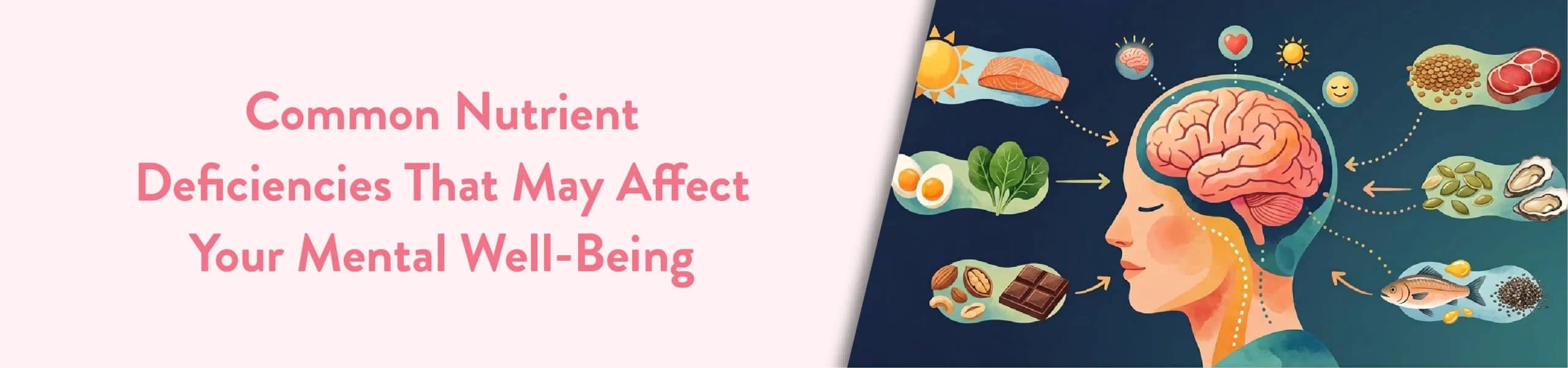
Nutrient deficiencies and mental health are closely linked. Low levels of iron, vitamin B12, vitamin D, folate, magnesium or omega-3 fatty acids may contribute to tiredness, poor focus, irritability and low mood. A deficiency is rarely the only cause of how you feel, but it is common, simple to test for and usually treatable.
Many people who constantly feel low or mentally foggy assume the problem lies in their mindset, their motivation, or their mental health. Others worry it is linked to a chronic illness. Sometimes that’s the case, but not always.
Your body may be low on a few basic nutrients, and that can affect both your mental and physical health. Tiredness, poor focus, irritability, and low mood are some of the ways it shows up.
Let’s look at which nutrient deficiencies are most commonly linked to this, and how to tell if one might be affecting you.
Our brain is a physical organ that builds mood-regulating chemicals like serotonin and dopamine from raw materials in your diet, and it needs a steady supply of oxygen and energy to work well.
This does not mean a deficiency is the only cause of depression or anxiety. Genetics, stress, sleep, and life events all play a part. A nutrient gap is one possible contributor, and one of the easier ones to test for.
Also Read: Mental Health: Signs and Factors Affecting It
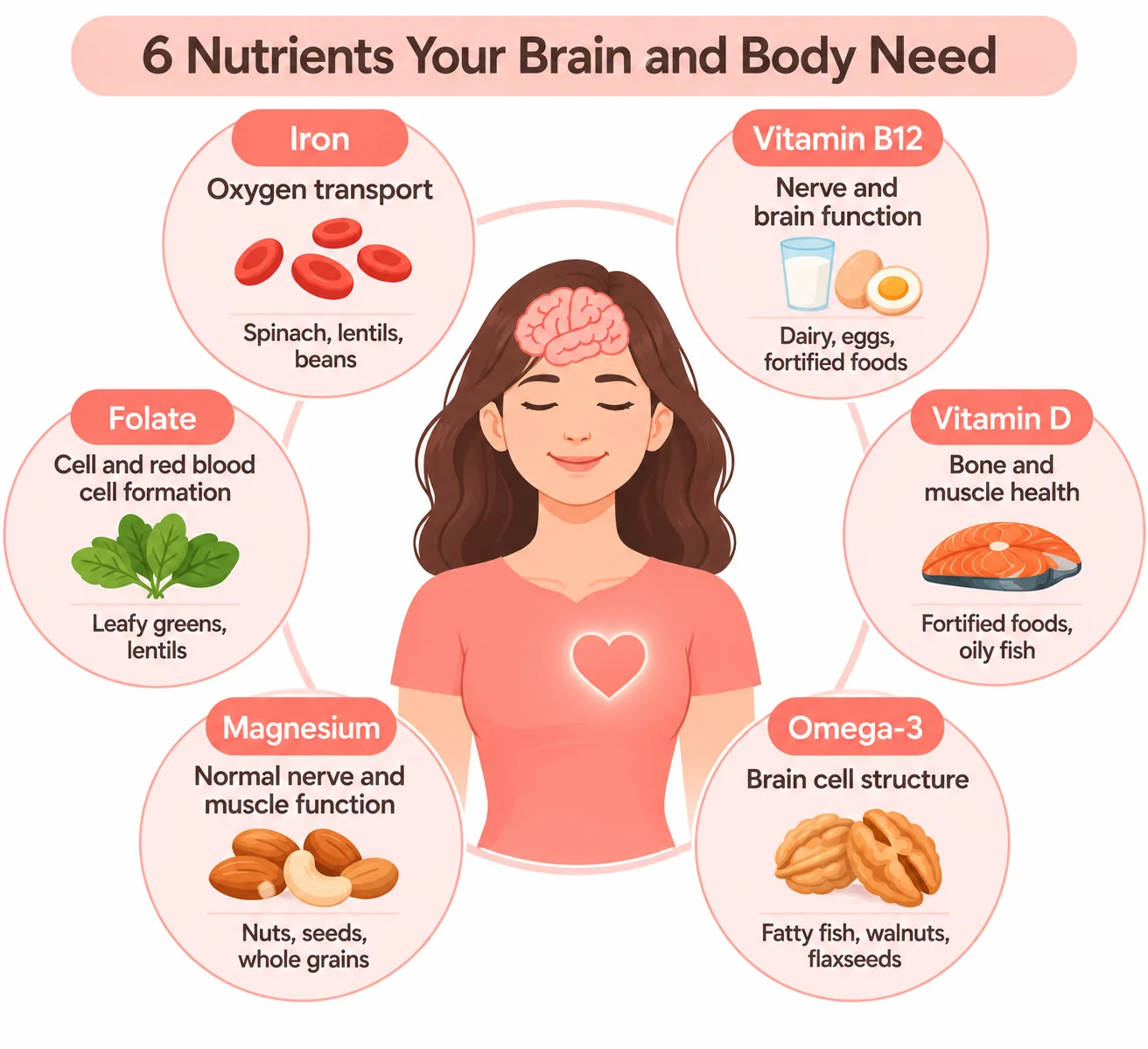
The nutrients most often linked to tiredness, poor focus and low mood are iron, vitamin B12, vitamin D, folate, magnesium and omega-3 fatty acids. Here is how each one may affect you.
Iron helps your red blood cells carry oxygen to your brain and other parts of your body. When iron levels drop, you may feel exhausted, breathless or find it harder to concentrate. Women with heavy periods, pregnant women, teenagers and vegetarians are more likely to develop iron deficiency.
Also note that you can have low iron stores before you become anaemic. Your haemoglobin levels might still be within the normal range while ferritin (a protein that reflects your body’s stored iron) is already low. That is why checking haemoglobin alone may not be enough to identify iron deficiency.
What should you do?
If you experience constant fatigue, breathlessness or difficulty concentrating, speak to your internal medicine doctor about whether you need a complete blood count (CBC) and ferritin test. If iron deficiency is confirmed, your doctor can recommend dietary changes or iron supplements, depending on how low your levels are and what is causing the deficiency. Do not take iron supplements without medical advice.
Also Read: Iron-Rich Foods to Add to Your Diet
Ever had days when you feel unusually tired, struggle to concentrate or keep forgetting little things? Sometimes, low vitamin B12 levels could be one reason.
Vitamin B12 helps keep your nerves healthy and supports brain function. A deficiency can cause fatigue, forgetfulness, poor concentration, low mood and tingling in your hands or feet. People who follow a vegetarian or vegan diet and don’t eat enough dairy, eggs or B12-fortified foods are at higher risk. Older adults and people taking certain medicines for a long time (such as metformin for diabetes or acid-reducing tablets) are also more likely to develop a deficiency.
B12 deficiency can develop gradually over several years, so its symptoms may go unnoticed or be mistaken for stress, ageing or everyday tiredness. A simple serum vitamin B12 blood test can help confirm it.
Despite plenty of sunshine, vitamin D deficiency is very common in India, especially among people who work indoors, cover most of their skin outdoors, or have darker skin. Low levels have been associated with low mood, body aches, and tiredness. A 25-hydroxy vitamin D blood test shows your level. Treating a confirmed deficiency is important, but taking extra vitamin D when your levels are normal is unlikely to improve your health.
Also Read: Osteomalacia: Causes, Symptoms and Treatment
Folate is another B vitamin your body needs to function well. It works alongside vitamin B12 and helps your body make healthy red blood cells and chemicals involved in brain function. Low levels can contribute to fatigue, irritability and poor concentration. Leafy greens, lentils and beans are good food sources. If you are pregnant or planning a pregnancy, your doctor may also advise a folic acid supplement.
Magnesium helps regulate the nervous system and stress response. Low levels may contribute to restlessness, poor sleep, muscle cramps, and a feeling of being “wired but tired.” Blood tests don’t always reflect your true magnesium status, so doctors often rely on symptoms, diet, and medical history together. Nuts, seeds, whole grains and leafy greens are good food sources.
Your brain needs healthy fats to function well, and omega-3s are an important part of this. They are found in foods such as fatty fish, walnuts and flaxseeds. Low dietary intake has been connected with low mood, but the benefits of omega-3 supplements for mental health are still being studied.
| Nutrient | Signs that may show up | Test your doctor may suggest | Good food sources |
|---|---|---|---|
| Iron | Tiredness, breathlessness, poor focus, pale skin | CBC and serum ferritin | Leafy greens, lentils, beans, meat, fish |
| Vitamin B12 | Fatigue, forgetfulness, low mood, tingling in hands or feet | Serum vitamin B12 (sometimes with other markers) | Dairy, eggs, fish, meat, fortified foods |
| Vitamin D | Low mood, body aches, tiredness | 25-hydroxy vitamin D | Sunlight on skin, oily fish, egg yolk, fortified foods |
| Folate (B9) | Fatigue, irritability, poor concentration | Serum folate (often with B12) | Leafy greens, lentils, beans |
| Magnesium | Restlessness, poor sleep, muscle cramps | Serum magnesium, plus a review of symptoms and diet | Nuts, seeds, whole grains, leafy greens |
| Omega-3 | Low intake linked with low mood | No routine test; your doctor reviews your diet | Fatty fish, walnuts, flaxseeds |
Other nutrients, such as zinc and vitamin B6, are also being studied for their role in mood, but the evidence is still limited.
Also Read: Flax Seeds: Uses, Benefits and Side Effects
The safest way to correct a deficiency is to test first and take supplements only on medical advice. Watch out for these common mistakes.
Self-prescribing supplements: Excess intake of vitamin B6, iron or vitamin D can harm your health.
Feeling low or tired is not always due to a nutrient deficiency. But if you are eating well and still not feeling right, get it checked by a doctor, as absorption issues, pregnancy, or certain medicines can affect your levels.
Also Read: Tips for Good Mental Health
Anyone can become low on a nutrient, but you may be at higher risk if you:
Also Read: How to Reduce Mental Stress
If you have been feeling tired, foggy, or low for more than two weeks, it is time to get checked. The same goes if you are also noticing hair fall, tingling in your hands or feet, pale skin, frequent illness, or unusual cramps.
A general physician or internal medicine doctor can start with a few basic tests and, if needed, refer you to a specialist or mental health professional.
At the CK Birla Hospital, our doctors look at both your physical and emotional health, so you don’t have to figure it out alone. Call us to book a consultation.
Written and Verified by:

Similar Fitness and Wellness Blogs
Request a call back