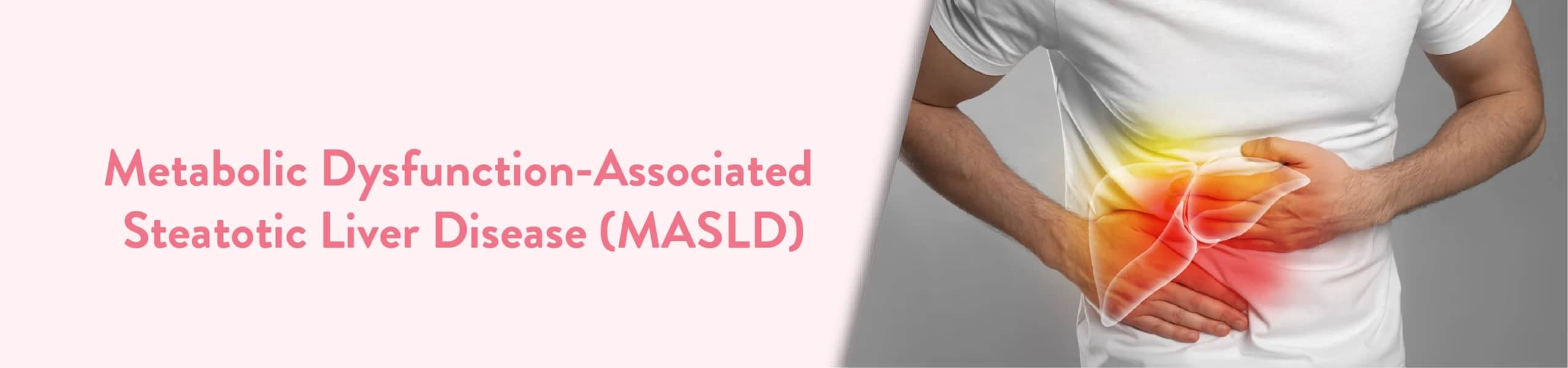
Understand MASLD (metabolic dysfunction-associated steatotic liver disease) and how it differs from NAFLD.
Explore the four stages of fatty liver disease, from simple steatosis to cirrhosis.
Recognise common risk factors, including diabetes, obesity, high cholesterol and high blood pressure.
Discover treatment options, including weight management, dietary changes, exercise and medical care.
Learn how weight loss and regular monitoring can help reduce liver fat and lower the risk of liver damage.
If you have searched for fatty liver disease, you may have come across the term NAFLD (non-alcoholic fatty liver disease). It is now known as MASLD, short for metabolic dysfunction-associated steatotic liver disease. The name has changed, but much of what we know about the condition remains the same.
MASLD is linked to metabolic health and can range from fat build-up in the liver to inflammation and scarring. Here is what causes it, how to recognise the warning signs and what treatment involves.
MASLD replaced the term NAFLD in 2023 following an international consensus process involving liver specialists and other medical experts. The change was introduced because terms such as ‘non-alcoholic’ and ‘fatty’ were considered potentially stigmatising and did not adequately reflect the role of metabolic health.
For most people, the underlying condition remains the same, and studies show considerable overlap between NAFLD and MASLD. Similarly, non-alcoholic steatohepatitis (NASH) is now called metabolic dysfunction-associated steatohepatitis (MASH), a more advanced form involving liver inflammation and damage.
The major diagnostic change is that MASLD requires evidence of fat accumulation in the liver and at least one cardiometabolic risk factor, such as obesity, type 2 diabetes, high blood pressure or abnormal blood lipid levels.
MASLD (Metabolic Dysfunction-Associated Steatotic Liver Disease) means extra fat has built up in the liver (steatosis) alongside at least one metabolic risk factor, such as excess weight, raised blood sugar, high blood pressure, or abnormal cholesterol or triglycerides.
Our liver naturally stores and processes some fat, so a small amount is expected in a healthy liver. It becomes a concern when fat makes up a large share of the liver’s weight and starts triggering inflammation. Over years, that inflammation can scar the liver.
Contrary to common belief, this fatty liver disease is not limited to heavy drinkers or people with obesity. It can occur with little or no alcohol, and even people with a normal BMI can have it, especially if they carry extra fat around the waist.
Liver specialists describe four broad stages:
The condition may remain stable for years, and early changes can improve with appropriate treatment. Doctors watch fibrosis most closely, because it is the best predictor of long-term liver outcomes.
In its early stages, this condition usually causes nothing you would notice. Some people report vague tiredness or a dull ache in the upper right abdomen, but both are easy to put down to a long work week or getting older.
Once scarring is advanced, the signs become harder to miss:
Simply because you feel fine does not mean your liver is. Most people find out about fatty liver by chance, through a scan or blood test done for another reason. If you have risk factors, get checked even when you have no symptoms.
MASLD develops through a combination of metabolic, genetic and lifestyle factors. Insulin resistance plays an important role here. When you eat more than your body burns, the extra energy is stored as fat, and some of it ends up in the liver. This happens more easily when the body becomes resistant to insulin, the hormone that helps cells use sugar.
Some common risk factors are:
What your doctor suggests depends on how much damage the liver has, how your blood sugar, blood pressure and cholesterol look, and what other conditions you have. The aim is to bring down the fat in your liver and stop things from getting worse.
According to the European clinical practice guidelines for MASLD 2024, losing at least 5% of body weight to reduce liver fat, 7 to 10% to improve liver inflammation, and 10% or more to improve liver scarring (fibrosis).
The positive change comes from steady loss over several months. A few practical changes can help:
What should you avoid?
Crash diets and unproven liver detox drinks should not replace your treatment or steady lifestyle changes. Very rapid weight loss can actually worsen liver inflammation in some cases, and supplements marketed for the liver are not a substitute for a balanced diet and regular exercise. Gradual loss works better and lasts longer.
If your report mentions fatty liver, don’t ignore it, and don’t panic either. MASLD is usually manageable, especially when it is detected early. You can ask a gastroenterologist or hepatologist to evaluate how much scarring you have, particularly if you have diabetes, obesity, or abnormal liver enzymes. Followup usually involves blood tests and, where needed, a FibroScan. Steady changes in food, movement, and weight, along with good control of related conditions, are what protect your liver over time.
The CK Birla Hospital has a team of experienced gastroenterologists, hepatologists, and dietitians who work together to assess your liver health and build a plan suited to your stage and lifestyle. Advanced diagnostic facilities, including FibroScan and comprehensive liver function testing, are also available, so your tests and consultation can be planned in one visit.
If you have a fatty liver finding or MASLD risk factors, call us today to book a consultation.
Written and Verified by:

Similar Gastroenterology Blogs
Request a call back