Filter :
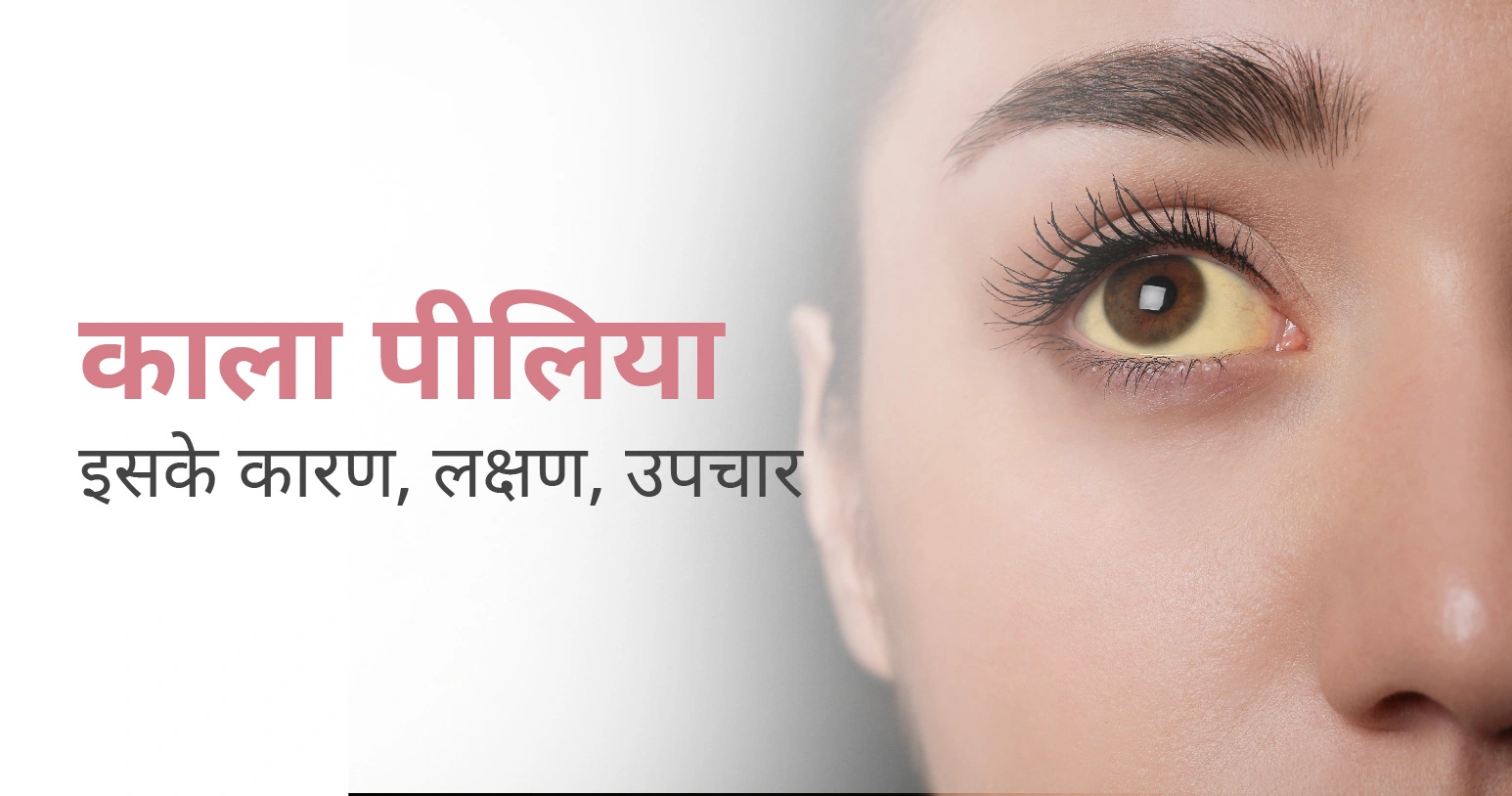
काला पीलिया एक गंभीर समस्या है जिसके लक्षणों पर ध्यान देना और समय पर डॉक्टर से परामर्श करके उचित उपचार पाना आवश्यक है। इस ब्लॉग में हम काला पीलिया के कारण, लक्षण और उपचार के बारे में विस्तार से जानेंगे।
Table of Contents
लिवर में होने वाला एक घातक वायरल इंफेक्शन है काला पीलिया, जो हेपेटाइटिस बी और सी वायरस के संक्रमण की वजह से होता है। जब लिवर में हेपेटाइटिस का इंफेक्शन बहुत ज्यादा बढ़ जाता है, तब लिवर सिरोसिस और लिवर कैंसर की स्थिति पैदा हो जाती है। ऐसी स्थिति में मरीज की मौत भी हो सकती है। काला पीलिया, बॉडी फ्लूइड से एक व्यक्ति से दूसरे व्यक्ति में फैल सकता है।
ये भी पढ़े: थायराइड क्या है – कारण, लक्षण और घरेलू उपचार (Home Remedies For Thyroid in Hindi)
आमतौर पर काला पीलिया के लक्षण सामान्य पीलिया के जैसे ही होते हैं, लेकिन कुछ मामलों में यह भिन्न हो सकते हैं। काला पीलिया होने के बाद मरीज खुद में लक्षणों का अनुभव कर सकते हैं जैसे कि:
काला पीलिया एक गंभीर लिवर की बीमारी है जिससे लिवर को नुकसान पहुंचता है। अगर समय पर इलाज न किया जाए, तो लिवर में कार्बन जमा हो सकता है, जिससे कैंसर, किडनी को नुकसान और त्वचा से जुड़ी परेशानियां पैदा हो सकती हैं। इसलिए अगर आप खुद में ऊपर दिए गए लक्षणों का अनुभव करते हैं या आपको इस बात की आशंका है कि आपको काला पीलिया है तो बिना देरी किए डॉक्टर से मिलें।
ये भी पढ़े: गाइनेकोमैस्टिया क्या है – कारण, लक्षण और उपचार (Gynecomastia in Hindi)
काला पीलिया होने पर शरीर में बिलीरुबिन का स्तर बढ़ जाता है, जिससे त्वचा और आंखों का सफेद हिस्सा पीला पड़ जाता है। काला पीलिया को आम बोलचाल में ब्लैक जॉन्डिस भी कहते हैं। इसके कुछ कारण हैं जैसे कि:
ऊपर दिए गए कारणों को ध्यान में रखकर इस बीमारी से खुद को बचाया जा सकता है।
ये भी पढ़े: क्या सामान्य ज़ुकाम, खांसी या ठंड निमोनिया में बदल सकती है
काला पीलिया की जांच के लिए, डॉक्टर बिलीरुबिन परीक्षण करवाने की सलाह देते हैं। इस परीक्षण में, रक्त के तरल भाग यानी सीरम में बिलीरुबिन का स्तर मापा जाता है। अगर बिलीरुबिन का स्तर सामान्य से 2-3 गुना ज्यादा है, तो पीलिया के लक्षण हो सकते हैं।
काला पीलिया का निदान करने के लिए डॉक्टर कुछ जांच करने का सुझाव देते हैं, जिनमें निम्न शामिल हैं:
अन्य टेस्ट जो किए जा सकते हैं उनमें शामिल हैं हेपेटाइटिस वायरस पैनल, कोलेस्ट्रॉल लेवल और प्रोथ्रोम्बिन समय आदि।
काला पीलिया में तत्काल मेडिकल देखभाल और अस्पताल में भर्ती होने की आवश्यकता होती है। उपचार के विकल्पों में निम्न शामिल हैं:
काला पीलिया के अन्य उपचारों में दलिया के साथ गर्म स्नान, एंटीहिस्टामिन, कोलेस्टारामिन या कोलस्टिपोल, लिवर ट्रांसप्लांट, ब्लॉक बाइल डक्ट को खोलने के लिए सर्जरी, फोटोथेरेपी – जो बिलीरुबिन को तोड़ने के लिए फ्लोरोसेंट रोशनी का उपयोग करती है आदि शामिल हो सकते हैं।
काले पीलिया से बचने के लिए आप कुछ नीचे दिए गए उपायों को अपनाए जा सकते हैं:
पीलिया से जल्दी निजात पाने या उससे बचने के लिए ये घरेलू उपाय अपनाए जा सकते हैं। अगर इसके बारे में विस्तार से जानना चाहते हैं तो डॉक्टर से बात करें।
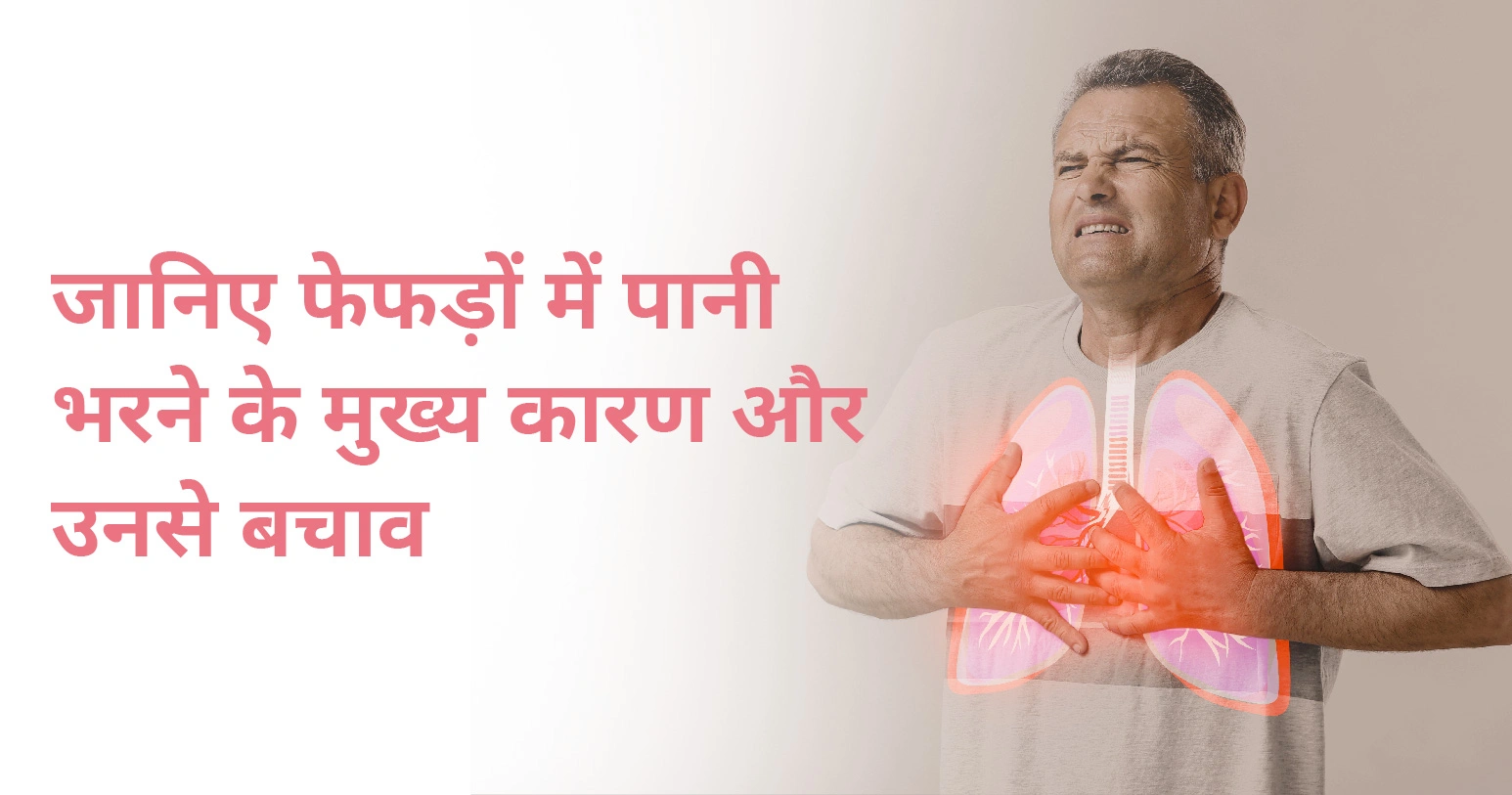
फेफड़ों में कई तरह की बीमारियों होती हैं, पल्मोनरी एडिमा यानी फेफड़ों में पानी भरना भी उन्हीं में से एक है। इस स्थिति में फेफड़ों में मौजूद छोटी-छोटी थैलियों में पानी या द्रव जमा हो जाता है जिसके कारण मरीज को सांस में लेने में कठिनाई होती है।
Table of Contents
फेफड़ों में पानी भरना एक गंभीर समस्या हो सकती है जिसका समय पर जांच और उपचार आवश्यक है। फेफड़ों में पानी या तरल पदार्थ जमा होने पर शरीर में ऑक्सीजन की कमी होती है। साथ ही, दिल की मांसपेशियां खून को पम्प करने में असमर्थ होती हैं, जिससे दिल को अधिक मेहनत करनी पड़ती है। ऐसी स्थिति में ब्लड वैसेल्स पर एक्स्ट्रा प्रेशर पड़ता है और फेफड़े पर्याप्त मात्रा में हवा नहीं ले पाते हैं और मरीज को सांस लेने में दिक्कत होती है।
ये भी पढ़े: ठण्ड में अस्थमा के मरीज़ो को क्या सावधानियां रखनी चाइये?
फेफड़ों में पानी जमा होने के अनेक कारण हो सकते हैं। आमतौर पर निमोनिया होने या शरीर का कोई अंग खराब होने पर (जैसे कि हार्ट फेल्योर, किडनी खराब होना या लिवर सिरोसिस आदि) फेफड़ों में पानी भरने लगता है। इन सबके अलावा, निम्न स्वास्थ्य समस्याएं इसका कारण बन सकती हैं:
साथ ही, धमनियों (आर्टरीज) के सिकुड़ने पर भी फेफड़ों में पानी जमा होने का खतरा बढ़ जाता है।
फेफड़ों में पानी जमा होने पर डॉक्टर कुछ परीक्षण करने का सुझाव देते हैं जैसे कि:
फेफड़ों में तरल पदार्थ का पता लगाने के लिए छाती का एक्स-रे कराया जाता है। यह आमतौर पर सबसे पहला परीक्षण होता है।
फेफड़ों में पानी भरने की जांच के लिए अल्ट्रासाउंड भी कराया जा सकता है। जब एक्स-रे से कुछ चीजों की पुष्टि नहीं हो पाती है तो अल्ट्रासाउंड किया जाता है।
ब्लड टेस्ट से अंतर्निहित कारण का पता लगाने में मदद मिलती है। इसमें ब्लड का सैंपल लेकर लैब में जांच के लिए भेजा जाता है।
यह परीक्षण दिल की इमेज बनाने के लिए ध्वनि तरंगों का इस्तेमाल करता है। इससे दिल से जुड़े कारणों का पता चलता है।
फेफड़ों में जमा पानी या तरल पदार्थ को निकालने के लिए थोरासेंटेसिस प्रक्रिया की जाती है। इसमें, दो निचली पसलियों के बीच की त्वचा में एनेस्थीसिया दिया जाता है और फिर एक छोटी सी सुई डाली जाती है। पानी को निकालने के बाद, फेफड़ों में पानी और मवाद बनने की वजह का पता लगाया जा सकता है।
फेफड़ों में पानी भरने के कारण मरीज को सांस लेने में परेशानी होने लगती है। इसलिए इस बीमारी का जल्द से जल्द इलाज करना आवश्यक होता है। मरीज के शरीर में ऑक्सीजन की पूर्ति करना इस बीमारी के इलाज में सबसे पहला कदम होता है। मरीज को प्रॉपर ऑक्सीजन मिल सके इसलिए ऑक्सीजन मास्क या अन्य उपकरण का इस्तेमाल किया जाता है।
उसके बाद, फेफड़ों में पानी जमा होने के सटीक कारण का पता लगाकर, उपचार योजना बनाई जाती है। आमतौर पर उपचार के तौर पर कुछ दवाएं निर्धारित की जाती हैं जो फेफड़ों से एक्स्ट्रा पानी को निकालने, दिल की मांसपेशियों को मजबूत बनाने और धड़कनों को कंट्रोल करने का काम करती हैं।
कई बार जब दवाओं से कोई फायदा नहीं होता है या मरीज की स्थिति गंभीर होती है तो उसे आईसीयू (इंटेंसिव केयर यूनिट) में एडमिट किया जा सकता है। इन सबके अलावा, मरीज को अपनी लाइफस्टाइल और खानपान में कुछ ख़ास बदलाव करने का भी सुझाव दिया जाता है।
फेफड़ों में पानी भरने पर जल्द से जल्द उपचार पाना आवश्यक है, क्योंकि उपचार में देरी होने पर ऑक्सीजन की कमी के कारण मरीज की मृत्यु भी हो सकती है। समय पर सही उपचार से फेफड़ों में जमा पानी बाहर निकालने के कुछ ही दिनों के अंदर मरीज ठीक हो जाते हैं। हालाँकि, कुछ मरीजों को लंबे समय तक ब्रीडिंग मशीन (सांस लेने में मदद करने वाली मशीन) का इस्तेमाल करना पड़ सकता है।
Polycystic Ovary Disease (PCOD) is a medical condition diagnosed in females during the reproductive age. The condition causes the ovaries to produce more immature or partially mature eggs which accumulate in the ovary. Over time these immature or partially mature eggs begin to develop into cysts which cause the release of excess amounts of androgens, a hormone leading to irregular periods, infertility, and other health problems.
According to Unicef.org, about one-third of menstruating women around the world suffer from PCOD. Lifestyle factors like chronic stress, an unhealthy diet, and an inactive lifestyle can be linked to this enormous number. Females suffering from PCOD can experience issues like heavy bleeding during periods, irregular menstrual periods, sleep disorders, depression, difficulty getting pregnant, skin darkening, etc.
Table of Contents
The exact cause of PCOD is still unknown, though several factors influence the hormone level and ovarian function leading to PCOD including,
Insulin produced by the pancreas helps regulate the blood sugar level in the body. The excess insulin level leads to the overproduction of androgens affecting ovulation.
Several studies reveal indicators connected to genetic sequences associated with PCOD. Individuals may be at greater risk if a close family member has it.
Unhealthy lifestyle habits like excessive consumption of junk food, heavy smoking and alcohol consumption may also cause conditions like PCOD and other related disorders.
A hormonal imbalance and insulin resistance caused by obesity can also result in PCOD.
Low-grade inflammation due to various reasons can trigger the ovaries to overproduce androgens contributing to PCOD.
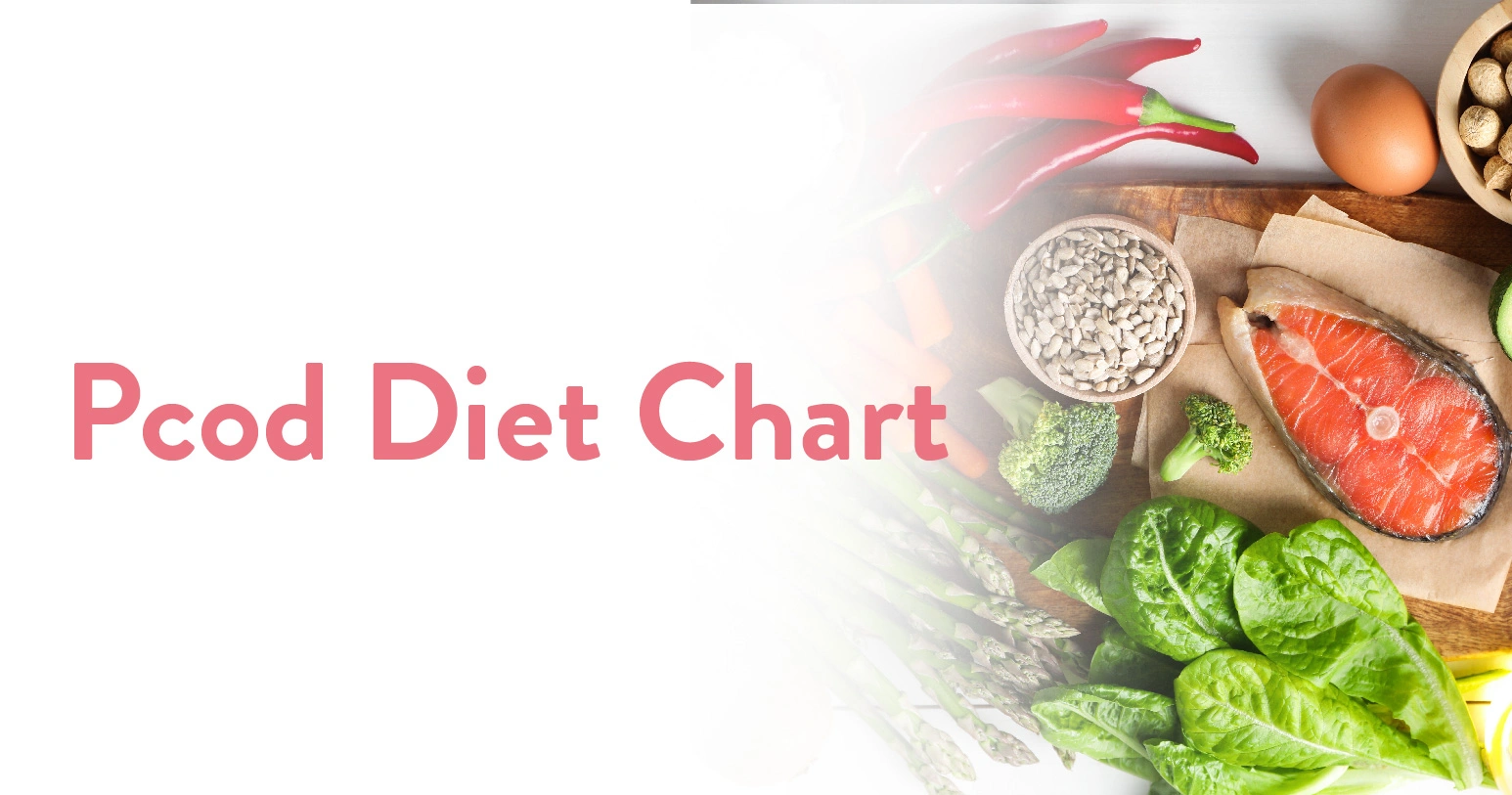
Keeping up a healthy diet is beneficial for overall health, particularly for people facing PCOD and related conditions. If a customised diet plan is followed while managing PCOD it can help with weight control, insulin sensitivity, support hormonal imbalance, and reduce inflammation. A combined approach involving regular exercising, stress management, and making healthy dietary changes can help with the effective management of PCOD. The recommended food that helps with managing PCOD includes,
Insulin resistance is frequently linked to polycystic ovarian disease. Including foods high in fibre in your daily diet can help keep the blood sugar levels stable. The diet should include vegetables that are high in fibre such as spinach, broccoli, etc.
Consuming healthy fats helps with hormone production, lowers inflammation, and promotes hormone imbalance. Including products with healthy fats like avocados, nuts, flax seeds, chia seeds, etc in daily diet can help effectively manage PCOD and other related conditions.
Adding protein to the daily diet like fish, tofu, lentils, etc. can help support muscle health, promote a feeling of fullness, and help regulate hormones.
Foods that are high in antioxidants can help control stress, lower inflammation, and balance insulin production. Berries, spinach, avocado, nuts, olive oil and, other foods can all help increase antioxidant levels managing PCOD effectively.
Green teas and spearmint tea are rich in antioxidants and are known to have anti-androgen properties. Including these in your regular diet can help with improving insulin sensitivity.
Additional foods and products to incorporate into the daily diet to manage PCOD include fruits and vegetables with a low glycemic index (GI), omega-3-rich foods, fermented foods, green leafy vegetables, etc.
Some foods can help maintain hormonal balance while others can worsen hormonal imbalance, increase inflammation, and aggravate insulin resistance. Certain food categories can exacerbate the symptoms of PCOD and should be avoided including:
| Category | Examples |
| Refined Carbohydrates | White bread, white rice, pasta, cookies, muffins |
| Processed & Junk Foods | Chips, fast food, frozen meals, packaged snacks |
| Sugary Beverages | Sodas, sweetened coffee/tea, energy drinks, fruit juices |
| Alcohol | Beer, wine, spirits, cocktails |
| Red & Processed Meats | Bacon, sausages, salami, fatty red meats |
A balanced diet for managing PCOD promotes balancing hormones, reducing inflammation, managing insulin resistance, and maintaining a healthy weight. Since, PCOD is a chronic condition and can’t be cured, following a balanced diet and avoiding the triggering food & products can help manage the symptoms and reduce the risk of long-term complications and promote the overall quality of life. Under the direction of a nutritionist or specialist a customised diet plan is created with the patient’s overall health in mind. It aids in the efficient management of the symptoms related to PCOD and fosters long-term health.
What are the complications of the PCOD problem?
There are various complications related to PCOD, including infertility, depression, obesity, sleep apnea, etc. Changes in lifestyle, medication, supervision, etc. can all help manage these complications.
Why does PCOD cause weight gain?
PCOD is a condition when excessive hormones called androgens are produced. Elevated androgen levels can increase appetite, and promote abdominal fat storage leading to weight gain.
When is PCOD dangerous?
PCOD can have serious consequences including an increased risk of diabetes, heart disease, pregnancy complications, and other illnesses if left untreated/unmanaged.

Pregnancy is a phase of immense transformation and joy. This phase of transformation involves significant lifestyle changes to changes in dietary habits. Along with the transformation comes changes in the body’s diet requirements. The body’s needs for macronutrients (protein carbohydrates and fats), micronutrients (vitamins minerals) and other elements change during this phase.
There have always been misconceptions regarding diet. Especially during pregnancy, people tend to eat more and begin to avoid certain foods but none of these are accurate. All it requires is adopting a healthy eating routine. A balanced diet during pregnancy ensures adequate nutrition is available for the mother-to-be and the baby. The diet plan encourages the consumption of complex carbohydrates, healthy fats, and proteins from all food groups. During pregnancy the body’s requirement of calories and nutrients increases, the key is to compensate for the additional requirement through diet.
It is important to maintain a healthy diet throughout life but it is especially important during pregnancy. The body undergoes numerous physical and hormonal changes during the pregnancy phase. Since the baby’s primary source of nutrition is the food the mother eats, a balanced diet guarantees that both the mother and the child have access to enough nutrition. The key is to include foods from all food groups in order to meet the increasing nutritional requirements.
During pregnancy it does not require eating for two to fulfil the nutritional requirement, all it requires is eating more nutrient-rich food. During pregnancy, it is more about quality over quantity. Nutrient-rich food to be consumed during pregnancy includes,
Table of Contents
During pregnancy, certain foods should be avoided or only consumed in moderation to avoid complications given the nature of such food. As the body’s immunity decreases during pregnancy, usually food that increases the risk of infection should be avoided. Here’s what not to eat during pregnancy,
Raw eggs, soft cheese, processed foods alcohol, excessive caffeine and unpasteurized dairy products are other foods to be avoided during pregnancy.
Diet plays a very important role in the overall well-being of the baby and the mother. Nutritional needs rise during pregnancy and are met by eating foods that are high in nutrients. The food the mother eats is the source of nourishment for the baby. To maintain a healthy pregnancy around 300 extra calories are required every day and it must be acquired from a balanced diet. The importance of a healthy diet during pregnancy ensures,
| Category | What to Eat | What to Avoid |
| Fruits & Vegetables | Apples, oranges, spinach, carrots, broccoli | Unwashed fruits & vegetables or raw produce |
| Whole Grains | Brown rice, oats, whole-grain bread, quinoa | Refined grains like white bread, sugary cereals |
| Protein | Eggs, lean meat, chicken, beans, lentils, tofu | Raw or undercooked meat, sushi, raw eggs |
| Dairy Products | Milk, yoghurt, pasteurized cheese | Unpasteurized milk or soft cheeses (brie, feta) |
| Healthy Fats | Avocado, nuts, seeds, salmon (low-mercury) | High-mercury fish/seafood |
| Iron-Rich Foods | Spinach, lean red meat, beans, fortified cereals | Excess tea or coffee with meals |
| Snacks | Healthy snacks like nuts, fruits, or yogurt | Processed/junk foods (chips, candy) |
| Hydration | Water (8–10 cups) & hydrating fruits | Sugary sodas or excess caffeine |
Pregnancy is a journey of new experiences. During pregnancy, the body goes through a lot of changes and to support these changes a healthy diet plays a key role. A healthy diet plays a crucial role in the development of the baby while maintaining the mother’s health and ensuring a safe and healthy pregnancy. There are various factors that affect the formation of a pregnancy diet chart including, pre-pregnancy health and weight, medical conditions, lifestyle and activity levels. Thus, it is best to get customised guidance on diet plans to ensure a healthy pregnancy.
A balanced diet guarantees that both the mother and the child have access to enough nutrition. The key is to include foods from all food groups in order to meet the increasing nutritional requirements that ensure the baby’s growth.
Vegetables like broccoli, beets, spinach, etc. are a good source of vitamins and minerals and are good for pregnancy. Ensure the vegetables are washed properly before consuming them.
Yes, coffee/tea can be consumed during pregnancy but in moderation. The caffeine intake should not exceed 200 mg/day.
Whole fruits like apples, berries, avocados, kiwis, bananas, etc. are all good for consumption during pregnancy.
Yes, a pregnancy diet helps provide the required nutrition adequately and leads to a healthy pregnancy.
Diet – a term carrying a lot of misconceptions. To some diets means starving themselves while to some diets is only for weight loss. However, the true meaning of diet is much more diverse and helps people make more informed choices for overall well-being. To help maintain good health a diet chart is a guide that lists foods along with their nutritional value. A diet chart is a guide that lists foods and their nutritional value in order to support good health. It is an organized plan that advises on the type, quantities, and timing of food & beverages to be consumed to meet the body’s nutritional requirements.
There is no ‘one size fits all’ approach when it comes to diet. A diet plan is customised based on its intended use/goal. Although there are generic diet charts, a customised chart is essential for effectively reaching the goal. Everybody is different and so are the nutritional requirements, thus a tailored diet chart seeks to cater to the body’s requirements specifically.
Just as diet plans vary based on the objectives/goals they also vary based on the underlying medical condition. Patients with diabetes have different diet plans. The body’s inability to produce enough insulin or use it efficiently is the cause of this chronic illness. Diet chart for diabetic patients focuses on promoting eating a variety of foods providing adequate nutrients while limiting carbohydrate intake which has an impact on blood sugar levels. These diet charts emphasize guiding people with diabetes in controlling their blood sugar levels through healthy eating.
Table of Contents
Diabetes is a chronic condition that requires maintaining the blood sugar level within a healthy range. When we consume food, it is broken down into glucose (sugar) in the digestive tract, further, the pancreas produces insulin to help regulate this glucose (sugar) into the body’s cells and used as energy. However diabetic patients have a harder time controlling their blood sugar levels after eating because their insulin production is either not adequate or ineffectively used. For this reason food intake is crucial for diabetic patients as the foods they eat have a direct impact on blood glucose levels. There are certain foods that a person with diabetes should avoid including,
| Category | Food Products |
| Refined & Processed Carbohydrates | White bread, white rice, pasts, instant noodles |
| Sugary Food & Drinks | Fruit juices, candies, cookies, cakes, sweetened teas |
| Unhealthy Fats | Fried foods, high fat meats & trans fats |
| High Sugar Fruits | Fruits like mangoes, grapes, pineapple, etc, should be consumed in moderation |
It’s critical for diabetic patients to make informed dietary choices and monitor their intake in order to maintain their blood sugar levels. The foods that are part of the diabetic diet help keep blood sugar levels steady, support general health and lower the risk of complications from diabetes including kidney issues, nerve damage, heart disease, and other related disorders. In addition to assisting with blood sugar regulation, making healthy food choices promotes long-term health by averting the negative consequences of diabetes.
Also Read: Ivy Gourd: Benefits & Side Effects
Diet plays a key role in managing blood sugar levels, supports weight management and reduces the complications associated with diabetes. An ideal diet plan for controlling diabetes includes all the macronutrient and micronutrient components and covers all food groups to ensure the body receives enough nutrition with controlled carbohydrates. There are other factors that help with diet management including:
Various factors affect diet charts for diabetic patients in India including,
| Factors | Description |
| Cultural Preferences | Regional food habits like rice, wheat, or millet-based diets |
| Age & Gender | Nutritional needs vary for children, adults & elderly, as well as between genders |
| Health Condition | Pre-existing issues like hypertension, heart disease, etc, influence food choices |
| Weight Management | Calorie deficit for reducing fat, common among Indians |
| Lifestyle | Diet depends on activity levels, like sedentary office jobs or physical labour |
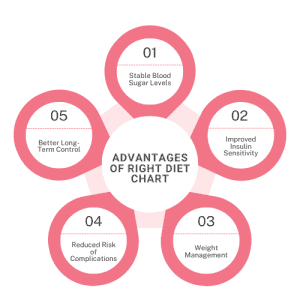
For diabetic patients, a carefully thought-out diet plan is essential to controlling blood sugar levels and maintaining overall health. Patients with diabetes should follow a diet that emphasises well-balanced meals that include the appropriate amounts of fats, proteins, carbs, and other nutrients. Maintaining stable energy levels and improving insulin sensitivity can be achieved by adhering to a customised diet. Under the direction of a nutritionist or specialist a customised diet plan is created with the patient’s overall health in mind. It aids in the efficient management of diabetes and fosters long-term health.
A combination of strategies including adhering to a diabetic-specific diet plan, exercising, drinking plenty of water etc. can help control blood sugar levels.
Diabetic patients can eat rice as a part of their diet however it should be consumed in moderation and small portions.
Dates are low on glycemic index (GI) and release sugar slowly into the blood. Dates can be consumed by diabetic patients in moderation.
Fruits with low to moderate glycemic index (GI), which release sugar slowly into the blood are recommended for diabetic patients apples, bears, berries, etc.
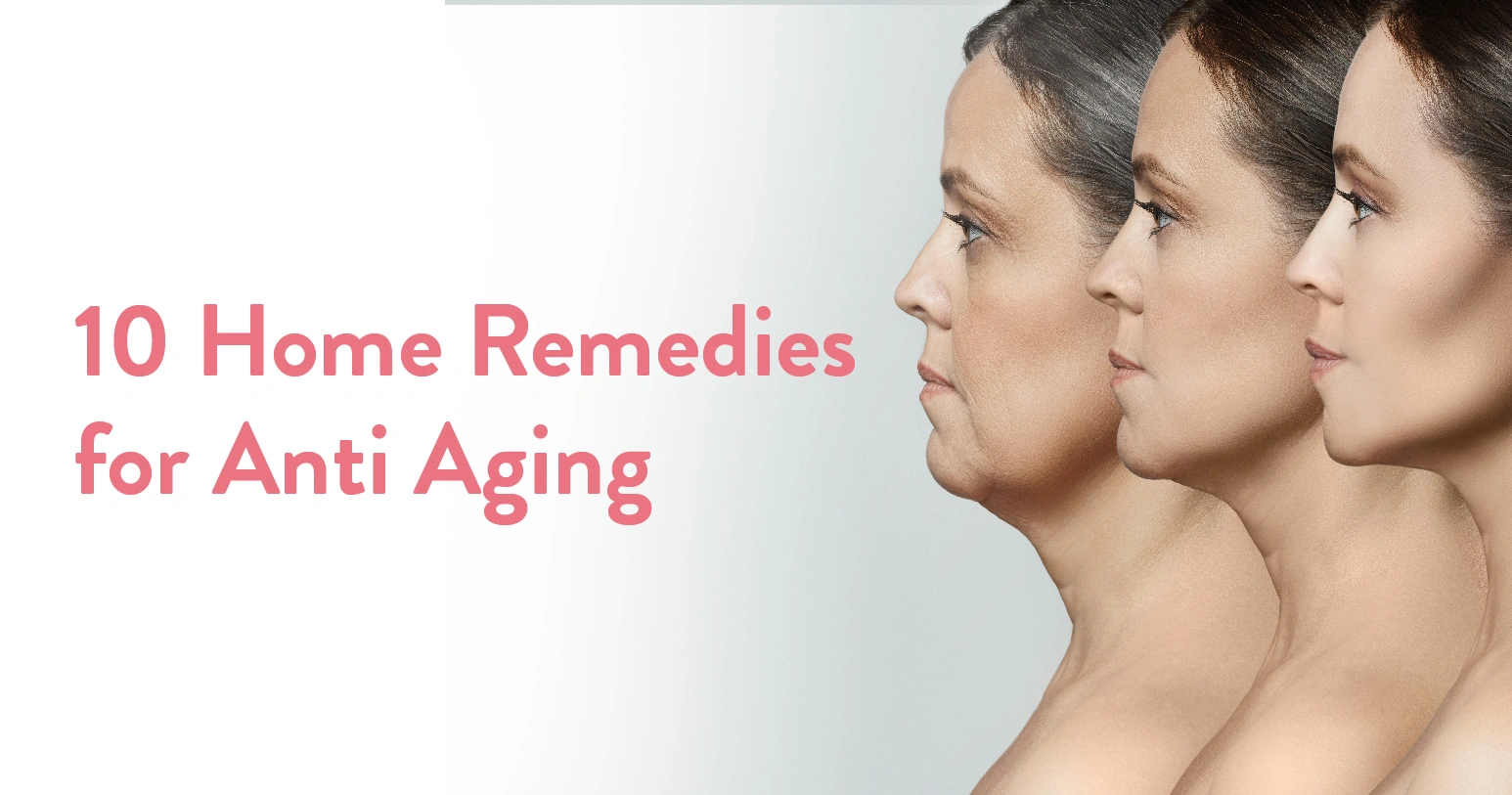
Aging is a natural part of life, but it doesn’t mean you can’t look and feel youthful for longer. Wrinkles, fine lines, and sagging skin are some of the visible signs of aging that many of us wish to delay. While dermatological treatments can be effective, many millennials are opting for home remedies to keep their skin healthy and glowing as they enter their 40s.
This blog explores the causes of wrinkles, types of wrinkles, and ten effective home remedies for combating signs of aging—all at the comfort and familiarity of your home.
Table of Contents
Wrinkles form due to a combination of intrinsic and extrinsic factors, i.e., some causes are internal to our body while others are external and hence more manageable:
Natural aging starts when the body reduces collagen and elastin production. These are the primary causes due to which our skin loses elasticity.
Ultraviolet (UV) rays damage skin cells, accelerating the aging process. So if one is exposed to sun for longer durations their skin will start showing signs of aging faster than others.
A healthy lifestyle shows up on your skin. Which is why smoking, poor diet, and lack of hydration can contribute immensely to premature wrinkles.
Repeated expressions like frowning or squinting can cause dynamic wrinkles. These are often unavoidable because people cannot consciously change their natural movements.
Sleeping on your side or stomach may lead to sleep wrinkles over time.
Surprised? Wrinkles are not just one kind. They can also be categorized into two main types. (yes, there are more than one!)
These occur due to repetitive muscle movements, such as smiling or frowning. Common examples of wrinkles caused by these are crow’s feet and laughter lines, which deepen with loss of skin elasticity and repetitive action.
These are visible even when your face is at rest and result from depletion of elasticity and collagen production internally.
Now that we know the causes and types of wrinkles, let us explore some natural remedies you can try at home.
Packed with vitamins and antioxidants, aloe vera hydrates the skin, reducing fine lines. Applying the raw aloe vera gel can help immensely with wrinkles.
Moisturizes and repairs skin, making it appear smoother and plumper. The vitamin E in coconut oil makes it excellent for dry and damaged skin.
Mash a ripe banana and apply it to your face. The vitamins and natural oils in it will help rejuvenate your skin and try to moisturize your face to its best outcome.
A natural humectant, honey locks in moisture and boosts collagen production. Although you may think it is a sticky bothersome method, honey will work wonders on tired skin textures that are breeding grounds for wrinkles.
Tighten sagging skin by applying a thin layer of egg white and rinsing after it dries.
Rich in vitamin A, it promotes skin renewal and reduces fine lines. Rosehip oil is considered the epitome of luxury skin care as many high-end skin products include this to prevent showing the signs of aging.
Lactic acid in yogurt helps remove the dead skin cells, revealing a smooth and glowing texture that is well hydrated too.
Use cooled green tea bags on your eyes to reduce puffiness and wrinkles. This is especially important if you have dark under-eye patches.
These actually do have lasting benefits as it can hydrate and soothe the skin while reducing under-eye wrinkles.
The enzymes in papaya brighten the skin, while honey keeps it moisturized. Regular use can prevent age spots and wrinkles successfully.
These 10 natural ingredients have been extensively used in various skincare products and even leading dermatologists approve of them. While these are good to use there are certain ways in which we can inculcate a good skin care habit that will ensure that tired, dull and aging skin starts looking healthier naturally. So the next question is…
Reversing aging skin requires consistent care alongside the support of natural remedies. These are a few mindful practices that over time will ensure the best outcomes:
Drinking plenty of water and fluids such as fruit juices, green smoothies etc. improves skin elasticity. Avoid alcohol as it dehydrates the body.
Include berries, nuts, and green vegetables in your diet, along with other collagen-rich foods that help fight wrinkles. Try to consume seasonal fruits and vegetables to optimise the outcomes.
Most of our skin problems crop up due to the accumulation of dead skin on the surface. The best way to care for this is by removing dead skin cells using natural scrubs like sugar and honey.
Sun exposure is not completely preventable. In some cases exposure to sun may be helpful too. However care must be taken to prevent UV damage. It is advisable to use a broad-spectrum SPF to protect your skin from the ill effects.
Blood circulation is one of the best ways to ensure your skin stays healthy and has access to the benefits of all the nutrients consumed by you. Get regular facial massages to ensure proper lymphatic drainage for a tightened skin and healthy glow.
Apart from these, aging can show up on your face first. So it is also important to know how to stop your face from looking older than it should be. To slow down facial aging follow this checklist:
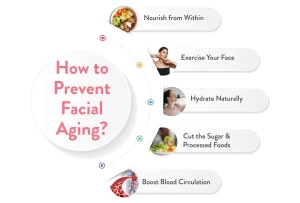
Blood circulation is one of the best ways to ensure your skin stays healthy and has access to the benefits of all the nutrients consumed by you. Get regular facial massages to ensure a tightened skin and healthy glow.
If you are on the other side of 40 it is imperative to follow some tried and tested methods to prevent the formation or deepening of wrinkles on your face and skin.
Cleanse, moisturize, and use anti-aging serums. Make sure you get a dermatologist to sign off on the use of active ingredient serums like vitamin C and retinol before you start using them.
Protect the delicate skin around your eyes from UV rays by wearing sunnies with good coverage. (There is a reason why movie stars wear them all the time!)
Smoking reduces collagen production, accelerating skin aging. Remember this also includes second hand smoke.
Prevent sleep wrinkles caused by friction by using materials like silk which are easy on the skin.
High stress levels can age you both mentally and physically. Take time off to look after yourself.
Home remedies for anti-aging can work wonders when used consistently and in conjunction with a healthy lifestyle. Those of you who are looking for natural solutions can rely on these remedies to keep their skin youthful and radiant without visiting a dermatologist. Remember, taking care of your skin early on is the best way to prevent wrinkles and signs of aging.
Share this blog with friends and family to help them embrace these simple, effective remedies for timeless beauty!
Home Remedies for Wrinkles Near Eyes?
Try incorporating these hacks in your daily lifestyle:
How to Remove Wrinkles From Face Quickly at Home?
There are no 100% quick fixes when it comes to improving your skin. It takes practice and patience. For improved outcomes try the following:
Are Home Remedies Effective?
Yes, home remedies can be effective for mild wrinkles and as a preventive measure. However, they work best when combined with a healthy lifestyle and consistent skincare routine. For deeper wrinkles, dermatological treatments may be more effective.

गर्भावस्था के दौरान उल्टी आना एक सामान्य लक्षण है, लेकिन कभी-कभी यह कुछ महिलाओं के लिए परेशानी का कारण बन सकता है। इस अवस्था को चिकित्सकीय रूप से मॉर्निंग सिकनेस (morning sickness in pregnancy) कहा जाता है। हालांकि, अपने नाम के विपरीत यह परेशानी केवल सुबह ही नहीं, बल्कि पूरे दिन बनी रह सकती है।
आमतौर पर गर्भावस्था के लक्षण (symptoms of pregnancy in Hindi), गर्भावस्था के छठे सप्ताह में शुरू होते हैं और चौदहवें सप्ताह तक उपस्थित रह सकते हैं। हालाँकि, कुछ महिलाओं में ये लक्षण पूरे नौ महीने तक रह सकते हैं जिसके कारण उन्हें कमज़ोरी, थकान और डिहाइड्रेशन जैसी अनेक समस्याओं का सामना करना पड़ता है।
अगर आप भी गर्भावस्था के दौरान होने वाली उल्टी से परेशान हैं तो यह ब्लॉग आपके लिए स्पेशल है। इसमें हम उल्टी को रोकने, उसे मैनेज करने या उसके प्रभाव को कम करने वाले उपायों के बारे में जानेंगे।
गर्भावस्था के दौरान महिला के शरीर में हार्मोनल परिवर्तन होते हैं जो शरीर की फंक्शनिंग को प्रभावित करते हैं जिससे उल्टी की समस्या पैदा होती है। गर्भावस्था के दौरान उल्टी होने के सामान्य कारणों में निम्न शामिल हो सकते हैं:
इन सबके अलावा, अगर गर्भ में जुड़वाँ बच्चे हैं, तो उल्टी का खतरा बढ़ सकता है। हालाँकि, कुछ घरेलू उपाय हैं, जिनकी मदद से उल्टी की संभावना को कम किया जा सकता है।
ये भी पढ़े: महिलाओं में थायराइड के कारण, लक्षण और इलाज
गर्भावस्था के शुरुआती दिनों में उल्टी होना सामान्य है, लेकिन समय के साथ यह धीरे-धीरे कम हो जाता है। अगर आप उल्टी से परेशान गयी हैं तो अपने गायनेकोलॉजिस्ट से परामर्श करने के बाद कुछ ख़ास घरेलू नुस्खों का इस्तेमाल कर सकती हैं। ये आपको उल्टी से राहत दिलाने में मदद कर सकते हैं। गर्भावस्था में उल्टी के उपायों में निम्न शामिल हैं:
अदरक का छोटा सा टुकड़ा लें, उसमें काला नमक लगाएं और अपने दांतों के नीचे दबा कर 5-10 मिनट तक रखें। अदरक में कुछ ऐसे एंटीऑक्सीडेंट मौजूद होते हैं जो मतली की भावना को कम करने में मदद करते हैं। साथ ही, काला नमक पेट और फ़ूड पाइप में मौजूद एसिड को संतुलित करता है जिससे गर्भावस्था के दौरान होने वाली उल्टी को रोकने में मदद मिलती है।
पुदीने की पत्त्तियों में मौजूद रिलैक्सिंग गुण गर्भावस्था के दौरान होने वाले मिलती और उल्टी से राहत प्रदान करते हैं। पुदीना का सेवन पाचन एंजाइम में भी मदद करता है। आप पुदीने की पत्तियों को धोकर ऐसे ही चबा सकती हैं या फिर उसकी चटनी बनाकर खा सकती हैं। आप चाहें तो पानी में अदरक और पुदीने की पत्ती डालकर उसे गर्म करके, फिर उस पानी को छानकर पी भी सकती हैं।
निम्बू में मौजूद अनेक औषधीय गुण कई तरह से एक प्रेगनेंट महिला को लाभ पहुंचा सकते हैं। उन्हीं में से एक है मितली और उल्टी से छुटकारा पाना। निम्बू काटकर उसपर काला नमक लगाएं और खाएं या फिर लेमोनेड बनाकर पी सकती हैं। निम्बू में मौजूद विटामिन सी और साइट्रिक एसिड उल्टी कम करने के साथ-साथ अपनों एनर्जी भी देता है और आपकी इम्युनिटी को बूस्ट करता है।
इलायची में कुछ ऐसे औषधीय गुण होते हैं जो पाचन एंजाइम को बेहतर बनाने के साथ-साथ पेट की समस्या जैसे कि मितली और उल्टी को रोकने का काम भी करते हैं। अगर आप गर्भावस्था के दौरान अनुभव होने वाले मितली और उल्टी से छुटकारा पाना चाहती हैं तो इलायची आपके लिए एक बेहतर विकल्प है। इलायची को चबा सकती हैं, पानी में गर्म करके पी सकती हैं या ब्लैक या लेमन टी में इस्तेमाल कर सकती हैं।
भारतीय मसले औषधीय गुणों से भरपूर होते हैं जो कई बीमारियों और स्वास्थ्य संबंधित समस्याओं में प्रभावशाली साबित होते हैं। गर्भावस्था में मितली और उल्टी जैसी समस्याओं को दूर करने का भी गुण होता है। आपको बस सौंफ का पाउडर, दालचीनी का पाउडर और जीरे का अर्क लेना है और उन्हें मिलाकर चाय बनाना और पीना है। इससे मिलती और उल्टी की समस्या मिनटों में ख़त्म हो सकती है।
गर्भावस्था के दौरान, कुछ समय के लिए उल्टी होना सामान्य है और इससे घबराने की ज़रूरत नहीं है। हालाँकि, अगर ये लगातार बने रहते हैं, ये समय के साथ गंभीर होते हैं या इनके कारण आपको कोई और समस्या होती है तो बिना देरी किए गायनेकोलॉजिस्ट परामर्श करना चाहिए।
घरेलु नुस्खों के भरोसे लंबे समय तक बैठना सही नहीं है। साथ ही, आपको इस बात का भी ध्यान रखना है कि गर्भावस्था के दौरान ऊपर दिए गए घरेलू नुस्खों का इस्तेमाल गायनेकोलॉजिस्ट से सलाह लेने के बाद ही करनी है।
आपके सम्पूर्ण स्वास्थ्य, गर्भावस्था की अवधि और उल्टी की गंभीरता आदि को ध्यान में रखते हुए डॉक्टर कुछ दवाओं के सेवन का सुझाव भी दे सकते हैं। डॉक्टर की दिशा-निर्देशों का पालन करें और खुद का ध्यान रखें और खुद में जिस भी लक्षण को अनुभव करती हैं अपने गायनेकोलॉजिस्ट से उस बारे में खुलकर बात करें।
ये भी पढ़े: एसिडिटी से तुरंत राहत पाने के घरेलू नुस्खे
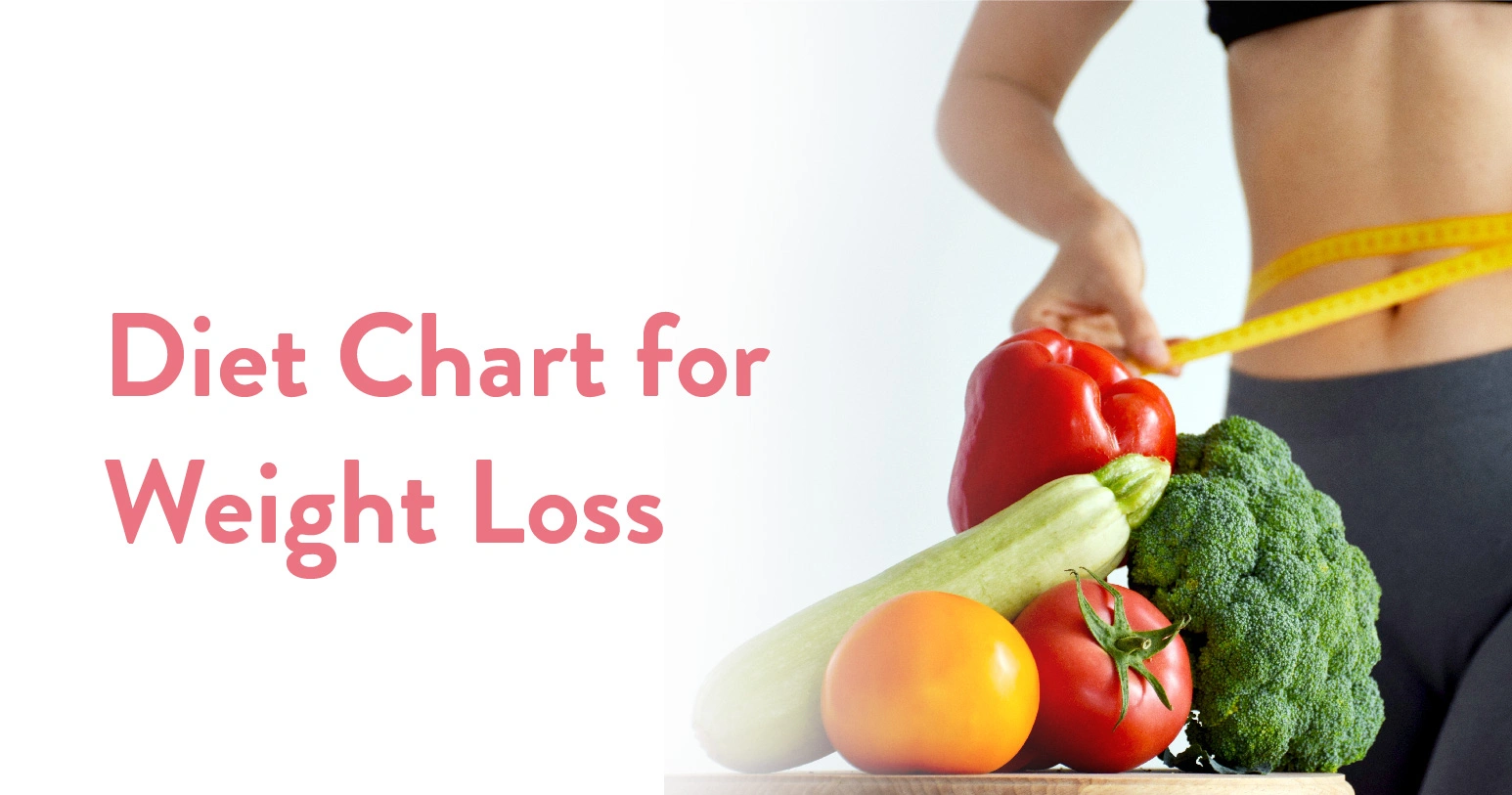
The holidays have arrived, the new year is drawing near and yes along with it the ‘new resolutions’ too! Being healthy, losing weight, and being in shape are already on the list of resolutions for many, to accomplish this goal and demonstrate it, one must adhere to a diet chart. To help maintain good health a diet chart is a guide that lists foods along with their nutritional value. A diet chart is an organized plan that guides a person on the type, quantity, and timing of food and beverages to be consumed in order to meet their health and nutritional needs.
A diet chart for weight loss is a chart tailored to an individual’s specific goals, body type, health conditions, and lifestyle. The goal of this type of diet plan is to help people lose weight by promoting calorie deficit – consuming fewer calories than the body burns – while maintaining a healthy level of nutrition.
Table of Contents
A healthy diet chart is a structured plan with a balanced combination of food required from all the major food groups ensuring the body gets the right nutrients. Proteins, carbs, healthy fats, vitamins, minerals, and other vital nutrients are all balanced in a healthy diet chart. The recommended amount of these nutrients depends on several factors including:
A balanced diet plan for weight loss promotes calorie deficit while providing the body with all essential nutrients in the right proportions. The key components of a healthy diet chart include:
Also Read: Ivy Gourd: Benefits & Side Effects
It all starts with eating the right food. But this itself sounds like a challenge to many. According to NFHS 2019-21, every one in four people in India is obese. Diet charts are tailored based on individual goals, for weight loss and weight gain the science revolves around calorie consumption and expenditure. Simply put, eating more calories than you burn or spend results in weight gain and eating fewer calories than you burn or spend results in weight loss. Making sure the diet plan is balanced is essential for healthy weight loss, i.e. all of the main food groups—fruits, vegetable grains, dairy, and proteins—are consumed in sufficient amounts.
| Category | Do’s in a Diet Chart for Weight Loss | Don’ts in a Diet Chart for Weight Loss |
| Food Choices | Eat whole, unprocessed foods | Avoid processed and junk foods |
| Portion Control | Control portion sizes | Don’t overeat, even healthy foods |
| Fiber & Nutrition | Increase fiber intake with fruits/veggies | Avoid high-calorie, low-nutrient foods |
| Macronutrients | Prioritise lean proteins | Limit refined carbs like white bread/pasta |
| Hydration | Drink plenty of water daily | Avoid sugary drinks & excessive alcohol |
| Fats Consumption | Consume healthy/good fats | Avoid unhealthy/bad fats |
| Meal Timing | Eat at regular intervals | Don’t skip meals or follow extreme diets |
It’s a common misconception that ‘if you don’t eat you will lose weight’. However, when you don’t eat you will gradually become weaker and your daily lifestyle will be affected by inadequate nutrition which can lead to health problems. It’s also common to think of following a generic diet but there is no one-size-fits-all diet plan for weight loss because each person’s nutritional needs vary depending on their age, gender level of activity, health, body weight and other factors.
The idea behind weight loss is based on the number of calories we consume and burn. If our caloric intake is less than our expenditure we lose weight. Eating a balanced diet is the top priority when it comes to diet charts, i.e. covering every food group to ensure the body receives enough nutrition while maintaining a calorie deficit. Choosing foods that are high in nutrients and low in calories and unhealthy fats is crucial when following a diet plan with the aim of losing weight. Weight control and general health maintenance can be achieved by a balanced diet that consists of lean proteins, healthy fats, whole grains and fruits and vegetables high in fibre. Avoiding processed foods, refined carbohydrates and sugary drinks helps with unnecessary calorie intake.
| Category | What to Eat | What to Avoid |
| Proteins | Lean meats, fish, eggs | Processed meats |
| Carbohydrates | Whole grain | Refined carbs |
| Fats | Good fats – olive oil, avocados | Bad fats – trans fats, fried foods |
| Vegetables | Leafy greens, broccoli | Excessive starchy vegetables |
| Fruits | Apples, berries, grapefruits | Fruits high in sugar |
The body changes as we age not only in terms of appearance but also in terms of nutritional needs, immunity, digestion, and many other aspects. Similarly, as we age our body’s calorie requirement also decreases, the fat percentage rises and our muscle mass declines. To lose weight, a calorie deficit has to be maintained, i.e. consuming fewer calories than you spend/expend. By understanding the total daily energy expenditure, one can determine the number of calories needed every day. A nutritionist or specialist then creates a customised diet plan based on the body weight and defines the number of calories needed.
An ideal diet plan for weight loss must include all the macronutrient and micronutrient components and cover every food group to ensure the body receives enough nutrition while maintaining a calorie deficit. It must be noted that there is no one-size-fits-all method for losing weight; rather there are several factors that determine an individual’s nutritional needs including age, gender activity level, health, body weight and other related factors. Thus, it is best to get customised guidance on diet plans to achieve your goals.
Chia seeds are considered a superfood because of their fibre and nutrient content. The consumption amount, frequency, and timing can be determined by an expert/nutritionist post analysing the body’s calorie requirement.
Bananas can be good for weight loss when consumed in moderation, as it is high in natural sugars & calories compared to other fruits.
It depends upon the type of rice, i.e. white rice is low on nutrition compared to brown or black rice. It can help with weight loss if consumed in controlled portions, and balanced with other nutritional-rich food.
Losing weight in 7 days requires following a strict weight-loss diet (one that helps maintain the calorie deficit), exercising, and adopting active lifestyle habits.
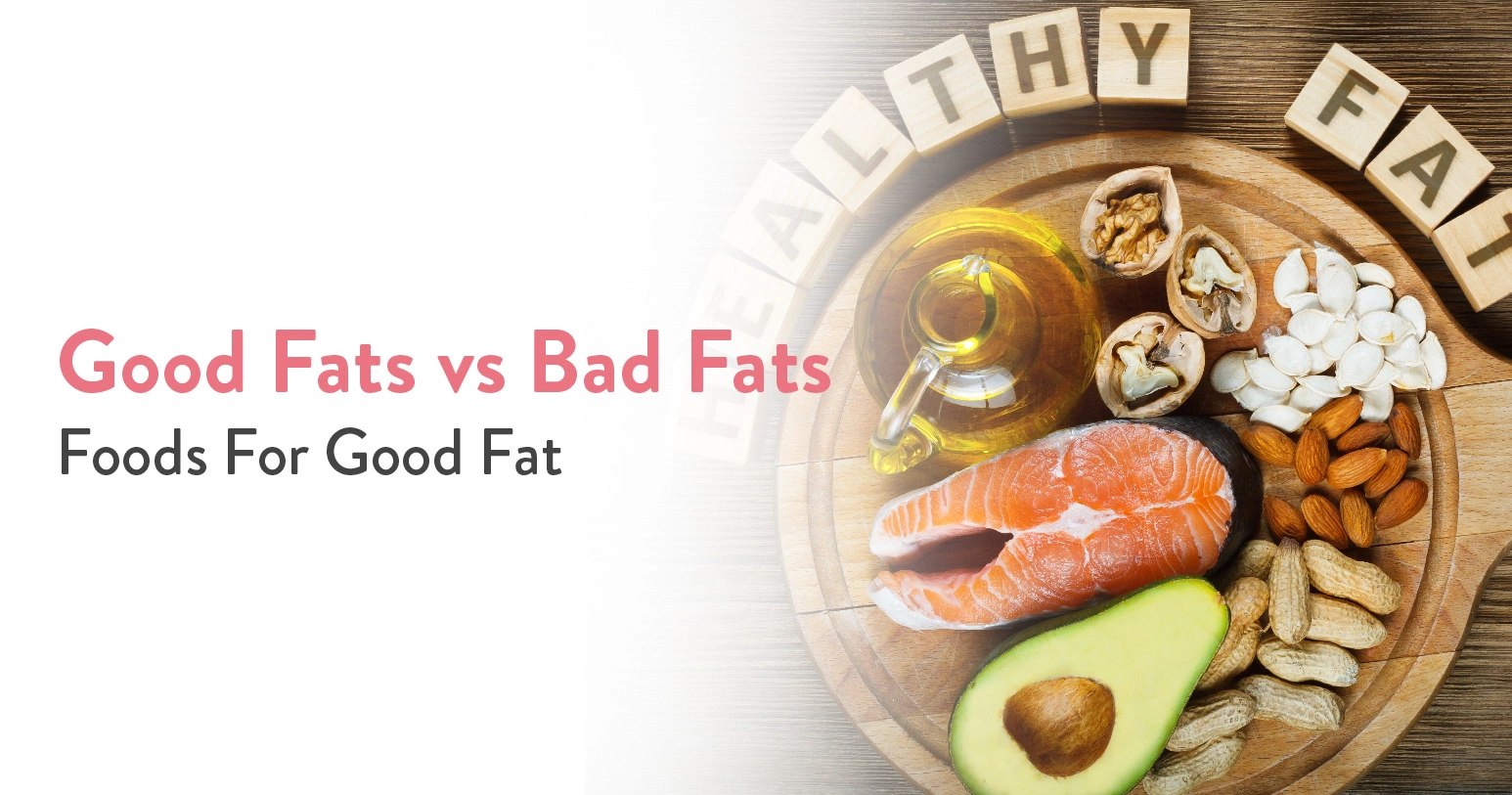
Table of Contents
The big “Fat” wedding season is back! 4.8 Million weddings are expected to take place between November – December 2024 itself. (Business Standard). You must have been invited and you must be preparing to look your best. You are most likely already on a cut or searching for a change in your diet that will help you get in the best possible shape. And like most people you have decided to steer clear from fats till you reach your desired fitness goals. But is that a winning formula? When it comes to dieting, are all fats making your dream of fitness coming true or impacting your health? The answer is no.
Not all we consume is bad. The optimal functioning of the human body depends on a variety of macronutrients and micronutrients. Macronutrients consist of carbohydrates, fats, and proteins and are required in high quantities while micronutrients include vitamins and minerals needed in relatively smaller quantities. Each of these macronutrients and micronutrients plays a unique role in maintaining health and overall well-being. Our body produces the majority of fats we need, but certain fats can only be procured through the food we eat.
Fats are an important component found in food and help provide energy to the body for normal functioning. These fats are stored in the body and used for energy when required. Fats have a variety of roles to play including,
Fats that we get from food we consume are further divided into good fats and bad fats. Good fats are healthy fats that help maintain cholesterol levels, and support the overall bodily functions, while bad fats are fats that negatively affect the health and impact the normal functioning of the body.
Not all of the fats we consume are unhealthy. Bad fats are characterised as fats that have a negative effect on health when consumed excessively or for prolonged periods.
These fats pose a threat to various organs by impacting the blood vessel flow and increase in the body’s production of cholesterol. These fats make the body more prone to heart attack, obesity, and other health issues. Two types of fats are generally bad for health:
These are usually found in animal products like butter, cheese, fatty meats, etc. Saturated fats may not pose a direct threat to health if consumed sparingly, but excess or too much consumption of these fats can lead to an increase in bad cholesterol leading to heart conditions.
Consumption of these fats has a major impact on the body as these contain hydrogenated vegetable oils, and are found in processed food, deep-fried food, etc. Trans fats like saturated fats increase the body’s production of bad cholesterol and also suppress good cholesterol levels.
Also Read: Ivy Gourd: Benefits & Side Effects
These fats as the name implies are good for the body as they help lower blood cholesterol levels. However, consuming too much of these healthy fats can also have negative health effects because they are high in calories. These fats must be consumed within limits to extract the ‘good’ out of them.
The types of good fats include:
Commonly called MUFA, these fats are found in vegetable oils that stay liquid at room temperature like peanut oil, olive oil, and other products like avocados, peanuts, etc.
PUFA or polyunsaturated fats are the ‘essential fats’ that the body cannot produce and are dependent on the food intake. These fats are usually found in fatty fish, soybeans, sunflower oils, etc.
These fats are considered the healthiest for the body and are found in fatty fish, chia seeds, flax seeds, walnuts, etc.
These good fats if consumed adequately help maintain good health and lower the level of bad cholesterol.
Good fats are an important component of a balanced diet which is directly related to overall good health of the body. Good fats have various roles to play including,
You must have come across the phrase – Anything in excess is bad, this holds true for good fats too.
Good fats play an important role in maintaining good health, but when consumed in limited amounts. Fats are high in calories, the more you intake the more the body stores it in the form of body fat which leads to weight gain and other complications. The key lies in the right amount of consumption, i.e. maintaining a balance between the calorie intake and calorie expend.
Both healthy and unhealthy fats are present in the food we eat. While bad fats have a negative impact on the body, good fats are healthy fats that promote heart and brain health and regulate bad cholesterol levels.
| Aspect | Good Fats | Bad Fats |
| Types | Unsaturated (MUFA, PUFA) | Saturated Fats, Trans Fats |
| Source | Fish, Avocados, Seeds, Nuts, etc. | Fatty Meats, Processed Food, etc. |
| Cholesterol Effect | Lowers Bad & Raises Good Cholesterol | Raises/Increases Bad Cholesterol |
| Health Impact | Improves Heart Health, Supports Brain Function. | Increases Risk of Heart Disease, Stroke, and Obesity. |
Good fats or bad fats – It doesn’t sound healthy right? After all, these are all fats. This is the common perception the majority of people have.
Good fats if consumed in moderation don’t get you fat. The best part about good fats is they help with weight control if consumed in the right quantities. Good fats must be consumed within ‘limits’ to extract the ‘good’ out of them.
Good fats are a promoter of good health and help maintain cholesterol levels. Fats are high in calories, more than the other macronutrients i.e. proteins and carbohydrates. Regardless of their nature, good or bad, fats have 9 calories per gram. These calories when consumed excessively get stored in the body as energy reserve in the form of body fat that increases body weight.
If you are concerned about whether your diet has the optimum fat percentage, feel free to reach out to our dietician and get a personalised diet chart, because every anatomy is different.
Good fats are promoters of good health if consumed in moderation. Good fats help lower bad cholesterol levels, improve heart health, and maintain overall well-being.
Saturated fats are found in animal products like fatty meats, butter, cheese, etc. Excess consumption of saturated fats can lead to an increase in bad cholesterol leading to heart conditions.
Fats are an important component found in the food we eat and help provide energy to the body for normal functioning.

