Filter :

फटी हुई एड़ियां एक आम समस्या है, जो किसी भी उम्र में हो सकती है। यह न केवल दर्दनाक हो सकती है, बल्कि आपकी त्वचा की सुंदरता को भी प्रभावित कर सकती है। हालांकि, यह एक सामान्य समस्या है, लेकिन समय पर ध्यान न देने पर यह गंभीर रूप ले सकती है।
आइए फटी हुई एड़ियों के कारण, लक्षण, इलाज और बचाव के उपायों के बारे में विस्तार से जानते हैं।
Table of Contents
त्वचा की नमी खोने या त्वचा पर अत्यधिक दबाव पड़ने के कारण एड़ियां फटती हैं। इसके अन्य कारणों में निम्नलिखित शामिल हो सकते हैं:
इन सबके अलावा, एड़ियों की त्वचा की सेहत का ख्याल न रखना। नियमित रूप से एड़ियों की सफाई और देखभाल करें।
ये भी पढ़े: हर्पीस बीमारी क्या है? इसके कारण, लक्षण और उपाय
फटी हुई एड़ियों के शुरुआती लक्षणों को पहचानना जरूरी है ताकि समस्या को समय रहते गंभीर होने से रोका जा सके।
स्थिति गंभीर होने पर कभी-कभी एड़ियों से खून भी निकल सकता है।
फटी हुई एड़ियों को ठीक करने के लिए आप कई घरेलू उपाय अपना सकते हैं। यह उपाय न केवल सरल हैं, बल्कि बेहद प्रभावी भी हैं।
साथ ही, बराबर मात्रा में ग्लिसरीन और गुलाब जल मिलाएं और उसे एड़ियों पर लगाएं। यह त्वचा को हाइड्रेट और दरारों को भरने में मदद करता है।
ज्यादातर मामलों में घर बैठे ही कुछ ख़ास घरेलू उपायों की मदद से फटी हुई एड़ियों को ठीक किया जा सकता है। इन घरेलू उपायों में निम्न शामिल हैं:
कुछ मामलों में फटी हुई एड़ियां घरेलू उपायों से ठीक नहीं होती हैं। ऐसे में डॉक्टर से सलाह लेना जरूरी हो जाता है।
डॉक्टर से संपर्क करें अगर:
एड़ियों के फटने का क्या कारण है?
एड़ियां की ड्राई त्वचा, पोषण की कमी, गलत जूते पहनने या त्वचा संबंधी बीमारियों के कारण एड़ियां फट सकती हैं।
फटी एड़ियों को जल्दी कैसे ठीक करें?
गुनगुने पानी में पैर भिगोना, नारियल तेल लगाना और एलोवेरा जेल का उपयोग करके आप एड़ियों को जल्दी ठीक कर सकते हैं।
एड़ी में दरार आने के क्या कारण हैं?
त्वचा की नमी खोने, हार्ड स्किन बनने या पोषण की कमी के कारण एड़ियों में दरारें आ सकती हैं।
एड़ियों को फटने से बचाने के लिए क्या करें?
नियमित मॉइस्चराइज करें, संतुलित आहार लें और आरामदायक जूते पहनें।
फटी हुई एड़ियां एक सामान्य समस्या हैं, लेकिन इन्हें नजरअंदाज करना गंभीर स्थिति पैदा कर सकता है। सही देखभाल और घरेलू उपचार से इसे आसानी से ठीक किया जा सकता है। अगर स्थिति गंभीर हो तो एक्सपर्ट डॉक्टर से सलाह लेने में देरी न करें। आपकी एड़ियां भी आपकी सेहत का हिस्सा हैं, इसलिए इनकी देखभाल करना न आवश्यक है।

पैर के तलवों में दर्द का सबसे आम कारण प्लांटर फैसिआइटिस है। तलवे की एक मजबूत बैंड में बार-बार खिंचाव से आई सूक्ष्म चोट, जिसमें दर्द सुबह पहला कदम रखते ही सबसे ज्यादा महसूस होता है। ज्यादातर मामलों में आराम, सही जूते, स्ट्रेचिंग और जरूरत पड़ने पर डॉक्टर की सलाह से 6-8 हफ्तों में सुधार दिखने लगता है।
Table of Contents
तलवों में दर्द का मतलब है पैरों के नीचे के हिस्से में दर्द या असहजता महसूस होना। यह दर्द हल्का से लेकर तेज या असहनीय हो सकता है। अक्सर चलने या खड़े होने पर यह दर्द बढ़ जाता है।
जब पैरों के तलवों पर एक्स्ट्रा प्रेशर पड़ता है तो यह दर्द होता है। लंबे समय तक खड़े रहना, ज्यादा चलना या गलत जूते पहनना इसके कारण हो सकते हैं। कभी-कभी शारीरिक गतिविधियों के कारण भी दर्द हो सकता है।
अनेक ऐसे कारण जिससे आपको तलवों में दर्द की शिकायत हो सकती है। सामान्य कारणों में शामिल हैं:
इन सबके अलावा, मांसपेशियों की थकावट या लंबी यात्रा या शारीरिक गतिविधियों से मांसपेशियों में खिंचाव हो सकता है जिससे दर्द होता है।
दर्द किस जगह हो रहा है, इससे भी कारण समझने में मदद मिलती है:
| दर्द की जगह | संभावित कारण |
| एड़ी में दर्द | प्लांटर फैसिआइटिस, हील स्पर, अकिलीज़ टेंडनाइटिस |
| तलवे के बीच में दर्द | प्लांटर फैसिआइटिस, मेटाटार्सलजिया, मांसपेशियों में खिंचाव |
| पूरे तलवे में दर्द/सूजन | फ्लैट फीट, आर्थराइटिस, डायबिटिक फुट |
| अंगूठे के पास दर्द | गाउट, बनियन |
इनमें से प्लांटर फैसिआइटिस (Plantar Fasciitis) तलवों/एड़ी में दर्द का सबसे सामान्य कारण है — इसके बारे में नीचे विस्तार से बताया गया है।
प्लांटर फैसिआइटिस (Plantar Fasciitis) एड़ी और तलवे के दर्द का सबसे सामान्य कारण है, और तलवों में दर्द के ज्यादातर मामलों के पीछे यही स्थिति होती है। इसमें तलवे की एक मोटी, मजबूत बैंड — जिसे प्लांटर फैशिया कहते हैं — पर बार-बार खिंचाव पड़ने से उसमें सूक्ष्म चोट (Micro-tears) आ जाती है। दिलचस्प बात यह है कि नाम में ‘आइटिस’ (सूजन) होने के बावजूद, इसमें पारंपरिक सूजन वाली कोशिकाएं नहीं पाई जातीं यह एक धीरे-धीरे घिसने वाली (डिजेनरेटिव) प्रक्रिया है।
इसकी सबसे पहचानने लायक निशानी है: सुबह बिस्तर से उतरते ही या लंबे समय बैठे रहने के बाद पहले कुछ कदम चलने पर तेज, चुभने वाला दर्द। दिन में चलते-चलते यह दर्द थोड़ा कम हो सकता है, लेकिन दिनभर खड़े रहने या ज्यादा चलने से फिर बढ़ जाता है।
यह स्थिति कितनी आम है? एक क्लीनिकल रिव्यू के अनुसार, दुनियाभर की लगभग 10% आबादी को जीवन में कभी न कभी प्लांटर फैसिआइटिस होता है, और यह 40 से 60 साल की उम्र के लोगों तथा महिलाओं में ज्यादा देखा जाता है। लगभग आधे मरीजों में एड़ी की हड्डी पर एक छोटी ‘हील स्पर’ (Heel Spur) भी पाई जाती है, लेकिन ध्यान देने वाली बात यह है कि स्पर खुद दर्द का कारण नहीं होता
दर्द के साथ-साथ अगर तलवों में सूजन या जलन भी महसूस हो, तो इसका मतलब अलग-अलग हो सकता है । इसलिए दोनों लक्षणों को अलग करके समझना जरूरी है।
सूजन (Swelling): अगर तलवों में दर्द के साथ सूजन, लालिमा या गर्माहट भी हो, तो यह चोट, इन्फेक्शन, आर्थराइटिस या गाउट का संकेत हो सकता है। ऐसे में सिर्फ घरेलू उपायों पर निर्भर न रहें – डॉक्टर से जांच जरूर करवाएं।
जलन (Burning Sensation): तलवों में जलन का अहसास ज्यादातर नसों से जुड़ी समस्या का संकेत होता है, न कि सिर्फ मांसपेशियों या लिगामेंट का। खासकर डायबिटीज के मरीजों में, यह जलन ‘डायबिटिक न्यूरोपैथी’ (Diabetic Neuropathy) — यानी हाई ब्लड शुगर से नसों को होने वाला नुकसान — का शुरुआती लक्षण हो सकती है। यह जलन आमतौर पर दोनों पैरों में एक साथ होती है, रात में ज्यादा महसूस होती है, और कई बार सुन्नपन (Numbness) के साथ भी आती है (Mayo Clinic, n.d.)।
अगर आपको डायबिटीज है और तलवों में जलन, झनझनाहट या सुन्नपन महसूस हो रहा है, तो इसे सिर्फ ‘तलवों का दर्द’ मानकर नजरअंदाज न करें । यह नसों की जांच करवाने का संकेत हो सकता है।
अगर आपके तलवों में दर्द महसूस होता है तो सबसे पहले डॉक्टर से संपर्क करें। डॉक्टर आपकी मेडिकल हिस्ट्री की एनालिसिस करेंगे और शारीरिक जांच करेंगे। वे आपको कुछ टेस्ट, जैसे कि एक्स-रे, एमआरआई या ब्लड टेस्ट करने का सुझाव दे सकते हैं, ताकि दर्द के सही कारण की पुष्टि हो सके।
इलाज के प्रकार का चयन करने से पहले, तलवों में दर्द के सही कारण का पता लगाया जाता है। उसके बाद, कारणों और दर्द की गंभीरता के आधार पर उपचार का चयन किया जाता है।
तलवों में दर्द के सामान्य उपचारों में निम्न शामिल हैं:
अगर 6-8 हफ्तों तक आराम, स्ट्रेचिंग और सही जूतों के बावजूद दर्द ठीक न हो, तो डॉक्टर कुछ एडवांस विकल्प सुझा सकते हैं । जैसे नाइट स्प्लिंट (सोते समय तलवे को हल्के खिंचाव में रखने वाला उपकरण), स्टेरॉयड इंजेक्शन या शॉकवेव थेरेपी। सर्जरी सिर्फ आखिरी विकल्प के तौर पर, और वह भी सिर्फ 5-10% मामलों में ही जरूरी होती है।
नीचे दिए गए टिप्स को अपना कर आप तलवों में होने वाले दर्द की रोकथाम कर सकते हैं:
इन सबके अलावा, स्वस्थ आहार से पैरों और शरीर की ताकत बढ़ाएं। अगर दर्द लगातार हो, तो हड्डी रोग विशेषज्ञ से परामर्श लें।
ज्यादातर मामलों में तलवों का दर्द गंभीर नहीं होता, लेकिन कुछ लक्षण होने पर घरेलू उपायों पर भरोसा करने के बजाय जल्द से जल्द डॉक्टर से मिलना चाहिए:
सर्दियों का मौसम खूबसूरत होता है, लेकिन इस दौरान हमारी त्वचा और होंठ अक्सर रूखे और फटे हुए होते हैं। फटे होंठ न केवल दर्द देते हैं, बल्कि देखने में भी खराब लगते हैं। इस समस्या को हल्के में न लें, क्योंकि यह आपके स्वास्थ्य पर असर डाल सकती है। आइए जानते हैं होंठ फटने का इलाज, इसके कारण, घरेलू उपचार, बचाव के तरीके और डॉक्टर से कब परामर्श करना चाहिए।
Table of Contents
सर्दियों में फटे होंठों के पीछे कई कारण हो सकते हैं जैसे कि:
इन सबके अलावा, अगर आप नियमित रूप से मॉइस्चराइज़र या लिप बाम का इस्तेमाल नहीं करते हैं, तो आपके होंठ सर्दियों में ज्यादा जल्दी फट सकते हैं।
होंठ फटने का इलाज करने के लिए सबसे पहले उसकी नमी को बनाए रखना जरूरी है। नियमित रूप से लिप बाम या पेट्रोलियम जेली का इस्तेमाल करें। नारियल तेल और घी जैसे प्राकृतिक मॉइस्चराइजर होंठों को गहराई तक पोषण देते हैं और उनकी दरारें भरने में मदद करते हैं।
सूखी और डेड स्किन को हटाने के लिए शहद और चीनी से हल्का स्क्रब करें। खीरा और एलोवेरा जेल जैसे ठंडक प्रदान करने वाले उपाय सूजन और जलन को कम करते हैं। पर्याप्त पानी पिएं और विटामिन E व C से भरपूर आहार लें, ताकि होंठ अंदर से स्वस्थ रहें। जरूरत पड़ने पर डॉक्टर से परामर्श लेना न भूलें।
फटे होंठों को ठीक करने के लिए घर पर ही कुछ आसान उपाय किए जा सकते हैं:
अगर आप सर्दी के मौसम में अपने होंठों को फटने से बचाना चाहते हैं तो निम्न उपायों का पालन करें:
साथ ही, जब भी ठंड और तेज हवा में बाहर जाएं, तो स्कार्फ या मास्क से होंठों को ढक लें। यह होंठों को ठंडी हवा से बचाता है।
और पढ़े: फटी हुई एड़ियों का घरेलु इलाज
अक्सर फटे होंठ घरेलू उपचार से ठीक हो जाते हैं, लेकिन कुछ मामलों में डॉक्टर से सलाह लेना जरूरी हो जाता है:
सर्दियों में होंठों का फटना एक आम समस्या है, लेकिन इसे सही देखभाल और सावधानियों से रोका जा सकता है। घरेलू उपाय और सही आदतें अपनाकर आप इस समस्या से छुटकारा पा सकते हैं। अगर समस्या बढ़ रही हो तो डॉक्टर से परामर्श जरूर लें। सर्दियों का मजा लें, लेकिन अपने होंठों की देखभाल करना न भूलें!
Few outbreaks redefine our perspective on life, and for this generation and the ones to come, the COVID pandemic became a turning point. Years have passed since the pandemic faded from memory, though now another virus is knocking on the nation’s door—the human metapneumovirus (HMPV). However, the question remains: Is it just another seasonal outbreak or a new cause for concern?
HMPV (Human Metapneumovirus) is a single-stranded RNA (Ribonucleic acid) virus that can cause mild to severe illness. HMPV belongs to the Paramyxoviridae family, which is the same family as viruses like Respiratory Syncytial Virus (RSV) and Parainfluenza Virus. HMPV is more prevalent among a few groups of people including,
HMPV can be transmitted by close contact with an infected person or respiratory droplets when an infected person coughs or sneezes or by touching contaminated surfaces and objects and then touching the face, specifically the nose, eyes, and mouth. Individuals infected with HMPV may experience cough, high fever, nasal congestion, sinus blockade, shortness of breath, etc.
Now coming down to the question – Is HMPV just another seasonal outbreak or a new cause of concern?
An experienced doctor sheds light on why HMPV is unlikely to escalate into a pandemic. According to Dr Kuldeep Kumar Grover (CK Birla Hospital) an experienced pulmonologist, HMPV is unlikely to develop into a pandemic. One of the main reasons behind this is that a significant portion of the population already has some level of immunity due to prior exposure to similar viruses. Furthermore, HMPV is regarded as a less potent virus than highly contagious pathogens such as the coronavirus. Its capacity to spread quickly and create widespread outbreaks is significantly less, however, it can cause serious illness in certain groups of people like young children, the elderly, and people with weakened immune systems.
Table of Contents
HMPV spreads through direct contact with bodily fluids or contaminated surfaces and is more likely to spread in crowded places like schools, malls, shopping centers, etc. Listed below are the different ways that the human metapneumovirus spreads.
Spreads when an infected person coughs, sneezes, or talks, tiny droplets carrying the virus travel through the air and can be inhaled by others.
Individuals may contract the virus if they touch a contaminated surface and then touch their face because the virus can survive on surfaces and objects for a short time.
Direct contact with an infected person such as touching, handshake, etc can transmit the virus.
The respiratory virus has recently drawn attention because of its growing prevalence and effects, particularly in the vulnerable group i.e. children, elderly, and those with weakened immune systems. Even though the symptoms are currently mild they could get worse. Among the typical symptoms are the following:
| Mild Symptoms | Severe Symptoms |
| The majority of individuals infected with HMPV have mild symptoms like –
– Cough – Nasal congestion or runny nose – Sinus blockage – Sore throat – High fever – Fatigue |
The cases may progress to severe respiratory issues and cause –
– Shortness of breath or difficulty breathing – Wheezing – Chest tightness – Severe cough – Symptoms of bronchitis – Symptoms of pneumonia |
HMPV can be diagnosed by a pulmonologist through physical examination based on the symptoms and health history. The physical examination involves taking a sample from the nose or throat through a swab.
A lab tests the sample for viruses and other infections. Further, if the symptoms are severe the pulmonologist may recommend certain tests to check for abnormalities:
Early detection and the right treatment of HMPV reduce the risk of severe complications in vulnerable populations.
As of now, there are no antiviral treatments or vaccines available for human metapneumovirus (HMPV). However, the vast majority of reported cases are mild infections that don’t necessitate hospitalisation, though if the symptoms persist for over 3 to 4 days, it is recommended to consult the doctor. Relieving symptoms and aiding the body in its defence against the infection are the main goals of treatment. The key strategies are listed below.
Ensure adequate fluid intake to prevent dehydration, especially during fever or reduced appetite. IV fluids can also be used to maintain hydration and fluids can be directly delivered to your vein (IV).
Use ibuprofen or other medications to treat symptoms like fever or pain and use nasal sprays to clear up congestion in the nose.
Oxygen therapy is recommended for patients who have issues breathing. Oxygen may be provided through a tube in the nose or a mask on your face.
Prescribed medicines and steroids can help reduce inflammation and might ease some of the symptoms.
We can prevent or lower the risk of HMPV in a number of ways including,
What is the HPMV virus?
HMPV (Human Metapneumovirus) is a single-stranded RNA (Ribonucleic acid) virus that can cause mild to severe illness. HMPV belongs to the Paramyxoviridae family, which is the same family as viruses like Respiratory Syncytial Virus (RSV) and Parainfluenza Virus.
What are HMPV virus symptoms?
HMPV can have mild to severe symptoms, mild symptoms include cough, nasal congestion or runny nose, sinus blockage, sore throat, high fever, and fatigue. While severe symptoms include shortness of breath or difficulty breathing, wheezing, chest tightness, severe cough, etc.
Is HMPV in India?
Yes, human metapneumovirus (HMPV) is present in India. However, the number of cases is low.
Brain – The Most Complex Part of the Human Body! Made of complex networks with more than 86 billion neurons, it is responsible for interpreting the senses, initiating body movement, controlling behaviour, and much more. It is a universe in itself, like the vastness of ‘Star Wars’.
A part of the central nervous system, the brain is responsible for controlling thought, emotions, touch, memory, motor skills, vision, breathing, hunger and every process that regulates our body. As you’re reading this blog, your brain is working behind the scenes, processing the words and turning them into meaning. The three-pound organ is the fattiest organ of the human body, comprising 60% fat.
Table of Contents
The analogy of the brain is the same as a computer, the brain takes in information, processes it, and then produces output. The brain comprises several important components like neurons, glial cells, blood vessels, and different regions. One such important part of the brain is the cerebral vein, which is responsible for draining deoxygenated blood away from the cerebrum (the outer part of the brain). The cerebral vein ensures proper blood circulation in the brain.
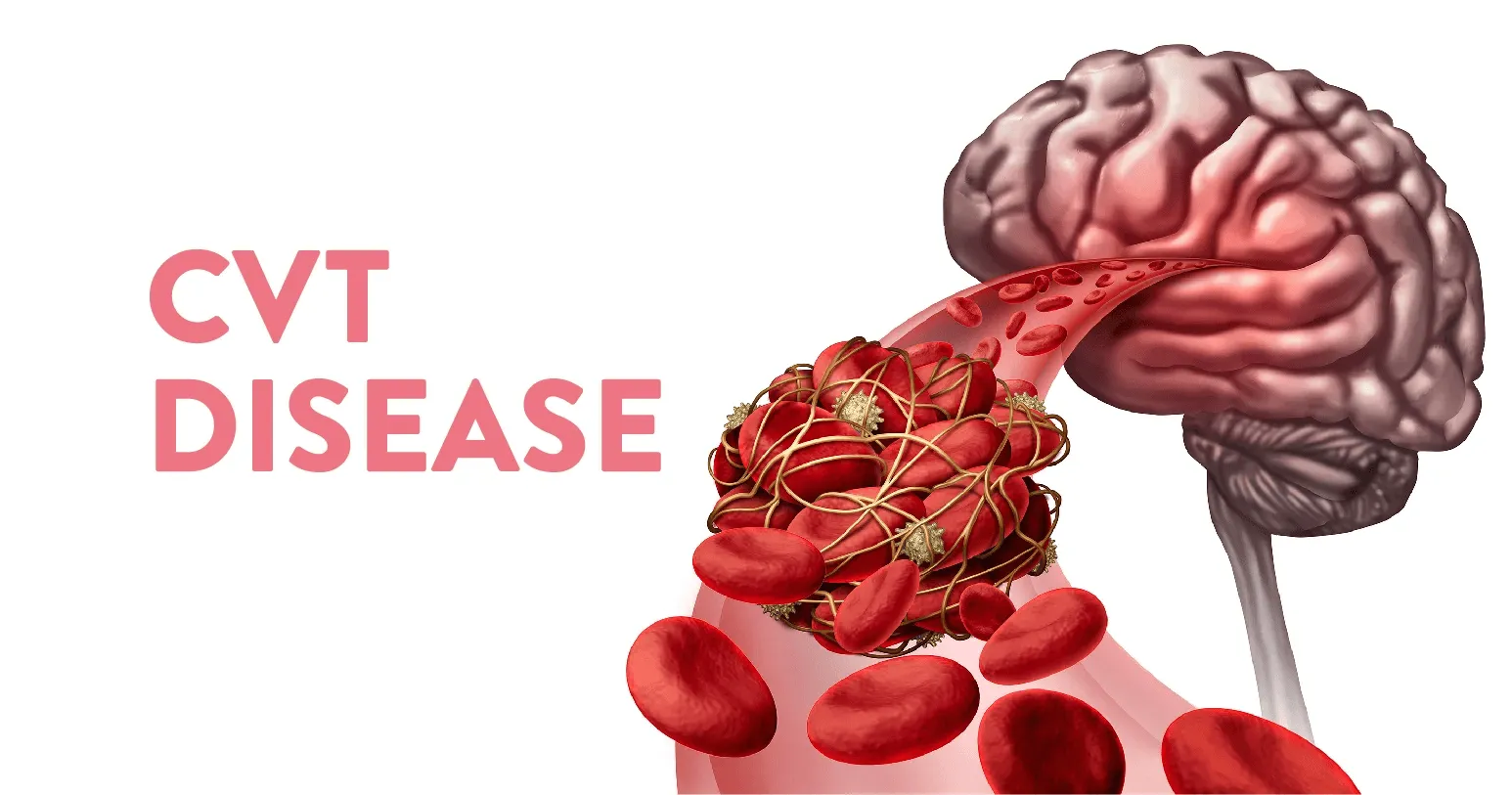
The more vital an organ is, even a minor issue could lead to serious problems. The same is true for brain-related conditions. One such condition affecting the brain’s function is cerebral venous thrombosis. Defined as a blood clot of a cerebral vein in the brain. Cerebral venous thrombosis is a severe condition that can cause severe headaches, brain swelling, blurred vision, and other life-threatening conditions if not treated appropriately.
The name cerebral venous thrombosis translates to a blood clot in the veins of the brain.
The formation of blood clots affects the normal blood flow in the brain, leading to pressure buildup in the brain. Cerebral venous thrombosis (CVT) can be associated with head injury, infections, certain medications, etc. It is a rare condition, however, if left untreated CVT can lead to a stroke or brain damage.
There are various factors that may lead to cerebral venous thrombosis, some of them are listed below:
During pregnancy certain hormones like estrogen, progesterone, etc drastically increase and blood clotting during pregnancy or after delivery may contribute to cerebral venous thrombosis (CVT).
Head injuries occurring out of accidents particularly involving skull fractures damaging brain veins increase the risk of thrombosis.
Various types of infections including, ear infections, sinusitis, meningitis and other infections involving the face or brain can lead to CVT.
Blood clotting tendencies may increase in the body by usage of birth control pills and hormonal therapies.
Conditions like genetic clotting disorder or thrombophilia (a disorder that makes the blood clot more easily) increase the risk of clot formation leading to CVT.
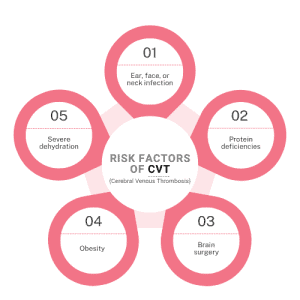
Other less common conditions that may lead to CVT include severe dehydration, certain types of cancer and their treatments, autoimmune diseases, obesity, genetic factors, etc.
According to a research report by ‘The National Center for Biotechnology Information’ (NCBI) cerebral venous thrombosis (CVT) is more common among females. The most common cause of CVT among infants is ear infection. Interruption in regular blood flow may lead to blood clots. However, CVT may be triggered by several factors:
The symptoms of cerebral venous thrombosis can vary depending upon several factors including the location of the clot, severity of blockade, duration, and other individual factors like age, pre-existing medical conditions, etc. Some of the most common symptoms experienced by individuals suffering from cerebral venous thrombosis (CVT) include:
A specialist, usually a neurologist or neurosurgeon can perform a physical examination to evaluate:
The neurologist after comprehending the symptom may suggest certain imaging tests to determine the blood circulation in the brain. Some of the commonly used imaging tests to diagnose CVT are,
Treatment of CVT depends on the severity of the condition. Treatment aims to dissolve clots, prevent them from extending, reestablish proper drainage, manage underlying causes and prevent complications. Treatment of cerebral venous thrombosis involves:
This is usually the first step towards the treatment of CVT. The medicines help prevent blood clots and prevent further clot growth. Some of the commonly prescribed medicines include injectable anticoagulants, oral anticoagulants or blood thinners.
When anticoagulant treatment is ineffective in dissolving the clot, thrombolytics or clot-dissolving treatment is the recommended course of action. Blood clots in blood vessels can be broken by thrombolytics which are medications that are delivered directly to the clots or by breaking the clot using a mechanical device.
This involves the management of symptoms occurring from CVT, such as headaches, pain relievers like acetaminophen or NSAIDs can be used, anti-seizure medications for seizures, etc. Additionally, the brain activity is monitored through follow-up venograms and imaging tests to identify the progress.
| Category | Prevention Strategy |
| Lifestyle | Stay active & hydrated, adopt a healthy diet, quit smoking & manage weight |
| Health Conditions | Manage hypertension, diabetes, clotting disorders & other pre-existing conditions |
| Medications | Use anticoagulants if prescribed & avoid unnecessary hormonal therapy |
| Regular Checkup | Monitor health if at risk or with a specially with a family history of thrombosis |
What is cerebral venous thrombosis?
Cerebral venous thrombosis is a condition causing blood clots of the cerebral vein in the brain. It is a severe condition that can cause headaches, brain swelling, blurred vision, and other life-threatening conditions if not treated appropriately.
Can cerebral venous thrombosis recur?
Yes, cerebral venous thrombosis (CVT) can recur, although the risk is considered low.
Does cerebral venous thrombosis go away?
Yes, cerebral venous thrombosis can go away and be completely cured with prompt diagnosis and treatment.
How is cerebral venous thrombosis treated?
Cerebral venous thrombosis is primarily treated with anticoagulant medications and thrombolytics. For severe cases, surgery may be recommended.
How to diagnose cerebral venous thrombosis?
Diagnosis of CVT can be done through various imaging tests including, Brain MRI, CT Scan, and magnetic resonance venography (MRV).
How to prevent cerebral venous thrombosis?
Prevention of CVT can be done through lifestyle changes, managing underlying medical conditions, adopting a healthy diet, etc.
What are the symptoms of cerebral venous thrombosis?
Some of the common symptoms of CVT are persistent headache, blurred vision, nausea, vomiting, dizziness, balance problems, etc.
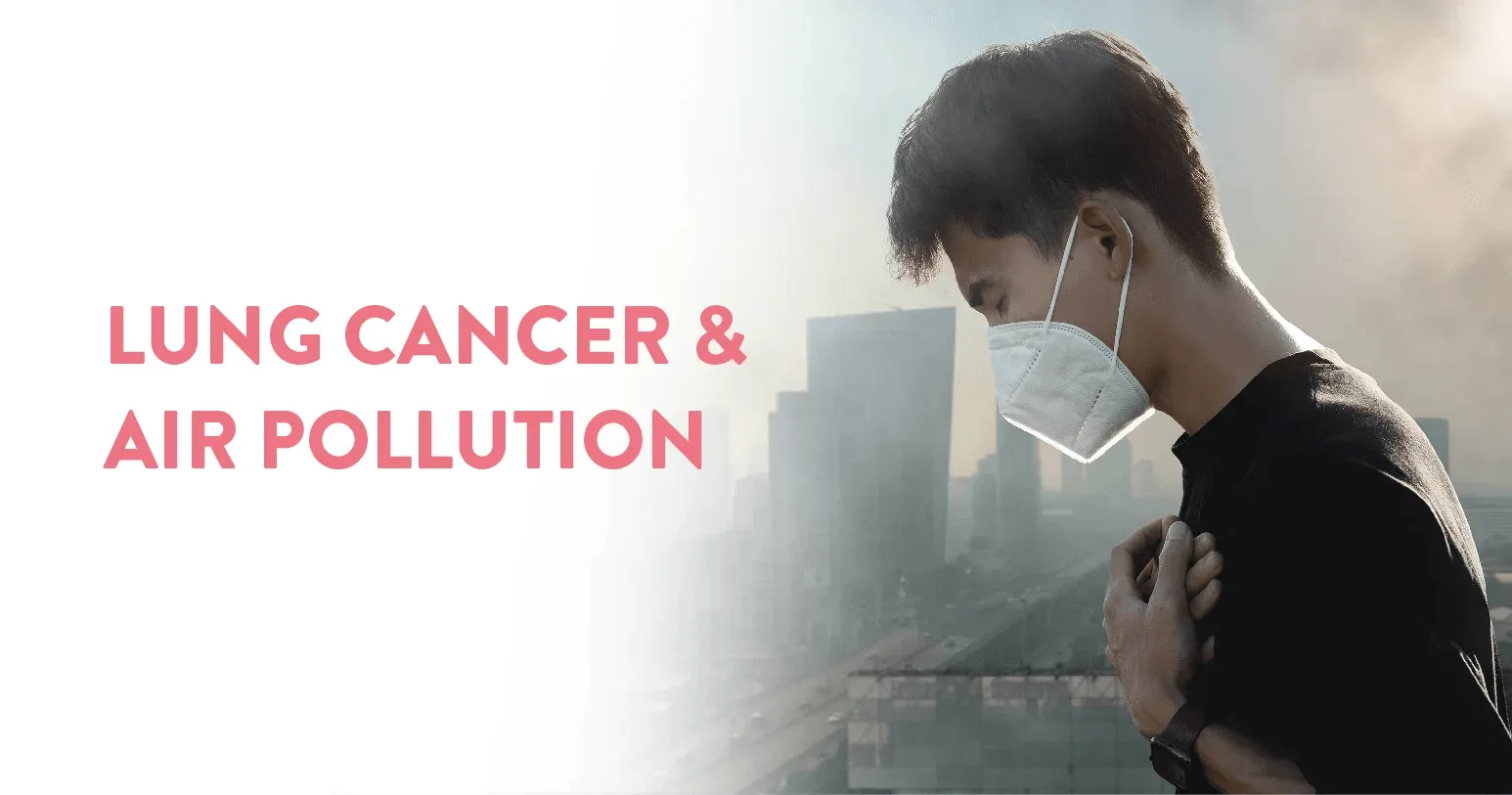
We’ve all known for a long time that exposure to toxins harms health, but who would have imagined that the air we breathe could be a slow poison and be one of those toxins?
According to the World Health Organization (WHO), air pollution kills an estimated seven million people worldwide yearly. Air pollution is the contamination of air by substances that are harmful to humans or other living beings and damage the environment.
Breathing polluted air is known to impact almost every organ in the body. Most commonly air pollution affects the respiratory tract, it is the main pathway of exposure to air pollution and can lead to issues like asthma, bronchitis, etc. Recent studies also indicate that exposure to particulate matter (PM 2.5, PM 10) and nitrogen dioxide (NO2) are leading contributors to the rising number of health conditions like respiratory issues, cardiovascular problems, renal conditions, and even cancer. According to a recent report by ‘The Hindu’ lung cancer cases are increasing in non-smokers and air pollution is believed to be the culprit.
An expert pulmonologist at the CK Birla Hospital, Dr. Kuldeep Kumar Grover asserts that lung infections and air quality are directly related. You run a greater risk of getting respiratory ailments the more polluted the air you breathe. Asthma, bronchitis, COPD, lung cancer, and other lung conditions are caused by high levels of pollutants, especially PM2. 5 which are small enough to penetrate deep into the lungs. Reducing exposure to air pollution is the only way to ensure your safety. Additionally, avoiding eating outside food can help minimise the risk of aerophagia (swallowing of air).
Table of Contents
The lungs are an important organ that helps us breathe. The primary role of the lungs is to absorb oxygen from the air we breathe and remove carbon dioxide. Additionally, the lungs help break down blood clots, regulate blood pressure, maintain the body’s acid level balance, support the sense of smell, etc. The main organ of the respiratory system is located in the chest cavity.
A number of illnesses can interfere with the lung’s normal function resulting in symptoms like shortness of breath, sleeplessness, irregular breathing, loss of consciousness, restlessness, and other related issues. Lung disorders are primarily caused by infections, environmental factors, or abnormal cell growth. One such potentially severe life-threatening condition is lung cancer.
According to a recent report, lung cancer is a common cancer and a leading cause of cancer-related death in India. A leading contributing factor to this rising number is the usage of tobacco smoking. The spread of cancer is further categorized into stages, including
Lung cancer usually starts in the airways or small air sacs. Various types of cancer affect the lungs, however, there are two main types of lung cancer.
The last several decades have seen a major global concern over air pollution. A wide range of diseases can result from both short-term and long-term exposure to pollutants and the majority of people live in areas where pollution levels can rise. One of the main causes of cancer according to the International Agency for Research on Cancer (IARC) is air pollution, specifically PM 2.5. Additionally, chronic exposure can impact all of the body’s organs complicating and aggravating pre-existing medical conditions. Air pollution can cause a variety of health problems:
Pollutants present in the air we breathe can increase the risk of respiratory infections like pneumonia.
Pollutants like PM2.5 and nitrogen dioxide can enter the bloodstream and increase the risk of heart attacks, high blood pressure, etc.
Pollutants can penetrate deep into the lungs, causing inflammation, DNA damage, and oxidative stress leading to cancer.
Exposure to harmful pollutants irritates and inflames the airways leading to damage of lung tissues & reducing lung function and other related conditions.
Long-term exposure to pollutants can result in weakening of the immune response making individuals more susceptible to infections.
Long-term exposure to substances like benzene, polycyclic aromatic hydrocarbons, and PM2.5 increases the risk of developing bladder cancer, breast cancer, Leukemia, and other types of cancer.
Despite the fact that tobacco products and cigarette packets are marked as they cause cancer a sizable section of the populace still consumes them. Tobacco remains the leading cause of the growing number of lung cancer cases. Air pollution has also been identified as an emerging factor. Even though there are fewer cases connected to air pollution the tendency to overlook such issues in their early stages persists. It’s crucial to address this perspective and act proactively.
Exposure to pollutants like PM2.5, nitrogen dioxide, polycyclic aromatic hydrocarbons, etc penetrate deep into the lungs causing,
Leading to mutation and cancer cell growth. Additionally, prolonged exposure to such pollutants disrupts the cell repair mechanism and weakens the immune system, increasing the risk of cancer over time. Other lung issues caused by air pollution include,
Difficulty breathing or feeling out of breath with routine activities is a clear symptom of lung damage due to air pollution.
Individuals experience congestion or discomfort in the chest region due to exposure to harmful pollutants.
A common sign indicating poor air quality is impacting the lungs is excessive phlegm or mucus production as the lungs try to clear irritants & pollutants.
Dryness or soreness may be felt in the pharynx due to long-term or even short-term exposure to pollutants.
Individuals may experience whistling or squeaky sounds while breathing indicating airway constriction.
Respiratory Infections like recurring colds, bronchitis, or pneumonia may be experienced by individuals indicating lung damage
During the developing phase or growing phase the lungs are more sensitive to pollutants. Additionally, children are more active and breathe faster, increasing the level of exposure.
With age lung function naturally weakens and the immunity level declines making the elderly population more prone to such lung conditions.
Exposure to pollutants affects maternal lung health and can increase the risk of adverse pregnancy outcomes, like preterm birth, low birth weight, etc.
Individuals already diagnosed with asthma, COPD, or bronchitis are at higher risk of exacerbations.
Air pollution is known to worsen cardiovascular health, leading to individuals with various heart conditions at high risk.
Smoking affects normal lung function, leaving smokers and former smokers with damaged lungs more vulnerable to health risks due to exposure to pollutants.
People living in urban areas are more exposed to pollutants from traffic emissions, industrial pollutants, etc increasing the risk.
The risk of developing lung-related conditions can be raised by exposure to harmful substances and certain environmental factors. Key risk factors include:
| Factors | Preventive Measures |
| Smoking | Quit smoking & avoid secondhand smoke exposure |
| Air Pollution | Wear masks, use air purifiers & limit staying outdoors during high-pollution |
| Indoor Air Pollution | Ensure proper ventilation & avoid using solid fuels |
| Infections | Get vaccinated (e.g, flu, pneumonia) & practice good hygiene. |
| Allergens | Do regular cleaning & use air filters to reduce exposure |
| Chemical Exposure | Use eco-friendly products & avoid contact & inhaling of harsh chemicals |
Is lung cancer curable?
Lung cancer is not usually curable, however, some cases may be cured if diagnosed before they spread. The outlook depends on the stage of the cancer, age, and overall health.
What are the symptoms of lung cancer?
Some of the common symptoms of lung cancer include coughing, shortness of breath, wheezing, chest pain, blood clots, etc.
How is lung cancer detected?
Lung cancer is detected through imaging tests like chest x-ray, CT scan, MRI, PET scan and tissue samples like sputum test, core biopsy, etc.
Can lung cancer be detected by x-ray?
Yes, lung cancer can be detected by chest x-rays.
What causes lung cancer?
Lung cancer may be caused by several factors including, smoking, exposure to certain chemicals, exposure to pollutants like PM 2.5, etc.
Can lung cancer be cured at stage 4?
No, stage 4 lung cancer is not curable, but it can be treated, the treatment goal focuses on relieving symptoms, improving quality of life, and prolonging life.
Is lung cancer genetic?
Yes, lung cancer can be genetic.
Table of Contents
Winter is the best time of the year when it comes to nature’s bounty of nutrients. Nuts like almonds, although now available round the year, are often associated with the best winter delicacies and bakes. Cherished by all for its crunch, flavor, and outstanding nutritional value, almond is highly versatile as a nutrient rich snack in winters. From smoothies to salads, almonds can help speed up your fat-to-fit journey effectively.
But the question arises—should you eat them raw, or soaked? The answer? Soaked almonds reign supreme. Not only do they improve digestion, but they also unlock a greater nutritional profile, essential for those who are plagued by weight fluctuations. Let us understand why soaking almonds could be the ultimate game-changer for your fitness goals.
These beautiful nuts are packed with fiber, protein, and healthy omega fats. But despite being a complete power food, almonds are protected by a tannin rich brown skin. Therefore, soaking almonds overnight helps remove this skin, making the nutrients more bioavailable and easier to digest. Here is a list of benefits of soaking almonds:
| Superfood Myth: Only Raw Almonds Are Nutritious
Fact: Soaked almonds are easier to digest and absorb, making them a superior option compared to raw almonds. |
Soaked almonds aren’t just a delicious snack; they are a powerhouse for those looking to shed extra pounds. Here’s how:
1. Fibre To Keep You Fuller For Longer:
Fiber and protein content in almonds can curb hunger cravings. Soaked almonds in the morning can curb the tendencies of excessive snacking throughout the day. This directly makes calorie tracking easier.
2. Source Of Magnesium For Metabolism:
It has been proven that the presence of magnesium in almonds helps regulate metabolism. A faster metabolism helps burn more calories efficiently, supporting weight loss.
3. Healthy Omega Fatty Acids For Fat Loss:
Consuming healthy fats can help lose weight without gaining it. The monounsaturated fats omega fatty acids in almonds reduce unhealthy cravings and prevent overeating, helping you maintain a balanced diet.
4. Improves Digestion and Gut Health:
Soaked almonds promote good bacteria in the gut, improving digestion and reducing bloating. This is one of the most important factors in your weight loss journey as you gain healthy and natural outcomes without any intervention of supplements.
5. Reduces Bad Cholesterol:
Studies suggest that almonds help in lowering LDL (bad cholesterol) while increasing HDL (good cholesterol). This is important for your cardiac wellness as a better lipid profile is the direct outcome of better weight management.
6. Regulates Blood Sugar:
An erratic blood sugar spike can be the reason for frequent hunger pangs and overeating. The low GI (glycemic index) of almonds stabilize blood sugar levels, preventing sudden spikes and crashes.
| Superfood Myth: Eating Too Many Almonds Can Make You Fat
Fact: Portion control is key. Consuming around 6-10 almonds per day is ideal for weight loss without excessive calorie intake. |
To get the maximum benefit from almonds, it’s essential to soak them correctly. Here’s a simple step-by-step guide:

Step-by-Step Guide to Soaking Almonds
Pro Tip: If you forget to soak almonds overnight, soak them in hot water for 30 minutes to achieve similar benefits.
| Superfood Myth: Almonds Are High Calorie, So They Are Bad for Weight Loss
Fact: While almonds are calorie-dense, they have a high satiety index, meaning they keep you full for longer, preventing overeating. |
Also Read: Healthy Diet Chart for High Blood Pressure Patients
From boosting metabolism and curbing hunger to improving digestion and stabilizing blood sugar, these nutrient-dense nuts offer a holistic approach to better health.
If you’re looking for a simple and natural way towards weight loss, start soaking almonds today! Small habits like these can make a big difference in long-term health and wellness.
So, are you ready to unlock the power of soaked almonds and transform your weight loss game? Start today and enjoy the benefits of this superfood!
How many soaked almonds should I eat daily for weight loss?
A handful (6-10 almonds) per day is enough. Using almonds you can sufficiently gain benefits without excessive calorie intake.
Can I drink the water used for soaking almonds?
The whole purpose of soaking almonds is to eliminate the tannins from its brown cover. It is best to discard the soaking water, in order to eliminate enzyme inhibitors from the almonds.
Can I eat soaked almonds at night?
Yes! While morning consumption is ideal, eating soaked almonds at night can also be beneficial for digestion and metabolism.
Are roasted almonds good for weight loss?
While roasted almonds are tasty, they may contain added oils and salt. Soaked almonds are the best option for optimal health benefits.
Do soaked almonds improve skin and hair health? Absolutely! The vitamin E and antioxidants in almonds nourish the skin and promote hair growth, making them a beauty-enhancing superfood as well.
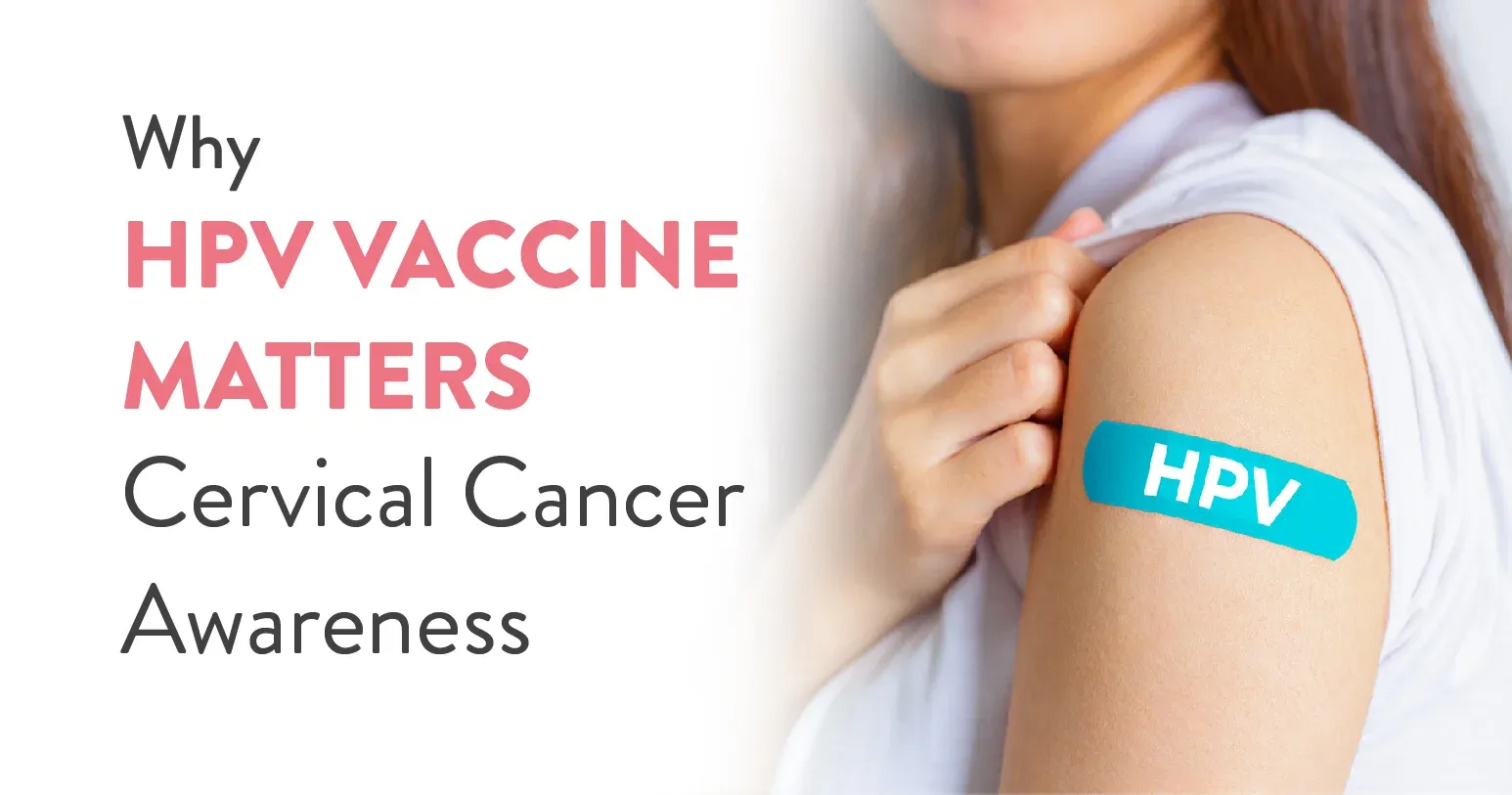
Over time cancer cases in women have been notably on the rise. Cervical Cancer after Breast Cancer is affecting Indian women the most. Recent data from MediAssist Healthcare Services reveals that cancer-related insurance claims surged in 2024, with a significant rise among women aged 40 and above.* Cervical cancer remains a leading cause of cancer-related deaths among women in the country. It’s a wake-up call, especially for women in India who need to know ways to prevent cervical cancer and stay protected.
** Source: The Lancet
The good news is that Cervical Cancer is preventable, as it is the only cancer with a vaccine. And so being proactive against the HPV virus that causes cervical cancer can be the best approach. This Cervical Cancer Awareness Month, let’s understand how the HPV vaccine can make a difference.
Table of Contents
Cervical cancer is usually the outcome of an HPV infection. HPV is a group of viruses, with over 100 strains and can be transmitted through sexual contact. Most HPV infections clear naturally, some however overstay their welcome, leading to abnormal cervical cell growth and, eventually, cancer. Studies suggest that predominantly strain types 16 and 18 are responsible for causing about 70% of all recorded cervical cancer cases.
But Cervical Cancer cells need certain contributing factors in order to manifest and evolve.
If someone is already experiencing conditions like HIV or are under long-term steroid use due to other diseases, then they are certainly more susceptible to develop cancer. A weak immune system is the perfect base to manifest cancer cells.
Today smoking is prevalent in men and women alike and is therefore the most common contributor to causing cancer. The oxidation process of smoking has been proven to harm cervical cells and therefore impair immunity. This poor lifestyle choice is affecting more and more people everyday.
The cervical region needs extra attention as poor hygiene practices can lead to heightened infection risks. This means proper usage of clean sanitary napkins, regular cleaning and special care during menstruation among women. This also applies to keeping the region clean post sexual activity.
Prolonged use may slightly increase cancer risk. Many women are prescribed contraceptives to treat various other problems, such as hormonal imbalance, irregular periods and PCOS. It is very important to discuss this with your doctor to ensure one problem does not invite another.
HPV is sexually transmitted. Therefore a vast majority of sexually active individuals will contract HPV at some point of time in their lives. This makes vaccination and screening essential.
The HPV vaccine protects against the most common cancer-causing strains of HPV (types 16 and 18), reducing the risk of cervical, vaginal, and vulvar cancers.
Answer these questions to assess your risk:
If you got more than two Yes-s, it is time you visited your doctor.
Think of a Pap smear as your cervical health’s early warning system. This quick and straightforward test is like a radar, spotting abnormal cell changes long before they turn into something more serious, like cervical cancer.
For women aged 21 and above, regular Pap smears aren’t just a recommendation—they’re a lifesaver. Pair it with the HPV vaccine, and you’ve got a one-two punch against cervical cancer. Remember, prevention is always better than cure.
If any of these apply to you, consult a healthcare provider for a Pap smear or HPV test. Early detection saves lives.
Cancer cannot be cured, but it can be prevented. Cervical cancer is the only cancer that comes with a vaccine. Then grab this time sensitive opportunity to stay one step ahead, proactively. Consult your doctor about eligibility and timing.
Early detection is the best approach to cancer. If you have exceeded the age bracket for the vaccine, then pap smears are your best alternative. Pap smears are effective as they detect precancerous changes early, making it easier to prevent things from going out of hand. But one must be regular with this and discuss a screening schedule with their gynaecologist.
Choosing a good lifestyle and consistently ensuring proper menstrual hygiene can prevent any kind of gynaecological anomalies from affecting your life. Eat healthy and quit smoking to buy yourself time away from a host of life altering diseases.
“As a doctor, I’ve seen the toll cervical cancer takes on women and families,” says Dr. Aruna Kalra, Consultant Gynecologist at the CK Birla Hospital. “The HPV vaccine is one of the most effective tools we have to protect against this preventable disease. Vaccination combined with regular screenings is your best bet for safeguarding your health.”
Cervical cancer is preventable. This Cervical Cancer Awareness Month, prioritise your health by learning about the HPV vaccine and encouraging others to do the same. Awareness and early action can save lives.
Share this with your loved ones and take the first step toward a healthier future. For more information, contact us at https://www.ckbhospital.com/doctors/cervical-cancer-treatment-doctors-in-delhi/
क्या आपका सिर भी हमेशा भारी रहता है? सिर में भारीपन के कारण दर्द होता है जो आपके दैनिक जीवन को बुरी तरह प्रभावित करता है? अगर हाँ, तो यह ब्लॉग आपके लिए है। इसमें हम सिर में भारीपन के कारण, मेडिकल उपचार और घरेलू उपायों के बारे में बात करेंगे।
Table of Contents
नींद की कमी, लो ब्लड प्रेशर (निम्न रक्तचाप), साइनसाइटिस (साइनस का संक्रमण), डिहाइड्रेशन (शरीर में पानी की कमी), आँखों की समस्या, तनाव, कान का दर्द या या कान की समस्या, मोशन सिकनेस, दवाओं का प्रभाव और पैनिक अटैक
हाइड्रेटेड रहें, पश्चिमोत्तानासन योग करें, धनिया और चीनी का घोल, अदरक का पेस्ट माथे पर लगा सकते हैं, चंदन का पेस्ट माथे पर लगा सकते हैं, नींबू पानी पीएं, लौंग और दूध का पेस्ट सेवन कर सकते हैं, दूध और बादाम का सेवन कर सकते हैं संतुलित आहार लें और पर्याप्त नींद लें
नियमित स्ट्रेचिंग और व्यायाम करें, धूम्रपान और शराब से बचें, स्वस्थ आहार का सेवन करें
ये भी पढ़े: कमर दर्द क्यों होता है — कारण और घरेलू इलाज (Back Pain in Hindi)
सिर में भारीपन कई वजहों से हो सकता है। हालांकि, इसके सामान्य कारणों में निम्न शामिल हो सकते हैं:
इन सबके अलावा, अन्य भी अनेक न्यूरोलॉजिकल कारण हैं जिससे सिर में भारीपन की समस्या पैदा हो सकती है।
ये भी पढ़े: जोड़ों में दर्द का कारण, लक्षण और उपचार | Joint pain in hindi
सिर में भारीपन का उपचार कई तरह से किया जाता है। कुछ विशेष जांच की मदद से डॉक्टर सिर में भारीपन के सटीक कारण का पता लगाते हैं। उसके बाद, सिर में दर्द के कारण (sir me dard ke karan), मरीज की उम्र, उसका सम्पूर्ण स्वास्थ्य और पहले से मौजूद बीमारियों को ध्यान में रखते हुए उपचार की योजना बनाते हैं। मेडिकल उपचार के साथ-साथ मरीज को जीवनशैली में बदलाव लाने का भी सुझाव दिया जाता है।
ये भी पढ़े: नसों में दर्द का कारण और उपचार | Nerve Pain in Hindi
सिर में भारीपन से राहत पाने के लिए आप डॉक्टर से परामर्श करने के बाद निचे दिए गए उपायों को आजमा सकते हैं:
इन सबके अलावा, नियमित रूप से स्ट्रेचिंग करें और धूम्रपान एवं शराब आदि से बचें। अगर आपके सिर में भारीपन रहता है और घरेलू नुस्खों को अपनाने के बाद भी कोई लाभ नहीं हुआ तो डॉक्टर से बात करके उचित जांच और उपचार पर विचार करें।
अगर लगातार आपके सिर में भारीपन महसूस हो रहा है, तो तुरंत डॉक्टर से संपर्क करना चाहिए। सिर में भारीपन की समस्या कई कारणों से हो सकती है, जैसे कि सिरदर्द, साइनस संक्रमण, ब्रेन ट्यूमर या कोई न्यूरोलॉजिकल डिसऑर्डर आदि। अधिकतर मामलों में, सिर भारी लगने की समस्या गंभीर नहीं होती है।
अगर आपको सिर में भारीपन के कारण सिर में गंभीर दर्द है या आपका सिरदर्द गंभीर हो रहा है, तो आपको तुरंत डॉक्टर से परामर्श लेना चाहिए। साथ ही, अगर आपको नीचे दिए गए लक्षणों का अनुभव करते हैं तो इमरजेंसी मेडिकल सहायता लेनी चाहिए:
साथ ही, अगर आपको खड़े होने पर बार-बार या लगातार चक्कर आते हैं तो आपको डॉक्टर को दिखाना चाहिए।

