Filter :
Table of Contents
अगर आपकी गर्भावस्था में किसी तरह की कोई दिक्कत नहीं है और डॉक्टर ने सेक्स से परहेज करने की सलाह नहीं दी हो तो, आमतौर पर गर्भावस्था के दौरान संबंध बनाना सुरक्षित और पति-पत्नी के लिए बेहतर होता है।
अगर गर्भपात का खतरा हो, हैवी ब्लीडिंग या अन्य समस्याएं महसूस हों, तो तुरंत डॉक्टर से परामर्श करें।
यह भी पढ़ें: प्रेगनेंसी के पहले महीने में क्या क्या होता है?
गर्भावस्था के दौरान मेंटल प्रेशर और स्ट्रेस होना आम बात है। इस दौरान संबंध बनाने से शरीर में हैप्पी हार्मोन (ऑक्सीटोसिन) बढ़ता है जिससे तनाव कम होता है।
शरीर में हार्मोनल बदलाव के कारण नींद में दिक्कतें आती हैं। यौन संबंध से मिलने वाला आराम और सुकून गहरी नींद में मदद करते हैं।
संबंध बनाने से शरीर में ब्लड सर्कुलेशन बेहतर होता है जो माँ और गर्भ में पल रहे शिशु दोनों को पर्याप्त ऑक्सीजन और पोषक तत्व प्रदान करता है।
गर्भावस्था में कमर दर्द (Back pain in hindi) और मांसपेशियों में जकड़न होना सामान्य है। संबंध बनाने से शरीर में एंडोर्फिन हार्मोन बढ़ता है जिससे दर्द कम होता है।
गर्भावस्था में संबंध बनाने से शारीरिक और मानसिक के साथ-साथ भावनात्मक रूप से भी पति-पत्नी के बीच का संबंध बेहतर होता है।
अगर गर्भावस्था सामान्य है और कोई जटिलता नहीं है, तो संबंध बनाना सुरक्षित और फायदेमंद होता है। अगर आपके में अब भी कोई संदेह हो तो डॉक्टर की सलाह जरूर लें।
यह भी पढ़ें: प्रेगनेंसी के शुरूआती लक्षण क्या होते हैं ?
कुछ परिस्थितियों में संबंध बनाना जोखिम भरा हो सकता है, जैसे कि:
हमेशा अपने और अपने साथी की सेहत और सहमति को प्राथमिकता दें। अगर प्रेगनेंसी (Pregnancy) के दौरान सेक्स को लेकर कोई प्रश्न या चिंता हो तो डॉक्टर से परामर्श करें।
और पढ़ें: पीरियड्स के कितने समय बाद सम्बन्ध बनाना चाहिए
मिथक 1: संबंध बनाने से बच्चे को नुकसान हो सकता है।
तथ्य: अगर गर्भावस्था सामान्य है तो संबंध बनाना सुरक्षित होता है। बच्चा एमनियोटिक लिक्विड और गर्भाशय की दीवारों से सुरक्षित रहता है।
मिथक 2: गर्भावस्था में यौन संबंध बनाने से प्रीमेच्योर डिलीवरी हो सकती है।
तथ्य: सामान्य गर्भावस्था में संबंध बनाने से प्रीमेच्योर डिलीवरी कोई प्रमाण नहीं है। लेकिन अगर जटिलताएं हों तो डॉक्टर से सलाह लें।
मिथक 3: गर्भवती महिला में सेक्स की इच्छा कम हो जाती है।
तथ्य: यह हर महिला के लिए अलग हो सकता है। कुछ महिलाओं की इच्छा कम हो सकती है, तो कुछ में बढ़ भी सकती है।
मिथक 4: कुछ खास पोजीशन बच्चे को नुकसान पहुंचा सकती हैं।
तथ्य: जब तक महिला को आराम महसूस हो, तब तक संबंध बनाना सुरक्षित है। गर्भावस्था के अंतिम महीनों में पेट पर दबाव न पड़े, इसका ध्यान रखना चाहिए।
मिथक 5: गर्भावस्था में संबंध बनाने से संक्रमण हो सकता है।
तथ्य: अगर दोनों पार्टनर स्वस्थ हैं, तो संक्रमण का खतरा नहीं होता है। लेकिन अगर किसी को यौन संचारित रोग (STD) है तो सुरक्षा जरूरी है।
मिथक 6: गर्भावस्था में संबंध बनाने से गर्भपात हो सकता है।
तथ्य: अगर गर्भावस्था सामान्य है तो इससे गर्भपात नहीं होता है। लेकिन अगर डॉक्टर ने आराम की सलाह दी है तो निर्देशों का पालन करें।
यह भी पढ़ें: प्रेगनेंसी में कितने समय के बाद सम्बन्ध बनाना बंद कर देना चाहिए
गर्भावस्था में यौन संबंध बनाना आमतौर पर सुरक्षित होता है, लेकिन हर महिला की स्थिति अलग हो सकती है। डॉक्टर आपकी सेहत और गर्भावस्था की स्थिति के आधार पर कुछ सलाह देते हैं।
यह भी पढ़ें: प्रेगनेंसी में ब्लीडिंग क्यों होती है?
डॉक्टर सेक्स से परहेज करने की सलाह दे सकते हैं अगर:
यह भी पढ़ें: प्रेगनेंसी के तीसरे महीने में क्या क्या लक्षण दिखते हैं?
अगर गर्भावस्था सामान्य है तो डॉक्टर सेक्स की अनुमति देते हैं। लेकिन किसी भी असुविधा, जटिलता या संदेह की स्थिति में डॉक्टर से सलाह लेना जरूरी है।
Table of Contents
Masturbation is defined as the act of self-stimulating or touching the genitals or sensitive areas of the body for sexual arousal or pleasure. It is considered a normal and common practice among people of all backgrounds, genders, or races.
According to a study by the ‘National Center for Biotechnology Information’ across all the countries, around 41% to 65% of men, and 27% to 40% of women reported masturbating in the past months.
Several studies have shown that masturbating has positive effects on both mental and physical health including reducing stress & tension, improving sleep quality, elevating mood, preventing anxiety and more. Masturbating has no risk of getting pregnant and it’s very rare to catch a sexually transmitted infection (STI) through masturbation.
There is no research or fact proving that masturbation is harmful and it is not known to cause serious side effects, however, many people who masturbate may experience unwanted side effects like – fatigue, distraction, decreased sexual sensitivity, guilt, etc. though these side effects are commonly associated with excessive masturbation.
Also Read: Cause and Symptoms of Premature Ejaculation
There are several common myths about masturbation, though these myths have not been proven by scientific research. Let’s uncover the prevalent myths and facts behind:
None of the scientific research proves that masturbating affects eyesight.
It is one of the most widespread misconceptions, masturbation does not affect fertility in men or women, rather it can help keep sperm healthy in men.
Masturbation was and is commonly believed for causing weakness, dehydration, etc. However, research suggests that it does not cause weakness unless done excessively.
This misconception has been debunked by scientific studies. It is a natural process and doesn’t affect the quality or frequency of erections. In truth, it can help with erectile dysfunction that’s caused by stress, anxiety, or other psychological issues.
Also Read: Types, Cause, Symptoms, Prevention, Diagnosis, Treatment of Male Sexual Disorder
Masturbation may cause temporary hormonal changes, however, these changes are minimal and do not contribute to acne or pimples.
The saying ‘everything in excess is opposed to nature’ by Hippocrates holds true when it comes to this natural process. Masturbation is a healthy activity when done in moderation. The effects also vary from person to person. Masturbation, if done excessively, can have physical, psychological, and social side effects. Some of the side effects include:
Masturbating excessively can have certain physical side effects like:
Frequent friction can cause irritation, soreness, redness or discomfort.
Masturbation if done excessively without rest can cause excess release of dopamine causing fatigue.
Repeated contractions can cause muscle strain in the lower abdomen and pelvic area.
Due to overstimulation, sexual pleasure may be affected.
These side effects can be managed through practicing moderation, seeking medical advice in case of persistent physical discomfort, and adopting mindful practices like paying attention to the body’s signals.
Another side effect of frequent masturbation can result in:
Masturbating frequently may create unrealistic expectations that affect real-life intimacy.
Guilt or shame may arise due to personal, religious or cultural beliefs
Spending too much time masturbating may lead to neglecting relationships and responsibilities.
Excessive masturbation can lead to mental exhaustion, reducing productivity
Societal stigma around masturbation can also cause individuals to feel guilty, and even affect the relationship due to guilt or shame associated. Social side effects can be managed by reducing the frequency, exercising, maintaining a healthy lifestyle to boost testosterone, and engaging in real intimacy.
Moderation is the key – when it comes to masturbation. Masturbation is not harmful but overindulgence can have certain side effects.
Also Read:
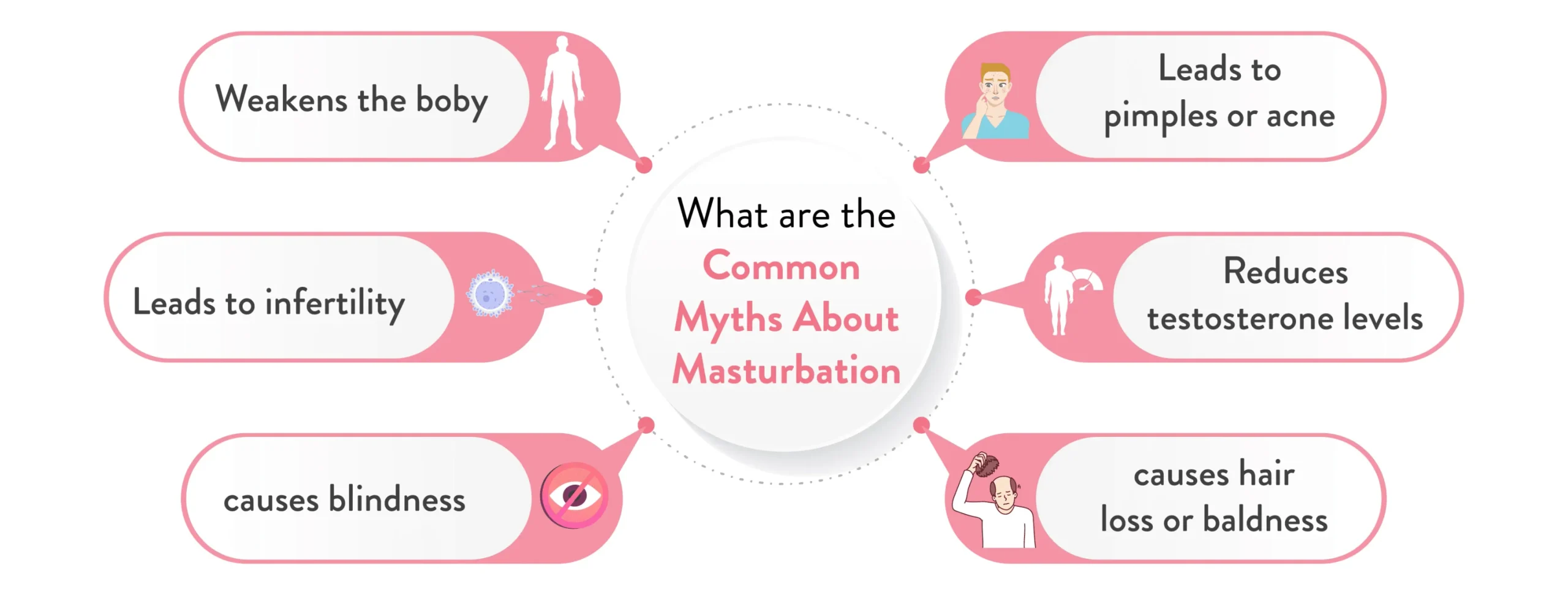
Infertility caused by masturbation is a common myth. Masturbation does not cause infertility in men and women. According to various research, masturbation can help keep the sperm healthy. Infertility in men may be caused by various medical conditions. Similarly, masturbation in women does not affect ovulation, egg quality, or reproductive health.
Another very common misconception is that masturbation causes hair loss or weakness of bones. These myths are not backed up by any scientific research. Ejaculation can be related to reducing testosterone levels, though it has no long-term effect on testosterone levels. Similarly, weakening bones are caused by ageing, calcium/vitamin D deficiency, or lack of exercise.
Masturbation does not directly cause significant or long-term weight loss. While it may burn a small number of calories, the energy used is not enough to have a meaningful impact on body weight. Factors such as diet, exercise, sleep, metabolism and overall health play a much greater role in weight management.
Masturbation releases dopamine leading to relaxing the body, this may make a person feel less focused for a short time but does not affect long-term memory or brain function. There is no scientific report mentioning that masturbation affects brain cells, memory loss, etc. Memory loss can be caused by factors like lack of sleep, stress, poor diet & dehydration, etc.
The bottom line is that moderation is important when it comes to masturbation. Excessive indulgence can lead to certain side effects and discomfort. Masturbation is a normal activity and is known to have several health benefits.
Table of Contents
Winter has officially arrived with snow falls all over the mountains and hills. But along with the wonder, winter brings its own set of challenges: from frosty mornings to an increased risk of cold or flu. And the secret to surviving this and making the best memories is to have a robust immune system. This is your first line of defense against the onslaught of the chills. Fortunately, there are easy, natural ways to boost your immunity during peak winter season, starting with your diet. This blog explores why immunity matters during winter, the easily forgotten but ever valuable tips to enhance your body’s defenses, and ten superfoods that can manage your health and energy during winters.
Your immune system is like a complex matrix made of cells, tissues, and organs, together working hard to protect your body from infections and diseases. During winter, the main deterrents to maintain your immunity are:
Incorporating nutrient-dense foods into your regular routine can help strengthen your body’s defense mechanisms, keeping your body resilient and healthy all season long.
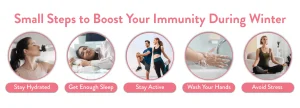
Especially in colder months, drink plenty of water to keep your body hydrated. Due to the chill we are often away from water. This hinders the natural detoxification process.
A well tuned circadian rhythm is essential to stay healthy during winters. Quality sleep helps your body repair and strengthens your immune response.
Keep your mind and body agile by engaging in regular, moderate exercise to keep your immune cells active and well circulated. .
Simple hygiene practices prevent germs from entering your system.
Chronic stress can weaken immunity. Try mindfulness or practice yoga to help fight stress and stay calm.
Winter increases your exposure to cold and flu viruses, and lower temperatures can suppress the immune response. A strong immune system ensures your body can fight off pathogens effectively, reducing the risk of infections. It also plays a key role in recovery if you fall ill, or catch a cold. Which brings us to the next question: Does being cold give you a weak immune system?
We always have someone, (read parents), reminding us to not go out in the cold. “You’ll catch a cold if you go outside without a jacket” isn’t entirely accurate. Being cold itself doesn’t weaken your immune system, but exposure to colder temperatures can stress your body, making it more susceptible to infections. So how does your immune system react when you catch a Cold?
When a cold or flu virus transmits to your body, your immune system springs into action. White blood cells and other immune cells recognize the intruder and release chemicals to neutralize the virus. This process causes inflammation, leading to symptoms like a runny nose, fever, and sore throat. Strengthening your immunity can reduce the severity and duration of these symptoms. So what are the healthy ways to strengthen your immune system in winter?
Nature provides an abundance of herbs and supplements to enhance your immunity. So if you are a believer of age old home remedies you may want to try these:
Moderate exercise is excellent for immunity as it improves circulation, helps immune cells move more efficiently, and reduces stress. However, excessive or intense workouts can temporarily weaken the immune response, so it’s essential to strike a balance.
In winters, getting enough oxygen can help reduce stress conveniently. Try moving to open green spaces and breathe fresh air to not only feel good but also send a signal to the brain cells that you are not in a state of stress. Alongside aerobic exercises, ensure rest and rehab are also factored in to avoid burnout.
Incorporate these superfoods into your winter diet for a healthier, stronger immune system:
| Superfood | Benefits |
| Citrus Fruits | Rich in vitamin C, which boosts white blood cell production. |
| Ginger | Anti-inflammatory properties help soothe cold symptoms. |
| Garlic | Enhances the immune system with its antimicrobial properties. |
| Spinach | Packed with antioxidants and beta carotene to increase infection-fighting ability. |
| Almonds | High in vitamin E, a key nutrient for immune function. |
| Sweet Potatoes | Provide beta carotene, converted into vitamin A for a stronger immune system. |
| Yogurt | Contains probiotics that support gut health and immunity. |
| Turmeric | Reduces inflammation and enhances immune response. |
| Green Tea | Loaded with antioxidants that fight free radicals and support immune health. |
| Blueberries | Rich in flavonoids that help reduce the risk of respiratory infections. |
“Boosting your immunity during winter doesn’t require elaborate measures. By incorporating simple lifestyle changes and consuming nutrient-rich superfoods, you can keep seasonal illnesses at bay and enjoy the colder months to their fullest. Whether you’re sipping on ginger tea or adding turmeric to your meals, these small steps can make a big difference in maintaining your health.” – Clinical Dietician, Prachi Jain
At the CK Birla Hospital, Gurgaon, we believe that prevention is always better than cure—start building your immunity today! Share this blog with friends and family to help them stay healthy this winter.
Which Foods Boost Immunity During Pregnancy?
Pregnancy demands extra care. Include nutrient-dense foods like spinach, citrus fruits, yogurt, almonds, and ginger to keep your immunity strong and protect your growing baby.
Which Foods Build Immunity Against Sinus Infections?
To alleviate sinus infections, consume garlic, ginger, turmeric, and citrus fruits. Probiotic-rich yogurt can also support your immune system and gut health.
Which Foods May Boost the Immune System in Cancer Patients?
Cancer patients should focus on easily digestible, nutrient-rich foods like sweet potatoes, blueberries, green tea, and yogurt. Garlic and ginger can also be beneficial due to their anti-inflammatory properties.
Which Foods Ideally Boost the Immune System in Adults?
Adults can enhance immunity with a diet rich in green leafy vegetables, almonds, citrus fruits, and fatty fish. These foods provide essential nutrients to keep the immune system functioning optimally.
Table of Contents
The menstrual cycle is the body’s natural biological process for preparing for a possible pregnancy. The menstrual cycle starts on the first day of a period and ends when the next period begins. The menstrual cycle lasts for 28 days on average, however, it can range from 21 to 35 days in healthy individuals. The cycle involves hormonal changes that regulate:
In case the pregnancy doesn’t occur, the uterine lining sheds resulting in a period. Understanding the menstrual cycle is critical in order to track fertility and manage reproductive health.
Symptoms of periods may vary from person to person, additionally, the intensity of these symptoms may also vary. Some of the most common symptoms include:
Other signs/symptoms include mood changes, trouble sleeping, headaches, food cravings, acne, etc. These symptoms may persist throughout the menstrual cycle and usually appear one to two days prior to the start of the period.
A 7 to 10 days delay in a period is considered normal if pregnancy is ruled out. The delay can be associated with various factors like stress, sudden weight changes, excessive exercise, or hormonal fluctuations. However, if the period is delayed for more than 10 days, it might indicate an underlying issue/condition including:
To address the delay and determine the underlying cause, consulting a gynaecologist is recommended.
There are various conditions that can delay the period. The most common ones are stress and pregnancy (if sexually active). Practicing relaxation techniques like meditation, and yoga, eating a healthy diet, and exercising regularly can help regulate the cycle.
The period can be delayed due to various reasons including:
Additionally, medical conditions like PCOS, and thyroid dysfunction may also cause delays. Consulting a gynaecologist is essential to identify and treat the cause/condition behind the delayed period.
The menstrual cycle usually lasts between 21 and 35 days. The bleeding phase lasts between 2-7 days. However, the duration can vary slightly from month to month and is influenced by factors like age, lifestyle, and health conditions.
There are 4 phases in the menstrual cycle, including:
Phase where uterine lining sheds leading to bleeding.
The uterine lining thickens & hormones stimulate egg maturation
The mature egg is released from the ovary.
The body starts to prepare for pregnancy. (If fertilisation does not occur hormone level drops)
A period that lasts between 2-7 days is considered a normal period. A normal period has a normal blood flow and occurs every 21–35 days. The common symptoms that occur during a normal period include mild cramps, bloating, fatigue, etc.
Irregular periods may be caused by various lifestyle factors including:
Also, individuals approaching menopause often experience irregular periods.
Period pain can be managed with home remedies and medications. Home remedies include:
There is no guaranteed way to get periods immediately, however, there are few natural methods that may help, including consuming food that promote uterine contractions like papaya, pineapple, parsley, etc. Additionally, exercising and managing stress can also help regulate cycle.
Yes, stress can significantly affect the menstrual cycle. Stress can disrupt the balance of hormones like estrogen, cortisol, etc. Stress if combined with unhealthy lifestyle habits may also delay or even skip periods entirely. Techniques like mindfulness, yoga, exercises, etc. can help reduce stress.
During periods certain things that worsen the symptoms should be avoided, including:
PMS – Premenstrual Syndrome. It refers to physical and emotional symptoms that usually occur 1 to 2 weeks before a period. PMS is caused by hormonal fluctuations and can cause symptoms like:
The most common period symptoms include abdominal cramps, back pain, mood swings, etc. The symptoms and the intensity of the symptoms vary between individuals. Acne breakouts, breast tenderness, and food cravings are also typical at this time.
Having small blood clots during the heavy flow day of the period is considered normal. However, if there are frequent large blood clots or heavy bleeding that lasts for several days may indicate other medical conditions like fibroids, endometriosis, etc.
The chances of getting pregnant during periods are low, though the sperm in the body can survive up to 5 days, and if the period cycle is short or ovulation occurs early, there’s a possibility of conception.
Period pain can be managed with a combination of:
Additionally, using a heating pad can help relax muscles and reduce cramps. Yoga, stretching, and other light exercises can improve circulation and reduce discomfort. Taking recommended over-the-counter painkillers can help with severe cramp pain.
Skipping periods occasionally is normal and can be associated with factors like stress, illness, over exercising, sudden weight change, etc. However, if you are experiencing frequent period skip it may indicate an underlying medical condition like PCOS or thyroid dysfunction.
A period that lasts for more than 7 days and has excessive blood loss, or requires frequent pad changes is considered a heavy period. Also referred to as menorrhagia, it can have symptoms like fatigue, large blood clots, anaemia, etc. Heavy periods can be caused due to various factors like hormonal imbalances, fibroids, or uterine polyps.
Consulting a doctor may be required in cases of:
Yes, exercise and diet can significantly impact the menstrual cycle. Over exercising can disrupt the hormonal balance, leading to irregular or missed periods. While light/moderate exercises can help with alleviating period pain and discomfort. Additionally, a nutrition-rich diet reduces symptoms like fatigue and cramps.
Maintaining menstrual hygiene is crucial to prevent infections. Changing menstrual pads, tampons, etc every 6 to 8 hours helps avoid odour and bacterial growth. Washing the genital area with warm water helps maintain the PH balance. Maintaining hygiene promotes overall reproductive health.
Painful periods are not necessarily a sign of good fertility. Also known as dysmenorrhea, severe pain during periods can indicate underlying medical conditions like endometriosis or pelvic inflammatory disease, etc. Certain conditions that lead to painful periods can even affect pregnancy and should not be ignored.
कुछ बीमारियां हमारे जीवन का नजरिया बदल देती हैं। इस पीढ़ी और आने वाली पीढ़ियों के लिए COVID महामारी एक महत्वपूर्ण मोड़ बन गई। सालों बाद जब यह महामारी यादों से धुंधली हो गई, एक और वायरस ने दस्तक दी है – ह्यूमन मेटान्यूमोवायरस (HMPV in Hindi)। लेकिन सवाल यह है: क्या यह सिर्फ एक मौसमी बीमारी है या चिंता का नया कारण?
ह्यूमन मेटान्यूमोवायरस एक सिंगल-स्ट्रैंडेड RNA वायरस है, जो हल्की से गंभीर लक्षणों का कारण बन सकता है। यह वायरस पैरामिक्सोविरिडी परिवार से संबंधित है, जिसमें RSV और पैराइंफ्लूएंज़ा जैसे वायरस भी शामिल हैं।
यह वायरस कुछ विशेष समूहों में ज्यादा फैलता है, जैसे:
यह वायरस संक्रमित व्यक्ति के संपर्क में आने से, उनके खांसने या छींकने से बने ड्रॉपलेट्स से, या संक्रमित सतह को छूने के बाद चेहरा छूने (नाक, आंख, या मुंह) से फैलता है।
सावधानी और जानकारी से ही इस वायरस से बचा जा सकता है।
एक विशेषज्ञ डॉक्टर ने एचएमपीवी पर प्रकाश डालते हुए बताया कि यह महामारी में बदलने की संभावना बहुत कम है। डॉ. कुलदीप कुमार ग्रोवर (सीके बिरला अस्पताल), जो एक अनुभवी पल्मोनोलॉजिस्ट हैं, के अनुसार, एचएमपीवी महामारी नहीं बनेगा। इसके पीछे मुख्य कारण यह है कि अधिकांश आबादी में पहले से ही इसी तरह के वायरस के संपर्क में आने से कुछ हद तक इम्यूनिटी विकसित हो चुकी है।
इसके अलावा, एचएमपीवी कोरोना वायरस जैसे अधिक संक्रामक वायरस की तुलना में कम प्रभावी माना जाता है। इसकी तेजी से फैलने और बड़े स्तर पर संक्रमण फैलने की क्षमता बहुत कम है। हालांकि, यह वायरस छोटे बच्चों, बुजुर्गों और कमजोर इम्यूनिटी वाले लोगों में गंभीर बीमारी का कारण बन सकता है।
एचएमपीवी संक्रमित व्यक्ति के शारीरिक तरल पदार्थों या दूषित सतहों के संपर्क में आने से फैलता है। यह भीड़ भाड़ वाले स्थानों जैसे स्कूल, मॉल और शॉपिंग सेंटर में तेजी से फैल सकता है।
यह श्वसन संबंधी वायरस हाल ही में अपनी बढ़ती उपस्थिति और प्रभाव के कारण ध्यान आकर्षित कर रहा है, खासकर कमजोर समूहों जैसे बच्चों, बुजुर्गों और कमजोर इम्यूनिटी वाले लोगों में। हालांकि, फिलहाल लक्षण सामान्य हैं, लेकिन ये गंभीर हो सकते हैं।
ज्यादातर मामलों में एचएमपीवी संक्रमण के आम लक्षण होते हैं, जैसे कि:
कुछ मामलों में संक्रमण गंभीर हो सकता है और निम्न समस्याएं पैदा कर सकता है:
अगर लक्षण बढ़ते हैं या सांस लेने में कठिनाई होती है, तो तुरंत डॉक्टर से संपर्क करें।
एचएमपीवी का निदान एक पल्मोनोलॉजिस्ट द्वारा लक्षणों और स्वास्थ्य इतिहास के आधार पर शारीरिक जांच से किया जा सकता है। जांच में नाक या गले से स्वाब लेकर सैंपल लिया जाता है।
यह सैंपल लैब में वायरस और अन्य संक्रमणों की जांच के लिए भेजा जाता है। यदि लक्षण गंभीर हों, तो डॉक्टर निम्नलिखित टेस्ट की सलाह दे सकते हैं:
जल्दी पहचान और सही उपचार कमजोर लोगों में गंभीर जटिलताओं के जोखिम को कम कर सकता है।
फिलहाल एचएमपीवी के लिए कोई एंटीवायरल दवा या वैक्सीन उपलब्ध नहीं है। हालांकि, अधिकतर मामलों में संक्रमण माइल्ड होता है और अस्पताल में भर्ती की आवश्यकता नहीं पड़ती। अगर लक्षण 3-4 दिनों से अधिक बने रहें, तो डॉक्टर से सलाह लेना आवश्यक है। उपचार का उद्देश्य लक्षणों को कम करना और शरीर की संक्रमण से लड़ने की क्षमता को बढ़ाता है।
साथ ही, सूजन को कम करने और लक्षणों को कम करने के लिए स्टेरॉयड और दवाओं का उपयोग किया जा सकता है।
एचएमपीवी संक्रमण से बचने या इसके जोखिम को कम करने के लिए निम्नलिखित उपाय अपनाएं:
HMPV वायरस क्या है?
HMPV (ह्यूमन मेटाप्नेयूमोवायरस) एक सिंगल-स्ट्रैंडेड RNA वायरस है जो सामान्य से गंभीर लक्षणों या बिमारियों का कारण बन सकता है। यह पैरामाइक्सोविरिडी परिवार से संबंधित है, जिसमें RSV और पैराइनफ्लुएंजा वायरस भी शामिल हैं।
HMPV वायरस के लक्षण क्या हैं?
HMPV के माइल्ड से गंभीर लक्षण हो सकते हैं। हल्के लक्षणों में खांसी, नाक बंद या बहना, साइनस ब्लॉकेज, गले में खराश, तेज बुखार और थकान शामिल हैं। गंभीर लक्षणों में सांस लेने में कठिनाई, घरघराहट, छाती में जकड़न, गंभीर खांसी आदि शामिल हैं।
क्या भारत में HMPV मौजूद है?
हां, ह्यूमन मेटाप्नेयूमोवायरस (HMPV) भारत में मौजूद है, लेकिन मामलों की संख्या कम है।
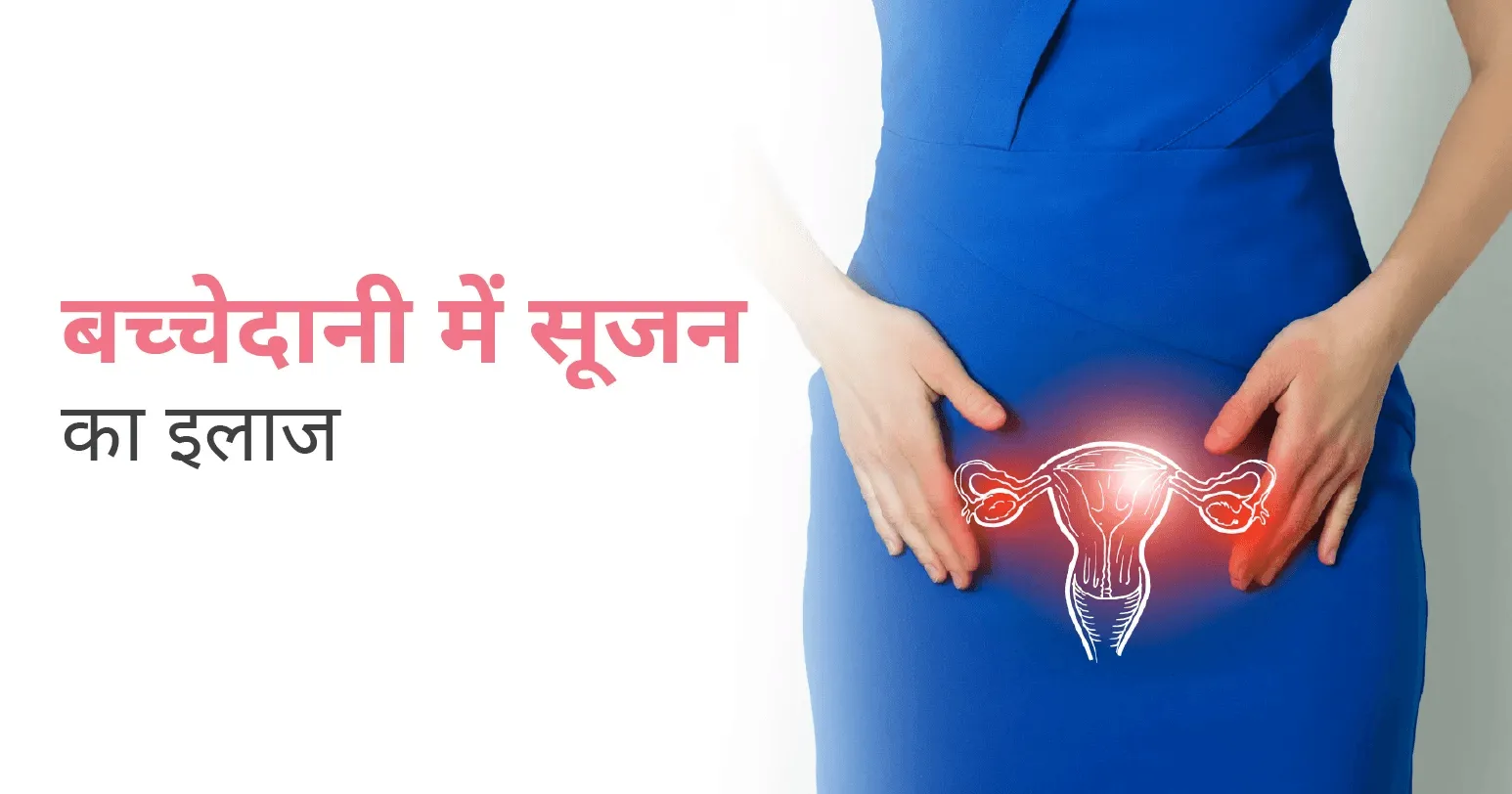
बच्चेदानी में सूजन को मेडिकल भाषा में एंडोमेट्रिटिस कहते हैं। यह समस्या इंफेक्शन, हार्मोनल असंतुलन, गर्भपात, डिलीवरी के बाद जटिलताओं या चोट के कारण हो सकती है। इस समस्या का इलाज लक्षणों की गंभीरता और उसके कारण पर निर्भर करता है। बच्चेदानी में सूजन का इलाज, दवाओं, सर्जरी और घरेलू नुस्खों से किया जा सकता है।
Table of Contents
अगर सूजन का कारण बैक्टीरियल इंफेक्शन है तो एंटीबायोटिक दवाएं निर्धारित की जाती हैं। यह दवाएं इंफेक्शन को जड़ से खत्म करती हैं। इन दवाओं में शामिल हैं:
जब सूजन हार्मोनल असंतुलन के कारण होती है, तो एस्ट्रोजन और प्रोजेस्टेरोन जैसी हार्मोनल दवाएं दी जाती हैं। ये दवाएं बच्चेदानी की दीवारों को मजबूत और सूजन को कंट्रोल करने में मदद करती हैं।
ये भी पढ़े: ओवेरियन कैंसर क्या है: प्रकार, लक्षण और उपचार (Ovarian Cancer in Hindi)
जब दवाओं से बच्चेदानी के सूजन में सुधार नहीं होता है, तो सर्जरी की सलाह दी जाती है, जिसमें मुख्य रूप से निम्न शामिल हैं:
घरेलू उपाय
अगर बच्चेदानी में सूजन अपनी शुरुआती स्टेज में है तो कुछ खास घरेलू नुस्खों की मदद से इन्हें दूर किया जा सकता है। इन घरेलू नुस्खों में शामिल हैं:
ये भी पढ़े: योनि कैंसर क्या है: कारण, लक्षण और उपचार (Vaginal Cancer in Hindi)
अनेक कारणों से बच्चेदानी में सूजन होती है। हालाँकि, इसके मुख्य कारणों में निम्न शामिल हैं:
अन्य कारणों में सफाई की कमी, बिना उपचार के इंफेक्शन या पेल्विक सर्जरी की जटिलताएं भी बच्चेदानी में सूजन का कारण बनर सकती हैं।
ये भी पढ़े: पीरियड कम आने के नुकसान: कारण, प्रभाव और इलाज
बच्चेदानी में सूजन के लक्षण स्थिति की गंभीरता और कारणों पर निर्भर करते हैं। इसके सामान्य लक्षणों में शामिल हैं:
इन लक्षणों को नजरअंदाज न करें। अगर आप इनमें से कोई भी महसूस करें, तो तुरंत डॉक्टर से संपर्क करें। शुरुआती उपचार से गंभीर जटिलताओं को रोका जा सकता है। बच्चेदानी में सूजन का इलाज, लक्षणों और कारणों पर निर्भर करता है। दवाइयां, सर्जरी, घरेलू उपाय और जीवनशैली में बदलाव सभी इलाज का हिस्सा हो सकते हैं। सही इलाज के लिए डॉक्टर की सलाह लेना जरूरी है।
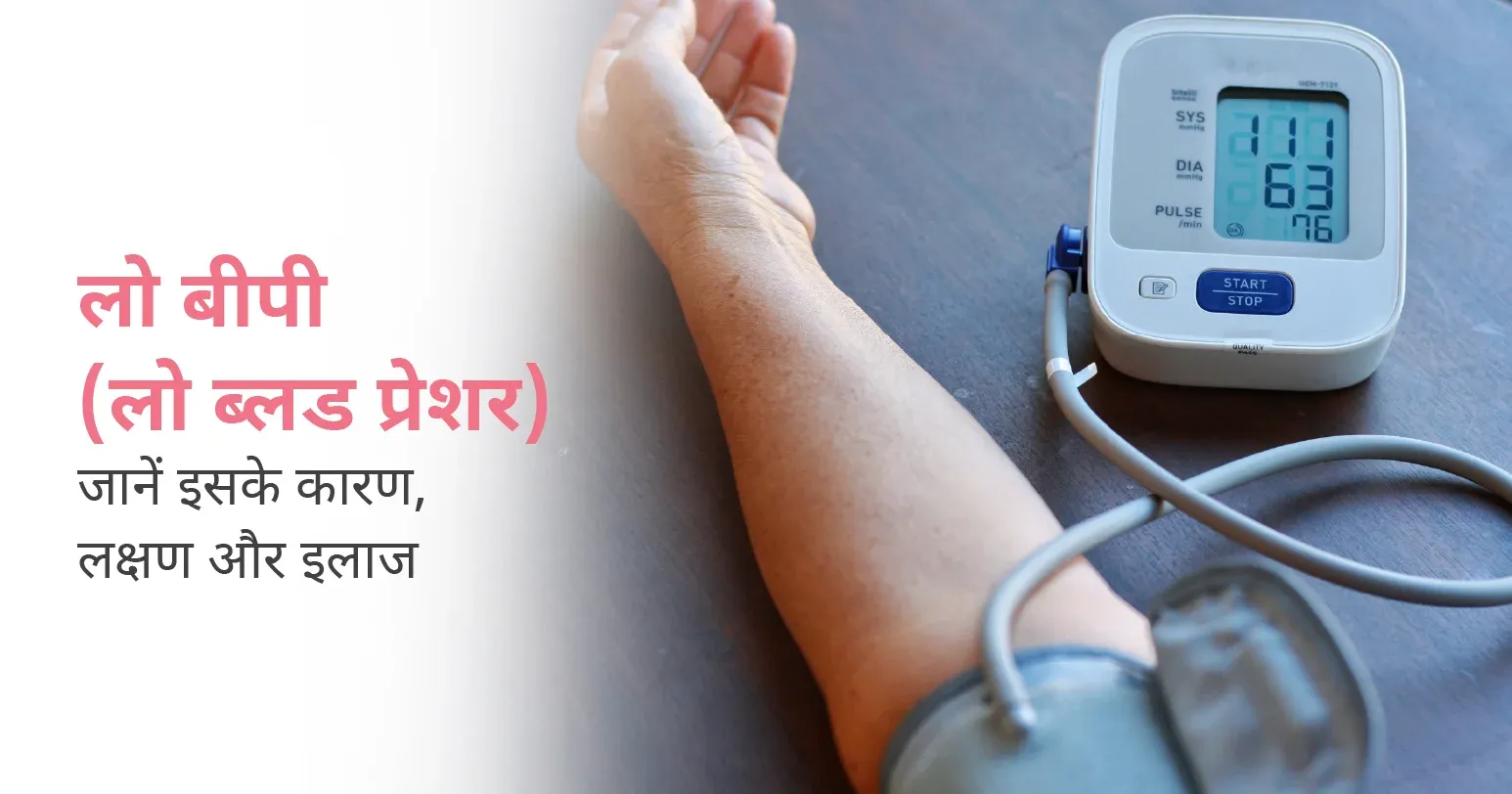
आज की भागदौड़ भरी और अस्वस्थ जीवनशैली के चलते दुनियाभर में हाई और लो ब्लड प्रेशर की समस्या बहुत आम हो गई है। जैसे-जैसे हमारा जीवन तनावपूर्ण होता जा रहा है और खानपान असंतुलित हो रहा है, शरीर में ब्लड प्रेशर का उतार-चढ़ाव स्वाभाविक बन गया है। उदाहरण के लिए, लंबे समय तक काम का तनाव या अनहेल्दी खाने की आदतें लो बीपी की वजह बन सकती हैं। इस ब्लॉग में हम समझेंगे कि लो बीपी के प्रमुख कारण क्या हैं और इससे बचाव के क्या उपाय किए जा सकते हैं।
Table of Contents
लो बीपी (लो ब्लड प्रेशर) एक ऐसी स्थिति है जब आपके ब्लड प्रेशर का स्तर सामान्य से बहुत कम होता है। यह शरीर के विभिन्न अंगों तक पर्याप्त खून और ऑक्सीजन पहुंचने में रुकावट डाल सकता है। लो बीपी का मतलब यह नहीं कि हमेशा यह खतरनाक होता है, लेकिन अगर वह अचानक गिर जाए या लंबे समय तक बना रहे, तो यह स्वास्थ्य के लिए नुकसानदायक हो सकता है।
ये भी पढ़े: बच्चो के लिए हेल्दी डाइट चार्ट
लो बीपी के लक्षणों में अक्सर सिरदर्द, चक्कर आना, कमजोरी और धुंधला दिखाई देना शामिल हैं। यदि ब्लड प्रेशर बहुत कम हो, तो शरीर के अंगों में खून का संचार सही तरीके से नहीं हो पाता, जिससे ये लक्षण महसूस होते हैं। यदि आपको अचानक बीपी लो होने का अनुभव हो, तो तुरंत आराम करें और पानी पीने की कोशिश करें।
लो बीपी (लो ब्लड प्रेशर) एक आम स्वास्थ्य समस्या है, जो कई कारणों से हो सकती है।
पानी की कमी से ब्लड प्रेशर कम हो सकता है, क्योंकि शरीर में खून की मात्रा घट जाती है। हाइड्रेटेड रहना जरूरी है।
थायराइड, एड्रेनल या शुगर असंतुलन जैसे हार्मोनल बदलाव लो बीपी का कारण बन सकते हैं, जो ब्लड प्रेशर को प्रभावित करते हैं।
दिल की बीमारियां जैसे दिल का दौरा या अनियमित धड़कन खून पंप करने में समस्या पैदा करती हैं, जिससे बीपी कम हो सकता है।
आयरन, विटामिन B12 या फोलिक एसिड की कमी से खून निर्माण में कमी हो सकती है, जिससे लो बीपी हो सकता है।
कुछ दवाइयाँ जैसे एंटी-डिप्रेसेंट्स या बीटा-ब्लॉकर्स लो बीपी का कारण बन सकती हैं, जो ब्लड प्रेशर को घटाती हैं।
अचानक हुई ब्लीडिंग से शरीर में खून की कमी होती है, जिससे लो बीपी हो सकता है और शरीर में ऑक्सीजन की कमी हो सकती है।
इन सबके अलावा, अधिक तनाव से शरीर में हार्मोनल बदलाव होते हैं, जो ब्लड प्रेशर को अस्थायी रूप से बढ़ते हैं और फिर कम होने का कारण बन सकते हैं।
ये भी पढ़े: उच्च रक्तचाप का कारण, लक्षण और इलाज
लो बीपी के मुख्य रूप से तीन प्रकार होते हैं:
ये भी पढ़े: पुरुषों में हार्ट अटैक का कारण, लक्षण और बचाव
लो बीपी का निदान सामान्यतः आपके डॉक्टर द्वारा ब्लड प्रेशर की माप करने से किया जाता है। इसके अलावा, डॉक्टर आपकी मेडिकल हिस्ट्री और अन्य लक्षणों का भी मूल्यांकन करेंगे। ब्लड प्रेशर को मापने के लिए स्टेथोस्कोप और स्फिग्मोमैनोमीटर का उपयोग किया जाता है।
लो बीपी का इलाज इसके कारणों पर निर्भर करता है। कुछ सामान्य घरेलू उपाय जो आप कर सकते हैं, वे निम्नलिखित हैं:
लो बीपी को रोकने के लिए कुछ आसान उपाय हैं:
ये भी पढ़े:
लो बीपी के घरेलू उपायों में प्राकृतिक उपचार शामिल हैं जैसे:
बीपी लो के लक्षणों में चक्कर आना, थकान, और सिरदर्द शामिल होते हैं। अगर लक्षण गंभीर हैं तो इलाज के लिए डॉक्टर से संपर्क करना चाहिए। बीपी लो का इलाज मुख्य रूप से इसके कारणों को दूर करने पर निर्भर करता है, जैसे कि पानी की कमी या विटामिन की कमी को पूरा करना।
लो बीपी में ज्यादा तली-भुनी चीजें, फैट और चीनी से भरपूर चीजें नहीं खानी चाहिए। इससे ब्लड प्रेशर और खराब हो सकता है। साथ ही, कैफीन और शराब का सेवन भी कम करें क्योंकि ये शरीर में पानी की कमी कर सकते हैं।
और पढ़े- सिर में भारीपन के कारण और इलाज
लो बीपी कितना होना चाहिए?
लो बीपी 90/60 mmHg से कम माना जाता है, जो शरीर में खून प्रवाह को प्रभावित कर सकता है।
बीपी लो कैसे ठीक होता है?
बीपी लो को ठीक करने के लिए पानी पीना, आहार में नमक बढ़ाना और डॉक्टर से उपचार लेना जरूरी है।
बीपी लो क्यों होता है?
लो बीपी का कारण पानी की कमी, हृदय रोग, दवाइयाँ और हार्मोनल असंतुलन हो सकते हैं।
अचानक बीपी लो क्यों होता है?
अचानक लो बीपी शारीरिक बदलाव, अत्यधिक तनाव, ब्लीडिंग या अत्यधिक शारीरिक गतिविधि के कारण हो सकता है।
बीपी लो होने पर क्या खाना चाहिए?
लो बीपी में नमक, तरल पदार्थ, खट्टे फल और पोषक तत्वों से भरपूर डाइट खाना चाहिए।
बीपी लो होने पर क्या करें?
बीपी लो होने पर आराम करें, तरल पदार्थ लें और डॉक्टर से परामर्श लें।
लो बीपी एक आम समस्या हो सकती है, लेकिन इसे उचित उपचार और देखभाल से नियंत्रित किया जा सकता है। सही आहार, घरेलू उपाय और नियमित डॉक्टर की सलाह से आप इस समस्या का समाधान पा सकते हैं। अगर आप या आपके जानने वाले को लो बीपी के लक्षण महसूस होते हैं, तो डॉक्टर से परामर्श लें।
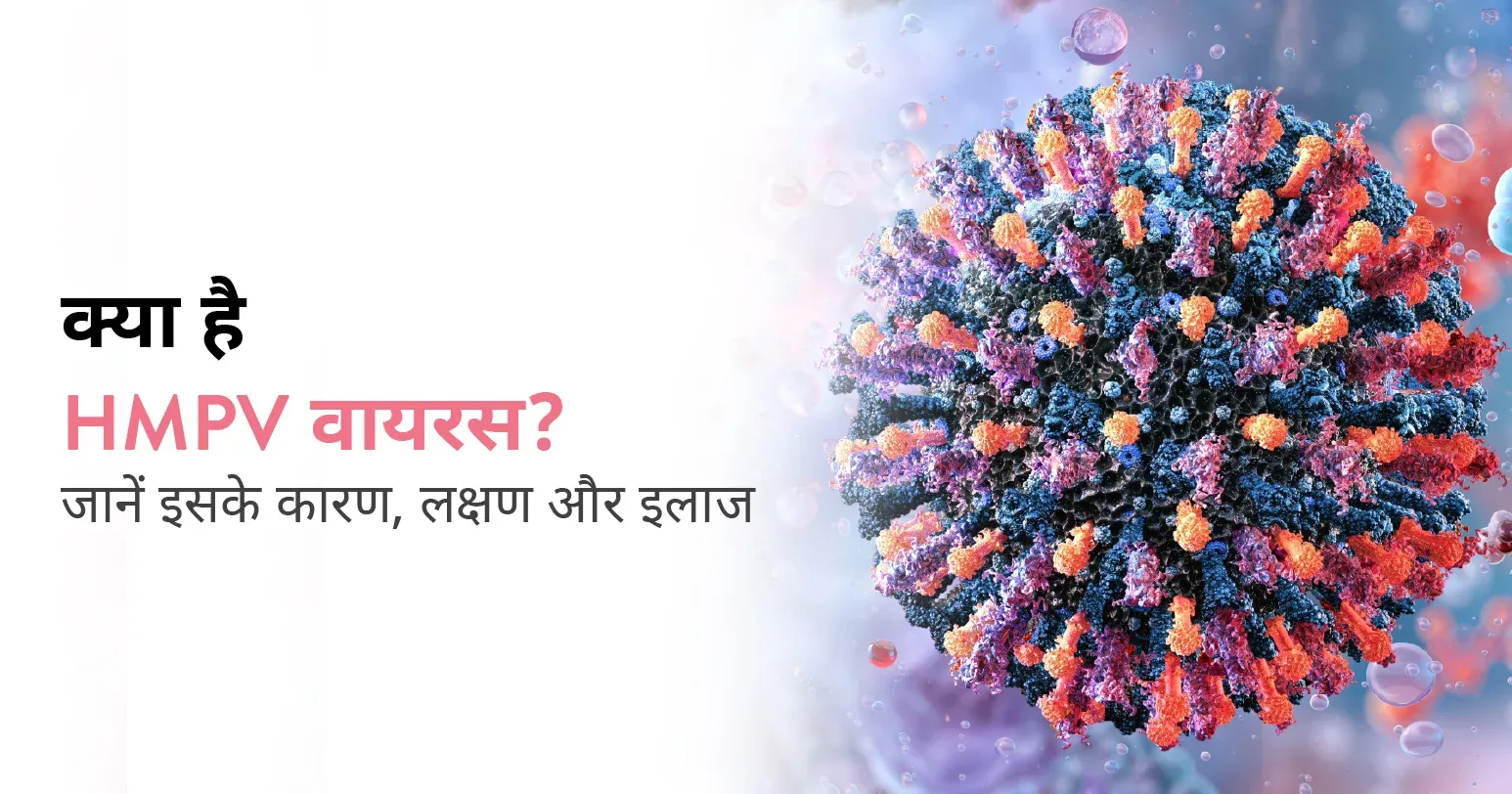
कुछ बीमारियां हमारे जीवन का नजरिया बदल देती हैं। इस पीढ़ी और आने वाली पीढ़ियों के लिए COVID महामारी एक महत्वपूर्ण मोड़ बन गई। सालों बाद जब यह महामारी यादों से धुंधली हो गई, एक और वायरस ने दस्तक दी है – ह्यूमन मेटान्यूमोवायरस (HMPV in Hindi)। लेकिन सवाल यह है: क्या यह सिर्फ एक मौसमी बीमारी है या चिंता का नया कारण?
Table of Contents
ह्यूमन मेटान्यूमोवायरस एक सिंगल-स्ट्रैंडेड RNA वायरस है, जो हल्की से गंभीर लक्षणों का कारण बन सकता है। यह वायरस पैरामिक्सोविरिडी परिवार से संबंधित है, जिसमें RSV और पैराइंफ्लूएंज़ा जैसे वायरस भी शामिल हैं।
यह वायरस कुछ विशेष समूहों में ज्यादा फैलता है, जैसे:
यह वायरस संक्रमित व्यक्ति के संपर्क में आने से, उनके खांसने या छींकने से बने ड्रॉपलेट्स से, या संक्रमित सतह को छूने के बाद चेहरा छूने (नाक, आंख, या मुंह) से फैलता है।
सावधानी और जानकारी से ही इस वायरस से बचा जा सकता है।
एक विशेषज्ञ डॉक्टर ने एचएमपीवी पर प्रकाश डालते हुए बताया कि यह महामारी में बदलने की संभावना बहुत कम है। डॉ. कुलदीप कुमार ग्रोवर (सीके बिरला अस्पताल), जो एक अनुभवी पल्मोनोलॉजिस्ट हैं, के अनुसार, एचएमपीवी महामारी नहीं बनेगा। इसके पीछे मुख्य कारण यह है कि अधिकांश आबादी में पहले से ही इसी तरह के वायरस के संपर्क में आने से कुछ हद तक इम्यूनिटी विकसित हो चुकी है।
इसके अलावा, एचएमपीवी कोरोना वायरस जैसे अधिक संक्रामक वायरस की तुलना में कम प्रभावी माना जाता है। इसकी तेजी से फैलने और बड़े स्तर पर संक्रमण फैलने की क्षमता बहुत कम है। हालांकि, यह वायरस छोटे बच्चों, बुजुर्गों और कमजोर इम्यूनिटी वाले लोगों में गंभीर बीमारी का कारण बन सकता है।
एचएमपीवी संक्रमित व्यक्ति के शारीरिक तरल पदार्थों या दूषित सतहों के संपर्क में आने से फैलता है। यह भीड़ भाड़ वाले स्थानों जैसे स्कूल, मॉल और शॉपिंग सेंटर में तेजी से फैल सकता है।
यह श्वसन संबंधी वायरस हाल ही में अपनी बढ़ती उपस्थिति और प्रभाव के कारण ध्यान आकर्षित कर रहा है, खासकर कमजोर समूहों जैसे बच्चों, बुजुर्गों और कमजोर इम्यूनिटी वाले लोगों में। हालांकि, फिलहाल लक्षण सामान्य हैं, लेकिन ये गंभीर हो सकते हैं।
ज्यादातर मामलों में एचएमपीवी संक्रमण के आम लक्षण होते हैं, जैसे कि:
कुछ मामलों में संक्रमण गंभीर हो सकता है और निम्न समस्याएं पैदा कर सकता है:
अगर लक्षण बढ़ते हैं या सांस लेने में कठिनाई होती है, तो तुरंत डॉक्टर से संपर्क करें।
एचएमपीवी का निदान एक पल्मोनोलॉजिस्ट द्वारा लक्षणों और स्वास्थ्य इतिहास के आधार पर शारीरिक जांच से किया जा सकता है। जांच में नाक या गले से स्वाब लेकर सैंपल लिया जाता है।
यह सैंपल लैब में वायरस और अन्य संक्रमणों की जांच के लिए भेजा जाता है। यदि लक्षण गंभीर हों, तो डॉक्टर निम्नलिखित टेस्ट की सलाह दे सकते हैं:
जल्दी पहचान और सही उपचार कमजोर लोगों में गंभीर जटिलताओं के जोखिम को कम कर सकता है।
फिलहाल एचएमपीवी के लिए कोई एंटीवायरल दवा या वैक्सीन उपलब्ध नहीं है। हालांकि, अधिकतर मामलों में संक्रमण माइल्ड होता है और अस्पताल में भर्ती की आवश्यकता नहीं पड़ती। अगर लक्षण 3-4 दिनों से अधिक बने रहें, तो डॉक्टर से सलाह लेना आवश्यक है। उपचार का उद्देश्य लक्षणों को कम करना और शरीर की संक्रमण से लड़ने की क्षमता को बढ़ाता है।
साथ ही, सूजन को कम करने और लक्षणों को कम करने के लिए स्टेरॉयड और दवाओं का उपयोग किया जा सकता है।
एचएमपीवी संक्रमण से बचने या इसके जोखिम को कम करने के लिए निम्नलिखित उपाय अपनाएं:
HMPV वायरस क्या है?
HMPV (ह्यूमन मेटाप्नेयूमोवायरस) एक सिंगल-स्ट्रैंडेड RNA वायरस है जो सामान्य से गंभीर लक्षणों या बिमारियों का कारण बन सकता है। यह पैरामाइक्सोविरिडी परिवार से संबंधित है, जिसमें RSV और पैराइनफ्लुएंजा वायरस भी शामिल हैं।
HMPV वायरस के लक्षण क्या हैं?
HMPV के माइल्ड से गंभीर लक्षण हो सकते हैं। हल्के लक्षणों में खांसी, नाक बंद या बहना, साइनस ब्लॉकेज, गले में खराश, तेज बुखार और थकान शामिल हैं। गंभीर लक्षणों में सांस लेने में कठिनाई, घरघराहट, छाती में जकड़न, गंभीर खांसी आदि शामिल हैं।
क्या भारत में HMPV मौजूद है?
हां, ह्यूमन मेटाप्नेयूमोवायरस (HMPV) भारत में मौजूद है, लेकिन मामलों की संख्या कम है।
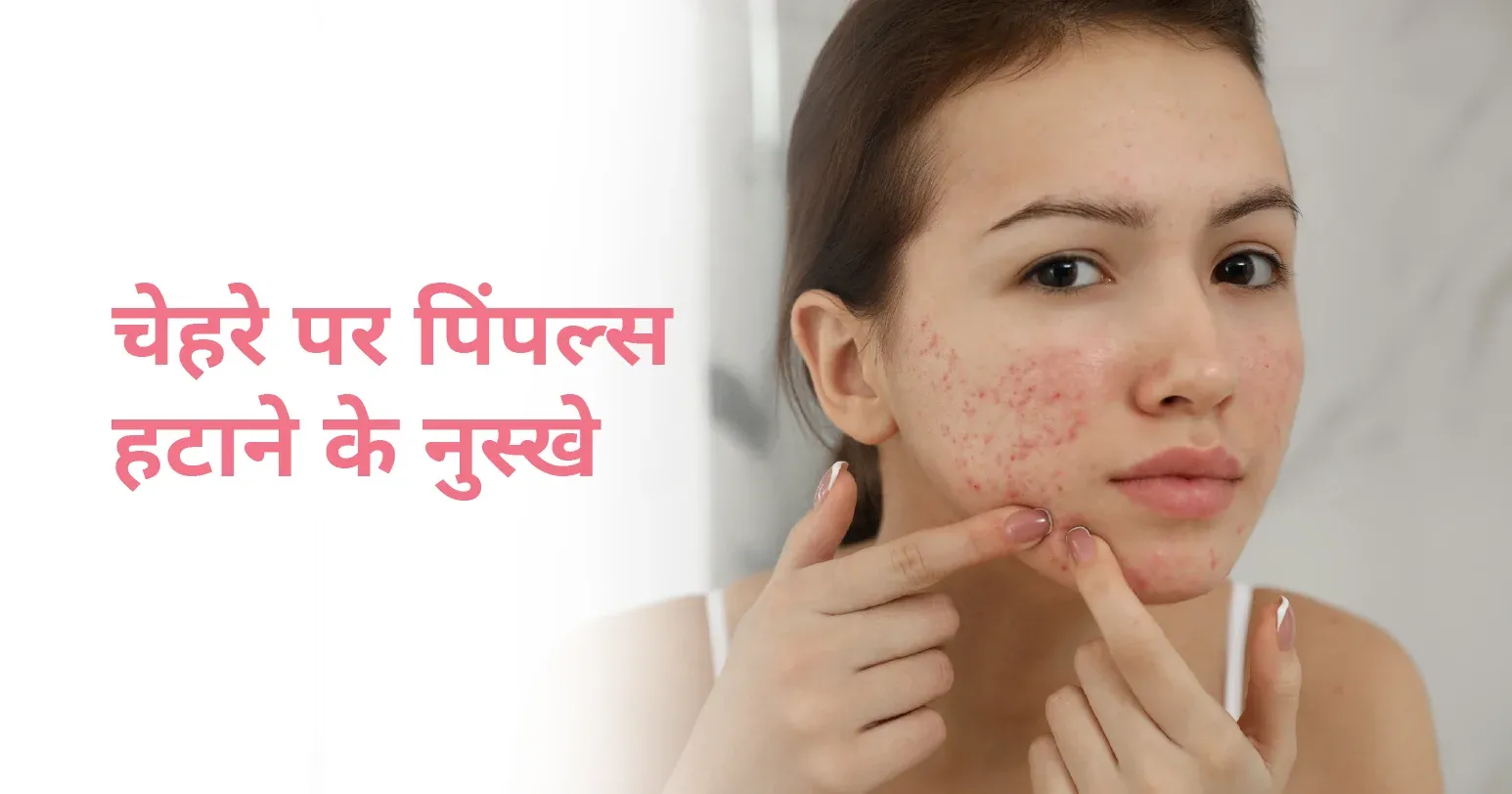
चेहरे पर पिंपल्स होना एक आम समस्या है, जिसे लगभग हर व्यक्ति जीवन में कभी न कभी अनुभव करता है। पिंपल कैसे हटाएं यह सवाल खासकर किशोरों और युवाओं के लिए तनाव और झिझक की वजह बन जाता है। अच्छी बात यह है कि ज़्यादातर पिंपल्स सही देखभाल, कुछ आसान घरेलू उपायों और ज़रूरत पड़ने पर सही दवा से ठीक हो जाते हैं।
इस लेख में आपको मिलेगा — पिंपल्स होने के असली कारण, 6 सुरक्षित घरेलू उपाय, एक रात में सूजन कम करने का तरीका, कौन सी क्रीम और दवा असर करती है, दाग हटाने के विकल्प, और वे संकेत जिन पर त्वचा विशेषज्ञ से मिलना ज़रूरी हो जाता है।
Table of Contents
पिंपल्स त्वचा पर उभरने वाले छोटे सफेद या लाल दाने हैं, जिन्हें हिंदी में मुहांसे के नाम भी जानते हैं। जब त्वचा के रोमछिद्र (pores) बंद होते हैं तो पिंपल्स बनते हैं। अधिकतर मामलों में पिंपल्स चेहरे पर होते हैं, लेकिन ये शरीर के अन्य हिस्से जैसे कि गर्दन, पीठ और कंधों पर भी हो सकते हैं।
पिंपल्स हर उम्र के लोगों को हो सकते हैं, लेकिन हार्मोनल बदलाव के कारण अधिकतर मामलों में ये किशोरावस्था (adolescence) में ज्यादा देखने को मिलते हैं।
ये भी पढ़े: हर्पीस बीमारी क्या है? इसके कारण, लक्षण और उपाय
इन सबके अलावा, चेहरे पर पिंपल्स के अन्य कारण हो सकते हैं जैसे कि धूल या प्रदुषण के संपर्क में आना और चेहरे की साफ-सफाई का ध्यान नहीं रखना आदि।
Watch Now: PCOS में पिंपल्स
| जगह | आम कारण |
|---|---|
| माथा | तेल वाले हेयर प्रोडक्ट, बाल चेहरे पर गिरना, पसीना, टोपी या हेलमेट |
| नाक | रोमछिद्र बड़े और तेल ग्रंथियां ज़्यादा सक्रिय; ब्लैकहेड्स यहीं सबसे ज़्यादा होते हैं |
| गाल | तकिए का कवर, मोबाइल स्क्रीन, मास्क और बिना साफ़ किए मेकअप ब्रश |
| ठोड़ी और जबड़े की लाइन | हार्मोनल – महिलाओं में पीरियड्स से पहले या PCOSमें आम |
| पीठ और कंधे | पसीना, टाइट कपड़े और तेल वाले बॉडी प्रोडक्ट |
अगर आप अपने चेहरे के पिम्पल्स से परेशान हैं और घर बैठे कुछ आसान घरेलू नुस्खों की मदद से इससे छुटकारा पाना चाहते हैं तो निम्न उपायों को आजमा सकते हैं:
एलोवेरा में एंटी-इंफ्लेमेटरी और एंटीबैक्टीरियल गुण होते हैं, जो पिंपल्स को ठीक करने में मदद करते हैं। ताजे एलोवेरा की पत्ती काटकर उसका जेल निकाल लें। इसे सीधे पिंपल्स पर लगाएँ और 20-30 मिनट बाद धो लें।
इसमें एंटी-बैक्टीरियल गुण होते हैं, जो बैक्टीरिया से लड़कर पिंपल्स को कम करने में मदद करते हैं। एक चम्मच पानी में 2-3 बूंद टी ट्री ऑयल मिलाएं और उसे कॉटन की मदद से पिंपल्स पर लगाएं।
नींबू में मौजूद सिट्रिक एसिड पिंपल्स को सुखाने और दाग-धब्बों को कम करने में मदद करता है। ताजे नींबू का रस निकालकर कॉटन से पिंपल्स पर लगाएं। 10 मिनट के बाद उसे हल्के गुनगुने पानी से धो लें। नींबू का रस लगाने के बाद धूप में न जाएं।
हल्दी में एंटीसेप्टिक गुण होते हैं, जो संक्रमण रोकते हैं और शहद त्वचा को मॉइश्चराइज़ करता है। एक चम्मच हल्दी और शहद मिलाकर पेस्ट बनाएं और उसे पिंपल्स पर लगाकर 15-20 मिनट बाद धो लें।
बर्फ पिंपल्स की सूजन और लालपन को कम करता है। एक साफ कपड़े में बर्फ का टुकड़ा लपेटें और उसे हल्के-हल्के पिंपल्स पर 5-10 मिनट तक रखें। उसके बाद हटा दें। यह पिंपल्स के कारण उत्पन्न जलन में मदद करता है।
ग्रीन टी में एंटीऑक्सीडेंट्स होते हैं, जो त्वचा को साफ और पिंपल्स को कम करने में मदद करते हैं। ग्रीन टी बनाकर ठंडा कर लें और फिर उसे कॉटन से पिंपल्स पर लगाएं या स्प्रे की तरह छिड़कें।
मुल्तानी मिट्टी एक्स्ट्रा तेल को सोखकर त्वचा को साफ करती है, जिससे पिंपल्स से छुटकारा पाने में मदद मिलती है। मुल्तानी मिट्टी में गुलाब जल मिलाकर पेस्ट बनाएं और उसे अपने चेहरे पर लगाएं, सूखने के बाद उसे पानी से अच्छी तरह धो लें।
सीधा जवाब: नहीं। एक पिंपल पूरी तरह ठीक होने में आमतौर पर 5 से 7 दिन लगते हैं, और बड़ा या दर्द वाला पिंपल 1 से 2 हफ्ते ले सकता है। एक रात में उसे पूरी तरह मिटाया नहीं जा सकता।
लेकिन एक रात में सूजन और लालिमा काफ़ी कम ज़रूर की जा सकती है, जिससे पिंपल आधा दिखना बंद हो जाता है। अगर कल कोई ज़रूरी मौका है, तो यह करें:
जो बिल्कुल न करें: पिंपल फोड़ना, टूथपेस्ट लगाना, या सुई/नाखून से छेड़ना। इनसे सूजन बढ़ती है, संक्रमण फैलता है और सबसे ज़रूरी — इन्हीं से स्थायी गड्ढेनुमा दाग बनते हैं।
| समय | क्या हो सकता है | क्या नहीं हो सकता |
|---|---|---|
| एक रात | सूजन और लालिमा में कमी, पिंपल छोटा दिखना | पिंपल का पूरी तरह गायब होना |
| 3–5 दिन | छोटा पिंपल दब जाता है | गहरे दाग हल्के होना |
| 1–2 हफ्ते | बड़ा या दर्द वाला पिंपल ठीक हो जाता है | नए पिंपल आना बंद होना |
| 4–8 हफ्ते | सही इलाज से नए पिंपल आना कम होते हैं; हल्के दाग फीके पड़ने लगते हैं | गहरे गड्ढेनुमा दाग भरना |
| 3–6 महीने | गहरे दाग पर इलाज का असर दिखना शुरू होता है | – |
जब घरेलू उपायों से 3–4 हफ्ते में फ़र्क न दिखे, तो अगला कदम प्रमाणित दवाइयां हैं। नीचे वे विकल्प हैं जो त्वचा विशेषज्ञ आमतौर पर सुझाते हैं — इनमें से कोई भी बिना डॉक्टर की सलाह के शुरू न करें।
| दवा | किस तरह के पिंपल के लिए | कैसे काम करती है | कितने समय में असर |
|---|---|---|---|
| सैलिसिलिक एसिड (फेसवॉश/जेल) | ब्लैकहेड्स, व्हाइटहेड्स, हल्के पिंपल | बंद रोमछिद्रों को खोलती है और अतिरिक्त तेल हटाती है | 3–4 हफ्ते |
| बेंज़ोयल पेरोक्साइड 2.5% | लाल, सूजन वाले पिंपल | पिंपल पैदा करने वाले बैक्टीरिया को कम करती है | 4–6 हफ्ते |
| टॉपिकल रेटिनोइड (एडापलीन) | बार-बार आने वाले पिंपल, बंद रोमछिद्र | त्वचा की कोशिकाओं का चक्र तेज़ करती है | 8–12 हफ्ते |
| टॉपिकल एंटीबायोटिक | संक्रमण वाले पिंपल | बैक्टीरिया पर सीधा असर — हमेशा किसी और दवा के साथ दी जाती है | 4–6 हफ्ते |
| ओरल दवाइयां | गंभीर, गांठदार या सिस्टिक मुँहासे | शरीर के अंदर से सूजन और बैक्टीरिया पर असर | 3–6 महीने |
| केमिकल पील / लेजर | पुराने दाग और गड्ढे | त्वचा की ऊपरी परत को नया बनाती है | 4–6 सिटिंग |
ज़रूरी सावधानी: बेंज़ोयल पेरोक्साइड और रेटिनोइड शुरू में त्वचा को रूखा या लाल कर सकते हैं — इन्हें रात में, कम मात्रा में और डॉक्टर के बताए तरीके से ही शुरू करें। रेटिनोइड गर्भावस्था में नहीं लिए जाते। इंटरनेट या मेडिकल स्टोर से मिलने वाली किसी भी ‘पिंपल हटाने वाली’ क्रीम को खुद से न लगाएं — कई में बिना बताए स्टेरॉयड मिला होता है, जिससे शुरू में आराम दिखता है और बाद में समस्या कहीं ज़्यादा बढ़ जाती है।
पहले यह समझना ज़रूरी है कि दाग दो तरह के होते हैं, और दोनों का इलाज अलग है:
| प्रकार | कैसा दिखता है | क्या हो सकता है | कितना समय |
|---|---|---|---|
| काले/भूरे धब्बे (PIH) | त्वचा के तल पर ही, सिर्फ़ रंग गहरा | अपने आप फीके पड़ते हैं; सनस्क्रीन और विटामिन C से तेज़ी | 3–6 महीने |
| लाल निशान (PIE) | लाल या गुलाबी, कोई उभार नहीं | समय के साथ हल्के; डॉक्टर की सलाह से इलाज | 2–4 महीने |
| गड्ढेनुमा दाग (एट्रोफिक) | त्वचा में छोटे गड्ढे | घरेलू उपायों से नहीं जाते; पील, माइक्रोनीडलिंग या लेजर चाहिए | 4–6 सिटिंग |
| उभरे दाग (हाइपरट्रॉफिक) | त्वचा से ऊपर उठे हुए | इंजेक्शन या अन्य प्रक्रिया | डॉक्टर तय करेंगे |
दाग रोकने के सबसे असरदार तरीके सिर्फ़ दो हैं — पिंपल को कभी न फोड़ना, और रोज़ सनस्क्रीन लगाना। धूप काले धब्बों को गहरा करती है, इसलिए बिना सनस्क्रीन के कोई भी दाग-हटाने वाला उपाय पूरा असर नहीं दिखाता।
घरेलू उपाय हल्के पिंपल्स के लिए ठीक हैं। इनमें से कोई भी स्थिति हो तो घरेलू उपायों पर और समय न लगाएं:
गड्ढेनुमा दाग बनने से पहले इलाज शुरू करना सबसे ज़रूरी है, क्योंकि दाग बन जाने के बाद उन्हें हटाना कहीं ज़्यादा मुश्किल और लंबा होता है। हमारे डर्मेटोलॉजी विभागमें त्वचा विशेषज्ञ से अपॉइंटमेंट बुक करें
ये घरेलू उपाय नियमित रूप से अपनाने पर आपको पिंपल्स की समस्या में राहत मिल सकती है। अगर समस्या ज्यादा हो तो स्किन डॉक्टर से सलाह लें।
साथ ही, अगर आपको स्किन से संबंधित कोई बीमारी या एलर्जी है तो इन घरेलू उपायों का इस्तेमाल करने से पहले एक बार स्किन डॉक्टर से अवश्य परामर्श करें। वे आपकी त्वचा की सेहत को ध्यान में रखते हुए बेहतर उपाय का सुझाव देंगे।
ये भी पढ़े : एसिडिटी से तुरंत राहत पाने के घरेलू नुस्खे

