Filter :
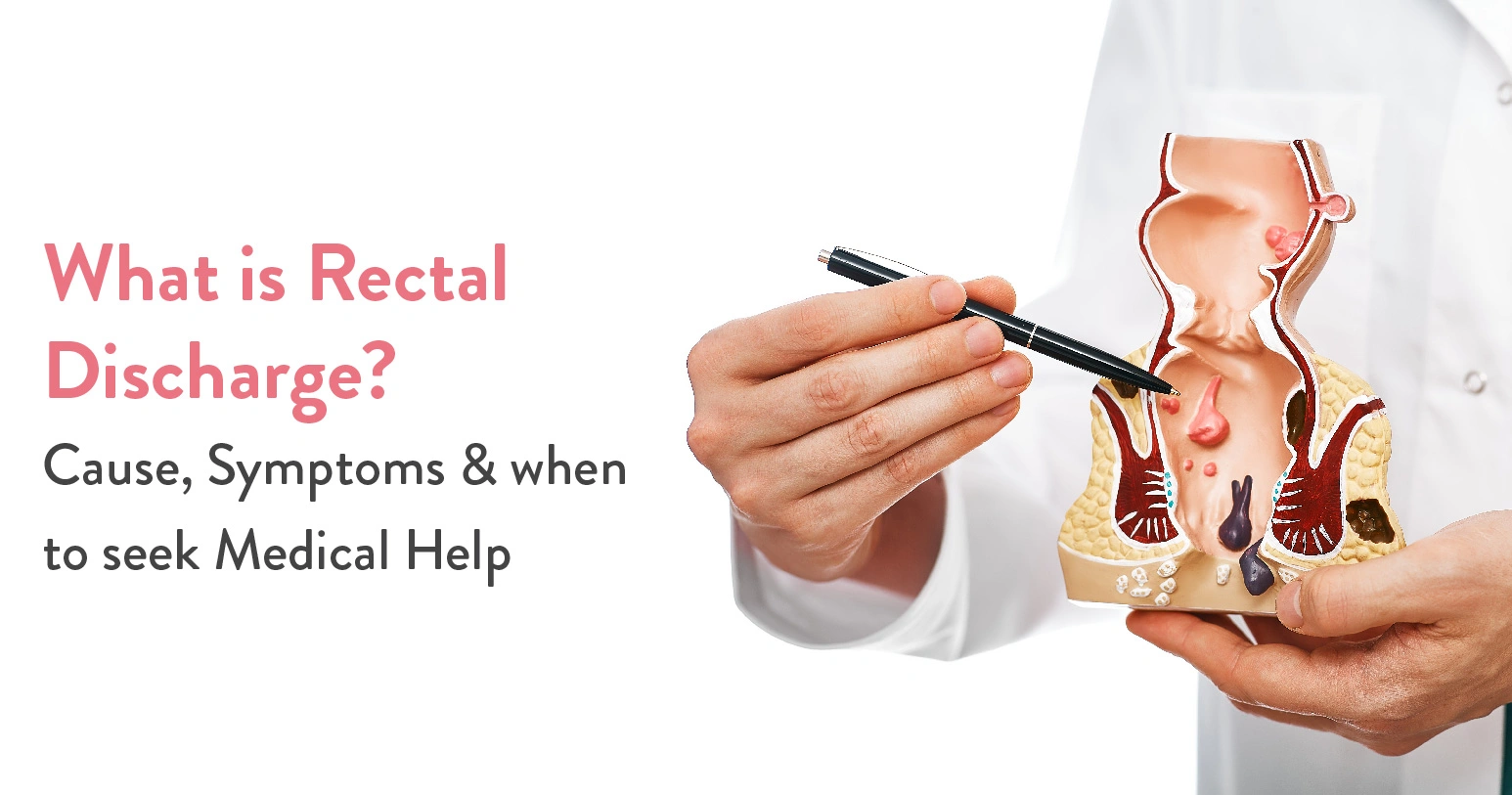
Table of Contents
The digestive system is made up of many crucial organs, some playing a major role in digesting the food while some with managing and extracting the waste. Two such vital parts of the digestive tract are the rectum and anus. The rectum forms the last part of the large intestine and on average is sized between 10 to 15 centimeters. The primary function of the rectum is to store and release stool/waste. The food when it reaches the rectum is already in a solid waste state, the rectum absorbs the remaining water and electrolytes and extracts the waste. Rectum plays certain crucial roles including,
The solidified waste is further transferred for extraction through the anus, a part through which the waste exits the body. The anus is the opening at the end of the digestive tract and consists of sphincters that open up when there is a bowel movement.
Rectal discharge also known as anal discharge is a condition in which unusual fluids, mucus, pus, blood, etc come out of the anus. Rectal discharge can be a painful condition with common symptoms like dampness around the anus area, stains on inner wear, pain during bowel movement, abdominal cramps, foul-smelling discharge, and other similar conditions. There are several causes of rectal discharge and it can differ in color consistency and appearance.
Rectal discharge can be occasional or persistent, can vary in appearance and typically signal underlying health problems. The common causes of rectal discharge include,
Rectal discharge is a condition in which unusual fluids, mucus, pus, blood, etc come out of the anus. Rectal discharge is an indication of an infection or underlying medical condition. Below are the symptoms associated with rectal discharge:
Rectal discharge is a symptom of an underlying medical condition and can be caused by varying factors. The way rectal discharge is treated varies according to its cause. A combined approach involving medications, lifestyle changes, and sometimes surgery effectively resolves the issues.
Rectal discharge is caused by underlying medical conditions. Identification and treatment of these issues/medical conditions can help with rectal discharge. Following a comprehensive diagnosis, a specialist can treat these conditions. A combination of medication, surgery and lifestyle modifications can be an effective way to help with rectal discharge.
Yes, rectal discharge can be a symptom of colon cancer. Colon cancer can cause rectal discharge as it irritates the bowel lining, partially blocks the bowel and may cause inflammation.
Rectal discharge is caused by underlying medical conditions. The seriousness of rectal discharge depends on its cause. While some underlying conditions are easily treated others necessitate significant medical intervention.
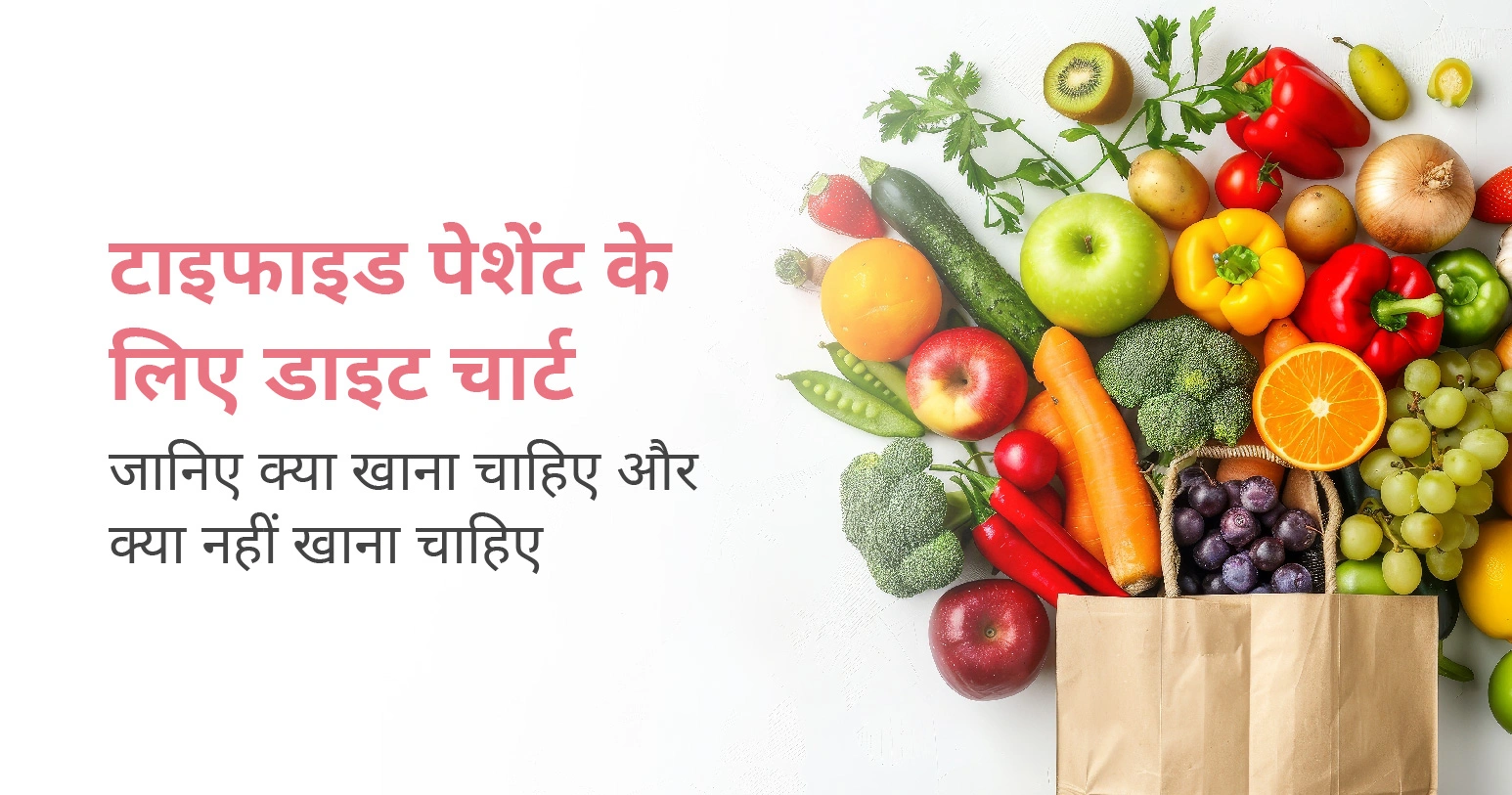
ठंड का मौसम शुरू हो गया है और अब हर रोज टाइफाइड बुखार के मामले सामने आ रहा हैं। अगर आप टाइफाइड के बारे में विस्तार से जानना चाहते हैं तो यह ब्लॉग आपके लिए है। इस ब्लॉग में टाहम इफाइड के कारण, लक्षण और खानपान के बारे में विस्तार से जानेंगे।
Table of Contents
टाइफाइड (Typhoid) एक बैक्टीरियल इंफ्केशन है जो मुख्य रूप से साल्मोनेला टाइफी नामक बैक्टीरिया के कारण होता है। हालाँकि, यह अन्य कारणों से भी हो सकता है जैसे कि:
इन सबके अलावा, उन जगहों पर जाना जहां बैक्टीरिया मौजूद होते हैं जैसे कि लेबोरेट्री या हॉस्पिटल।
टाइफाइड होने पर आप बुखार के अलावा खुद में अन्य लक्षणों को भी अनुभव कर सकते हैं। इसमें सामान्य तौर पर निम्न शामिल हो सकते हैं:
इन सबके अलावा, आप अन्य लक्षण भी अनुभव कर सकते हैं जैसे कि चक्कर आना और चलने-फिरने में असमर्थ होना आदि। आमतौर पर टाइफाइड के लक्षण बैक्टीरिया के सम्पर्क में आने के 1-3 सप्ताह के बाद शुरू होते हैं।
टाइफाइड में डाइट बहुत महत्वपूर्ण होता है। इसलिए इस दौरान आपको अपनी डाइट यानी खानपान का ख़ास ध्यान रखना चाहिए। टाइफाइड होने पर डॉक्टर आमतौर पर निम्न का सेवन करने का सुझाव देते हैं:
ये सब आपको आपके शरीर को आवश्यक पोषक तत्व प्रदान करते हैं जिससे कमज़ोरी दूर होती है और आपको जल्दी ठीक में मदद मिलती है।
टाइफाइड होने पर आपको कुछ चीज़ों से परहेज़ करने की सलाह दी जाती है, क्योंकि इससे आपके लक्षण बेहतर होते हैं और जल्दी रिकवरी में मदद मिलती है। इसमें मुख्य रूप से निम्न शामिल हैं:
साथ ही, मीठी चीज़ें, गाढ़ी मलाई, घी, मक्खन, चिप्स, बिस्कुट आदि का सेवन करने से बचें। खानपान को लेकर अगर आपके मन में कोई प्रश्न हो तो डॉक्टर से बात करें।
टाइफाइड से पीड़ित मरीज़ को कुछ बातों का ख़ास ध्यान रखने की आवश्यकता होती है ताकि लक्षण और खराब न हों और रिकवरी जल्दी हो। अगर आपको टाइफाइड है तो निम्न बातों का ध्यान रखें:
टाइफाइड के उपचार में दवाओं के सेवन के साथ-साथ डॉक्टर लाइफस्टाइल में भी कुछ बदलाव लाने का सुझाव देते हैं। डॉक्टर की दिशानिर्देशों का पालन करें और किसी भी तरह की कोई समस्या होने पर बिना देरी किए अपने डॉक्टर से मिलें। टाइफाइड होने पर प्लेटलेट्स बहुत तेज़ी से कम होते हैं, ऐसे में इन सभी बातों का ध्यान रखना आवश्यक है, ताकि किसी भी संभावित गंभीर समस्या को रोका जा सके।
अगर टाइफाइड के लक्षण अनुभव होने के तुरंत बाद ही उपचार शुरू हो जाए तो यह आमतौर पर 10 दिनों तक रहता है, लेकिन उपचार में देरी होने पर यह 3-4 सप्ताह या उससे अधिक समय तक रह सकता है। इस दौरान उसके लक्षण खराब भी हो सकता हैं और आपको अन्य परेशानियों का सामना करना पड़ सकता है।
टाइफाइड होने पर सीमित मात्रा में चाय का सेवन करने का सुझाव दिया जाता है। आमतौर पर इस दौरान डॉक्टर हर्बल चाय पीने की सलाह देते हैं, क्योंकि इससे शरीर का दर्द कम होता है और यह आपकी बॉडी को हाइड्रेट रखता है। चाय के अलावा, आप काढ़ा भी पी सकते हैं।
हाँ, टाइफाइड होने पर दूध का सेवन कर सकते हैं। दूध में मौजूद प्रोटीन आपको ताकत प्रदान करता है। दूध को पीने से पहले उसे हल्का गर्म कर लें। अगर आपको दूध से एलर्जी है या इससे कब्ज या गैस का खतरा है तो इससे परहेज़ करें।
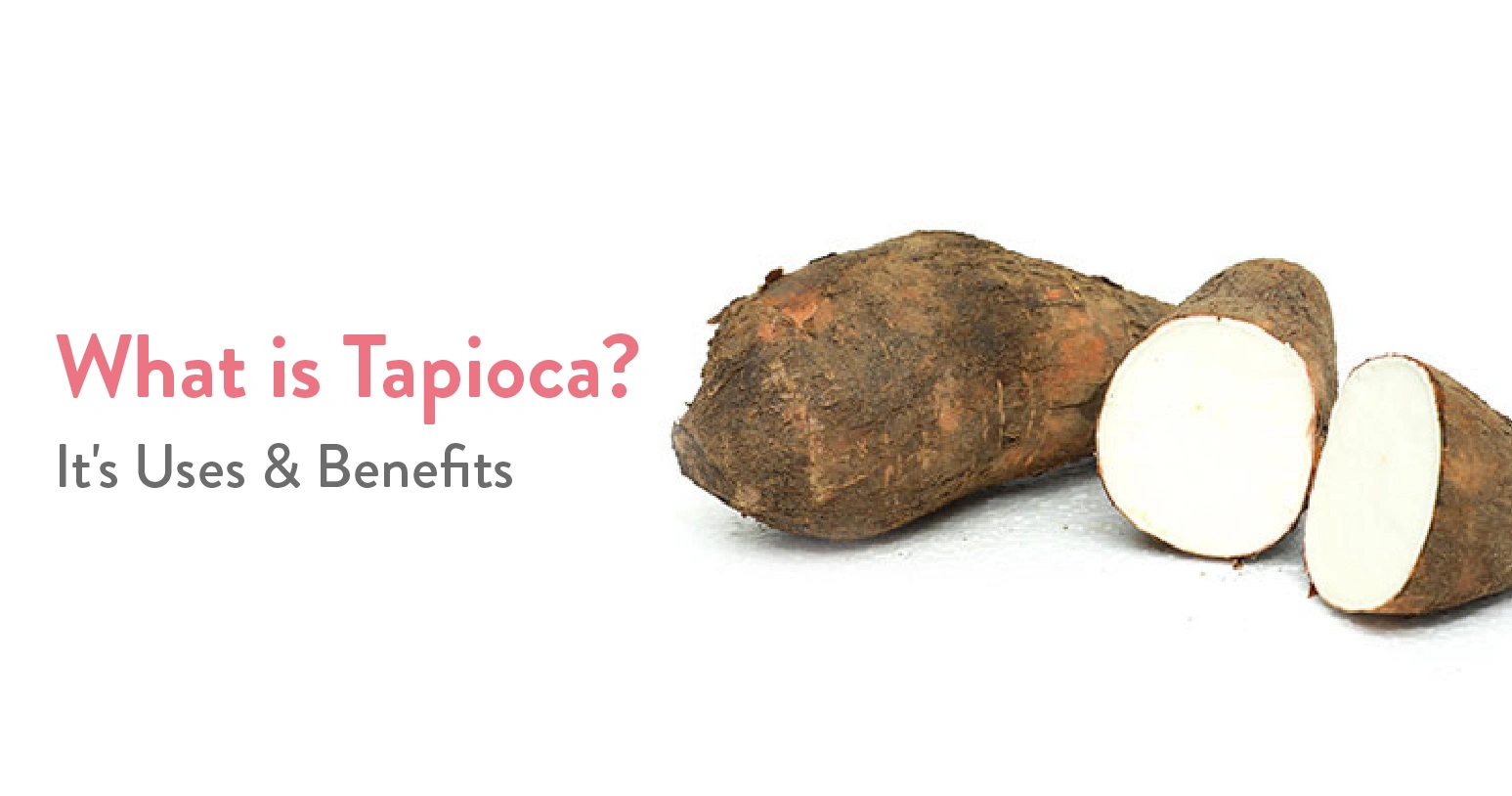
Do you love bubble tea, especially its chewy pearls? So, have you ever wondered what they are and what they are made of? They are tapioca. It is a starchy delicacy extracted from cassava root. While bubble tea has taken the world by storm, tapioca has a rich history of its own. However, besides adding a fun texture to your drink, tapioca has many more uses. In this blog, we’ll discuss what tapioca is, its benefits, and its nutritional value.
Table of Contents
Tapioca is a starch extracted from the cassava root, which contains essential nutrients, fibre, vitamins, and protein. As it has become a popular gluten-free alternative to wheat and other grains, it is being used extensively in cooking and baking worldwide.
| Baking | Since it has been proven to be gluten-free, tapioca is used in baking as a thickening agent. It helps to make light and airy textures in cakes, muffins, and pancakes. |
| Thickening Agent | It is used as a thickener in soups, sauces, and gravies. |
| Puddings | Traditional puddings are made of tapioca. It helps to improve their texture and look. |
| Bubble Tea | In bubble tea, tapioca is an essential ingredient that gives it a chewy texture, which many people enjoy. |
| Savoury Dishes | In some cultures, tapioca is used in savoury dishes like casseroles or fritters, where it helps hold the ingredients together. |
Tapioca is a starchy delicacy extracted from cassava root that has several nutritional benefits, such as:
| Nutrient | Amount per 1 cup (240 grams) | Notes |
| Calories | Approximately 330 calories | High in calories due to carbohydrate content. |
| Carbohydrates | About 80 grams | Primarily composed of starch for energy. |
| Protein | About 1 gram | Low protein content, not a significant source. |
| Fat | Less than 1 gram | Virtually fat-free. |
| Fiber | Very low | Lacks significant fibre content. |
| Vitamins & Minerals | Small amounts of iron, calcium, and B vitamins | Not a major source of vitamins or minerals. |
| Gluten-Free | Yes | It is safe for those with gluten intolerance. |
In the market, tapioca is available in various forms, such as flour, meal, flakes, and pearls. People consider it a healthy alternative to some foods because it is low in sodium and rich in calcium and iron. Let’s discuss the health benefits of tapioca that are:
One of the most significant benefits of tapioca is that it is naturally gluten-free. This makes it an excellent alternative for those with coeliac disease or gluten sensitivity. It can be used in various recipes, from baked goods to soups, without the risk of gluten-related issues.
Tapioca is rich in carbohydrates, which are the body’s primary source of energy. Consuming tapioca can provide a quick energy boost, making it a popular choice for athletes and active individuals.
Tapioca is generally low in common allergens, such as gluten, dairy, and nuts. This makes it suitable for people with dietary restrictions or food allergies.
While tapioca is low in fibre, it is easy to digest. This can be beneficial for individuals with digestive issues or those recovering from gastrointestinal illnesses. Tapioca pudding is often recommended for those with sensitive stomach.
Tapioca can be used in various dishes, from sweet desserts to savoury meals. Its versatility makes it easy to incorporate into your diet, allowing you to enjoy its benefits in many different forms.
Since tapioca is low in protein and fat, it can be included in a balanced diet without contributing to excessive calorie intake. However, it’s essential to pair it with nutrient-dense foods to create a well-rounded meal.
Although tapioca is not a significant source of vitamins and minerals, it does contain small amounts of essential nutrients like iron and calcium. Including tapioca as part of a balanced diet can contribute to your overall mineral intake.
Tapioca is a versatile ingredient extracted from the cassava root. While it’s primarily known for being high in carbohydrates and calories, it also offers several benefits, particularly for those with dietary restrictions, such as gluten intolerance. Its chewy texture makes it a popular choice in various dishes, from bubble tea to puddings and savoury meals. Tapioca can be a fun and tasty addition to your diet, especially when enjoyed in moderation.
By pairing it with other nutrient-dense ingredients and choosing healthier preparation methods, you can make the most of what tapioca has to offer. Whether you’re looking for an energy boost or a gluten-free option, tapioca has something to provide for everyone.
Tapioca is high in carbohydrates and calories, so it may not be the best choice for weight loss. However, if consumed in moderation as part of a balanced diet, it can fit into a weight management plan.
Tapioca has a high glycaemic index, which means it can cause a rapid spike in blood sugar levels. People with diabetes should enjoy it in moderation and pair it with protein or fibre to help stabilise blood sugar.
Some people may experience gas or bloating after eating tapioca, especially if they are sensitive to starches. It’s best to introduce it gradually into your diet to see how your body reacts.
Tapioca is low in potassium and phosphorus, making it a safe option for many kidney patients. However, it’s always best for individuals with kidney issues to consult their healthcare provider before making dietary changes.
दिल्ली एनसीआर में लगातार बढ़ रहा वायु प्रदुषण गंभीर स्वास्थ्य संबंधित प्रश्न खड़े कर रहा है। स्वस्थ जीवन जीने के लिए साफ़ हवा और पानी – दोनों ही अतिआवश्यक हैं। ऐसे में प्रदूषित हवा से खुद के साथ-साथ अपने परिवार वालों को बचाना चुनौतीपूर्ण हो सकता है। वैसे तो वायु प्रदुषण सभी उम्र के लोगों को प्रभावित करता है, लेकिन छोटे बच्चे और बुजुर्ग इसकी चपेट में आसानी से आ सकते हैं, क्योंकि उनकी इम्युनिटी कमज़ोर होती है।
एयर क्वालिटी इंडेक्स (एक्यूआई) को छह भागों में बांटा गया है, जिनमें से प्रत्येक में स्वास्थ्य संबंधी चिंता का एक अलग स्तर है:
ये भी पढ़े: ठण्ड में अस्थमा के मरीज़ो को क्या सावधानियां रखनी चाइये?
इस समय दिल्ली एनसीआर में वायु प्रदुषण (Air pollution in Delhi) अपनी चरम सीमा पर है। अगर एयर क्वालिटी इंडेक्स (Air Quality Index – AQI) की बात करें तो पिछले कुछ दिनों से AQI लगभग 500 के पार ही है। प्रदूषित वायु (Polluted Air) के कारण अनेक स्वास्थ्य संबंधित समस्याएं पैदा होती हैं जिसमें मुख्य रूप से सांस लेने में दिक्कत होना, एलर्जी की समस्या, अस्थमा (Asthma)और कुछ मामलों में दिल की बीमारियां (Heart Disease) आदि शामिल हैं। इस सभी और अन्य बीमारियों से बचने के लिए कुछ बातों का ध्यान रखना ज़रूरी है।
ये भी पढ़े: झड़ते, गिरते, कमजोर बालों के लिये वरदान हैं ये घरेलु उपाय
तेजी से बढ़ रहे वायु प्रदुषण (Air Pollution) से बचने के अनेक तरीके हैं जिनके बारे में हम इस ब्लॉग में चर्चा करेंगे। अगर आप प्रदूषित हवा से खुद को बचाने की सोच रहे हैं तो निम्न 5 कारगर उपायों का पालन करें:
इन सबके अलावा, खुद को प्रदुषण और ठंड में होने वाली सीजनल बीमारियों से बचाने के लिए विटामिन सी से भरपूर चीज़ों को अपनी डाइट में शामिल करें। ये आपकी इम्युनिटी को बढ़ाने के साथ-साथ आपके फेफड़ों को भी मज़बूत बनातेहैं जिससे आपको सांस लेने में किसी तरह की कोई दिक्कत नहीं होती है।
प्रदुषण का बढ़ता स्तर (Rising Pollution Levels) स्वास्थ्य के लिए कई चुनौतियाँ खड़ी कर रहा है। अगर इस स्थिति में आप खुद के साथ-साथ अपने घरवालों की सेहत का ख्याल नहीं रखते हैं तो आपको अनेक बीमारियों का सामना करना पड़ सकता है। अगर ऊपर दिए गए उपायों के बाद भी आप प्रदूषित हवा की चपेट में आ जाते हैं तो डॉक्टर से तुरंत परामर्श करें।

Diabetes is a common illness but there are numerous myths surrounding it which tends to spread misconceptions. This is highly detrimental in ensuring the right kind of awareness around this widespread condition. It may even on occasions put a naïve patient with diabetes in danger. Let us understand which of these are myths and the real truth behind them to make sure all of us are aware about diabetes.
Vegetables have essential vitamins, minerals and iron which is important for all round health of the human body. Patients with diabetes therefore should not be denied this natural source of nutrients. Some vegetables may have carbohydrates in them which turn into sugar in the body, such as potatoes. But don’t forget that its benefits far outweigh this. Potatoes also contain fibre, Vitamins C, B & E which are all essential for our body. Patients with diabetes must consume leafy green vegetables which have fibre that helps retard sugar absorption.
Almost all fruits have some amount of sugar in them in the form of fructose. But again, just like vegetables, these are naturally low in calories and full of vitamins, minerals and fibre essential for our bowels and immunity. A healthy balanced diet should include 5 portions of a combination of fruits and vegetables. So diabetics can easily accommodate one orange, one guava, handful of grapes, handful of cut papaya etc. in their diet.
Sweets, particularly those with sugary syrup, increase blood sugar quickly and the extra sugar also gets converted to fat and makes a person overweight or obese. Hence, it is better to generally avoid sweets. However, on occasions one may take sweets while remembering to cut down on carbohydrate food like rice, roti, idli, noodles for that particular meal. This will help reduce the extra blood sugar rise. It is up to the patient on what they want to prioritise in life.
Sugar-free agents are allowed in moderation. Of these sugar free agents, sucralose is heat resistant and may be put in hot drinks. It gives the placebo effect of an artificial sweetening. However, prolonged dependency is not recommended. Try to actually go sugar-free in life.
Fasting during festivals is common in India. But prolonged fasting leads to drop in blood sugar levels (< 70 mg/dl) which is called hypoglycaemia. This is potentially dangerous and can be life threatening. However, some diabetes medications have less risk of hypoglycaemia and patients on them may consider fasting but only after consultation with their diabetologist.
Exercise is equally important as diet for a diabetic. Exercise utilises glucose from the blood, burns up calories to reduce weight and is good for muscles and bones. However, perspiration does not necessarily mean calorie burn. Running for 10 minutes is equal to normal speed walking for 25 min without sweating. So focus on duration and not speed.
Diabetes control does not mean only blood sugar control. It also needs good blood pressure control, cholesterol control and smoking cessation to ensure it doesn’t form a speed breaker.
The creatinine level begins to rise above the normal range in the laboratory only when more than 50 to 60% of the kidney is damaged. Hence kidney damage may continue to progress without the patient realising it. Prior to the rise of creatinine a urine albumin creatinine ratio may give us an early indication of kidney damage and should be done at least once a year. It just requires one small sample of urine.
This depends on why insulin was started. On many occasions, when patients present with very high blood sugar at the time of diagnosis of diabetes, insulin is started to rapidly reduce the blood sugar. Once blood sugar is reduced then insulin may be stopped and tablets may then be started. Also, during operations, infections, hospital admissions tablets may be stopped and insulin started but temporarily. However, if insulin is started because multiple tablets have failed to control blood sugar then insulin has to be continued long term.
In the past insulin needles used to be longer, thicker and painful but modern insulin pens and small thinner needles makes it much less painful. The insulin pens are really easy to use and require a few minutes of training to administer. Even young children take the insulin injections on their own.
Insulin is a hormone made from the tail of the pancreas which is a gland in the back of our abdomen. Insulin pushes glucose from the blood into the cells and absence of insulin therefore raises blood sugar which is called diabetes. In Type 2 diabetes, which occurs in older people, initially insulin is still being made but is ineffective – here tablets may work. However, if there is no insulin production right from the start then insulin treatment is needed right from the beginning and stopping insulin may be life-threatening. This is called Type 1 diabetes. Although it is seen usually in children but it can occur in any age
Insulin is the safest agent to reduce blood sugar during pregnancy as insulin does not cross the placenta and hence cannot reach the foetus. Insulin does not make the baby develop diabetes after delivery. Hence, worldwide, insulin is the first agent of choice in treating diabetes of the mother during pregnancy.
Glucometers measure blood sugar with a small drop of blood taken usually from the fingertip. Proper technique is important to give a correct reading. Glucometer readings do not give the exact reading as does laboratory glucose values from blood samples taken from a vein, but the glucometers values are usually within 15% (less or more) of the laboratory blood glucose values.
Regular monitoring and blood work will keep you a breast upon your diabetic status. With proper discipline and care patients have also managed to reverse their condition and lead an improved quality of life. To get a checkup from the best endocrinologists in Delhi NCR at the CK Birla Hospital, book an appointment today.
जहाँ एक तरफ कुछ लोग बार-बार भूख लगने से परेशान होते हैं, वहीं दूसरी तरफ काफी लोग भूख न लगने की समस्या से जूझते हैं। अधिकतर मामलों में भूख न लगने का सामान्य कारण गैस या कब्ज होते हैं, लेकिन कई बार गंभीर स्वास्थ्य समस्याएं जैसे कि इर्रिटेबल बाउल सिंड्रोम, क्रोनिक किडनी डिजीज, ब्लड में कैल्शियम की अधिक मात्रा, क्रोहन डिजीज, अस्थमा, डायबिटीज, क्षय रोग, निमोनिया, मेनिनजाइटिस, कोलाइटिस, गैस्ट्रोएंटेराइटिस, एचआईवी और एड्स आदि भी भूख न लगने का कारण बन सकते हैं।
भूख न लगने को चिकित्सा भाषा में एनोरेक्सिया कहा जाता है, जिसमें आपको भूख महसूस नहीं होती, चाहे आपने कुछ खाया हो या नहीं। इसके अन्य कारणों में पेट में कीड़े, गैस्ट्रोएंटेराइटिस, और सामान्य सर्दी-खांसी जैसे संक्रमण शामिल हैं। अगर आप भी भूख न लगने की समस्या से परेशान हैं, तो यह ब्लॉग आपके लिए है। इसमें हम भूख बढ़ाने के सरल और घरेलू उपायों के बारे में विस्तार से बताएंगे।
ये भी पढ़े: प्रोटीन युक्त आहार लिस्ट: 15 हाई प्रोटीन फूड्स
अगर आप अपनी भूख बढ़ाना चाहते हैं तो डॉक्टर से परामर्श करने के बाद निम्न घरेलू उपायों को आजमा सकते हैं:
ये भी पढ़े: बच्चो के लिए हेल्दी डाइट चार्ट
इन सबके अलावा, आप काली मिर्च, पुदीना और निम्बू की चाय, त्रिफला चूर्ण, इमली आदि का सेवन भी कर सकते हैं। साथ ही, पानी में धनिया और अदरक मिलाकर उसे गर्म करें और फिर ठंडा होने के बाद पानी को छानकर पी सकते हैं। सबसे ज़रूरी यह है कि पर्याप्त मात्रा में पानी पीएं।
ये भी पढ़े: संतुलित आहार (7-दिन का संतुलित आहार चार्ट) (Balanced Diet in Hindi)
अगर आप लगातार कुछ दिनों से भूख न लगने की समस्या से परेशान हैं तो तुरंत डॉक्टर से मिलें और उनसे इस बारे में बात करें। कई बार भूख न लगने का कारण स्वास्थ्य समस्याएं हो सकती हैं। ऐसा होने पर डॉक्टर समय पर उसका निदान और उपचार कर सकते हैं। इससे अन्य बीमारियों का खतरा ख़त्म हो जाता है।
ये भी पढ़े: जानिए काला पीलिया क्यों होता है ? इसके कारण, लक्षण, उपचार
Imagine yourself moving outside of your house. All of a sudden, you feel a sharp burning pain in your leg. You quickly realise that you have been stung by a hornet. Your first reaction can be panic, especially when you don’t know how serious the hornet sting is or how to cure it. However, you’re not alone. Many people aren’t sure what to do in this situation. They worry about allergic reactions and their symptoms. How can you identify that it’s a minor sting or something that requires medical intervention? Don’t worry!
In this blog post, we’ll talk about hornet stings, symptoms, and treatments. So, before you dive into the symptoms of hornet stings, let’s first understand what a hornet is.
Table of Contents
They are stinging insects, which come from the wasp family. Hornets are an inch long and have yellow and black stripes on their bodies.
Most stings cause mild symptoms, while hornets can trigger severe allergic reactions. In very rare cases, hornet stings can cause death due to an anaphylactic reaction — a life-threatening condition, where blood pressure drops and the airway closes.
Hornets are found worldwide and they are key towards maintaining the ecological balance of the environment. They tend to build their nests near homes or amidst nature. They usually sting when they feel threatened and can sting multiple times.
The average person can tolerate about ten stings per pound of body weight. It means an adult can bear more than 1,000 stings, while 500 stings could be fatal for a child.
However, a single sting may be fatal for someone who is allergic due to an anaphylactic reaction. But do not be alarmed. Stings by bees, wasps, and hornets are common, and their symptoms are categorised into three stages:
You’ll experience symptoms in the area where you were stung. It could last a few hours to a day. The common symptoms are:
Make and infographic with following text
These can be treated with basic first aid, such as applying ice or taking over-the-counter pain relievers.
An allergic reaction to a hornet sting can result in more severe symptoms, such as: anaphylaxis. This occurs because hornet venom contains histamines that trigger allergic responses.
Anaphylaxis is a severe, life-threatening condition that affects approximately 1.2 to 3.5 percent of individuals. Its symptoms are:
Anaphylaxis can happen very quickly and can be life-threatening. So, if you’re experiencing these symptoms, seek medical attention immediately.
In some cases, hornet stings can lead to more serious injuries. Its prolonged symptoms are:
In these conditions, a doctor will perform a medical evaluation and prescribe medications like antibiotics or steroids. You might also experience symptoms that are neither mild nor indicative of anaphylaxis. Be vigilant for symptoms that persist for a day or worsen over time. Additionally, stings near the nasal passages, mouth, and throat can result in severe symptoms.
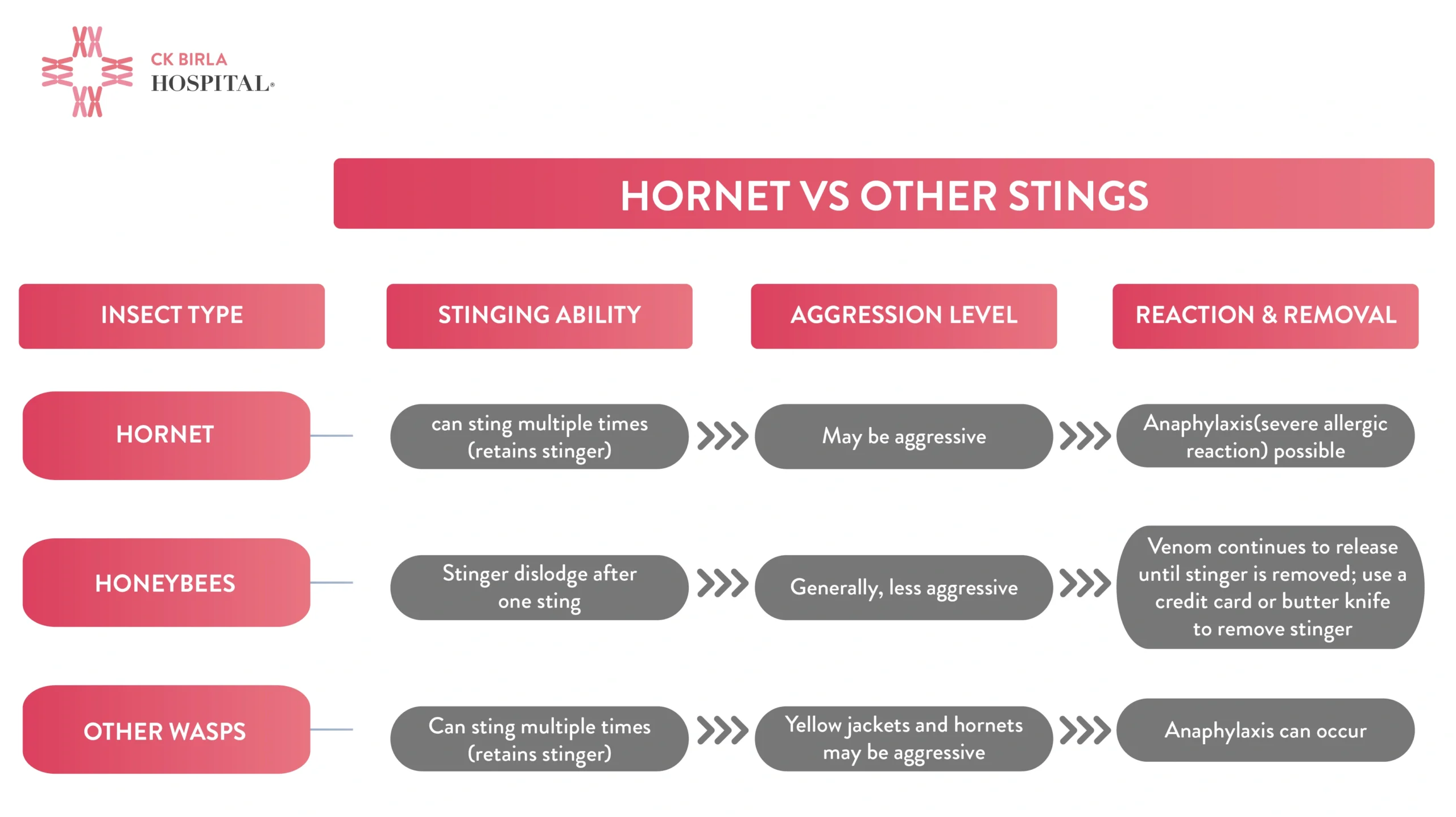
Let’s understand the difference between hornet and other strings.
In most cases of hornet stings, you may experience pain, redness and slight swelling at the sting area. What you need to do is:
Symptoms that don’t resolve after a few hours or days may require medical intervention. You may take medication, such as steroids, to reduce inflammation.
Hornet stings that cause an allergic reaction or anaphylaxis need immediate medical attention.
If you have a known allergy to stings and carry an epinephrine pen (EpiPen), use it immediately by injecting it into the thigh.
Anaphylaxis may require emergency treatment such as:
A single hornet sting may cause mild symptoms that last for a few hours or up to a day. However, hornets can sting multiple times or in groups, and if you’re allergic to hornet venom, it’s advisable to seek medical care. If you experience trouble breathing, fainting, or other serious symptoms, seek immediate medical help.
Hornet sting symptoms typically last for a few hours to a day.
Yes, hornet stings can be fatal, especially for individuals who are allergic and experience anaphylaxis.
Clean the sting site, apply a cold compress, take over-the-counter pain relievers, and use antihistamines for itching. Seek medical help for severe reactions.
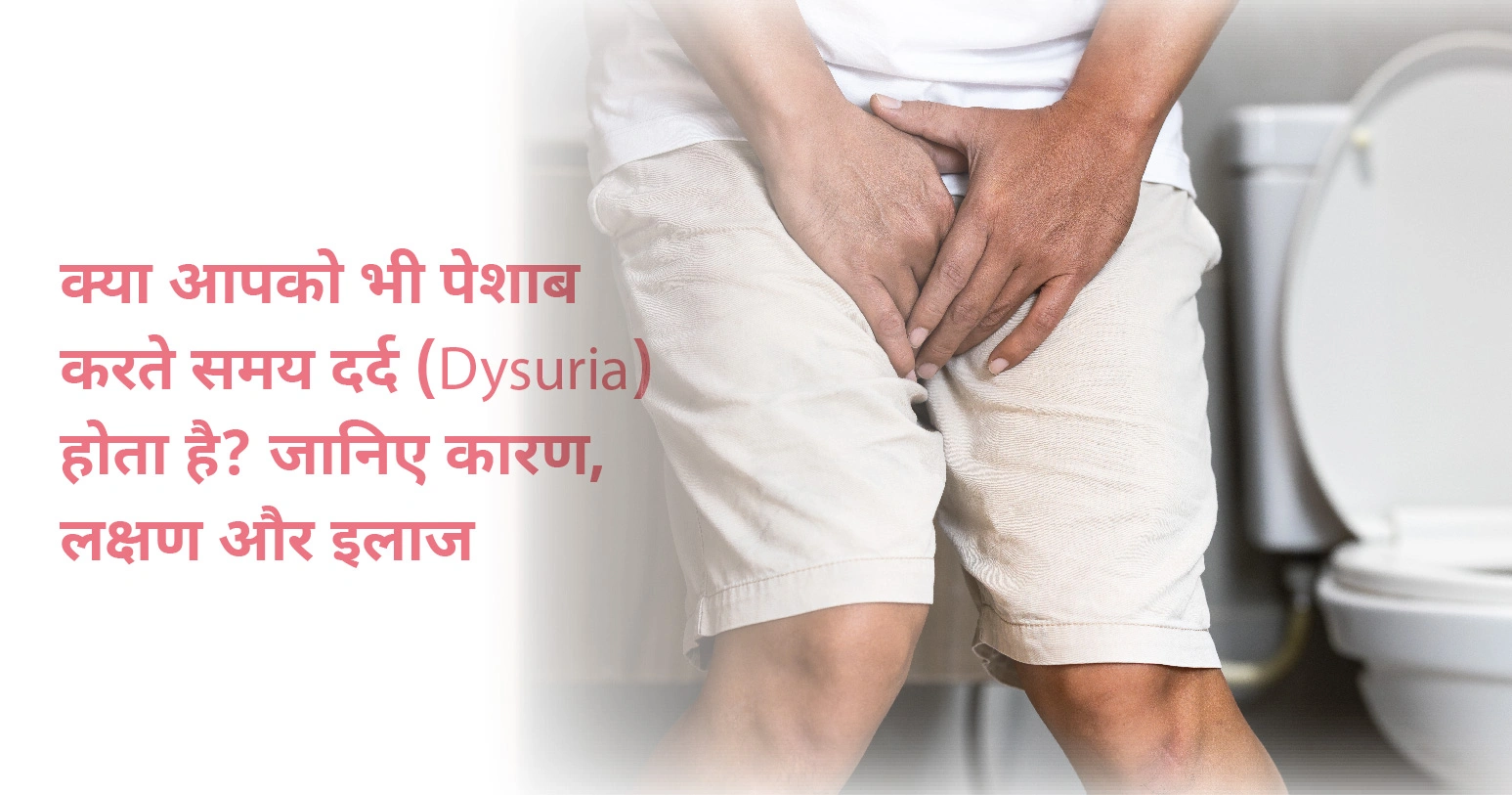
पहली बात जो आपको समझने की ज़रूरत है वह यह है कि – पेशाब में जलन होना कोई बीमारी या विकार नहीं है, बल्कि एक अंतर्निहित चिकित्सा स्थिति का संकेत या लक्षण है। इसमें पेशाब के दौरान और बाद में योनि और लिंग क्षेत्र में दर्द और जलन होती है।
अगर आप पेशाब में जलन के कारण, निदान, उपचार और रोकथाम को समझना चाहते हैं तो इस ब्लॉग में वह सब कुछ है जो आपको जानना आवश्यक है।
Table of Contents
पेशाब में जलन को मेडिकल की भाषा में डिस्यूरिया या डिसुरिया (Dysuria) कहते हैं, यह एक निदान नहीं, बल्कि एक अंतर्निहित स्वास्थ्य समस्या का संकेत है। पेशाब में जलन सभी उम्र के पुरुषों और महिलाओं को हो सकता है, हालाँकि, यह महिलाओं में अधिक आम है।
पेशाब में जलन आपके पेशाब की आवृत्ति (Frequency) और आपके जीवन की गुणवत्ता को प्रभावित कर सकता है। इसके विकास में कई कारक योगदान करते हैं।
अगर आपके मन में यह प्रश्न उठता है कि पेशाब में जलन क्यों होती है तो हम आपको बता दें कि पुरुषों और महिलाओं में पेशाब में जलन के कारण अलग-अलग होते हैं। इसके सामान्य कारणों में निम्नलिखित शामिल हैं:
यह पेशाब करते समय दर्द होने का एक प्रमुख कारण है। यूटीआई मूत्र पथ के किसी भी हिस्से को प्रभावित कर सकता है, जैसे कि:
नोट: मूत्रवाहिनी दो नलिकाएं होती हैं जो मूत्र को गुर्दे से मूत्राशय तक ले जाती हैं। मूत्रमार्ग मूत्राशय से निकलने वाली एक नली है जो मूत्र को शरीर से बाहर निकालती है। गुर्दे रक्त से अपशिष्ट और अतिरिक्त पानी (मूत्र के रूप में) बाहर निकालते हैं और शरीर में रसायनों को बनाए रखने में मदद करते हैं। मूत्राशय मूत्र प्रणाली का एक हिस्सा है जो मूत्र को इकट्ठा करता है। मूत्र पथ के संक्रमण ज्यादातर बैक्टीरिया के कारण होते हैं जो मूत्रमार्ग के माध्यम से मूत्र पथ में प्रवेश करते हैं।
मूत्र पथ संक्रमण के अलावा, एसटीआई भी दर्दनाक पेशाब का कारण बन सकता है। इन संक्रमणों में शामिल हैं:
नोट: क्लैमाइडिया, गोनोरिया और जेनिटल हर्पीज यौन संचारित संक्रमण हैं। बैक्टीरिया क्लैमाइडिया ट्रैकोमैटिस के कारण क्लैमाइडिया होता है, बैक्टीरिया निसेरिया गोनोरिया से गोनोरिया होता है और हर्पीज सिम्प्लेक्स वायरस (एचएसवी) जेनिटल हर्पीज का कारण बनता है। यौन संचारित संक्रमण के अतिरिक्त लक्षणों में खुजली, जलन और असामान्य स्राव भी शामिल हो सकते हैं।
इसे प्रोस्टेटाइटिस भी कहते हैं। यौन संचारित संक्रमण से अल्पकालिक बैक्टीरिया या पुरानी सूजन प्रोस्टेटाइटिस का कारण बन सकती है। अन्य लक्षणों में मूत्राशय, अंडकोष और लिंग में दर्द, दर्दनाक स्खलन और खासकर रात में बार-बार पेशाब करने की आवश्यकता शामिल हो सकते हैं।
यह स्थिति मूत्राशय पर दबाव डाल सकती है, जिससे पेशाब करने में दर्द हो सकता है। ओवेरियन सिस्ट एक या दोनों अंडाशय में हो सकते हैं। अन्य लक्षणों में यह महसूस करने में कठिनाई शामिल हो सकती है कि पेशाब करने के बाद मूत्राशय खाली है।
ऐसा तब होता है जब मूत्राशय में कैंसर कोशिकाएं विकसित हो जाती हैं। पेशाब के दौरान दर्द और असुविधा आमतौर पर मूत्राशय के कैंसर के शुरुआती लक्षण नहीं होते हैं। इसके अलावा, मूत्र में रक्त आता है। अन्य लक्षणों में बार-बार पेशाब आना, पेशाब करने में कठिनाई या कमजोर मूत्र प्रवाह शामिल हो सकते हैं।
ऊपर दिए गए कारणों के अलावा, अन्य कारक जो पेशाब में जलन का कारण बन सकते हैं उनमें शामिल हैं:
पुरुषों और महिलाओं दोनों को पेशाब करते समय दर्द और असुविधा का अनुभव हो सकता है और इसका कारण शारीरिक अंतर हो सकता है। उदाहरण के लिए, पुरुषों की तुलना में महिलाओं का मूत्रमार्ग छोटा होता है, जिससे बैक्टीरिया अधिक आसानी से मूत्राशय में प्रवेश कर पाते हैं, जिससे मूत्र पथ में संक्रमण हो जाता है।
इसका निदान मरीज़ के मेडिकल इतिहास, शारीरिक परीक्षण और मूत्र परीक्षण के संयोजन का उपयोग करके किया जाता है। हम मूल कारण का पता लगाने के लिए अतिरिक्त परीक्षणों का सुझाव दे सकते हैं।
इन परीक्षणों में ग्राम स्ट्रेन माइक्रोस्कोपी, मूत्रमार्ग या ग्रीवा/योनि जाँच और अल्ट्रासोनोग्राफी या सीटी स्कैन जैसे इमेजिंग परीक्षण शामिल हो सकते हैं।
पेशाब में जलन का उपचार दर्द और जलन के कारण एवं गंभीरता पर निर्भर करता है। हमारा पहला कदम समस्या के मूल कारणों की पहचान करना है, चाहे वह संक्रमण हो, सूजन हो, आहार संबंधी कारक हों या मूत्राशय या प्रोस्टेट से जुड़ी समस्याएं हों। फिर उसके अनुसार इलाज शुरू होता है।
किसी भी अन्य स्वास्थ्य स्थिति की तरह, पेशाब में जलन को भी आसानी से रोका जा सकता है। इस दर्दनाक स्थिति से खुद को बचाने के लिए, हम आपको नीचे दिए गए सुझावों का पालन करने की सलाह देते हैं।
पेशाब में जलन के कारण पेशाब करना कठिन हो जाता है, जिसमें योनि और लिंग क्षेत्रों में दर्द, जलन और असुविधा शामिल होती है। अगर आप इस स्वास्थ्य समस्या से जूझ रहे हैं, तो आप सीके बिरला अस्पताल में हमसे मिलें।
हम सटीक निदान प्रदान करने के लिए उन्नत तकनीकों का उपयोग करते हैं और आपकी विशिष्ट आवश्यकताओं को ध्यान में रखते हुए, आपकी समस्या को दूर करने के लिए एक अनुकूलित उपचार योजना बनाते हैं।
नहीं, पेशाब करते समय जलन और दर्द के कई कारण हो सकते हैं, जिनमें सूजन, दवा, त्वचा की स्थिति, चोट, इंटरस्टिशियल सिस्टाइटिस, सौम्य प्रोस्टेटिक हाइपरट्रॉफी, ट्यूमर और मेनोपॉज़ जैसी गैर-संक्रामक स्थितियां शामिल हैं।
हां, कुछ घरेलू उपचार आपको दर्द और जलन से राहत दिलाने में मदद कर सकते हैं। इसमें पर्याप्त मात्रा में पानी पीना, जलन पैदा करने वाली चीजों से बचना, हीटिंग पैड लगाना और इलायची का सेवन शामिल हो सकता है। हालाँकि, हमारा सुझाव है कि आप कुछ भी लेने से पहले एक विशेषज्ञ की अवश्य सलाह लें।
हां, कुछ खाद्य पदार्थ और पेय आपके मूत्राशय में जलन पैदा कर सकते हैं, जिससे पेशाब करते समय दर्द और जलन हो सकती है। इसमें अम्लीय खाद्य पदार्थ, मसालेदार भोजन, शराब, कार्बोनेटेड और कोल्ड ड्रिंक्स, कैफीनयुक्त पेय पदार्थ, आर्टिफिशियल शुगर आदि शामिल हो सकते हैं।
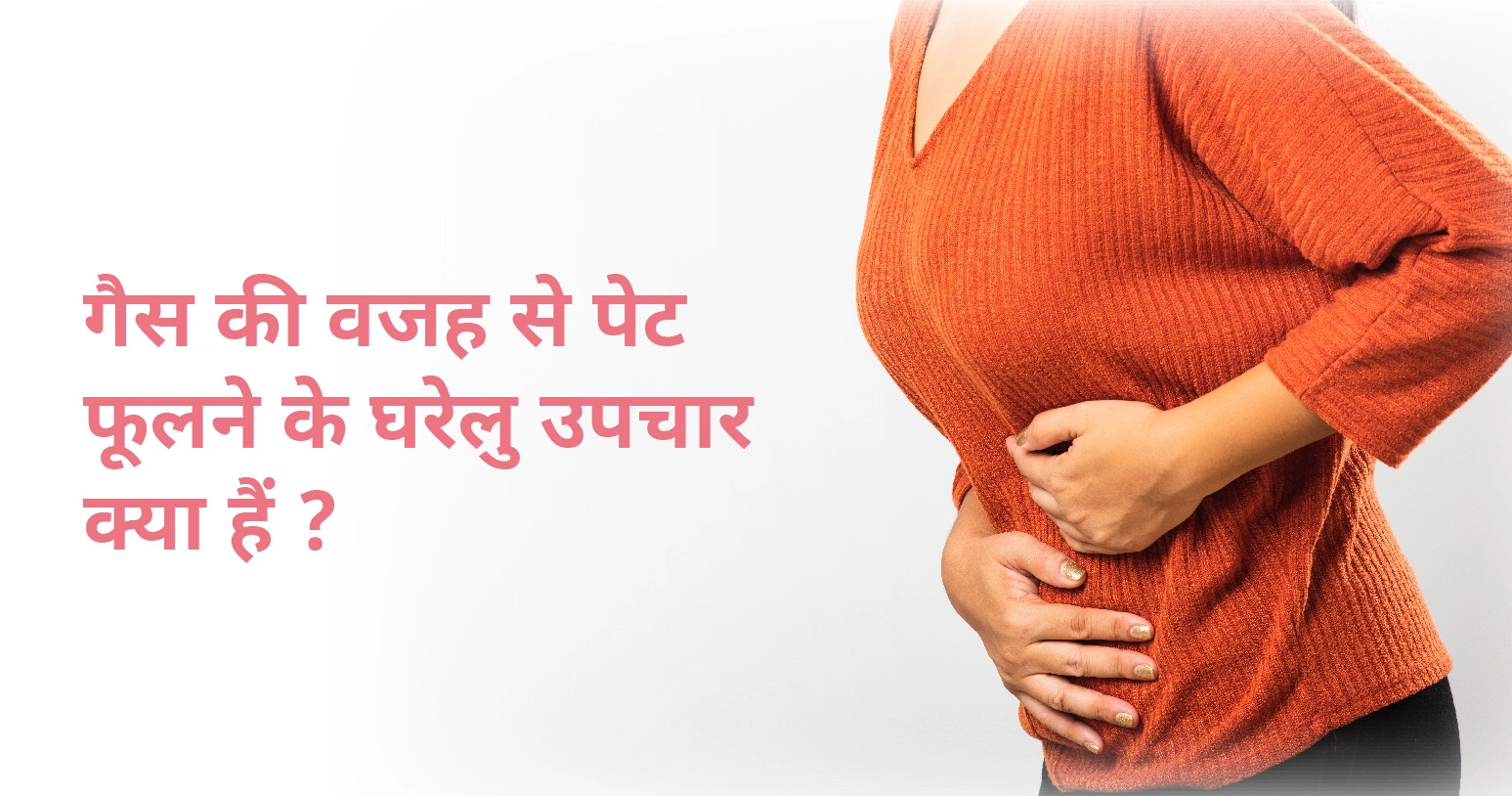
पेट में गैस बनना एक सामान्य समस्या है जिसे आप महीने में कम से कम एक बार ज़रूर अनुभव करते होंगे। गैस बनने पर आपका पेट फूल सकता है और कई परेशानियों का सामना करना पड़ता है जैसे कि पेट का आकार बढ़ना, पेट में दर्द और बेचैनी, खट्टे डकार आना, बार-बार गैस पास होना, सीने में जलन, भूख कम लगना और कभी-कभी उल्टी होना आदि।
ये भी पढ़े: चिया सीड्स के फायदे, नुकसान, और पोषक तत्त्व
Table of Contents
पेट में गैस बनने पर आप खुद में अन्य लक्षण भी अनुभव कर सकते हैं। इसमें बेचैनी होना, दस्त होना, वजन घटना, थकान और कमज़ोरी महसूस करना, सिर में तेज़ दर्द होना, गैस पास होने पर बदबू आना, हिचकी आना, पेट में ऐंठन और मरोड़ होना, मल का रंग बदलना और कुछ मामलों में मल के साथ खून आना शामिल हैं।
ये भी पढ़े: भूख बढ़ाने के आसान घरेलू उपाय
ये भी पढ़े: तेजी से वजन कम करने के घरेलू उपाय और उपचार
पेट में गैस बनना गंभीर स्थिति नहीं है। कुछ घरेलू नुस्खे हैं जिनकी मदद से आप इस प्रॉब्लम से छुटकारा पा सकते हैं, लेकिन ध्यान रहे इन्हें आजमाने से पहले एक बार अपने डॉक्टर से अवश्य राय लें, क्योंकि हर व्यक्ति की सेहत अनुसार इसके अनेक फायदों के साथ-साथ कुछ साइड इफेक्ट्स भी हो सकते हैं।
अगर आप पेट में गैस या पेट फूलने से परेशान हैं तो निम्न घरेलू उपायों को आजमाएं:
ये भी पढ़े: एसिडिटी से तुरंत राहत पाने के घरेलू नुस्खे
कई बार कुछ गंभीर स्वास्थ्य समस्याएं जैसे कि हर्निया, लिवर या आंत की बीमारी, पेट का कैंसर, पैंक्रियाज का कैंसर, गर्भाशय का कैंसर के कारण भी पेट में गैस या कब्ज हो सकता है एवं पेट फूल सकता है। इसलिए दो से तीन दिनों के अंदर घरेलू नुस्खों से कोई फ़ायदा नहीं होने या लक्ष्ण गंभीर होने पर तुरंत डॉक्टर से परामर्श करना चाहिए।
पेट की गैस या पेट फूलना केवल असहजता ही नहीं, बल्कि खराब पाचन तंत्र का संकेत भी हो सकता है। यह समस्या तब होती है जब भोजन ठीक से पच नहीं पाता या पेट में हवा जमा हो जाती है। गैस कभी-कभी सामान्य होती है, लेकिन अगर यह रोज़ाना की परेशानी बन जाए, तो इसका समाधान जड़ से करना ज़रूरी है।
नीचे बताए गए कुछ घरेलू और प्राकृतिक उपाय गैस को जड़ से खत्म करने में मदद कर सकते हैं।
1. फाइबरयुक्त भोजन को संतुलित रखें
अक्सर लोग सोचते हैं कि ज़्यादा फाइबर से पाचन बेहतर होता है, लेकिन अत्यधिक फाइबर (जैसे दालें, साबुत अनाज, या कुछ हरी सब्ज़ियाँ) गैस बढ़ा सकता है।
2. अदरक और काली मिर्च का सेवन
अदरक में प्राकृतिक पाचन एंज़ाइम होते हैं जो गैस बनने से रोकते हैं।
3. खाना खाने का सही तरीका अपनाएं
कई बार गैस इसलिए बनती है क्योंकि हम खाना गलत तरीके से खाते हैं।
4. हिंग (असफोटिडा) का प्रयोग
हींग को भारतीय रसोई में “डाइजेस्टिव हीरो” कहा जाता है।
5. योग और प्राणायाम
योग गैस को जड़ से खत्म करने का सबसे सुरक्षित और असरदार तरीका है।
6. पाचन-सहायक मसाले
भारतीय रसोई में ऐसे कई मसाले हैं जो गैस की समस्या को दूर करने में मददगार हैं और इनमें से कई ब्लॉग्स में कम चर्चा होती है।
7. सुबह की धूप और हल्की गतिविधि
कई शोधों में पाया गया है कि सुबह की धूप में कुछ समय बिताने से शरीर में विटामिन D का स्तर बढ़ता है, जो पाचन एंज़ाइम्स को सक्रिय करता है। रोज़ाना 15–20 मिनट धूप में टहलना और हल्का स्ट्रेचिंग करना गैस बनने की संभावना को कम करता है।
8. प्रोबायोटिक आहार शामिल करें
पेट में “अच्छे बैक्टीरिया” यानी प्रोबायोटिक्स का संतुलन बिगड़ने पर गैस और पेट फूलने की समस्या होती है।
9. कब ध्यान दें और डॉक्टर से मिलें
अगर गैस के साथ लगातार पेट दर्द, भूख में कमी, वजन घटना या पेट में जलन जैसी समस्या हो, तो इसे नजरअंदाज न करें। यह किसी गहरे पाचन विकार का संकेत हो सकता है, इसलिए समय रहते डॉक्टर से सलाह ज़रूर लें।
ये भी पढ़े: संतुलित आहार (7-दिन का संतुलित आहार चार्ट) (Balanced Diet in Hindi)

