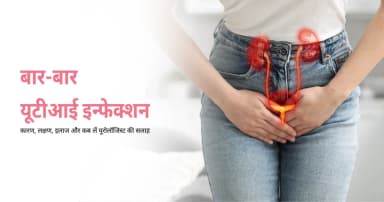
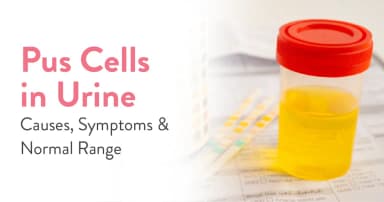
Urine is the liquid waste your body filters out through the kidneys and bladder. When bacteria enter this system, it can lead to a urinary tract infection (UTI) — one of the most common infections, especially among women.
While antibiotics remain the standard treatment, many people look for natural ways to ease symptoms or reduce the chance of recurrence. This guide covers the most effective, doctor-reviewed home remedies for urine infections, the symptoms to watch for, and when home care isn’t enough.
A UTI happens when bacteria — usually from the rectum or skin – enter the urethra and travel into the bladder or, in more serious cases, the kidneys. Bladder infections are the most common type.
Around 95% of UTIs are bacterial; the rest are caused by fungi.
Recognizing symptoms early helps you decide whether home care is appropriate or whether you need to see a doctor right away.
Symptoms in Women
– A burning sensation while urinating
– Frequent, urgent need to urinate, even with little urine passed
– Cloudy, dark, or strong-smelling urine
– Pelvic or lower abdominal pressure
Symptoms in Men
– Burning during urination
– Difficulty starting urination or a weak stream
– Rectal or lower back pain (may indicate prostate involvement)
If symptoms include fever, chills, or back pain, the infection may have reached the kidneys — this requires prompt medical attention (see the section below).
Home remedies can ease mild symptoms and support recovery, but they don’t reliably clear a bacterial infection the way antibiotics do. Most doctors recommend giving home care no more than 24–48 hours before seeking treatment if symptoms don’t improve. Delaying treatment for a confirmed infection raises the risk of it spreading to the kidneys, which is a medical emergency. Home remedies are best used alongside — not instead of — medical guidance, particularly for recurrent or severe infections.
1. Drink Plenty of Fluids
Water is one of the simplest and most effective ways to flush bacteria out of the urinary tract and dilute urine, which can make urination less painful. Aim for 6–8 glasses (roughly 1.5–2 litres) a day.
2. Cranberry Juice
Cranberry juice contains bioactive compounds — organic acids, anthocyanins, and flavonoids — that may lead to the excretion of hippuric acid, a natural antibacterial agent. Unsweetened cranberry juice or capsule extracts are commonly used for both symptom relief and prevention.
3. D-Mannose
D-Mannose is a type of sugar found in cranberries and other fruits that may prevent E. coli bacteria from sticking to the walls of the urinary tract, making it easier for the body to flush them out. It’s available as a powder or supplement and is increasingly recommended alongside cranberry extract for recurrent UTIs.
4. Probiotics
Probiotics, particularly Lactobacillus strains, help maintain healthy bacteria in the urinary and vaginal tract, forming a natural barrier against infection-causing bacteria.
5. Vitamin C
Vitamin C may help by increasing the acidity of urine, which can inhibit bacterial growth. Citrus fruits, kiwi, and red peppers are rich natural sources.
6. Cinnamon
Cinnamon has shown activity against bacteria that cause UTIs, particularly in long-term catheter users, potentially by preventing bacteria from coating the urinary tract lining.
7. Coconut Water
Coconut water supports hydration and urine production, helping flush the kidneys and urinary tract, and may ease overall discomfort during an infection.
8. Garlic Extract
Garlic has natural antimicrobial properties and is sometimes used as a supportive supplement for UTI prevention, though it should not replace prescribed antibiotics for an active infection.
9. Uva Ursi (Bearberry)
Uva ursi is a traditional herbal remedy containing compounds with antimicrobial effects on the urinary tract. It should be used short-term and under medical guidance, as prolonged use has been linked to liver strain.
10. Apply Heat for Pain Relief
A warm compress or heating pad on the lower abdomen can help relieve bladder pressure and cramping while the infection clears.
Certain foods and drinks can irritate the bladder and worsen symptoms:
– Caffeine (coffee, tea, energy drinks)
– Alcohol
– Carbonated/fizzy drinks
– Spicy and inflammatory foods
– Citrus fruits (in large amounts, once infection is active)
– Refined carbohydrates and added sugar
UTIs are more common during pregnancy because hormonal changes relax the urinary tract, making it easier for bacteria to travel upward. Left untreated, a UTI in pregnancy carries a higher risk of progressing to a kidney infection and has been linked to preterm labour, so it should never be managed with home remedies alone.
If you’re pregnant and notice any UTI symptoms, contact your obstetrician promptly — safe antibiotics exist for pregnancy, and hydration and cranberry juice can be used as supportive measures alongside treatment, not instead of it.
Hygiene Habits
– Don’t hold urine for long periods
– Urinate after sexual intercourse
– Avoid spermicides if you’re prone to UTIs
– Wipe front to back after using the toilet
UTIs After Menopause
Hormonal changes after menopause can thin the vaginal and urinary tract lining, increasing UTI risk. Some women find relief with doctor-prescribed vaginal estrogen or by reviewing birth control methods (such as diaphragms or spermicide-based options) with their doctor.
Urinary tract infections are quite common and can be irritating. You can use home remedies in most cases for relief, however, if they don’t work then medications might be required. It is always advisable to seek medical help from an experienced urologist. Timely care and help can ensure an appropriate diagnosis and treatment of your condition.
At the CK Birla Hospital, we ensure patients get holistic medical support which includes treatment in a compassionate environment. This patient-centric approach not only helps patients heal better but also ensures they are aware of the preventive measures as well. In case you need to consult a urologist, reach out to us, or book a direct appointment with Dr. Shalabh Agarwal at the CK Birla Hospital.
Written and Verified by:

Similar Urology Blogs
Request a call back