Filter :
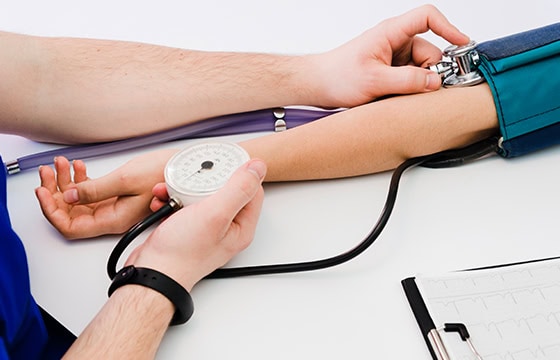
Hypertension, also called high blood pressure, is caused by the pressure due to excessive pumping of the heart. It is one of the leading causes of death in the world today. In addition to being a deadly condition, hypertension can also cause damage to vital organs like the liver, brains, kidneys and the heart. Unfortunately, people suffering from hypertension may not even be aware of that condition till it becomes too serious a problem. Blood pressure measure always has two readings, one taken when the heart is beating and the other when the heart is at rest. The normal values for these two readings are 140 and 90 respectively. In a long term it increases the risk of associated cardiovascular (heart) diseases such as stroke, myocardial infarction, failure of kidneys or heart, other vascular complications.
Normal pressure of blood according to current guidelines is < 130 and < 85. In hypertension the treatment is influenced by the presence of other risk factors such as pre-existing heart diseases and diabetes.
A list of the hypertension ranges from normal to risk levels are given in the table below;
| Category | Optimal | Normal | Borderline | Mild hypertension | Moderate
Hypertension |
Severe
Hypertension |
Isolated systolic hypertension |
| Systolic (mm Hg) | <120 | <130 | 130-139 | 140-159 | 160-179 | ≥180 | ≥140 |
| Diastolic (mm Hg) | <80 | <85 | 85-89 | 90-99 | 100-109 | ≥110 | <90 |
The heart supplies oxygenated or pure blood to all parts of the body through the help of vessels called arteries. The force with which the blood pushes against the walls of the artery is known as BP.
The heart pumps blood into the arteries as it is beating. The pressure exerted on the artery walls when it is being filled with blood is known as systolic pressure and is 120 normally.
The heart relaxes between the beats or pumping the blood into the arteries. This is the time when the pressure falls and is known as diastolic pressure. The diastolic pressure is normally 80.
Majority (about 95%) of patients have essential hypertension or primary hypertension. The main reasons behind this hypertension are known to be:
Remaining percentage of population has secondary hypertension which is caused as a result of underlying diseases. This is known as secondary hypertension and it has a cause which can be essentially treated. These are:
What are the symptoms of hypertension?
Sometimes the person with high BP can go for years without showing any outwardly symptoms. Therefore, it is important that people go for regular check-ups to avoid complications later on. The symptoms if at all present are;
What are the target organs affected?
The target organs that are prone to be damaged as a result of prehypertension and systemic hypertension are kidney, other cardiovascular organs, and brain & retina. Various diseases that can be caused as a result of chronic hypertension are chronic kidney disease, myocardial infarction, congestive heart failure, dementia, stroke, ventricular tachycardia and fibrillation.
What are the associated risks of Hypertension?
As is always the case, prevention is better than cure. So, one must implement a regular exercise and controlled diet plan in order to lead a healthy and prosperous life.

An arteriovenous fistula, or AVF, is a vessel that is formed by joining a vein to an artery in your arm during an operation to form an accessible blood vessel that gives increased flow of blood that are adequate for dialysis. The process of joining the vein to artery allows for an increase in the size of the vein as well as the flow in it, and this segment of the vein is called the ‘fistula’.
To carry out dialysis two needles are inserted into the fistula and after dialysis, the needles are removed. A fistula is the best vascular access for dialysis because it tends to have fewer problems and last longer than other types of dialysis access.
There are several things you should do to protect your fistula. Fistula is often called your ’lifeline’ because it is so important in enabling a good dialysis.
Although a fistula is the best sort of access and is least likely to develop problems, you do need to be aware of problems that can occur so they can be acted upon quickly: –
Another bleeding that you should look out for is blood oozing around your needles often on dialysis. Bleeding after dialysis or oozing slightly from your fistula at other times can mean that your vessel has narrowed and is increasing the pressure within the vessel. This may also cause a raised venous pressure reading on your dialysis machine; your nurses will explain where to look for this. Sometimes, the bleeding may be related to any ‘’blood thinning’’ medication that you may be taking, such as warfarin. If you notice any of these signs please let your nurses and doctor know so they can investigate. Most problems of this nature can be resolved to ensure your fistula keeps healthy.
Visit our Surgery Department to know more about the treatment and services we offer. Consult our experts today!

A menstrual cycle is termed as irregular when the normal 28 days +/- 7 days cycle is disrupted.
Menstrual cycles are called irregular if: –
Examples of menstrual problems include: –
Menstrual cycle may be affected by numerous conditions. Hormonal imbalances are usually the commonest reason for irregular menses. Changes in oestrogen and progesterone can lead to fluctuations in the regular menstrual periods. Common conditions that can disturb menstrual cycle are:
Diagnosis is usually made by conducting blood investigations including hormonal screening along with some radiological tests.
Treatment primarily depends on the exact cause of the disease. Hormonal replacement therapy, change of contraceptive pills, or certain surgical procedures might be the treatment of choice depending upon the diagnosis.

A woman is considered to have attained menopause after a year of having no menstrual bleeding. Any form of bleeding, even slight spotting following a gap of one year is termed as postmenopausal bleeding. A woman must consult a doctor if she experiences any amount of vaginal bleeding following menopause. Bleeding after menopause is rarely cause for concern but it does need to be investigated, however, because in very few cases it will be an indicator of something more serious.
There are multiple conditions that can lead to a postmenopausal bleeding. Some common causes are:
Diagnosis is usually made after a complete physical examination and proper reviewing of medical history. Important tests that might be advised include
Treatment will depend on the exact cause of the bleeding.

Hysterectomy is a surgical procedure which means removal of uterus. A woman may be advised Hysterectomy for multiple reasons like uterine fibroid, uterine cancer, prolapse of the uterus, chronic pelvic inflammatory disease, chronic pelvic pain, adenomyosis, dysfunctional uterine bleeding and so on. With the exception of cancer, hysterectomy is usually not recommended unless all other treatment methods have failed. In some cases, the gynaecologist may advice removal of fallopian tubes and ovaries simultaneously with the uterus. This is called as Hysterectomy with bilateral salpingo-oopherectomy. Depending upon the diagnosis, the gynaecologist might decide to remove the whole of the uterus or some part of it only. Your uterus might be removed from the upper part only, keeping the cervix intact, this is a partial hysterectomy or subtotal hysterectomy. In a total hysterectomy, the uterus is removed along with the cervix. A radical hysterectomy will include removal of the uterus with cervix, and some surrounding tissues, this approach is taken in case of uterine or cervical cancer.
Depending upon the type of hysterectomy to be done and the diagnosis, different approaches for the surgery may be followed, the time for healing and scar formation might vary accordingly. In an abdominal hysterectomy or an open hysterectomy, the surgeon will make a 5 to 7-inch incision along the uterine region and remove the uterus. This will eventually lead to a scar formation and will require a two to three days of post-operative hospitalization for healing.
A minimally invasive hysterectomy can be done in different manners, for example in a vaginal hysterectomy, an incision will be made in the vagina and the uterus will be removed through that. This will not leave any scar at the site.
A laparoscopic hysterectomy is done with an incision through the abdomen and removing the uterus through those incisions. Assisted vaginal hysterectomy is performed where a laparoscope is inserted through minor incisions on the abdomen, but the uterus is removed through the vagina eventually. In a robotic hysterectomy, on the other hand, a robot is used to perform the procedure and assist the surgeon.
As the name of the procedure suggests, a minimally invasive surgery has very minor incisions and have a lesser duration of hospital stay, lesser chances of infection and scarring when compared to an open abdominal surgery. In a minimally invasive procedure, a female might resume her normal daily activities within 1-2 weeks whereas, a female who has undergone an open or abdominal hysterectomy will take about 4 to 6 weeks for healing and resuming back to her normal life.
Although, minimally invasive procedure has lot of benefits over open surgery, it is not advisable for everyone to undergo the same. Pre-existing health conditions, previous abdominal surgical scars and other associated health issues may lead to deferring of a woman for a minimally invasive procedure.
Usually females who have had a hysterectomy do not develop any serious complications of surgery, however, no surgery is completely safe and does carry some risk factors. Some of those risk factors are vaginal prolapse, urinary incontinence, surgical site infection, and prolonged pain.
Females who have undergone removal of ovaries along with the uterus, they enter Menopause directly post surgery. For those who have not had their ovaries removed are likely to enter Menopause relatively sooner than the ones with an active uterus.
Women are advised to abstain from intercourse and lifting heavy weight post surgery. Women who have had their ovaries removed along with the uterus might be put on hormone replacement therapy in order to combat the drastic changes that the body might be undergoing as a result of the Menopause setting in suddenly. On the positive side, there will be substantial relief from the condition that the patient was suffering from prior to the surgery which ultimately lead to it, like heavy bleeding, bloating, chronic pain etc.

Ovulation is the period of menstrual cycle when the ovary releases eggs into the fallopian tube. If the egg gets fertilized, it leads to pregnancy and gets implanted into the uterus, a fertilised ovum is called a Zygote. If unfertilized, the endometrial lining of uterus sheds during menstruation. A good understanding of the ovulation cycle can help in planning a pregnancy and can simultaneously help in diagnosing certain disease conditions.
Usually a female ovulates on the 14th day of the menstrual cycle, provided she has a 28 days’ cycle. However, this is not the standard thumb rule for everyone. Having a varied length of menstrual cycle can interfere with the ovulation cycle. In general, ovulation occurs +/- 4 days from the midpoint of the menstrual cycle.
Ovulation involves action of multiple hormones. The follicle stimulating hormone or FSH helps maturing and eventually release of egg. It acts from 6 to 14 days of the cycle. Then comes the role of the luteinizing hormone or LH. This hormone reaches its surge level and leads to release of the egg. When the body experiences a surge in the LH hormone, the ovary starts the ovulation process, and this typically happens within few hours of the surge.
Some women may not notice any symptoms during ovulation. However, some may experience some amount of transparent vaginal discharge, pain in lower abdomen or back, slight bleeding, tenderness of the breast and increased sexual desires.
It is not necessary that one will get pregnant if she has intercourse on the day of ovulation only as the sperm can remain active in the reproductive tract for about 24 -48 hours in an ideal condition. If a woman has intercourse prior to her ovulation within few days prior to ovulation she can still get pregnant following ovulation. The egg usually has a lifespan of about only few hours.
Women can track their ovulation cycle by some hormonal tests and an ultrasound of the lower abdomen, mainly the ovarian region. Various ways of tracking the ovulation cycle can be followed at the comfort of home; recording basal body temperature throughout the menstrual cycle can help in giving you an idea of your ovulation time. Usually females have an elevated temperature during ovulation. An elevated temperature for 3 days continuously points towards ovulation. Availability of ovulation predictor kits have made it easier to predict the ovulation period. These kits detect the increase in luteinizing hormone in the urine, a dark line on the ovulation predictor kit indicates the possibility of ovulation within the next two days.
For those trying to conceive, having intercourse two days prior and on the day of ovulation can help in getting an egg fertilized. People not planning a pregnancy must use contraceptives few days prior to and after ovulation.
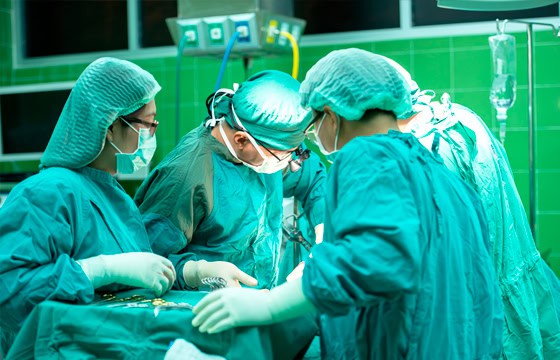
Gall bladder is an organ in the upper right quadrant of the abdomen which stores bile produced by the liver. Surgical removal of this organ is called as cholecystectomy. It is a very commonly performed surgery carrying very low risk of complications. Nowadays, most cholecystectomy surgeries are performed with the help of laparoscope by making a few small incisions on the abdomen. Some cases might require a more extensive approach where a larger incision is required to remove the gall bladder, that is then called as open cholecystectomy.
The commonest reason for performing a cholecystectomy is gall stones formation called as, cholelithiasis, and its related complications like pancreatitis, cholecystitis or obstruction of the bile duct due to gall stones (choledocholithiasis).
Complications following a cholecystectomy are rare, however, the below mentioned may develop in some cases:
The chances of a patient developing cholecystectomy depends on the reason for the surgery and overall health condition of the patient.
In a laparoscopic cholecystectomy, small keyhole incisions are made on the abdominal wall and a tube containing a camera will be inserted through them. The visuals will be seen on the monitor and the doctor will perform the procedure accordingly. Following that, the incisions will be sutured and the patient will be shifted to the recovery area. The procedure is usually completed within 1-2 hours.
In some cases, open cholecystectomy may be required depending on the patient’s condition. An ongoing laparoscopic procedure might have to get converted into an open procedure due to previous surgical scar tissues or other complications.
In an open cholecystectomy, an incision is made below the ribs in the right upper abdomen, the tissues and muscles are retracted and the gall bladder is removed. The site is sutured, and patient is shifted to recovery.
Depending upon the type of procedure, the time required for recovery may vary. In a laparoscopic procedure, one may be discharged the same day or at the most the next day if things continue to be normal. Complete recovery may take about a week’s time.
An open cholecystectomy might require a 2-3 days of hospitalization and almost 4 to 6 weeks for a complete recovery.
This procedure can provide relief from the discomfort and pain of a gall stone. Dietary modifications and lifestyle changes cannot treat gall stones as such. Pain medications might give a temporary relief but the pain will recur eventually. Usually, cholecystectomy does not interfere with digestion.

Diet tends to influence health to a great extent. Females affected with PCOD have shown positive results from some dietary and lifestyle changes. Women affected with PCOD are likely to have higher levels of insulin than the ones without PCOD. They have Insulin resistance, which means that the insulin produced by the pancreas is not utilized for digestion of the sugar in the body which leads to excess of blood sugar. The stored sugar transforms into fat eventually leading to obesity.
In addition, due to insulin resistance many affected females find it difficult to lose weight easily. Excess of insulin in the body leads to production of hormones, called testosterone, release of this hormone from the ovaries results in male like pattern of hair growth on the body. Improving your diet and exercise program by making lifestyle changes may reduce your risk for developing chronic diseases associated with PCOS such as diabetes, heart disease and endometrial cancer.
What to eat and what to not

A Caesarean section is considered to be a major abdominal surgery. This can be conducted as a lifesaving procedure for the baby and the mother at the time of delivery, however, it does carry certain risks and might take longer period for recovery when compared to a normal vaginal delivery.
On an average a complete recovery from a cesarean section takes around 6 to 8 weeks. However, not every female is same and hence, there can be certain variations in the recovery period.
In most of the cases a female undergoing a cesarean section will receive an anaesthesia in the form of epidural or spinal block. This form of anaesthesia numbs the lower part of the body but keeps the patient awake.
Once the patient receives the anaesthesia she might not be able to walk or move the lower part of a body for certain duration of time. A catheter will be inserted post-delivery in order to help her urinate.
In some cases which require general anaesthesia a longer duration may be needed for the patient to regain her senses. She might feel nauseated, anxious and confused while recovering from the anaesthetic effect.
Contrary to the common myth, skin to skin contact is possible even after a cesarean section, provided the mother is not suffering from any infection and the baby is doing well.
The initial 24 hours following a cesarean section are almost similar for a caesarean section as for a normal vaginal delivery. The woman undergoes through adjustments to the newly found parenthood, meeting visitors, feeling of exhaustion and tiredness. Caesarean section might require for 2 to 3 days of post-delivery hospitalization.
One of the risk factor for Caesarean section is that it can lead to formation of blood clot in the legs, this is likely to develop in people who are overweight or who have not been moving their legs for a long period of time following delivery due to effects of anaesthesia.
Hence, the doctor and nurses will encourage the woman to move her legs as soon as possible. Women, who are unable to move their legs or walk for a considerable amount of time, maybe given special cuffs which are designed to ensure movement of blood in the legs to prevent clotting of blood. Pain at the site of incision and uterine cramps are common in the first 24 hours.
The sensation is somewhat similar to the one felt during menstruation; however, they are more intense this time. The doctors and nurses will keep a close watch on the possibility of infection, vaginal bleeding will be checked frequently during your hospital stay.
The bleeding may last 4 to 6 weeks which is heaviest during the initial few days. Following discharge, special care needs to be taken for the incision wound at home. The risk of infection is very high during the initial period.
Excessive bleeding can be troublesome and calls for immediate medical intervention. Driving or exercising it is not recommended still about 6 to 8 weeks post cesarean section.
The incision site may be sore and continue to pain for about the first two weeks. Nowadays, dissolvable stitches are used which do not require removal by the doctor. In case of non-dissolvable stitches being used, it needs to be removed after a few weeks following birth as decided by the doctor.
Recovery might take relatively a longer time. It is recommended that the female takes adequate rest which is extremely vital for complete recovery following the surgery.
Visit Dr. Astha Dayal, expert obstetrician at the CK Birla Hospital, top maternity hospital in Gurgaon to learn more about caesarean or c-section delivery. Book your appointment today!

