Filter :

High blood pressure or hypertension is a condition that almost every other individual we see around is affected with. It is also called a silent killer as it does not manifest symptoms but can lead to serious and life-threatening conditions like stroke and heart diseases.
Blood pressure has two components: systolic blood pressure and diastolic blood pressure. The systolic blood pressure represents the top number which is the pressure in the blood vessels when the heartbeats, the diastolic blood pressure or bottom number represents pressure in the blood vessels when the heart is resting or in between the beats. Optimal blood pressure is less than 120/80. Blood pressure lower than 90/60 mm HG is considered as low blood pressure, a pressure of 130/80 or higher is considered to be high blood pressure.
The positive aspect of blood pressure is that certain modifications in lifestyle can help in maintaining normal blood pressure and hence reduces the chances of developing conditions associated with the disease.

Women of all ages face the threat of coronary artery disease (CAD) commonly referred to as a “heart attack”. Recent data shows the overall prevalence of CAD is 6.2% in males and 10.8% in females. It commonly occurs at a later age in women, mostly in the 60’s while men have it at an earlier age. The female hormone, estrogen is “cardioprotective” and as its level in the body declines at menopause, the risk of CAD becomes higher. Overall, CAD is a leading cause of death in both men and women.
CAD is caused by plaque buildup in the walls of the arteries that supply blood to the heart (called coronary arteries). Plaque is made up of deposits of cholesterol and other substances in the artery. Plaque buildup cause narrowing inside the arteries over time, which could partially or totally block the blood flow and eventually lead to angina or heart attack respectively.
The most common symptom of heart attack is severe central chest pain. One challenge always remains, that symptom in women differs from those in men. They usually have subtle or vague discomfort or pressure over the chest. Sometimes women may not experience chest discomfort but may have pain or discomfort in one or both arms, the back, neck, jaw or stomach, shortness of breath, nausea and vomiting, lightheadedness or fatigue. Recognizing the signs early and seeking treatment promptly is of utmost importance.
Women generally suffer from obesity, high blood pressure; high cholesterol levels and has higher chances of suffering from CAD. The risk increases manifold with diabetes, smoking, mental stress, physical inactivity and menopause. Women <65yrs having family history of heart disease needs to pay more attention to these risk factors.
The golden rule to prevent heart disease is quit smoking, exercise regularly, eat healthy diet and maintains healthy body weight. Eat plenty of fruits and vegetables, lean meats, wholegrains. Eat less of salt, sugar, saturated fats, cholesterol and trans-fats, processed food. Regular brisk walk for 30-45 min per day for 5 days a week is good enough to stay fit. Regular check-ups are key in picking up heart problems at early stage. All healthy adults> 20 yrs should get their blood pressure checked once every two years, blood cholesterol levels checked once every 4-6 years, blood sugar levels checked once every 3 years.
To conclude CAD is no more a male disease, it equally affects female, in a more subtle form, with atypical manifestation, which tends to get ignored. Hence, recognizing symptoms early and seeking health support is of paramount importance. Regular exercise and eating healthy diet helps in maintaining healthy body weight eventually leading to decrease in heart problems.
Consult expert cardiologist in Gurgaon at the CK Birla Hospital to seek medical support and advice. Book an appointment today!

Vagina infections are common and almost every female in the world has been affected by some form of vaginal infection in her lifetime. The infection can be caused by various microorganisms like bacteria, virus, fungus, or parasite which might grow in the vagina or in the surrounding region. These infections can be treated very easily and quickly. It is important to initiate treatment as soon as an infection is detected to prevent other complications.
Some common symptoms of vaginal infection are white vaginal discharge which may be white, green, or yellow in colour with a peculiar odour, soreness and itching in and around the vaginal region, dyspareunia (pain during intercourse), dysuria (pain during urination), intermenstrual bleeding, formation of ulcers or warts around the vulval region are some of the common manifestations. Some form of vaginal discharge which is colourless, odourless coma and does not irritate all lead to itching around the vaginal region normal. The amount and colour of vaginal discharge may vary according to the time of menstrual cycle and age.
Products like soaps, body washes, vaginal douches can lead to changes in the pH level of vagina which might cause vaginal discharge.
Diagnosis can be formed by examination conducted externally, looking for signs of inflammation and discharge around the vagina. A per vaginal or per speculum examination may be required in certain cases to view the interior. Vaginal swab can help in getting a clearer picture of the infection. A urine sample can often suggest probability of a spreading infection from the urinary tract to the vagina.
Bacterial vaginosis, this is caused by an uncontrolled growth of a particular type of bacteria. It often remains asymptomatic and continues to be undiagnosed in many females. Some common symptoms are whitish vaginal discharge which is usually foul smelling, with itching and irritation. It is not a sexually transmitted infection, but a recent change in partner can increase the risk. Other important factors that can lead to this infection or increase the risk are using sprays, vaginal douching, inserting IUDs, using perfumes, and smoking. The infection is treated with the help of antibiotics. Some cases might require local application of gel or cream. It can lead to some complications if left untreated for a long period of time and interfere with pregnancy leading to frequent miscarriages, preterm labour or pelvic inflammatory disease.
Another common bacterial infection is Chlamydia. It is a sexually transmitted infection caused by chlamydia trachomatis. Most of the patients having Chlamydia infection remain asymptomatic. Those presenting with symptoms can have some form of vaginal discharge, bleeding, bleeding and pain during intercourse and urination. Chlamydia is treated with antibiotics. In this case, diagnosis and treatment of the partner is also important. A patient may be advised to take a re- examination within 3 to 6 months of completing the course of treatment to check if the patient has been free from infection completely or there are chances of a re- infection. It can lead to complications like pelvic inflammatory disease and might lead to preterm birth.
Genital herpes is caused by herpes simplex virus. It is a sexually transmitted infection, not everybody affected with this condition has symptoms, but if present, it usually leads to painful blister formation around the genitals. The patient might develop fever, headache and a general feeling of sickness. Once infected, the virus remains in the body, there is no cure for the condition. The symptoms are not evident all the time and subside for a certain period of time just to recur later on. Any factor that leads to triggering of the virus can flare up the inspection; stress, smoking, illness, and alcohol may become cause o flaring up of the infection. Antivirus can be taken, but the infection will not get eradicated completely from the body. Medicines can be given to control the symptoms and reduce the number of flair ups and complications.
Genital warts are also sexually transmitted diseases caused by human papilloma virus. It presents as small growth in the vulval, cervical, vaginal and anal region. The warts can be itchy and may have painful bleeding. They may subside on their own within a few months. Creams, ointment, cryotherapy, or electrocautery can be done to treat the warts. The infection, however, remains in the body.
Gonorrhea is caused by the bacteria Neisseria gonorrhoeae. This is a sexually transmitted infection. Almost 50% of the women affected with Gonorrhea do not develop any symptoms. In case one presents with symptoms, they usually appear within the first 10 days of being infected. Amount of vaginal discharge in Gonorrhea is usually higher than normal, pain and discomfort around the lower abdomen, pain during urination and intermenstrual spotting can be common in this condition. Treatment usually consists of antibiotics. Re-examination may be advised after a week of finishing the treatment to ensure that the infection has cured completely. As the condition spreads through sexual contact it is important to inform the current or recent sexual partner about it who may be required to be tested and treated accordingly.
Vaginal thrush, also called as, Candidiasis is caused by candida albicans. Most of the women wo have this condition are asymptomatic. Some common symptoms are itching, irritation, and soreness around the vulva region. Thick cottage cheese like vaginal discharge is a common presentation of vaginal thrush. Pain during intercourse and urination are common. Common triggers for trash are usage of certain types of antibiotics, pregnancy, and diabetes. Certain types of soaps, shower gels, feminine sprays and washers, and wearing extremely tight undergarments can increase the chances of developing a thrush. This is not a sexually transmitted infection, but intercourse can act as a trigger for the condition. Fungal tablets, creams or pessaries may be advised for treatment of this infection.
Trichomoniasis is developed by a parasite called Trichomonas vaginalis. It is a sexually transmitted infection. Symptoms can be yellow coloured frothy discharge, with a foul smell. Itching and soreness are common in this condition. Antibiotics are usually the preferred line of treatment. Partners need to be treated even if they remain asymptomatic to prevent chances of re- infection.
Prevention strategies include using condoms to prevent spread of infection from one person to another, avoiding strong soaps, feminine hygiene products, washing of vagina too aggressively can lead to disruption of the normal flora of the vagina and hence make it more prone to infections.
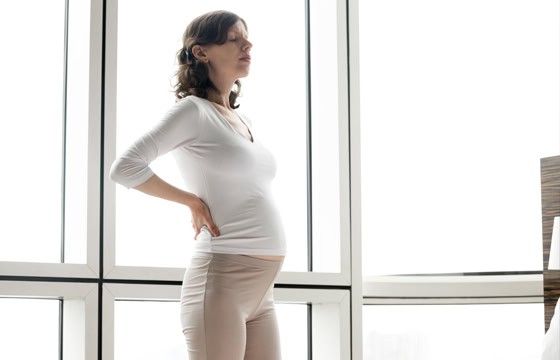
Back pain during Pregnancy is very common, especially in the second half of pregnancy. Some common causes of back pain during pregnancy are as follows:
Back pain resulting from pregnancy usually subsides after delivery. Certain steps can be taken to relieve back pain to some extent:
Treatment might consist of some pain killers or muscle relaxants. One should seek medical treatment in case of severe pain, cramps, difficulty in urination or feeling of needle like pain in the extremities.
Consult Dr. Astha Dayal, expert obstetrician in Gurgaon at the CK Birla Hospital to learn more about this condition and possible treatment. Book an appointment today!
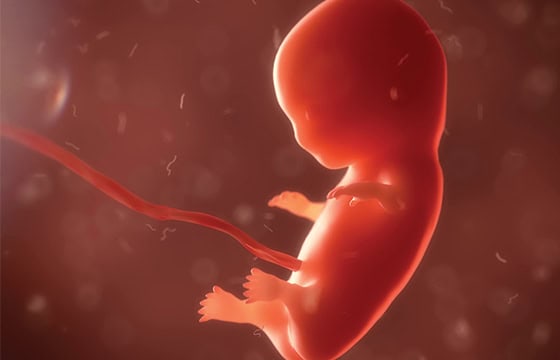
A second time pregnant woman was diagnosed with isolated umbilical vein varix at 31 weeks of gestation. Isolated Umbilical vein varix is a rare anomaly diagnosed on ultrasonography which has been reported to be associated with fetal anomalies and intrauterine fetal death but inconsistently. Since the cause of this variation is unknown, the consulting Obstetrician and Gynaecologist recommended the patient to get a thorough evaluation done for associated fetal anomalies. She also recommended a close follow up with regular doppler as intrauterine demise is known to be caused in cases of umbilical vein varix.
The couple had a non-consanguineous marriage and had conceived the baby spontaneously. She had a history of caesarean delivery 7 years ago for placental abruption with gestational hypertension. In this pregnancy, she had a normal detailed anomaly scan, screen negative for quadruple marker and had normal fetal echocardiography. She was on regular aspirin from second trimester onwards as she had a history of high BP and placental abruption in the previous pregnancy.
At 31 weeks of gestation, the ultrasound scan showed a well-defined cystic lesion in the upper abdomen which was seen to communicate with the umbilical vein suggestive of intraabdominal umbilical vein varix. Doppler colour flow imaging of both uterine arteries, umbilical artery, middle cerebral artery and ductus venosus were within normal limits. Amniotic fluid index was also within normal limits.
The patient was counselled in length about the uncertainty of this finding and the associated risk of still birth and fetal anomalies. Regular follow up scans were done to monitor the size of the umbilical vein and rule out complications like turbulence, thrombosis and rupture. Weekly follow up dopplers thereafter showed no change in the size or appearance of umbilical vein. A satisfactory interval fetal growth was also appreciated.
At 37 weeks 3 days gestation, an elective caesarean section was performed in view of poor Bishop’s score (also known as Pelvic Score, the most commonly used method to rate the readiness of the cervix for induction of labour). The woman delivered a healthy appropriately grown male baby of 2.8kg and the baby also showed no clinical signs of abnormalities.

Urinary tract infections, or UTI is an infection in any part of the urinary system – be it your ureters, kidneys, urethra and the bladder. In most cases, infections involve the bladder and the urethra which form the lower urinary tract. If you are a woman, you are at a great risk of contracting UTI. Infection restricted to your bladder can be soring and bothersome. However, serious conditions can occur if the infection reaches the kidneys.
Doctors typically treat UTI’s with antibiotics, but you can take steps to reduce your chances of getting a UTI in the first place by doing these things:
UTI’s don’t always cause signs and symptoms, but when they do, they may include:
UTI’s may be overlooked or mistaken for other conditions in older adults. It may surprise you to know that according to studies, the population most likely to experience UTI’s is the elderly. Elderly people are more vulnerable to UTI for many reasons, including their overall defencelessness to infections due to a weakened immune system. Elderly men and women also have to bear a weakening of the muscles of the bladder and pelvic floor, which can lead to increased urinary retention (incomplete emptying of the bladder) and incontinence. These all contribute to infection.
We just discussed the typical signs and symptoms of UTI’s, but older individuals with UTI’s may not exhibit any of the hallmark signs listed above because their immune systems are unable to mount a noteworthy response to the contagion. On top of the lack of noticeable symptoms, many seniors do not or cannot express their discomfort to caregivers.
Since elders’ bodies respond differently to infection, it’s important to look for different signs and symptoms. One tell-tale symptom of UTI’S in the elderly is often mistaken for the early stages of dementia or Alzheimer’s disease, according to researches.
Here are some lesser-known UTI symptoms in seniors. You will notice that they are markedly different from the typical signs and symptoms.
People with urinary incontinence (loss of bladder control) are at an increased risk for UTI’s
Although anyone of any age can get a UTI, there are significant differences in symptoms in the elderly. If you think your loved one might have a UTI, see your doctor right away to avoid further complications. A urine sample for lab analysis is one of the easiest ways to diagnose a UTI and that is sometimes followed by a urine culture. If detected early, a simple follow up of antibiotics stereotypically cures the infection in no time.
Consult Dr. Shalabh Agrawal, best urologist in Gurgaon at the CK Birla Hospital to learn more about this condition and possible treatment option. Book your appointment today!

Kidney stones are also known as Renal stones or renal calculi. They are made up of different types of crystals. The usual site of their origin is kidneys, but they might migrate to any part of the urinary tract; ureter, bladder or urethra. They are usually painful and may present as an acutely painful condition, requiring immediate medical intervention.
Acute pain is one of the most important manifestation of renal stones. The pain is usually felt when the stone starts migrating from the kidneys to the ureters. The pain may be felt in the affected side of the abdomen or back. In males, the pain may radiate to the groin area. The pain may be felt on and off or may be continuous. Other important symptoms of renal stones are:
In some cases, the stones may be too small and may pass down the ureter and eventually through the urethra without any pain. For cases where the stones are considerably larger, they may cause obstruction of urine in the ureter leading to infection in the kidneys. When stuck in ureters, the stone may irritate the walls and cause pain and bleeding.
Diagnosis of a renal stone can be made through a complete physical examination along with some basic radiological and blood examinations:
The line of treatment is decided depending upon the type of stone. Increasing water intake to up to 10 to 12 glasses can help in keeping the patient well hydrated, especially in case of nausea and vomiting.
Pain killers may be prescribed to subside the pain to some extent. Antibiotics are given for treatment of infection when the same is the underlying cause.
Extracorporeal Shock Wave Lithotripsy is a procedure where sound rays are used to dissolve the stones and break them into smaller fragments. This is usually conducted under anaesthesia.
In some cases, a percutaneous nephrolithotomy may be advised where a hole is made in the lower back to remove the stones with the help of an endoscope.
Ureteroscopy may be done in many cases to visualize and remove the stone.
Adequate water intake is the key to prevention of renal stones. Reducing intake of food rich in oxalate and increasing citrate intake can help in reducing certain types of stones. Keeping salt in diet low and maintaining a healthy weight are very helpful.
Consult with the expert urologist at the CK Birla Hospital in Gurgaon to learn more about this condition and possible treatment. Book your appointment today!
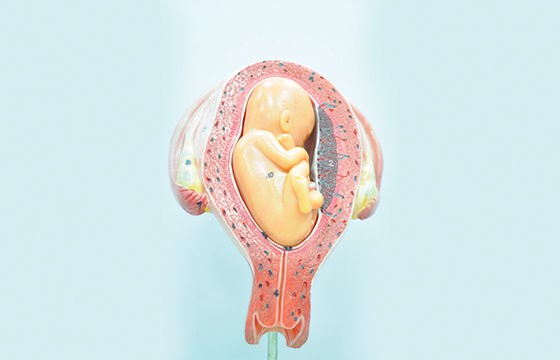
Table of Contents
Babies lying bottom first or feet first in the uterus (womb) instead of in the usual head first position are called breech babies. At term only 3 to 4 out of 10 babies are found to be in breech position.
You Can Also Read: A Guide to Increasing Baby Weight When 9 Months Pregnant
In most cases it is only a matter of chance that a baby does not turn and remains in the breech (bottom down) position. In a few situations, certain factors make it difficult for a baby to turn during pregnancy. These might include the amount of fluid in the womb (either too much or too little), the position of the placenta or the presence of more than one baby. Most breech babies are born healthy.
If there is a case of a breech presentation, you can try to turn the baby. ECV is usually performed after 36 or 37 weeks of pregnancy. However, it can be performed right up until you are in early labour. You should discuss all the options with your obstetrician and follow their recommendations.
External Cephalic version (ECV): This is a non-surgical method of turning a breech baby in the uterus. During the procedure, your gynaecologist will give you medicine to help your uterus relax. Before the ECV you will have a bedside ultrasound to check baby’s heart beat and position and after the ECV it will be done again to check if the baby has turned with head down position. The success rate is around 40% to 50% and depends on the skills of your obstetrician.
ECV can be uncomfortable and painful at times. Your obstetrician will stop if you are experiencing pain. Procedure usually last for few minutes. Fetal heart is monitored for an hour after procedure and you will be advised to go home with follow up plan.
If your blood type is Rhesus D negative- you will be advised to take anti D injection.
There is no scientific evidence, but one may try this technique.
The breech tilt: While lying on your back, use large, firm pillows to raise your hips about a foot off the floor. Do these three times every day for 10–15 minutes. You can do this technique when the baby is active and on an empty stomach.
If your baby remains breech towards the end of pregnancy, you should be given the option of a caesarean section. Research has shown that planned caesarean section is safer for your baby than a vaginal breech.
Your gynaecologist may attempt breech vaginal delivery after discussion with you it in the following situations:
While a successful vaginal birth carries the least risks for you, it carries a small increased risk of your baby dying around the time of delivery. A vaginal breech birth may also cause serious short-term complications for your baby. However, these complications do not seem to have any long-term effects on your baby. Your individual risks should be discussed with you by your gynaecologist.
Consult, best obstetrician and gynaecologist at the CK Birla Hospital in Gurgaon to learn more about this condition and discuss your individual risks. Book your appointment today!

All of us have various kinds of a headaches and in most cases, people treat themselves with basic painkillers, drinking extra water, taking rest or quietly by waiting for the headache to subside on its own. Even so, headaches can be painful, and a cause of worry and they may have a serious underlying cause. In fact, most headaches are troublesome but cause no lasting harm.
Headaches can be primary or secondary. Your doctor can typically tell the cause of your headache by talking to you and examining you carefully. Once he or she has identified the cause then you will be able to determine how to reduce or stop the headaches. This may mean taking medication only when you get the headaches, taking daily medication to avoid them or, sometimes, stopping a medication you are already taking.
Tension headaches
Tension headaches are generally felt as a band or across the forehead. They can be difficult and tiring, but they do not usually disturb sleep. Several people can carry on working with a tension headache. They are not commonly made worse by physical activity. Some people with these type of headaches can be affected by bright light or noise.
Tension headaches tend to get worse as the day goes on and are typically least in the morning. They are typically referred to as pressure headaches. They’ll interrupt work and concentration. However, in most cases, not enough to send you to bed. Tension headaches are caused by tightness within the muscles at the rear of the neck and over the scalp. Tiredness, stress and a clumsy sleeping position will make them worse.
Tension headaches sometimes answer to straightforward painkillers. Changes in lifestyle will facilitate – like having a lot of water, and a smart diet. Often tension headaches will be caused by poor vision, significantly if reading in low light for long periods.
Migraines
A typical migraine is one-sided and resonates. Headaches that are one-sided, headaches that throb and headaches that cause you to feel sick are possibly migraines rather than any other type. Migraines are typically severe enough to be disabling. Some patients have to be compelled to move to bed to get rid of their headache.
Migraines will last sometimes from four hours to 3 days. They are typically made worse by movement or sound. Patients typically feel sick (nausea) or are sick (vomit), notwithstanding the pain isn’t severe. Typically, patients feel bright light makes their headache worse. Most of the people with migraines have 1-2 attacks a month. The warning symptoms will last for up to an hour and are usually followed by a headache.
Cluster headaches
Cluster headaches are terribly severe headaches, generally referred to as ‘suicide headaches. They occur in clusters, typically daily for a number of days or perhaps weeks. Then they disappear for months or finish. They are uncommon and have a tendency to occur significantly in male smokers. Cluster headaches are sometimes one-sided. Patients typically have a red watery eye on the affected face, a stuffy fluid nose and a lax lid.
Chronic daily headaches
Chronic daily headache or chronic headache is typically caused by muscle tension at the back of the neck and affects ladies a lot more than men. Chronic implies that the condition is persistent. These headaches will be started by neck injuries or weariness and turn worse by medication overuse. A headache that happens virtually daily for 6 months or a lot of is termed as a chronic daily headache.
Primary stabbing headaches
Primary stabbing headaches are generally referred to as ‘icepick headaches’ or ‘idiopathic stabbing headache.’ The term ‘idiopathic’ is used by doctors for anything that comes without a cause. These are short, stabbing headaches that are terribly fast and severe. They often occur in or simply behind the ear and are quite scary.
Trigeminal Neuralgia
Trigeminal neuralgia causes pains – primarily on the face. These incorporate extraordinarily short bursts of electrical shock-like pain within the facial area – in the space of the eyes, nose, scalp, forehead, jaws, and/or lips. Sometimes one-sided and is a lot of common in folks over the age of fifty.

