Filter :

Epilepsy is a neurological disorder, in which the activity in the brain becomes abnormal causing recurrent episodes of seizures. As per WHO, epilepsy is a non-communicable disorder that affects approximately 50 million people worldwide. Epilepsy can affect males and females, of all ethnic backgrounds and ages. It can affect a person’s brain in such a manner that it sometimes leads to the individual showing unusual behavior, and sensations.
Dr. Rajeev Gupta, explains all you need to know about Epilepsy, its types, causes, symptoms, and treatment available.
Table of Contents
A brain illness called epilepsy is characterized by recurring seizures. These seizures are typically characterized by an abrupt shift in behavior brought on by a transient disturbance in brain function. The brain normally continually produces minute electrical impulses in an organized pattern, but in people with epilepsy, the electrical rhythms of the brain have a propensity to become unbalanced, which causes unwelcome repeated seizures. It indicates that a person’s consciousness, motions, or sensations may be affected by the disruption of the brain’s usual rhythm caused by sudden alterations in the small electrical impulses.
Seizures can be triggered by any abnormal activity in the brain. Below are some signs and symptoms to keep a note of
Every individual is different and the symptoms do vary depending on the type of the seizure.
Epilepsy has no identifiable cause but the condition may also be traced according to various factors.
Epilepsy can be brought on by abnormalities in the brain, such as brain tumours or vascular anomalies including arteriovenous malformations (AVMs) and cavernous malformations.
Sometimes epilepsy runs in families and is classified by the sort of seizure the patient might have had.
Head trauma can be a result of a car accident or any major injury which causes epilepsy.
There are several infections that can affect the brain and cause epilepsy like meningitis, HIV, viral encephalitis, and some parasitic infections
Before birth and even after birth the brains of the babies are very sensitive. There are several factors that can cause epilepsy such as infection in the moth, oxygen deficiencies and malnourishment.
Epilepsy can be caused due to developmental disorders like autism.
To diagnose, the doctor will review all the symptoms and signs and understand your medical history. He will recommend several tests to diagnose and detect epilepsy and determine the cause of the seizures. Below are some tests that may help diagnose.
This test will help assess behavior, motor abilities, and mental function to determine the type of epilepsy the patient may have.
Your doctor could request a sample of your blood to look for indications of infections, genetic disorders, or other problems that could be related to seizures.
Additionally, your doctor might recommend testing to look for abnormalities in the brain like:
After the diagnosis, the doctor will begin the best and most effective treatment options for the patient.
Doctors generally begin by treating epilepsy with medication. If medications don’t treat the condition, doctors may propose surgery or another type of treatment.
People with epilepsy can go seizure-free by taking the right set of medicines. But in some cases, many children who aren’t experiencing epilepsy symptoms can eventually discontinue the medication.
The doctor may suggest surgery or other therapies
When the medication does not work the doctors may have to perform surgery to help remove the area of the brain that is causing seizures.
Several therapies can be given as an alternative to treat epilepsy when medication and surgery also do not result in seizure free life.
Epilepsy is a neurological disorder in which brain activity becomes abnormal causing severe seizures and unusual behaviors.
The person starts to show certain warning signals which need immediate attention:-
No, there is no known cure for epilepsy. There are several medications and surgical options that can help control the severity of epilepsy but there isn’t any cure for epilepsy.
No, epilepsy is not a mental illness. People with epilepsy do not have any cognitive or psychological problems.
Making certain changes in your lifestyle may help prevent epilepsy. Using safety belts while driving, and wearing a helmet at all times can help avoid brain injuries or traumatic brain injuries.

Table of Contents
डायरिया को हिंदी और आम बोलचाल की भाषा में दस्त (Loose Motion in Hindi) भी कहते हैं। यह पाचन तंत्र से संबंधित एक विकार यानी डिसऑर्डर है जिसमें मरीज को पतला मल होता है। मुख्य रूप से यह समस्या रोटावायरस के कारण होती है, लेकिन कुछ मामलों में साल्मोनेला या ई. कोलाई जैसे जीवाणु भी इसका कारण बन सकते हैं।
साथ ही, कुछ खास प्रकार की दवाओं के सेवन, हार्मोनल विकार या आंतों में सूजन के कारण भी डायरिया की शिकायत हो सकती है। खान-पान और साफ-सफाई पर ध्यान देकर वायरस या बैक्टीरिया से होने वाले डायरिया को आसानी से रोका जा सकता है।
डायरिया को मुख्य रूप से तीन भागों में बांटा गया है जिसमें एक्यूट डायरिया, परसिस्टेंट डायरिया और क्रोनिक डायरिया शामिल हैं।
डायरिया की गंभीरता, उसके प्रकार और कारण की पुष्टि करने के लिए लक्षण और नैदानिक परीक्षण की सहायता लेते हैं।
ये भी पढ़े: ट्यूबरक्लोसिस क्या है – कारण, लक्षण और बचाव (Tuberculosis in Hindi)
डायरिया का सबसे बड़ा कारण एक वायरस है जो आंतों पर बुरा प्रभाव डालता है। इसे वायरल गैस्ट्रो एंड्राइड व आंतों का फ्लू भी कहते हैं। हालांकि, डायरिया के दूसरे भी कारण हो सकते हैं जैसे कि:
ऊपर दिए गए कारकों पर ध्यान देकर डायरिया के खतरे को कम किया जा सकता है।
ये भी पढ़े: जानिए ओरल रिहाइड्रेशन सॉल्यूशन (ओआरएस) क्या है और इसके क्या फायदे हैं ?
डायरिया के कई लक्षण होते हैं जिनकी मदद से आप इस बात की पुष्टि कर सकते हैं कि आपको डायरिया की समस्या है। डायरिया के लक्षणों में निम्न शामिल हैं:
अगर आप ऊपर दिए गए लक्षणों को खुद में अनुभव करते हैं तो आपको बिना देरी किए डॉक्टर से परामर्श करना चाहिए।
ये भी पढ़े: हाइड्रोसील के प्रकार, कारण, लक्षण और इलाज (Hydrocele in Hindi)
डायरिया होने पर बार-बार पतला मल होता है जिसके कारण शरीर में पानी की कमी हो जाती है। पानी की कमी के कारण शरीर में कमजोरी और दूसरी समस्याएं पैदा होती है। ऐसे में शरीर में पानी की कमी को दूर करने के लिए डॉक्टर अधिक से अधिक तरल पदार्थों के सेवन का सुझाव देते हैं।
शरीर में पानी की कमी को पूरा करने के लिए डॉक्टर इलेक्ट्रोलाइट या स्पोर्ट्स ड्रिंक आदि का भी सुझाव दे सकते हैं। स्थिति गंभीर होने पर डॉक्टर इंट्रावीनस के माध्यम से शरीर में तरल पदार्थ पहुंचाते हैं ताकि शरीर की कमजोरी को दूर किया जा सके। अगर डायरिया का कारण बैक्टीरिया है तो डॉक्टर एंटीबायोटिक्स दवाएं निर्धारित करते हैं।
डायरिया की रोकथाम करने के लिए आप कुछ बातों को ध्यान में रख सकते हैं जैसे कि:
इन सबके अलावा, डायरिया के लक्षण दिखाई देने पर तुरंत डॉक्टर से परामर्श कर उचित इलाज कराएं।
आमतौर पर डायरिया 3-5 दिनों के अंदर ठीक हो जाता है, लेकिन कुछ मामलों में यह लंबे समय तक भी रुक सकता है।
मुख्य रूप से डायरिया को तीन भागों में बांटा गया है जिसमें एक्यूट डायरिया, परसिस्टेंट डायरिया और क्रोनिक डायरिया शामिल हैं।
डायरिया होने पर अधिक फाइबर, मसालेदार, तैलीय और मीठी चीजों का सेवन नहीं करना चाहिए।

Table of Contents
डेंगू एक आम संचारी रोग है जिससे पीड़ित होने पर आप खुद में अनेक लक्षणों को अनुभव कर सकते हैं जैसे कि, तेज बुखार, शरीर और सिर में तेज दर्द आदि। यह एडीज मच्छर के काटने से होता है। डेंगू माइल्ड या गंभीर हो सकता है।
डेंगू का सटीक उपचार संभव नहीं है। हालांकि, उपचार की मदद से इसके लक्षणों में सुधार किया जा सकता है। गंभीर डेंगू होने पर मरीज को हॉस्पिटल में भर्ती होने की आवश्यकता पड़ती है। भारत में डेंगू बरसात और उसके तुरंत बाद के महीने में सबसे अधिक फैलता है।
डेंगू एक आम संचारी रोग है जिससे पीड़ित होने पर आप खुद में अनेक लक्षणों को अनुभव कर सकते हैं जैसे कि, तेज बुखार, शरीर और सिर में तेज दर्द आदि। डेंगू फैलाने वाला एडीज मच्छर मुख्यतः दिन के समय, खासकर सुबह और शाम ज्यादा सक्रिय रहता है और साफ, ठहरे हुए पानी में पनपता है, इसलिए दिन में भी मच्छरों से बचाव जरूरी है। डेंगू माइल्ड या गंभीर हो सकता है। जोड़ों और मांसपेशियों में इतना तेज दर्द होता है कि इसे “ब्रेक बोन फीवर” तक कहा जाता है, यानी हड्डियां टूटने जैसा दर्द। डेंगू वायरस के चार अलग-अलग प्रकार होते हैं (DEN-1 से DEN-4 तक), और यहीं पर एक बात समझनी ज़रूरी है। अगर किसी को पहले डेंगू हो चुका है और दोबारा किसी दूसरे प्रकार से संक्रमण हो जाए, तो गंभीर डेंगू का खतरा काफी बढ़ जाता है।
फिलहाल डेंगू का कोई सीधा एंटी-वायरल इलाज मौजूद नहीं है। डॉक्टर लक्षणों को मैनेज करके शरीर को खुद ठीक होने का मौका देते हैं। ज्यादातर मामले घर पर आराम से संभल जाते हैं, लेकिन गंभीर डेंगू में अस्पताल में भर्ती होना जरूरी हो जाता है। एक उम्मीद की खबर यह है कि हाल ही में भारत में QDENGA नाम की डेंगू वैक्सीन को मंजूरी मिली है, जो 4 से 60 साल तक के लोगों को लगाई जा सकती है। ट्रायल में यह अस्पताल में भर्ती होने का खतरा करीब 90% तक कम करने में असरदार पाई गई। हालांकि यह इलाज का विकल्प नहीं, बचाव का एक अतिरिक्त कदम है।
डेंगू के लक्षण इसकी गंभीरता के आधार पर अलग-अलग हो सकते हैं। बच्चों और किशोरों में माइल्ड डेंगू होने पर लक्षण दिखाई नहीं देते हैं। संक्रमित होने के बाद आमतौर पर 4-7 दिनों के अंदर डेंगू के लक्षण नजर आने लगते हैं।
डेंगू के मुख्य लक्षणों में तेज बुखार (104° F) शामिल है। अन्य लक्षणों में निम्न शामिल हो सकते हैं:
गंभीर डेंगू होने पर रक्तस्रावी बुखार या डीएचएफ होने का खतरा बढ़ जाता है। इस स्थिति में रक्त वाहिकाएं क्षतिग्रस्त हो जाती हैं और खून में प्लेटलेट की संख्या कम हो जाती है। इस दौरान कुछ लक्षण दिखाई दे सकते हैं, जैसे कि:
डेंगू में सबसे खतरनाक हिस्सा वह नहीं होता जब बुखार सबसे तेज़ हो, बल्कि वह होता है जब बुखार उतरने लगता है। बुखार उतरने के 24 से 48 घंटों के बीच का समय सबसे नाज़ुक माना जाता है, क्योंकि यहीं पर मरीज़ की हालत अचानक बिगड़ सकती है। WHO की गाइडलाइंस के मुताबिक, अगर इस दौरान नीचे दिए गए किसी भी संकेत का सामना हो, तो देर बिल्कुल न करें और सीधे डॉक्टर के पास जाएं –
राहत की बात यह है कि सही समय पर पहचान और इलाज मिलने पर मृत्यु दर काफी कम है। भारत में डेंगू से मृत्यु दर 2008 से लगातार 1% से नीचे बनी हुई है, और 2024 में यह घटकर सिर्फ 0.13% रह गई। यानी समय पर अस्पताल पहुंचना ही सबसे बड़ा फैसला साबित होता है।
बुखार आते ही डेंगू टेस्ट करवाने की जल्दबाजी न करें। शुरुआती एक-दो दिनों में रिपोर्ट गलत भी आ सकती है। आमतौर पर डॉक्टर तीन तरह के टेस्ट की सलाह देते हैं:
सही समय पर सही टेस्ट करवाने से इलाज जल्दी शुरू हो पाता है और जटिलताएं काफी हद तक टाली जा सकती हैं।
डेंगू का सटीक उपचार उपलब्ध नहीं है, लेकिन उपचार के कुछ खास माध्यमों की मदद से इसके लक्षणों को कम किया जा सकता है। डेंगू के कारण उत्पन्न बुखार और दर्द को नियंत्रित करने के लिए डॉक्टर दर्दनिवारक दवाओं का इस्तेमाल करते हैं।
डेंगू को नियंत्रित रखने के लिए शरीर को हाइड्रेट रखना एक महत्वपूर्ण तरीका है। शरीर को हाइड्रेट रखने के लिए डॉक्टर मरीज को पर्याप्त मात्रा में स्वच्छ पानी पीने की सलाह देते हैं। साथ ही, मामला गंभीर होने पर मरीज की नसों के जरिए इंट्रावेनस फ्लूइड या इलेक्ट्रोलाइट सप्लीमेंट दी जाती है।
कुछ मामलों में मरीज की उम्र और समग्र स्वास्थ्य को ध्यान में रखते हुए ब्लड प्रेशर मॉनिटरिंग और खून चढ़ाकर (ब्लड ट्रांसफ्यूजन) इलाज किया जाता है। डेंगू होने पर आपको बिना डॉक्टर की सलाह के किसी भी दवा का सेवन करने से बचना चाहिए।
बुखार और दर्द के लिए कौन-सी दवा लें: डॉक्टर आमतौर पर पेरासिटामोल (Paracetamol/Acetaminophen) लिखते हैं, वह भी बताई गई मात्रा में ही। इस बात को गंभीरता से लें क्योंकि एस्पिरिन और इबुप्रोफेन जैसी NSAID दवाएं खून पतला करती हैं और डेंगू में इनसे रक्तस्राव का खतरा बढ़ सकता है। किसी भी हालत में डॉक्टर की सलाह के बिना कोई पेन किलर, यहां तक कि आम-सी लगने वाली दवा भी न लें।
प्लेटलेट काउंट पर नज़र रखना इलाज का सबसे अहम हिस्सा माना जाता है। सामान्य प्लेटलेट काउंट 150,000/mm³ से ऊपर होता है; इससे कम होने पर इसे थ्रोम्बोसाइटोपेनिया कहा जाता है, जो डेंगू में लगभग हर मरीज़ में देखने को मिलता है। यहां एक भ्रम साफ करना जरूरी है कि भारत सरकार के नेशनल वेक्टर बॉर्न डिजीज कंट्रोल प्रोग्राम (NVBDCP) के मुताबिक, अगर मरीज स्थिर है और खून बहने का कोई लक्षण नहीं है, तो सिर्फ कम प्लेटलेट काउंट देखकर प्रिवेंटिव ट्रांसफ्यूजन देने की ज़रूरत नहीं होती। ट्रांसफ्यूजन आमतौर पर तभी दिया जाता है जब काउंट 10,000/µL से नीचे चला जाए या सक्रिय रक्तस्राव के लक्षण दिखें।
एक सामान्य दिशा-निर्देश के तौर पर, प्लेटलेट काउंट 50,000/µL से नीचे जाने पर या रक्तस्राव/डिहाइड्रेशन के लक्षण दिखने पर डॉक्टर भर्ती होने की सलाह दे सकते हैं। लेकिन ध्यान रखें कि सिर्फ आंकड़ा नहीं, मरीज़ की पूरी हालत इलाज का फैसला तय करती है। इसलिए बार-बार टेस्ट करवाना और डॉक्टर की निगरानी में रहना छोड़ें नहीं, चाहे तबीयत में सुधार ही क्यों न लग रहा हो।
कुछ खास घरेलू उपायों की मदद से डेंगू के लक्षणों में सुधार किया जा सकते हैं जैसे कि:
इन सबके अलावा, आप दिन में कितनी बार पेशाब करते हैं इसकी संख्या और पेशाब के रंग को नोट करें और डॉक्टर से बताएं।
इन्हें डाइट में शामिल करें:
इनसे दूरी बनाए रखें:
एक बात यहां साफ कर देना ज़रूरी है कि पपीते के पत्तों का रस या गिलोय जैसे घरेलू नुस्खे परंपरागत रूप से काफी इस्तेमाल किए जाते हैं, लेकिन इन पर वैज्ञानिक शोध अभी सीमित और शुरुआती स्तर का है। इन्हें डॉक्टर की सलाह और निगरानी में ही आज़माएं, दवा का विकल्प समझकर बिल्कुल न लें।
अनेक ऐसे कारक हैं जो डेंगू के जोखिम यानी खतरे को बढ़ाते हैं। इसमें मुख्य रूप से निम्न शामिल हो सकते हैं:
गंभीर डेंगू होने पर यह लिवर, फेफड़ों और दिल को प्रभावित कर सकता है जिसके कारण ब्लड प्रेशर काफी कम हो सकता है। डेंगू संबंधित जटिलताओं में निम्न शामिल हो सकते हैं:
अमेरिकी खाद्य और औषधि प्रशासन (US Food and Drug Administration) ने 2019 में 9-16 वर्ष की उम्र वाले बच्चों में डेंगवैक्सिया नामक एक डेंगू के टीके का उपयोग करने की मंजूरी दी थी। हालांकि, भारत में इस टीके को इस्तेमाल करने की अनुमति नहीं दी गई है।
डेंगू एक संचारी बीमारी है जो मच्छरों द्वारा एक से दूसरे इंसान में फैलती है। इसका टीका नहीं होने के कारण, इससे बचने का एकमात्र उपाय है मच्छरों से खुद को बचाकर रखना। इसके लिए आप मॉस्किटो रेप्लेंट्स या मच्छरदानी का इस्तेमाल कर सकते हैं।
इसके अलावा, शाम होने से पहले अपने घर की खिड़कियों को बंद कर दें, शरीर को पूरी तरह ढककर रखें, अपने घर में या उसके आसपास पानी जमा न होने दें, पानी को ढककर रखें, अगर कोई पानी का स्रोत है तो उसे हटा दें या ढक दें या उपयुक्त कीटनाशक का इस्तेमाल करें।
शुरुआती लक्षण दिखते ही इंटरनल मेडिसिन स्पेशलिस्ट को दिखाना सही कदम है। अगर मामला गंभीर मोड़ ले ले, तो इन्फेक्शियस डिजीज स्पेशलिस्ट या क्रिटिकल केयर/ICU टीम की ज़रूरत पड़ सकती है। सीके बिरला अस्पताल में Dr. Ravindra Gupta (MBBS, MD – इंटरनल मेडिसिन, 38+ वर्षों का अनुभव) डेंगू सहित गंभीर संक्रामक बीमारियों के इलाज में विशेषज्ञ माने जाते हैं। लक्षण दिखते ही अपॉइंटमेंट बुक करने में देर न करें।
डेंगू डरावना ज़रूर लगता है, लेकिन समय पर पहचान और सही देखभाल से यह पूरी तरह ठीक हो जाने वाली बीमारी है। तेज बुखार, बदन दर्द या ऊपर बताए गए किसी भी चेतावनी संकेत को हल्के में न लें। जल्द टेस्ट करवाएं, हाइड्रेटेड रहें, और डॉक्टर की सलाह के बिना कोई दवा न लें। और सबसे ज़रूरी, मच्छरों को पनपने का मौका ही न दें, क्योंकि बचाव हमेशा इलाज से आसान होता है।

Table of Contents
ट्यूबरकुलोसिस को आम बोलचाल की भाषा में टीबी कहते हैं। यह शरीर के विभिन्न अंगों को प्रभावित कर सकता है। हालांकि, फेफड़ों में होने वाला टीबी सबसे आम प्रकार का होता है। कोरोना की तरह फेफड़ों में होने वाला टीबी भी खांसी और छींक के द्वारा एक से दूसरे व्यक्ति में फैल सकता है।ट्यूबरकुलोसिस का खतरा उन लोगों को सबसे अधिक होता है जो जिन्हें पहले से कोई बड़ी बीमारी जैसे कि एड्स या डायबिटीज आदि होती है। साथ ही, जिनकी इम्युनिटी कमजोर होती है उन्हें भी इस बीमारी का खतरा अधिक होता है।
ट्यूबरकुलोसिस मुख्यता दो प्रकार के होते हैं जिसमें लेटेंट ट्यूबरकुलोसिस और सक्रिय ट्यूबरकुलोसिस शामिल हैं।
इस स्थिति में बैक्टीरिया आपके शरीर में होता है, लेकिन आपकी प्रतिरक्षा प्रणाली उसे सक्रिय नहीं होने देती है। लेटेंट ट्यूबरक्लोसिस के लक्षण आपको अनुभव नहीं होते हैं और यह बीमारी के कारण नहीं फैलती है। हालांकि, अगर आपको लेटेंट ट्यूबरकुलोसिस है तो वह सक्रिय ट्यूबरकुलोसिस बन सकता है।
इस स्थिति में बैक्टीरिया आपके शरीर में विकसित हो रहा होता है और आपको इसके लक्षण भी अनुभव होते हैं। अगर आपको सक्रिय ट्यूबरकुलोसिस है तो यह बीमारी के कारण दूसरे में फैल सकती है।
ट्यूबरकुलोसिस को अन्य दो भागों में बांटा जा सकता है जिसमें पल्मोनरी और एक्स्ट्रा पल्मोनरी शामिल हैं।
यह फेफड़ों को प्रभावित करता है और ट्यूबरकुलोसिस का प्राथमिक रूप है। अधिकतर मामलों में यह बच्चों या बूढ़ों में देखने को मिलता है।
यह फेफड़ों से अन्य जगहों पर होता है जैसे कि हड्डियां, किडनी और लिम्फ नोड आदि। ट्यूबरकुलोसिस का यह प्रकार प्राथमिक रूप से प्रतिरक्षा में अक्षम के मरीजों में होता है।
ये भी पढ़े: हीमोग्लोबिन क्या है – कम होने का कारण, लक्षण और उपचार (Hemoglobin in Hindi)
ट्यूबरक्लोसिस का कारण अनेक स्थितियां हो सकती हैं। ट्यूबरकुलोसिस से पीड़ित मरीज जब छींकता, खांसता और थूकता है तो उसके द्वारा छोड़ी गई सांस से वायु में टीबी के बैक्टीरिया फैल जाते हैं। यह बैक्टीरिया कई घंटों तक वायु में जीवित रहते हैं और स्वस्थ व्यक्ति भी आसानी से इसका शिकार बन सकते हैं।
ट्यूबरक्लोसिस रोग का कारण अनेक स्थितियां हो सकती हैं। जब टीबी का बैक्टीरिया सांस के माध्यम से फेफड़ों तक जाता है तो वह कई गुना बढ़ जाता है और फेफड़ों को नुकसान पहुंचाता है। हालांकि, शरीर की रोग प्रतिरोधक क्षमता इसे बढ़ने से रोकती है, लेकिन जैसे-जैसे यह क्षमता कमजोर होती है, टीबी होने का खतरा बढ़ जाता है। ट्यूबरक्लोसिस कारण पर ध्यान देकर कुछ सावधानियां बरती जायें तो इसका खतरा कम हो सकता है।
ये भी पढ़े: ठण्ड में अस्थमा के मरीज़ो को क्या सावधानियां रखनी चाइये?
ट्यूबरक्लोसिस होने पर आप खुद में अनेक लक्षणों का अनुभव कर सकते हैं। इसके लक्षणों में निम्न शामिल हैं:
आमतौर पर ट्यूबरकुलोसिस फेफड़ों को प्रभवित करता है, लेकिन यह दूसरे अंग जैसे कि गुर्दे, रीढ़ और मस्तिष्क को भी प्रभावित कर सकता है। इस स्थिति में लक्षण संक्रमित अंग पर निर्भर करते हैं।
कुछ मामलों में ट्यूबरकुलोसिस फेफड़ों के बाहर भी विकसित हो सकता है। इसमें छोटी ग्रंथियां, हड्डियां व जोडें, पाचन तंत्र, मूत्राशय व प्रजनन प्रणाली और मस्तिष्क व नसें (तंत्रिका तंत्र) शामिल हैं।
इनके लक्षणों में निम्न शामिल हो सकते हैं:
ट्यूबरक्लोसिस का यह प्रकार आमतौर पर उन लोगों को होता है जिसकी प्रतिरक्षा प्रणाली कमजोर होती है। अगर आप खुद में ट्यूबरक्लोसिस लक्षण को अनुभव करते हैं तो जल्द से जल्द विशेषज्ञ से परामर्श करना चाहिए।
टीबी के 3 चरण होते हैं- एक्सपोजर, लेटेंट और एक्टिव डिजीज। इस बीमारी का स्किन टेस्ट या तब ब्लड टेस्ट की मदद से इस बीमारी का निदान किया जा सकता है। इसे ठीक करने और अन्य लोगों में इसके प्रसार को रोकने के लिए अनुशंसित उपचार बिल्कुल आवश्यक है।
शरीर में ट्यूबरक्लोसिस का निदान करने के लिए दो प्रकार के परीक्षणों का उपयोग किया जाता है जिसमें टीबी स्किन टेस्ट और टीबी ब्लड टेस्ट शामिल हैं। एक सकारात्मक टीबी स्किन टेस्ट या टीबी ब्लड टेस्ट केवल यह बताता है कि एक व्यक्ति टीबी बैक्टीरिया से संक्रमित हो गया है। ये जांच यह नहीं बताते हैं कि व्यक्ति को लेटेंट टीबी संक्रमण (एलटीबीआई) है या वह टीबी रोग में बदल गया है। इन दो ट्यूबरक्लोसिस टेस्ट के अलावा, डॉक्टर ट्यूबरक्लोसिस निदान करने के लिए अन्य जांचों का भी सुझाव दे सकते हैं जैसे कि CBNAAT टेस्ट, छाती का एक्स-रे और स्प्यूटम टेस्ट आदि।
अनेक कारणों से ट्यूबरक्लोसिस संक्रमण होता है। हालाँकि, कुछ सक्रिय उपाय की मदद से ट्यूबरक्लोसिस के खतरे को कम कर इससे बचा जा सकता है। ट्यूबरक्लोसिस से बचने के लिए आप निम्न बिंदुओं का पालन कर सकते हैं:
ट्यूबरक्लोसिस के मरीज को मास्क पहनकर रखना चाहिए ताकि दूसरों को यह रोग न फैले। साथ ही, मरीज को जगह-जगह थूकने के बजाय एक पॉलीथिन में थूकना चाहिए एवं पब्लिक चीजों का कम से कम उपयोग करना चाहिए ताकि दूसरे इस संक्रमण की चपेट में न आएं। अगर आप ट्यूबरक्लोसिस परहेज के बारे में अधिक जानना चाहते हैं तो कृपया हमारे विशेषज्ञ से परामर्श करें।
ट्यूबरक्लोसिस का इलाज अनेक माध्यमों से किया जा सकता है। नीचे हम ट्यूबरक्लोसिस के उपाय के बारे में विस्तार से जानने की कोशिश करेंगे।
टीबी के मुख्य उपचार में कम से कम 6 महीने तक एंटीबायोटिक्स लेना शामिल है। अगर टीबी आपके मस्तिष्क, रीढ़ की हड्डी या आपके हृदय के आस-पास के क्षेत्र में फैल गया है, तो आपको कुछ सप्ताहों के लिए स्टेरॉयड दवा लेने की भी आवश्यकता हो सकती है।
इन सबके अलावा, ट्यूबरक्लोसिस का उपचार करने के लिए डॉक्टर निम्न का भी सहारा ले सकते हैं:
ऊपर दिए गए ट्यूबरक्लोसिस से बचने के उपाय हैं जिनकी मदद से आप टीबी के लक्षणों को दूर और इसके खतरे को कम या खत्म कर सकते हैं।
टीबी से ग्रसित मरीज को संतरे, आम, मीठे कद्दू और गाजर, अमरूद, आंवला, टमाटर, नट और बीज जैसे फल और सब्जियां को अपनी डाइट में शामिल करने का सुझाव दिया जाता है, क्योंकि ये सभी विटामिन ए, सी और ई का एक उत्कृष्ट स्रोत हैं।
साथ ही, एक टीबी मरीज को कैफीन, रिफाइंड चीनी और आटा, सोडियम और बोतलबंद सॉस से बचना चाहिए। संतृप्त और ट्रांस वसा वाले खाद्य पदार्थ डायरिया और पेट में ऐंठन और थकान के टीबी के लक्षणों को और खराब कर देते हैं। इसके अतिरिक्त, बीमारी के उपचार और इलाज के चरण के दौरान शराब और तंबाकू का सेवन निश्चित रूप से नहीं करना चाहिए।
आमतौर पर ट्यूबरक्लोसिस की बीमारी एमटीबी (माइकोबैक्टेरियम ट्यूबरक्लोसिस) के कारण होती है।
समय पर सही उपचार की मदद से ट्यूबरक्लोसिस का परमानेंट इलाज संभव है।
ट्यूबरक्लोसिस के शुरुआती लक्षणों में थकान, बुखार, खांसी, खांसी में खून, खाँसते हुए सीने में दर्द, ठंड लगना, अचानक से वजन घटना आदि शामिल हैं।
इलाज से टीबी लगभग हमेशा के लिए ठीक हो सकती है। एंटीबायोटिक्स का एक कोर्स आमतौर पर 6 महीने तक लेने की आवश्यकता होगी। कई अलग-अलग एंटीबायोटिक दवाओं का उपयोग किया जाता है, क्योंकि टीबी के कुछ रूप कुछ एंटीबायोटिक दवाओं के लिए प्रतिरोधी होते हैं।
टीबी के 3 चरण होते हैं- एक्सपोजर, लेटेंट और एक्टिव डिजीज।
आप केवल टीबी के कीटाणुओं में सांस लेने से संक्रमित हो सकते हैं जब एक व्यक्ति हवा में खांसता है। आपको किसी के कपड़े, पीने के गिलास, खाने के बर्तन, हाथ मिलाना, शौचालय, या अन्य सतहों से टीबी नहीं हो सकता है जहां कोई टीबी रोगी रहा हो।
टीबी हवा के माध्यम से एक व्यक्ति से दूसरे व्यक्ति में फैलता है। फेफड़ों या गले के टीबी रोग से पीड़ित व्यक्ति के खांसने, बोलने, हंसने, गाने या छींकने पर टीबी के कीटाणु हवा में फैल जाते हैं। टीबी रोग वाले बीमार व्यक्ति के पास कोई भी व्यक्ति टीबी के कीटाणुओं को अपने फेफड़ों में सांस के जरिए ले सकता है।
एक टीबी रोगी के रूप में, आपको कैफीन, रिफाइंड चीनी और आटा, सोडियम और बोतलबंद सॉस से बचना चाहिए। संतृप्त और ट्रांस वसा वाले खाद्य पदार्थ डायरिया और पेट में ऐंठन और थकान के टीबी के लक्षणों को और खराब कर देते हैं। इसके अतिरिक्त, बीमारी के उपचार और इलाज के चरण के दौरान शराब और तंबाकू निश्चित रूप से सेवन नहीं करना चाहिए।
यदि आपको फुफ्फुसीय टीबी का निदान किया गया है, तो आप अपने उपचार के दौरान लगभग 2 से 3 सप्ताह तक संक्रामक रहेंगे। आपको आमतौर पर इस समय के दौरान अलग-थलग रहने की आवश्यकता नहीं होगी, लेकिन आपके परिवार और दोस्तों में संक्रमण को फैलने से रोकने के लिए कुछ बुनियादी सावधानियां बरतना महत्वपूर्ण है।
संतरे, आम, मीठे कद्दू और गाजर, अमरूद, आंवला, टमाटर, नट और बीज जैसे फल और सब्जियां विटामिन ए, सी और ई का एक उत्कृष्ट स्रोत हैं। इन खाद्य पदार्थों को टीबी रोगी के दैनिक आहार में शामिल किया जाना चाहिए।
जब आपने टीबी रोग वाले व्यक्ति के साथ समय बिताया तो डॉक्टर या नर्स को बताना सुनिश्चित करें। यह जानना महत्वपूर्ण है कि एक व्यक्ति जो टीबी बैक्टीरिया के संपर्क में है, वह तुरंत बैक्टीरिया को अन्य लोगों में फैलाने में सक्षम नहीं होता है। केवल सक्रिय टीबी रोग वाले व्यक्ति ही टीबी बैक्टीरिया को दूसरों में फैला सकते हैं।
टीबी को यक्ष्मा, तपेदिक, क्षयरोग या एमटीबी के रूप में भी जाना जाता है।
टीबी के 3 चरण होते हैं जिसमें एक्सपोजर, लेटेंट और एक्टिव डिजीज शामिल हैं।
बहुत से लोग जिन्हें गुप्त टीबी संक्रमण होता है उन्हें भविष्य में टीबी की बीमारी नहीं होती है। इन लोगों में टीबी के जीवाणु बिना बीमारी पैदा किए जीवन भर के लिए निष्क्रिय रहते हैं। लेकिन अन्य लोगों में, विशेष रूप से कमजोर प्रतिरक्षा प्रणाली वाले लोगों में, बैक्टीरिया सक्रिय हो जाते हैं, गुणा करते हैं और टीबी रोग का कारण बनते हैं।
टीबी हवा के माध्यम से एक व्यक्ति से दूसरे व्यक्ति में फैलता है। फेफड़ों या गले के टीबी रोग से पीड़ित व्यक्ति के खांसने, बोलने, हंसने, गाने या छींकने पर टीबी के कीटाणु हवा में फैल जाते हैं। टीबी रोग वाले बीमार व्यक्ति के पास कोई भी व्यक्ति टीबी के कीटाणुओं को अपने फेफड़ों में सांस ले सकता है।
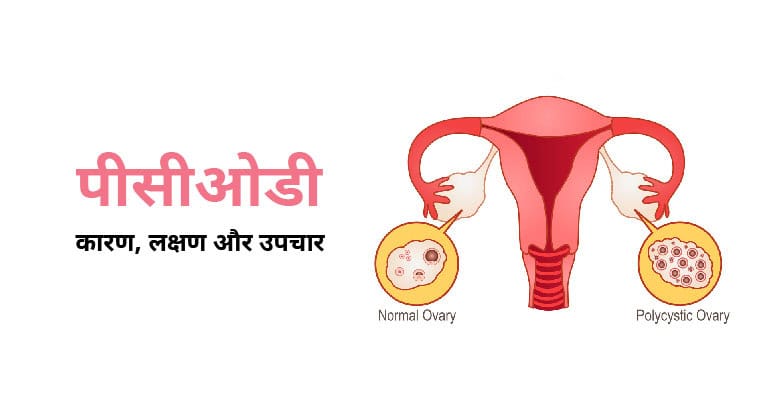
Table of Contents
पीसीओडी फुल फॉर्म ‘पॉलिसिस्टिक ओवरी डिजीज’ होता है जिसे आम बोलचाल की भाषा में पीसीओडी कहते हैं। यह महिलाओं को प्रभावित करने वाली एक कॉमन समस्या है जो मुख्य रूप से हार्मोन में असंतुलन के कारण होती है। पीसीओडी से पीड़ित महिला के शरीर में पुरुष हार्मोन यानी एण्ड्रोजन का स्तर बढ़ जाता है एवं अंडाशय पर सिस्ट बनने लगते हैं। पीसीओडी में प्रेगनेंसी हासिल करना एक महिला के लिए थोड़ा चुनौतीपूर्ण हो सकता है।
पीसीओडी के अनेक कारण हो सकते हैं, लेकिन निम्नलिखित को इसके मुख्य कारणों में गिना जाता है:
पीसीओडी के लक्षण पर ध्यान देकर इसे गंभीर रूप लेने से रोका जा सकता है। पीसीओडी के लक्षणों में निम्न शामिल हो सकते हैं:
अगर आप ऊपर दिए गए लक्षणों को खुद में अनुभव करती हैं तो जल्द से जल्द स्त्री रोग विशेषज्ञ से परामर्श करना चाहिए। उपचार शुरू होते ही आप खुद में पीसीओडी ठीक होने के लक्षण अनुभव करना शुरू कर सकती हैं।
इसे भी पढ़ें: जानिए प्रेगनेंसी में संबंध बनाना चाहिए या नहीं ?
विशेष रूप से पीसीओडी का मेडिकल जांच यानी निदान करने के लिए कोई ख़ास एक परीक्षण नहीं है। डॉक्टर आपके लक्षणों, दवाओं और किसी भी अन्य चिकित्सा स्थितियों की चर्चा के साथ शुरू कर सकते हैं। डॉक्टर आपके मासिक धर्म और वजन में किसी भी बदलाव के बारे में भी पूछ सकते हैं। साथ ही, शारीरिक परीक्षा में अतिरिक्त बालों के विकास, इंसुलिन प्रतिरोध और मुँहासे के संकेतों की जाँच की जा सकती है।
पीसीओडी टेस्ट के लिए डॉक्टर निम्न जांचों का सुझाव दे सकते हैं:
अगर आपको पीसीओडी टेस्ट के दौरान इस समस्या का निदान होता है तो डॉक्टर कुछ ख़ास उपचार, डाइट, और जीवनशैली में बदलाव आदि का सुझाव देते हैं।
ये भी पढ़े: गर्भाशय कैंसर के कारण, लक्षण और उपचार (Uterine Cancer in Hindi)
समय पर पीसीओडी को नियंत्रित नहीं करने यह दूसरी अनेक समस्याओं का कारण बन सकता है। पीसीओडी की जटिलताओं में शामिल हैं:
पीसीओडी का इलाज संभव है। हालाँकि, पीसीओडी एक हार्मोनल समस्या है, इसलिए इसका उपचार लंबा चलता है। पीसीओडी का उपचार कई तरह से किया जा सकता है। डॉक्टर पीसीओडी के कारकों के आधार पर उपचार प्रक्रिया का चयन करते हैं।
पीसीओडी प्रॉब्लम ट्रीटमेंट के लिए सबसे पहले डॉक्टर मरीज को जीवनशैली में सकारात्मक सुधार लाने और अपने खान-पान पर ध्यान देने का सुझाव देते हैं। मासिक धर्म चक्र को ठीक और ओवुलेशन में सुधार करने के लिए डॉक्टर कुछ दवाएं निर्धारित करते हैं। साथ ही, कुछ खास व्यायाम की मदद से वजन कम करने का सुझाव देते हैं। आपके लिए बेस्ट पीसीओडी का उपचार क्या है इस बारे में डॉक्टर से बात करें।
कुछ बातों को ध्यान में रखकर पीसीओडी की रोकथाम की जा सकती है। इसमें मुख्य रूप से शामिल हैं:
पीसीओडी को बीमारी नहीं कहा जाता है, क्योंकि इसे जीवनशैली और डाइट में सकारात्मक बदलाव लाकर ठीक किया जा सकता है जबकि पीसीओएस एक मेटाबोलिक विकार है। पीसीओएस की तुलना में पीसीओडी ज्यादा कॉमन है।
फिलहाल पीसीओडी का परमानेंट उपचार उपलब्ध नहीं है, लेकिन कुछ उपायों की मदद से इसके लक्षणों को दूर कर महिला एक नॉर्मल जीवन जी सकती है।
पीसीओडी में प्रेगनेंट होना संभव है, लेकिन काफी परेशानियों का सामना करना पड़ सकता है। क्योंकि पीसीओडी से पीड़ित महिला की ओवरी में अंडे ठीक तरह से नहीं बनते हैं और नाही अंडे की क्वालिटी एवं आकार उचित होती है।
पीसीओडी एक हार्मोनल समस्या है जो हार्मोन में असंतुलन होने के कारण होती है। अस्वस्थ जीवनशैली और गलत खान-पान के कारण हार्मोनल समस्याएं पैदा होती हैं जो पीसीओडी को जन्म दे सकती हैं।
विशेषज्ञ के मुताबिक, पीसीओडी का कोई स्थायी इलाज नहीं है, लेकिन ज्यादातर महिलाएं अपेक्षाकृत सामान्य और सक्रिय जीवन जी सकती हैं। इसके लिए एक सक्रिय जीवनशैली और स्वास्थ्य प्रबंधन की आवश्यकता है। प्रत्येक लक्षण, जैसे कि अनियमित मासिक धर्म, चेहरे के बाल, वजन बढ़ना, मुँहासे और बांझपन, को व्यक्तिगत रूप से संबोधित किया जाता है।
पीसीओडी से पीड़ित महिला के शरीर में हार्मोनल असंतुलन होता है जिसके कारण उसके पीरियड्स में अनियमितता आती है। नतीजतन, पीरियड्स पहले आ जाते हैं, या देर से आते हैं या कई बार नहीं भी आते हैं। ऐसे में विशेषज्ञ से तुरंत परामर्श करना चाहिए।
अपने पीसीओडी डाइट प्लान में रोजाना फल को जरूर शामिल करें। आप अपने आहार में लाल अंगूर, चेरी, ब्लूबेरी, ब्लैकबेरी, स्ट्रॉबेरी और सेब जैसे फलों को शामिल कर सकते हैं। ये फल ग्लाइसेमिक इंडेक्स (जीआई) में कम होते हैं, जो इंसुलिन संवेदनशीलता के लिए सहायक होते हैं।
पीसीओडी से छुटकारा पाने के लिए इन खाद्य पदार्थों से करें परहेज:
Robust menstrual and reproductive health is an important aspect of a woman’s well-being. Like any other system in the body, the reproductive system must be nurtured with care.
But at times, despite your attention to it, your reproductive system is susceptible to certain conditions. For instance, developing ovarian cysts is common among women. They often go away on their own but sometimes they can escalate into conditions that cause pain and several other symptoms. Let’s understand what exactly are ovarian cysts.
Table of Contents
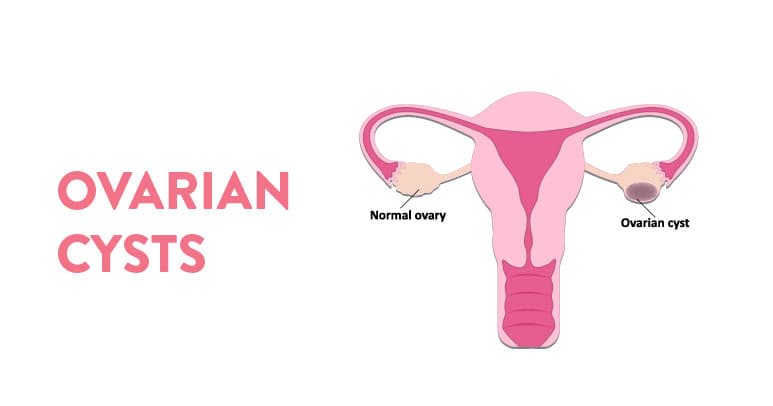
Every woman has two ovaries located on either side of the uterus. The role of the ovaries is to produce and develop eggs or ova, which are released during the monthly menstruation cycle.
Sometimes women develop ovarian cysts, meaning fluid-based pockets that grow on top of or inside the ovaries. An ovarian cyst in the uterus is also a possibility. Expectant mothers may also develop ovarian cysts during pregnancy.
Typically, these cysts are harmless and disappear on their own. However, those that get ruptured can cause serious damage to your health. Here is everything you need to know about ovarian cyst causes, symptoms, and ovarian cyst treatment to enjoy good health.
Here is a demarcation of the various types of ovarian cysts:
During the menstrual cycle, the ovary releases an egg, which grows within a sac known as the follicle. On maturing of the egg, the follicle opens and releases the egg.
However, sometimes the follicle does not break open, which makes it grow into a cyst. Also known as functional ovarian cyst, this type usually vanishes within three months and has no adverse effects on the human body.
When follicles break open and release the egg, the now-empty sacs shrink into a mass of cells known as the corpus luteum. These cells play an important role – they produce the hormones required to prepare for the next menstrual cycle.
However, sometimes after the egg is released, the sac does not shrink and instead re-seals itself. This causes fluid to build up inside the sac, leading to the formation of corpus luteum ovarian cysts. They tend to go away after a few weeks.
However, sometimes they grow up to four inches wide. The pressure built up may cause them to erupt and result in bleeding or twisting of the ovary, which can cause pain.
When an ovarian cyst breaks open and bleeds into the belly and lower abdomen, it is known as a hemorrhagic cyst.
This is a cystic lesion in the ovary caused by the onset of endometriosis. It is a painful disorder triggered when the inner lining of the uterus starts growing outside, resulting in a chocolate-coloured ovarian cyst. It may require medical treatment and, at times, surgery.
Typically, ovarian cysts are tiny and do not manifest as symptoms. However, there are cases where the reality is different:
Some of the common causes for developing ovarian cysts include hormonal problems, which can lead to the development of cysts that go away on their own.
Some women develop ovarian cysts during the early stages of pregnancy. It may have to be removed if it continues to remain after the placenta forms.
Infections in the ovaries and fallopian tubes can also lead to the formation of ovarian cysts.
In rare cases, ovarian cysts can turn cancerous; the risk increases with age. Post-menopausal women are thus at a higher risk of ovarian cancer.
Some early symptoms might include rapid breathing, feeling weak or dizzy, heavy bleeding, sudden bouts of abdominal pain, fever, and vomiting. However, these ovarian cyst symptoms can also indicate ruptures or hemorrhagic cysts.
Sometimes, women may develop several small ovarian cysts, resulting in a disorder known as polycystic ovary syndrome (PCOS).
The growth of so many cysts may block the ovary from producing eggs, thus making it difficult for some women to get pregnant. It can also lead to irregular menstrual cycles and impact blood flow during the cycle.
If an ovarian cyst continues to grow and enlarges enough to shift the location of the ovaries, it can lead to twisting of the ovaries. This is also known as ovarian torsion.
Typically, you might experience ovarian cyst symptoms such as severe pain in the pelvic region. This may be accompanied by vomiting and a feeling of nausea.
Another complication is when a large ovarian cyst ruptures and leads to internal bleeding, which can cause immense pain and internal damage.
It is advisable to have ovarian cysts checked by a medical professional to avoid escalation into high-risk health conditions. This can include an obstetrician-gynecologist or OBGYN, gynecologist, or a specialist such as a fertility expert based on the issue faced.
Your consulting specialist may conduct a spectrum of tests to understand the severity of the problem. These can include a pregnancy test, a pelvic ultrasound, or a laparoscopy to get a closer look inside the ovary and a CA 125 blood test to check for signs of ovarian cancer.
Your doctor may observe your condition for some time and recommend medication based on the tests. In some cases, your doctor may recommend surgery to remove the ovarian cyst, ovary, uterus, or any cancerous mass.
For fertility issues, your consulting fertility expert is the best professional to guide you on the available options.
It is estimated that 10 in every 100 women have benign ovarian cysts that do not have any adverse effects.
However, when ovarian cyst symptoms start manifesting as pain, discomfort, fever, and other side effects, it is advisable to seek a medical diagnosis at the earliest and get access to suitable ovarian cyst treatment. Timely interventions can help you live a healthy, full life.
To seek the best diagnosis and treatment for ovarian cyst symptoms, visit CK Birla Hospital, or book an appointment with Gynecologist.
You might feel sharp spurts of pain, and the frequency might vary. However, if an ovarian cyst ruptures, it can lead to instant, intense pain.
Ovarian cyst causes can range from hormonal problems and infections in the pelvic region to extreme stress and experiencing certain conditions during pregnancy.
Typically, ovarian cysts do not present any risks and tend to go away on their own. However, in some cases, they can rupture, leading to bleeding. They can also turn cancerous. Ovarian cyst symptoms must be taken seriously, especially if there is pain and other indicators of infection. A cystic lesion in the ovary can also sometimes lead to intense pain and can trigger full-blown endometriosis.
Ovarian cyst symptoms can include pain in the pelvic area, sudden weight gain, vaginal bleeding, a tendency to urinate more often, and difficulties in urinating.
Long periods of stress can lead to hormonal imbalances that, in turn, can lead to the formation of ovarian cysts.

The organs in your body are made up of tissues, which are groups of multiple cells that come together to perform a function. The tissue walls of organs enclose them and prevent abnormal interchange with organs in different body systems like the digestive, reproductive, and urinary systems.
A fistula is defined as an unusual opening that develops between two organs of the body. A vaginal fistula is a tunnel-like opening that develops in the vagina wall.
Table of Contents
Your vagina is the muscular tube that runs from your vulva and connects to the mouth of your uterus. A vaginal fistula opens between your vagina and another organ, such as the colon in your digestive system or the bladder in your urinary system. It is usually in the form of a hole caused by damage to tissue in the wall of the vagina.
The vaginal fistula can lead to an abnormal interchange of fluids, gases, and substances between organs of different systems and the vagina. It can cause urine, gas, or stools to enter the vagina.
Vaginal fistulas can also develop between the vagina and organs such as the ureters, small intestine, and rectum. For the different types of fistula, the definition of the type is based on the organs involved. For example, a vesicovaginal fistula is one of the common types of fistula that develops between the bladder and the vagina.
The symptoms are different based on the type of vaginal fistula. It helps to understand the signs of a vaginal fistula so you can know if you need to get a check-up done.
This type of fistula forms between the vagina and organs in your urinary system. Symptoms of urogenital fistula include:
The most common type of urogenital fistula is a vesicovaginal fistula. It develops between the wall of the vagina and the bladder. This leads to urine leaking through the vagina and causes an odorous smell. Vesicovaginal fistulas usually occur due to a complication after surgery involving the bladder or vagina.
These fistulas form between the vagina and organs in your digestive system. Symptoms of Intestinal-vaginal fistula include:
A common type of fistula between the vagina and the digestive system is a rectovaginal fistula. A rectovaginal fistula is an unusual opening between the rectum (the lowest part of the large intestine) and your vagina. It can cause bowel contents like gas and stool to leak into the vagina.
A rectovaginal fistula forms as a result of:
Symptoms of a rectovaginal fistula include:
A fistula in women is usually caused by tissue damage or inflammation. Traumatic vaginal fistulas occur due to damage to the tissue walls of the intestine, the urinary tract, or the vagina. This can happen due to surgical procedures/operations or prolonged labor during childbirth.
An inflammatory fistula in women can form due to abscesses or cysts in the vagina or other traumas arising from disease or infection such as a tumor disease or inflammatory bowel disease like Crohn’s disease.
A genital fistula can form when there is the insufficient blood supply to the vaginal tissue, causing tissues to die. Over time, this causes a hole to form in the tissue. Albeit rarely, sometimes a person can be born with a congenital vaginal fistula.
During of vaginal fistula, the doctor will consider your symptoms and conduct a physical exam. The doctor will also recommend certain tests such as:
Treatment differs based on the types of fistula. Certain fistulas, such as those caused by infection, heal with medicines like antibiotics. A fistula caused by inflammation may heal with medication for the inflammation.
Courses of treatment may involve gastroenterology (treatment directed towards the digestive system), colorectal surgery (surgery involving the large intestine or the rectal tract), and urology surgery (involving the urinary tract). The hole caused by the vaginal fistula is covered with tissue or a special surgical material.
Fistulas can cause various complications, such as urinary and faucal leakage, kidney and vaginal infections, pain during sexual activity, and abdominal discomfort.
Childbirth and certain surgery can result in a fistula in women. It can also result from a complication arising out of cancer or a pelvic injury.
Vaginal fistulas are caused by tissue damage to the vaginal walls. The kind of vaginal fistula depends on the organs involved. The treatment may involve surgery of the affected organs. You may also be prescribed medications or system-focused treatment based on what is causing the tissue damage. To get the best treatment for vaginal fistulas, visit the CK Birla Hospital or book an appointment with Dr. Astha Dayal.
Yes, certain fistulas can heal on their own if the inflammation subsides or the infection resolves. However, this usually takes place with the help of medication to treat the infection or the cause of the inflammation or tissue damage. For a vaginal fistula, treatment will usually depend on the cause and nature of the fistula.
You can visit a clinic, and the doctor will conduct a physical exam, which would usually include a pelvic exam for a genital fistula. The doctor will also use scans like an MRI scan, CT scan, or ultrasound to check the tissue involved.
Vaginal fistula surgery is performed under anesthesia. You may experience some pain and discomfort after surgery, and the wound takes some weeks to heal.
You can prevent a fistula by maintaining a healthy diet to promote healthy tissue. You can also maintain good hygiene to avoid the development of infections. To avoid a genital fistula, maintaining healthy sexual habits and genital hygiene are important.
Fistula in women is usually caused by tissue damage that leads to the development of a rupture in the tissue that makes up an organ. This can be due to a surgical procedure, prolonged labour during childbirth, an accident or traumatic injury, or damage caused by inflammation or infection.

If you are hearing an unusual ringing or whistling sound that others cannot hear, you might be suffering from an ear-related problem called tinnitus.
Table of Contents
Tinnitus is a medical condition that causes you to experience ringing or buzzing in your ears. Other sounds you might hear include roaring, whistling, and hissing.
The noise you hear isn’t caused by an outside noise of any kind; hence, other people will not be able to hear it either.
Tinnitus is estimated to affect up to 15 to 20% of people around the world and is often experienced by the elderly. According to research, 1 to 3% of patients with this disease can experience the severe quality of life repercussions.
Tinnitus can be caused by many reasons. Here are a few common tinnitus causes:
There are delicate hairs inside your ear. Sound vibrations make these hairs vibrate, which is important for hearing.
When the hair cells break or bend, they leak electrical impulses that cause tinnitus. This happens mostly due to old age or prolonged exposure to loud noises.
Various drugs such as nonsteroidal anti-inflammatory drugs (NSAIDs), certain antibiotics, antidepressants, etc., may cause tinnitus. The annoying sounds usually go away once you stop taking these medications.
Your ears can get clogged up with fluid, ear wax, dirt, or other materials and cause a buildup in pressure, which can result in tinnitus.
If you’ve suffered from a head or neck injury, there is a chance that it might affect your inner ear and hearing nerves. Such injuries are one of the causes of tinnitus that is felt in one ear only.
Tinnitus may be an early symptom of Meniere’s disease. Meniere’s is characterized by abnormal pressure levels in the inner ear and can cause dizziness and disorientation.
In this condition, your eustachian tube (a passage connecting your ears to the back of your throat) remains open constantly, causing fluid or pressure buildup in your ear. This may cause a popping sensation when swallowing or yawning.
Inner ear muscle spasms can trigger tinnitus symptoms such as hearing loss and fullness in the ear. This can be caused by disorders like multiple sclerosis.
Acoustic neuroma is a benign or noncancerous growth that typically affects the auditory nerve. It can lead to tinnitus and other hearing-related complications.
Stiffening of your ear bones (otosclerosis) may affect your hearing and cause you to hear ringing or buzzing noises. Bone growth in the middle ear tends to be genetic.
If you have TMJ problems, you might experience tinnitus. This happens when your lower jawbone is not aligned with your skull.
Various conditions can affect the blood flow in your veins and arteries; these changes might cause tinnitus or make it more perceptible.
Some of the common tinnitus symptoms are:
Your Tinnitus doctor will examine the inside of your ears to diagnose tinnitus. Some common examination methods include:
This test is done to assess whether you can hear specific sounds or not. The result will then be compared with the results of people your own age. This can help in detecting tinnitus.
This test involves moving parts such as the eyes, jaws, neck, etc., to detect the presence of tinnitus.
CT or MRI scans are conducted to see if you have any ear deformities or damage.
Blood tests may be conducted to detect anaemia, heart disease, etc.
In order to treat your tinnitus symptoms, doctors may look for contributing conditions such as earwax buildup or head trauma. In some cases, they may also examine whether any medications you are on could cause tinnitus.
Depending on the underlying health condition, there are a few ways of treating tinnitus.
Having tinnitus is a frustrating experience because the symptoms and treatments are primarily unclear unless it is a treatable form of tinnitus.
However, with proper care and lifestyle changes, you can lessen the severity of your symptoms, which may improve your quality of life. To learn more about tinnitus and avail of tinnitus treatment, visit the CK Birla Hospital or book an appointment with Dr Anish Gupta.
Yes, tinnitus causes you to experience ringing or buzzing in your ears.
Common treatments for tinnitus such as ear wax removal, blood vessel condition treatment or hearing aids can help you get rid of tinnitus.
Although tinnitus and hearing loss are related, having tinnitus doesn’t make you deaf.
It depends. Some tinnitus symptoms usually go away in 16 to 24 hours, while others may persist for months or years.
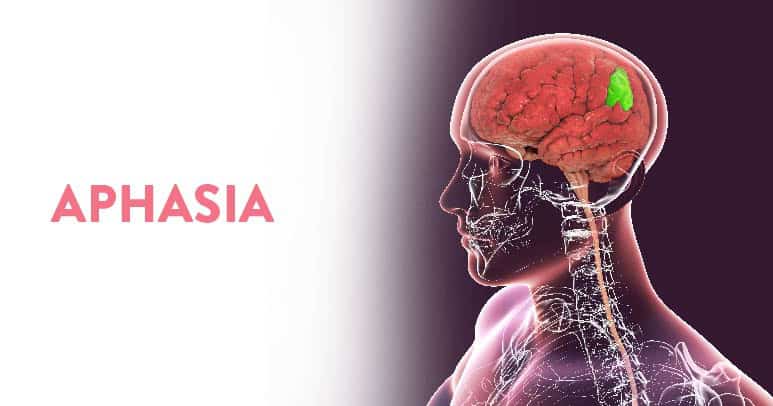
Table of Contents
Aphasia is a nervous disorder of the part of the brain that deals with language. Normally, the left side of the brain is dedicated to this function. With Aphasia, this part of the brain gets affected. It could happen due to a head injury or a stroke.
This condition can occur suddenly, or it can also develop slowly, especially when it results from a brain tumour. It also develops as a condition related to progressive neurological diseases like Alzheimer’s.
If you have this condition, your capacity to understand and communicate in languages gets impaired. It also affects your reading and writing skills. Aphasia accompanies speech disorders like speech apraxia and dysarthria (muscular speech disorders).
Medically, we define aphasia as the total or partial power to understand words following brain damage due to various reasons. Aphasia’s meaning in English is, in fact, a derivation from French and Greek words. It traces its origin to the French word “aphasie”, which literally means aphasia, but aphasia’s meaning also has Greek connotations with the Greek word “phasis”, which means “utterance, statement.”
You can get aphasia from several events. Typically, you could get it following a stroke or head injury. But then, a brain tumour could also cause it. The damage is progressive and permanent.
If you develop this condition, your symptoms could be mild to severe, depending on several factors. Typically, the extent of aphasia you may suffer depends on the extent of brain damage.
An important thing to note is that there are several types of aphasia and aphasia-like symptoms. To understand the symptoms better, you need to first understand two parts of the human brain as follows:
This part of the brain is named after a French physician by the same name who discovered it. Broca’s area is the part of the brain that controls the muscles which enable you to speak.
It is named after a German neurologist who discovered this part of the brain. Wernicke’s area is the part of the brain that controls your cognitive abilities for understanding and using appropriate words as you speak.
The above two parts of a healthy brain work in tandem with each other and enable us to speak, read, write, and communicate in various languages. Once the Wernicke’s area does its job in helping you to select the right words, it sends signals to Broca’s area, which makes the muscle produce those words.
There are several types of aphasia. The commonest types are:
We also call this type of aphasia non-fluent aphasia caused by damage to the frontal lobe of the brain. Here, you know what you want to say, but somehow the muscles of your mouth and throat don’t allow you to articulate them.
If you have Broca’s aphasia, you might restrict your speech to single words and short sentences. Your vocabulary tends to be limited, and you may find even those words difficult to articulate.
Although your comprehensive abilities might be relatively unaffected, your writing and speaking abilities may become impaired. However, people will most of the time be able to understand what you are saying.
Also known as fluent aphasia or receptive aphasia, Wernicke’s aphasia affects your ability to speak fluently and use long sentences. It is caused by damage to the temporal lobe of the brain. You may not realise that your words don’t make sense, but you may notice something wrong when people can’t understand you.
If you are afflicted with Wernicke’s aphasia, your reading and writing can be impaired. Your speech will be marked by the lack of sentences that hang together well, and you may also use irrelevant words as you speak.
With anomic aphasia, you may find difficulty in finding suitable words for what you want to speak about. You will have particular difficulty with finding nouns and verbs. It can result in your speech seeming garbled to a listener. It can also affect your writing capabilities.
With the above three types of aphasia, many people can continue to work for a considerable time. If you have a job that requires a significant degree of communication with others, you might be unable to perform your daily tasks to the expected requirements.
Regarding the life expectancy of aphasia, the estimation is typically three to twelve years after the initial diagnosis of the disease.
A positive diagnosis of aphasia disease involves a set of tests. You will have to undergo some comprehensive language tests. A speech-language pathologist is a professional who will conduct these tests. Further testing may include a computed tomography (CT) scan, a magnetic resonance imaging (MRI) test, and a positron emission tomography (PET) test.
The first line of aphasia treatment is usually language and speech therapy. It is also not uncommon for the aphasia symptoms to reduce even without treatment.
The specialist you consult will be a speech and language therapist (SLT). Your doctor can recommend an SLT for you. After many hours of speech and language therapy, your speech and language abilities can be significantly restored.
The answer to the question “What is aphasia” and other information regarding its symptoms should now be clear to you. Your next question would be “What is your life expectancy?” It depends a lot on the primary source of your illness. One of the most extreme forms of aphasia emanates from a glioblastoma (cancerous brain tumour). The life expectancy is likely to be short.
On the other hand, you may have suffered a mild stroke with fair chances of complete recovery. In such cases, the prognosis is excellent. Your overall health condition and age also have a bearing on your recovery chances. There are also cases where even post-stroke elderly patients recovered completely from aphasia.
If you suffer from aphasia-like symptoms, visit a doctor immediately. You can visit CK Birla Hospital and make an appointment with Dr. Sonali Bali who will provide you with personalised treatment at the earliest.
There are three main types of aphasia are Wernicke’s aphasia, Broca’s aphasia, and anomic aphasia. Whereas Wernicke’s aphasia is caused by damage to the temporal lobe of the brain, Broca’s aphasia is a result of frontal lobe damage. Anomic aphasia, however, can arise from damage to various parts of the brain.
You may gradually lose your language skills if you have primary progressive aphasia. Your ability to communicate may gradually diminish. You may also need daily support for your daily routine activities. You can live for up to another 12 years after being first diagnosed with aphasia.
Aphasia is a symptom of Alzheimer’s but not a form of it. If you have Alzheimer’s, you may suffer various stages of dementia, accompanied by mild aphasia symptoms. You may find difficulty finding the words and names of people.
It is commonly misunderstood that people who have Alzheimer’s don’t recognise or remember a person. You may know exactly who the person is, but you cannot form the name on your tongue due to aphasia.
You cannot get anomic aphasia through stress. But chronic stress as you may get from having a stroke can result in anomic aphasia. However, your symptoms of existing aphasia can be aggravated in the presence of stress.

