Filter :
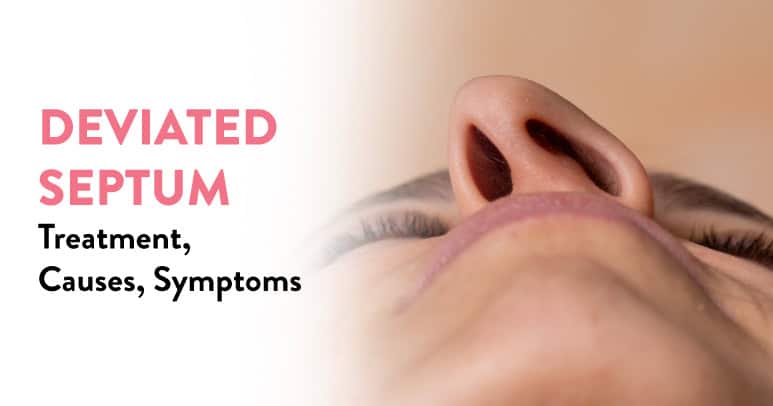
The nose is a vital organ of our body. It ensures that the air we breathe reaches the lungs directly and enables the supply of oxygen for other bodily functions. To ensure a clear flow, there is cartilage and a bone which divides the nose into the left and right nostrils. This is called the nasal septum, and close to 80% of people worldwide suffer from a deviated septum in their nose.
With this blog, renowned ENT Dr. Vijay Verma would help us understand what a deviated septum is, what are the treatments available for deviated nasal septum and give an overview of deviated septum surgery.
Table of Contents
A deviated septum is the reason why some people have crooked, deformed or bigger noses. This means that the nasal septum, i.e., the cartilage and bone that separates the nasal cavity, is askew. Due to this, the nasal cavity is unevenly divided, and one nostril is burdened with more air passage than the other, making it appear bigger and disproportionate.
While some are born with it, others suffer this condition post an injury to their noses.
Severe deviation can lead to breathing problems, blocked nose, headaches and prolonged congestion. It is a common occurrence and needs medical attention if it disrupts the quality of life of an individual. Surgery is often the best solution for such situations.
Deviated septum treatment starts with identifying the problem. But the symptoms only surface when the deviated septum starts disrupting normal nasal functions. Sometimes these symptoms are mistaken for allergies or common cold and ignored.
Common symptoms of a deviated septum are:
Significant deviation can be critical in infants, owing to smaller respiratory passages. The severity of complications can increase fatality levels. However, for minor deviations and mild or no symptoms, treatment is not necessary, and duly monitored medication can lessen the associated symptoms.
Here is a step-by-step approach to deviated septum treatment:
Step 1: Contact a specialist: Once the symptoms surface the next step is to seek proper medical guidance. When you notice any of the symptoms mentioned above, reach out to an ENT specialist for assessing the severity of the condition and suggest a course of treatment or management.
Step 2: Assessment & diagnosis: Each case is different and unique. Sometimes for minor symptoms, over-the-counter medicines may be prescribed, to relieve congestion, facial pain or headache. For more severe cases the doctor will give initial medicinal relief and suggest surgery. To diagnose a deviated septum, firstly your doctor will examine your nostrils using a nasal speculum to check the septum’s placement and the size of the nostrils. Be open with your problems w.r.t. sleep, snoring, sinus and difficulty in breathing.
Step 3: Patient profiling: The best approach to deviated septum treatment is a corrective surgical procedure called septoplasty. The specialist will do proper patient profiling to assess your eligibility, based on your age, medical history, pre-existing conditions and alcohol/drug/tobacco usage.
Step 4: Septoplasty Surgery: This is a same-day surgical procedure that will take just 2 hours. The procedure depends on your specialist’s recommendation and can even include a rhinoplasty or nose job to realign your nose.
Step 5: Recovery and rehab: Recovery for this outpatient treatment will be slow as is the case for all bone-related surgeries. Due care for pain management and prevention of infections will be prioritized by your healthcare expert. In three weeks to six months, the septum will start re-aligning and healing. Towards the end of recovery, the nasal passage will be healed, and you will be able to breathe normally through your nose instead of your mouth. For a successful procedure, avoid bumping your nose and ensure you follow your surgeon’s advice to the letter.
To summarize the above:
For most people, a deviated septum will not cause problems in their day-to-day life. But if you have severe symptoms, a corrective septoplasty may be the right course of action. Depending upon individual cases, rhinoplasty might be prescribed. This problem will not resolve on its own. Proper diagnosis and on-time treatment will help prevent the fatality of the condition. To know more about Deviated Septum Treatment, book your appointment with Dr. Vijay Verma today.
You will develop breathing difficulty, headaches and frequent nosebleeds , among other symptoms. Your nostrils will be unbalanced and deformed, leading to problems like subsisting sinusitis and internal infections that can be breeding grounds for more severe fatalities.
It is very common, and its severity depends on person to person. Approximately 80% of the global population suffers from this anomaly. The deviation can be a mild misalignment without any noticeable symptoms.
Most people don’t know they have a problem until the symptoms become severe. Complications can arise if the condition is left untreated. A strong indicator is a difficulty in breathing. Once diagnosed, consult a specialist and explore treatment options to minimize long-term health risks. This condition will not disappear on its own, so don’t ignore it.
It will increase frequent sinus infections, chronic inflammation and irritation in the nasal cavity and can lead to a serious condition called sleep apnea. Here the body stops breathing in sleep, restricting the oxygen flow. It makes you more susceptible to high blood pressure, stroke, heart attacks, diabetes, depression, ADHD and more.
When you feel constant pressure and discomfort for a basic human activity like breathing, the body is bound to get tired. Also, since the oxygen flow is restricted, it will lead to increased build-up of fatigue, impacting our daily performance in school and work.
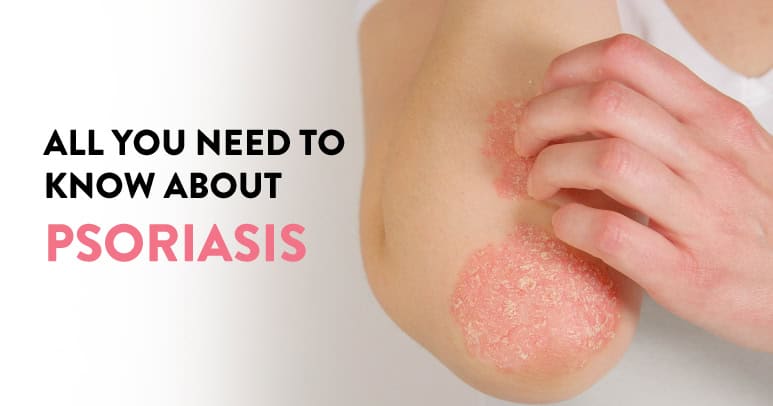
Psoriasis is an autoimmune disease that causes patches on the skin that become inflamed, itchy, scalp, sore, and very dry. As per several types of research, there are more than 125 million people worldwide with psoriasis. Dr. Seema Oberoi, explains what exactly is psoriasis, its symptoms, risks and complications associated with psoriasis, and the treatment plan for psoriasis.
Table of Contents
Psoriasis is a common autoimmune disease with no cure. It is a condition in which the skin cells build up and start to form scales and itchy dry patches which leave the skin inflamed. There are visible signs of inflammation in the body such as raised plaques and scales on the skin. People suffering from psoriasis tend to go through cycles, experience flaring for a few weeks, and then it subsides for a while. The flaring up of skin is because of the overactive immune system that speeds up the growth of skin cells. On one hand, where the normal skin cells completely grow and shed off in a month, with psoriasis, on the other hand, the skin cells do this in a span of 3-4 days, and so instead of shedding, the skin cells start to pile up on the surface of the skin.
There are several types of psoriasis, each of which varies in its signs and symptoms. Let us discuss the signs and symptoms based on the type of psoriasis.
This is the most common type of psoriasis. Below are some of the signs to look for a better diagnosis.
As the name suggests, this type of psoriasis mostly affects fingernails and toenails. Below are some signs and symptoms to look out for:
Guttate psoriasis is usually found in young adults and children. The trigger point of Guttate psoriasis is strep throat due to bacterial infection. Below are some of the symptoms of guttate psoriasis.
Inverse psoriasis affects skin of the groin, armpits, breasts and hips. Below are some of the symptoms of inverse psoriasis.
Erythrodermic psoriasis is one of the least common type of psoriasis. Below are some signs and symptoms of erythrodermic.
Psoriasis is an autoimmune disorder. The exact cause of psoriasis is still unknown. Let is discuss some of the most common and known causes of psoriasis.
Your healthcare expert will ask you questions with respect to your symptoms. After understanding your signs he will further examine your skin and suggest you to undergo a biopsy. He/She will take a small sample of your skin to examine under the microscope. This diagnosis will help determine the type of psoriasis and help plan the next course of action.
The treatment of psoriasis helps to stop the abnormal growth of skill cells that are growing way too quickly than they should. Treatment options include –
The treatment plan of psoriasis depends on the severity of the condition and how well the body is responding to the the type of treatment.
Diet plays an important role in triggering and combating the inflammation caused by psoriasis. Follow the below diet to keep the psoriasis in control:-
Your Psoriasis doctor will be the best person to suggest you the right diet plan or ask you to consult a registered dietitian to understand which food items are good and which are bad for your health.
Psoriasis can be difficult to manage, particularly if the diseased skin is visible to others or covers a significant portion of your body. But this shouldn’t be the case, it should not make the individual uncomfortable or anything to be ashamed of. Visit CK Birla Hospital to know more about Psoriasis and consult with our expert Dr Seema Lall.
Ques 1. What clears psoriasis fast?
Following are some of the topical items that can help calm psoriasis.
Ques 2. Is psoriasis caused by stress?
Psoriasis is not caused by stress but it can surely trigger psoriasis. Stress can make psoriasis flares worse.
Ques 3. Can psoriasis be cured?
Psoriasis is a condition with no known cure. It can be painful and may interfere with your day-to-day activities but there is no cure found till now. There are certain medications that may help relieve the discomfort and inflammation.
Ques 4. Is psoriasis a fungus?
Psoriasis is an autoimmune condition that lasts for a lifetime, but proper treatment can help control its symptoms. Fungal infections can trigger psoriasis.
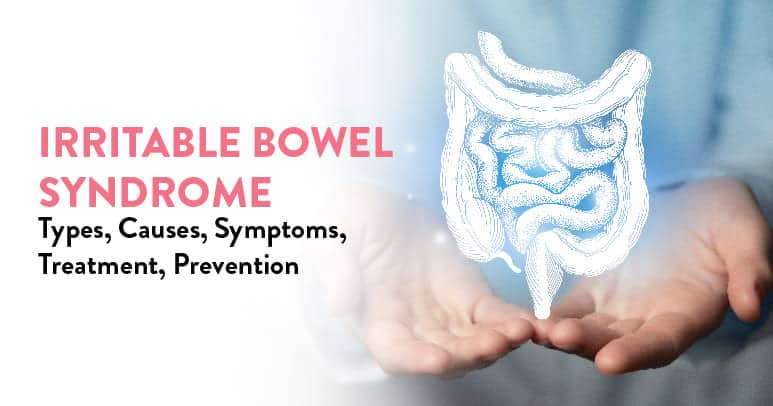
We know that stomach rumbling is the worst. Irritable Bowel Syndrome is one such condition in which the patient experiences abdominal cramping, bloating, gas, diarrhoea, and constipation. Many researchers have made a vigorous effort to find the cause of IBS, but it is still unclear; it may be related to an overly sensitive immune system or colon. Dr. Anukalp Prakash explains in detail what is Irritable Bowel Syndrome, its symptoms, causes, types, diagnosis, and treatment.
Table of Contents
Irritable Bowel Syndrome is a gastrointestinal disorder that causes severe pain in the stomach and leaves the patient with severe diarrhoea and constipation. The exact cause is unknown, and the IBS is only declared to the patient based on the symptoms. People with IBS experience notable changes in bowel movements, resulting in diarrhoea and constipation. When the intestines become irritated, it results in irritable bowel syndrome.
The signs and symptoms of irritable bowel syndrome may vary from person to person. Below are some known symptoms of IBS.
The patient might feel extreme pain in the abdominal area due to disturbances in bowel movement.
When the individual finds it difficult to pass or has a feeling of an incomplete bowel movement, it indicates constipation.
You may suffer cramping in your gut or feel like your bowel movement isn’t finished. Many sufferers have gassiness and see their abdomen as swollen. Regular restroom visits and ongoing pain might make life more difficult.
Patients with irritable bowel syndrome (IBS) frequently experience bloating. IBS sufferers frequently complain of gas, including bloating, significantly affecting their ability to go about their everyday lives. Bloating is frequently cited as one of the more troubling IBS symptoms.
IBS with diarrhoea (IBS-D) is characterised by frequent bowel motions, loose, watery stools, cramps, bloating, and stomach pain.
Individuals with IBS experience mucus from the rectum. If there is a large amount of mucus in the stool, it indicates Irritable bowel syndrome.
The symptoms of IBS may go on for some time, but they return. Some individuals do, however, experience ongoing symptoms.
Though the exact cause of IBS is still unknown, certain risk factors can trigger IBS.
As the first step, the doctor conducts a physical exam and understands a medical history. After that, the healthcare provider will further ask about the existing symptoms so that a proper diagnosis can be made. Below are some questions that the doctor may ask the patient.
You might require additional testing depending on your symptoms to confirm a diagnosis. Other conditions that resemble IBS can be ruled out using blood tests, stool samples, and X-rays can rule out other conditions that resemble IBS.
There are specific additional tests recommended for IBS:-
IBS treatment aims to reduce symptoms as much as possible to allow you to lead an everyday life.
Things that are a BIG NO:-
Though there is no cure for IBS, proper diagnosis and on-time treatment can help the individual manage the symptoms and regain a better quality of life. To know more about Irritable bowel syndrome, book your appointment today with Dr. Anukalp Prakash.
Irritable bowel syndrome causes cramps, stomach aches, severe bloating and gas and does make you feel weak after severe diarrhoea.
People above the age of 40 are at risk of developing IBS. However, your eating habits and not-so-strong immune system can also trigger IBS. As per research, women are more prone to be affected by Irritable bowel syndrome than men.
Several things can trigger IBS, like carbonated drinks, fatty undigestible food items and people who are lactose intolerant.
There is no cure or prevention for Irritable Bowel syndrome; however, individuals can do certain things not to trigger it. You can take steps to prevent IBS symptoms by making lifestyle changes that include a nutritious diet, lowering stress, and taking medications as directed.
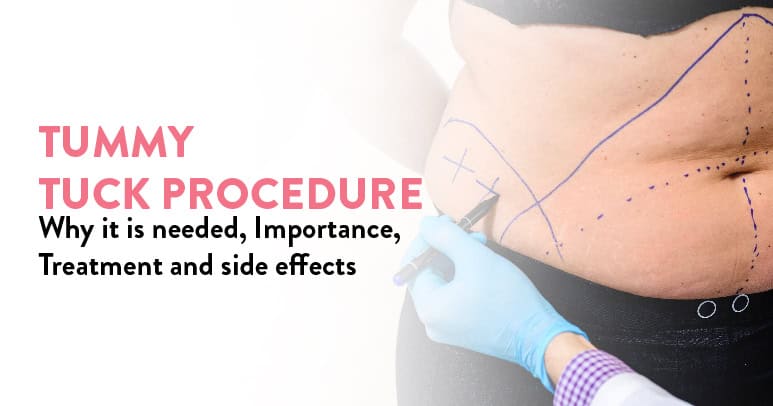
Getting rid of the extra shredded fat that is left after losing an excessive amount of weight becomes necessary because it is difficult to lose that lose and saggy fat on its own. The cosmetic surgical procedure done to remove that excess fat is called tummy tuck or abdominoplasty. It helps to improve the shape and appearance of the abdominal area.
shares her/his views on what a tummy tuck is, why it is done, how one should prepare for a tummy tuck, how it is done, and what are the side effects and complications associated with a tummy tuck.
Table of Contents
An abdominoplasty is a cosmetic surgery that helps to remove the excess skin/fat. An abdominoplasty (tummy tuck) is a major surgery that removes excess skin and fat from the abdomen. This surgery not only helps to remove fat but also helps to strengthen the muscles in the abdominal wall. This surgical procedure is known as tummy tuck or abdominoplasty.
It is necessary for one to educate themselves before moving ahead with the procedure. One should thoroughly analyze the situation and take appropriate time before arriving at a final decision. It is important to understand this procedure should not be done as an alternative to weight loss.
Following are some of the reasons why one would need an abdominoplasty.
A tummy tuck helps to remove loose, excess fat, skin and strengthen and tighten the weak muscles. It also helps to remove stretch marks, and excess skin in the lower abdomen i.e. below the belly button as that is the most stubborn fat.
Combining a tummy tuck with other body-contouring operations like breast surgery is an option. If you have had liposuction, a tummy tuck may also be necessary because liposuction just removes fat and the tissue directly beneath the skin. It does not remove any extra skin.
How abdominoplasty is done depends on the type of result a patient wishes to have. The surgery can take from 1 hour to 5 hours as per the location of the surgery. Below are certain types of tummy done:-
Complete abdominoplasty is mostly done when the correction is way too much. The surgeon starts with an incision around the bikini line i.e. roughly around where the public hair starts. The quantity of excess skin that is removed determines how long the scar will be. The skin and its muscles will eventually be adjusted by your surgeon. The whole procedure takes approximately 2 hours.
This is done with shorter incisions and is often done on people who have less excess skin to be removed. In the whole process, your belly button will not be moved. The surgeon will separate the line of incision and the belly button. The whole procedure usually takes 1 to 2 hours.
This surgery is usually done there is excess fat in the back and also the abdominal area. The doctor may recommend you to either have liposuction of the back or this circumferential abdominoplasty. If you go forward with a circumferential tummy tuck procedure the doctor will be able to remove both skin and fat from the hip and back area.
If you are someone who is active and works out a lot then it is advised to limit your workout and the strenuous exercise for the next 4-6 weeks. It usually takes one week to recover but every body is different and everyone’s healing process is different.
If you’re a woman who is still planning to have children, you may want to postpone a tummy tuck until you’re through bearing children. During surgery, your vertical muscles are tightened. Future pregnancies can separate these muscles once again.
If you are planning on losing weight then it is advised to avoid having tummy tuck procedure right away. It is always a better idea to first lose weight and let your weight be stabilised before moving forward with tummy tuck. Your surgeon will discuss with you all possible scenarios when you visit for consultation.
Post the surgery, the doctor will prescribe certain medications to help ease the pain and swelling. Soreness and numbness may last a few days and the patient might feel tired for the same amount of time.
Be it any surgery, it comes with certain risks of side effects. Below are some complications that may occur:
A stomach tuck can improve the appearance of your belly by removing excess and extra fat and skin and also strengthens your abdominal wall. If right weight is maintained, the benefits of tummy tuck are permanent and long lasting.
Q1. Is it safe to get a tummy tuck ?
The whole procedure is safe but every individual’s body is different and therefore befor removing forward it is advised to know if tummy tuck is the right treatment plan for you.
Q2. What are the health benefits of getting a tummy tuck?
Following are the benefits of getting tummy tuck:-
Q3. Is getting a tummy tuck painful?
No, the procedure is done after giving anesthesia. Post surgery, the area corrected will be swollen and sore for a few days but will eventually start to heal and relieve any slight pain or discomfort.
Q4. How long will a tummy tuck last ?
If the weight is maintained, the tummy tuck procedure is long-lasting and permanent.
Q5. Can a tummy tuck cause stomach issues ?
Yes, there might be situations in which the patient might experience constipation post tummy tuck procedure.
Q6. Can you conceive (have a baby) after getting a tummy tuck ?
There is no theory on not being able to conceive post tummy tuck surgery. The surgery does not affect a woman’s ability to get pregnant and is also not dangerous to carry a baby post surgery.
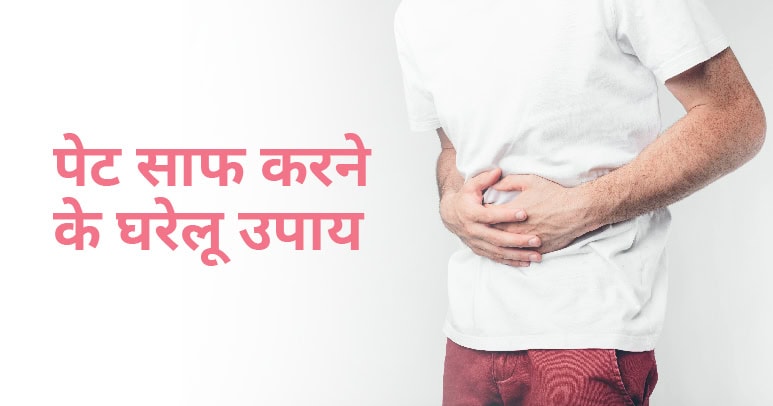
लाइफस्टाइल और खान-पान सही नहीं होने के कारण अनेक तरह की समस्याएं होती है, पेट साफ नहीं होना भी उन्हीं में से एक है। पेट साफ नहीं होने से आपका पूरा दिन खराब हो सकता है।
वैसे तो पेट साफ नहीं होने के कई कारण हो सकते हैं, लेकिन इसके मुख्य कारणों में गलत खान-पान करना, समय पर शौच नहीं जाना, व्यायाम नहीं करना, पर्याप्त मात्रा में पानी नहीं पीना, सिगरेट और चाय-कॉफी का अत्याधिक सेवन करना और निष्क्रिय जीवन जीना आदि शामिल हैं।
ये भी पढ़े: कब्ज क्या है – कारण, लक्षण, जांच और इलाज (Constipation in Hindi)
पेट साफ करने के अनेक घरेलू नुस्खे उपलब्ध हैं जिनकी मदद से इस समस्या से छुटकारा पाया जा सकता है।
पेट साफ करने के उपाय (Pet Saaf Kaise Kare)
अगर आप पेट साफ न होने के कारण (pet saaf na hone ke karan) परेशान हैं तो नीचे दिए हुए नुस्खों का इस्तेमाल कर सकते हैं:-
वैसे तो (pet saaf karne ka tarika) पेट साफ करने के अनेक तरीके मौजूद हैं, लेकिन सुबह में खाली पेट हल्का गर्म पानी पीना उन सब में अधिक प्रभावशाली माना जाता है।
नियमित रूप से सुबह खली पेट पानी पीने से पेट अच्छी तरह साफ होता है। सुबह खली पेट पानी पीने के साथ-साथ आपको पुरे दिन भी पर्याप्त मात्रा में पानी पीना चाहिए।
साथ ही, खाना खान के तुरंत बाद पानी नहीं पीना चाहिए, क्योंकि इससे गैस और कब्ज की समस्या होती है जिससे आपको बदहजमी और दूसरी समस्याओं का सामना करना पड़ सकता है।
अगर कब्ज के कारण आपका पेट अच्छी तरह से खाली नहीं होता है तो आप कुछ ख़ास योगासन का सहारा ले सकते हैं | ताड़ासन, तिर्यक ताड़ासन, पश्चिमोत्तानासन, बंधासन, कटिचक्रासन और त्रिकोणासन करने से कब्ज की शिकायत दूर होती है।
आप इन योगासनों की मदद से अपने पेट की समस्या को दूर कर सकते हैं। यह पेट साफ करने के साथ-साथ पाचन तंत्र को भी मजबूत बनाने का काम करते हैं।
हींग का इस्तेमाल पेट के लिए काफी फायदेमंद माना जाता है। पेट की समस्या से जूझ रहे लोगों के लिए हींग का सेवन प्रभावशाली होता है। एक गिलास हल्का गर्म पानी में थोड़ा सा हींग चूर्ण मिलाकर उसका सेवन करने से पेट साफ हो जाता है।
पेट साफ करने का यह एक कारगर तरीका है। रोज सुबह उठने के बाद पेट भरकर पानी पीएं और कुछ मिनटों के बाद दो उँगलियों को गले में डालकर पानी को पेट से बाहर निकालें। यह उलटी करने जैसा है।
यह शरीर से विषाक्त पदार्थों को बाहर निकालने का एक सटीक तरीका है। इस विधि का इस्तेमाल छोटे बच्चों से नहीं करवाना चाहिए। अगर आप इसे पहली बार कर रहे हैं तो एक ट्रेनर की निगरानी में करें।
रुबर्ब का इस्तेमाल पेट साफ करने की दवा (Pet Saaf Karne Ki Dawa) के रूप में किया जा सकता है। यह एक गुणकारी पौधा है जिसका इस्तेमाल भोजन और दवा के रूप में सालों से किया जाता रहा है। यह दिखने में पालक की तरह होता है। इसका इस्तेमाल चटनी के रूप में किया जा सकता है। गैस, कब्ज, दस्त या पेट से संबंधित दूसरी समस्याओं को दूर करने का यह एक प्रभावशाली तरीका है।
इन सबके अलावा, दूसरे भी अनेक ऐसे नुस्खे हैं जो पेट साफ करने में मदद कर सकते हैं। इसमें मुख्य रूप से गुनगुना पानी, शहद और नींबू, अजवाइन, सेब, दही, सेब का सिरका, कच्ची सब्जियों का जूस, अलसी का बीज, तुलसी और नारियल पानी आदि शामिल हैं।
पेट साफ नहीं होने का सबसे बड़ा लक्षण है पेट फूलना और पेट में दर्द होना। इसके अलावा, आप दूसरे भी अन्य लक्षणों को अनुभव कर सकते हैं जैसे कि:-
पेट साफ नहीं होने पर आपको पर्याप्त मात्रा में पानी पीना चाहिए। अपनी डाइट में सुधार करना चाहिए और रोजाना सुबह या शाम को नियमित रूप से व्यायाम करना चाहिए। इन सबसे फायदा नहीं होने पर डॉक्टर से परामर्श करना चाहिए।
पेट साफ करने के लिए आपको हरी पत्तेदार सब्जियों और ताजा फलों का सेवन करना चाहिए। साथ ही, अपनी डाइट में लस्सी और दही को शामिल करना चाहिए। इन सबके अलावा, रोजाना सुबह खाली पेट हल्का गुनगुना पानी पीना सबसे बेहतर है।
पपीता, सेब, संतरा, नाशपाती, अमरुद, कीवी, आलूबुखारा और नींबू का खाने से पेट साफ होता है।
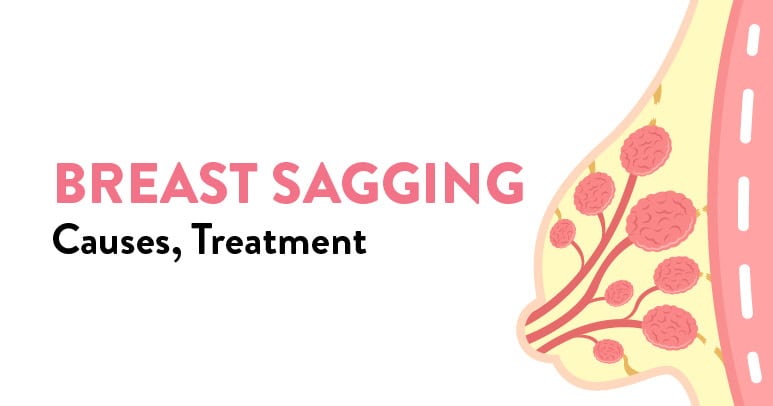
There are certain things a woman experiences as she ages, one such is sagging breasts. This change is completely natural and it is completely understandable if any woman does not want saggy breasts and wishes to find ways to either prevent or improve them.
Dr. Rohan Khandelwal, explains why this can happen, its causes, ways to treat saggy breasts, prevention of sagging breasts point out some natural home remedies for sagging breasts.
Table of Contents
A woman shouldn’t be ashamed of having saggy breasts. Every woman’s breast is different, breasts come in different shapes and sizes and they do and can change over time. Change in a woman’s breast is not a dangerous thing and not something to worry about but it may affect her self-confidence and quality of life.
There are several factors that may have led to saggy breasts, such as age, pregnancy, weight, etc. A person in his or her early 20s or 30s may experience saggy breasts and some may experience it in their 40s or 50s.
Let us understand some causes of saggy breasts and what steps can a person take to change the appearance of saggy breasts id and when they wish to.
Breast sagging is also known as breast ptosis, which occurs when the cooper’s ligaments in your breasts, which lift, shape, and support your breast, stretch and lose their structure, causing the breast to sag. Droopy, deflated breasts might result from a loss of skin elasticity.
Below are some of the common causes of sagging breasts:-
No one can save themselves from ageing up, it touches every single body that touches this earth. No matter what medicines you eat, what diet you follow, and what exercise plan you take age will some or then other way catch up with you.
Sagging breasts is a normal and natural part of the ageing process, some experience sagging breasts early in their youth some experience them when they reach their 40s or 50s.
But, it is common among women who have reached menopause, as there are several hormonal changes that can affect the structure, size, shape, and volume of the breast tissue.
We must have seen that people with higher weight tend to have larger breasts than people with a lower or maintained weight. Being overweight can lead to saggy breasts, not just in females but also in males.
Sometimes women work out without wearing the right bra to support their breasts making them saggy and uncomfortable to deal with. If your breasts are heavy and you do not wear proper support, it can lead to stretching of the tissues and make your breast saggy.
Women who have small and round-shaped breasts do not have much problem but women who have large breasts succumb to gravity and start to lose elasticity and take a saggy shape. Large and saggy breasts can also cause severe back pain.
When a woman is pregnant and her hormones start to change, meaning the breast tissues and the glands begin to produce and fill up with breast milk and all of this milk can cause the breasts to become heavy and sag.
Some researchers link that there might be some history of smoking to sagging breasts, while other studies contradict this conclusion. As a result of the loss of elasticity in the skin caused by smoking, smokers are more likely to develop sagging breasts.
The following sections will help outline some treatment options.
To reduce the size of breasts, some women go through a process called breast augmentation. Depending on the size of the breast the doctor may suggest the type of augmentation required.
Doctors explain if the size of the nipple of 2cm or more than that then the breast augmentation may not work and the patient might have to consider a combination of augmentation and lift surgery.
Breast lift, also called mastopexy, is a treatment in which the doctors remove extra tissue and skin from the breast to reshape and increase the support to the breast. Breast lifts do not modify the shape and size of the breast tissue, but in fact, remove the extra skin.
Stitch in time saves nine. It is always better to prevent something than to try to treat it later on. Sagging breasts is one such problem, there are certain things women can do to prevent themselves from having saggy breasts.
Nobody is asking you to lose weight or gain weight. Instead, maintaining a healthy weight can be beneficial for you as it may help prevent breast sagging and keep your breasts firm and in the right shape for as long as possible.
For athletic women or women who are into cardio exercises like jogging, it is essential for them to reduce too much mobility of their breasts. Working out without wearing a sports bra can cause stretching and sagging of breasts.
Smoking is like a slow killer. It starts to affect your body by destroying the lungs and overall functioning of the body. Smoking though has no proven theory regarding its effect on breast sagging but researchers have warned that smoking may cause the breast tissues to lose their firmness and also speeds up the ageing process by destroying elastin, a protein which keeps the skin remain supple.
Below are remedies that may or may not work for everyone and are not medically proven and are mentioned for awareness purposes.
If sagging breasts is a concern for you, then the fastest way of tightening sagging breasts is getting a surgical treatment as recommended by the doctor.
Wearing a proper fit sports bra, focusing on chest exercises to firm up the breasts and maintain a healthy weight. The last resort is to get a surgical treatment to help firm up sagging breasts.
Unfortunately, no because breasts are not made up of any muscles and it is not possible to firm up the breasts tissue with exercise also. It can help improve the strength and tone of muscles but permanent firming up will not be possible unless breast lift surgery is performed.
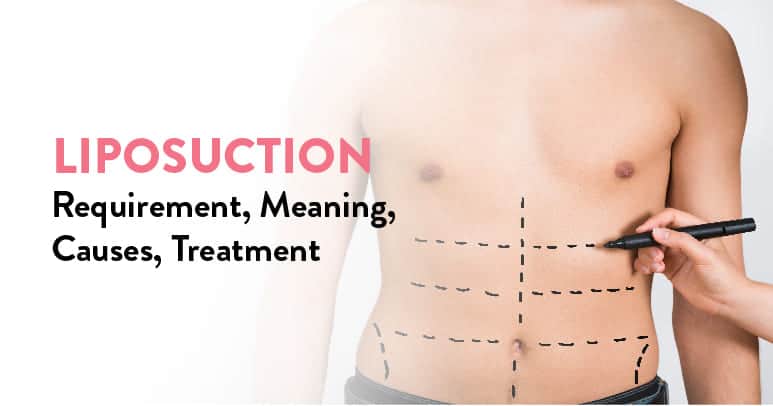
Liposuction is a surgical procedure used to remove extra body fat. The fat is removed through an intrusive process when it is far too stubborn to go away on its own. Only with the help of cutting-edge technologies is it now feasible to get rid of excess and undesired body fat, which is challenging to lose even when one leads a healthy and active lifestyle.
Dr. Priya Bansal share her views on why liposuction is done, what are the risks associated with it, how one can prepare and what one can expect in liposuction, various types of liposuction, its recovery period and covered everything else about liposuction. Let us begin this article by understanding –
Table of Contents
Liposuction is a procedure done to remove excess fat, and this procedure can be done on any part of the body that hasn’t been well responsive to exercise and a healthy diet.
Parts of the body where liposuction or fat reduction surgery can be performed:
Also, liposuction can also be used to reduce the size of the breast or in the treatment of gynecomastia.
Simply put, when you gain weight the fat cells also increase in size and volume, and here liposuction comes in picture, it reduces the number of fat cells in the affected or specified area where there is excess fat. The amount of fat that needs to be removed will always depend on the location of the fat and off course the volume of the fat in the area.
Liposuction though is a cosmetic surgery, but is way too complex and serious surgery which surely comes with its own set of pros and cons associated with it. Before proceeding with the surgery, it is always advisable to consult with your plastic surgeon with respect to the risks that can occur during or post surgery.
The risks during the surgery include:-
The risks after the procedure include:
The risks during recovery include:
Liposuction is a surgery which might work for some and might not be appropriate for others. Every individual’s body is different and not every individual will be the right candidate for the surgery. Before starting with the procedure it is very important to discuss all your skeptical thoughts that you might have in your mind.
Before moving ahead with the decision of liposuction, below are some things you should know before hand.
People who have 30% of their ideal weight, are above 18 years of age have do not have any serious medical conditions that may affect the healing process are suitable for liposuction.
As per doctors suggestion, it is important for the individual to quit smoking to increase the chances of successful surgery.
Liposuction is not an alternative or a quick solution to losing weight quickly. In fact, the best candidate for fat removal surgery are people who are actually almost close to having a healthy body weight as per their height. The goal of the stomach fat removal is to get rid of unwanted stubborn fat deposits and which surely can’t be removed by diet and exercise alone. This method works well on patients with skin that is reasonably firm.
It makes sense that individuals would have high expectations for the procedure given that it is a cosmetic procedure. But it’s crucial to have reasonable expectations and not just wait around hoping for a swift recovery from the procedure. In reality, the liposuction is part of a reshaping or sight contouring procedure. Though inner beauty is where true happiness rests, outer beauty may be necessary to boost one’s self-esteem and love of oneself.
After the surgery, many people return to their daily activities but doctors advise that after the liposuction surgery, the patient should avoid any strenuous sports and other activities. The only activity that can be done is slow walking. The soreness and inflammation caused due to the liposuction surgery takes time to heal and therefore to appreciate the results of the fat removal surgery it is important to rest as much as possible.
There are different types of liposuction, your surgeon will be the best person to recommend which type of liposuction will suit you depending upon the area of the body and medical history.
This is one of the most common types of liposuction. This form of liposuction surgery involves the surgeon injecting a significant volume of a medicated solution, which is a combination of salt water that helps with the removal of extra and stubborn fat. An anesthetic and a painkiller are also included in this medicinal solution/fluid. Before the procedure, the anesthesia is given that helps to numb the area. The pain reliever helps to lessen blood loss and edema. And finally, the salt water, or IV solution, is used to remove the fat more quickly. This type of liposuction requires a lengthier time than other types.
As the name explains itself, in this type of liposuction the surgeon uses ultrasonic vibrates/waves to convert the fat cells into its liquid form. Post that, the cells can be vacuumed out. This liposuction technique may help in removing the fat from areas that are dense, and fiber filled areas of the body like upper back or male breast tissues that are enlarged.
Similar to ultrasound-assisted liposuction, laser-assisted liposuction works by liquefying fat cells so they can be vacuumed out or drained through smaller tubes but this is done by using the laser technology rather than ultrasonic vibrations. This LAL is used in more constrained areas including the chin, face, and jowls because the tubes used in the technique are smaller in size. LAL may have an advantage over other liposuction methods due to the fact that it stimulates collagen synthesis and may help reduce skin sagging after liposuction.
This liposuction technique is recommended for patients who have had liposuction in the past. This technique helps to remove a significant amount of fat more quickly and readily because of its vibration. The cannula used in the liposuction moves quickly back and forth which allows the surgeon also to work at a much faster pace with greater accuracy.
Post the surgery, swelling usually takes a few weeks to subside. During the recovery period, once the swelling is reduced the area where surgery was done might start looking less bulky. Within a period of few months, the treated area might start appearing more leaner and better.
Results of fat removal surgery is usually permanent but if you feel even a slightest discomfort then you should seek immediate help. Doctors explain that though the bodily skin has a natural tendency to lose sits firmness with age but the post liposuction the results remain permanent if you maintain the right weight.
Liposuction is a permanent procedure, but there are chances that you might gain weight if not taken care of your eating habits.
No, liposuction is not a painful procedure. As long as anesthesia medications are used before the procedure, liposuction is a relatively pain-free experience.
Yes, after liposuction the fat is removed permanently as long as the patient is able to maintain the weight.
It depends on how much fat is being removed from the body. Usually, the patient loses approximately 4.5 kilograms.
You will see a significant change in your waist size. You may even lose between 1 – 3 inches from your waist.
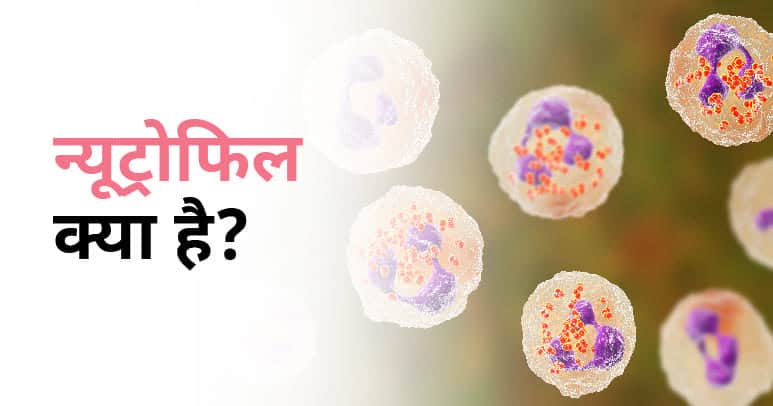
न्यूट्रोफिल एक प्रकार का सफेद रक्त कोशिका है जो शरीर को संक्रमण यानी इंफेक्शन से लड़ने के लिए शक्ति प्रदान करता है। न्यूट्रोफिल का स्तर आमतौर पर संक्रमण के कारण प्रभावित होता है, लेकिन दूसरी समस्याएं और निश्चित दवाओं का सेवन भी इसका कारण हो सकते हैं।
डॉक्टर का कहना है कि कई बार शारीरिक और मानसिक तनाव या नशीली चीजों का सेवन के कारण न्यूट्रोफिल का स्तर बढ़ सकता है। न्यूट्रोफिल वास्तव में सफ़ेद रक्त कोशिलाओं का ही एक प्रकार है जो हमें हमारे शरीर में होने वाली बीमारियों से बचाता है।
Table of Contents
डॉक्टर के मुताबिक, हमारे शरीर में न्यूट्रोफिल की मात्रा 40-70 प्रतिशत के बीच होनी चाहिए। शरीर में न्यूट्रोफिल इतनी मात्रा होने पर यह हमें बीमार होने से बचा सकता है। शरीर में न्यूट्रोफिल की मात्रा 40% से कम या 70% से अधिक होने पर कई तरह की समस्याएं पैदा हो सकती हैं।
ये भी पढ़े: इओसिनोफिलिया क्या है – कारण, लक्षण और घरेलू उपचार (Eosinophils in Hindi)
शरीर में न्यूट्रोफिल की मात्रा 70% से अधिक होने पर इसे मेडिकल भाषा में न्यूट्रोफिलिया कहा जाता है। निम्न कारणों से शरीर में न्यूट्रोफिल बढ़ सकता है:-
इन सबके अलावा, दूसरी भी अनेक ऐसी स्थितियां और समस्याएं हैं जिसके कारण शरीर में न्यूट्रोफिल का स्तर बढ़ सकता है।
ये भी पढ़े: व्यस्त दिनचर्या में अपने हृदय को स्वस्थ रखने के 10 आसान घरेलू उपाय: विश्व हृदय दिवस
जब शरीर में न्यूट्रोफिल की मात्रा 30% से कम होती है तो इस स्थिति को मेडिकल भाषा में न्यूट्रिपेनिया कहते हैं। न्यूट्रोफिल कम होने के कई कारण होते हैं जिसमें मुख्य रूप से निम्न शामिल हो सकते हैं:-
इन सबके अलावा, दूसरी भी अनेक ऐसी मेडिकल स्थितियां हैं जिनके कारण न्यूट्रोफिल की मात्रा घट सकती है। इसमें हेपटाइटिस ए, बी और सी, एचआईवी, सेप्सिस और ल्यूकेमिया आदि शामिल हैं।
अगर आपके मन में यह प्रश्न उठता है कि न्यूट्रोफिल की जांच कैसे करवाएं तो हम आपको बता दें की न्यूट्रोफिल्स के स्तर की पुष्टि करने के लिए डॉक्टर ब्लड टेस्ट का सुझाव देते हैं।
हालांकि, अगर डॉक्टर को कोई संदेह होता है तो वह अन्य जांच करने का सुझाव दे सकते हैं। इन जांचों की मदद से डॉक्टर संक्रमण के प्रकार का पता लगाकर उपचार के माध्यम का चुनाव करते हैं। उसके बाद, इलाज की प्रक्रिया शुरू होती है।
न्यूट्रोफिल का स्तर सामान्य से अधिक होने पर ढेरों समस्याओं का खतरा बढ़ सकता है जो आगे जाकर आपको परेशान कर सकते हैं। जब शरीर में न्यूट्रोफिल की मात्रा 70% से अधिक होती है तो इसे मेडिकल भाषा में न्युट्रोपेनिया कहते हैं।
न्यूट्रोफिल की मात्रा बढ़ने पर आपको घरेलु नुस्खों के भरोसे बैठने के बजाय तुरंत डॉक्टर से मिलकर इस बारे में बात करनी चाहिए। डॉक्टर जांच करके न्यूट्रोफिल बढ़ने के सटीक कारण का पता लगाते हैं, फिर उसके आधार पर उपचार के माध्यम का चयन करते हैं।
ये भी पढ़े: कोलेस्ट्रॉल कम करने का रामबाण इलाज
अगर आपके शरीर में न्यूट्रोफिल का स्तर घट गया है तो डॉक्टर से परामर्श करने के बाद आप निम्न बिंदुओं का पालन कर इसके स्तर को बढ़ा कर सकते हैं:-
ये भी पढ़े: फैटी लिवर का कारण, लक्षण और इलाज
शरीर में न्यूट्रोफिल का स्तर कम होने पर रक्त कोशिकाएं प्रभावित होती हैं जिससे आपके शरीर को संक्रमण होने का खतरा बढ़ सकता है। शरीर में पर्याप्त मात्रा में न्यूट्रोफिल नहीं होने के कारण शरीर संक्रमण से लड़ने में असमर्थ होता है। ऐसी स्थिति में कई तरह की समस्याओं का खतरा बढ़ जाता है।
जैसे शरीर में न्यूट्रोफिल की मात्रा कम होने पर कई तरह की समस्याओं का खतरा बढ़ जाता है, वैसे ही इसकी मात्रा अधिक होने पर भी अनेक समस्याएं हो सकती हैं। न्यूट्रोफिल की मात्रा को संतुलित रखने के लिए आपको अपनी जीवनशैली और डाइट पर ख़ास ध्यान देने की आवश्यकता है।
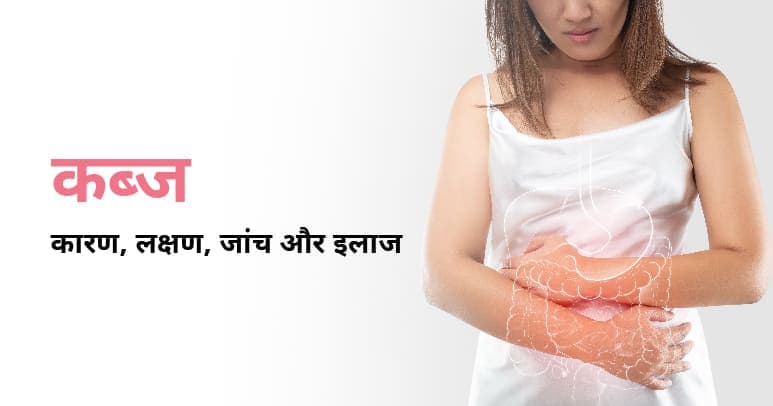
तैलीय और मसालेदार पदार्थों का सेवन करने, शराब और सिगरेट पीने, कम मात्रा मात्रा में पानी पीने और रात में देर से भोजन करने से अनेकों समस्याएं पैदा होती हैं। कब्ज (Kabz in Hindi) भी उन्हीं में से एक है।
Table of Contents
कब्ज एक आम समस्या का रूप ले चूका है जिससे हर दूसरा या तीसरा व्यक्ति जूझ रहा है। जब सप्ताह में तीन बार से कम मल त्याग होता है तो इस स्थिति को मेडिकल भाषा में कब्ज (Kabz) कहते हैं।
कब्ज किसी भी उम्र के व्यक्ति को हो सकता है, लेकिन अधिकतर मामलों में यह अधेड़ उम्र के लोगों में देखा जाता है। कब्ज होने पर आप नियमित रूप से मल त्याग नहीं कर पाते हैं या पूरी तरह से आपका पेट साफ नहीं हो पाता है।
कम मात्रा में पानी पीने से कब्ज की शिकायत होती है। हालांकि, कब्ज के मुख्य कारणों में उम्र बढ़ना, कुछ खास दवाओं का सेवन और शारीरिक गतिविधि कम या नहीं करना (फिजिकल एक्टिविटी) शामिल है।
कब्ज की गंभीरता हर व्यक्ति के लिए अलग-अलग हो सकती है। कुछ लोगों को कब्ज की शिकायत मात्र कुछ दिनों के लिए होती है, लेकिन दूसरों के लिए कब्ज क्रोनिक यानी पुरानी हो सकती है जिसके कारण उन्हें दर्द और दूसरी परेशानियों का सामना करना पड़ सकता है।
ये भी पढ़े: भूख बढ़ाने के आसान घरेलू उपाय
कब्ज का सबसे बड़ा लक्षण है पेट में गैस होना, पेट फूलना और भूख न लगना। इसके अलावा, कब्ज के दूसरे भी अनेक लक्षण हो सकते हैं जैसे कि:-
कब्ज को नजरअंदाज करने पर इसके लक्षण गंभीर रूप ले सकते हैं जिसके कारण आपकी समस्या और बढ़ सकती है। इसलिए Kabz Ke Lakshan को अनुभव करते ही आपको तुरंत डॉक्टर से परामर्श करना चाहिए।
ये भी पढ़े: पेट दर्द (Stomach Pain)के कारण, लक्षण और घरेलू इलाज
कब्ज कई कारणों से हो सकता है। इसके कारणों को ध्यान में रखते हुए कुछ सावधानियां बरतकर इस समस्या के खतरे से बचा जा सकता है।
अगर आप खुद को कब्ज से बचाना चाहते हैं तो ऊपर दिए गए कारणों को ध्यान में रखकर कुछ सावधानियां बारात सकते हैं जैसे कि खाना खाने के तुरंत बाद लेटने के बजाय थोड़ी देर तक टहलना आदि।
ये भी पढ़े: हाइड्रोसील के प्रकार, कारण, लक्षण और इलाज (Hydrocele in Hindi)
कब्ज के कारण आपको अनेक परेशानियों का सामना करना पड़ सकता है जैसे कि:-
अगर आप कब्ज और कब्ज से होने वाली जटिलताओं से बचना चाहते हैं तो अपनी डाइट और लाइफस्टाइल में सुधर करने की आवश्यकता है।
कब्ज का निदान करने के लिए डॉक्टर मरीज का शारीरक परीक्षण करते हैं और मेडिकल हिस्ट्री एवं पहले से मौजूद पाचन समस्याओं से संबंधित कुछ सामान्य प्रश्न पूछ सकते हैं। शारीरिक परीक्षण की मदद से डॉक्टर को कब्ज के कारण का पता चलता है।
शारीरिक परीक्षण के अलावा, डॉक्टर कुछ खास टेस्ट करने का सुझाव दे सकते हैं जैसे कि खून जांच, पेट का एक्स-रे, बेरियम एनिमा, कोलोनिक ट्रांजिट मार्कर स्टडीज, डेफिकोग्राफी, एनोरेक्टल मोटिलिटी स्टडीज और एमआरआई डेफिकोग्राफी आदि।
कब्ज का इलाज कई तरह से किया जा सकता है जिसमें जीवनशैली और डाइट में सकारात्मक बदलाव, जुलाब, व्यायाम, दवाएं और सर्जरी शामिल हैं।
कब्ज को दूर करने के लिए डॉक्टर फाइबर से भरपूर खाद्य पदार्थों का सेवन करने का सुझाव देते हैं। इसके अलावा, नियमित रूप से व्यायाम करना, समय पर मल त्याग करना, पर्याप्त मात्रा में पानी पीना आदि शामिल हैं।
अगर कब्ज की शिकायत लंबे समय से है तो जीवनशैली और खान-पान में खास बदलाव लाकर इसका उपचार किया जा सकता है।
जब जीवनशैली और खान-पान में बलदाव लाने के बाद भी कोई फायदा नहीं होता है तो डॉक्टर दवाओं के सेवन का सुझाव देते हैं। और जब दवाएं भी बेअसर साबित होती हैं तो डॉक्टर सर्जरी करने का सुझाव देते हैं।
अगर जीवनशैली एवं डाइट में सकारात्मक बदलाव लाने, ओवर-द-काउंटर दवाओं का सेवन करने के बाद भी कब्ज में कोई सुधार न दिखे और आपको कब्ज के कारण पेट में भारीपन, मरोड़ या दर्द अनुभव हो तो जल्द से जल्द डॉक्टर से मिलना चाहिए।
अस्वस्थ जीवनशैली और गलत खान-पान के कारण कब्ज की शिकायत होती है। स्वस्थ जीवनशौली और हेल्दी खान-पान की मदद से कब्ज के खतरे को दूर किया जा सकता है। अगर आप कब्ज का बचाव करना चाहते हैं तो निम्न बातों का पालन करना चाहिए:-
कब्ज से छुटकारा पाने के लिए आपको अपनी जीवनशैली और खान-पान पर खास ध्यान देने की आवश्यकता है। अधिक मात्रा में पानी पीएं, फल और सब्जियों को अपनी डाइट में शामिल करें, समय पर मल त्याग करें और नियमित रूप से व्यायाम करें। साथ ही, तैलीय और मसालेदार भोजन एवं शराब तथा सिगरेट से बचें।
कब्ज का इलाज करने के लिए अनेक दवाएं मौजूद हैं। डॉक्टर कब्ज के कारण की पुष्टि करने के बाद दवा निर्धारित करते हैं।
पेट में कब्ज होने पर आपको हल्का और थोड़ी मात्रा में भोजन करना चाहिए। पर्याप्त मात्रा में पानी पीना चाहिए और अपनी डाइट में ताजे फलों एवं हरी पत्तेदार सब्जियों को शामिल करना चाहिए।
कब्ज होने पर तेल और मसालेदार खाद्य पदार्थों से बचना चाहिए। साथ ही, सिगरेट और शराब के सेवन से भी बचना चाहिए। रात में भारी और देर से भोजन करने से बचना चाहिए।
कुछ लोगों को दूध के कारण कब्ज की शिकायत हो सकती है। अगर आपको दूध का सेवन करने से किसी तरह की कोई समस्या नहीं है तो दूध का सेवन कर सकते हैं और अगर दूध से कब्ज या गैस की समस्या होती है तो इससे बचें।

