Filter :
Table of Contents
मिर्गी केंद्रीय तंत्रिका तंत्र से संबंधित एक विकार है जिसकी स्थिति में मस्तिष्क की तंत्रिका कोशिका की गतिविधि बाधित होती है। नतीजतन, मरीज को दौरे पड़ते हैं, वह बेहोश हो सकता है या कुछ समय तक असामान्य व्यवहार कर सकता है।
मिर्गी कोई संक्रमण बीमारी नहीं है। यह मानसिक बीमारी या मानसिक कमजोरी के कारण नहीं होता है। अधिकतर मामलों में मिर्गी के कारण पड़ने वाले दौरों से मस्तिष्क पर कोई बुरा प्रभाव नहीं पड़ता है, लेकिन कभी-कभी दौरों के कारण मस्तिष्क को क्षति पहुंच सकती है।
मिर्गी के कई कारण और लक्षण होते हैं। मिर्गी किसी भी व्यक्ति को हो सकता है, लेकिन अधिकतर मामलों में यह छोटे बच्चों और अधेड़ उम्र के लोगों में देखने को मिलता है। मिर्गी का इलाज करने के कई अलग-अलग तरीके मौजूद हैं। मिर्गी के उपचार में मेडिटेशन, सर्जरी और दवा आदि शामिल हैं।
इस ब्लॉग में हम मिर्गी के कारण, लक्षण और उपचार के बारे में विस्तार से बताने वाले हैं। इस ब्लॉग को पढ़ने के बाद मिर्गी से संबंधित जो भी प्रश्न आपके मन में हैं आपको उनके जवाब मिल जाएंगे।
बार-बार दौरा पड़ना मिर्गी के मुख्य लक्षणों में से एक है। अगर किसी मरीज में मिर्गी के लक्षण दिखाई दें तो तुरंत डॉक्टर से परामर्श करना चाहिए।
दौरा पड़ने के आलावा, मिर्गी के अन्य लक्षणों में निम्न शामिल हो सकते हैं:-
इन सबके अलावा, मिर्गी के दूसरे भी अन्य लक्षण हो सकते हैं। मिर्गी का लक्षण मरीज और मिर्गी के प्रकार के आधार पर अलग-अलग हो सकता है।
अगर आप खुद में या अपने परिवार के किसी सदस्य में ऊपर दिए गए किसी भी लक्षण का अनुभव करते हैं तो जल्द से जल्द विशेषज्ञ डॉक्टर से परामर्श करना चाहिए।
मिर्गी की शिकायत अनेक कारणों से हो सकती है। इसके मुख्य कारणों में निम्न शामिल हो सकते हैं:
ऊपर दिए गए कारणों के अलावा, मरीज की उम्र और समग्र स्वास्थ्य एवं मिर्गी के प्रकार के आधार पर मिर्गी के अन्य कारण हो सकते हैं।
निम्नलिखित कारक मिर्गी के खतरे को बढ़ा सकते हैं:-
ऊपर दिए करक मिर्गी को ट्रिगर कर सकते हैं। मिर्गी के उचित इलाज के लिए मरीज को मिर्गी के दौरे को ट्रिगर करने वाले कारक और दौरे के पैटर्न को नोट डाउन करके रखना चाहिए, क्योंकि इससे डॉक्टर को निदान और इलाज में मदद मिलती है।
मिर्गी का प्रबंधन किया जा सकता है। मिर्गी का उपचार मरीज की उम्र और समग्र स्वास्थ्य एवं लक्षणों की गंभीरता पर निर्भर करता है। मिर्गी का इलाज करने के लिए डॉक्टर निम्न का इस्तेमाल कर सकते हैं:-
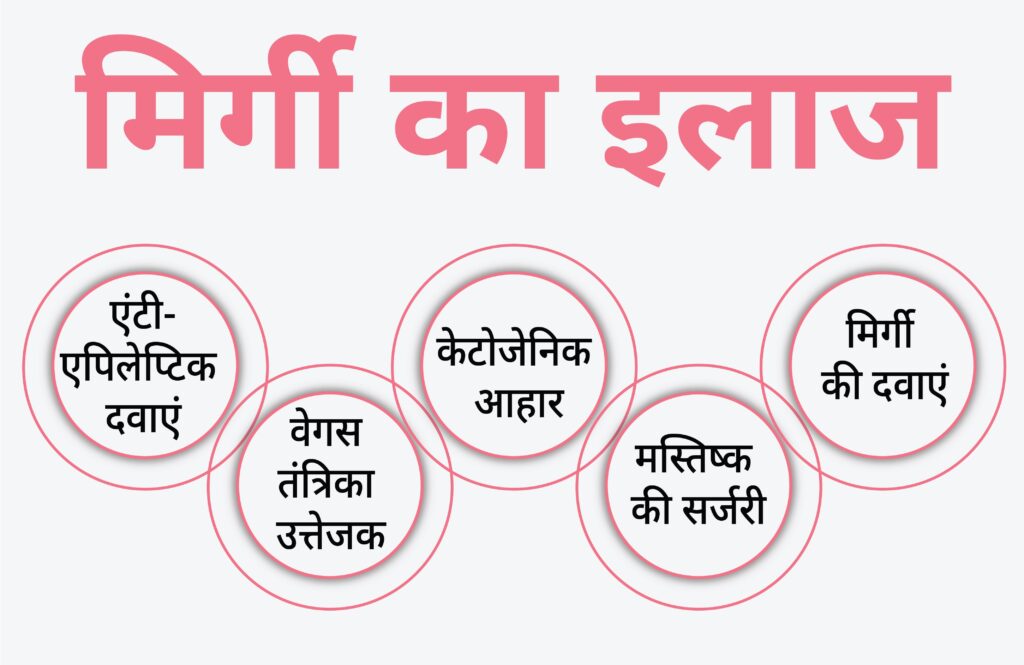
इन दवाओं का सेवन करने से मिर्गी के कारण पड़ने वाले दौरों की संख्या कम होती है और कुछ लोगों में दोबारा दौरे आने का खतरा भी खत्म हो जाता है। इस दवा का सेवन डॉक्टर द्वारा दिए गए दिशा-निर्देश के मुताबिक ही करना चाहिए।
दौरों को रोकने के लिए इस उपकरण का इस्तेमाल किया जाता है। इसे शल्य चिकित्सा द्वारा छाती पर पर त्वचा के नीचे लगाकर बिजली द्वारा गर्दन से होते तंत्रिका को उत्तेजित किया जाता है।
जिन लोगों पर दवाओं का असर नहीं होता है डॉक्टर उन्हें उच्च वसा और कम मात्रा में कार्बोहाइड्रेट वाले आहार लेने का सुझाव देते हैं।
मस्तिष्क का जो हिस्सा दौरों का कारण बनता है उसे सर्जरी के दौरान हटाया या बदल दिया जाता है।
मिर्गी के सबसे शुरुआती इलाज के तौर पर डॉक्टर एंटी-सीज्यूर दवाएं निर्धारित करते हैं। ये दवाएं दौरों की आवृति और गंभीरता को कम करने में मदद करती हैं।
इन दवाओं से गंभीर दौरों को रोका नहीं जा सकता है और नाही इनसे मिर्गी का पूर्ण रूप से इलाज किया जा सकता है। अगर आपको मिर्गी है, मिर्गी का दौरा आता है या खुद में इसके लक्षणों का अनुभव करते हैं तो जल्द से जल्द डॉक्टर से मिलकर उचित निदान और उपचार करना चाहिए ताकि उससे उत्पन्न होने वाली गंभीर समस्याओं को रोका जा सके।
शरीर को स्वस्थ बनाए रखने के लिए इसमें पर्याप्त मात्रा में प्रोटीन, विटामिन और दूसरे आवश्यक पोषक तत्वों का होना जरूरी है। शरीर में पोषक तत्वों की कमी होने के कारण कई तरह की समस्याएं पैदा होती हैं। हीमोग्लोबिन में कमी आना उन्हीं में से एक है।
ये भी पढ़े: ट्राइग्लिसराइड्स क्या होता हैं – ट्राइग्लिसराइड्स बढ़ने के कारण, लक्षण और इलाज
Table of Contents
हीमोग्लोबिन एक प्रकार का प्रोटीन है जो लाल रक्त कोशिकाओं में पाया जाता है। हीमोग्लोबिन में कमी होने के कारण शरीर में खून की मात्रा घट जाती है। खून की मात्रा घटने पर एनीमिया का खतरा बढ़ जाता है। कुछ मामलों में एनीमिया जानलेवा भी साबित हो सकता है।
डॉक्टर के मुताबिक, हीमोग्लोबिन के कारण एनीमिया का खतरा बढ़ सकता है। अगर परीक्षण के दौरान पुरुषों में हीमोग्लोबिन की मात्रा 13.5 ग्राम / डीएल और महिलाओं में 12 ग्राम / डीएल से कम आता है तो इस स्थिति को मेडिकल भाषा में एनीमिया कहते हैं। गर्भवती महिलाओं और बूढ़े लोगों में हीमोग्लोबिन की कमी होने का खतरा अधिक होता है। डॉक्टर का कहना है कि हेल्दी डाइट का सेवन कर हीमोग्लोबिन की कमी के खतरे को दूर किया जा सकता है।
इस ब्लॉग में हम आपको हीमोग्लोबिन कम होने के कारण, लक्षण और उपचार के बारे में विस्तार से बताने वाले हैं।
शरीर में प्रोटीन की मात्रा उचित नहीं होने पर हीमोग्लोबिन की समस्या पैदा होती है। आमतौर पर गर्भधारण करने के बाद एक महिला के शरीर में हीमोग्लोबिन का स्तर कम हो जाता है।
अनेक ऐसी स्थितियां है जिनके कारण हीमोग्लोबिन का स्तर कम होता है। इसमें शामिल हैं:-
ऊपर दिया गए कारणों को ध्यान में रखते हुए कुछ सावधानियां बरतकर शरीर में हीमोग्लोबिन की कमी के खतरे को कम किया जा सकता है।
ये भी पढ़े: ट्यूबरक्लोसिस क्या है – कारण, लक्षण और बचाव (Tuberculosis in Hindi)
शरीर में हीमोग्लोबिन की मात्रा कम होने पर आप खुद में अनेक लक्षणों को अनुभव कर सकते हैं। इसमें मुख्य रूप से शामिल हैं:-
अगर आप ऊपर दिए गए लक्षणों को खुद में अनुभव करते हैं तो आपको जल्द से जल्द डॉक्टर से परामर्श करना चाहिए।
शरीर में हीमोग्लोबिन की कमी के कारण अनेक समस्याएं पैदा हो सकती हैं जैसे कि:-
शरीर में हीमोग्लोबिन की कमी का निदान करने के लिए डॉक्टर सबसे पहले मरीज का शारीरिक परीक्षण करते हैं। साथ ही, मरीज से उसकी मेडिकल हिस्ट्री और शराब की लत से संबंधित कुछ सामान्य प्रश्न पूछ सकते हैं।
उसके बाद, डॉक्टर ब्लड टेस्ट और दूसरे जांच करने का सुझाव दे सकते हैं जिसमें शामिल हैं:-
इन सभी जांचों के परिणामों के आधार पर हीमोग्लोबिन की कमी के सटीक कारण का पता चलता है। उसके बाद, डॉक्टर उपचार के माध्यम का चयन करके इलाज की प्रक्रिया शुरू करते हैं।
हीमोग्लोबिन का उपचार कई तरह से किया जा सकता है। हीमोग्लोबिन का उपचार उसके कारण पर निर्भर करता है। आवश्यकता के अनुसार हीमोग्लोबिन का उपचार करने के लिए डॉक्टर अनेक तरकीब अपना सकते हैं।
शरीर में कोलेस्टेरॉल का स्तर बढ़ने पर आप खुद में अनेक लक्षणों को अनुभव कर सकते हैं जैसे कि सांस फूलना, थकान महसूस करना, चक्कर आना, हाथ और पैर सुन्न होना और अचानक से बजन बढ़ना आदि। कोलेस्टेरॉल बढ़ने पर कई गंभीर समस्याओं का खतरा बढ़ जाता है जैसे कि हार्ट अटैक। अपनी जीवनशैली और खान-पान में कुछ सकारात्मक बदलाव लेकर कोलेस्टेरॉल बढ़ने के खतरे को आसानी से कम किया जा सकता है।
कोलेस्टेरॉल को घर बैठे कुछ आसान घरेलू उपायों से कंट्रोल किया जा सकता है। अगर आप हाई कोलेस्ट्रॉल से परेशान हैं तो कोलेस्ट्रॉल को कम करने के लिए नीचे दिए गए रामबाण इलाज का इस्तेमाल कर सकते हैं।
ये भी पढ़े: डायबिटीज का आँखों पर प्रभाव और इसके बचाव
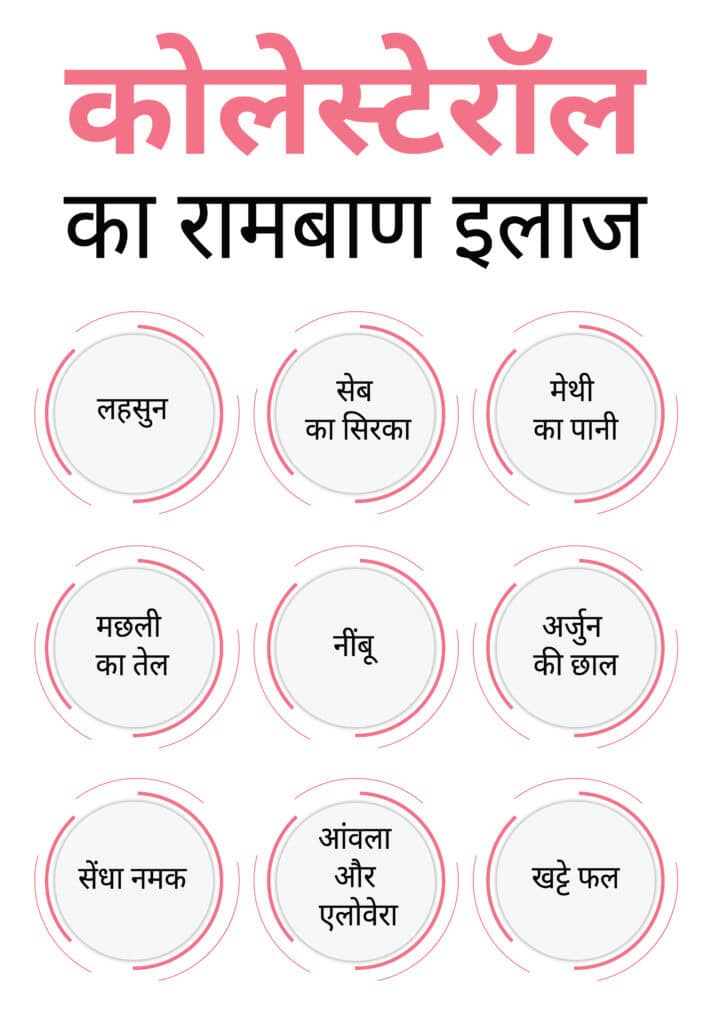
कोलेस्टेरॉल बढ़ने पर लहसुन का सेवन फायदेमंद होता है। हाई कोलेस्टेरॉल से छुटकारा पाने यानी उसे कम करने के लिए आप रोजाना सुबह-शाम में लहसुन का सेवन कर सकते हैं।
सेब के सिरके से कोलेस्ट्रॉल के स्तर को काफी हद तक किया जा सकता है। एक गिलास पानी में दो चम्मच सेब का सिरका डालकर उसका सेवन करने से हाई कोलेस्ट्रॉल में फायदा होता है।
शरीर में कोलेस्ट्रॉल की मात्रा अधिक होने पर मेथी के पानी का सेवन किया जा सकता है। मेथी में अनेक ऐसे तत्व मौजूद होते हैं जो कोलेस्ट्रॉल की मात्रा को कम करने में मददगार साबित होते हैं।
मछली का तेल से हाई कोलेस्टेरॉल को कम किया जा सकता है। मछली के तेल में ओमेगा 3 फैटी एसिड पाया जाता है जो कोलेस्ट्रॉल में फायदेमंद होता है।
नींबू में अनेक ऐसे गन मौजूद होते हैं जो हाई कोलेस्टरूअल में बहुत फायदेमंद साबित होते हैं। अगर आपका कोलेस्टेरॉल लेवल बढ़ गया है तो आप अपनी डाइट में नींबू को शामिल कर सकते हैं। इससे कोलेस्टेरॉल का स्तर काफी तेजी से कम होता है।
ये भी पढ़े: अंकुरित प्याज सेहत के लिए वरदान या जहर?
अर्जुन की छाल से बनाया गया काढ़ा कोलेस्टेरॉल के लेवल को कम करने में सहायक साबित हो सकता है।
कोलेस्टेरोल बढ़ने पर साधारण नमक का इस्तेमाल करने से बचना चाहिए, क्योंकि इससे कोलेस्टेरॉल का स्तर और बढ़ता है। इस स्थिति में सेंधा नमक का सेवन बहुत फायदेमंद होता है।
कोलेस्टेरॉल का स्तर बढ़ने पर आप रोजाना सुबह आंवला और एलोवेरा का जूस पी सकते हैं। इससे बैड कोलेस्टेरोल का स्तर कम होता है।
खट्टे फल जैसे कि संतरा और अंगूर आदि का सेवन हाई कोलेस्ट्रॉल में फायदेमंद साबित हो सकता है। इन सबके अलावा, अगर आपके कोलेस्टेरॉल का स्तर बढ़ गया है तो आपको रोजाना सुबह और शाम में कुछ समय के लिए पैदल टहलना चाहिए। कोलेस्टेरॉल को कम करने का यह सबसे रामबाण इलाज माना जाता है।
ये भी पढ़े: Neutrophils in Hindi (White Blood Cell Kaise Badhaye)
अगर आप हाई कोलेस्ट्रॉल के मरीज हैं तो आपको ऊपर दिए गए रामबाण इलाज का उपयोग करने से पहले डॉक्टर से उनकी राय लेनी चाहिए। बिना डॉक्टर की सलाह के कोलेस्टेरॉल को कम करने की नियत से किसी भी चीज का उपयोग नुकसानदायक साबित हो सकता है। इसलिए यह आवश्यक है कि आप डॉक्टर से परामर्श करें। डॉक्टर आपकी उम्र, समग्र स्वास्थ्य, एलर्जी, अंतर्निहित स्थितियां और स्वास्थ्य से संबंधित दूसरी बातों को ध्यान में रखते हुए कोलेस्ट्रॉल को कम करने के लिए रामबाण या घरेलू उपचार की सलाह देते हैं।
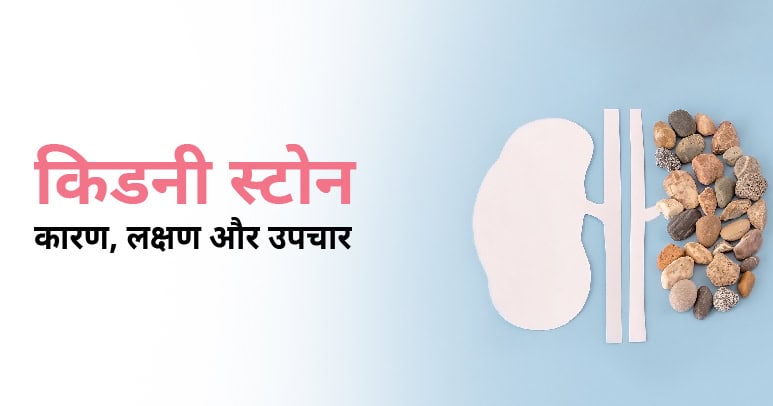
अस्वस्थ जीवनशैली और गलत खान-पान के कारण इंसान अनेक बीमारियों से पीड़ित होता है, किडनी स्टोन भी उन्हीं में से एक है। इससे पीड़ित होने पर आपको तेज दर्द और दूसरी परेशानियों का सामना करना पड़ सकता है।
ये भी पढ़े: यूरिक एसिड बढ़ने का कारण, लक्षण, इलाज और आसान घरेलू नुस्खे
Table of Contents
किडनी स्टोन को गुर्दे की पथरी (renal calculi, nephrolithiasis, urolithiasis) भी कहते हैं। यह मिनरल्स और नमक से बनी एक ठोस जमावट होती है जिसका आकार एक रेट के दाने इतना छोटा और गोल्फ के गेंद जितना बड़ा हो सकता है। किडनी का काम अपशिष्ट पदार्थों और तरल पदार्थों की अधिक मात्रा को शरीर से बाहर निकालना है।
खून का शुद्धिकरण करना और पेशाब बनाना भी किडनी का ही काम है, लेकिन डाइट में अधिक मात्रा में कैल्शियम, पोटैशियम और खनिज होने के कारण अपशिष्ट पदार्थ किडनी से पूरी तरह बाहर नहीं निकल पाते हैं। बाद में यही अपशिष्ट पदार्थ धीरे-धीरे एकत्रित होकर पत्थर यानी स्टोन का रूप ले लेते हैं जिसे मेडिकल भाषा में किडनी स्टोन कहते हैं।
ये भी पढ़े: पेट दर्द (Stomach Pain)के कारण, लक्षण और घरेलू इलाज
किडनी स्टोन कई प्रकार के होते हैं जिसमें निम्न शामिल हो सकते हैं:-
यह गुर्दे और यूरिनरी ट्रैक्ट में संक्रमण से पीड़ित महिलाओं में अधिकतर होता है। इस स्टोन का आकार बड़ा हो सकता है।
यह सबसे सामान्य प्रकार का किडनी स्टोन है। यह कैल्शियम ऑक्सलेट के कारण होता है।
यह बहुत ही कम मामलों में देखने को मिलता है। सिस्टीन शरीर में मौजूद एक प्रकार का एसिड है जो इस पथरी का कारण है।
गठिया से पीड़ित मरीजों में इस प्रकार का स्टोन देखा जाता है। मूत्र में यूरिक एसिड की मात्रा अधिक होने पर यूरिक एसिड स्टोन का निर्माण होता है।
ये भी पढ़े: किडनी में सूजन का कारण और इलाज | Kidney Inflammation in Hindi
किडनी स्टोन के अनेक कारण होते हैं। इसके कारणों को ध्यान में रखते हुए कुछ सावधानियां बरतकर इसकी संभावना को कम किया जा सकता है। हम आपको नीचे गुर्दे की पथरी के मुख्य कारणों के बारे में बता रहे हैं।
किडनी स्टोन क्यों होता है:-
किडनी स्टोन के मुख्य कारणों में शरीर में पानी की कमी होना शामिल है। जब किडनी मिनरल्स को फिलटर करती है तो उसे पर्याप्त मात्रा में पानी की जरूरत होती है।
कैल्शियम युक्त दवाओं का सेवन करने से किडनी स्टोन हो सकता है। एचआईवी के उपचार में जिन दवाओं का उपयोग किया जाता है उससे इस समस्या का खतरा होता है।
सिस्टिक फाइब्रॉइड्स, इंफ्लेमेटरी बाउल डिजीज और ट्यूबलर एसिडोसिस जैसी बीमारियों से पीड़ित मरीजों को किडनी स्टोन का खतरा होता है।
जिन महिलाओं के शरीर में एस्ट्रोजन हार्मोन की कमी होती है उन्हें गुर्दे की पथरी हो सकती है।
साथ ही, जिन महिलाओं की ओवरी निकल चुकी है उन्हें भी इस समस्या का खतरा हो सकता है। इन सबके अलावा, दूसरे भी ऐसे अनेक कारण हैं जिससे किडनी स्टोन का खतरा बढ़ता है। इसमें आनुवंशिकी और अंतर्निहित बीमारियां आदि शामिल हैं।
ऐसा जरूरी नहीं कि हमेशा किडनी स्टोन के लक्षण अनुभव हों। जिस स्टोन का आकार छोटा होता है उसमें दर्द नहीं होता है। लेकिन कुछ मामलों में और खासकर जब स्टोन का आकार बड़ा होता है तो तेज दर्द होता है।
इसके आलावा, किडनी स्टोन के अन्य लक्षण भी हो सकते हैं जैसे कि:-
अगर आप ऊपर दिए गए लक्षणों को खुद में अनुभव करते हैं या आपको किडनी स्टोन है तो तुरंत डॉक्टर से परामर्श करें।
किडनी स्टोन का निदान करने के लिए डॉक्टर कुछ जांच करने का सुझाव देते हैं जिसमें निम्न शामिल हैं:-
खून जांच के दौरान डॉक्टर अधिक कैल्शियम या यूरिक एसिड की जांच करते हैं। खून जांच किडनी के स्वास्थ्य और अन्य चिकित्स्कीय स्थितियों की जांच के लिए आवश्यक होता है।
इस परीक्षण के दौरान दौरान डॉक्टर इस बात का पता लगाते हैं कि आपके मूत्र में पथरी बनाने वाले खनिज अधिक हैं या पथरी के गठन को रोकने वाले पदार्थ कम हैं।
इस टेस्ट के दौरान डॉक्टर आपके किडनी स्टोन को देख सकते हैं। इस टेस्ट में एक्स-रे, सिटी स्कैन, अल्ट्रासाउंड और नॉन-इनवेसिव टेस्ट शामिल हैं।
अगर आपको पथरी है तो डॉक्टर पारित पथरी का विश्लेषण करते हैं। पथरी को प्राप्त करने के लिए डॉक्टर आपको एक झरनी के माध्यम से पेशाब करने को कह सकते हैं।
किडनी स्टोन का इलाज कई तरह से किया जाता है। किडनी स्टोन का उपचार इसके कारण, प्रकार और आकार पर निर्भर करता है। किडनी स्टोन का उपचार करने के लिए डॉक्टर कुछ खास दवाओं और सर्जरी का उपयोग कर सकते हैं।
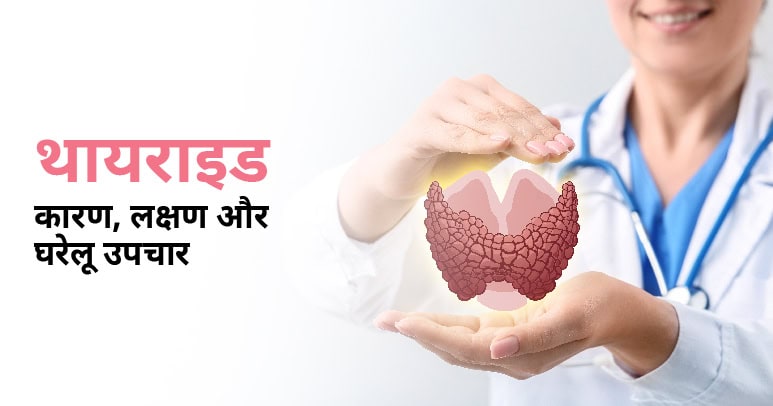
Table of Contents
थायराइड गर्दन के निचले हिस्से में स्थित है एक तितली के आकार की ग्रंथि है। यह ट्राईआयोडोथायरोनिन (टी 3) और थायरोक्सिन (टी4) हार्मोन को स्रावित करता है। इसे थायराइड हार्मोन कहते हैं।
यह हार्मोन शरीर की अनेक गतिविधियों को नियंत्रित करता है जिसमें दिल की धड़कन और कैलरी की खपत को कंट्रोल करना शामिल है। जब थायराइड ग्रंथि जरूरत से कम या ज्यादा मात्रा में हार्मोन का निर्माण करता है तो थायराइड से जुडी समस्याएं पैदा होती हैं।
ये भी पढ़े: प्रोटीन युक्त आहार लिस्ट: 15 हाई प्रोटीन फूड्स
थायराइड कई कारणों से हो सकता है। इसके मुख्य कारणों में निम्न शामिल हैं:-
इसके अलावा, थायरॉइड के दूसरे भी अन्य कारण हो सकते हैं जैसे कि हाशिमोटो रोग और ग्वाइटर रोग आदि से पीड़ित होना।
ये भी पढ़े: जानिए काला पीलिया क्यों होता है ? इसके कारण, लक्षण, उपचार
थायराइड के लक्षण इसके प्रकार के आधार पर भिन्न हो सकते हैं। हाइपरथायरायडिज्म के निम्न लक्षण हो सकते हैं:-
यह भी पढ़े: गले में इन्फेक्शन का कारण, लक्षण, बचाव और घरेलू उपचार
थायराइड का निदान करने के लिए डॉक्टर कुछ जांच का सुझाव देते हैं जिनमें निम्न शामिल हो सकते हैं:-
नैदानिक परीक्षणों के परिणामों के आधार पर डॉक्टर उपचार की प्रक्रिया का चयन करते हैं। उसके बाद, इलाज की प्रक्रिया शुरू होती है।
थायराइड का उपचार कई तरह से किया जाता है जिसमें एंटी-थायराइड गोलियां, लेवोथायरोसिन, रेडियोएक्टिव आयोडीन, सर्जरी और घरेलू नुस्खे आदि शामिल हैं। इस ब्लॉग में हम थायराइड के घरेलू उपचार के बारे में विस्तार से बात करने वाले हैं।
रात में सोने से पहले एक गिलास गाय के दूध में एक चम्मच अश्वगंधा चूर्ण मिलाकर उसका सेवन करें। अश्वगंधा की पत्तियों या जड़ को पानी में उबालकर भी उसका सेवन किया जा सकता है।
तुलसी थायराइड में बहुत फायदेमंद साबित होता है। दो चम्मच तुलसी के रस में आधा चम्मच एलोवेरा जूस मिलाकर उसका सेवन करें।
हरी धनिया की पत्तियों को पीसकर उसे एक गिलास पानी में मिलाएं और फिर उसका सेवन करें।
रोजाना एक चम्मच त्रिफला चूर्ण का सेवन करने से थायराइड में आराम मिलता है।
हल्दी में ढेरों औषधीय गुण पाए जाते हैं और यही कारण है कि इसका इस्तेमाल अनेक समस्याओं का उपचार करने के लिए किया जाता है।
रात में सोने से पहले एक गिलास दूध में एक चम्मच हल्दी मिलाकर पीने से थायराइड में फायदा होता है।
लौकी थायराइड को दूर करने में मदद कर सकता है। सुबह खाली पेट लौकी का जूस पीएं।
अलसी में पर्याप्त मात्रा में ओमेगा 3 पाया जाता है जो थायराइड में आराम पहुंचाता है।
इन सबके अलावा, नारियल का तेल, अदरक, शिग्रु पत्र, कांचनार, पुनर्नवा का काढ़ा और काली मिर्च का इस्तेमाल भी थायराइड में फायदेमंद होता है।
थायराइड की समस्या गंभीर होने या ऊपर दिए गए घरेलु नुस्खों से फायदे नहीं होने पर आपको तुरंत डॉक्टर से परामर्श करना चाहिए। साथ ही, आपको इस बात का ध्यान रखना है कि आप बिना डॉक्टर की सलाह के थायराइड का इलाज करने की नियत से किसी भी घरेलू नुस्खे का इस्तेमाल न करें।
कुछ सावधानियां बरतकर थायराइड से बचा जा सकता है। अगर आप थायराइड के खतरे को दूर करना चाहते हैं तो निम्न बिंदुओं का पालन करना चाहिए:-
इन सबके अलावा, अगर आप थायराइड के लक्षणों को खुद में अनुभव करते हैं या आपको इस बात की शंका है कि आपको थायराइड है तो तुरंत डॉक्टर परामर्श करें।
थायराइड होने पर कुछ खानपान की चीजों का सेवन फायदेमंद साबित हो सकता है। अगर आपको थायराइड है तो आप निम्न को अपनी डाइट में शामिल कर सकते हैं:-
थायराइड होने पर आपको कुछ चीजों के सेवन से बचना चाहिए, क्योंकि ये आपकी स्थिति को और बिगाड़ सकते हैं जैसे कि:-
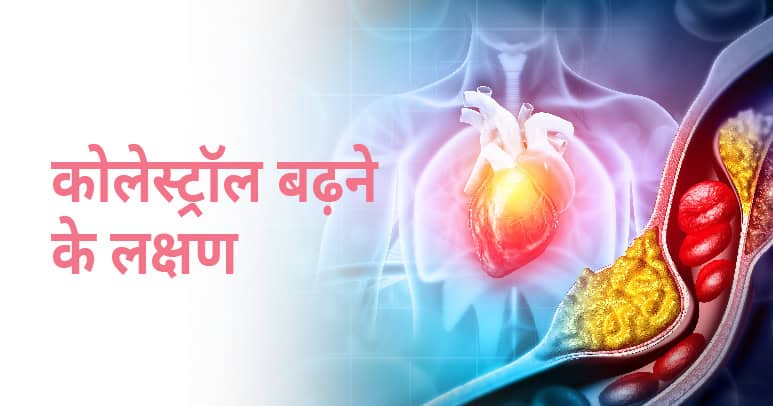
Table of Contents
कोलेस्ट्रॉल वसा के जैसा एक पदार्थ है जिसका निर्माण लिवर के द्वारा होता है। कोलेस्ट्रॉल कोशिका झिल्ली, पाचन, विटामिन डी और हार्मोन के गठन के लिए आवश्यक है। यह पानी में घुलता नहीं है, इसलिए शरीर के अन्य अंगों में अपने आप नहीं जा सकता है।
लिपोप्रोटीन नामक कण कोलेस्ट्रॉल को रक्त प्रवाह के माध्यम शरीर के दूसरे अंगों में पहुंचने में मदद करता है। लिपोप्रोटीन दो तरह के होते हैं जिनमें निम्न शामिल हैं:-
ये भी पढ़े: अंकुरित प्याज सेहत के लिए वरदान या जहर?
इसे खराब कोलेस्ट्रॉल भी कहते हैं। यह धमनियों में जम सकता है और आगे जाकर गंभीर स्वास्थ्य समस्याओं का कारण बन सकता है जैसे कि दिल का दौरा या स्ट्रोक।
इसे कभी-कभी अच्छा कोलेस्ट्रॉल भी कहते हैं। यह कोलेस्ट्रॉल को लिवर में वापस लौटने में मदद करता है जिससे वह हटाया जा सके।
ये भी पढ़े: चिया सीड्स के फायदे, नुकसान, और पोषक तत्त्व
जब शरीर में एलडीएल कोलेस्ट्रॉल का स्तर बढ़ जाता है तो उसे मेडिकल की भाषा में हाई कोलेस्ट्रॉल कहते हैं। हाई कोलेस्ट्रॉल को हाइपर कोलेस्ट्रोलोमिया और हाइपरलिपिडेमिआ भी कहा जाता है।
एलडीएल कोलेस्ट्रॉल का स्तर अत्याधिक होने पर या एचडीएल कोलेस्ट्रॉल का स्तर बहुत कम होने पर वसा रक्त वाहिकाओं यानी ब्लड वेसेल्स में जमने लगती है जो धमनियों के माध्यम से पर्याप्त ब्लड सर्कुलेशन में मुश्किल पैदा करती है।
ब्लड सर्कुलेशन में मुश्किल आना दिल या मस्तिष्क के लिए घातक साबित हो सकता है। हाई कोलेस्टेरोल यानी उच्च कोलेस्टेरोल किसी भी उम्र के व्यक्ति को हो सकता है। शोध के मुताबिक, भारत में हाई कोलेस्टेरोल से पीड़ित मरीजों की संख्या लगातार बढ़ रही है।
ये भी पढ़े: क्या रोज़ अंजीर खाना सेहत के लिए अच्छा है? जानिए इसके फायदे, नुकसान और खाने का सही समय
हाई कोलेस्ट्रॉल के खुद कोई लक्षण नहीं होते हैं। यह अन्य बीमारियों का एक जोखिम कारक है। नियमित ब्लड टेस्ट की मदद से खून में कोलेस्ट्रॉल के बढ़े स्तर का पता लगाया जा सकता है।
डॉक्टर का कहना है कि 20 या उससे अधिक वर्ष के सभी लोगों को प्रत्येक 5 साल में कम से कम एक बार अपने खून में कोलेस्ट्रॉल के स्तर की जांच करानी चाहिए। कोलेस्ट्रॉल के स्तर की पुष्टि करने के लिए लिपोप्रोटीन प्रोफाइल नामक एक रक्त परीक्षण किया जाता है।
शरीर में कोलेस्ट्रॉल का स्तर बढ़ने पर आप खुद में निम्न लक्षणों को अनुभव कर सकते हैं:-
कोलेस्ट्रॉल का स्तर बढ़ने पर पैरों में सूजन की शिकायत हो सकती है। यह इसके शुरुआती लक्षणों में से एक है।
ये भी पढ़े: पैर के तलवे में दर्द का रामबाड़ इलाज
पैरों का ठंडा होना भी शरीर में कोलेस्टेरॉल बढ़ने का संकेत है। इसलिए इसे नजरअंदाज करना उचित नहीं है।
आपके शरीर में कोलेस्ट्रॉल का स्तर बढ़ने पर स्किन के रंग में बलदाव आने लगता है। यह लक्षण अनुभव होने पर डॉक्टर से परामर्श करना चाहिए।
पैरों में दर्द होना एक आम समस्या है जो कई कारणों से हो सकता है, लेकिन कभी-कभी इसका कारण हाई कोलेस्ट्रॉल भी हो सकता है।
कोलेस्ट्रॉल का स्तर बढ़ने पर शरीर के निचले अंगों की धमनियों को नुकसान पहुंचता है जिसके कारण रात के समय पैरों में तेज क्रैम्प्स हो सकते हैं।
जैसे शरीर में शुगर का स्तर बढ़ने पर अल्सर ठीक नहीं होता है वैसे ही कुछ मामलों में शरीर में कोलेस्टेरॉल का स्तर बढ़ने पर भी अल्सर ठीक नहीं होता है।
अगर आप ऊपर दिए गए किसी भी लक्षण को खुद में अनुभव करते हैं या आपको इस बात की आशंका है कि आपको हाई कोलेस्ट्रॉल है तो इस स्थिति में आपको जल्द से जल्द डॉक्टर से परामर्श करना चाहिए।
ये भी पढ़े: चुकंदर के फायदे, पोषक तत्व और नुकसान
शरीर में टोटल कोलेस्ट्रॉल का स्तर 200 mg/dl से कम होना चाहिए। एलडीएल यानी खराब कोलेस्ट्रॉल 100 mg/dl से कम, एचडीएल यानी अच्छा कोलेस्ट्रॉल 60 mg/dl से ज्यादा और ट्राइग्लिसराइड्स 150 mg/dl से कम होना बेहतर समझा जाता है।
ये भी पढ़े: एल्कलाइन वाटर: क्या होता है, फायदे, नुकसान, और सेवन का सही तरीका
कोलेस्ट्रॉल कई कारणों से बढ़ता है जिसमें मुख्य रूप से शामिल हैं:-
ये भी पढ़े: अखरोट : फायदे, नुकसान और न्यूट्रिशनल वैल्यू और सेवन का सही तरीका
कोलेस्ट्रॉल बढ़ने से आपको अनेक परेशानियां हो सकती हैं। इससे आपको एथेरोस्क्लेरोसिस हो सकता है जिससे धमनियों की दीवारों पर कोलेस्ट्रॉल का एक खतरनाक जमाव हो जाता है। यह जमाव धमनियों में खून के प्रवाह को कम कर सकता है जिसके कारण आपको निम्न जटिलताओं का सामना करना पड़ सटका है:-
Piles, is a layman word for haemorrhoids. As per several various researches, every human has haemorrhoids and this means the severity of the piles is what helps to diagnose the condition. Piles in women above the age of 40 is common and can also affect women who are pregnant., Laparoscopic & Oncological surgeon, explains what are piles, its causes, its look and feel and can hemorrhoids go away on their own.
Table of Contents
Piles, also called hemorrhoids are swollen blood vessels in the lower part of the rectum or anal that when stretched are either swollen or dilated and cause irritation. Although piles can sometimes be painful but to cause the normal anal tissues to pain and swell to a certain level, is an indication that there must be something very severe that may have led to the pain and swelling.
You must be aware that hemorrhoids can happen either inside or outside the rectum or anal canal. What type of haemorrhoids has occurs depends on where the swelling has been found:
These are haemorrhoids that affect the veins outside the anus and can cause the veins to swell, bleed, crack and itch. Depending on the severity of the piles they may fill with blood that may lead to clotting. Though these are not dangerous, they can result in severe pain, discomfort and swelling.
These are haemorrhoids that lie inside the rectum. Internal haemorrhoids are usually not felt or seen but can cause severe discomfort. These haemorrhoids are usually painless but can cause strain and irritation when passing stool. The patient might notice small amounts of blood in the toilet.
There can be situations in which the internal and external hemorrhoids may prolapse, meaning they may stretch and bulge outside the anus or anal canal. These types of haemorrhoids may cause pain or bleed.
The signs & symptoms of haemorrhoids depend on the type and severity of the haemorrhoids.
Symptoms might be bothersome or distressing, but they usually go away within a few days.
There can be several reasons for piles in women. Below are some of the common causes due to which the risk of piles might increase.
When the women is 36 weeks pregnant, the baby enters the pelvic cavity thereby putting pressure in the pelvic area and this automatically leads to increase in the size of the anal and rectal blood vessels and the formation of piles. After the birth of a kid, these heaps normally dissipate.
Though this can happen to anyone but is common in women who are pregnant. Pregnant women are prone to feeling constipated and at times this leads to long term constipation. When there is lack of fibre in the diet it leads to constipation thereby pitting strain on the anal canal and leading to piles or haemorrhoids .
People who frequently suffer from diarrhoea or have been a victim of diarrhoea for a long period of time may also suffer from piles. Diarrhoea can increase the irritation and swelling of haemorrhoids which can then lead to inflammation and painful sensations.
Male and females whose job requires sitting for longer duration can put pressure on the hips making the gluteal muscles to spread out. The small veins around the anus and rectum are stretched causing pain and swelling of the veins.
Haemorrhoids are most common in people over the age of 50. Young people and children, on the other hand, can also get haemorrhoids.
People who are addicted to workouts and lifting too heavy weights are prone to haemorrhoids.
Following are some of the piles treatment options that can help relieve signs and symptoms of hemorrhoids.
If nothing works, the final solution to hemorrhoids is surgery, i.e. hemorrhoidectomy in which large external haemorrhoids are removed or haemorrhoids stapling, in which a stapling instrument is used to remove the internal hemorrhoids.
The best way to prevent piles is to consume food items that result in soft stools. To prevent haemorrhoids and reduce the effect of its symptoms, below are some common tips that can be followed.
Hemorrhoids are very frequent, affecting 40 to 50% of the population. Even after trying home remedies and making relevant lifestyle changes, the symptom of piles in females and males might be severe. If a patient’s haemorrhoids persists for more than one week, medical help may be required immediately. Make an appointment with our leading specialist for more information or personalised advice.
What causes piles in females?
In women, the main cause of piles is when they are pregnant because there is a lot of pressure on the pelvic area and also feeling constipated during pregnancy is common in females.
Do piles go away on their own?
Yes, if the piles are not severe and are not causing much pain and swelling they usually go away on their own within one week.
How can I check piles at home?
If there is blood after your bowel movement, lump type feeling around the anus, itchiness in the anus and mucus even after wiping with tissues are some of the indications to note for piles.
गले में कई तरह की समस्याएं पैदा होती हैं, इंफेक्शन यानी संक्रमण भी उन्हीं में से एक है। गले में इंफेक्शन होने पर आपको कई तरफ की परेशानियों का सामना करना पड़ता है जिसमें मुख्य रूप से गले में दर्द, जलन और खराश होना, ठंड लगना और बुखार आना आदि शामिल है।
इस ब्लॉग में हम गले में इन्फेक्शन (संक्रमण) क्या है, इसके कारण, लक्षण , बचाव और घरेलू नुस्खों के बारे में विस्तार से जानने की कोशिश करेंगे।
ये भी पढ़े: क्या सामान्य ज़ुकाम, खांसी या ठंड निमोनिया में बदल सकती है
Table of Contents
गले में इंफेक्शन (संक्रमण) को थ्रोट इंफेक्शन के नाम से भी जाना जाता है। यह बैक्टीरिया या वायरस के कारण होता है। गले में इन्फेक्शन होना एक गंभीर समस्या है जो सबसे अधिक छोटे बच्चों और उन लोगों में देखी जाती है जिनकी प्रतिरक्षा प्रणाली कमजोर होती है। बार बार गले में इन्फेक्शन होना गंभीर जटिलताओं का कारण बन सकता है, इसलिए इस स्थिति में जल्द से जल्द गले के संक्रमण के डॉक्टर से परामर्श करना चाहिए।
ये भी पढ़े: गले में सूजन का कारण और उपचार | Swelling in Throat in Hindi
गले में इंफेक्शन होने पर आप खुद में अनेक लक्षण अनुभव कर सकते हैं। गले में इन्फेक्शन के लक्षण में मुख्य रूप से निम्न शामिल हैं:-
गले में इन्फेक्शन के लक्षण और उपाय के तौर पर डॉक्टर आपको अनेक उपचार का सुझाव दे सकते हैं। अगर आप खुद में ऊपर दिए गए श्वास नली में इन्फेक्शन के लक्षण को अनुभव करते हैं तो डॉक्टर से इस बारे में बात करें।
ये भी पढ़े: गले में इन्फेक्शन का कारण, लक्षण, बचाव और घरेलू उपचार
गले में इन्फेक्शन होने के कारण आपको अनेक समस्याओं का सामना करना पड़ता है। गले में इंफेक्शन कई कारणों से होता है। कई बार यह अपने आप ही दूर हो जाता है, लेकिन कुछ मामलों में इसका उचित उपचार किया जाता है। गले में इन्फेक्शन के कारण को ध्यान में रखकर इस समस्या के खतरे को कम या दूर किया जा सकता है। गले में इंफेक्शन क्यों होता है:
ये भी पढ़े: थायराइड क्या है – कारण, लक्षण और घरेलू उपचार (Home Remedies For Thyroid in Hindi)
इन सबके अलावा, गले में चोट लगने पर वोकल कॉर्ड्स और मांसपेशियों में खिंचाव आता है जिसके कारण आपको गले में खराश की शिकायत हो सकती है। लंबे समय तक गले में खराश होने के कारण गले में इंफेक्शन विकसित हो सकता है। साथ ही, गले में इंफेक्शन के और भी दूसरे कारण हो सकते हैं जैसे कि रायनोवायरस, फ्लू फैलाने वाले वायरस, काली खांसी और डिपथेरिया आदि।
ये भी पढ़े: टॉन्सिल (टॉन्सिलाइटिस) के कारण, लक्षण और इलाज
अगर आप नीचे दिए गए लक्षणों का अनुभव करते हैं तो आपको तुरंत डॉक्टर से मिलना चाहिए:-
कुछ ऐसे उपाय हैं जिनकी मदद से आप अपने गले को इंफेक्शन से बचा सकते हैं। आमतौर पर डॉक्टर हल्के गुनगुने पानी में नमक मिलाकर पीने और गरारे करने, पानी में नींबू और शहद मिलाकर सेवन करने, लौंग, अदरक, इलायची, तुलसी और काली मिर्च की चाय पीने, तथा भोजन करने से पहले हाथों को अच्छी तरह धोने जैसी सलाह देते हैं।
ये भी पढ़े: इओसिनोफिलिया क्या है – कारण, लक्षण और घरेलू उपचार (Eosinophils in Hindi)
गले में इंफेक्शन का पता लगाने के लिए डॉक्टर कुछ जांच करने की सलाह देते हैं। इन जांचों की मदद से गले में संक्रमण के सही कारण की पहचान की जा सकती है, जो उचित इलाज के लिए जरूरी होता है। आमतौर पर, डॉक्टर थ्रोट स्वैब और ब्लड टेस्ट कराने की सलाह देते हैं। जांच के परिणामों के आधार पर ही डॉक्टर उपचार का सही तरीका निर्धारित करते हैं।
ये भी पढ़े: गले में दर्द का कारण, लक्षण और उपचार (Gale Mein Dard)
गले में इंफेक्शन का घरेलू उपचार संभव है। अगर आप घर बैठे गले में इंफेक्शन से परेशान हैं तो नीचे हम गले में इन्फेक्शन के लक्षण और उपाय आदि के बारे में विस्तार से जानने की कोशिश करेंगे।
अगर आप गले में इन्फेक्शन के लक्षण अनुभव करते हैं तो ऊपर दिए उपाय का इस्तेमाल कर सकते हैं। लेकिन ध्यान रहे की डॉक्टर से परामर्श करने के बाद ही इन सबका सेवन करना चाहिए।
ये भी पढ़े: गले में खराश का कारण, लक्षण और घरेलू उपचार (Sore Throat In Hindi)
गले में इंफेक्शन कई कारणों से होता है और बिना इसके कारण की पुष्टि किए इलाज करना उचित नहीं है। गले में इंफेक्शन होने पर आप ऊपर दिए गए नुस्खों का इस्तेमाल कर सकते हैं, लेकिन उससे पहले आपको डॉक्टर की राय अवश्य लेनी चाहिए।
डॉक्टर गले में इंफेक्शन के कारण, आपके समग्र स्वास्थ्य, एलर्जी और दूसरी बातों को ध्यान में रखते हुए घरेलू नुस्खों के इस्तेमाल का सुझाव देते हैं। इसलिए यह आवश्यक है कि आप गले में इंफेक्शन का उपचार करने की नियत से किसी भी घरेलू नुस्खों का इस्तेमाल डॉक्टर से परामर्श करने के बाद करें।
जब आपके गले में इंफेक्शन हो तो ऐसे नरम खाद्य पदार्थ खाएं जो निगलने में आसान हों, जैसे कि दही, दलिया, पास्ता और अंडे। आपको कठोर, दृढ़ खाद्य पदार्थों और अम्लीय खाद्य पदार्थों से बचना चाहिए जो इंफेक्शन होने पर गले में जलन पैदा कर सकते हैं।
आमतौर पर गले में इंफेक्शन के लक्षण घरेलू नुस्खों की मदद से एक सप्ताह से 10 दिनों के भीतर चले जाते हैं। अगर ऐसा नहीं होता है तो डॉक्टर कुछ अन्य उपायों का सुझाव देते हैं।
गले में खराश हमेशा बीमार होने के कारण नहीं होती है। ठंडी हवा गले में ऊतक को सुखा सकती है और गंभीर जलन पैदा कर सकती है। नाक के बजाय मुंह से सांस लेने पर लक्षण बदतर हो सकते हैं। इस वजह से एक्सरसाइज करने के बाद ठंड के मौसम में लोगों के गले में खराश होना आम बात है।
फैरिंजाइटिस और टॉन्सिलाइटिस गले के संक्रमण हैं जो सूजन का कारण बनते हैं। यदि टॉन्सिल मुख्य रूप से प्रभावित होते हैं, तो इसे टॉन्सिलाइटिस कहा जाता है। यदि गला मुख्य रूप से प्रभावित होता है, तो इसे फैरिंजाइटिस कहा जाता है। यदि आपको दोनों हैं, तो इसे ग्रसनी टॉन्सिलिटिस (pharyngotonsillitis) कहा जाता है।
Potassium deficiency, also called hypokalemia is when the person’s body does not get the required potassium needed from the diet or loses too much potassium or when the deficiency is due to vomiting or severe diarrhoea.
Potassium is a mineral that aids in the regulation of fluid in the body as well as the appropriate functioning of muscles and nerves. It is a nutrient that is found inside cells and is necessary for optimum health. Dr. Ravindra Gupta, in this article explains what potassium deficiency is, its causes, symptoms and how one can treat potassium deficiency.
Table of Contents
Muscular cramps are uncontrollable muscle aches that occur suddenly. They can be painful and occur when blood potassium levels are low in the body. This stiffness and pain is associated with severe hypokalemia, but it can also occur with sudden onset of mild or moderate hypokalemia.
Potassium aids in the initiation and termination of muscular contractions. Low blood potassium levels can disrupt this balance, resulting in cramps, which are uncontrollable and persistent contractions.
For a variety of causes, weakness and weariness are frequently the initial indicators of potassium deficiency.
Potassium, for starters, aids in the regulation of muscular contractions. Your muscles perform weaker contractions when your blood potassium levels are low. Also, a mineral deficit can influence how your body absorbs nutrients, which can lead to weariness. Potassium deficiency might hinder your body’s ability to process nutrients like sugar, resulting in weariness.
Digestive issues can be a result of several conditions, but it may occur due to potassium deficiency as well. The potassium in the body helps your digestive system to churn and propel food so as to digest it well in the stomach. But if the level of potassium is low in the digestive system it may weaken and slow the digestion and movement of the food thereby causing bloating, constipation and other digestive problems.
A severe potassium deficit might make it difficult to breathe. Your lungs may not expand and contract properly if your blood potassium levels are severely low, resulting in shortness of breath and may even be fatal. Potassium deficiency can cause shortness of breath because it helps the lungs expand and contract.
Though persistent tingling and numbness are more common in patients with high potassium levels, or hyperkalemia, those with potassium deficiency might also feel tingling and numbness. We all know how important potassium is for the body, it is required for normal functioning of the nervous system. Nerve signals can be weakened by low blood levels, resulting in tingling and numbness.
Keeping a proper electrolyte balance is critical for maintaining a healthy blood pressure. You’re probably aware that too much sodium can raise blood pressure in certain people. Few people realise, however, that a lack of potassium in the diet might have the same impact.
Potassium aids the kidneys in excreting excess salt through urine. The kidneys reabsorb sodium back into the bloodstream if there isn’t enough potassium in the blood, which can contribute to high blood pressure over time.
This is most commonly associated with a low potassium intake in the diet, and more precisely, hypokalemia. Getting adequate potassium in your diet may thus be a solution for some people to maintain a healthy blood pressure.
It’s advisable to consult a healthcare professional about blood pressure monitoring and therapy if you have high blood pressure. Potassium is important for controlling sodium levels in the body. Your kidneys retain more sodium in the body when your potassium levels are low, which can lead to high blood pressure.
Potassium deficiency is not a common deficiency, below are some of the common causes that could have triggered the deficiency.
To treat hypokalemia, oral or IV supplementation is frequently required. While eating a potassium-rich diet is, it does not always restore potassium levels and that is why it is necessary to get the patient treated by a medical practitioner.
Oral potassium supplements are commonly used to treat mild to moderate hypokalemia. Your healthcare provider may also need to alter any other drugs or treat underlying problems such as diarrhoea, vomiting, or eating disorders in some circumstances.
Hypokalemia is frequently accompanied by a chloride shortage, so potassium chloride supplements should be used to address both deficiencies. Having said that, always follow your healthcare provider’s advice.
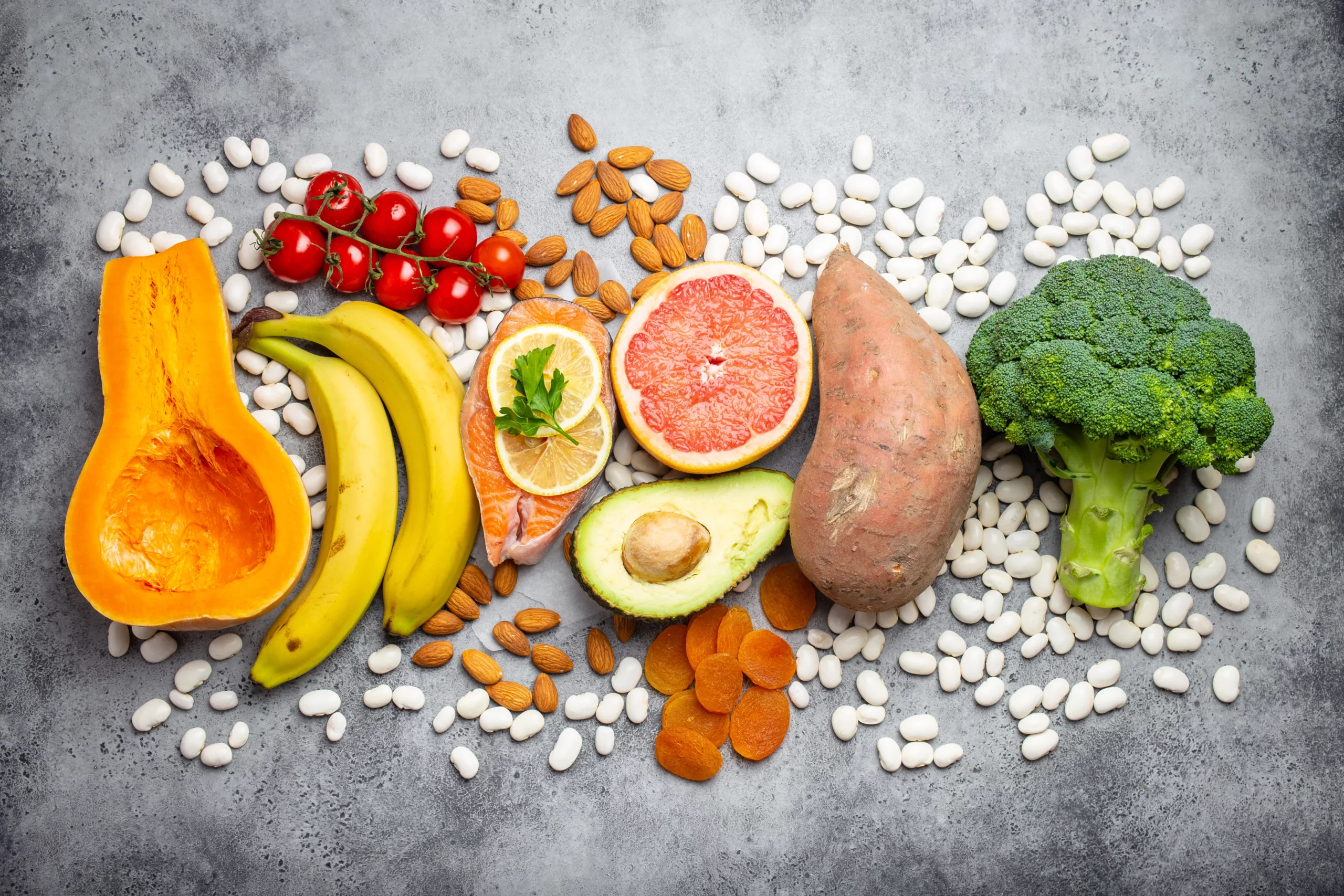
Potassium is available in many foods. Below are some of the foods in which potassium can be easily found.
Ques 1. What happens when your potassium is low?
When the potassium level is low in the body, there are certain common signs that your body starts to show like breathing difficulty, digestive issues, abnormal heart beating, severe loose motions etc.
Ques 2. What drink is high in potassium?
Drinks rich in citric acid are drinks that are high in potassium. Juices like orange juice, cherry juice, and watermelon juice are all good sources of potassium.
Ques 3. What is the most common cause of low potassium?
The most common cause of low potassium is frequent visits to the washroom, excessive urination throughout the day.
Ques 4. How can I raise my potassium quickly?
Food and drinks can help increase the potassium in your body. Bananas, potatoes, avocados, apricots, leafy greens, dried peas and beans are all that you can use to boost potassium intake.
Ques 5. How do you keep your potassium levels normal?
Keep yourself away from foods that are way too high in potassium and get a full body checkup every 6months to 1 year to know the content of vitamins and minerals in the body.

