Anyone who has had a migraine knows it is not ‘just an ordinary headache.’ The throbbing pain can come with nausea, vomiting, and a sensitivity to light and sound that makes you want to withdraw from everything around you. This neurological condition has a tendency to recur, and an untreated attack can last from 4 to 72 hours.
The right approach to tackle this condition is to consult a migraine doctor, ideally a neurologist, early and get a treatment plan that suits you. At the same time, there are many popular natural remedies, shared online and among friends and family, that promise to ease the pain. The question is, do they actually work?
Let’s find out!
Migraine is thought to result from a mix of genes and how your brain and nerves process signals. If you have migraine, your nervous system may be more sensitive to changes, and triggers like poor sleep, skipped meals or stress can set off an attack.
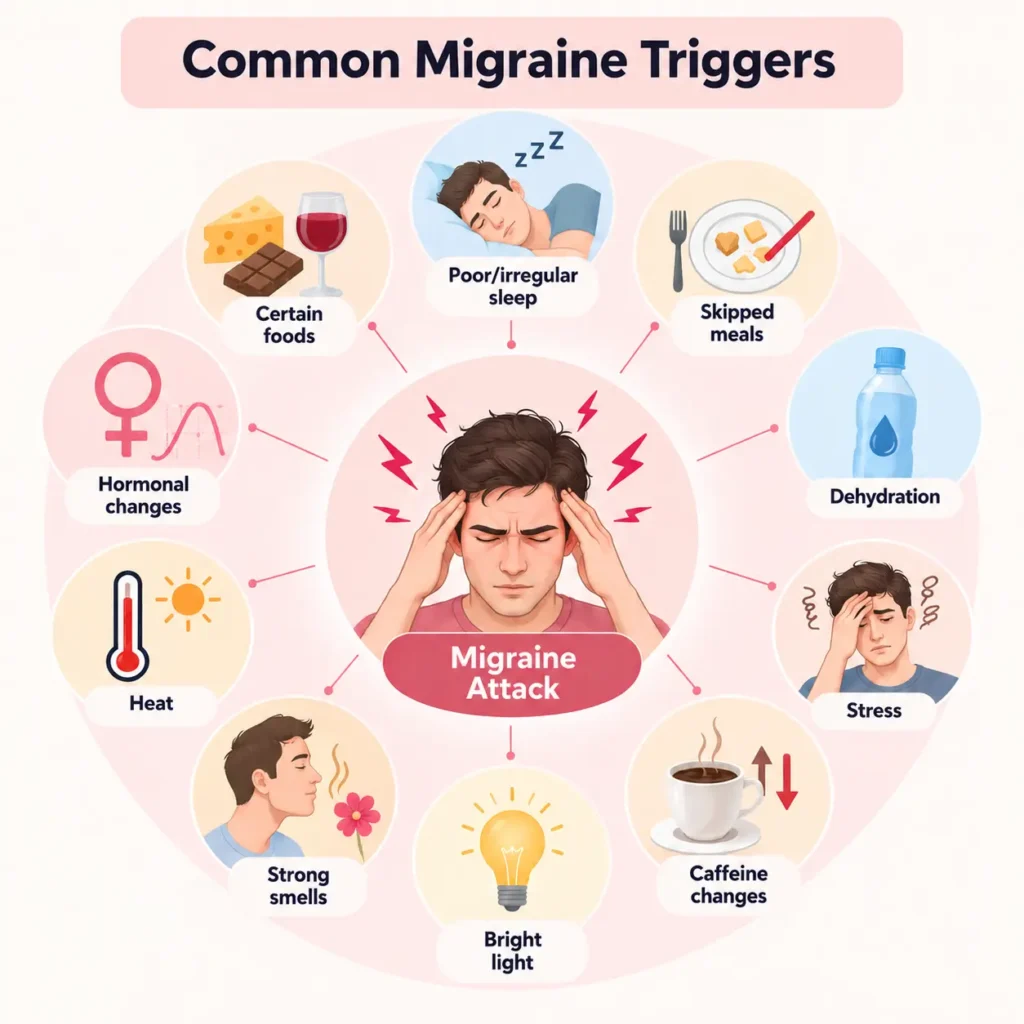
Some common triggers are:
One commonly overlooked point is that a trigger is not the underlying cause of migraine. It varies from person to person and can change over time. Keeping a migraine diary can help you find your own pattern, so you don’t end up avoiding a long list of foods or activities you didn’t need to.
The most popularly referred natural remedy online are essential oils. A pleasant smell may help some people relax, however essential oils are not a proven treatment for migraine.
In fact, strong smells can trigger or worsen an attack in some people, especially if they already have increased sensitivity to smell.
If you enjoy aromatherapy, use it only as a relaxation technique, and stop if the scent makes your symptoms worse. For now, the support is stronger for established measures like regular sleep, rest, and trigger management than for essential oils.
Some dietary supplements have been studied for migraine prevention, particularly magnesium, riboflavin (vitamin B2) and coenzyme Q10 (CoQ10).
But natural does not always mean safe. High doses of any supplement can cause side effects such as diarrhoea and stomach cramps and may interact with certain medicines.
If you are considering a supplement for migraine, speak to your doctor first. The right choice and dose depend on your overall health, medications and migraine pattern.
While there are no specific natural remedies, when you do feel a migraine beginning, small environmental changes may help you feel better. You can try:
Cold therapy for migraine may provide relief for some people, although others prefer warmth. Try what feels comfortable to you instead of forcing a particular method.
You can prepare a migraine kit before an attack happens. Keep water, your prescribed medication, a cold pack and an eye mask together so you do not have to search for them while dealing with severe symptoms.
There is no set migraine diet that prevents the headache for everyone. A food that triggers one person’s migraine may have no effect on another.
So, instead of eliminating multiple foods unnecessarily:
This approach can prevent another problem that is over-restricting your diet because you are afraid of triggering a migraine.
Your daily routine can play an important role in migraine management. You can try following the SEEDS approach recommended by the American Migraine Foundation:
Something many people don’t realise is that too much sleep or a sudden change in your usual sleep pattern can also be associated with migraine attacks. Consistency is generally more useful than simply trying to sleep as much as possible.
Regular, moderate exercise may help some people reduce migraine frequency and improve overall wellbeing. Walking, yoga and stretching are easy places to start. Go slowly, and build up over time.
During an active migraine attack, though, exercise may make symptoms worse. So, stop if any activity increases your pain, nausea or dizziness.
Yoga, deep breathing and other relaxation methods may help you manage stress, which is a common trigger, and they are low risk to try alongside your usual care. Physiotherapy can help when neck or muscle problems contribute to headaches, but it works best when it is guided by a professional and planned around your symptoms.
Home remedies may help manage migraine in some people, but recurrent migraines must get proper medical evaluation. A neurologist who specializes in migraine can work out whether your symptoms are really due to migraine and build a treatment plan based on how often and how severely you have attacks.
You should seek medical care if:
If you are experiencing recurring migraine attacks, don’t rely solely on home remedies. Getting the right diagnosis and treatment can help you manage it more effectively and reduce its impact on your everyday life.
Get Personalised Migraine Care at the CK Birla Hospital
If you are looking for a migraine treatment, you can book a consultation with us at the CK Birla Hospital for a detailed evaluation and a personalised treatment plan.
Written and Verified by:

Similar Neurology Blogs
Request a call back