This comprehensive guide explains how to increase hemoglobin naturally through diet, lifestyle changes, and expert-recommended tips. It covers normal hemoglobin ranges, causes and symptoms of low Hb, iron-rich foods, vitamin deficiencies, and ways to improve iron absorption. The article helps readers understand the importance of hemoglobin and when medical advice may be required. This content is intended for educational purposes and does not replace professional medical consultation.
Do you feel tired all the time, notice your hair thinning, or get out of breath easily climbing a flight of stairs? These can be signs of low hemoglobin. This can seep into your daily life and make even simple tasks harder to manage.
However, it is manageable with the right nutrition, healthy lifestyle habits and timely medical care. Read along to understand why your hemoglobin drops, what the normal range looks like and simple ways to raise it naturally.
Hemoglobin is a protein found inside your red blood cells. It carries oxygen from your lungs to every part of your body and transports carbon dioxide back to your lungs so it can be exhaled.
Nearly everything you do depends on this. Your every organ, muscle and tissue needs a steady oxygen supply to function properly. When you breathe in, oxygen enters your lungs and attaches to hemoglobin inside red blood cells. These cells travel through your bloodstream, delivering oxygen to tissues throughout the body. After releasing oxygen, hemoglobin carries carbon dioxide back to the lungs, where it is removed when you breathe out. Your body repeats this cycle thousands of times a day without you ever thinking about it.
Hemoglobin is made up of several nutrients, especially iron, vitamin B12 and folate. If your body does not get enough of these nutrients or loses blood faster than it can replace it, hemoglobin levels may fall.
Problems show up when hemoglobin levels drop. Less hemoglobin means less oxygen reaching your tissues and that is when fatigue and weakness tend to interfere.
In a nutshell, healthy hemoglobin levels help your body:
When hemoglobin is low, your heart has to work harder to deliver oxygen, which is why some people notice a fast heartbeat or become breathless during routine activities.
Normal ranges vary depending on your age, sex and pregnancy. Labs may use slightly different reference ranges, but the following values are commonly accepted.
If your numbers fall outside these ranges, your doctor may recommend additional tests, such as complete blood count (CBC), serum ferritin or a vitamin B12 test that can help pin down what is actually causing it.
Low hemoglobin is not a disease itself. It is a sign that your body may not be producing enough healthy red blood cells, may be losing blood or may be breaking down red blood cells faster than it can replace them.
It is important to understand the causes because treatment depends on the underlying problem.
Iron Deficiency
It is the most common cause of low hemoglobin worldwide. Iron is needed to make hemoglobin, so without enough iron, your body cannot produce healthy red blood cells. The low iron levels can be due to:
These vitamins are very important for making healthy red blood cells. A deficiency can lead to larger, abnormal red blood cells that do not function properly. Older adults or those with digestive disorders may have difficulty absorbing vitamin B12. Folate deficiency may result from poor diet, increased needs during pregnancy or certain medications.
Blood loss can gradually reduce hemoglobin levels. Some possible causes can be:
Long-term medical conditions like kidney problems, inflammatory conditions, certain infections and some cancers can interrupt the production of red blood cells. In these situations, treating the underlying condition is just as important as improving nutrition.
Some inherited conditions like thalassemia and sickle cell disease also affect your body’s ability to produce normal hemoglobin.
Usually, symptoms develop gradually, especially when hemoglobin falls slowly.
As hemoglobin continues to fall, symptoms may become more noticeable. They can include:
If the above-mentioned symptoms show up suddenly or worsen quickly, seek a medical evaluation promptly. Your doctor may recommend blood tests to determine whether the cause is iron deficiency, a vitamin deficiency, chronic illness or another medical condition.
If your low hemoglobin is linked to a nutritional deficiency, making a few dietary and lifestyle changes can help improve your levels over time. However, there is no overnight solution, but consistently following healthy habits can improve the overall health.
Iron is the primary nutrient your body uses to produce hemoglobin. Including a variety of iron-rich foods in your daily meals can help replenish iron stores and improve production of healthy red blood cells.
There are two types of dietary iron:
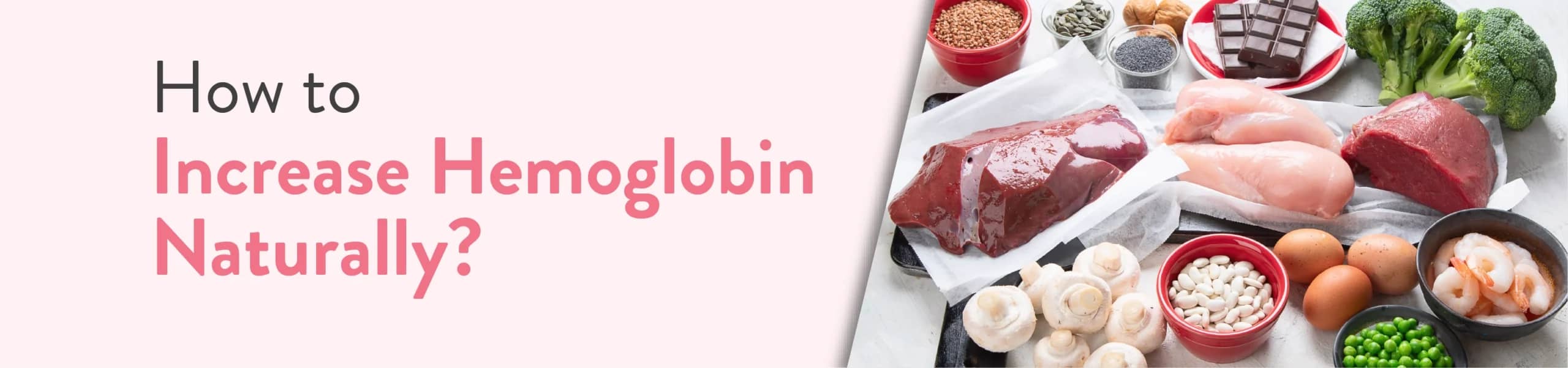
Good sources of iron include lean red meat, chicken, fish, eggs, lentils, chickpeas, beans, spinach, soy products, pumpkin seeds and fortified cereals. Rather than relying on a single superfood, you should aim for a balanced diet with a mix of iron-rich foods throughout the week.
Vitamin C helps your body absorb non-heme iron more effectively. Pairing foods rich in iron with vitamin C-rich fruits and vegetables can significantly improve iron absorption.
Simple combinations can look like:
This is especially helpful for vegetarians and vegans, whose diets mainly provide non-heme iron.
Many people focus only on eating more iron but overlook how well their body absorbs it. To improve iron absorption you follow these simple tips:
Low hemoglobin may persist even with a healthy diet if your body cannot absorb nutrients properly. Conditions such as celiac disease, inflammatory bowel disease or certain stomach surgeries can reduce iron absorption and require medical evaluation.
Some foods and beverages can reduce iron absorption if consumed at the same time as iron-rich meals. They are:
You don’t need to avoid these foods completely. Instead, try consuming them at least one to two hours before or after your iron-packed meal or iron supplement.
If you want to stay healthy, feel energetic, concentrate well and improve your overall wellbeing, it is important to maintain healthy hemoglobin levels. A balanced diet that includes iron, vitamin B12, folate and vitamin C, combined with healthy lifestyle habits, can help improve your hemoglobin naturally.
If your hemoglobin remains low, your symptoms worsen or blood tests reveal a more complex cause, your healthcare provider can recommend additional investigations and appropriate treatment. If you have any concerns about your health or would like to better understand your hemoglobin levels, book a consultation with the experienced haematologists and other specialists at the CK Birla Hospital.
Written and Verified by:

Similar Internal Medicine Blogs
Request a call back