
Loose skin after weight loss is common, especially after significant or rapid weight loss. This guide explains why skin becomes loose, whether it can tighten naturally, and the most effective ways to improve skin firmness through exercise, nutrition, skincare, and advanced treatments like Morpheus8. Discover expert-backed solutions to restore confidence and achieve healthier-looking skin.
After months of hard work, skipped cheat meals and sore muscles, losing weight certainly feels like a victory. But the loose, saggy skin that comes after significant weight loss can make that win feel a little disappointing. It is a common aftermath of rapid or major weight changes. However, in many cases, there are ways to improve it. From simple lifestyle changes to advanced skin tightening treatments, the right approach depends on your skin, your health and your goals.
Read on to learn why loose skin after weight loss happens and what you can do to tighten it.
Skin is the largest organ of your body, made with collagen and elastin fibers. These proteins provide the skin with its structural support, helping it stay firm and elastic. When weight gain stretches the skin over time, these fibers can weaken.
In case of rapid or significant weight loss, the skin may not fully retract. This leads to loose or saggy skin. It is commonly seen in areas where fat accumulation was highest, such as, abdomen, upper arms, inner thighs, breast, face and neck.
Collagen degradation and reduced elastin regeneration are the major biological reasons behind skin laxity after major weight changes.
Other factors responsible for saggy or loose skin due to weight weight loss changes are:
In the months following weight loss, the body continues remodeling and rebuilding collagen. For some individuals, especially younger people or those with moderate weight loss, skin gradually improves and tightens on its own with time.
But if the skin has been stretched for years, natural tightening can only go so far. That is usually the point where people start searching for how to tighten skin effectively beyond home care.
Home remedies cannot completely reverse the excess skin, but they can improve firmness, texture and overall skin health. Let’s check out some natural ideas that can help improve skin laxity.
The muscle underneath your skin acts like a natural filler. When you strength train, your muscles support the skin. Exercises such as squats, pushups and weight training improve body contour and reduce the appearance of sagging.
Skin elasticity depends heavily on hydration and nutrients. Some major nutrients that need your skin to look firm and elastic are:
As mentioned earlier, sudden and great weight loss results in skin laxity in most cases. So, if you are planning for further weight loss, keeping the pace slow can help skin adjust more effectively.
Retinoids (vitamin A derivatives) and peptides are the two ingredients that boost collagen production. However, they will not help you get rid of excess skin. These just help with firmness at the margins.
Regular gentle massage may improve blood flow. Some people find it helps with skin texture over time. However, the results can vary from person to person.
If loose skin is starting to affect your confidence and day-to-day comfort, you should explore medical options. An aesthetic surgery specialist will examine your skin elasticity, fat distribution and overall health before suggesting any treatment.
The best treatment depends on how much loose skin is present, the areas affected and the quality of your skin. Non-surgical options handle mild to moderate laxity well, while more severe cases usually call for surgery.
Non-surgical treatments
Surgical treatments
If you are dealing with moderate to severe loose skin after major weight loss, surgery provides the most significant improvement:
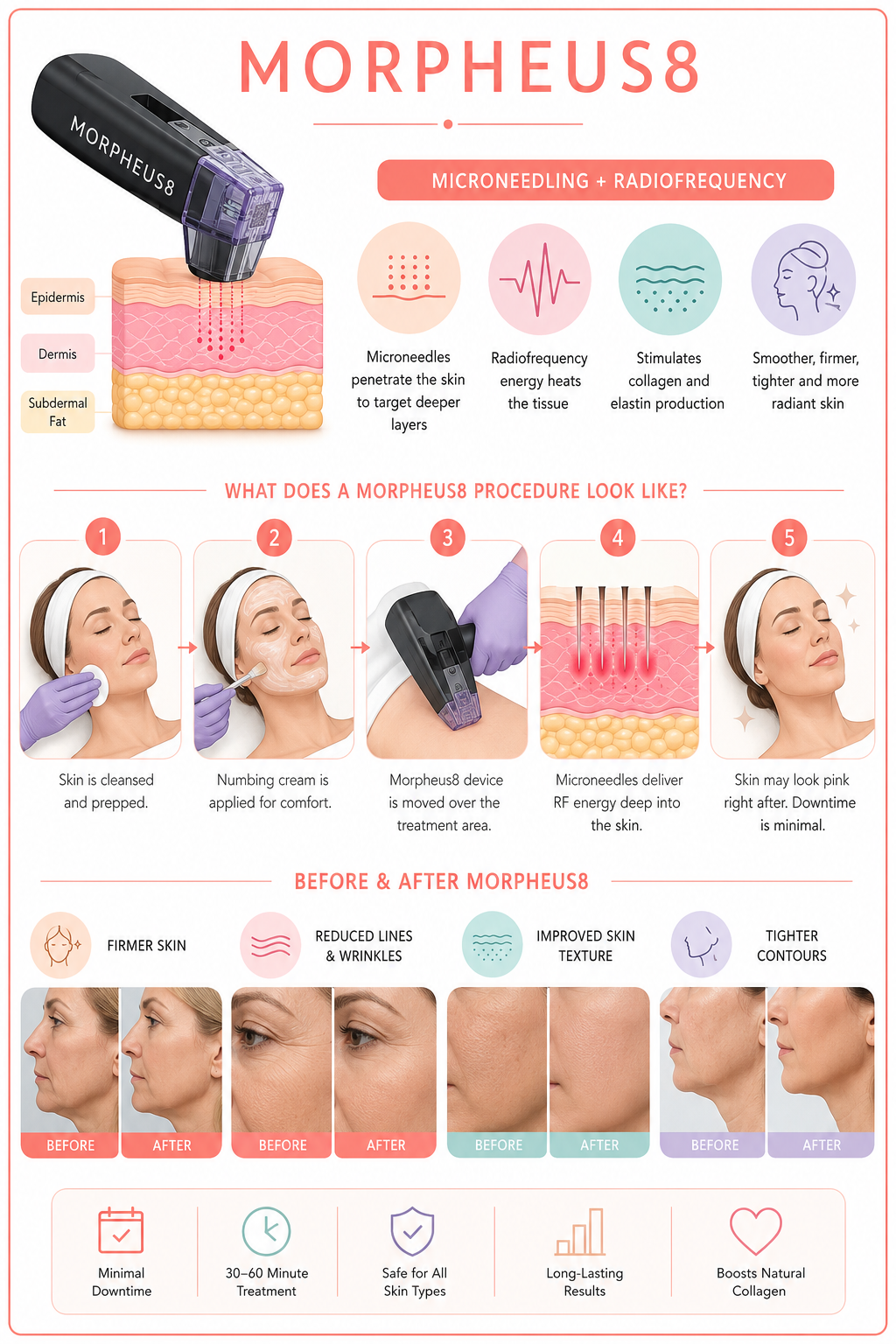
Out of all the medical treatments for loose and sagging skin after weight loss, Morpheus8 is currently one of the most in-demand treatments worldwide for mild to moderate skin tightening. It is popular because it strikes a balance between noticeable improvement, no surgery and relatively quick recovery.
Morpheus8, a minimally invasive procedure that combines microneedling with radiofrequency energy. It works by delivering controlled heat into deeper layers of the skin. This procedure stimulates collagen production and remodeling, which can help improve the firmness and elasticity of your skin over time.
Unlike surgical procedures, Morpheus8 involves a short recovery period and is generally chosen by patients seeking non-surgical improvement for saggy skin after weight loss treatment.
If you need expert advice on this procedure or want to know whether it is the right option for you, consult an experienced aesthetic surgery specialist at the CK Birla Hospital.
Loose skin after weight loss is a natural response of the body adjusting to rapid physical change. It can feel like an unwanted change, but it is not permanent in all cases and it is certainly manageable.
With patience, right lifestyle habits and modern skin tightening technologies, many people see great improvement in firmness and contour over time.
If you are concerned about loose skin after weight loss and want personalised guidance, book a consultation at the CK Birla Hospital with the Plastic & Aesthetic Surgery team. They can help you understand the most suitable options for your skin type and goals.
Written and Verified by:

Similar Aesthetics & Plastic Surgery Blogs
Request a call back


