Trust img

Home >Blogs >Leptospirosis Infection – Causes, Symptoms and Treatment
CK Birla Hospital

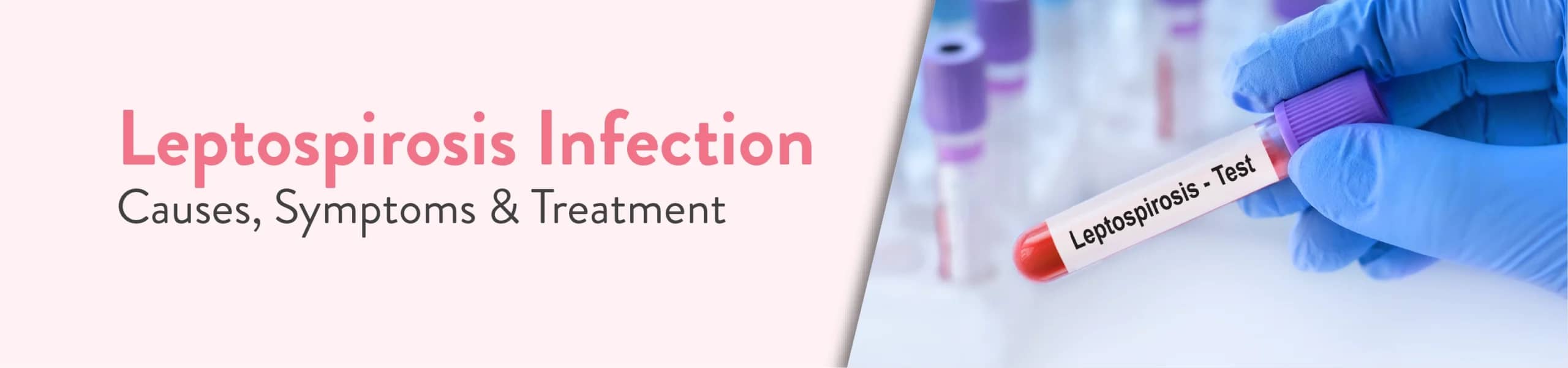
Leptospirosis Infection – Causes, Symptoms and Treatment

Share :

Summary

  • Leptospirosis is a bacterial, zoonotic infection spread through water or soil contaminated by infected animal urine, with cases rising sharply during monsoon flooding.
  • Early symptoms mimic the flu & sudden fever, chills, headache and muscle pain — which is why it's often mistaken for a routine viral fever.
  • Left untreated, it can progress to severe leptospirosis (Weil's disease), affecting the kidneys, liver, lungs and heart.
  • Anyone exposed to floodwater, contaminated soil or animals & including farmers, sewer workers, vets and dairy workers & faces higher risk.
  • Diagnosis relies on a combination of exposure history and lab tests such as IgM ELISA, MAT and PCR.
  • It responds well to antibiotics, especially when treatment starts early, and most people recover fully.
  • Simple precautions & waterproof footwear, covering cuts, avoiding stagnant water & can significantly lower the risk of infection.

According to the Centers for Disease Control and Prevention (CDC), more than a million people worldwide are infected with leptospirosis every year. Yet most people have never heard of it until a doctor mentions it after a fever that won’t go away or after wading through a flooded street back home during monsoon. With the rainy season already here, it is important to know what this infection is and how to recognise it early. Keep reading to know more!

What is Leptospirosis?

Leptospirosis is a bacterial infection caused by a group of corkscrew-shaped bacteria called Leptospira. It is classified as a zoonotic disease, meaning it passes from animals to humans. Rodents, cattle, dogs, pigs and other mammals can carry the bacteria in their kidneys and shed it through their urine, usually without appearing sick themselves.

The World Health Organization describes leptospirosis as a zoonotic disease with epidemic potential, particularly after heavy rainfall, that people pick up through direct contact with infected animal urine or a urine contaminated environment.

This makes the disease especially common in areas with poor sanitation, stagnant water and flooding. If you live in a city that experiences monsoon flooding or has stray animals and open drains nearby, your risk of exposure may be higher, as these conditions create an environment where the bacteria can spread more easily.

How Does Leptospirosis Spread?

It is true that leptospirosis spreads from animals to humans, but direct contact with an infected animal is not usually necessary. What actually causes infection is exposure to water or soil the animal’s urine has contaminated.

The bacteria enter the body through broken skin, even a minor cut or scrape or through the soft tissue of the eyes, nose or mouth. Standing water and damp soil are the most common carriers, which explains why such cases rise after floods.

When floodwater spreads, so does the contamination, putting anyone who wades through it, cleans up after it or walks barefoot through it at greater risk.

Who is at Higher Risk?

Certain occupations and living situations face higher exposure. Farmers, sewer workers, veterinarians, dairy workers and field or military personnel are all in regular contact with soil, water or animals as part of the job. This naturally raises their risk of getting affected with such infection.

Where you live also impacts your risk of getting affected. Areas with poor drainage, frequent flooding or a large rodent population (common in both urban slums during monsoon and rural areas near livestock) see higher exposure regardless of occupation.

What are the Causes Leptospirosis?

As mentioned earlier, leptospirosis is caused by leptospira bacteria, which are commonly found in the urine of infected animals. The bacteria can survive for weeks or even months in fresh water, wet soil and muddy environments, especially in warm and humid conditions.

Some common sources of infection are:

  • Contact with the urine of infected animals such as rats, dogs, cattle, pigs and other livestock.
  • Walking or wading through floodwater contaminated with infected animal urine.
  • Swimming or bathing in contaminated lakes, rivers or ponds.
  • Working in occupations with frequent animal or water exposure, such as farming, sewage work, veterinary practice or slaughterhouse work.
  • Recreational activities such as kayaking, rafting, fishing or adventure sports in contaminated water bodies.

Leptospirosis is not usually spread from one person to another. Rare cases of human-to-human transmission have been reported through breastfeeding, sexual contact and from a pregnant mother to her baby.

What are the Symptoms of Leptospirosis?

Its early symptoms look almost identical to the flu. Some common early symptoms you may notice are:

  • Sudden high fever
  • Chills
  • Severe headache
  • Muscle pain, especially in the calves and lower back
  • Fatigue and weakness
  • Red eyes (conjunctival redness)
  • Nausea, vomiting or diarrhoea
  • Loss of appetite
  • Abdominal pain

In some cases, the infection progresses to a more serious form known as severe leptospirosis (Weil’s disease). This can affect multiple organs and requires immediate medical attention.

Symptoms of severe leptospirosis are:

  • Yellowing of the skin and eyes (jaundice)
  • Reduced urine output or signs of kidney failure
  • Difficulty breathing or coughing up blood
  • Chest pain
  • Irregular heartbeat
  • Confusion, drowsiness or altered mental status
  • Bleeding from the nose, gums or gastrointestinal tract
  • Severe dehydration or shock

The illness usually unfolds in two phases:

  1. An initial phase with fever and body aches, followed by a period where the person feels better, only to become unwell again in a smaller number of cases.
  2. This second phase, when it occurs, can affect the kidneys, liver or the lining around the brain and spinal cord.

Leptospirosis Treatment 

Mild cases (outpatient):

  • Oral antibiotics: Doxycycline, Amoxicillin, or Azithromycin
  • Usually a 5–7 day course
  • Supportive care: rest, fluids, fever/pain management (avoid NSAIDs if kidney involvement is suspected)

Severe cases (hospitalization required):

  • IV antibiotics: Penicillin G, Ceftriaxone, or Cefotaxime
  • Close monitoring for organ involvement (kidneys, liver, lungs)
  • Dialysis if acute kidney injury develops
  • Mechanical ventilation if severe pulmonary hemorrhage occurs
  • ICU care for Weil’s disease (severe form with jaundice, kidney failure, bleeding)

Key points:

  • Early treatment (within first few days of symptoms) is most effective
  • A Jarisch-Herxheimer reaction (fever spike, chills) can occur after starting antibiotics
  • No treatment delay should occur while awaiting confirmatory lab tests if leptospirosis is clinically suspected
  • Prevention: avoid contact with contaminated water/soil, use protective gear in high-risk occupations, doxycycline prophylaxis for short-term high-risk exposure

When Should You See a Doctor?

If you are suffering with fever, chills or body aches within a month of wading through floodwater, working outdoors or handling animals, it is best not to assume a routine viral fever. A consultation with an internal medicine doctor or infectious disease specialist can help catch it early.

How is Leptospirosis Diagnosed?

Because the early symptoms mimic so many other illnesses such as dengue, malaria, influenza and typhoid, diagnosis leans heavily on two things together:

  • your recent history like did you walk through floodwater, handle animals or work outdoors recently?
  • lab testing

To confirm the diagnosis, your doctor may recommend:

  • Blood tests to look for signs of infection and check liver and kidney function.
  • Serological tests for detecting antibodies produced by the immune system against Leptospira.
  • IgM ELISA is commonly used for early diagnosis, whereas the Microscopic Agglutination Test (MAT) is considered the reference standard for confirming leptospirosis.
  • Polymerase Chain Reaction (PCR) detects the genetic material of Leptospira bacteria and is most useful during the first week of illness, before antibodies develop.
  • Urine samples may be tested using PCR or culture later in the course of the illness, as the bacteria begin to be excreted in urine after the first week of infection.

Can Leptospirosis Be Prevented?

Prevention from this infection is mostly about reducing contact between broken skin and potentially contaminated water or soil. A few simple tips may help:

  • Wear waterproof boots and gloves when walking through floodwater
  • Cover any cuts or wounds before outdoor work, gardening or cleaning up after rain
  • Avoid swimming or wading in stagnant water or floodwater, especially during known outbreak periods
  • Vaccinate pets against Leptospira, where available, to reduce the risk of exposure at home
  • Wash hands and feet thoroughly after contact with soil, floodwater or animals

Conclusion

From a distance, leptospirosis seems like just another flu-like illness, easy to lump in with dengue, influenza or malaria. But it has its own distinct pattern, signs and treatment path. Knowing the difference helps you catch it early. It responds well to treatment and most people recover fully.

If you have recently been exposed to floodwater or animals and notice a fever that does not seem to follow the usual pattern, the internal medicine doctors and infectious disease specialists at the CK Birla Hospital can help you get a clear diagnosis and the right treatment, without delay. Book a consultation to get expert advice!

FAQs about Leptospirosis

Share :

Written and Verified by:

MBBS, MD (General Medicine) Lead Consultant – Internal Medicine Dr. Ashok Pansari is a highly experienced Physician with over 40+ years of expertise in Internal Medicine and General Medicine. He specializes in the diagnosis, treatment, and long-term management of acute and chronic medical conditions including diabetes, hypertension, infections, and lifestyle-related disorders. Dr. Pansari has served at prestigious institutions such as...
Leptospirosis: Symptoms, Causes & Treatment - CK Birla Hospital