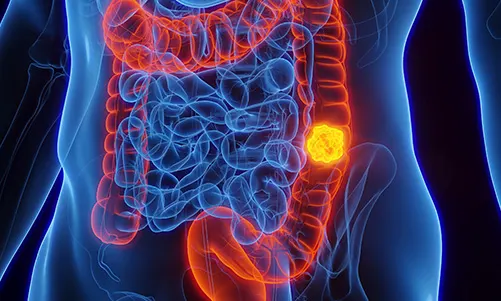
Small intestine cancer is a rare form of cancer where cancer cells form in the small intestine or small bowel. It can be caused by chronic inflammation of the small intestine, conditions like Crohn’s disease, ulcerative colitis, and consumption of high-fat food. Timely and proper treatment is essential for better treatment outcomes, manage symptoms and prevent complications.
Metastasis: The cancer cells can break from the tumour and spread to other parts of the body and organs like the liver, lungs, etc.
Internal Bleeding: Frequent bleeding may happen if tumours erode blood vessels resulting in low red blood cell count, lead to weakness, fatigue, etc.
Intestine Obstruction: A growing tumour may block the small intestine causing severe pain, nausea, vomiting, etc.
Perforation: The tumour can over time weaken the intestinal wall resulting in perforation, leading to high-risk infections.
Jaundice: The tumour may block the bile flow to the intestines resulting in bilirubin buildup in the intestine causing jaundice.

Avoid Smoking & Alcohol Consumption: Quit smoking and limit alcohol consumption as they are linked to increase the risk of small intestine cancer.
Maintain a Healthy Weight: Regular exercise can reduce the risk of cancer by improving metabolism and reducing inflammation. Additionally, obesity is linked to increasing the risk of gastrointestinal cancer.
Maintain a Healthy Diet: Add fibre and limit consumption of processed foods to promote healthy digestion and reduce cancer risk.
Reduce Exposure to Harmful Chemicals: Exposure to chemicals like pesticides, solvents, etc increases the risk of small intestine cancer.
Post-small intestine cancer treatment, the recovery depends on the type of treatment or surgery performed. Generally, patients can expect:
Initial recovery takes 4-8 weeks for invasive surgery.
Full recovery may take anywhere from 3-6 months.
Small intestine cancer can spread to the liver, pancreas, lungs, bones, and other organs.
Yes, small intestines can get small intestine cancer. The malignant tumours mutate and grow uncontrollably in the small intestine.
Yes, ultrasound can help detect small intestine cancer.
Switching to a healthy diet, maintaining a healthy weight, avoiding smoking & alcohol consumption, etc can help prevent small intestine cancer.


