Filter :

महिलाओं के प्रजनन अंगों में होने वाले कैंसर को गायनेकोलॉजिकल कैंसर कहते हैं। शोध के मुताबिक, दुनियाभर में कैंसर के कारण लाखों महिलाओं की मौत होती है, लेकिन अधिकतर मामलों में उनकी मौत का मुख्य कारण गायनेकोलॉजिकल कैंसर होता है।
कैंसर एक जनलेवा बीमारी है जिससे पीड़ित मरीजों की संख्या लगातार बढ़ रही है। कैंसर शरीर के किसी भी हिस्से में हो सकता है। जब शरीर की कोशिकाएं अनियंत्रित रूप से विभाजित और विकसित होने लगती हैं तो कैंसर की समस्या पैदा होती है। इस ब्लॉग में हम गायनेकोलॉजिकल कैंसर के प्रकार और लक्षण के बारे में विस्तार से बात करने वाले हैं।
यह भी पढ़े: मुंह में छाला होने के कारण, लक्षण और उपचार | Mouth Ulcers in Hindi
Table of Contents
गायनेकोलॉजिकल कैंसर के मुख्यतः 6 प्रकार होते हैं:
गायनेकोलॉजिकल कैंसर कई कारणों से होते हैं जिसमें मुख्य रूप से खान-पान, जीवनशैली और शारीरिक स्वास्थ्य से जुडी स्थितियां आदि शामिल हैं। निम्न कारकों से गायनेकोलॉजिकल कैंसर का खतरा बढ़ता है:
इन सबके अलावा, दूसरे भी अनेक कारण हैं जो एक महिला में गायनेकोलॉजिकल कैंसर का खतरा बढ़ाते हैं।
गर्भाशय कैंसर होने पर एक महिला खुद में अनेक लक्षणों को अनुभव कर सकती है। हालाँकि, इसके मुख्य लक्षणों में मेनोपॉज के बाद योनि से रक्तस्राव होना, पेट के निचले हिस्से में दर्द, पीरियड्स के बाद अत्यधिक रक्तस्राव और शारीरिक संबंध बनाते समय उसे दर्द महसूस होना आदि शामिल हैं।
इसे ओवेरियन कैंसर के नाम से भी जानते हैं। गर्भाशय ग्रीवा कैंसर के मुख्य लक्षणों में शामिल हैं भूख नहीं लगना, भोजन करने में परेशानी होना, अचानक वजन घटना, बार-बार पेशाब लगना, श्रोणि क्षेत्र में दर्द और बेचैनी होना एवं प्रभावित क्षेत्र में अत्यधिक सूजन होना आदि।
यह अधिकतर मामलों में अधिक उम्र की महिलाओं को प्रभावित करता है। वल्वर कैंसर होने पर महिला खुद में कुछ लक्षणों में पेशाब करते समय दर्द और जलन होना, पीरियड के अलावा गंभीर रक्तस्राव होना, घाव या अल्सर होना और लाल, गुलाबी या सफ़ेद रंग के मस्से जैसी सतह आदि शामिल हैं।
इस कैंसर से पीड़ित महिला को खुद में कुछ लक्षण अनुभव हो सकते हैं जैसे कि योनि से असामान्य रक्तस्राव, योनि से सफेद बदबूदार पानी का स्राव होना, पेट के निचले हिस्से में दर्द होना, भूख कम लगना, वजन कम होना, कमजोरी होना, थकान महसूस करना, अनीमिया और बॉन फ्रैक्चर की शिकायत होना और पेशाब करने में दिक्कत होना आदि।
यह एक दुर्लभ प्रकार का कैंसर है जो ज्यादातर 50 से अधिक उम्र की महिलाओं में होता है। इस कैंसर के लक्षणों में शारीरिक संबंध बनाते समय और बाद में दर्द महसूस होना, असामान्य स्क्त्स्राव होना, मेनोपॉज के बाद रक्तस्राव होना, मल या मूत्र के साथ खून आना, बार-बार पेशाब लगना और कब्ज की शिकायत होना आदि।
गर्भकालीन ट्रोफोब्लास्टिक ट्यूमर गर्भावस्था से जुड़ा एक तरह का ट्यूमर है। यह एक दुर्लभ प्रकार का गायनेकोलॉजिकल कैंसर है। इससे पीड़ित महिला को अनेक लक्षण अनुभव हो सकते हैं जैसे कि:
इन सबके अलावा, महिला को अनीमिया की शिकायत हो सकती है जिसके कारण उसे साँस लेने में दिक्कत होना, दिल की धड़कन तेज होना, चक्कर आना और थकान महसूस करना आदि की शिकायत भी हो सकती है।
गायनेकोलॉजिकल कैंसर का इलाज कई तरह से किया जाता है। इसका उपचार करने के लिए सर्जरी, कीमोथेरेपी, रेडिएशन थेरेपी, हार्मोन थेरेपी, इम्यूनोथेरेपी, स्टेम सेल ट्रांसप्लांट, टार्गेटेड थेरेपी और दवाएं आदि शामिल हैं। अधिकतर मामलों में गायनेकोलॉजिकल कैंसर का उपचार सर्जरी से किया जाता है।
हालाँकि, गायनेकोलॉजिकल कैंसर के प्रकार और गंभीरता, महिला की उम्र और समग्र स्वास्थ्य को ध्यान में रखते हुए कैंसर विशेषज्ञ उपचार के प्रकार का चयन करते हैं। कई बार विशेषज्ञ ऊपर दिए उपचारों में से एक या उससे अधिक का सहारा ले सकते हैं।
अगर आप खुद में गायनेकोलॉजिकल कैंसर के लक्षणों को अनुभव करती हैं या इस बीमारी से पीड़ित हैं तो हमारे कैंसर विशेषज्ञ के साथ अपॉइंटमेंट बुक करके उनसे विस्तृत परामर्श कर सकती हैं। अपॉइंटमेंट बुक करने के लिए आप इस पेज के ऊपर दिए गए Book Appointment Form का इस्तेमाल कर सकती हैं।
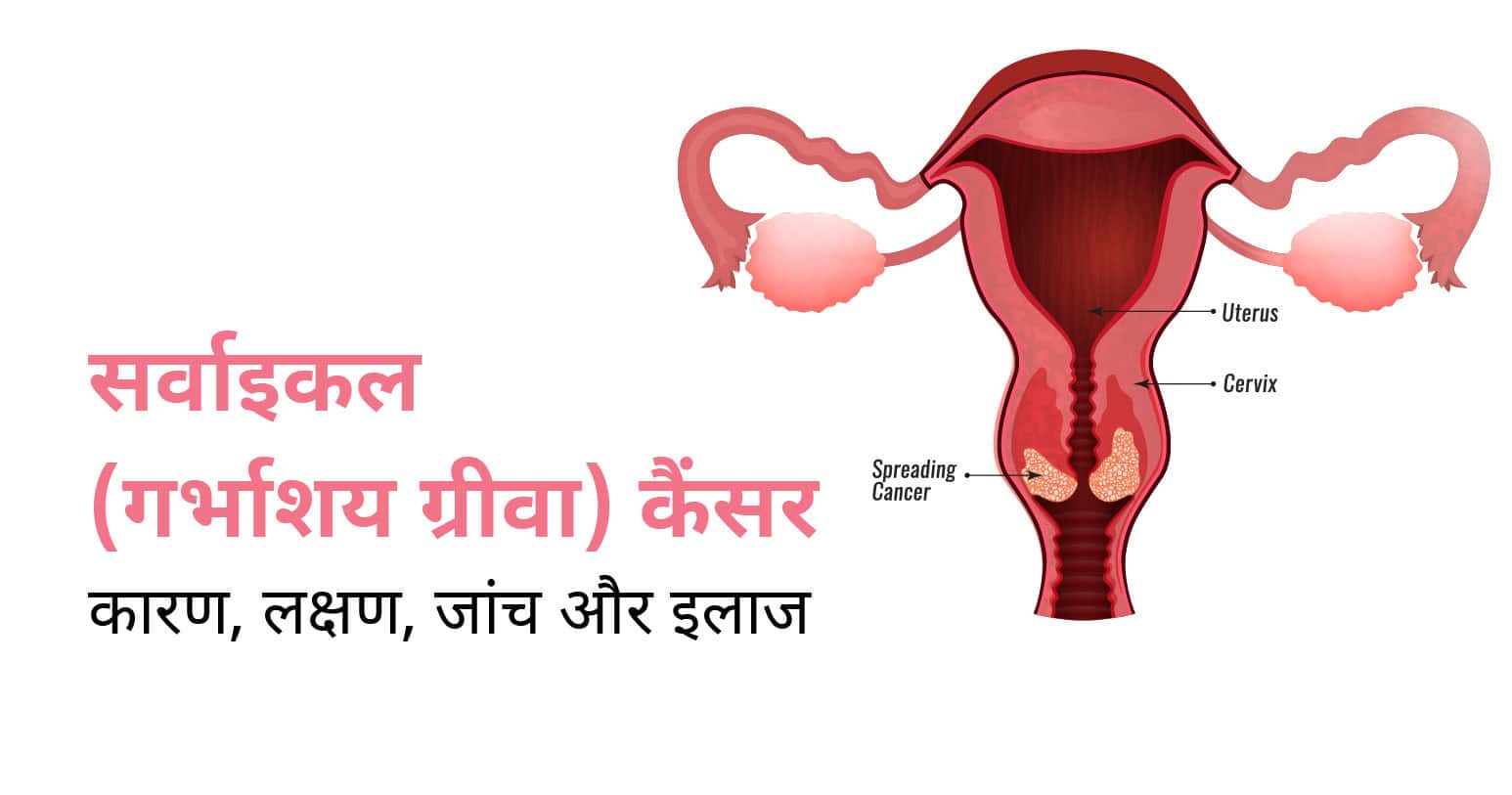
Table of Contents
जब शरीर की कोशिकाएं अनियंत्रित रूप से बढ़ने लगती हैं तो कैंसर का जन्म होता है। कैंसर का नाम हमेशा उस हिस्से के आधार पर तय किया जाता है जहाँ वह शुरू होता है – भले ही बाद में वह शरीर के दूसरे हिस्सों में फैलता हो।
जब कैंसर गर्भाशय ग्रीवा में होता है तो उसे सर्वाइकल कैंसर या गर्भाशय ग्रीवा का कैंसर कहते हैं। गर्भाशय ग्रीवा को अंग्रेजी में सर्विक्स कहते हैं। यह योनि को गर्भाशय के ऊपरी भाग से जोड़ता है।
दुनियाभर में महिलाओं में होने वाले कैंसर में सर्वाइकल कैंसर सबसे आम प्रकार का कैंसर है। शोध के मुताबिक, यह कैंसर मध्य जीवन में अधिक होता है। लगभग आधी महिलाएं जिनमें सर्वाइकल कैंसर का निदान किया गया है – उनकी उम्र 35-55 वर्ष के बीच है।
ये भी पढ़े: गर्भाशय कैंसर के कारण, लक्षण और उपचार (Uterine Cancer in Hindi)
जांच की मदद से सर्वाइकल कैंसर के प्रकार की पुष्टि करने में मदद मिलती है। कैंसर के प्रकार और गंभीरता के आधार पर डॉक्टर उपचार, उसकी तकनीक और पद्धति का चयन करते हैं। सर्वाइकल कैंसर के मुख्यत दो प्रकार होते हैं:
टेस्ट के परिणाम के आधार पर यह तय किया जाता है कि सर्वाइकल कैंसर किस स्टेज में है। स्टेज से डॉक्टर को यह समझने में मदद मिलती हैं कि कैंसर किस हद तक फैला है। सर्वाइकल कैंसर के निम्न स्टेज हैं:
जब कोशिकाएं असामान्य होकर अनियंत्रित रूप से विभाजित होने और बढ़ने लगती हैं तो कैंसर की समस्या पैदा होती है। सामान्य कोशिकाएं एक निर्धारित समय के बाद मर जाती हैं, लेकिन असामान्य कोशिकाएं मरती नहीं हैं और समय के साथ विभाजित होती रहती हैं।
जब असामान्य कोशिकाएं एक जगह एकत्रित होती हैं तो ट्यूमर बनता है। सर्विक्स में असामान्य कोशिकाओं के बनने की स्थिति को सर्वाइकल कैंसर कहते हैं। हालाँकि, कुछ ऐसे कारक हैं जो सर्वाइकल कैंसर का खतरा बढ़ाते हैं। इसमें शामिल हैं:
आमतौर पर सर्वाइकल कैंसर की शुरुआत में इसके लक्षण दिखाई नहीं देते हैं। लेकिन जैसे-जैसे यह गंभीर रूप लेता है – लक्षण दिखाई देने शुरू हो जाते हैं। सर्वाइकल कैंसर के लक्षणों में निम्न शामिल हो सकते हैं:
इन सबके अलावा, सर्वाइकल कैंसर से पीड़ित महिला खुद में दूसरे भी लक्षणों को अनुभव कर सकती है। अगर आप खुद में नीचे दिए गए लक्षणों को अनुभव करती हैं तो आपको तुरंत विशेषज्ञ डॉक्टर से परामर्श करना चाहिए:
हालाँकि, ये लक्षण स्वास्थ्य संबंधित दूसरी समस्याओं के कारण भी हो सकते हैं। समय पर उचित जांच और उपचार से सर्वाइकल कैंसर को दूर किया जा सकता है।
सर्वाइकल कैंसर के शुरुआती स्टेज में इसका निदान होने पर उपचार के सफल होने की संभावना अधिक होती है। इस बीमारी का निदान करने के लिए डॉक्टर आमतौर पर कुछ जांचों का सुझाव देते हैं।
एचपीवी डीएनए टेस्टिंग के दौरान, इस बात की पुष्टि की जाती है कि महिला किसी प्रकार के एचपीवी संक्रमण से ग्रसित तो नहीं है। इस दौरान, सर्विक्स की कोशिकाओं को जमा करके प्रयोगशाला में जाँच के लिए भेजा जाता है।
अगर कोई महिला खुद में सर्वाइकल कैंसर के लक्षणों को अनुभव करती है या पैप स्मीयर टेस्ट में असामान्य कोशिकाएं दिखती हैं तो अन्य जांच का सुझाव दिया जाता है जिनमें निम्न शामिल हो सकते हैं:
सर्वाइकल कैंसर का उपचार मुख्यतः चार तरह से किया जा सकता है जिसमें सर्जरी, रेडिएशन थेरेपी, कीमोथेरेपी और टार्गेटेड थेरेपी शामिल हैं। हालांकि, कुछ मामलों में कैंसर की गंभीरता को ध्यान में रखते हुए इन उपचारों में से दो या अधिक को एक साथ किया जा सकता है।
प्रश्न 1. सर्वाइकल कैंसर का सबसे प्रमुख कारण क्या है?
सर्वाइकल कैंसर के प्रमुख कारणों में ह्यूमन पेपिलोमा वायरस (एचपीवी), सिगरेट का सेवन, कमजोर प्रतिरक्षा प्रणाली, गंभीर तनाव, छोटी उम्र में गर्भधारण करना और यौन संचारित बीमारियां शामिल हैं। हालांकि, इसके अन्य कारण भी हो सकते हैं।
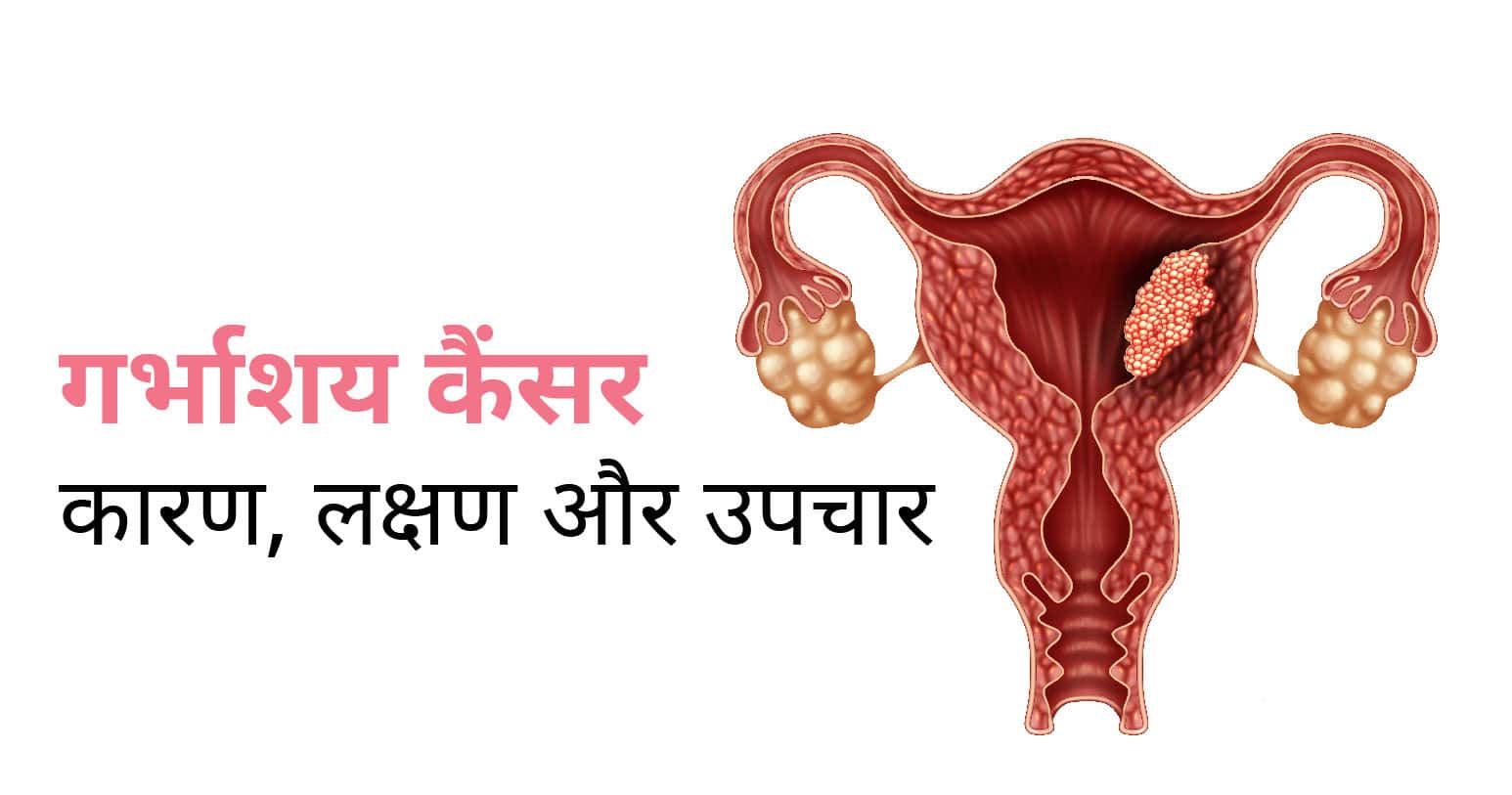
Table of Contents
महिलाओं के प्रजनन अंगों में कई तरह के कैंसर होते हैं, गर्भाशय का कैंसर भी उन्हीं में से एक है। इसे एंडोमेट्रियल कैंसर, बच्चेदानी में कैंसर या यूटेराइन कैंसर के नाम से भी जाना जाता है। जब गर्भाशय की आंतरिक परत में मौजूद कोशिकाओं में आनुवंशिक बदलाव आता है तो वे असामान्य रूप से विभाजित और विकसित होने लगती हैं।
कोशिकाओं के असामान्य रूप से विभाजन होने और बढ़ने के कारण गर्भाशय में ट्यूमर बनने लगता है। यह ट्यूमर आगे जाकर कैंसर में बदल जाता है। लोग अक्सर गर्भाशय के कैंसर और गर्भाशय ग्रीवा के कैंसर को एक समझ लेते हैं। हालाँकि, यह दोनों एक दूसरे से भिन्न यानी अलग प्रकार के कैंसर हैं। इस ब्लॉग में आगे हम गर्भाशय कैंसर के प्रकार, चरण, कारण, लक्षण और उपचार के बारे में विस्तार से जानने की कोशिश करेंगे।
ये भी पढ़े: सर्वाइकल (गर्भाशय ग्रीवा) कैंसर क्या है – कारण, लक्षण, जांच और इलाज (Cervical Cancer in Hindi)
गर्भाशय कैंसर मुख्यत दो प्रकार के होते हैं जिन्हें यूटराइन सार्कोमा और एंडोमेट्रियल कार्सिनोमा के नाम से जानते हैं।
यह गर्भाशय की मांसपेशियों की परत यानी एंडोमेट्रियम या आसपास की उत्तकों में होने वाला कैंसर है।
यह गर्भाशय की भीतरी परत में होने वाला कैंसर है। गर्भाशय के लगभग सभी कैंसर इसी प्रकार के होते हैं।
गर्भाशय कैंसर को उसकी गंभीरता के आधार पर चार चरणों में बांटा गया है जिसमें निम्न शामिल हैं:
ये भी पढ़े: पीरियड कम आने के नुकसान: कारण, प्रभाव और इलाज
जब एंडोमेट्रियम की कोशिकाओं में आनुवंशिक परिवर्तन होता है तो वे कोशिकाएं असामान्य हो जाती हैं। असामान्य होने के बाद, ये कोशिकाएं तेजी से बढ़ने लगती हैं जिससे ट्यूमर का निर्माण होता है। यह ट्यूमर एक समय के बाद कैंसर में बदल जाता है। अब ख़ास बात यह है कि एंडोमेट्रियम की कोशिकाओं में यह आनुवंशिक परिवर्तन क्यों होता है – इसके कारण की पुष्टि अभी तक नहीं हो पाई है। कुछ विशेषज्ञों का मानना है कि एस्ट्रोजन का स्तर बढ़ने पर गर्भाशय कैंसर यानी बच्चेदानी में कैंसर होने का खतरा बढ़ जाता है।
एस्ट्रोजेन और प्रोजेस्टेरोन अंडाशय यानी ओवरी में बनने वाले सेक्स हार्मोन हैं। जब इन दोनों के संतुलन में बदलाव आता है तो एंडोमेट्रियम में भी बदलाव आ सकता है। शोध के मुताबिक, अगर एस्ट्रोजेन के स्तर में वृद्धि हो, लेकिन प्रोजेस्टेरोन के स्तर में वृद्धि न हो तो एंडोमेट्रियम की परत मोटी हो जाती है जो कैंसर का कारण बन सकती है।
कुछ ऐसे कारक भी हैं जो गर्भाशय कैंसर के खतरे को बढ़ाते हैं। इसमें निम्न शामिल हो सकते हैं:
ये भी पढ़े: पीरियड में कम ब्लीडिंग होने के कारण और उपचार
गर्भाशय कैंसर से पीड़ित महिला खुद में कुछ लक्षणों को अनुभव कर सकती है। इसके मुख्य लक्षणों में निम्न शामिल हो सकते हैं:
हालांकि, ये लक्षण दूसरी स्वास्थ्य समस्याओं के कारण भी हो सकते हैं। इसलिए यह आवश्यक है कि आप खुद में इन लक्षणों को अनुभव करते ही जल्द से जल्द विशेषज्ञ डॉक्टर से परामर्श कर इनके सटीक कारण की पुष्टि कराएं। विशेषज्ञ का कहना है कि गर्भाशय कैंसर का निदान इसकी शुरुआती स्टेज में होने पर उपचार के सफल होने की संभावना अधिक होती है।
ये भी पढ़े: पीसीओडी का कारण, लक्षण और उपचार (PCOD in Hindi)
गर्भाशय कैंसर का उपचार कई तरह से किया जा सकता है जिसमें सर्जरी, रेडियोथेरैपी, हार्मोनल थेरेपी और कीमोथेरेपी शामिल हैं। आमतौर पर सर्जरी से गर्भाशय के कैंसर का उपचार किया जाता है।
हालाँकि, कैंसर की गंभीरता के आधार पर डॉक्टर एक या एक से अधिक उपचार का भी इस्तेमाल कर सकते हैं। महिला की उम्र, समग्र स्वास्थ्य और दूसरे कई कारक गर्भाशय कैंसर की उपचार में मुख्य भूमिका निभाते हैं।
ये भी पढ़े: दिल के स्वास्थ्य के लिए हानिकारक खाद्य पदार्थ
प्रश्न 1. गर्भाशय कैंसर का आमतौर पर पता कैसे लगाया जाता है?
दूसरी बीमारियों की तरह गर्भाशय कैंसर के भी कुछ सामान्य लक्षण होते हैं जिनकी मदद से इसका पता लगाया जा सकता है। महिला को गर्भाशय कैंसर है या नहीं इसका पता लगाने के लिए डॉक्टर लक्षणों के आधार पर कुछ जांच करने का सुझाव देते हैं जैसे कि पेल्विक जांच, पैप टेस्ट, ट्रांसवैजिनल अल्ट्रासाउंड और बायोप्सी आदि।
प्रश्न 2. क्या गर्भाशय का कैंसर ठीक हो सकता है?
हाँ. गर्भाशय के कैंसर को ठीक किया जा सकता है। इस बीमारी का इलाज करने के लिए सर्जरी, रेडियोथेरेपी, हार्मोनल थेरेपी और कीमोथेरेपी आदि उपलब्ध हैं। आपके लिए उपचार का कौन सा तरीका बेहतर है, यह गर्भाशय कैंसर के प्रकार, चरण और आपकी उम्र एवं समग्र स्वास्थ्य पर निर्भर करता है। अगर गर्भाशय कैंसर का निदान इसकी शुरुआती चरण में होता है तो उपचार के सफल होने की संभावना अधिक होती है।

Table of Contents
Influenza is a contagious respiratory illness, caused by the influenza virus, which infects our nose, throat, and lungs. This can be mild or severe, and if not treated timely can even lead to death. Due to its frequency and contagious nature, it is advised by most physicians to opt for a flu vaccine to stay protected.
Why is it so contagious? ENT experts say that the flu virus spreads in tiny droplets that come out every time an infected person coughs, sneezes, or talks. These droplets are easily airborne and land on the faces, especially the mouth or nose area, of people in close vicinity. If a person touches a surface with the flu virus on it and then touches their face with it, they can also get the virus. This was the same way the COVID-19 virus had spread, only the common flu or influenza virus is not so fatal if treated right.
Any healthy person can catch the flu virus. Some people are at a greater risk than others of catching it. Complications from the flu virus can happen at any age, but the following are more susceptible to getting it:
Now that we understand what influenza is, why it is contagious and who is at a greater risk of getting it, let us understand the causes of influenza.
The influenza virus is responsible for causing the flu. Influenza A, B and C are the most common types of flu viruses that infect people. While Influenza A & B are seasonal i.e., mostly occur around winter, Influenza C is not seasonal. However, the symptoms found under cases of Influenza A & B are much more severe compared to Influenza C.
Like all viral infections, when transmitted it only grows when our immunity is at its weakest. This is a highly contagious illness since it can be spread by touch and proximity. Any exchange of respiratory fluids will be able to trigger the virus in another person’s body. In most cases, we ignore the initial irritation that develops into full-grown symptoms of the flu. The key lies in proper prevention and maintenance of hygiene.
But how will you know which type has caused your illness? It will be found through a pathological test where a sample of your mucus will be collected from your nose. A long stick with a soft swab tip will be inserted in your nose to collect the mucus. The results will be given in 48 hours. This is similar to the RT PCR test done for COVID-19. This test is usually prescribed by your physician to identify the right course of treatment.
Flu symptoms arrive suddenly and multiply swiftly. If someone is sick, they can automatically spread the virus by touch or proximity. However, one can also spread the virus before they are aware that they have contracted the virus. It has been seen that people with the virus are most contagious in the first 72 hours from the onset of the illness. Having said that, people can transfer the virus even after 5 to seven days of contracting it. In this case, those who are infected are children or adults with weakened immune systems.
The symptoms start showing from the 2nd or 3rd day of catching the virus. Mostly the symptoms are similar to the common cold. But one or more of these are observed in flu patients too. Such as:
If the flu is not severe, then it will not be accompanied by fever. Fever is an indication that the virus has spread all over the respiratory system.
Flu starts small but can lead to very complicated and fatal outcomes if not treated properly. So the first step towards ensuring this is properly done, is to make sure we have some clear preventive measures in place.
If you are down with the flu or a loved one is down with it, and it is not a severe case, then you may do the following at home:
The influenza vaccine is helpful but not 100% effective. Therefore, it is important to take special measures to reduce the spread of infection.
To conclude, it is best to be prepared and protected during flu season. Adopt safety and hygiene practices to protect yourself and those around you. If you feel any of the symptoms mentioned above, seek proper medical attention to prevent the fatality and complications that may arise with severe flu. You can always reach out to the CK Birla Hospital or book an appointment with our ENT, Dr Kuldeep Grover to get treatment for all your respiratory health concerns.
Table of Contents
Pneumonia is an infection born out of inflammation in the air sacs of your lungs called alveoli. Alveoli are found at the end of the bronchioles or the joining air tubes of the lungs, where the circulating blood in our body exchanges oxygen and carbon dioxide every time we breathe in and out. When these are inflamed, in one or both of our lungs, these sacs start filling with pus or fluids. It leads to bouts of cough with phlegm or pus, often accompanied by fever or chills. Over time this blocks the air sacs causing breathing difficulty.
Pneumonia can vary between mild to life-threatening. However, it can be serious for :
This is an infection that spreads over an inflamed surface. This is the perfect breeding ground for a variety of organisms, like bacteria, viruses and fungi, which can all cause pneumonia. Of all the germs, airborne bacteria and viruses are the most common causes.
Our immune system is capable of dealing with this infection, but sometimes these germs can also overpower it despite having good health. We can classify pneumonia based on the germ that causes the infection and the place where it is acquired from.
Bacteria or Bacteria organisms: One lobe-inflamed pneumonia caused by streptococcus pneumoniae bacteria is called lobar pneumonia. Those experiencing illness, poor nutrition, old age, or impaired immunity are more susceptible to this. When both lobes are affected by the mycoplasma pneumonia bacteria it is called bronchial pneumonia. This is mild and does not require bed rest, hence referred to as Walking Pneumonia.
Virus or virus-like organisms: Various viruses can cause this, but almost 1/3rd of all cases are traced back to the flu (influenza) virus. Bacterial pneumonia can also develop in an existing viral infection. With the recent onset of the COVID-19 virus, pneumonia was a closely followed occurrence in the majority of cases. Viral pneumonia is very common in children.
Fungi: Fungal infection is common for people having chronic health problems and weak immune systems. It is also found in people with proximity to higher concentration of fungal matter. For example Fungi rich soil or bird droppings.
Community-acquired pneumonia: This is a community-based spread of the infection and is concentrated in areas where more people are suffering from the infection. This was a phenomenon we observed during the COVID-19 outbreak. Containment zones depicted where the infection was spreading more.
Hospital/ Healthcare acquired pneumonia: This can happen in two ways: during prolonged hospital stays due to or during daycare or outpatient treatments.
In the first case, the infection is acquired during hospital stays for ongoing treatment. The infection develops a higher resistance to antibiotics, due to pre-existing comorbidities for which the patient is undergoing a prolonged hospital stay. Usually, these patients have to be put on ventilation devices from which the infection travels.
In the second case, it is acquired from daycare procedure devices. For example, Dialysis or OPD treatment, assisted living facilities. These usually transmit from commonly used equipment.
Other ways of acquiring pneumonia:
When you inhale any type of food or drink, bodily fluids like the vomit or saliva of an infected patient into your lungs can also get pneumonia.
The symptoms are dependent on the germ causing the Pneumonia, your age and your level of immunity. While a newborn’s prominent symptom will be fever & vomiting, an older person might show increased weakness and lower body temperature. So every case will be different. The overall symptoms common to all forms of pneumonia are:
Bacterial pneumonia is more serious than others. Here symptoms surface with very high fever, excessive sweating, rapid change in pulse rate and pale or bluish lips and nail beds due to lack of oxygen. Lack of oxygen also makes these patients delirious.
Viral pneumonia develops over several days. Initial symptoms are like flu, which gets worse, with increased coughing, breathlessness and muscle pain. Fever will follow if the symptoms are not attended to.
Your recent health and travel history might be enough to diagnose pneumonia. In addition to this, an ENT or Pulmonologist will perform a physical examination. After assessing these the following tests will be performed:
Treatment is mostly given with home care and over-the-counter medicines. Bacterial pneumonia is treated with antibiotics, but viral pneumonia doesn’t have any specific treatment. Your doctor will prescribe medicines, rest, proper diet and fluid intake to bring your immunity back.
In severe cases, however, the doctor will ask you to get hospitalised for increased observation and targeted treatment. But prevention of pneumonia can help us avoid the disease at its source. Vaccines and flu shots are the best way to prevent pneumonia. A pneumococcal vaccine will protect you from bacterial pneumonia. These are a must for high-risk age groups.
Pneumonia affects each person differently. Some respond well to treatment, but others might be suffering from a much more fatal infection. In severe cases, the body develops complications which mixed with weak immunity, high blood sugar or cirrhosis can create further complications.
Q1. What are the 4 stages of pneumonia?
Q2. Do all patients with COVID-19 get pneumonia?
It has been observed that most patients who underwent a serious COVID diagnosis also developed pneumonia-like symptoms and further in fatal cases it led to severe complications similar to pneumonia which resulted in increased fatalities.
Q3. How long does it take for the lungs to heal after pneumonia?
It all depends on your level of immunity, the severity of pneumonia, your age and the time taken for recovery. In severe cases, it is very taxing upon the body to get back to its former glory since severe respiratory infections leave the person very weak.
In normal cases of pneumonia, which can be treated with home care and over-the-counter medication, the lungs recover back to health within two weeks.

Table of Contents
Air pollution by default indicates that your respiratory system is bound to be affected. But the effects are not limited to just that. Here are some of the aspects that will be impacted:
Impact on respiratory system: Through ambient air pollution, children and adults experience one or more of the following problems:
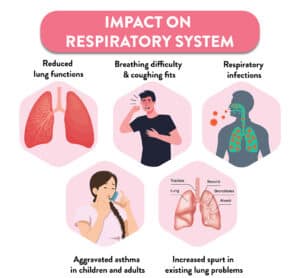
The World Health Organisation (WHO) in their pre-COVID research revealed that polluted air kills 600,000 children every year under the age of 15 due to lower respiratory infections.
The polluted air is laced with sulphates and black carbon. These aggravate asthma and even trigger cardiovascular problems.
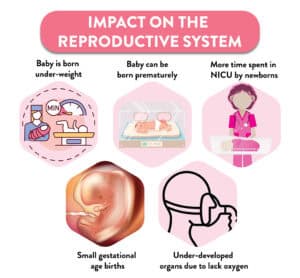
Impact on the reproductive system: Air pollution can impact pregnancies as well. Expectant mothers who are exposed to ambient air pollution are seen to develop complications. Pollutants increase the chances of inflammation. This impacts the placenta and blood vessels in it which are responsible for fetal growth. This leads to birth deformities in the newborn child:
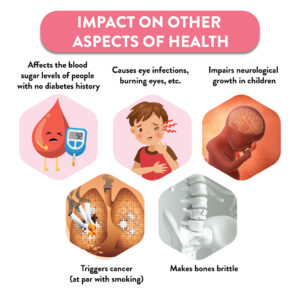
Impact on other aspects of health: Recent research suggests that ambient air pollution:
The next obvious question after reading all of the above is how you can prevent them. The first step to protection starts with you.
In the average daily intake of 40 mg/day, we should try and include:
To understand air pollution we need to understand the ways to measure it. Currently, pollution is measured by the Air Quantity Index or AQI. It considers five chief pollutants in the air such as PM10 & PM2.5, and their levels in the air. An AQI score of 401 to 500 is considered ‘severe’. Anything above 500 is declared a ‘severe-plus emergency.
Every year Delhi’s air quality becomes the headline of every newspaper in India and with good reason. Post-Diwali pollution remains severely high with the addition of the impact of crop burning in neighbouring states. You can check your AQI real-time online on https://www.aqi.in/
Now that we know the impact, the preventive measures and the level of pollution in the area, the next step involves taking proactive measures to make a holistic impact in managing the environmental changes.
Charity begins at home. So take the first step to ensure everyone breathes easier.
It is always a good thing to stay alert. If you or your loved ones are affected by the exposure to smog or pollution these are the things you must do:
If you have come this far into the article, take a deep breath. The World Health Organization (WHO) says air pollution is the leading cause of death in India, alongside high blood pressure and smoking.
While we cannot make overnight changes on policy levels, we can however try and make some efforts on our levels to ensure we are protected from the ill effects of air pollution and hope for improvements in the long run. A healthy optimised diet, protection and safe practices will ensure that you can stay unaffected for a longer time.
In case you have any kind of concerns regarding your respiratory health or are experiencing any discomfort in breathing or chest pain, do reach out to our team at the CK Birla Hospital or book an appointment with Dr Kuldeep Grover.
Q1. How to stay protected from air pollution?
Look up the AQI level of your area.
Whenever you face trouble or problems in respiration, make sure you seek medical help immediately.
Q2. How to reduce exposure to air pollution?
Q3. How to reduce the health effects of air pollution?
Air pollution can affect different age groups differently. However, the highest risk lies for children, expectant mothers, senior citizens and patients with pre-existing respiratory disorders.
Table of Contents
Who doesn’t like a breath of fresh air? And if you’re in Delhi NCR, rest assured it is on top of all the things you want all year round. But situations around us often do not allow us to breathe easily despite leading a healthy life. The top reasons for this are:
If the above list is triggering you in any way, then just follow the simple mantra that pulmonary rehab specialists tell all their patients: Out with the stale old air, in with fresh new air. Keep repeating this until you’re breathing easy again. See how that escalated? Now coming back to the question: what is the need for breathing exercises? The simple answer is that it ensures our lungs receive and circulate enough oxygen in our body efficiently. This will in turn improve your blood flow and keep all your muscles and your heart healthy for a long time.
First, let’s understand how breathing works. With healthy lungs and respiratory systems, breathing is effortless. When you breathe in, notice how your stomach lifts up and goes down when you breathe out. That is not your stomach but your diaphragm. It is responsible for 80% of the entire breathing process. So it takes in the air and spreads the oxygen to the lungs and sends out the waste air or carbon dioxide.
Now let us understand how the breathing problem starts. Over time, due to reasons stated earlier, the stale air builds up, leaving limited room for the diaphragm to contract and let in fresh oxygen. With the diaphragm not giving the capacity it should, the body relies on the neck, back and chest to breathe right. But you can’t make a fish fly. So gradually the oxygen levels lower further, making us more lethargic and tired, leaving less reserve for exercise and activity.
To make sure the above does not happen or the chances of it are reduced significantly, we must practice regular breathing exercises to help our lungs get rid of accumulated stale air, maintain optimum oxygen levels and keep the diaphragm healthy and pumping for a long time.
Advantages: Reduces the number of breaths, keeps your airways clear longer, ensures frequency of inhaling more fresh air and improves oxygen and carbon dioxide exchange.
Who can do it: Basic exercise for all beginners. Do it at least 5 to 10 times per day
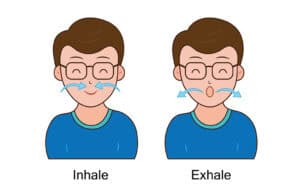
How to do it: Simply count to 3 to inhale through your nose and count 6 to exhale through your mouth by pursing your lips.
Advantages: Helps inhale more air, keeps your diaphragm muscles good, improves lung capacity
Who can do it: This is particularly suited for people with chronic obstructive pulmonary disease (COPD). In their case, the diaphragm is weak and needs to be strengthened.
How to do it: Simply count to 5 to inhale through your nose and breathe out through your mouth as you count to 8. Make sure your belly fills up with air. Put a lightweight item on your belly, to observe that it rises and falls with every breath.
Note: Keep your neck and shoulders relaxed to ensure your diaphragm gets the right support. Perform this technique when feeling rested.

Advantages: Helps ease your air passage especially if you suffer from asthma.
Who can do it: Anyone can do this. It is particularly suited for people with asthma problems. Studies suggest that mouth breathing leads to severe asthma symptoms. Breathing through the nose adds warmth and humidity to what you inhale keeping a check on this.
How to do it: Same as normal deep breathing. Just breathe in and out from your nose.
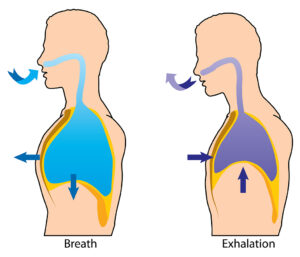
Advantages: Helps manage stress, anxiety attacks and asthmatic tendencies.
Who can do it: Asthma patients. This is an old relaxation training technique. It teaches you how to breathe slowly and steadily from your diaphragm to your nose.
How to do it: It combines diaphragmatic breathing with relaxation techniques and exercises to improve an asthma patient’s quality of life.

Advantages: Helps manage stress, anxiety attacks and asthmatic tendencies.
Who can do it: Asthma patients. This is ideal to manage tendencies of hyperventilation and help get off medication.
How to do it: This is a slow breathing technique with a control pause and maximum pause. Straighten your spine. Exhale and hold your breath. With your index finger and thumb, plug your nose till you get the urge to inhale again. This is the control pause. Now take 10 normal breaths. Try repeating the control pause for twice as long. This is the maximum pause. Follow it with 10 more normal breaths.

Advantages: Improves lung function and controls asthma
Who can do it: Primarily asthma patients, but applicable to all.
How to do it: Yoga combines movement with deep breathing. This has to be done under proper guidance by a yoga instructor. Patients recovering from respiratory disorders greatly benefit from rehabilitating their lungs.

Advantages: Improves performance and concentration, and helps reduce stress.
Who can do it: Hugely beneficial to people with COPD and those in high-performance jobs like sports or the armed forces.
How to do it: Often called square breathing, it is a technique of taking slow, deep breaths. Sit with your spine straight. Inhale on a count of 4, hold your breath till you count another 4, then exhale on the count of 4 and hold your breath again, for equal counts. This is called Sama Vritti, or equal breathing.

Improved Lung Capacity: First let us understand what we mean when we say the term low lung capacity.
Low lung capacity is the lowered capability of the lungs to hold air in them. The primary cause of this is ageing, as our bodies tend to slow down all functions over time. Other potential causes can be:
Normal lung capacity changes from time to time, throughout our lives. However, the maximum lung capacity can be up to 6 litres. A pulmonologist will measure your lung capacity using a spirometry test. The levels will show whether your lungs are healthy or if there are indications of asthma, COPD and other breathing disorders.
To ensure you have a good spirometry outcome practice breathing exercises, improve lung capacity and breathe easy. It usually takes weeks of regular exercise to see an improvement. The more disciplined you are the better your outcomes.
Prevention is always better. Exercises help when you make subtle lifestyle changes to support it. This way you can keep your lungs healthy for a longer time.
In conclusion, these are all preventive measures to help protect and rehabilitate your lungs to stay healthy and functioning. However, in case of any kind of problem do get proper medical advice from a professional ENT or Pulmonologist. If you have any concerns regarding your respiratory health do reach out to us at the CK Birla Hospital or book an appointment with Dr. Kuldeep Grover.

Table of Contents
दुनिया भर में कैंसर के मामले काफी तेजी से बढ़ रहे हैं। महिलाओं में कई तरह के कैंसर होते हैं, योनि का कैंसर भी उन्हीं में एक है। यह कैंसर सबसे ज्यादा उन कोशिकाओं में होता है जो योनि की आंतरिक सतह में होती हैं।
योनि मांसपेशियों की एक ट्यूब है जो बाहरी जननांगों को गर्भाशय से जोड़ती है। अनेक प्रकार के कैंसर शरीर के अन्य अंगो से योनि में फैल सकते हैं, लेकिन योनि में शुरु होने वाले कैंसर दुर्लभ होते हैं।
योनि कैंसर जब अपनी शुरुआती चरण में होता है तो निदान और उचित उपचार से इसे दूर किया जा सकता है। इस ब्लॉग में हम योनि कैंसर के प्रकार, चरण, कारण, लक्षण, जांच और उपचार के बारे में विस्तार से बात करेंगे।
योनि कैंसर दो प्रकार के होते हैं जिसमें निम्न शामिल हैं:
यह भी पढ़े: बच्चेदानी में सूजन का इलाज
योनि के कैंसर को चार चरणों में बांटा गया है:
योनि कैंसर जब अपनी शुरुआती चरण में होता है तो कई बार उसके लक्षण दिखाई नहीं देते हैं। लेकिन जैसे-जैसे यह बढ़ता है, इसके लक्षण दिखने शुरु होते हैं।
योनि का कैंसर होने पर एक महिला खुद में निम्न लक्षणों को अनुभव कर सकती है:
इन सबके अलावा, योनि कैंसर के प्रकार और चरण के आधार पर लक्षणों में बदलाव आ सकते हैं।
शोध से अभी तक यह स्पष्ट नहीं हुआ कि योनि कैंसर क्यों होता है या इसके क्या कारण हैं। सामान्य तौर पर, जब स्वस्थ कोशिकाओं में कुछ आनुवंशिक बदलाव होते हैं तो वे कोशिकाएं असामान्य रूप धारण करने लगती हैं।
स्वस्थ कोशिकाएं एक निर्धारित दर पर बढ़ती और गुणन करती हैं। साथ ही, एक निर्धारित समय के बाद ये कोशिकाएं ख़त्म हो जाती हैं। हालांकि, कैंसर कोशिकाएं नियंत्रण से बाहर बढ़ती हैं और गुणन करती हैं। साथ ही, ये निर्धारित समय पर ख़त्म भी नहीं होती हैं।
ये असामान्य कोशिकाएं एक जगह इकठ्ठा होकर ट्यूमर का निर्माण करती हैं। कैंसर कोशिकाएं अपने आस-पास के उत्तकों से शरीर के किसी भी हिस्से में फैल सकती हैं।
योनि कैंसर के जोखिम कारकों में निम्न शामिल हो सकते हैं:
योनि कैंसर का उपचार करने से पहले उसका निदान किया जाता है। निदान की शुरुआत में डॉक्टर मरीज से चिकित्सा इतिहास, योनि कैंसर के लक्षणों, यौन संबंधों और परिवार के इतिहास से संबंधित कुछ प्रश्न पूछते हैं। उसके बाद, कुछ जांच करने का सुझाव देते हैं जिसमें पैल्विक परीक्षण, पैप स्मीयर, कॉल्पोस्कॉपी और बायोप्सी शामिल हैं।
योनि कैंसर का उपचार उसके प्रकार और चरण पर निर्भर करता है। इस बीमारी का उपचार करने के लिए डॉक्टर आमतौर पर सर्जरी और विकिरण यानी रेडिएशन का इस्तेमाल करते हैं।
योनि कैंसर की सर्जरी को कई तरह से किया जाता है।
इस दौरान, कैंसर की कोशिकाओं को नष्ट करने के लिए डॉक्टर एक्स-रे जैसी उच्च-ऊर्जा वाली बीम का उपयोग करते हैं। तेजी से बढ़ रही कैंसर कोशिकाओं को नष्ट करने का यह एक प्रभावशाली तरीका है।
रेडिएशन थेरेपी के दौरान, आसपास की स्वस्थ कोशिकाओं को भी नुकसान पहुंच सकता है जिसके कुछ साइड इफेक्ट्स (दुष्प्रभाव) हो सकते हैं।
इस प्रक्रिया के दौरान, कैंसर कोशिकाओं को नष्ट करने के लिए डॉक्टर रसायनों का इस्तेमाल करते हैं। हालांकि, अभी तक यह तय नहीं हो पाया है कि कीमोथेरेपी योनि कैंसर के लिए उपयोगी है या नहीं।
शायद, यही कारण है कि योनि के कैंसर का इलाज करने के लिए कीमोथेरेपी का उपयोग बहुत कम मामलों में किया जाता है या नहीं किया जाता है। हालांकि, रेडिएशन की प्रभावशीलता को बढ़ाने के लिए उसके साथ कीमोथेरेपी का उपयोग किया जा सकता है।

Table of Contents
वल्वा कैंसर को वल्वर कैंसर (Vulvar Cancer in Hindi) भी कहते हैं। यह महिला जननांग के सबसे बाहरी सतह को प्रभावित करता है जो मूत्रमार्ग और योनि को घेरती है जिसमें लेबिया और क्लिटोरिस शामिल हैं।
जननांग का सबसे बाहरी हिस्सा प्रजनन अंगों की रक्षा करता है। आसान भाषा में कहें तो, जननांग का बाहरी हिस्सा महिला की प्रजनन अंगों के लिए रक्षा कवच है। वल्वा कैंसर छोटी गांठ या घाव जैसा दिख सकता है।
साथ ही, उसमें तेज खुजली भी हो सकती है। हालांकि, वल्वा कैंसर एक सामान्य प्रकार का कैंसर नहीं है, लेकिन शुरुआती चरण में इसका उचित निदान करके और प्रभावशाली उपचार किया जा सकता है।
वल्वा कैंसर को पांच भागों में बांटा गया है जिसमें निम्न शामिल हैं:
शरीर में मौजूद कोशिकाएं जब तेजी से बढ़ने लगती हैं तो गांठ या ट्यूमर का निर्माण होने लगता है। हालांकि, सभी गांठ या ट्यूमर कैंसर का कारण नहीं बनते हैं। लेकिन कुछ कारणों से यह कैंसर का रूप धारण भी कर सकते हैं। यहीं से वल्वा कैंसर या दूसरे कैंसर की शुरुआत होती है।
वल्वा कैंसर अनेक कारणों से हो सकता है। इसके मुख्य कारणों में निम्न शमिल हो सकते हैं:
ऊपर दिए कारणों के अलावा, अन्य कारणों से भी वल्वा कैंसर की समस्या पैदा हो सकती है। हालांकि, ऊपर दिए कारणों को ध्यान में रखकर आप इसके खतरे को कम कर सकती हैं।
वल्वा कैंसर के अनेक लक्षण होते हैं। इससे ग्रसित होने पर आप खुद में निम्न लक्षणों को अनुभव कर सकती हैं:
वल्वा कैंसर अनेक प्रकार के होते हैं, इसलिए उनके लक्षण भी अलग-अलग हो सकते हैं। कुछ मामलों में इनके लक्षण समझ में भी नहीं आते हैं। यही कारण है कि डॉक्टर महिलाओं को अपने स्वास्थ्य को लेकर सतर्क रहने की सलाह देते हैं।
वल्वा कैंसर का उपचार करने के लिए अनेक तरीके मौजूद हैं। इस बीमारी के कारण, लक्षण, प्रकार और मरीज की उम्र एवं समग्र स्वास्थ्य को ध्यान में रखते हुए डॉक्टर उपचार के प्रकार का चयन करते हैं।
वल्वा कैंसर का इलाज करने के लिए डॉक्टर निम्न का इस्तेमाल कर सकते हैं:
वल्वा कैंसर का उपचार करने के लिए डॉक्टर किस विधि का चयन करते हैं, यह पूरी तरह से वल्वा कैंसर के कारण, प्रकार, गंभीरता और आपकी उम्र एवं समग्र स्वास्थ्य पर निर्भर करता है।

