Filter :
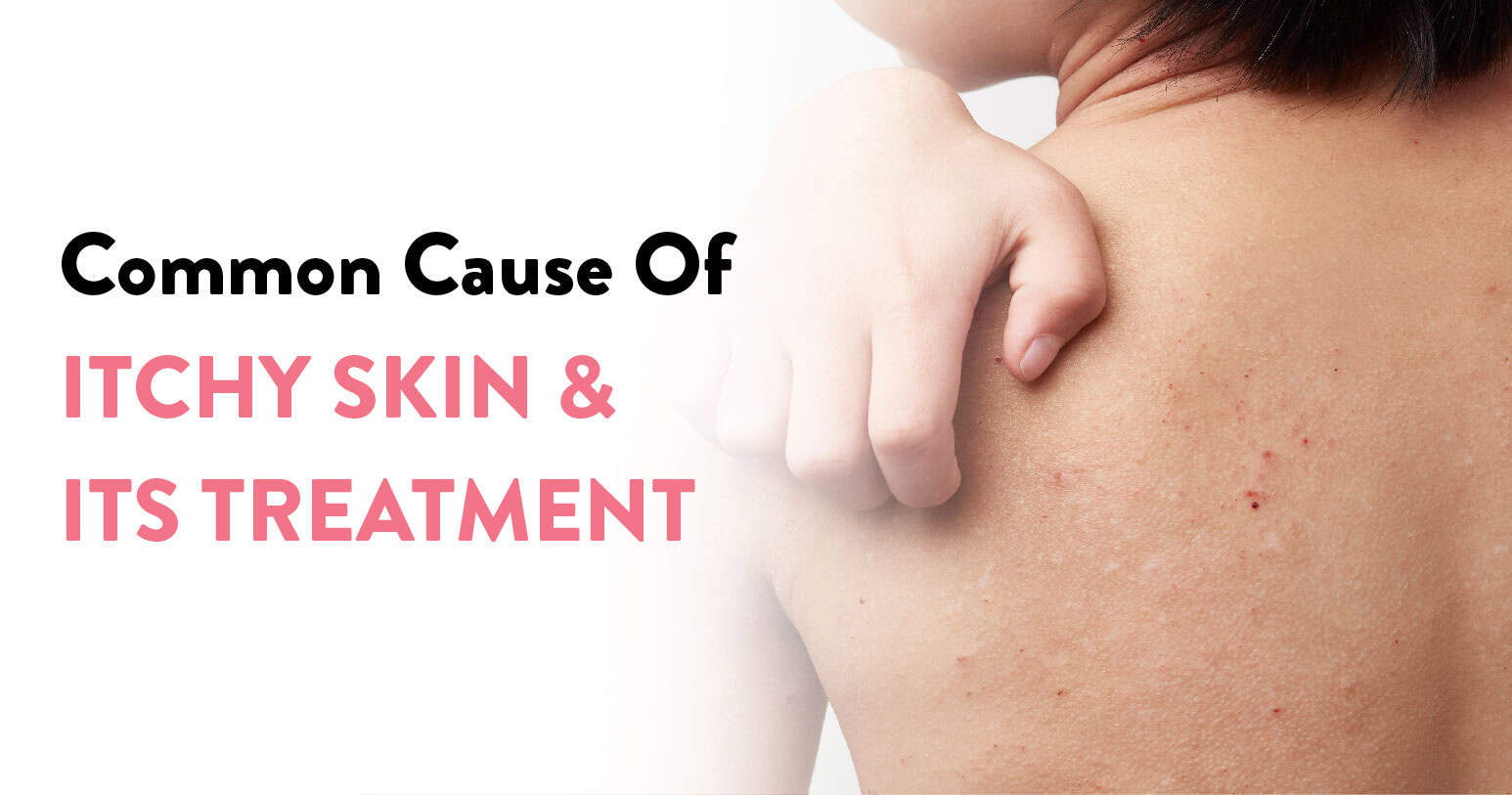
It is that time of the year again when the temperature outside is low, the humidity levels have hit rock bottom and everything feels dry. This dryness is not just reflected in the atmosphere but also on the surface of our skin. With this dryness comes the familiar seasonal concept of itching and flaking of the skin. Itchy skin can be very irritating. It makes you want to scratch non-stop. So out comes the bottles of moisturisers and body lotions that can help soothe the itch.
Itchy skin can be intense. The more you rub or scratch, the itchier it becomes, leading to the urge to scratch. Up to a certain extent we all end up with an itch or scratch. But breaking this itch-scratch cycle becomes difficult. In such cases, you need to get proper medical attention to solve the problem from the root cause. Depending on the cause, and the frequency of scratching, your skin may appear normal, rough, bumpy or red. Sometimes the skin might end up bleeding or become infected. None of which is desirable. So to understand what needs to be done and how to cure itchy skin
Table of Contents
Medically, itchy skin is also known as pruritus (proo-RIE-tus). It can happen to anyone. It all depends on the cell regeneration speed of the individual. Dry skin problems are very common in older people since skin tends to dry faster with age owing to slower cell regeneration.
However, most of these instances deal with various self-care measures that we keep adopting from time to time. When you seek long-term relief you need to get it reviewed by a dermatologist. They will help treat the problem using medicated creams, oral medicines and moist dressings.
Skin is universal in our bodies. So dryness-induced itchy skin can affect the smallest areas, like our scalp, arms or legs, or in worst-case scenarios the whole body.
With itchy skin sometimes there are no noticeable changes or symptoms apart from itchiness. However, other visible signs can be redness, cracks, scratch marks, leathery/scaly patches, bumps, spots or blisters.
You must show your condition to a dermatologist when
If it does not respond to a dermatology treatment, it has to be forwarded to an internal medicine expert to understand the underlying concerns that are leading to this dryness.
There can be various causes due to which you can end up with itchy skin. These are:
Any other cause might just be incidental to any side effects caused by medication or hand-foot-mouth disease which is triggered by consuming chemical compounds your body is not friendly with.
Also Read: 8 Signs Your Liver Is Healing
Prolonged itching and persistent scratching can increase the severity of the itch, leading to infection and scarring.
| Cause | Effect | Relief |
| Extremely dry skin | Intensely itchy | Medicated moisturiser |
| Bug bites (mosquito, bed bugs, lice, ringworms and mites) | Itch can be long-lasting and uncontrollable, except in the case of mosquitoes | Topical itch relief ointments |
| Diseases like dermatitis, chickenpox, eczema, folliculitis, hand-foot-and-mouth disease, psoriasis, neurodermatitis, hives, ringworm, (herpes) shingles, and others | Prolonged uncontrollable itching and rashes | Depending on the cause the relevant disease specialist needs to be consulted for the right treatment |
To understand the various modes of prevention, we need to first profile the group of people who are more susceptible to getting the problem in the first place. While anyone can suffer from pruritus, the following need to be extra careful:
Now that we know who is most at risk, we can approach each concern independently. The entire treatment depends on the cause. If it is a drug reaction then itching will be accompanied by rashes. But all other itches are mostly dependent on our skin’s hygiene. So here is a checklist that will keep you protected for longer.
If these kinds of things keep happening to you often and/ or you have similar symptoms that keep affecting your skin in the long term, then it is advisable to seek medical intervention from a professional dermatologist. At the CK Birla Hospital, our derma specialists are known to isolate each case and give customised treatment plans to relieve derma problems in the long term. If there are other aspects involved, the internal medicine team will also be involved. But it all starts with you reaching out to us. Walk in or book an appointment here.
Pruritus is itchy skin which can be linked to a variety of different causes, both severe and trivial. Urticaria on the other hand is a skin condition that ends up causing hives and gives a tickling or burning sensation in some areas of your skin. Therefore urticaria is a bigger concern of which a symptom is pruritus.
Sporting events demand a lot of physical exertion from each player. With repeated workouts, practice sessions, and above all stress, in innumerable instances, an unfortunate turn of events leads to a lingering sports injury that takes away months of hard work in a wink. Double Olympic and World 800m record holder, athlete David Rudisha was benched for 16 weeks after he twisted his ankle at home which turned out to be a fracture. English Cricketer Jonny Bairstow had to miss out on the T20 World Cup last year due to a broken fibula bone fracture after a freak accident.
Closer home double Olympic medallist shuttler PV Sindhu bowed out from the World Tour Finals due to a stressed ankle injury. And at this year’s ongoing Football World Cup Group match Neymar’s pesky ankle injury sent the whole world into a frenzy about Brazil’s chances of winning the cup. An ankle fracture can change fortunes not just for a player but also for an entire country. While these hits and misses are a part of the process, let us understand the impact and extent of the injury on our bodies.
Table of Contents
A broken ankle signifies one or more of the bones that make up the ankle joint are broken. It can be of different types:
In the latter, it may lead to disabling movement. Mostly it is advised that you do not put weight on your ankle for a few months, which is why you have restricted movements w.r.t. walking, driving, playing sports, and overall work.
The ankle joint is made up of 3 bones: the shinbone (tibia), the smaller bone of the lower leg (fibula) and the small bones in between the heel bone (calcaneus), tibia and fibula.
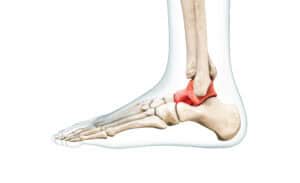
Apart from these, there is the Medial malleolus at the end of the tibia on the inner end of the ankle. The posterior malleolus is behind the tibia and the Lateral malleolus is the prominent bone at the end of the fibula on the outer side of the ankle. All of these share the ankle joint which gives mobility to the ankle and the syndesmosis joint which provides stability.
Orthopaedic experts classify fractures based on the area broken or the part of bone displaced. The fracture at the end of the fibula bone will be called a lateral malleolus fracture. And if the tibia is also broken this will be called a bimalleolar fracture. Similarly, if a bone is displaced it is a displaced fracture and if the bone comes out through the skin it is called an open fracture.
Ligaments in our body connect bone to bone to build stability in the joints. When you get a sprain in your ankle, the ligament gets injured. If torn, it is linked to an adjoining fracture. The deltoid ligament, found on the inner part of the ankle, lends stability to the ankle. If it is torn the ankle becomes unstable.
In our ankle joint two or more bones are cushioned by a lining between the bones, called cartilage. If the cartilage starts thinning or damages the cushioning, it leads to arthritis or inflammation in the joint.
The main causes of a broken ankle are:
Based on the event that leads to the injury, broken ankles can be attributed to:
In the case of a broken ankle, the only symptoms are pain and swelling, either in the ankle region itself or spread towards the foot or knee. Although the symptoms for sprain are similar, in the case of a fracture, the pain will feel 100x more when the injured person puts weight on their ankle.
In order to ensure proper recovery, the first step is diagnosis. With the help of various imaging tests, the bone structure and point of impact can be ascertained for proper diagnosis. Your orthopaedic will suggest X-rays of the region, to ascertain whether the pain is due to a broken bone, soft-tissue injury or sprain. In case of a traumatic incident, other radiology imaging, like a CT scan or MRI will be suggested.
If the results confirm a fracture, immediately approach an orthopaedic surgeon. The surgeon will be able to tell you whether or not surgery is needed.
There are different types of ankle breaks. Some of these do not require surgery. But when they do, it is important that the surgery is conducted by a skilled foot and ankle specialist. Timely and appropriate surgical intervention will help the ankle joint heal effectively. A shoddily executed surgery in the long term can lead to further complications, such as:
The ultimate goal is to restore bone alignment and ensure stability in the ankle joint. A good orthopaedic surgeon will ensure that the broken bones heal as close to perfectly as possible. Since a malalignment of even 2mm may lead to arthritis. It is easier to heal fractures than treat arthritis.
Mild ankle breaks that are stable and have no displacement can be managed non-surgically with the help of a splint, leg cast, or walking boot. In cases where that is not possible due to the delicate placement of the mild fracture, patients are advised to use crutches to restrict the pressure from weight bearing. For serious fractures, where the bones or their fragments become misaligned, surgery is required.
You Can Also Read: Best Food for strong bones and joints
An ankle fracture, which does not involve surgical intervention, can heal on its own. Some of these are:
Postoperative care is highly essential in the case of orthopaedic surgeries, the same applies to ankle repair. A good orthopaedic surgeon will ensure minimal discomfort and maximum gains for the patient. Some precautions are necessary for patients to follow:
At the CK Birla Hospital, we use the latest surgical innovations to ensure every patient gets a shorter healing time but gets complete and effective recovery. This patient-centric approach not only helps the patients heal better but also ensures zero to minimal chances of postoperative complications. In case you are facing any of the symptoms do reach out to us, or book a direct appointment at the CK Birla Hospital.
Depending on the extent of the fracture, treatment is prescribed. For a full-blown fracture, the patient cannot walk before 6 weeks. And can only be allowed to walk when all their x-rays indicate full bone healing. Weight-bearing and walking would be gradual depending on the progress in physiotherapy.
If the fracture is non-displaced, then a sling or a cast is given to the patient for basic mobility. However, walking can only start when the X-ray indicates complete healing and zero misalignments.
Yes. It will need a cast or splint if the recovery is non-surgical for up to 4 to 8 weeks, depending on the recovery as visible from subsequent x-rays. Without any complications, in 4 weeks the fracture heals enough to come out of the cast.
A fracture without misalignment or no fragments heals faster than a trauma fracture. So no, a fractured ankle is not worse than a break.
Walking after an ankle fracture is dependent upon the severity of the fracture. If it is a clean break it will take at least 8 weeks to heal properly to enable the patient to start walking wearing crutches or support. However, if the fracture is treated non-surgically, shows no alignment issue and subsequent x-ray shows complete healing, the cast can be removed. Walking is usually not advised before week 4.
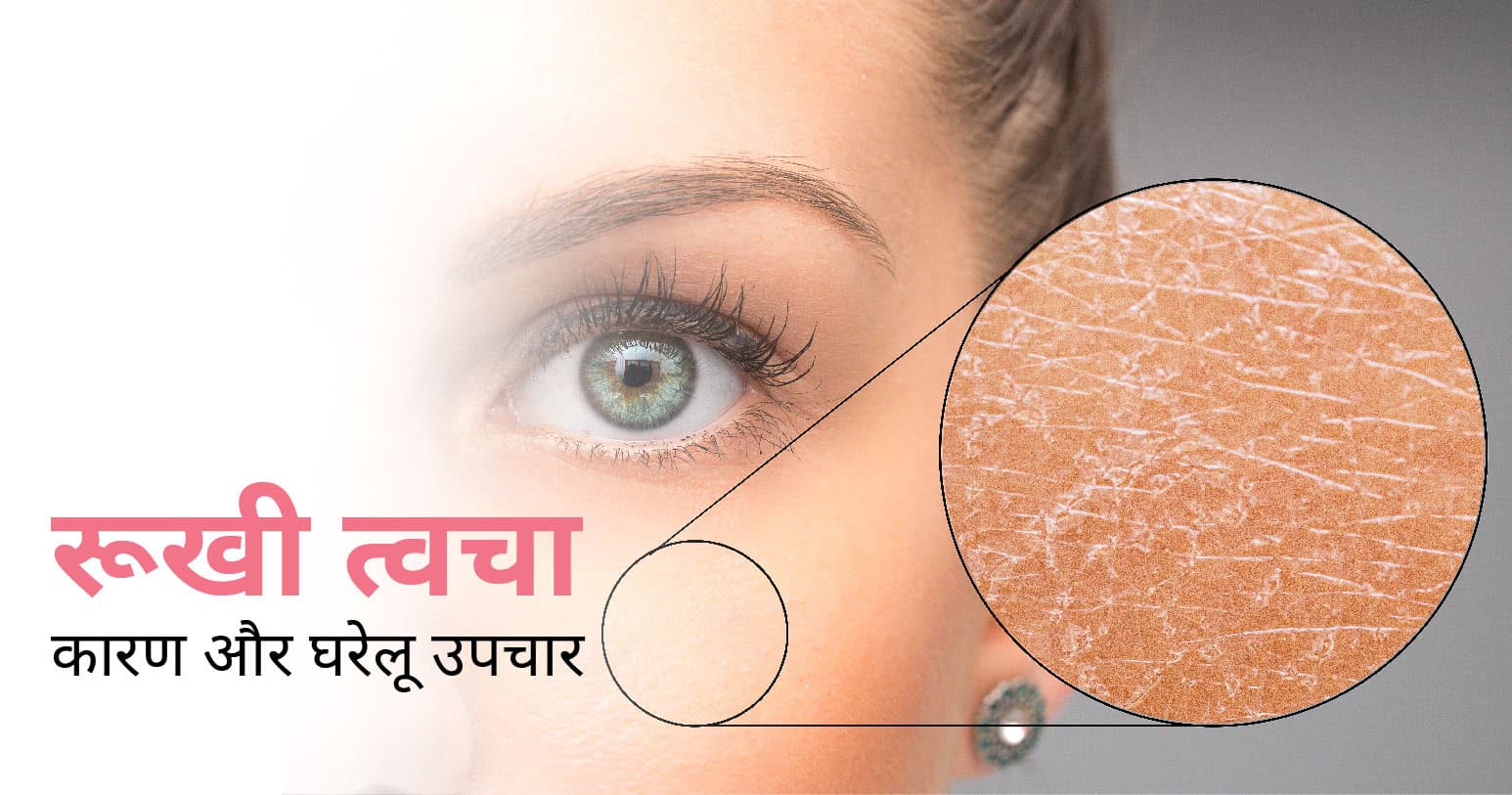
हर किसी को मुलायम और खूबसूरत त्वचा पसंद है और इसके लिए लोग तरह-तरह के क्रीम, फेस पैक, लोशन और क्रीम का इस्तेमाल करते हैं। हालाँकि, कई बार इन सबके बावज़ूद भी त्वचा में रूखापन आ जाता है।
आमतौर पर त्वचा में रूखापन सर्दी के मौसम में आता है, लेकिन कुछ लोगों को गर्मी के मौसम में भी इस समस्या का सामना करना पड़ता है। त्वचा में रूखापन होने पर वह सुखी यानी ड्राई दिखती है।
कुछ मामलों में त्वचा का रूखापन त्वचा के फटने और उसमें खुजली या जलन का कारण बन सकता है। आइए, इस ब्लॉग में हम त्वचा में रूखेपन के कारण और उसके घरेलू उपचार के बारे में विस्तार से जानने की कोशिश करते हैं।
ये भी पढ़े: हर्पीस बीमारी क्या है? इसके कारण, लक्षण और उपाय
Table of Contents
त्वचा में रूखापन कई कारणों से हो सकता है जिसमें निम्न शामिल हो सकते हैं:
इन सबके अलावा, दूसरी स्वास्थ्य समस्याएं जैसे कि डायबिटीज, कुपोषण, हाइपोथायरायडिज्म और महिलाओं में मेनोपॉज एवं हार्मोनल असंतुलन के कारण भी त्वचा में रूखापन आ सकता है।
रूखी त्वचा का उपचार घर बैठे किया जा सकता है। अगर आप भी अपनी रूखी त्वचा से परेशान हैं तो नीचे दिए हुए घरेलू नुस्खों का उपयोग कर सकते हैं। लेकिन अगर आपको पहले से त्वचा संबंधित किसी भी तरह की कोई समस्या है तो त्वचा विशेषज्ञ से परामर्श करने के बाद ही इन नुस्खों का इस्तेमाल करें।
त्वचा में रूखापन दूसरी गंभीर समस्याओं के कारण भी हो सकता है। ऐसे में आपको ऊपर दिए गए घरेलू नुस्खों का इस्तेमाल करने से पहले त्वचा विशेषज्ञ से अवश्य परामर्श करना चाहिए। बिना डॉक्टर से परामर्श किए इन नुस्खों का इस्तेमाल करने पर आपको फायदा होने के बजाय दुष्प्रभाव भी हो सकता है।
अगर घरेलु नुस्खों से आपके रूखी त्वचा में कोई फायदा नहीं होता है या त्वचा का रूखापन समय के साथ बढ़ता है, कुछ समय के बाद त्वचा फटने लगती है, रूखी त्वचा में खुजली, जलन और दूसरी समस्याएं होती हैं तो आपको जल्द से जल्द त्वचा विशेषज्ञ से परामर्श करना चाहिए।
आपकी त्वचा के सूखने के कई कारण हो सकते हैं जैसे कि त्वचा के अनुरूप साबुन, क्रीम, लोशन या दूसरे उत्पादों का इस्तेमाल न करना, त्वचा संबंधित किसी बीमारी से पीड़ित होना, शरीर में विटामिन ए और डी की कमी होना, प्रदुषण के संपर्क आयना आदि।
कुछ विशेषज्ञों का कहना है कि ज्यादा देर तक नहाने से त्वचा का प्राकृतिक तेल ख़त्म हो जाता है जिसके कारण त्वचा में रूखेपन की शिकायत हो सकती है।
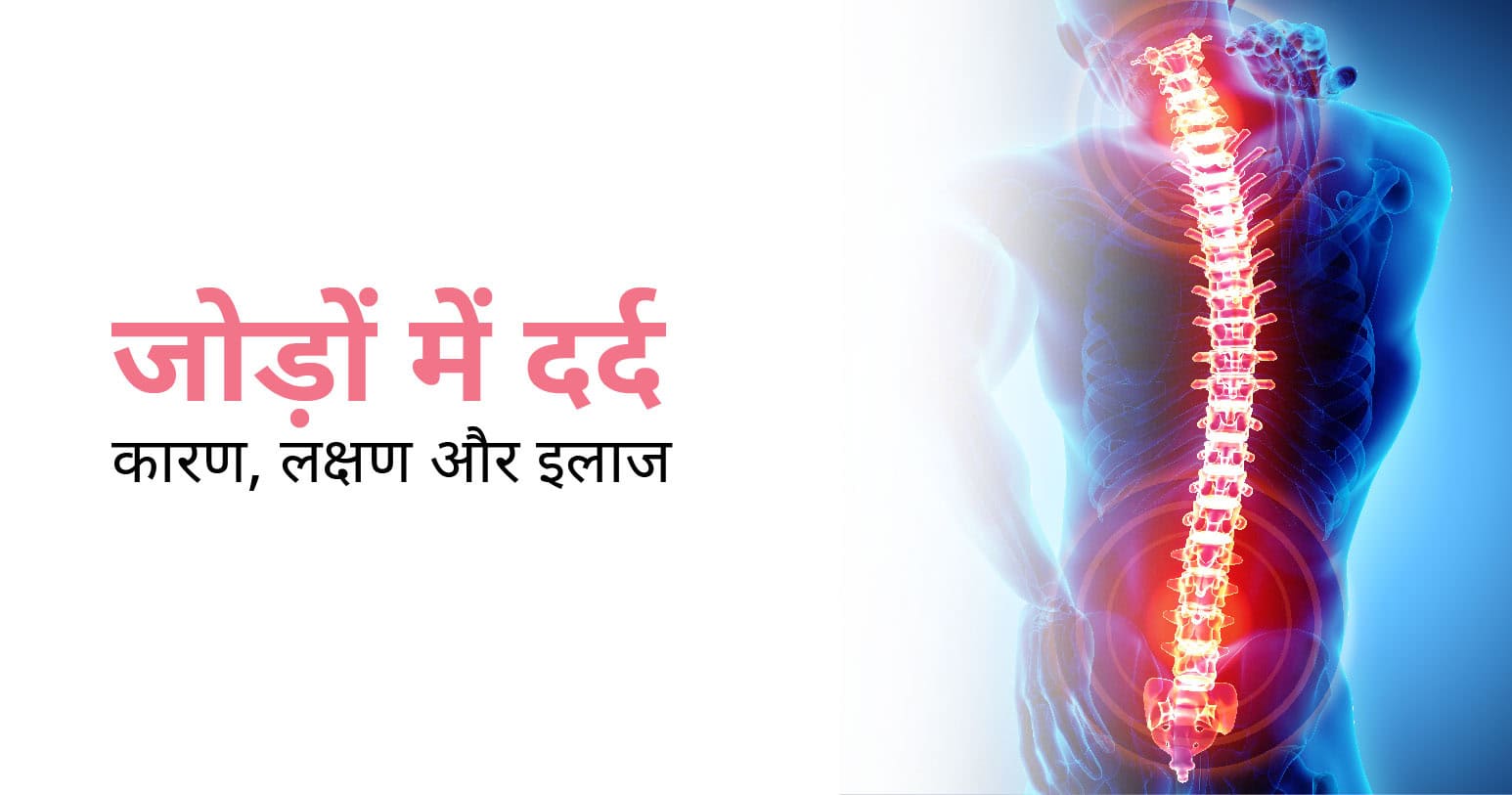
जोड़ शरीर के महत्वपूर्ण अंग हैं जो हमारे दैनिक जीवन की गतिविधियां जैसे कि उठना, बैठना, सोना, चलना आदि में महत्वपूर्ण भूमिका निभाते हैं। लेकिन कई बार कुछ स्थितियों के कारण जब शरीर के जोड़ जैसे कि कोहनी, घुटना, टखना, कंधा, कूल्हा आदि में दर्द होता है तो हमें अपने दैनिक जीवन के कामों को पूरा करने में काफी कठिनाइयों का सामना करना पड़ता है।
आमतौर पर बूढ़े लोगों में जोड़ों के दर्द की शिकायत होती है, लेकिन चोट, मोच या किसी बीमारी के कारण यह बच्चों या जवान लोगों में भी देखने को मिल सकता है। आइए, इस ब्लॉग में हम जोड़ों में दर्द के कारण, लक्षण और उपचार के बारे में विस्तार से जानने की कोशिश करते हैं।
Table of Contents
जोड़ों में दर्द के अनेक कारण हो सकते हैं जिसमें गठिया, बर्साइटिस और मांसपेशियों में दर्द आदि। जोड़ों में दर्द के मुख्य कारणों में निम्न शामिल हो सकते हैं:
ये भी पढ़े: घुटने में दर्द का कारण, लक्षण और घरेलू इलाज
आमतौर पर जोड़ों में दर्द और गठिया के लक्षण लगभग एक जैसे हो सकते हैं। उदाहरण के तौर पर, इन दोनों स्थितियों में निम्न लक्षणों को अनुभव किया जा सकता है:
गठिया होने पर आप दूसरे भी लक्षणों को अनुभव कर सकते हैं जैसे कि जोड़ों में सूजन आदि। हालाँकि, ये लक्षण अन्य अंतर्निहित स्थितियां जैसे कि ल्यूपस, सोरायसिस, गाउट या कुछ संक्रमण के कारण भी हो सकते हैं जिसकी पुष्टि जाँच के बाद होती है।
ये भी पढ़े: यूरिक एसिड बढ़ने का कारण, लक्षण, इलाज और आसान घरेलू नुस्खे
जोड़ों में दर्द का उपचार उसके कारण, प्रकार, गंभीरता और मरीज की उम्र एवं समग्र स्वास्थ्य पर निर्भर करता है। अगर जोड़ों में दर्द का कारण चोट है तो शुरुआती उपचार के तौर पर डॉक्टर आराम करने का सुझाव और सूजन के लिए कुछ दवाएं निर्धारित करते हैं।
दर्द को नियंत्रित करने के लिए दर्द निवारक या दूसरी दवाओं की आवश्यकता हो सकती है। साथ ही, शारीरिक चिकित्सा की भी जरूरत पड़ सकती है। इन सबके अलावा, जोड़ों के दर्द का इलाज करने के लिए डॉक्टर निम्न का इस्तेमाल कर सकते हैं:
आपके जोड़ों के दर्द के लिए सटीक उपचार क्या है – इस बात की पुष्टि जोड़ों के दर्द का निदान करने के बाद होती है।
ये भी पढ़े: हड्डी का कैंसर: प्रकार, कारण, लक्षण और उपचार
जोड़ें शरीर का महत्वपूर्ण हिस्सा हैं जिनकी गतिशीलता हमारे दैनिक जीवन की गतिविधियों को आसान और आरामदायक बनाती हैं। लेकिन अनेक कारण जैसे कि चोट, संक्रमण या बीमारी के कारण जोड़ों में दर्द की शिकायत हो सकती है।
जोड़ों में दर्द होने पर आपका चलना, फिरना, उठना, बैठना या दैनिक जीवन के कामों को करना मुश्किल हो सकता है। इस स्थिति में आपको जल्द से जल्द डॉक्टर से परामर्श करना चाहिए। डॉक्टर कुछ जांच की मदद से जोड़ों में दर्द के सटीक कारन का पता लगा सकते हैं।
उसके बाद, उचित उपचार से इसे दूर कर सकते हैं। जोड़ों में दर्द का उपचार कई तरह से किया जाता है। आमतौर पर जोड़ों में दर्द की समस्या को दूर करने के डॉक्टर दर्द के कारण, प्रकार, गंभीरता और मरीज की उम्र एवं संपूर्ण स्वास्थ्य को ध्यान में रखते हुए उपचार के प्रकार का चयन कर इलाज की प्रक्रिया शुरू करते हैं।
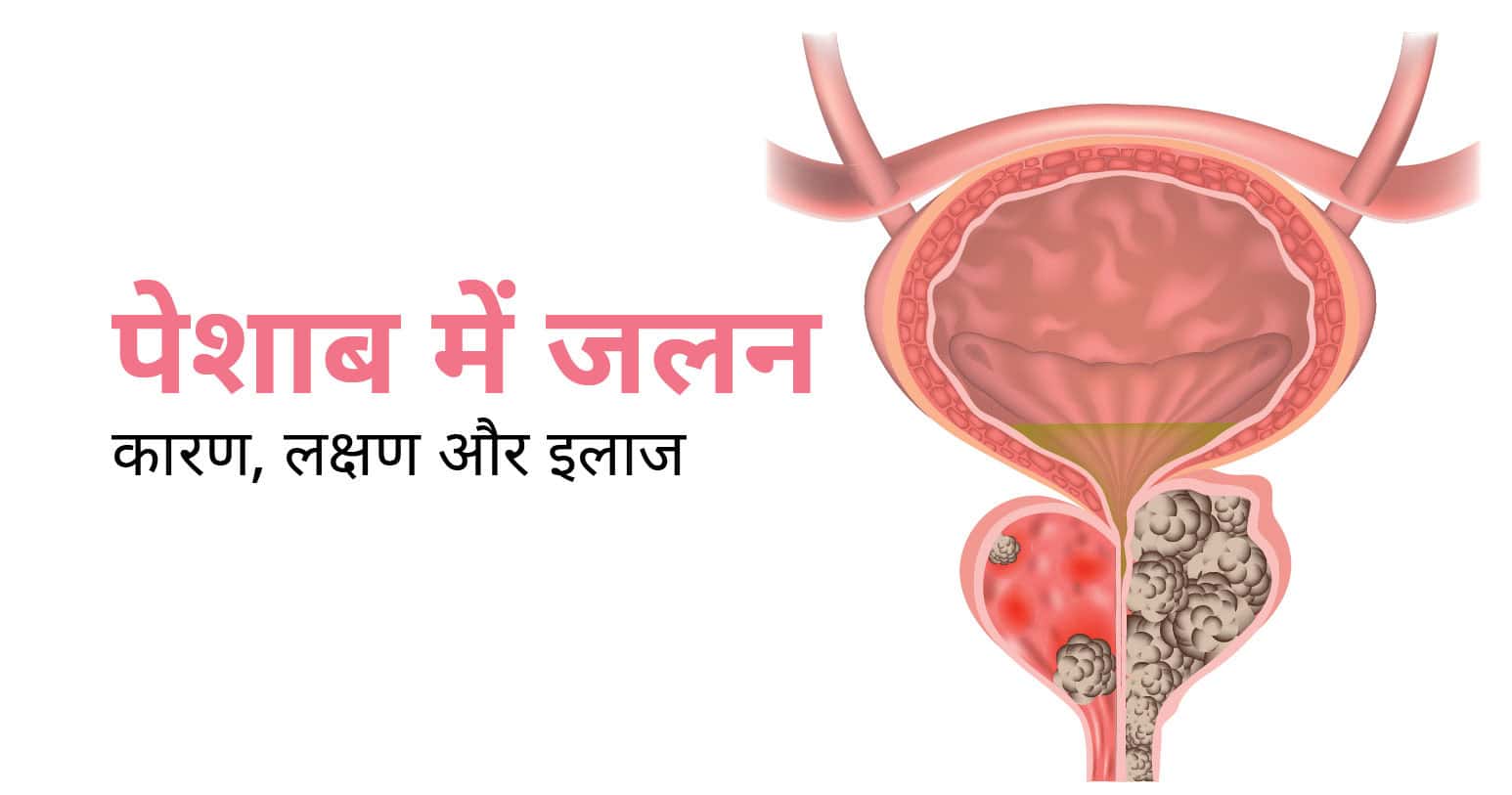
पेशाब में जलन होने की स्थिति को मेडिकल भाषा में डिस्युरिया कहते हैं। यह एक आम समस्या है जो हर उम्र के पुरुष या महिला को प्रभावित कर सकता है। पेशाब में जलन होना केवल पेशाब से संबंधित नहीं है, बल्कि यह यूरिनरी सिस्टम (मूत्र प्रणाली), किडनी, युरेटर (मूत्रवाहिनी), यूरेथ्रा (मूत्रमार्ग) और यूरिनरी ब्लैडर (मूत्राशय) से संबंधित होता है।
शोध के मुताबिक, पेशाब में जलन की समस्या पुरुषों की तुलना में महिलाओं को अधिक होती है। इसका मुख्य कारण है महिलाओं और पुरुषों के मूत्रमार्ग की लंबाई में बड़ा अंतर होना। पेशाब में जलन होने के साथ-साथ अन्य भी लक्षण अनुभव हो सकते हैं।
ये भी पढ़े: पुरुषो में किडनी स्टोन (गुर्दे की पथरी): लक्षण, कारण, और उपचार
Table of Contents
कई कारणों से पेशाब में जलन हो सकती है। इसके मुख्य लक्षणों में निम्न शामिल हो सकते हैं:
इन सबके अलावा, रसायनिक संवेदनशीलता के कारण भी पेशाब में जलन हो सकती है। रसायनिक संवेदनशीलता यानी उन रासायनिक पदार्थों का इस्तेमाल करना जिन्हें आपका शरीर सहन नहीं करता है।
पेशाब में जलन होने पर जलन के अलावा आप दूसरे भी लक्षणों को अनुभव कर सकते हैं। इसमें मुख्य रूप से निम्न शामिल हैं:
महिलाओं में पेशाब में जलन होने पर उन्हें पेशाब में जलन के साथ-साथ अन्य लक्षण भी अनुभव हो सकते हैं जैसे कि:
जैसा कि हमने आपको ऊपर बताया कि पेशाब में जलन के कई कारण हो सकते हैं और बिना कारण की पुष्टि किए उपचार करना उचित नहीं होता है। ऐसे में डॉक्टर मरीज को कुछ जांच करवाने का सुझाव देते हैं ताकि इस बात की पुष्टि हो सके की पेशाब में जलन का मुख्य कारण क्या है।
पेशाब में जलन का निदान करने के लिए डॉक्टर निम्न जांचों का सुझाव दे सकते हैं:
इस दौरान डॉक्टर इस बात का पता लगाते हैं कि पेशाब में जलन का कारण कौन से बैक्टीरिया का संक्रमण है।
इस जांच के दौरान डॉक्टर लाल रक्त कोशिकाओं, सफ़ेद रक्त कोशिकाओं और बैक्टीरिया के बारे में जानने के लिए करते हैं। पेशाब में पाए जाने वाली लाल और सफ़ेद रक्त कोशिकाओं की संख्या संक्रमण की गंभीरता को दर्शाता है।
इस दौरान डॉक्टर इस बात की पुष्टि करते हैं की पेशाब में जलन का कारण कहीं किडनी स्टोन तो नहीं है। किडनी स्टोन के कारण भी पेशाब में जलन हो सकती है।
जब उपचार के बाद भी बार-बार यूरिनरी ट्रैक्ट इंफेक्शन (यूटीआई) होता है तो डॉक्टर यूरिनरी ट्रैक्ट में असामान्यता की पुष्टि करने के लिए सिटी स्कैन करते हैं।
जिसको बार-बार संक्रमण होता है या जब संक्रमण गंभीर रूप ले लेता है तो मूत्रमार्ग और मूत्राशय की जांच करने के लिए यह टेस्ट किया जाता है।
ये भी पढ़े: हाइड्रोनेफ्रोसिस का कारण, लक्षण और उपचार
पेशाब में जलन (burning sensation during urination) एक दर्दनाक स्थिति है, जिसमें व्यक्ति को दर्द और जलन का सामना करना पड़ सकता है। यह एक आम समस्या है, जो कई कारणों से हो सकती है, जिनमें संक्रमण, सूजन, या दवाएं शामिल है। शुरुआती निदान में घर पर ही लक्षणों की पहचान होती है। घर पर पेशाब में जलन का निदान करने के लिए, आप निम्नलिखित चरणों का पालन कर सकते हैं:
ये भी पढ़े: किडनी में सूजन का कारण और इलाज | Kidney Inflammation in Hindi
जैसा कि हमने आपको ऊपर ही बताया कि कई कारणों से पेशाब में जलन की शिकायत होती है। इसलिए इसके कारणों को ध्यान में रखते हुए उपचार के प्रकार का चयन किया जाता है। पेशाब में जलन होने पर आपको घरेलू नुस्खों का इस्तेमाल करने या किसी नीम-हकीम के पास जाने के बजाय विशेषज्ञ डॉक्टर से परामर्श करना चाहिए।
आमतौर पर पेशाब में जलन का उपचार करने से पहले डॉक्टर मरीज से कुछ प्रश्न पूछ सकते हैं जैसे कि पेशाब में जलन कितने दिनों से है, क्या पेशाब में अचानक से जलन शुरू हुई है या पहले से ही धीरे-धीरे होती आ रही है आदि। साथ ही, डॉक्टर पहले से मौजूद बीमारी और जीवनशैली एवं खान-पान से संबंधित भी प्रश्न पूछ सकते हैं।
लक्षणों और स्वास्थ्य से सबंधित प्रश्न पूछने के बाद डॉक्टर कुछ जाँच करने का सुझाव देते हैं। जांच के परिणाम के आधार पर पेशाब में जलन के कारण की पुष्टि की जाती है। उसके बाद, उपचार के प्रकार का चयन कर इलाज की प्रक्रिया शुरू की जाती है।
Consult to the Best Urologist in Delhi & Gurgaon
आमतौर पर यूरिनरी ट्रैक्ट इंफेक्शन, इंटरस्टीशियल सिस्टिटिस और यौन संचारित संक्रमणों का इलाज करने के लिए डॉक्टर मरीज को एंटीबायोटिक दवाएं निर्धारित करते हैं। इसके अलावा, प्रोस्टेट से संबंधित बिमारियों या किडनी की पथरी का इलाज करने के लिए सर्जरी का इस्तेमाल किया जाता है।
1. पेशाब करने के बाद जलन को कैसे रोकें?
पेशाब के बाद जलन या दर्द (pain while urinating) हो तो सबसे पहले डॉक्टर से संपर्क करें। उनसे बिना पूछे किसी भी दवा का सेवन न करें। कुछ निर्देशों का पालन कर आप पेशाब के बाद होने वाली जलन को रोक सकते हैं जैसे –
2. पुरुषों को पेशाब करते समय जलन का सामना क्यों करना पड़ता है?
पेशाब के बाद जलन के बहुत सारे कारण हो सकते हैं, लेकिन उनमें से मुख्य कारणों को नीचे दिया गया है –
इसके अतिरिक्त कैंसर और गुर्दे की पथरी कुछ अन्य कारण है, जिसकी वजह से पुरुषों को पेशाब करते समय जलन होती है।
3. महिलाओं में पेशाब करते समय अंत में दर्द क्यों होता है?
सामान्यतः महिलाओं और पुरुषों में पेशाब के बाद दर्द और जलन के कारण एक समान ही होते हैं। कुछ कारण है जिसकी वजह से महिलाओं को पेशाब करते समय जलन का सामना करना पड़ता है जैसे –
4. कितनी बार पेशाब जाना सामान्य है?
पेशाब आना का अर्थ यह है कि शरीर से विषाक्त पदार्थ शरीर से बाहर जा रहे हैं। सामान्य रूप से, वयस्क लोग दिन में 6-8 बार पेशाब जाते हैं। इससे ज्यादा या बहुत कम पेशाब आना मूत्र संबंधी समस्या का संकेत देता है।
5. क्या हर घंटे पेशाब आना सामान्य है?
यह सामान्य नहीं है। हर घंटे पेशाब आना मूत्र पथ के संक्रमण (UTI) या अन्य स्वास्थ्य समस्या का संकेत हो सकता है।
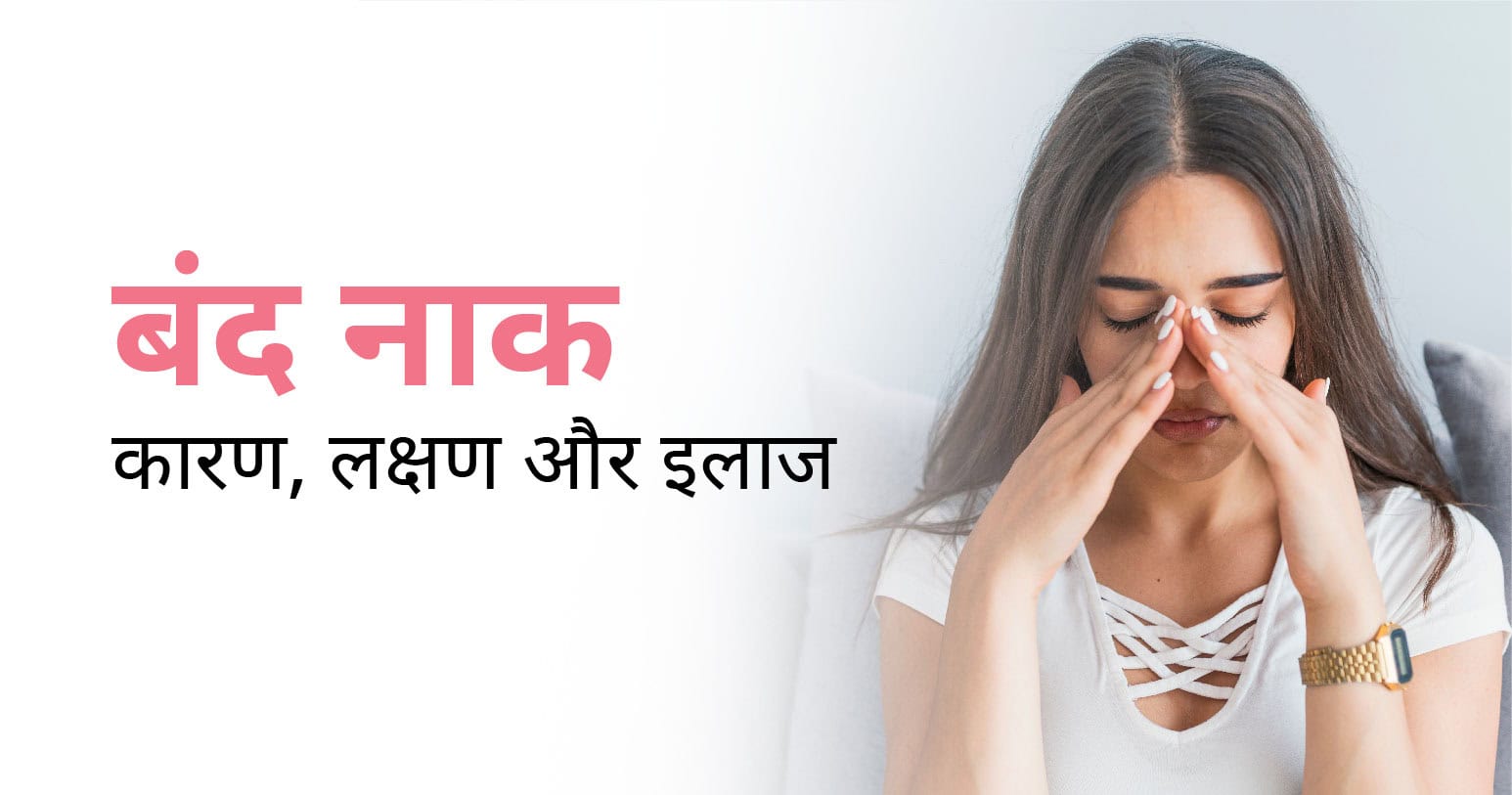
नाक बंद होने की समस्या सर्दी और गर्मी दोनों ही मौसम हो सकती है। इसका कारण सामान्य एलर्जी से लेकर साइनस में इंफ्केशन या नाक की हड्डी टूटना आदि हो सकते हैं। नाक बंद यानी जाम होने के कारण आपको अनेक परेशानियां जैसे की नाक में सूजन, गले में खराश सांस लेने में तकलीफ, सर्दी, खांसी और बुखार आदि का सामना करना पड़ सकता है।
Table of Contents
नाक बंद यानी जाम होने के कई कारण हो सकते हैं जिसमें एलर्जी या सामान्य संक्रमण के कारण नाक के उत्तक (टिशू) में सूजन आना या द्रव भर जाना शामिल है। अधिकतर मामलों में यह गंभीर स्वास्थ्य समस्याओं के कारण नहीं होता है। हालाँकि, यह देखा गया है कि ज्यादातर मामलों में साइनस क्षेत्र में इंफेक्शन इसका मुख्य कारण होता है।
इन सबके अलावा, बंद नाक के कारणों में निम्न शामिल हो सकते हैं:
साथ ही, कभी-कभी गर्भवती महिलाओं में भी बंद नाक की शिकायत हो सकती है। गर्भवती महिला के शरीर में हार्मोनल परिवर्तन होने पर रक्त का प्रवाह तेज हो जाता है जिसके कारण नाक बंद यानी जाम हो सकता है।
नाक बंद होने पर आप खुद में नाक जाम होने के साथ-साथ दूसरे भी लक्षणों को अनुभव कर सकते हैं जैसे कि:
इंफेक्शन यानी संक्रमण के कारण नाक बंद होने पर आप निम्न लक्षणों को अनुभव कर सकते हैं:
हालाँकि, ये लक्षण सामान्य कारणों से नाक बंद होने के कारण भी हो सकते हैं। डॉक्टर लक्षणों के आधार पर जांच की मदद से नाक बंद होने के सटीक कारण की पुष्टि कर सकते हैं।
बंद नाक का इलाज उसके कारण और गंभीरता पर निर्भर करता है। इस समस्या का उपचार करने के लिए डॉक्टर कुछ विशेष टैबलेट और सीरप निर्धारित कर सकते हैं। हालाँकि, नाक बंद होने का कारण संक्रमण, नाक की हड्डी टूटने आदि पर डॉक्टर सर्जरी या दूसरे प्रकार के उपचार की सहायता ले सकते हैं।
धूल, गर्मी, सर्दी या बदबू के प्रति एलर्जी, साइनस में संक्रमण या नाक में सूजन और दूसरे अनेक कारणों से नाक बंद होने की शिकायत हो सकती है। अधिकतर मामलों इसके कारण सामान्य होते हैं। यह हर मौसम में हर उम्र के व्यक्ति को प्रभावित कर सकता है।
बंद नाक का कारण अगर कोई सामान्य समस्या जैसे की धूल, बदबू या ठंड के प्रति एलर्जी है तो कुछ ख़ास घरेलू नुस्खों से इसे दूर किया जा सकता है। दूसरे मामलों में दवाओं की आवश्यकता होती है। अगर बंद नाक का कारण कोई गंभीर समस्या है तो ऐसे में डॉक्टर सर्जरी या दूसरे माध्यम का चयन करते हैं।
अगर आप भी बंद नाक से परेशान हैं तो तुरंत नाक के विशेषज्ञ डॉक्टर से परामर्श करना चाहिए। समय पर उचित उपचार और देखभाल से इस समस्या को आसानी से दूर किया जा सकता है।
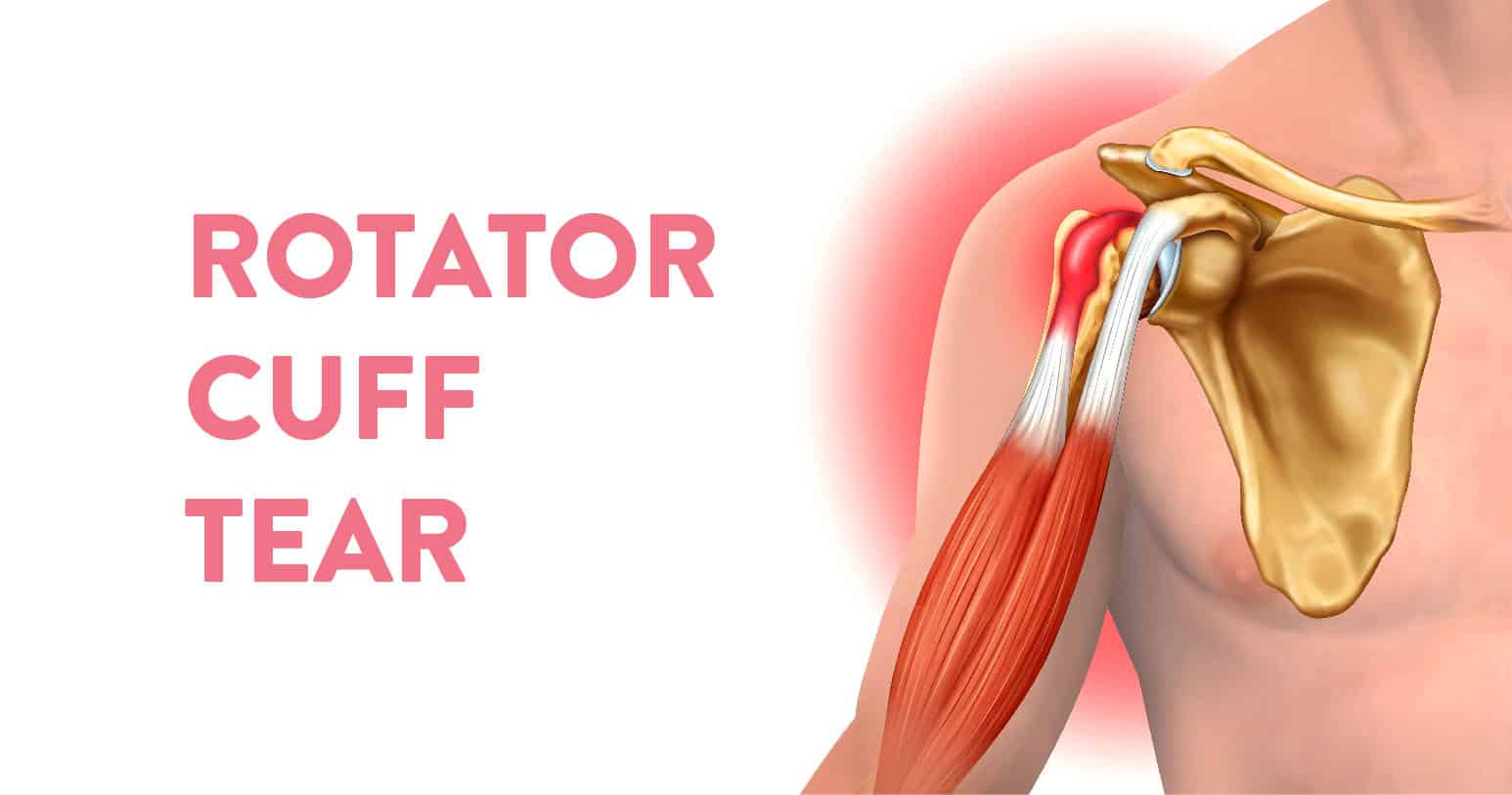
Our body is divided into different muscle groups for different bodily functions. The rotator cuff is one such group of muscles and tendons, surrounding the shoulder joint. It is responsible for keeping the head of your upper arm bone within the socket of your shoulder. A rotator cuff injury causes a dull ache in the shoulder.
This is a group of four muscles and tendons. Their main function is to help you do heavy lifting and rotate your arms. So if there is a rip in the muscles it is called a rotator cuff tear. These rotator cuff tears are of three types.
Rotator cuff injuries like these are quite common, especially in sports involving a lot of arm action, like baseball or tennis. It can also happen to people who have jobs that involve a lot of arm activity like cleaning windows. Over time with normal wear and tear also this can happen, especially if the same movement is repeated over and over or due to the impact of a fall. Let us understand the causes better.
Table of Contents
These injuries are very common around us and once they happen the pain can bother you, especially at night. Unless treated properly, with every future hand action trauma it will be triggered again and the injury will then tend to worsen over time. These injuries are mainly caused by
Based on the above causes here are the people who have the highest risk of having a rotator cuff tear:
The most tell tale sign of a rotator cuff tear is a dull pain in the area of the muscles and tendon tissue. But it will also be accompanied with other symptoms. To summarise, these are:
While some injuries don’t come with pain, if you are having discomfort in your shoulders, it is advisable to reach out to a physician and get it checked. If ignored, these problems will keep persisting leading to permanent loss of motion of the arm, frozen shoulder, arthritis or persistent weakness.
Once you reach out to a doctor or sports injury specialist, they will feel the region and affected parts. Test your arms mobility and strength, as to whether you can lift your arm or not. Based on the physical assessment the doctor will prescribe one or more of these tests to form a clear picture:
Based on the findings from the tests above, a treatment plan will be drawn, where the orthopaedic will decide whether this needs physiotherapy or surgery. Traditional treatment includes rest, therapy and icing the region. But if the damage is severe, then surgery is the ultimate option.
Post surgery, you’ll keep your shoulder on a sling to assist healing. Your surgeon will also advise the following:
To look after your muscles you must exercise. But this does not mean rigorous exerting exercise. By this we mean exercises that improve your blood circulation to make sure blood and oxygen reaches each muscle group. Good circulation is the best form of healing that will repair the tissues that are damaged over time.
Sport physios all over recommend focusing on the front muscles of the chest, upper arm,and your shoulder, including the back. Strengthening these muscle groups will help even out the stress on your shoulder muscles that leads to this injury in the first place.
In conclusion, rotator cuff injuries are common to sports persons, but can happen to anyone. Your motor mechanic can get it, and if you suddenly fell down and your shoulder broke your fall, then even you can get it. The best way out is to not panic but immediately seek medical help. The quicker an injury is attended to, the faster is the route to recovery.
At the CK Birla Hospital, we have a special set of orthopaedic surgeons, dedicated to treat sports injuries like the Rotator Cuff Tear and provide you treatment or surgery that will involve minimal stay but complete recovery in the quickest possible time. So that you can go and play your favourite sport again. If you have a pain in your shoulder and want an expert opinion on it, then do walk in to any of our hospitals or book an appointment .
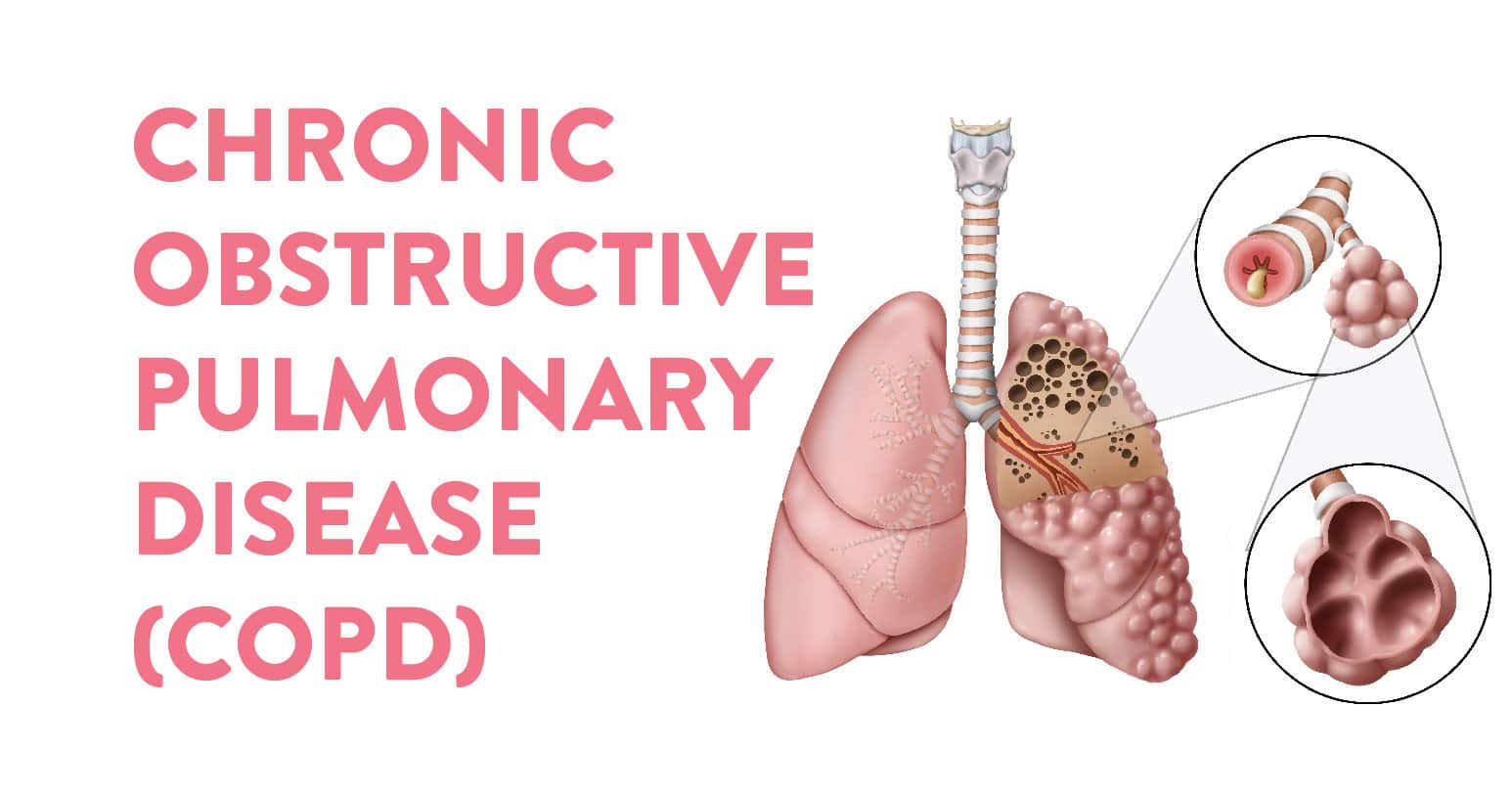
Table of Contents
Chronic obstructive pulmonary disease, popularly called COPD, is a chronic lung disease that obstructs the airflow in our lungs. This is by far the most complex respiratory disorder and so far without a cure. The disease can surface with breathing problems, coughing fits, wheezing and mucus (sputum) production.
The coughing in this case is usually that of a smoker’s cough. Therefore smoking is one of the biggest contributors to the rise in COPD cases followed by long-term exposure to particulate matter, and lung irritants. That’s not all, those who are diagnosed with COPD have a high risk of developing heart disease or lung cancer. Truly misery loves company when it comes to COPD.
COPD is a combination of two incremental conditions, Emphysema and Chronic Bronchitis. Both these conditions must be present to lead the situation past control in the form of COPD. These two conditions mostly occur together, however, they vary in severity for different COPD patients. Consider this as the villain’s sidekicks.
COPD is a progressive disease. The conditions seldom improve and tend to get worse over time. Having said that COPD is treatable. With proper management, most patients can control the symptoms and improve their quality of life while living with the disease.
It has been observed that childhood asthma increases your chances of having COPD in adult life. Many children tend to outgrow their asthma, however, their lungs don’t mature well and work as they should in some cases. This is noticed in children who had persistent childhood asthma, i.e., children who have breathing trouble almost every day. This directly translates to lower lung capacity and restricted lung growth in their youth.
Asthma and COPD, both block your airways and have common symptoms. But the major difference is that in the case of asthma you get tightness in your chest and persistent wheezing problems. Whereas, COPD symptoms are more constant, and include coughing fits which bring up a lot of phlegm. But in case of flare-ups, asthma can subside with medication, but COPD will not. Both are severe respiratory disorders, but COPD is worse in terms of recovery.
COPD happens due to blockage in the airways. What causes these blocks is the actual reason why we develop the problem. In the case of a healthy adult, air goes down the trachea into the lungs via two large tube-like structures called bronchi. These tubes branch out into smaller tubes, ending in tiny air sacs called alveoli.
The alveoli have thin walls full of capillaries. The capillaries carry the oxygen you inhale into the bloodstream. Similarly, carbon dioxide is exhaled in the reverse flow. To ensure this oxygen and carbon dioxide exchange is properly done, there needs to be a natural elasticity in the tubes. But with COPD they over expand and the air gets trapped in the lungs every time you exhale.
While the main culprit that robs the elasticity of bronchial tubes is prolonged exposure to smoke, here are the major causes of COPD:
Unlike other life-threatening diseases, COPD has very significant and easily identifiable symptoms. However, they surface only when the damage has gone too deep. Identifying these signs helps make it easier to create a customised treatment plan. These signs and symptoms are:
COPD patients also experience exacerbations, during which the symptoms get worse and persist for several days. In the worst cases, patients’ lips and nail beds start turning blue. This is an emergency indication and one must be rushed to the hospital.
Wondering when to see a doctor? Whenever any of the above symptoms start showing and show no signs of improvement with treatment or otherwise. The pulmonologist will suggest one or more of the following tests:
Other than these normal pathological tests might be carried out, reports of which will help assess the severity of the condition. Based on the reports the COPD patient can be categorised into 4 stages:
Stage I (Early) | Stage II (Moderate) | Stage III (Severe) | Stage IV (Very Severe)
COPD can be treated. Effective therapy can control symptoms, slow progression, manage complications and exacerbations, and overall improve your quality of life.
The first step is to quit smoking. The more oxygen enters your body the better your chances are of managing COPD. The next step is medication. Several kinds of medications are used to treat COPD apart from antibiotics, such as:
Lung therapies, oxygen therapy and breathing exercises are some other ways in which people in different stages can work their way around COPD.
To summarise, your lungs depend on how healthy you keep them. With more oxygen and healthy practices, you can not only make sure the lungs are fully functional, but also deliver the much-needed oxygen effortlessly throughout your body. However, if you are prone to lung infections and can’t kick the habit of smoking, it is advisable to reach out to a professional pulmonologist, at the CK Birla Hospital and get yourself checked for COPD. Book an appointment now.
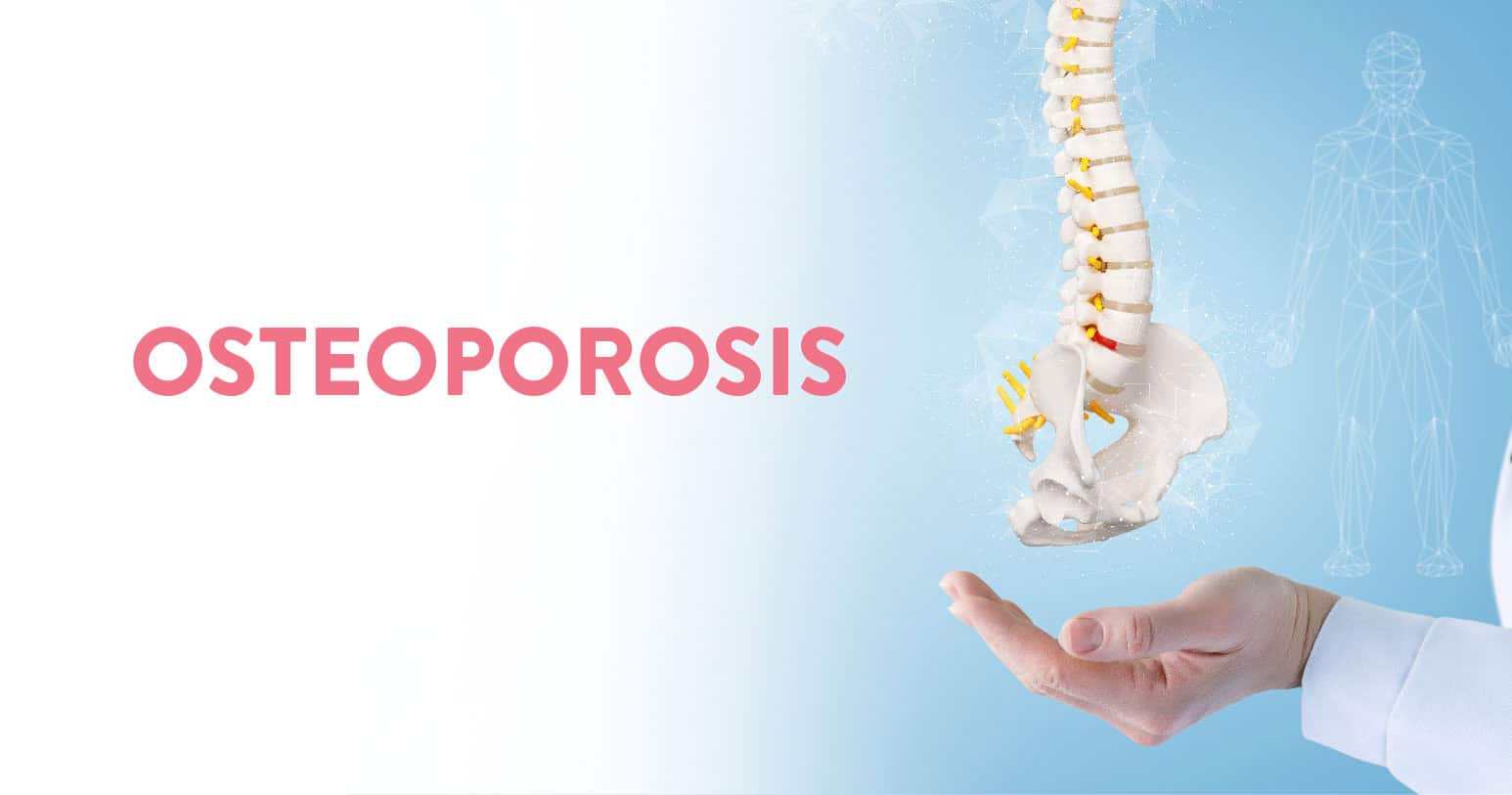
Table of Contents
Every part of our body is made of cells and tissues. The bone tissue, like all other tissues, keeps decaying and regenerating to keep our bones strong. The moment this process slows down, new bone tissues can’t keep up with the old decaying tissues, leading to the bones becoming fragile. This happens in the case of men and women, however, post-menopausal women are more susceptible to getting this than any other person. Osteoporosis is also linked to vitamin D deficiency, which also increases the fragility of our bones.
This disease is a silent assassin. The condition progresses internally without any symptoms or pain, and the only time it surfaces is when the bones undergo a fracture. But it can be prevented with timely treatment and diagnosis. But before we reach treatment options let us understand the causes and symptoms of osteoporosis.
Osteoporosis arrives silently and leaves colossal damage behind. In the initial stage, there are no distinguishable symptoms of bone or tissue loss. But over time when the bones become fragile the following symptoms start surfacing:
The symptoms are very basic, but the impact is deeply rooted as bone tissue takes time to repair in normal circumstances, with a reduced regeneration time, it takes twice the time to heal and repair, adding a greater burden on the patients.
The insides of a healthy bone resemble a sponge and are called trabecular bone. An outer hard shell of bone covers the inner spongy layer forming what is called the cortical bone. During osteoporosis, these sponge holes inside grow in number & size making the insides weak. These bones have a bigger role to support the body, protecting vital organs, and storing calcium and other minerals. When the body requires calcium, it breaks down the bone tissue and rebuilds it. Supplying the calcium needed for the body’s skeleton to stay strong.
To understand the causes behind osteoporosis we need to identify the people who are at a greater risk of developing the problem.
Now that we know the high-risk groups that can get the disease, our focus will move to the root causes that lead to osteoporosis.
Gradually with time, level of activity and age this mass keeps decaying faster than it is regenerated. Your likelihood of developing osteoporosis depends on the bone mass attained by your body in its youth. So the higher mass the lower the decay when you age.
Men undergoing prostate cancer treatment and women undergoing breast or gynae cancer treatments have reduced testosterone and oestrogen levels which are bound to accelerate bone mass loss drastically.
– Deficiency of calcium and Vitamin D will invite the disease. Lower calcium intake gives a diminished bone density, increased risk of fractures and early bone mass loss.
– Anorexia or bulimia like eating disorders can also lead to this. Severely restricting food intake weakens the bones.
– Steroids, especially corticosteroids when consumed over a prolonged period will lead to weaker bones.
– Bariatric or gastrointestinal surgery will reduce the size of your stomach leaving less surface area to absorb nutrients like calcium. This happens in rare cases since these corrective surgeries are done to rectify other gastro concerns.
– Sedentary lifestyle: Those who have to sit around all day gradually develop a lot of bone and vertebrae problems, increasing the risk of osteoporosis. More oxygen and circulation can prevent this.
– Too much consumption of alcohol & tobacco consumption in any form will also make your bones porous. Anything more than 2 alcoholic drinks in a day is not desirable.
Once you reach out to an orthopaedic, they will suggest the following tests based on the severity of your conditions and complaints.
Bone Density Scan: Since the problem lies in the internal decay of bones, the first step towards diagnosis is by running a bone density test. This is a painless test where low-intensity x-rays determine the mineral content in your bone. This is the most comprehensive test for the full body.
CT scan: Another internal imaging test that will give the physician a clearer picture of what is happening inside.
Bone Ultrasound: This is an imaging test done on specific bones in the body. This will help us understand exactly how deep the problem is.
The results from these imaging tests will help the orthopaedic form an opinion about the patient’s current condition and suggest a treatment route.
While most of our height and bone growth are attributed to genetics, we do not have much control over bone mass. However, we can make some necessary lifestyle adjustments to ensure our body steers clear of the disease.
In conclusion, the older we get the more our bones decay. The best way out is a healthy and disciplined lifestyle in the long run. However, not all of us can do this which is why ailments like osteoporosis start dictating our life and lifestyle. There is a way out and relief is just one consultation away. Reach out to the best Orthopaedic Surgeons in Delhi NCR, who will not only compassionately treat your pain points but also ensure you get a better quality of life for as long as you live. To book an appointment, call +911244570112.

