Filter :
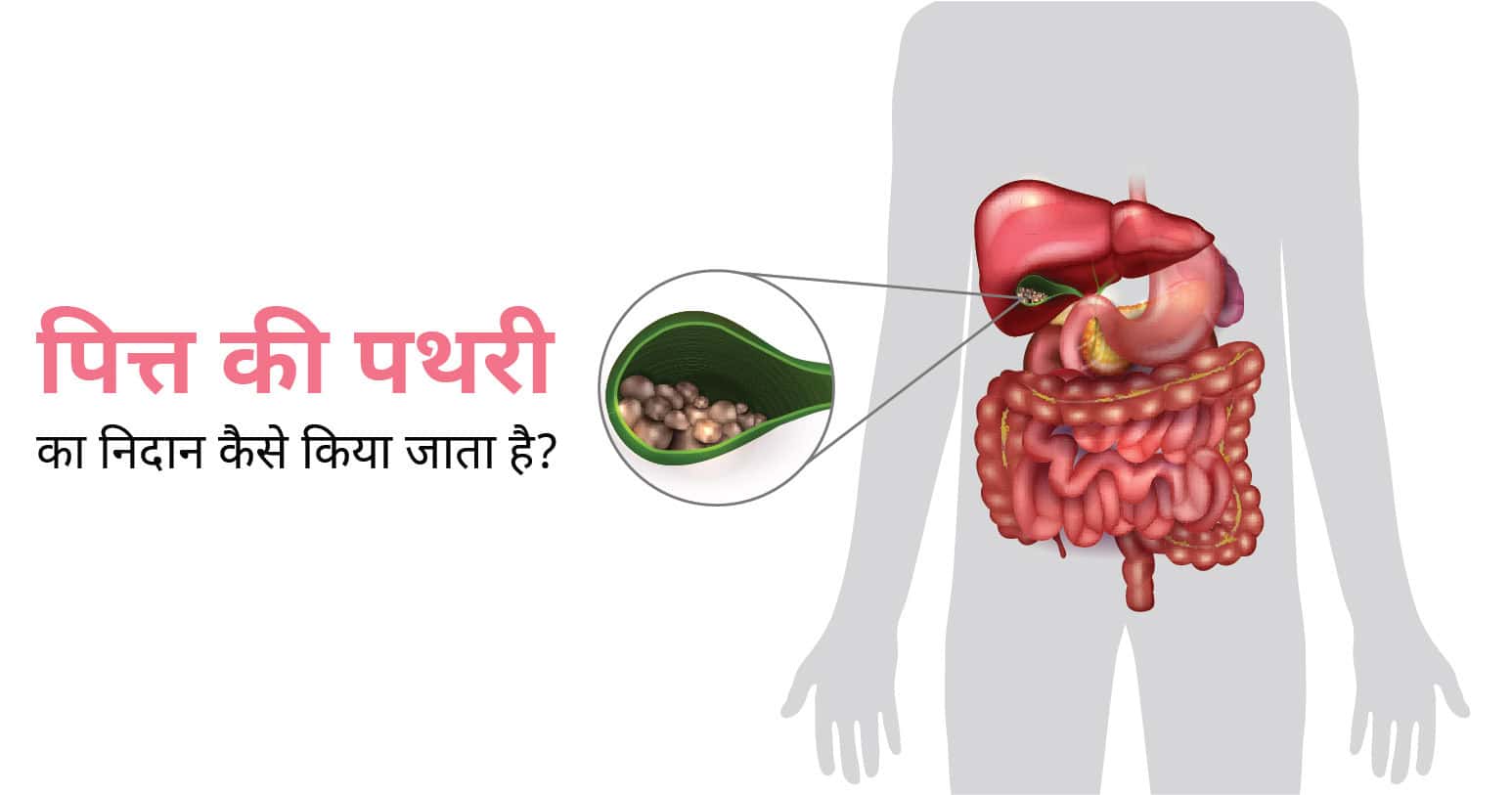
अस्वस्थ जीवनशैली, गलत पान-पान, फ़ास्ट फूड्स, कोल्ड ड्रिंक्स, निष्क्रियता आदि हमारे जीवन का एक अहम् हिस्सा बन चुके हैं। इन सबकी वजह से हमें कई तरह के प्रॉब्लम्स का सामना करना पड़ता है जिसमें से एक है पित्त की पथरी। वैसे तो यह समस्या किसी भी उम्र के व्यक्ति को हो सकती है।
लेकिन अधिकतर मामलों में यह महिलाओं और अधिक उम्र के लोगों में देखने को मिलता है। पित्त की पथरी एक गंभीर समस्या है जिसका समय पर उचित निदान और उपचार कराना आवश्यक है, क्योंकि एक समय के बाद यह असहनीय दर्द, सूजन, संक्रमण और दुर्लभ मामलों में कैंसर का कारण भी बन सकता है।
पित्त की पथरी के दो प्रकार होते हैं जिसमें पहला कोलेस्ट्रॉल स्टोन और दूसरा पिगमेंट स्टोन है।
पित्त की पथरी होने पर कभी-कभी मरीज को कई महीनों या 1-2 सालों तक लक्षण अनुभव नहीं होते हैं। लेकिन जैसे-जैसे पथरी का आकार बढ़ता है, इसके कारण पित्ताशय में सूजन और दूसरी समस्याएं शुरू होती हैं – मरीज खुद में अनेक लक्षणों को अनुभव करना शुरू कर देते हैं।
पित्त की पथरी के मुख्य लक्षणों में निम्न शामिल हो सकते हैं:
इन सबके अलावा, आप अन्य लक्षण भी अनुभव कर सकते हैं। अगर आप ऊपर दिए गए लक्षणों को खुद में अनुभव करते हैं तो आपको बिना देरी किए विशेषज्ञ डॉक्टर से परामर्श करना चाहिए। आमतौर पर डॉक्टर पित्त की पथरी का निदान करने के बाद उपचार की प्रक्रिया शुरू करते हैं।
पित्त की पथरी का निदान करने के लिए डॉक्टर सबसे पहले मरीज से उनके लक्षणों के बारे में कुछ प्रश्न पूछते हैं, मरीज का शारीरिक परीक्षण करते हैं और फिर कुछ विशेष जांच करने का सुझाव देते हैं। पित्त की पथरी का निदान करने के लिए निम्न जांच किए जाते हैं:
इस जांच के दौरान, डॉक्टर मरीज का ब्लड सैम्पल लेकर उसे लैब में जांच करने के लिए भेजते हैं। खून जांच के दौरान, पित्त की पथरी के कारण संक्रमण, पीलिया, अग्नाशयशोध (पैंक्रियाटाइटिस) या दूसरी जटिलताओं के बारे में पता लगाया जाता है।
इस दौरान, डॉक्टर पित्त की पथरी की तस्वीर प्राप्त करते हैं जिनकी मदद से पित्ताशय के मोटापा और सूजन की पुष्टि करने में मदद मिलती है।
जब अल्ट्रासाउंड के दौरान छोटी पथरी की पुष्टि नहीं हो पाती है तो उसके बारे में पता लगाने के लिए डॉक्टर एंडोस्कोपिक अल्ट्रासाउंड का सुझाव देते हैं। इस जाँच के दौरान, डॉक्टर एंडोस्कोप नामक उपकरण का इस्तेमाल करके छोटी आकार की पथरी को आसानी से देख पाते हैं।
इमेजिंग परीक्षण के दौरान डॉक्टर सिटी स्कैन, ओरल कोलेसिस्टोग्राफी, हेपेटोबिलरी एमिनो डायसोटिक एसिड स्कैन, मैग्नेटिक रेजोनेंस कोलेजनोपैंटोग्राफी या एंडोस्कोपिक रेट्रोग्रेड कोलेजनोपैनोग्राफी आदि जांच प्रक्रियाएं करते हैं।
आवश्यकता होने पर, ऊपर दिए गए जांचों के आलावा डॉक्टर अन्य भी जांच करने का सुझाव दे सकते हैं। सभी जांचों के परिणामों के आधार पर डॉक्टर उपचार करते हैं। पित्त की पथरी के उपचार में घरेलू नुस्खे, आयुर्वेदिक जड़ी-बूटियां, होम्योपैथिक दवाएं, एलोपैथिक दवाएं और सर्जरी आदि शामिल हैं।
सर्जरी ही पित्त की पथरी का एकमात्र सफल और परमानेंट इलाज है। उपचार के दूसरे माध्यमों से पित्त की पथरी के लक्षणों को कम किया जा सकता है। अगर आप खुद में पित्त की पथरी के लक्षणों को अनुभव करते है या इससे पीड़ित हैं तो हमारे डॉक्टर के साथ परामर्श कर उचित उपचार प्राप्त कर सकते हैं।
प्रश्न 1. क्या पित्ताशय की पथरी अपने आप घूल सकती है?
पित्त पथरी अपने आप दूर हो सकती है, लेकिन आमतौर पर ऐसा नहीं होता है और उपचार की आवश्यकता हो सकती है। पित्ताशय की पथरी हमेशा लक्षणों का कारण नहीं बन सकती है, और उन मामलों में, जटिलताओं को रोकने के लिए केवल आहार परिवर्तन ही आवश्यक हो सकते हैं। लोग पित्ताशय की थैली के बिना सामान्य जीवन जी सकते हैं।
प्रश्न 2. पित्त की पथरी के क्या कारण हैं?
पित्ताशय में पथरी बनने के अनेक कारण होते हैं। इसमें मुख्य रूप से अस्वस्थ जीवनशैली, गलत खान-पान, मोटापा, कम मात्रा में पानी पीना, तेजी से अजान कम करना, जंक फूड्स और कोल्ड ड्रिंक्स आदि का सेवन आदि।
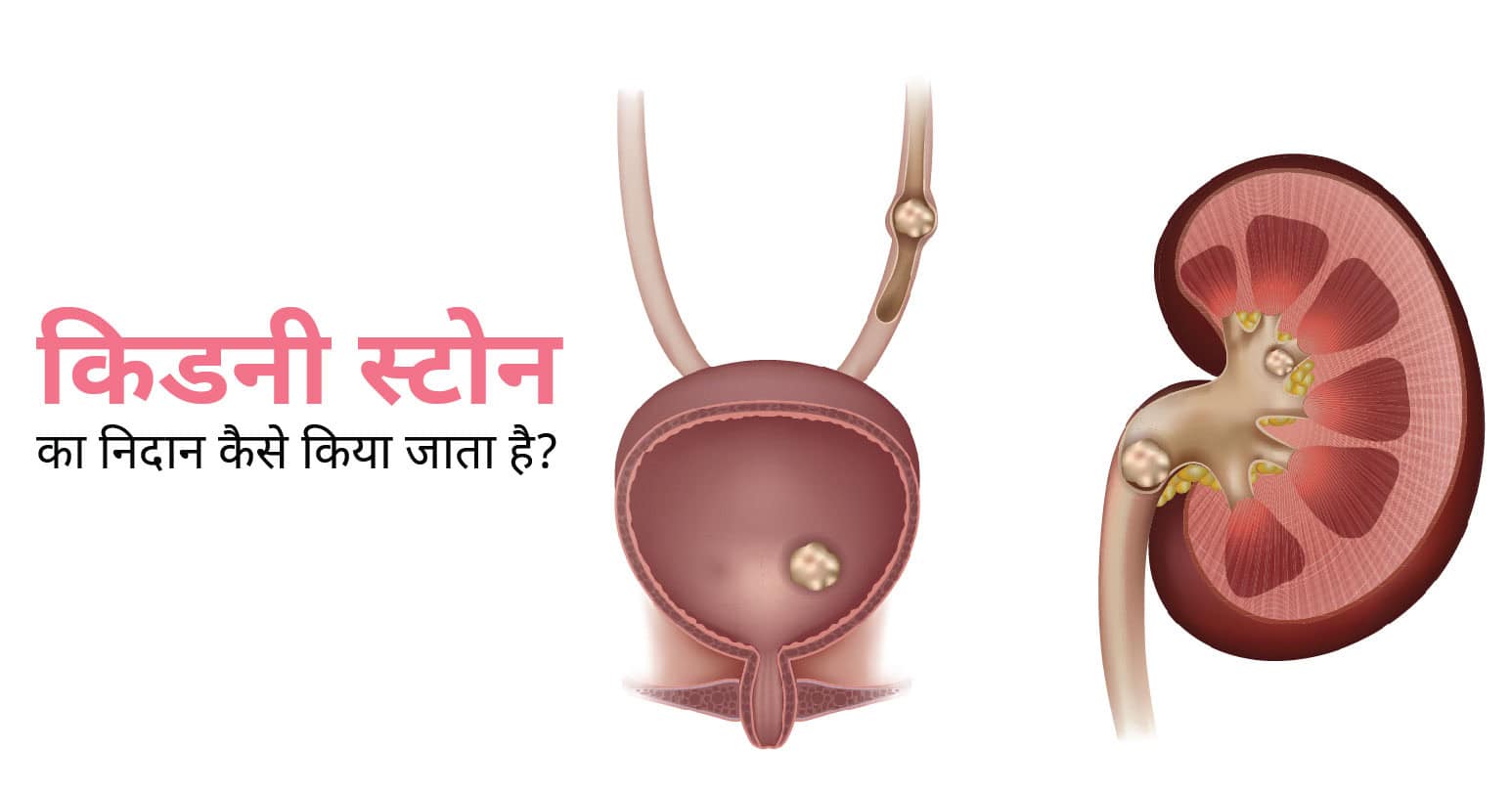
गुर्दे की पथरी को अंग्रेजी में किडनी स्टोन कहते हैं। यह पेशाब में पाए जाने वाले सॉल्ट और मिनरल्स जैसे रसायनों से बानी होती है। आज के समय में किडनी स्टोन होना एक सामान्य समस्या का रूप ले चूका है। पूरी दुनिया में लाखों की संख्या में मरीज इससे पीड़ित हैं।
गुर्दा यानी किडनी का मुख्य काम अपशिष्ट और तरल पदार्थों की अधिक मात्रा को शरीर से बाहर निकालना है। किडनी का काम पेशाब के जरिए सोडियम, पोटाशियम आदि अपशिष्ठ पदार्थों को शरीर से बाहर निकालकर खून का शुद्धिकरण करना है।
हालांकि, जब आपकी डाइट में कैल्शियम, पोटेशियम आदि खनिजों की अधिक मात्रा होती है तो इनकी मात्रा अधिक होने के कारण कई बार यह किडनी से पूरी तरह बाहर नहीं निकल पाते हैं। अंतत यही अपशिष्ट पदार्थ धीरे-धीरे एक जगह जमा होकर पत्थर यानी स्टोन जैसी आकृति की संरचना कर लेते हैं जिसे मेडिकल भाषा में किडनी स्टोन या गुर्दे की पथरी के नाम से जाना जाता है।
आमतौर पर किडनी स्टोन की शुरुआती स्टेज में इसके लक्षण अनुभव नहीं होते हैं। लेकिन जैसे-जैसे इसकी संख्या बढ़ती है या इसका आकार बड़ा होता है – लक्षण अनुभव होने शुरू हो जाते हैं। किडनी स्टोन के लक्षणों में पेशाब से खून आना, बार-बार पेशाब लगना, पेशाब से बदबू आना, पेशाब के रंग में बदलाव आना, बुखार और उल्टी होना, यूरिन मार्ग में संक्रमण होना, पेशाब के साथ खून आना, कमर के निचले हिस्से में तेज और असहनीय दर्द होना आदि शामिल हैं।
किडनी स्टोन के लक्षण अनुभव होने पर मरीज को तुरंत डॉक्टर के पास जाना चाहिए। मरीज से उसकी परेशानियों के बारे में पूछने के बाद, डॉक्टर मरीज का शारीरिक परीक्षण करते हैं और फिर लक्षणों के आधार पर किडनी स्टोन का निदान करने के लिए कुछ जांच का सुझाव देते हैं जिनमें निम्न शामिल हो सकते हैं:
इस दौरान डॉक्टर मरीज के खून का सैम्पल लेकर लैब में जांच करते हैं। खून जांच के दौरान, खून में मौजूद मिनरल्स के बारे में पता लगाया जाता है। जाँच के दौरान, खून में मिनरल्स या यूरिक एसिड की अधिक मात्रा की पुष्टि होना किडनी हेल्थ में किसी प्रकार की गड़बड़ी को दर्शाता है। खून जाँच के परिणाम के आधार पर निदान की प्रक्रिया को आगे बढ़ाया जाता है।
मूत्र परीक्षण यानी यूरिन टेस्ट जिसके दौरान डॉक्टर मरीज के पेशाब का सैंपल लेकर लैब में जांच के लिए भेजते हैं। अगर टेस्ट के दौरान, मूत्र में पथरी बनाने वाले पदार्थों की मात्रा सामान्य से अधिक पायी जाती है तो यह किडनी स्टोन की ओर इशारा करते हैं।
जब ऊपर दिए गए जांचों से किडनी स्टोन की पुष्टि हो जाती है तो डॉक्टर आगे इमेजिंग टेस्ट यानी इमेजिंग परीक्षण करने का सुझाव देते हैं। किडनी स्टोन को विस्तृत रूप से देखने और समझने के लिए डॉक्टर सिटी स्कैन और अल्ट्रासाउंड करते हैं।
इस जाँच के दौरान एक्स-रेज का इस्तेमाल करके डॉक्टर कंप्यूटर स्क्रीन पर किडनी को देखते हैं।
इस जांच के दौरान हाई फ्रीक्वेंसी रेडियो वेव्स का इस्तेमाल करके किडनी स्टोन की तस्वीर प्राप्त की जाती है जिससे उसके आकार एवं प्रकार को समझने में मदद मिलती है।
इन सबके अलावा, कुछ मामलों में कुछ मरीजों को पेशाब के साथ स्टोन बाहर आ जाता है। ऐसे में डॉक्टर, बाहर निकले हुए स्टोन का आकलन करते हैं। जांच के बाद, डॉक्टर स्टोन के प्रकार, आकार और मरीज की उम्र एवं समग्र स्वास्थ्य को ध्यान में रखते हुए उपचार के प्रकार और पद्धति का चयन करते हैं।
अगर आप खुद में किडनी स्टोन के लक्षणों का अनुभव करते हैं या आपको इस बात की आशंका है कि आपको किडनी स्टोन है तो आप हमारे विशेषज्ञ डॉक्टर के साथ परामर्श कर सकते हैं। हमारे डॉक्टर के साथ अपॉइंटमेंट बुक करने के लिए आप इस पेज के ऊपर दिए गए फोन नंबर या बुक अपॉइंटमेंट फॉर्म का इस्तेमाल कर सकते हैं।
प्रश्न 1. कितने एमएम की पथरी अपने आप निकल जाती है?
विशेषज्ञ डॉक्टर का कहना है कि अगर किडनी स्टोन का आकर 5-6 मिलीमीटर है तो वह बिना ऑपरेशन के अपने आप ही पेशाब के रास्ते शरीर से बाहर निकल सकती है। हालाँकि, अगर ऐसा नहीं होता है और लक्षण गंभीर रूप लेने लगते हैं तो मेडिकल उपचार की आवश्यकता पड़ सकती है।
प्रश्न 2. क्या किडनी स्टोन अपने आप घुल सकती है?
किडनी की छोटी पथरी अक्सर शरीर से अपने आप बाहर निकल जाती है। जब तक वे गंभीर दर्द या जटिलताओं का कारण नहीं बनते, उपचार आवश्यक नहीं है। किडनी स्टोन का आकार बड़ा होने पर आमतौर पर इलाज करने की आवश्यकता होती है।
प्रश्न 3. पथरी में चाय पीनी चाहिए क्या?
आमतौर पर किडनी स्टोन से पीड़ित मरीज को डॉक्टर चाय के सेवन से मना करते हैं। काली चाय में ऑक्सालेट भरपूर मात्रा में मौजूद होता है। ऑक्सालेट एक यौगिक है जो अनेक खान-पान की चीजों में पाया जाता है। शरीर में इसकी मात्रा अधिक होने पर किडनी स्टोन का खतरा बढ़ जाता है।
प्रश्न 4. क्या पथरी में दूध पीना चाहिए?
आपको उन खाद्य पदार्थों का सेवन सीमित करना चाहिए जो कैल्शियम ऑक्सालेट स्टोन बनाते हैं जो किडनी स्टोन का प्रमुख प्रकार है। भोजन के दौरान कैल्शियम युक्त खाद्य पदार्थ जैसे दूध, दही, और कुछ पनीर और ऑक्सलेट युक्त खाद्य पदार्थ एक साथ खाएं और पिएं।
गाय के दूध में ऑक्सालेट नहीं होता है और इसमें आपके लिए आवश्यक कैल्शियम होता है, इसलिए यह आपके लिए एक अच्छा विकल्प है। कैल्शियम ऑक्सालेट से बनी गुर्दे की पथरी तब बनती है जब मूत्र में इन पदार्थों की मात्रा अधिक होती है।
अस्वस्थ जीवनशैली, सिगरेट, शराब और दूसरी नशीली चीजों का सेवन, निष्क्रियता, तनाव, मोटापा आदि हमारे जीवन का हिस्सा बन चुके हैं। इन सबके कारण हमें अनेक प्रकार की बीमारियों का सामना करना पड़ता है जिसमें मुख्य रूप से दिल से संबंधित बीमारियां शामिल हैं। दिल से संबंधित अनेक बीमारियों का इलाज करने के लिए ओपन हार्ट सर्जरी का उपयोग किया जाता है।
Table of Contents
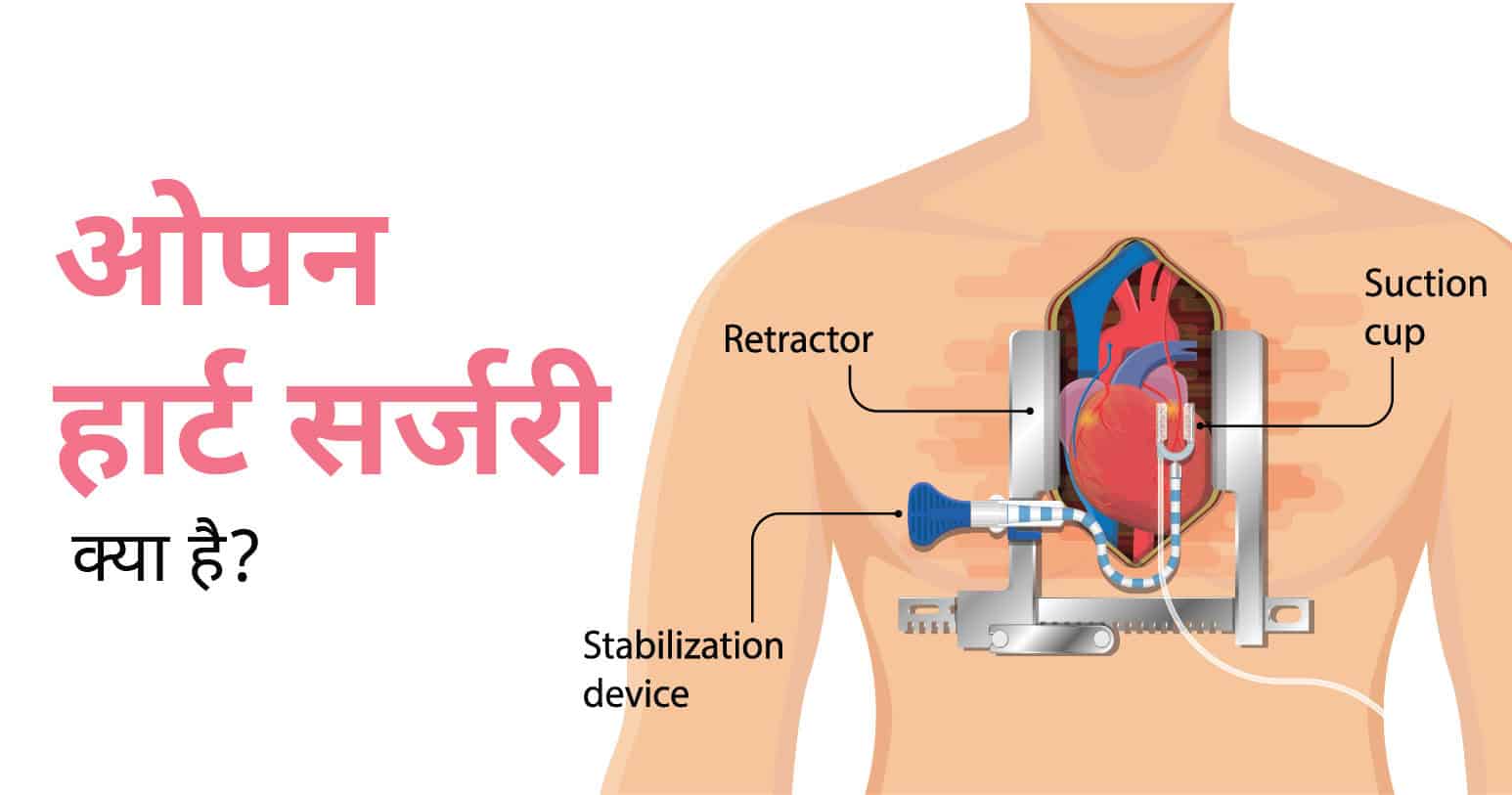
ओपन हार्ट सर्जरी को कई बार हार्ट सर्जरी भी कहा जाता है। इस प्रक्रिया के दौरान, डॉक्टर मरीज की छाती में चीरा लगाकर उसे खोलते हैं और दिल यानी हृदय की मांसपेशियों, वाल्वों या धमनियों की सर्जरी करते हैं।
ओपन हार्ट सर्जरी के दौरान, अवरुद्ध धमनियां (Blocked Arteries) में सुधार करने के लिए डॉक्टर उन्हें नई आर्टरीज से जोड़ते हैं। इससे अवरुद्ध धमनियों को बायपास करके फ्रेश यानी ताजा खून को दिल तक पहुँचाया जाता है।
नेशनल हार्ट, लंग एंड ब्लड इंस्टीट्यूट के अनुसार, ओपन हार्ट सर्जरी का सबसे सामान्य प्रकार है कोरोनरी आर्टरी बाईपास ग्राफ्टिंग। चिकित्सा विज्ञान में विकास होने के कारण आज दिल से संबंधित अनेक बीमारियों को छोटे चीरे की मदद से ठीक किया जा सकता है। इसलिए काफी लोग ओपन हार्ट सर्जरी करवाने से कतराते हैं।
सीएबीजी यानी कोरोनरी आर्टरी बायपास ग्राफ्टिंग करने के लिए ओपन हार्ट सर्जरी की जाती है। हार्ट डिजीज यानी दिल की बीमारियों से पीड़ित मरीजों का उपचार करने के लिए कोरोनरी आर्टरी बायपास ग्राफ्ट का इस्तेमाल किया जाता है।
कोरोनरी हार्ट डिजीज से पीड़ित मरीज के दिल की मांसपेशियां ठोस और संकुचित (solid and compact) हो जाती हैं जिसके कारण वे रक्त कोशिकाओं में ऑक्सीजन और खून नहीं पहुंचा पाती हैं। जब दिल तक खून सही ठंग से नहीं पहुंचता है तो हार्ट अटैक का खतरा होता है।
निम्न स्थितियों में डॉक्टर ओपन हार्ट सर्जरी की आवश्यकता पड़ सकती है:
विशेषज्ञ के अनुसार, ओपन हार्ट सर्जरी को पूरा होने में आमतौर पर 3-6 घंटे का समय लगता है। ओपन हार्ट सर्जरी करने से पहले डॉक्टर मरीज को अनेक जांच करने का सुझाव देते हैं ताकि इस बात की पुष्टि की जा सके की मरीज इस सर्जरी के लिए पूर्ण रूप से तैयार है।
जांच के परिणामों के बाद जब डॉक्टर हर तरह से संतुष्ट हो जाते हैं तो सर्जरी की एक तारीख तय करते हैं, मरीज को सर्जरी से पहले की कुछ दिशा-निर्देश देते हैं और अंतत चयनित दिन पर सर्जरी को पूरा किया जाता है।
ओपन हार्ट सर्जरी में निम्न चरण शामिल हैं:
ओपन हार्ट सर्जरी खत्म होने के बाद मरीज की छाती में 2-3 ट्यूब लगे होते हैं जिससे फ्लूइड बाहर निकलता है। इसके अलावा, मरीज को इंट्रावेनस ट्यूब भी लगी होती है जिससे उन्हें आवश्यक पोषक पहुंचाए जाते हैं। साथ ही, कैथिटर भी लगा होता है जिससे मरीज आसानी से यूरिन पास कर पाता है।
ओपन हार्ट सर्जरी खत्म होने के बाद, मरीज को कुछ 5-7 दिनों तक आईसीयू में रखा जाता है। उसके बाद, उन्हें रेगुलर केयर में और फिर बाद में सभी रिपोर्ट्स नार्मल होने के बाद दवाएं और दिशा-निर्देशों के साथ हॉस्पिटल से डिस्चार्ज कर दिया जाता है।
प्रश्न 1. क्या ओपन हार्ट सर्जरी दर्दनाक है?
ओपन हार्ट सर्जरी को जेनेरल एनेस्थीसिया के प्रभाव में किया जाता है। इसलिए मरीज को इस प्रक्रिया के दौरान दर्द नहीं होता है, लेकिन एनेस्थीसिया के बाद सीने में दर्द हो सकता है। चूँकि यह एक बड़ी सर्जरी, इसलिए रिकवरी के दौरान जोखिम का खतरा भी होते है। सर्जरी के बाद किसी भी तरह की परेशानी होने पर तुरंत अपने डॉक्टर से इस बारे में बात करनी चाहिए ताकि वे उचित उपाय से आपकी समस्या को दूर कर सकें।
प्रश्न 2. ओपन हार्ट सर्जरी के बाद क्या खाना चाहिए?
आमतौर पर ओपन हार्ट सर्जरी के बाद डॉक्टर मरीज को हरी सब्जियां, ताजे फल, साबुत अनाज, रोटी, बिना चर्बी वाले मांस, मछली और कम वसा वाले डेयरी उत्पादों के सेवन का सुझाव देते हैं। लेकिन ध्यान देने वाली बात यह है कि मरीज की उम्र, स्वास्थ्य, पहले से चल रहे इलाज, शुगर, ब्लड प्रेशर और दूसरी बातों को ध्यान में रखते हुए डॉक्टर मरीज के लिए डाइट का सुझाव देते हैं।
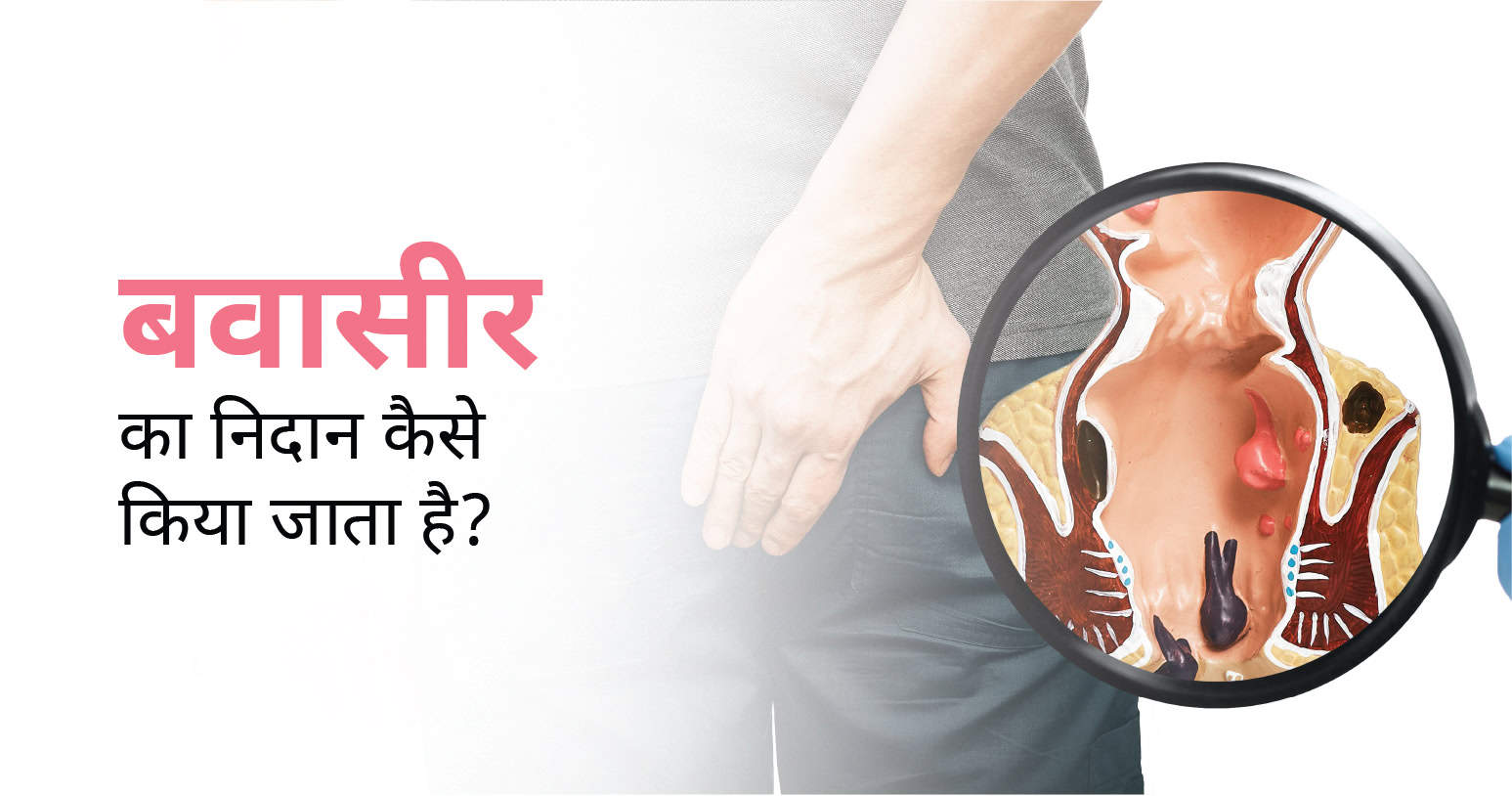
गुदा क्षेत्र की नसों में सूजन आना और उसके कारण मस्सों का निर्माण होना मेडिकल भाषा में बवासीर कहलाता है। बवासीर को अंग्रेजी में पाइल्स कहते हैं। समय पर बवासीर का निदान होने पर सटीक उपचार की मदद से इसे बढ़ने यानी गंभीर रूप लेने से रोका एवं हमेशा के लिए ख़त्म किया जा सकता है।
बवासीर के दो प्रकार होते हैं जिसमें आंतरिक बवासीर और बाहरी बवासीर शामिल हैं। साथ ही, बवासीर के चार अलग-अलग चरण होते हैं जिसमें ग्रेड 1, ग्रेड 2, ग्रेड 3 और ग्रेड 4 शामिल हैं।
बवासीर कई कारणों से होता है जिसमें मुख्य रूप से लंबे समय तक एक ही जगह बैठना, पुरानी कब्ज की शिकायत होना, कम पानी का सेवन करना, गुदा क्षेत्र में चोट लगना, रेक्टल प्रोलैप्स होना, फाइबर-युक्त भोजन नहीं करना, सिगरेट और शराब का सत्याधिक सेवन करना, अत्याधिक तैलीय और मसालेदार चीजों का सेवन करना, फ़ास्ट फूड्स और ड्रिंक्स का सेवन करना आदि शामिल हैं।
बवासीर होने पर आप खुद में अनेक लक्षणों का अनुभव कर सकते हैं जैसे कि बैठते समय गुदा क्षेत्र में दर्द होना, गुदा क्षेत्र में सूजन, जलन और दर्द होना, मल त्याग के समय मल के साथ खून आना और गुदा क्षेत्र में खुजली होना आदि। अगर आप इन लक्षणों को खुद में अनुभव करते हैं या आपको इस बात का संदेह है कि आपको बवासीर है तो जल्द से जल्द विशेषज्ञ डॉक्टर से परामर्श करना चाहिए।
आपके लक्षणों के आधार पर डॉक्टर कुछ जांच करके लक्षणों के पीछे के सटीक कारण का पता लगाते हैं। बवासीर का निदान करने के लिए डॉक्टर निम्न का सुझाव दे सकते हैं:
शारीरिक परीक्षण बवासीर की नैदानिक प्रक्रिया का सबसे शुरुआती चरण है। शारीरिक परीक्षण के दौरान, डॉक्टर मरीज से उसकी मेडिकल हिस्ट्री से संबंधित कुछ प्रश्न पूछते हैं। साथ ही, मरीज के गुदा क्षेत्र के बाहरी हिस्से का परीक्षण भी करते हैं।
यह आमतौर पर आंतरिक बवासीर का निदान करने के लिए किया जाता है। डिजिटल रेक्टल एग्जाम के दौरान डॉक्टर ग्लव्स एवं लुब्रिकेटेड उंगली से गुदा के क्षेत्र की जांच करते हैं। साथ ही, वे उसे गुदा मार्ग के अंदर डालकर वहां के टिशू के असामान्य विकास एवं आंतरिक बवासीर की जांच करते हैं।
इस परीक्षण के दौरान डॉक्टर मरीज के गुदा मार्ग के अंदर एनोस्कोप नामक उपकरण को डालकर कंप्यूटर स्क्रीन पर गुदा के भीतरी हिस्सों को अच्छी तरह से देखते हैं। एनोस्कोप एक पतली ट्यूब की तरह होता है जिसका एक छोर पर कैमरा और लाइट लगा होता है जिसकी मदद से डॉक्टर को गुदा के आंतरिक हिस्सों को कंप्यूटर स्क्रीन पर देखने में मदद मिलती है।
यह प्रक्रिया भी बिलकुल एनोस्कोपी की तरह है, लेकिन इसमें मलाशय के अस्तर और कोलोन(colon) की जांच करने के लिए प्रॉक्टोस्कोप नामक मेडिकल उपकरण का इस्तेमाल किया जाता है।
इस प्रक्रिया के दौरान डॉक्टर कोलोनोस्कोप नामक मेडिकल उपकरण का इस्तेमाल करके मलाशय और कोलोन के आंतरिक हिस्सों को देखते हैं। कोलोनोस्कोप एक पतली ट्यूब की तरह है जिसका एक छोर पर एक छोटी सी लाइट और कैमरा लगा होता है।
जब डॉक्टर को इस बात का संदेह होता है कि मरीज को पाचन संबंधित कोई अन्य बीमारी है, कोलोरेक्टल कैंसर होने का खतरा है या फिर मरीज मध्य आयु वर्ग का है और उसने हाल में कोई कोलोनोस्कोपी नहीं कराई है। इन सभी जांच के परिणाम के आधार पर यह तय किया जाता है बवासीर का कारण क्या है, वह किस चरण में हैं और आगे किस प्रकार की जटिलताओं का खतरा है आदि। बवासीर का निदान करने के बाद डॉक्टर को इसके लिए प्रभावशाली उपचार और पद्धति का चयन करने में मदद मिलती है।
अगर आप खुद में बवासीर के लक्षणों का अनुभव करते हैं या आपको इस बात का संदेह है कि आपको बवासीर है तो आप हमारे डॉक्टर के साथ अपॉइंटमेंट बुक करके अपनी बीमारी उचित निदान और सटीक उपचार करवा सकते हैं। हमारे विशेषज्ञ के साथ अपॉइंटमेंट बुक करने के लिए आप इस पेज के ऊपर दिए गए फोन नंबर या अपॉइंटमेंट बुक फ्रॉम का इस्तेमाल कर सकते हैं।
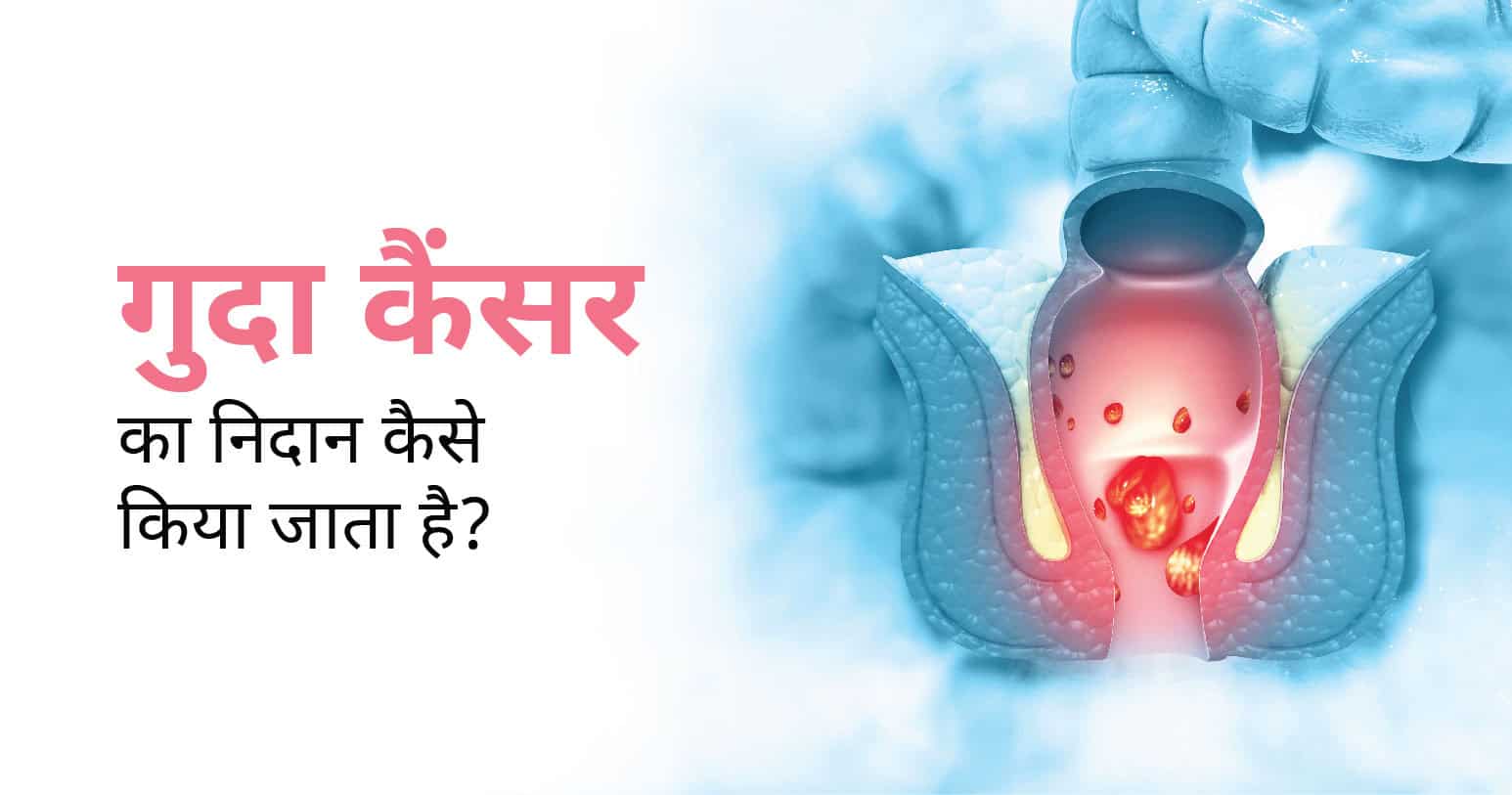
जब जीन्स की बनावट में आनुवंशिक बदलाव (जेनेटिक म्यूटेशन) आता है तो कोशिकाएं सामान्य से असामान्य हो जाती है जो आगे जाकर कैंसर का कारण बनती हैं। जब गुदा की नली में मौजूद कोशिकाओं में आनुवंशिक बदलाव आता है तो इसे मेडिकल की भाषा में गुदा का कैंसर यानी एनल कैंसर कहते हैं।
गुदा कैंसर की गंभीरता को ध्यान में रखते हुए इसे चार चरणों में बांटा गया है। सिटी स्कैन, एमआरआई और पेट का स्कैन करके डॉक्टर गुदा कैंसर के चरण का पता लगाते हैं। कैंसर के अनेक कारण हो सकते हैं जैसे कि:
गुदा कैंसर होने पर आप खुद में अनेक लक्षणों को अनुभव कर सकते हैं जिसमें मुख्य रूप से मलाशय यानी रेक्टम या गुदा से खून निकलना, गुदा के आस-पास के क्षैत्र में दर्द महसूस होना, गुदा की नली में असामान्य मांस बढ़ना और गुदा में खुजली एवं असहजता महसूस करना आदि शामिल हैं।
अगर आप ऊपर दिए गए किसी भी लक्षण को खुद में अनुभव करते हैं तो बिना देरी किए कैंसर विशेषज्ञ से परामर्श करना चाहिए ताकि समय पर इसका निदान और उपचार करके इस बीमारी को हमेशा के लिए दूर किया जा सके।
गुदा कैंसर के चरण और गंभीरता की पुष्टि करने के लिए डॉक्टर गुदा के कैंसर का निदान करते हैं। निदान की इस प्रक्रिया में निम्न जांच शामिल हो सकते हैं:
इस जांच के दौरान, डॉक्टर एक दस्ताना पहनते हैं, अपनी उंगली को लुब्रिकेंट से चिकना करके उसे रेक्टम यानी मलाशय के अंदर प्रवेश करते हैं। उसके बाद, गुदा की नली और रेक्टम की असामान्यताओं की पुष्टि करते हैं। गुदा का कैंसर होने पर डॉक्टर रेक्टम में कुछ असामान्य मांस का बढ़ा हुआ टुकड़ा महसूस कर सकते हैं।
इस जांच के दौरान डॉक्टर एनोस्कोप नामक मेडिकल उपकरण का इस्तेमाल करके गुदा की नली और रेक्टम के आंतरिक हिस्सों की असामान्यताओं की जांच करते हैं। एनोस्कोपी के दौरान डॉक्टर एनोस्कोप नामक मेडिकल उपकरण का इस्तेमाल करते हैं। एनोस्कोप एक पतली ट्यूब की तरह होता है जिसका एक छोर पर छोटा सा कैमरा और लाइट लगा होता है।
गुदा में कैंसर का निदान करने के लिए डॉक्टर अल्ट्रासाउंड भी करते हैं। अल्ट्रासाउंड के दौरान डॉक्टर गुदा के आंतरिक हिस्सों की तस्वीर प्राप्त करते हैं जिससे उन्हें गुदा की असामान्यताओं को समझने में मदद मिलती है।
ऊपर दिए गए जांचों में गुदा में असामान्यताएं पाने पर डॉक्टर उत्तकों का एक टुकड़ा निकालकर बायोप्सी जांच करने के लिए लैब में भेजते हैं। माइक्रोस्कोप की मदद से जांच करके इस बात की पुष्टि की जा सकती है उस उत्तक में कैंसर होगा या नहीं।
गुदा में कैंसर के चरण, गंभीरता और मरीज की उम्र एवं समग्र स्वास्थ्य को ध्यान में रखते हुए डॉक्टर अन्य जांच करने का भी सुझाव दे सकते हैं। जांच के परिणाम, गुदा कैंसर के चरण और मरीज की समग्र स्वास्थ्य को ध्यान में रखते हुए डॉक्टर उपचार के प्रकार और पद्धति का चयन करते हैं।
अगर आप खुद में गुदा कैंसर के लक्षणों का अनुभव करते हैं या आपको इस बात का शक है कि आपको गुदा कैंसर है तो आप हमारे कैंसर विशेषज्ञ के साथ परामर्श कर अपनी बीमारी का सटीक जांच और उपचार करा सकते हैं।
कैंसर विशेषज्ञ का मानना है कि समय पर गुदा में कैंसर का निदान होने पर उपचार के सफल होने की संभावना बढ़ जाती है। हमारे विशेषज्ञ के साथ अपॉइंटमेंट बुक करने के लिए आप इस पेज के ऊपर दिए गए फोन नंबर या बुक अपॉइंटमेंट फॉर्म का उपयोग कर सकते हैं।
हाँ. समय पर गुदा कैंसर का उचित जांच करके सटीक और सफल इलाज संभव है। लेकिन अगर यह अपने आखिरी चरण में चला जाए और लक्षण गंभीर रूप ले लें तो उपचार में बाधाएं पैदा हो सकती हैं। विशेषज्ञ का कहना है कि गुदा कैंसर के लक्षण अनुभव होने पर जल्द से जल्द कैंसर विशेषज्ञ से परामर्श करना चाहिए ताकि इसकी गंभीर जटिलताओं के खतरे को कम या ख़त्म किया जा सके।

Congratulations! You have entered the third trimester of your pregnancy! It is amazing how you have been able to overcome some of the most testing phases of your pregnancy journey. Now, all we do is make sure we welcome the baby in the most healthy and happy way. Your pregnant belly is booming and you are glowing in anticipation with the happy pregnancy hormones doing their job.
This is also a time when you and your family start planning for the actual delivery. How to choose a birthing plan? How to remain agile during this phase? What are the best sleeping positions? How to ensure breastfeeding is properly done? For that here’s a brief guide on how to prep for your delivery How to prep for your delivery?
But in the third trimester, what are the problems pregnant women need to deal with? What should you eat, what should you avoid, there are a whole lot of questions you need answers to. Don’t worry, just read on…
The third trimester is more tiring and uncomfortable than the other two trimesters primarily because the embryo grows to its full form. The discomfort is mainly attributed to the baby’s position and size, and with the due date approaching soon, anxiety also reaches its peak, making this trimester emotionally challenging as well. It is very important that at this stage you remain positive and try to adapt to the upcoming changes. Here is what you can expect during this stage:
Apart from this adequate prenatal care should be taken w.r.t. Your babies, such as checking the baby’s progress in terms of size, heart rate, position and movements. Make sure you and your gynaecologist have chalked out a proper birthing plan and made your choices.
There are various aspects that need to be considered for a delivery. While in the earlier days one had midwives and home deliveries, now we look for options where the pain and medication for the pregnant mother is well managed for a smoother and natural delivery. For this one needs to choose the right healthcare partner. With professional help the following concerns will be addressed:
Make a checklist of all the things you will need during your third trimester. Start with charting out a birthing plan with your OB-GYN and healthcare provider. This will include monitoring your health pre-labour, any concerns that may indicate a c-section and consultations post-delivery.
At the CK Birla Hospital®, we take pride in planning things out for our expectant families for a seamless and memorable experience of welcoming a child into this world. For this, we don’t leave any stones unturned.
Everyone who sees you now is extra careful around you and more attentive to your needs. This is by far the second-best feeling during a pregnancy trumped only by the news of the baby’s arrival. But like they say, “with great power comes great responsibility”. This is why, our hands-on team of professional caregivers make sure you are well supported and looked after in a homely atmosphere, under compassionate care. Check out our comprehensive maternity packages, including attractive offers and discounts, now available at the CK Birla Punjabi Bagh.
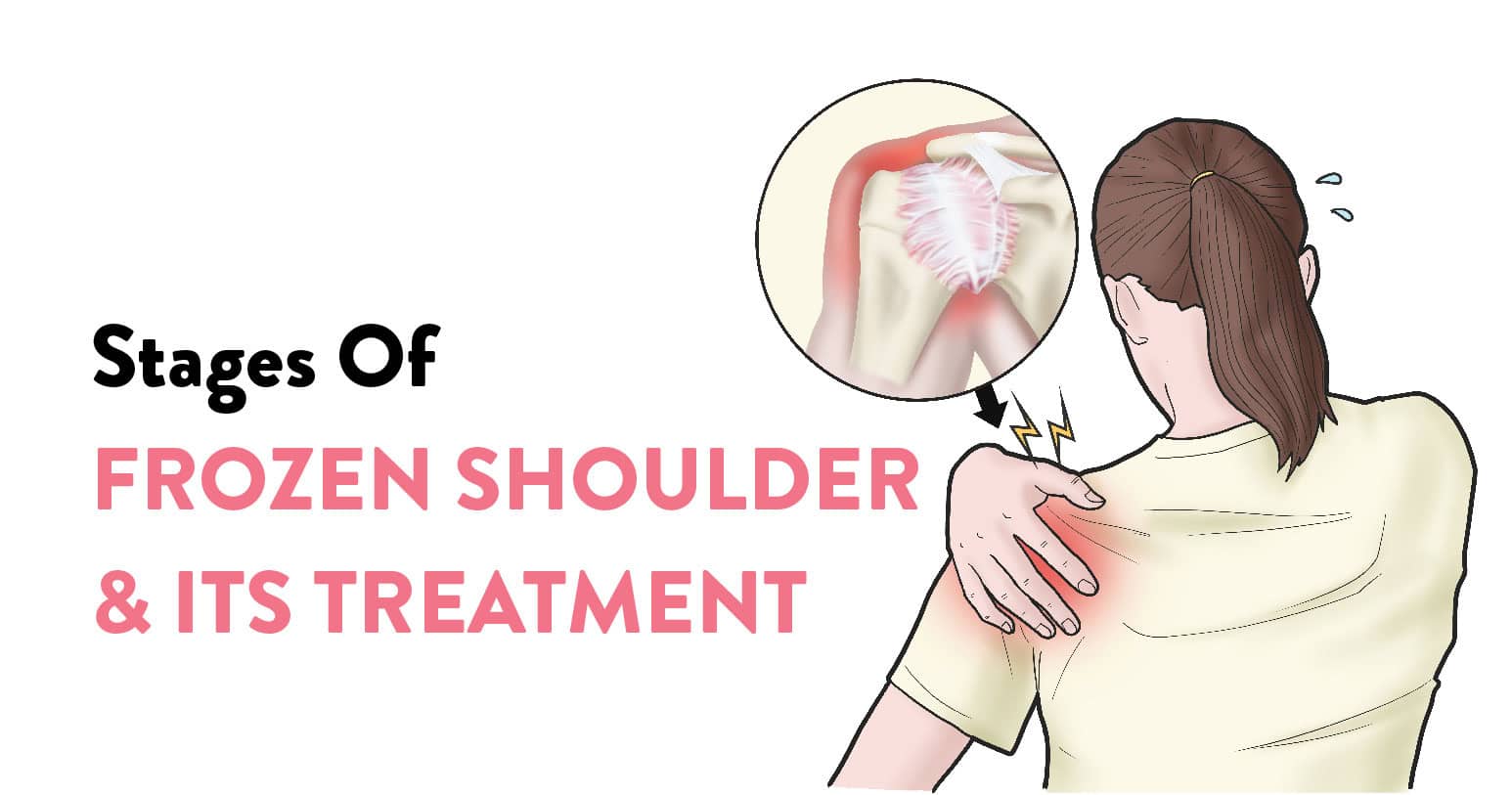
We often come across this very common phrase of “giving the cold shoulder”. The phrase implies someone deliberately ignoring the other by not moving in their direction or by snubbing them by showing their back. The origin of the phrase lies in a medical condition called adhesive capsulitis, popularly called the frozen shoulder.
This is a very common condition and cases of frozen shoulders spike up, especially around winter. This is also a very common sports injury, especially among people around the age of 40 years. This condition is primarily characterised by stiffness in the joints and pain when trying to mobilise the pain. But what leads to a frozen shoulder? What are its symptoms? How can you get rid of it? To get answers to all possible questions w.r.t. Frozen shoulder, read on…
Table of Contents
Medically referred to as adhesive capsulitis (AC), a frozen shoulder is when your shoulder develops stiffness and reduces the mobility of your shoulder joints. It hurts to move the shoulder joint. Over a period ranging between 1 to 3 years, the symptoms get better and the condition heals completely.
This condition develops when the shoulder remains in one position for a long time. It is often seen developing post-surgery trauma injuries caused on the arm. It can be treated through physiotherapy exercises, corticosteroid medication, injected pain medication and in extreme cases arthroscopic surgery. The main purpose is to release the stiffness in the joint.
Usually, this condition is found more in women than men. It does not recur in the same shoulder, however, one can have a recurring case if treatment is not done properly. The pain might move from one shoulder to another in some circumstances.
You Can Also Read: Shoulder osteoarthritis – symptoms, causes & treatment
Let us first understand how a normal shoulder works. Our upper arm, collar bone, and shoulder blade, together with tendons and muscles form the shoulder capsule. Synovial fluid in this capsule lubricates the joints for easier movement.
Now for a person with a frozen shoulder, this capsule thickens and becomes stiff. These tissues develop adhesions and the synovial fluid is lowered. Finally, this leads to a stiff shoulder capsule and a frozen shoulder.
While the above is the mechanism of a frozen shoulder, there are no clear-cut symptoms of frozen shoulders. However, one can understand that they are developing the condition by being aware of the stages of a frozen shoulder.
Typically, a frozen shoulder develops gradually, in three distinct stages.
In this stage, any slightest motion or movement of the shoulder and shoulder joint causes pain and restricts mobility. This stage builds over time with more and more restricted movements and lasts between 2 to 9 months without treatment.
At this stage, the pain might be lesser since the body has developed a pain threshold over time. However, the shoulder stiffness grows severe making mobility far more difficult. This stage, if not treated, lasts between 4 to 6 months. For those who experience more pain, the condition worsens at night, often disrupting sleep.
Post-treatment at this stage, your shoulder’s mobility starts improving. This stage lasts from 5 to 24 months, till the normal range of motion in the shoulders is restored.
You Can Also Read: Shoulder Arthritis – All You Need to Know
The primary cause of a frozen shoulder is stiffness of the shoulder. As explained earlier, the shoulder capsule includes connective tissue lubricated by the Synovial fluid. When the capsule thickens, lubrication depletes and tissues tighten, the frozen shoulder occurs restricting shoulder movement.
The above-mentioned series of events can be linked to:
Based on these causes we can profile the risk factors associated with this disease.
The people who are at a greater risk of developing a frozen shoulder can be profiled under the following categories:
Your orthopaedic will focus on your pain relief and might suggest a combination of anti-inflammatories or steroid injections with physical therapy to restore shoulder motion.
Shoulder manipulation can also be performed under general anaesthetic to release the stiffness. Another way to release a stiff shoulder is via Hydrodilatation. In this case, along with steroids, sterile water is injected into the joint capsule to stretch the tissue and restore the mobility of the joints.
Apart from medication, a physiotherapist will suggest the following exercises for each of the three stages of a frozen shoulder:
Stage: Freezing
Difficulty: Medium
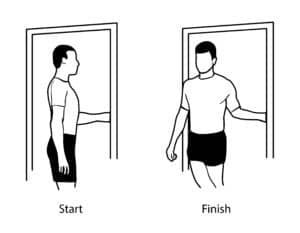
Procedure: Stand in a doorway. Bend the arm of your affected shoulder 90 degrees and hold one of the sides of the door (as shown in the first image). Now keep your hand in place (as shown in the second image) and rotate your body. Hold the pose for 30 seconds. Relax. Repeat.
Stage: Frozen
Difficulty: Medium
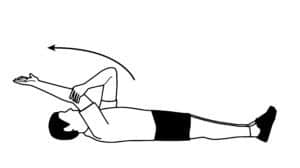
Procedure: Lie on your back with your legs stretched out. Use the arm of your unaffected shoulder to lift your frozen shoulder’s arm overhead. Keep extending the arm till you feel a gentle stretch. Hold for 15 seconds. Relax and slowly return to the starting position. Take a few relaxing breaths and repeat.
Stage: Thawing
Difficulty: Medium
Procedure: Carefully pull an arm across the chest and bring your shoulder under your chin as much as possible. Hold the pose for 30 seconds by breathing in and out. Relax and return to the original pose. Take another breath and repeat.
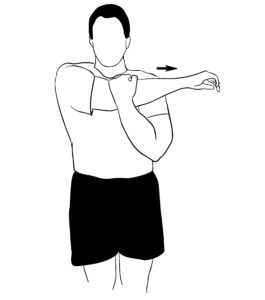
These stretches will not only help you with a frozen shoulder but also help you prevent any pain or stiffness in your shoulders when you practise them regularly.
In case none of the above gives any respite from the pain, surgery is the ultimate treatment. Here the problem area is approached using arthroscopy, and the scar tissue is removed to eliminate stiffness and relieve the pain completely. However, this is resorted to in rare cases.
Essentially the frozen shoulder is a type of inflammation which makes everyday tasks tedious. The longer it is left untreated the slower the progress w.r.t. the pain. While we cannot confirm whether you will get a frozen shoulder or not, we can take the following preventive measures:
Apart from this, it is always advisable we don’t ignore our body’s cry for help. If you experience any prolonged discomfort, do reach out to the Department of Orthopaedics at the CK Birla Hospital. Our award-winning team of seasoned professionals have a proven track record of handling a diverse variety of orthopaedic conditions with precision and care. To book a consultation simply walk in or call +91 124 4570112
Frozen shoulders often take a while to fully recover. The best route is physiotherapy where we perform a few exercises regularly in different stages of the frozen shoulder. Another cause of frozen shoulder is thyroid and diabetes, which can be controlled through lifestyle changes. For all other treatment options, complete recovery takes up to a full year.

Winter is already knocking at our doors and the season of ice-cold winds is here! However, a drop in the temperatures often worsens bone-related issues. While these complications are the worst in senior citizens, people of all ages should stay a little extra cautious about their bone health during winter.
Most orthopedic surgeons suggest specialized care for their patients during winter. Some of the best orthopedic doctors in Gurgaon practicing at CK Birla Hospital and have started dedicating more time to providing additional tips to their patients, helping them keep their bones healthy in winter.
If you are looking forward to enjoying the season and keeping your bone health intact, here are a few important tips for healthy orthopedic care in winter:
Table of Contents
During winter, mobility is the key to maintaining your bone health. Do not keep your body still for too long. People often feel extremely lazy during winter and tend to spend a lot of time huddled in their blankets. However, low-impact activity affects your joints and makes them susceptible to various complications.
Even if you are not willing to leave your house, it is advisable to keep your limbs mobile by walking around in your room, using your treadmill, or indulging a little more in your daily chores.
Sweets taste best during winter! However, the pain of joint surgery is equally painful. Prevent your body from putting on additional weight during the winter. Maintain a healthy body weight according to your BMI throughout the season to keep your bones healthy. Additional weight puts extra pressure on your bones.
Especially if you are over 40 years of age, it is very important to check the unhealthy winter weight gain. As the winter has set in, dieticians around the world have started spreading awareness by seeking healthcare marketing services about maintaining a healthy weight.
Especially if you are going out in the cold weather, make sure you keep your hands and feet covered. Keeping them warm and cozy prevents your bones from bearing the brunt of the season. Even if your bones are slightly weak or recovering from an injury, they start aching when exposed to a cold environment.
It is advisable to leave your house wearing gloves and socks. If you are driving, you can keep a pair of gloves in your car. Warm clothes act as good insulation and help you keep your bones healthy.
If you already suffer from bone or muscle-related issues, keeping your senses calm during the winter is important. You must have noticed people (especially older) complaining about their joint aches getting worse during winter. This is because stress contracts your muscles and makes your bones stiff.
This involuntary response makes your bones vulnerable and worsens the issues you already have. A lot of people prefer applying ointments or muscle pain creams to achieve a calming effect. You can also take a warm bath to stay calm and composed during the winter.
Contrary to popular belief, drinking plenty of water is equally important during summers and winters. Dry air often makes you feel dehydrated too quickly. Keep yourself dehydrated by drinking water at room temperature or making yourself a hot cup of tea.
The amount of water you drink affects how your bones function. Water carries calcium and other healthy nutrients to your bones, keeping them healthy. In a season when your bones are already more susceptible to issues, it is advisable to prevent your body from getting dehydrated.
Winter is a season when you may experience a lot of unhealthy cravings and experience multiple temptations. However, if you want to keep your bones healthy, it is important to keep your diet healthy and balanced.
Include a variety of foods like leafy vegetables, fruits, lean meats, and whole grains in your diet to ensure healthy bones. Try your best to steer away from processed foods that are high in saturated fat and sugar. Along with keeping your bone health in check, eating a healthy and balanced diet will prevent you from getting obese.
If you are older or are dealing with bone-related issues, it is advisable to consult your orthopedic doctor about the need for supplements during winter. Some doctors suggest increasing the intake of vitamins like vitamin D and K once the weather gets cold. Make sure you take such supplements only after being advised by your doctor.
While getting out of bed feel like the worst thing to do on a winter morning, early morning exercises can work wonders for your bones during winter. As discussed earlier, mobility is important to ensure sound bone health. When you exercise, your blood flow, heart rate, and breathing improve. Exerting a little extra pressure on your bones makes them tougher and more resistant to various health complications.
Ideally, healthcare experts recommend 30 minutes of low-to-medium intensity workout every morning to keep your bones and muscles healthy. Along with keeping you safe from bone-related diseases, this also helps you stay in shape by the time you hit the beach in the summer!
You must have seen people who enjoy alcohol use its warming tendency as an excuse to drink more during the winter. Know that alcohol hampers your bone density and increases the chances of osteoporosis. Make sure you refrain from excessive alcohol consumption just because it has a warming effect on your body.
These were some of the most important tips for effective orthopedic care during the winter. While enjoying the season and everything that it brings along, make sure you do not take your bone health for granted. If you feel even slight abnormalities or meet with an accident you think has damaged your bones, seek immediate help from your orthopedic.
ACL tears can be extremely painful and the last thing you would want for a sports injury! Along with restricted mobility and physical trauma, ACL tears often make patients feel as if they will never completely recover from the damage.
However, that is certainly not the case. Holistic ACL tear surgeries help patients heal their ACLs and get back on the field in no time. Having said that, it is important to heal the right way. After ACL surgery, patients are recommended extensive rehabilitation to let their limbs get used to normalcy in a slow and sustainable manner.
ACL (anterior cruciate ligament) is an important ligament in your body that connects your thighbone to your shinbone. ACL tears commonly occur due to sports injuries where players tend to damage their ACL by suddenly stopping, changing directions, jumping, or landing in a crude manner. Most players feel a “popping” sensation near their knees or hear an audible “pop” sound followed by excruciating pain. If you have had your ACL surgery done recently, here are a few tips that should help you ease your recovery.
Table of Contents
Like most bone and muscle injuries, ACL tear results in the swelling of the area around your knee. It is your body’s inflammatory response to the trauma of the injury. While you recover, make sure you reduce the swelling by applying ice packs, wearing a Tubigrip sleeve, and keeping your knee at rest.
Applying ice is arguably the most effective cure for swelling after ACL surgery. Ideally, orthopedics advise three to four daily sessions of 15 minutes each to ease the swelling.
If you have gotten an ACL tear surgery done, you cannot ignore the fact that you will be in physical pain for some time. This pain may prevent you from performing exercises essential for your recovery. To control postoperative pain, you can take painkillers as advised by your doctor before performing the necessary exercises. However, make sure you stick to the dosage recommended by your doctor (acl tear doctor). Never make the mistake of taking painkillers every time you experience pain in the affected region.
Restoring full leg straightening is an important part of the ACL surgery recovery process. You need to get your leg straightened up to restore its impaired mobility. To achieve the desired results, it is necessary to bear some pain and keep the swelling under control. Doctors always recommend doing extension stretch exercises throughout the day to ease into a complete recovery.
If you are sitting at rest or lying on your bed, you can straighten out your leg with its heel propped on a pillow to force it straight. Low-load and long-duration stretch exercises help you strengthen your leg effectively. Make sure you don’t keep your leg bent. Avoiding full straightening can lead to a permanent limp.
Doctors often advise tracking the progress on a weekly basis. After the sixth week, you should be able to stretch your leg enough to mimic normal functioning. With the help of healthcare SEO services, several orthopedics do their best to educate people about the importance of full straightening.
To attain complete mobility of your leg back, keep bending your knees as you recover from ACL surgery. Most patients are able to bend their knees after the surgery without any difficulty. Also, it is safe to bend your knees after an ACL surgery to ensure holistic recovery. Most physiotherapists help patients get onto the CPM machines one day after their ACL tear surgeries.
This is why the rehabilitation period is important to patients to restore the complete mobility of their limbs. It is common for patients to feel as if this would damage their recovery process. This is certainly not true. In fact, knee-bending exercises help you recover in a holistic and systematic way.
Kneecap pain is arguably the most painful symptom of ACL surgery. While some patients tend to damage their kneecaps along with their ACLs, most cases of kneecap pain are due to secondary causes. The tightness of the tissue located on the outer half of your knee weakens, making your kneecap vulnerable and susceptible to pain. Doctors recommend ITB (IT band) massage to relieve the pain in the kneecap. If the band seems too tight, you can do some ITB stretches or an ITB roller.
The quadriceps muscles located in front of your thigh form the biggest muscle group in your body. These are the first muscles that waste away during an injury. On average, for every week of quadriceps wastage, it takes six weeks to recover.
Considering the time it takes for your quads to heal, make sure you start working on them as soon as possible during your recovery period. This will speed up your recovery and prevent your quads from wasting away anymore. Straight leg raising is the best way to deal with healing your quadriceps.
As simple as it sounds, walking plays a very important role in ACL recovery. Your legs need regular movement to get back in shape and recover fully from the damage. You may require crutches and other external support for the initial few days, but you will soon be able to walk on your own.
Every step you take will contract your quadriceps, calf muscles, and hamstrings, thereby restoring the normal functioning of your body.
ACL tears and surgeries can be really painful and tedious. It is important to understand that recovery and rehabilitation are as important as the surgery itself. Make sure you follow these steps to ease into recovery mode and get back to normalcy.
Moreover, make sure you seek medical help whenever you encounter a problem you don’t have a solution for. Stay in touch with your orthopedic doctor and physiotherapist to ensure perfect recovery and return to your life with a healthy knee.

