Filter :
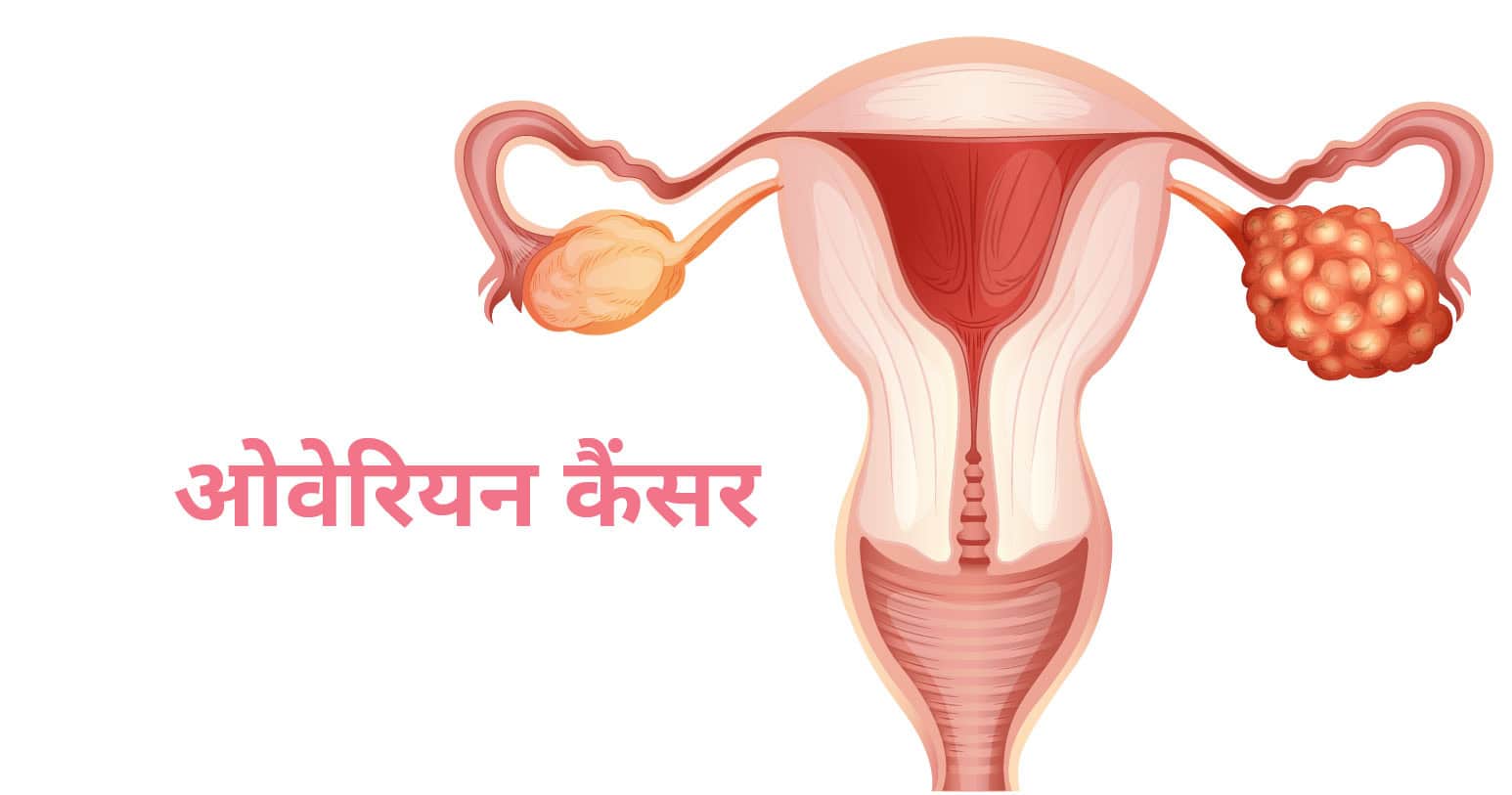
भारत ही नहीं बल्कि दुनिया भर में कैंसर के मरीजों की संख्या लगातार बढ़ रही है। कैंसर के बढ़ते यह मामले सभी के लिए चिंता का विषय है। महिलाओं में सबसे अधिक होने वाले कैंसर में ब्रेस्ट कैंसर और सर्वाइकल कैंसर के बाद तीसरे नंबर पर ओवेरियन कैंसर है।
Table of Contents
ओवेरियन कैंसर को यूट्रस कैंसर या अंडाशय का कैंसर भी कहते हैं। यह कैंसर होने पर अंडाशय में छोटे-छोटे सिस्ट बन जाते हैं। एक महिला में दो अंडाशय होते हैं जिसमें से एक अंडाशय गर्भाशय के बायीं और दूसरा दायीं तरफ स्थित होता है।
अंडाशय को अंग्रेजी में ओवरी कहते हैं। ओवेरियन कैंसर अंडाशय से शुरू होता है। अंडाशय महिलाओं की प्रजनन प्रणाली का एक महत्वपूर्ण अंग है। एंड अंडाशय का आकार लगभग एक बादाम के आकार जितना होता है।
अंडाशय प्रजनन के लिए अंडों का उत्पादन करता है। अंडाशय में अंडे उत्पन्न और मैच्योर (परिपक्व) होने के बाद, उससे बाहर निकल कर फैलोपियन ट्यूब में जाते हैं। फैलोपियन ट्यूब में पुरुष स्पर्म अंडो को फर्टिलाइज यानी निषेचित करता है।
उसके बाद, निषेचित अंडा गर्भाशय (यूट्रस यांनी बच्चेदानी) में प्रवेश करता है और एक भ्रूण (Embryo) में विकसित होता है। अंडाशय एस्ट्रोजन और प्रोजेस्टेरोन हार्मोन का मुख्य स्रोत है।
यह भी पढ़े: बच्चेदानी में सूजन का इलाज
ओवेरियन कैंसर की गंभीरता को ध्यान में रखते हुए उन्हें मुख्यता छ प्रकार में बांटा गया है जिसमें निम्न शामिल हैं:
ओवेरियन कैंसर के स्टेज के आधार पर उसकी गंभीरता की पुष्टि होती है। आमतौर पर कैंसर के चरण के आधार पर ही उसके उपचार के माध्यम का चयन किया जाता है। ओवेरियन कैंसर के मुख्यतः चार चरण होते हैं।
ओवेरियन कैंसर से पीड़ित महिला खुद में कुछ लक्षणों को अनुभव कर सकती है जिसमें मुख्य रूप से निम्न शामिल हो सकते हैं:
आमतौर पर ओवेरियन कैंसर की स्थिति में आप खुद में ऊपर दिए गए लक्षणों का अनुभव कर सकती हैं। हालांकि, ये लक्षण दूसरे कारणों से भी हो सकते हैं जिसकी पुष्टि जांच के बाद डॉक्टर द्वारा की जा सकती है।
ओवेरियन कैंसर का उपचार कई तरह से किया जा सकता है। कैंसर विशेषज्ञ सर्जरी, कीमोथेरेपी, हार्मोन थेरेपी, दवाएं या सर्जरी के साथ कीमोथेरेपी का संयोजन का प्रयोग करते हैं। ओवेरियन कैंसर का उपचार करने के लिए कभी-कभी रेडियोथेरेपी का भी उपयोग किया जा सकता है।
ओवेरियन कैंसर के प्रकार और चरण एवं मरीज की उम्र तथा समग्र स्वास्थ्य को ध्यान में रखते हुए इसके उपचार के प्रकार का चयन किया जाता है।
कुछ उपाय मौजूद हैं जिनका पालन कर एक महिला खुद में ओवेरियन कैंसर के खतरे को कम कर सकती है। ओवेरियन कैंसर के खतरे को कम करने के लिए आप निम्न बातों का पालन कर सकती हैं:
इन सबके अलावा, अगर आप खुद में ओवेरियन कैंसर के लक्षणों का अनुभव करती हैं या आपको इस बात का शक है कि आप इससे ग्रसित हैं तो आपको तुरंत एक विश्वसनीय कैंसर विशेषज्ञ से परामर्श करना चाहिए।
ओवेरियन कैंसर एक गंभीर स्थिति है जिसमें आपको जल्द से जल्द विशेषज्ञ से परामर्श करना चाहिए ताकि समय पर उसका उचित जांच और उपचार किया जा सके।
ओवरी कैंसर की जांच या उपचार में देरी करना मृत्यु का कारण भी बन सकता है। अगर आप खुद में इसके लक्षणों को अनुभव करती हैं या आपको इस बात का संदेह है कि आप इससे ग्रसित हैं तो तुरंत विशेषज्ञ से परामर्श करें।
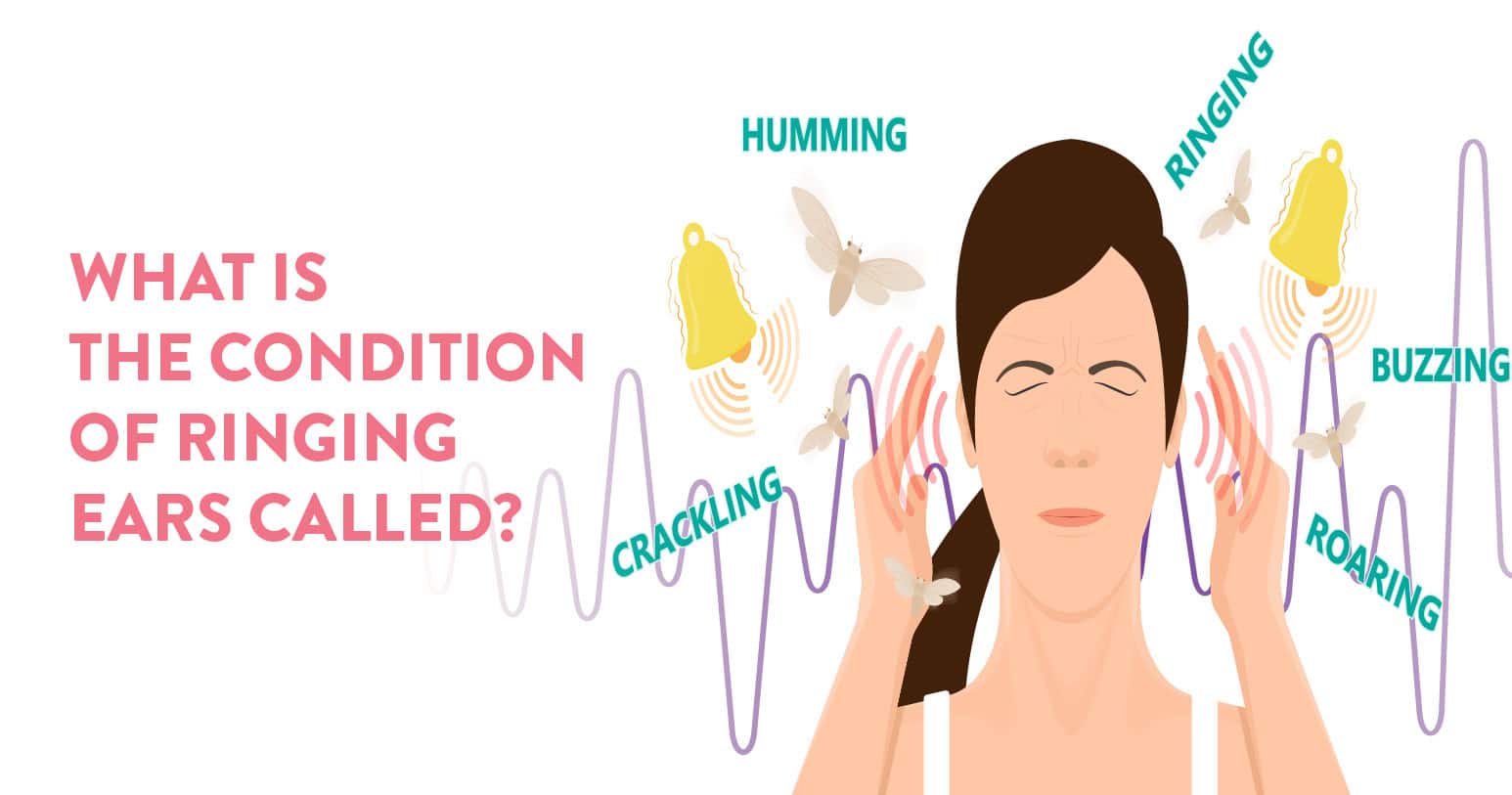
Are you suddenly hearing noises in your ears that you did not hear before? Are these just voices in your head and nobody else is hearing them? Then your body might just be crying out for help as you might be showing symptoms of hearing loss, middle ear infection or Meniere’s Disease. This is a condition and a symptom of a bigger concern. To understand your problem better, read on…
Table of Contents
This condition can be permanent or recurring, as it can come and go. Most people have subjective tinnitus, which means these are noises which only you can hear. These may be low-pitched or high-pitched, in one ear or both ears. But mostly it impacts one’s ability to concentrate or pay attention to external sounds.
In some rare cases, the noise is linked to your pulse rhythm. That means you will hear a pulse or whoosh with every heartbeat. This is referred to as objective or pulsatile tinnitus and can be heard by your physician when they examine you.
Having prolonged exposure to loud noises is a common cause of tinnitus or ringing of the ears. The noise can cause permanent damage to the cochlea in our inner ear because the cells in this region are sensitive to noise. This can be an occupational hazard for carpenters, musicians, pilots, etc. who are repeatedly exposed to loud sounds. A single exposure to loud noise from headphones can also cause tinnitus.
Hearing loss caused due to the above can also be a cause of tinnitus. Inside our inner ear are tiny, delicate hair cells that move when it receives sound waves. This triggers signals from your ear to your brain (auditory nerve), which in turn interprets these signals as sounds. If these hairs become bent or broken, due to ageing or constant exposure to loud noises, they can leak random signals to your brain making you hear hissing or similar kinds of noises.
Some other causes of tinnitus can be:
Whatever the symptom, excessive stress and lack of sleep can worsen the condition and lead to complications. This also includes excessive consumption of alcohol, caffeine or caffeinated drinks. Existing health conditions can also worsen with tinnitus.
If any of the above problems exist then it is advisable to visit an ENT specialist and get your ears checked. Otherwise, if you have had an upper respiratory infection, like a common cold, and the ringing in the ears doesn’t subside in a week, then definitely seek medical help.
Apart from these, there are some other reasons why tinnitus can happen. So ask yourself the following questions:
High blood pressure makes you more likely to develop tinnitus. In these kinds of patients, an associated underlying condition of narrowing arteries, called atherosclerosis is also found. This can also lead to ringing in the ears and has a far deeper impact than it seems on the surface.
Alcohol levels can also impact your ears. When you consume too much, your nerves go for a toss impacting your hearing. Cut back on your consumption and it will make a difference.
When your nerves are affected by anxiety or depression, it can trigger tinnitus. Try to relax or opt for therapy or yoga. This will not only help you manage the condition but also improve your overall health.
The treatment will depend on the actual cause.
In all other cases, one might prescribe hearing aids and other such options that will help control and contain the condition. It must be kept in mind that tinnitus once found does not go away. It can’t be eliminated but can definitely be managed with proper supervision.
At the CK Birla Hospital, we ensure patients get their problems addressed in the most cost-effective and convenient way. This is why our patient-oriented approach makes us the most preferred healthcare service provider in Delhi NCR. To ensure your ears are fine, book a consultation with the best ENT in Delhi NCR. Call now to book an appointment.
One of the most commonly heard concerns in every family is blood pressure. Everyone has at least once in their life got their blood pressure checked. And on today’s date, almost every person has a family member who suffers from high or low blood pressure. In most cases a fluctuation is temporary and stabilizes easily. However, those who suffer from consistently high blood pressure need to be extra careful and monitor the same to avoid major health complications like cardiovascular diseases.
Table of Contents
For the uninitiated, let us understand what blood pressure is, and why it is so vital for our overall health. It is the natural force that helps circulate blood through the veins into our organs. It is what drives the circulatory system in our bodies. With this force it moves around a lot of vital things in our bodies.
Simply put, the pumping action of your heart creates pressure by forcing blood out with every contraction. Blood pressure is highest at the origin, i.e., the heart. Thereafter it keeps lowering as it moves to the aorta and eventually the smaller branches of arteries. This is how blood flows and pressure ensures it reaches every end of our body.
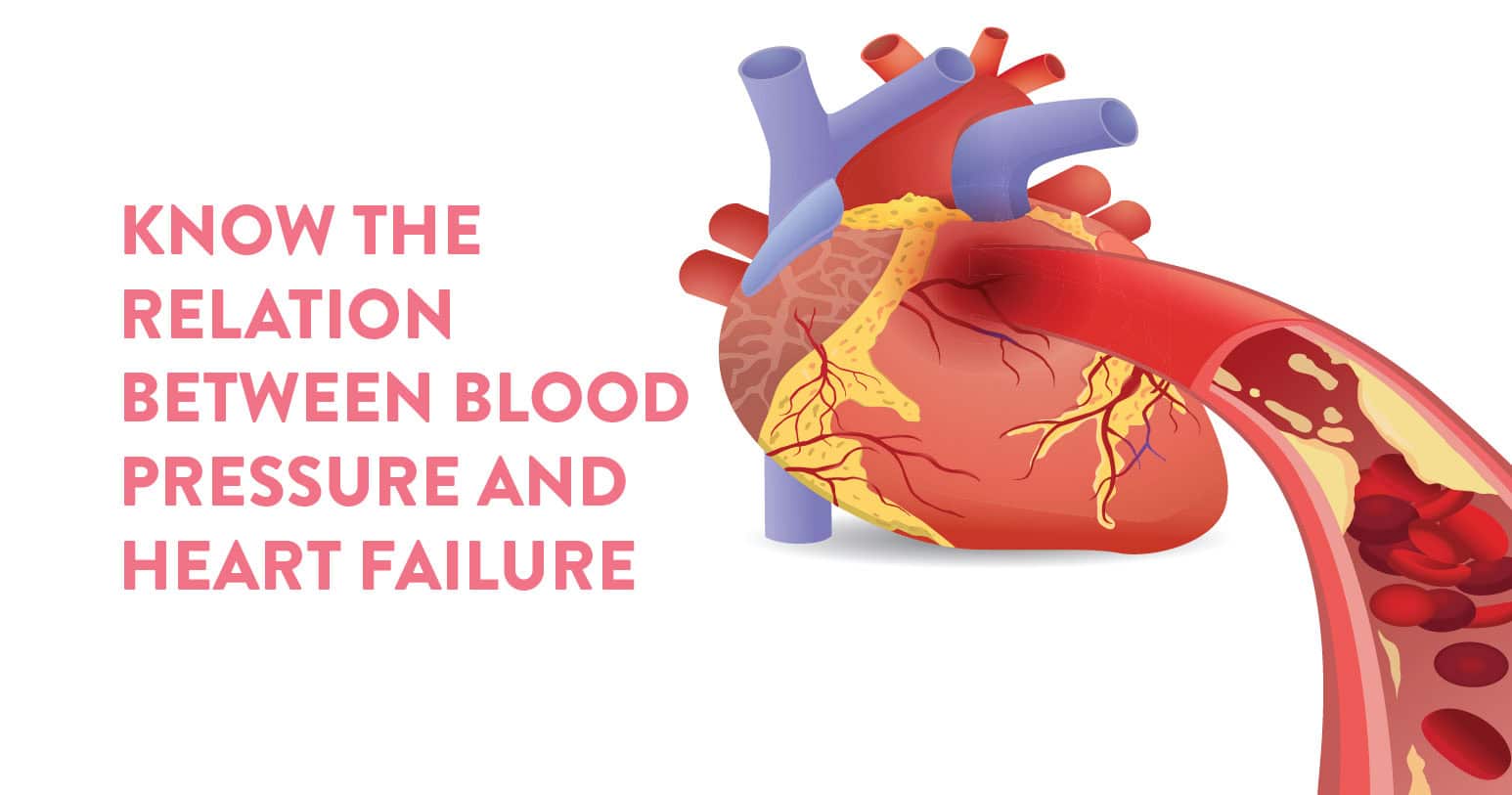
Arteries in the circulatory system act like pipes, restricting them will increase the pressure where blood is stuck or restricted in the artery. With the flexible walls of the arteries, the blood pressure will drop faster as it pumps away from the heart. Therefore, the condition of the arteries will decide the blood pressure levels. Which means narrowed arteries can block the supply of blood completely, resulting in a stroke or heart attack.
The ideal blood pressure level for a normal healthy person is 120 systolic pressure by 80 diastolic pressure, i.e.,120 over 80 mm Hg. The systolic pressure is always a higher figure, and caused by the heart’s contraction. The diastolic number is the lower pressure denoting the brief resting periods between heartbeats. Anything beyond these levels would be a cause of concern.
Any treatment at an earlier stage, should be through lifestyle changes and monitoring levels of blood pressure regularly. In case of high blood pressure, these lifestyle changes can reduce the dosage of medication:
Apart from these, the best medicine to manage your blood pressure will be prescribed by your physician.
With age our body undergoes a lot of changes. As the vascular system ages, arteries get stiffer, which in turn shoots up blood pressure. This can happen to anyone, which is why blood pressure is often called “the silent killer,” for the symptoms almost never surface.
In old people blood pressure cannot be controlled with lifestyle changes and medication, it can lead to serious health problems, including cardiovascular disease (such as heart disease and stroke), vascular dementia, eye problems, and kidney disease. The good news is that blood pressure can be controlled in most people.
Blood pressure affects our bodies in more ways than we know. The biggest impact falls on our arteries that help the blood to pass. With an unhealthy lifestyle and age the arteries lose their agility creating a complete blockage of blood supply to and from the heart. This in extreme circumstances leads to heart failure, as the heart fails to pump any more blood. Regular monitoring will help you save yourself from blood pressure. In case of any medical assistance for the same, reach out to Dr…… at the CK Birla Hospital, Gurugram for a proper treatment plan to monitor and control your blood pressure.
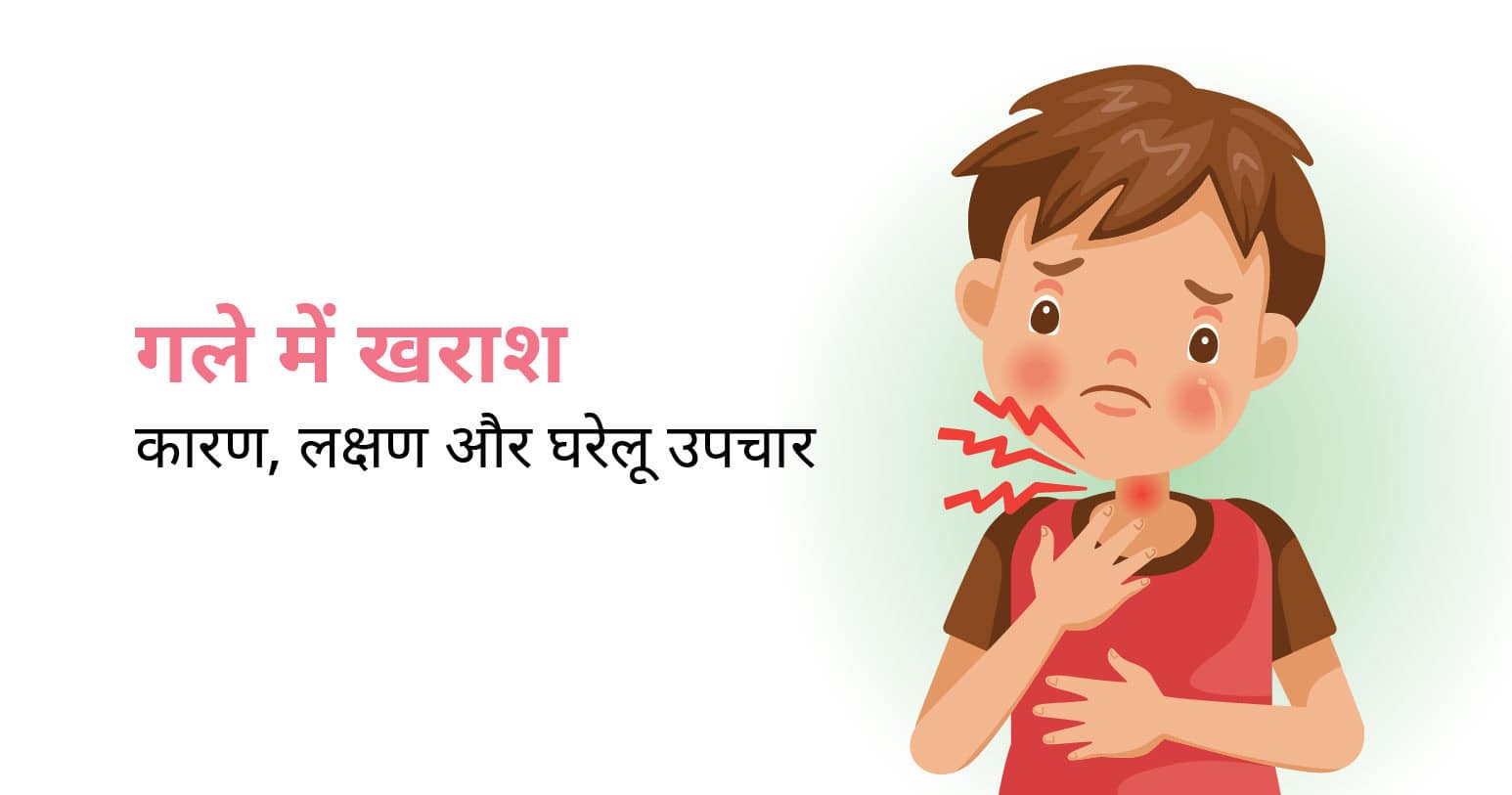
गले में खराश होना एक आम समस्या है। यह अधिकतर मौसम में बदलाव आने पर दिखाई देता है। इससे ग्रसित होने पर आपको कुछ भी खाने-पीने या निगलने में काफी दर्द और परेशानियों का सामना करना पड़ता है।
गले में खराश का सामान्य कारण होने पर इसके उपचार की आवश्यकता नहीं होती है। क्योंकि कुछ दिनों के अंदर यह अपने आप ही ठीक हो जाता है। लेकिन जब ऐसा नहीं होता है तो चिकित्सा रूप से इसका उपचार किया जाता है। इस ब्लॉग में हम गले में खराश के कारण, लक्षण और घरेलू उपचार के बारे में विस्तार से चर्चा करेंगे।
यह भी पढ़े- गले में इन्फेक्शन का कारण, लक्षण, बचाव और घरेलू उपचार
Table of Contents
दूसरी समस्याओं की तरह गले में खराश होने पर भी आप खुद में कुछ लक्षणों का अनुभव कर सकते हैं। इसमें मुख्य रूप से शामिल हैं:
अगर आपको गले में खराश है तो आप खुद में ऊपर दिए गए लक्षणों का अनुभव कर सकते हैं।
ये भी पढ़े: गले में दर्द का कारण, लक्षण और उपचार (Gale Mein Dard)
गले में खराश कई कारणों से होता है। लेकिन इसके मुख्य कारणों में निम्न शामिल हो सकते हैं:
अगर आप ऊपर दिए गए कारणों को ध्यान में रखकर और कुछ सावधानियां बरतकर खुद को इस समस्या से बचा सकते हैं।
किसी सामान्य कारण से गले में खराश होने पर इसके उपचार की आवश्यकता नहीं पड़ती है। क्योंकि कुछ दिनों के भीतर यह अपने आप ही ठीक हो जाता है। हालांकि, जब यह अपने आप ठीक नहीं होता है तो डॉक्टर से परामर्श लेने का सुझाव दिया जाता है।
गले में खराश का उपचार करने के लिए कुछ खास घरेलू नुस्खों का भी इस्तेमाल किया जा सकता है। अगर आपके गले में खराश है तो डॉक्टर से परामर्श करने के बाद आप नीचे दिए गए घरेलू नुस्खों का इस्तेमाल कर सकते हैं।
एक गिलास पानी को हल्का गर्म करने के बाद उसमें थोड़ा सा नामक मिलाकर – गरारा करने से गले में खराश के कारण उत्पन्न दर्द से राहत मिलती है।
अगर आपको गले में खराश है तो ठंडा या नॉर्मल पानी के बजाय हल्का गर्म का सेवन करें। इससे गले की खिचखिच दूर होती है और गले के दर्द से भी राहत मिलती है।
आप चाहें तो पानी में नींबू का रस डालकर इसका सेवन कर सकते हैं। ऐसा करने से गले में नमी बनी रहती है और गले में खराश के कारण उत्पन्न दर्द दूर होता है।
अदरक का सूप भी गले में खराश होने पर काफी फायदेमंद होता है। साथ ही, आप चाय में अदरक डालकर उसका भी सेवन कर सकते हैं। अदरक में एंटी-बैक्टीरियल गुण मौजूद होते हैं जिससे दर्द और सूजन से राहत मिलती है।
गले में खराश को दूर करने के लिए गले की सिकाई कर सकते हैं। इससे गले की ग्रंथियों को आराम मिलता है जिससे खराश से राहत मिलती है।
इन सबके अलावा, गले में खराश होने पर आपको कुछ खानपान की चीजों से परहेज करना चाहिए। इसमें तले-भुने और मसालेदार खाद्य पदार्थ, ब्रेड, आचार, कोल्ड ड्रिंक्स, सिगरेट, शराब आदि शामिल हैं।
अगर गले का खराश एक सप्ताह से पुराना है, अपने आप ठीक नहीं हुआ है, घरेलू नुस्खों से कोई फायदा नहीं हो रहा है या इसके लक्षण लगातार गंभीर हो रहे हैं तो ऐसी स्थिति में आपको तुरंत एक अनुभवी नाक, कान और गले के डॉक्टर यानी ईएनटी विशेषज्ञ से परामर्श करना चाहिए।
आपके लक्षणों के आधार पर डॉक्टर कुछ जांच की मदद से गले में खराश के सटीक कारण का पता लगाकर उनके अनुसार उपचार शुरू कर आपकी समस्या को दूर कर सकते हैं। लंबे समय तक गले में खराश को नजरअंदाज करना या घरेलू उपायों के भरोसे बैठे रहना उचित नहीं है।
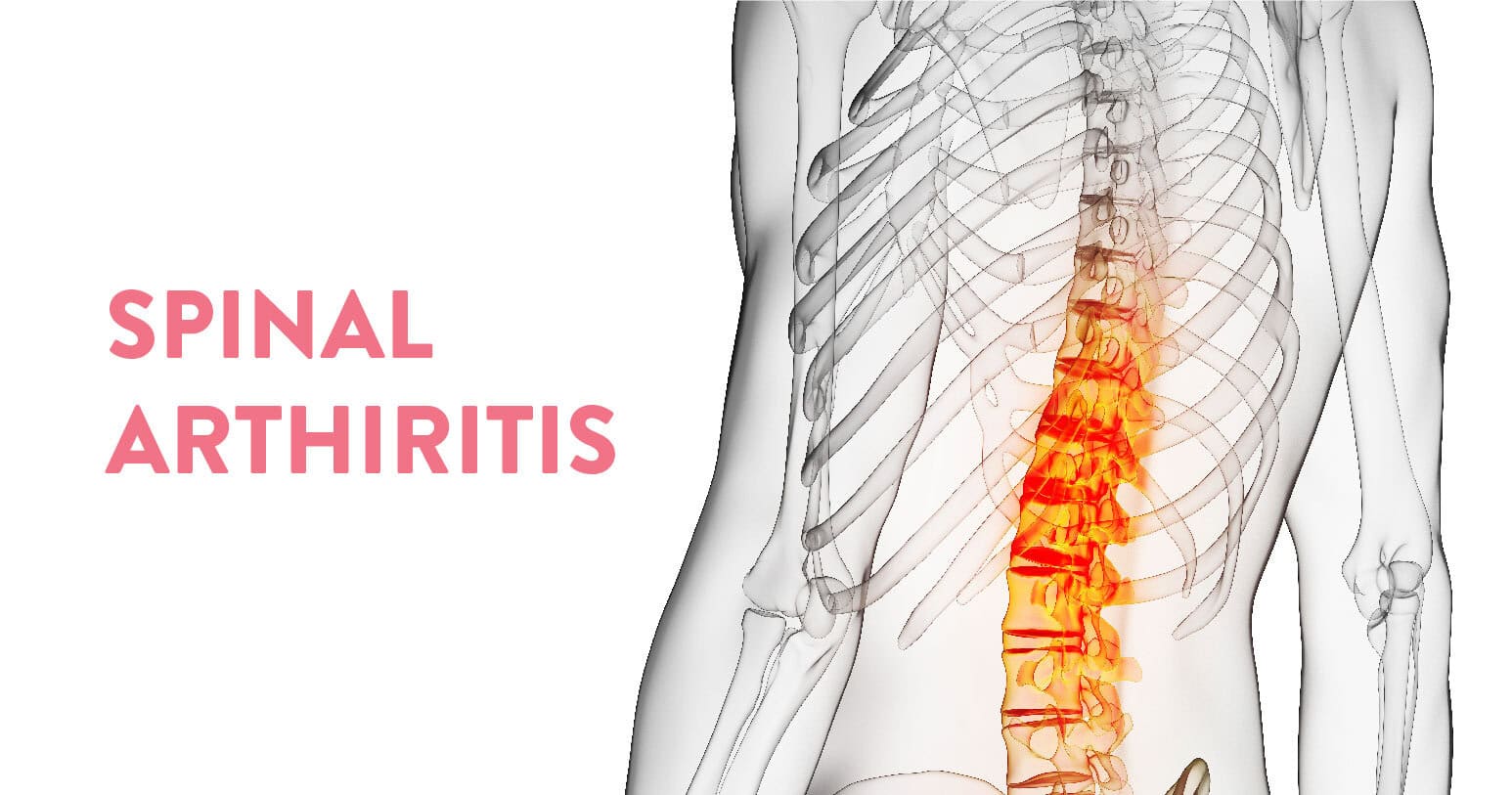
Before understanding what spinal arthritis is, let’s understand the meaning of arthritis first. The term arthritis has been derived from two Greek words – ‘arthros’ and ‘itis’. The former means joint, and the latter means inflammation.
Table of Contents
Spinal arthritis is simply the inflammation of the facet joints of the spine. It usually happens due to wear and tear of the spinal bones. Hence, it often affects your back and neck.
There are many types of spinal arthritis, such as:
Spinal arthritis symptoms can differ from one individual to another. Generally, they consist of the following:
Joint motion is made possible by sturdy, slick cartilage tissue. However, due to wear and tear, the cartilage wears down, leading to bone rubbing against bone.
This further affects joint motion and results in the deterioration of the connective tissues that keep the spinal joints together and connect muscles to bones.
Eventually, as a result, the spinal joint lining becomes inflamed and causes spinal arthritis. Other than this, autoimmune triggers and heredity can also cause spinal arthritis.
The following risk factors can also elevate your probability of suffering from spinal arthritis:
To diagnose spinal arthritis, your doctor will examine the details of your medical history.
Further, they will ask about the symptoms you are experiencing and perform a physical exam. The latter is done to check for soreness, stiffness, and swelling in your back.
Other than this, they might perform tests like:
Though there is no definite spinal arthritis cure, some treatments do exist and help manage this kind of arthritis.
For mild to moderate level cases, spinal arthritis treatment includes:
For severe-level cases of spinal arthritis, the only treatment options are the following:
With just a few changes in your life, you can prevent yourself, to a great extent, from suffering from spinal arthritis. These changes include:
Spinal arthritis is a condition wherein spinal joints become inflamed, usually because of wear and tear as you advance in age.
This condition can be very painful and involve swelling up of spinal joints, stiffness of the spine, fatigue, etc. It, thus, makes reaching out to a doctor or rheumatologist extremely necessary.
Our team at the Department of Rheumatology at the CK Birla Hospital understands how excruciating spinal arthritis can feel. Which is why we use the latest innovations in treatment and ensure customised treatment plans that are ideal for your treatment.
So, if you ever experience the symptoms of spinal arthritis, reach out to us at the CK Birla Hospital or book an appointment with Dr Rajiv Ranjan Kumar for a timely diagnosis and treatment.
Q. Is spinal arthritis common?
Ans. Spinal arthritis is pretty common. For example, according to research conducted by the National Library of Medicine, arthritis of the spine affects about 28% of females and more than 29% of males in the US.
Q. What does spinal arthritis feel like?
Ans. Spinal arthritis manifests through symptoms like severe back pain, overwhelming fatigue, limited motion of the spine, swelling or soreness in spinal joints and muscles, etc.
Q. Is walking good for spinal arthritis?
Ans. Yes. Walking is beneficial for spinal arthritis because it’s a low-impact exercise that aids in restoring the flexibility of your spinal joints and further keeping your spinal bones healthy.
Q. Is spinal arthritis a disability?
Ans. Spinal arthritis can be considered a disability because it limits the flexibility of your spine, and the excruciating pain associated with this condition can restrict you from performing day-to-day tasks.
Q. What kind of doctor treats arthritis of the spine?
Ans. Rheumatologists are doctors who specialise in treating illnesses that involve your joints, muscles, and bones. Thus, rheumatologists are the doctors who treat arthritis of the spine.
Having nagging ear pain? Suddenly have a weird itch inside the ear which won’t go away? Do your ears start ringing or paining abruptly? In addition to the pain, your child or you now have a fever also. This might just be due to an ear infection.
Ear infections are very common and can happen all around the year. It can happen at any age and is especially difficult to identify in toddlers because they can’t bear the pain and neither can they tell us their problems. In most cases, antibiotics are the best solution.
But what causes ear infections and how can we deal with them? To learn all about this read what our ear nose and throat experts have to say.
Table of Contents
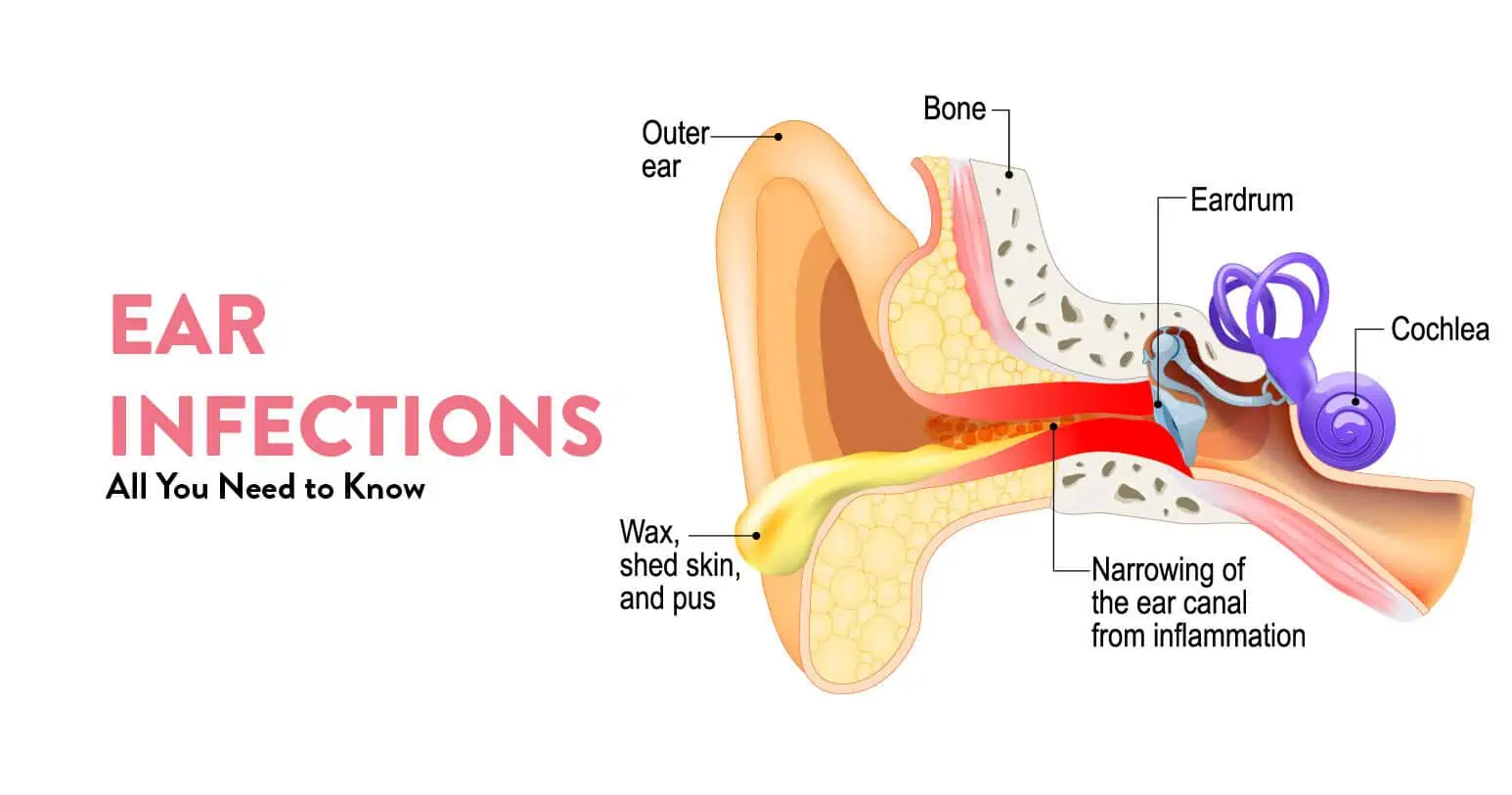
An ear infection is usually bacterial or viral. It grows mostly around the middle ear, or the place behind your eardrums, and sometimes in the inner or outer ear. Infections mostly clear up on their own unless they involve a lot of pain, inflammation or fluid buildup.
Based on the extent of the infection, they can be classified as chronic or acute.
Broadly we can categorize ear infections under the following heads:
Ear infections are mainly caused due to a virus or a bacteria that ends up blocking your Eustachian tubes, leading to fluid build-up in the middle ear. Eustachian tubes run from one ear to another and hit the back of your throat.
| Causes of blocked Eustachian Tube: |
| Allergies: seasonal or otherwise |
| Cold & sinus infections: Flu or adenoid infection |
| Excessive mucus accumulations around the area |
| Excess or chain smoking |
| Alterations in the level of air pressure |
Infected adenoids (in children & adolescents) are another cause of eustachian blockages that ultimately cause ear infections. Adenoids are mainly nature’s way of building immunity in children. It starts developing around ages 2-3 years and disappears on its own by the time they reach adolescence. These act as filters to prevent the body from viral or bacterial infections that can be swallowed by children at a young age. In severe cases where they get infected, the infection tends to spread to the tonsils and other adjoining glands.
Who is at risk of getting ear infections? Mostly children since they have short and narrow Eustachian tubes. Of these, those infants who are being breastfed or bottle fed also have a high risk of getting these.
Apart from this, the following may also be the first point of contact that leads to ear infections:
The ear is a very vital but small organ, hence it will not be able to conceal discomfort for too long. The common symptoms of ear infections will be:
These symptoms might come and go or may happen in either or both ears and can last between 3 days to even a week.
In children, additional symptoms will include:
You Can Also Read: Ear Bleeding – Causes and Treatment
Consult an ENT specialist who will consider your symptoms, examine your ears with an otoscope and identify the cause of the problem. If the condition requires further investigation a few tests may be prescribed depending on the case:
Potential complications of an ear infection
Ear infections can clear up without any medical intervention, but the flip side is that they tend to keep coming back. So while the complications in most cases do not exist, in acute cases the following might be possible:
There are various treatment options available, but it all depends upon the nature of the infection and its severity. Some at-home treatments to manage infections till you get medical help are:
In conclusion, ear infections are mostly mild but can lead to severe outcomes if not addressed promptly. If you are currently facing issues, book an appointment immediately and reach out to the ENT Department at the CK Birla Hospital.
Ear infections occur in your middle ear, in the area which is behind your eardrum. Most clear up within 3-4 days, but recurring or severe infections may need a course of antibiotics.
Yes. Drinking water can help as it helps clear out the Eustachian tube blockage temporarily due to movement of the jaw and throat cavity.
A hot shower and hot compress help in case of painful ear infections. However, be extra careful that no water or fluid enters the middle ear in the process.
Place a hot compress on the infected year and sleep on the side to keep the compress in place. The warmth will add some form of relief. Keep the ear covered till the problem is solved.
Table of Contents
STDs are the short form of sexually transmitted diseases. STDs are also referred to as sexually transmitted infections (STIs) in the beginning.
Specifically, STDs refer to those diseases or infections that get transferred from one individual to another through sexual contact.
These diseases are spread through oral, vaginal, or anal sex. Though, occasionally they can be transmitted by close physical contact.
Usually, the common types of STDs for men include:
The common types of STDs for women include:
Often, men and women don’t experience the symptoms of STDs for a long time.
When they do experience STDs symptoms, they manifest in different ways for both of them. So, let’s discuss their symptoms separately.
An STI lies at the root of all STDs causes. These infections are typically caused by bacteria, viruses, and parasites and spread when bodily fluids are exchanged during sexual intercourse.
Sometimes, these infections can also spread through skin-to-skin contact. For instance, genital warts and herpes are STIs spread through skin-to-skin contact.
Besides this, certain infections (hepatitis B) can also spread due to sharing personal items such as razors, toothbrushes, etc.
Many times, an STI usually goes away on its own. However, when it doesn’t, the pathogens which caused it in the first place can end up harming your body cells and impairing their activities.
At this stage, symptoms start appearing for most people, and the infection becomes a disease.
Other than these causes, some risk factors, such as the ones mentioned below, can also cause you to have STDs:
To check for the diagnosis of STDs, you should go to a general practitioner or, even better, to an experienced gynaecologists.
For the diagnosis, a gynaecologist will ask you about your sexual history in detail and check your health history.
During this time, you may feel a bit hesitant to share details. That’s completely fine. Take your time and remember to be as honest as possible while giving the details about your sexual history.
The gynaecologist will also recommend that you undergo the following tests:
STDs caused by bacteria can be treated easily, while STDs caused by viruses can be managed but not completely cured.
Usually, the treatment for STDs involves:
Sexually transmitted diseases caused by bacteria and parasites, such as Gonorrhoea, chlamydia, syphilis, trichomoniasis, etc., can often be cured with a single dose of antibiotics.
Gonorrhoea and chlamydia are typically treated together because these two STDs frequently co-occur.
For antibiotic treatment to be effective, you must complete the course of the treatment. Moreover, you must refrain from having sex for a week after the treatment is over to avoid getting reinfected.
Antiviral drugs are prescribed to manage STDs like HIV or herpes.
However, antivirals cannot completely treat HIV or herpes. They can only lower their risk to your health and reduce your chances of spreading it to others.
Having said that, the effectiveness of HIV treatment increases with time. It is possible to lower the viral load in the blood to the point where it is hardly detectable if you take your drugs exactly as prescribed.
Additionally, if you take suppressive therapy daily along with prescribed antiviral medication, you will see fewer herpes recurrences.
The above STD treatments are very effective. But just in case they fail to treat STDs, the last resort for treatment remains surgery or abstinence from sex.
If you are sexually active, it can be tricky for you to avoid contracting STDs. Fortunately, some methods of preventing STDs still exist.
For STD prevention, you can keep the following in mind:
Sexually transmitted diseases (STDs) usually spread through bodily fluids during sexual intercourse. Sometimes, they can spread through other kinds of skin contact and even through sharing personal things.
If you experience symptoms like unusual penile or vaginal discharge, vaginal itching, swelling up of testicles, etc., you should immediately reach out to a gynaecologist and not hesitate to talk about it.
The experienced gynaecologists at the CK Birla Hospital understand what you are going through and emphatically try to discuss and diagnose STDs through state-of-the-art tests. We also prescribe personalized treatments for you.
For comprehensive STDs diagnosis and treatment, visit the CK Birla Hospital or book an appointment with Dr. Deepika Aggarwal.
FAQs
Q. Who gets STDs more: men or women?
Ans. Women get STDs more than men because a women’s vagina lining is more delicate and vulnerable and thus easily penetrable by bacteria and viruses.
Another reason is that more women are getting intrauterine devices implanted to avoid pregnancy. However, these devices don’t shield or prevent them from getting STDs.
Q. Are STDs worse for men or women?
Ans. Since women are more susceptible to STDs than men, STDs for women are far worse than for men. With STDs, women need to deal with their long-term effects and the serious health consequences they impose even after treatment.
Q. What STDs can a guy get from a girl?
Ans. The STDs that a guy can get from a girl are chlamydia, herpes, Gonorrhoea, syphilis, HIV, etc.
Q. Do STDs go away on their own?
Ans. Some STDs do go away on their own with time. However, some don’t go away by themselves and require treatment.
Q. Which STD causes death?
Ans. STDs like syphilis, HIV, human papillomavirus, and hepatitis B can cause death if you don’t seek treatment in time.

Many people experience neck pain at some point in their lives, and it’s often brought on by stress and tension in the neck and upper back area, as well as muscle spasms that occur from repetitive motions such as typing or driving.
Over time, these symptoms can become chronic, leading to greater muscle tightness, swelling, and pain radiating from the neck down into the shoulders and arms or up into the head. Fortunately, there are several ways you can treat neck pain at home or work with just a few minutes of your time each day.
Table of Contents
Neck pain is one of the most common types of pain. The lower neck often feels stiff when you wake up or after a long period of sitting in front of your computer. For some people, this pain may result from injury, such as whiplash from an automobile accident.
Neck muscles can become tense when you move your head, often described as neck stiffness or soreness. The following are the most common neck pain reasons:
There are several ways you can prevent neck pain from occurring in the first place:
Although neck pain is a common ailment, it’s best to consult a doctor or chiropractor if you have any of the following symptoms:
Depending on the neck pain causes, many types of drugs are available for treatment.
These include analgesics (pain relievers), nonsteroidal anti-inflammatory drugs (NSAIDs) such as aspirin or ibuprofen, corticosteroids (such as prednisone), antiviral agents, and opioids. Antidepressants may also be prescribed for chronic pain conditions.
Physical therapy: The most common neck pain treatment is physical therapy, which shows you how to change positions to minimize pressure on your neck muscles. However, it’s best to consult a doctor about what type of care will work best to provide you neck pain relief.
Transcutaneous electrical nerve stimulation (TENS): TENS has been shown to provide relief from certain types of neck pain. It works by sending mild pulses of electric current through wires placed across the skin near where you feel the pain.
TENS machines are widely available without prescription in medical supply stores, but they should only be used under the supervision of a medical professional.
Soft neck collar: One way to support your neck while working at a desk is by wearing a soft neck collar. You can buy these online, but you could also try making one out of old shirts.
Steroid injections: If your neck pain is caused by inflammation of the nerves in your spine, steroid injections may be helpful.
Injecting cortisone between the vertebrae can sometimes reduce inflammation and relieve pain.
Surgery: Some patients with severe neck pain may need surgery to remove bone fragments that are pressing on a nerve or to repair a ruptured disc.
Surgery is more commonly needed when the pain is severe, lasts longer than 12 weeks, and doesn’t respond to conservative treatment.
The surgical procedure most commonly performed for neck pain is a cervical laminectomy. This procedure reduces pressure on the nerves in your spinal cord and may relieve your neck pain for several months.
Alternate heat and cold: Applying alternating warmth and coolness to the neck can help improve circulation, decrease muscle spasms, and relax tense muscles.
Home exercises: You can also try neck pain exercises at home. To stretch your neck, place your hand on the back of your head and slowly tilt your head toward one shoulder. Hold for 20 seconds and repeat three times.
To strengthen the muscles in your neck, stand with a good posture and tuck in your chin to look at the floor. Slowly turn your head to the right as far as it can go, and then return to the center position. Repeat on the left side of your body if required. These exercises will also help you reduce neck pain at work.
Massages: Massages can be soothing and relaxing, but be sure to check in with your medical provider before booking a session. They may want you to stay away from massages, especially if you’re recovering from a neck injury or an infection.
Chiropractic: This type of care focuses on the relationship between your body’s musculoskeletal system and the central nervous system.
Practitioners believe a misalignment in this relationship can lead to pain, limited mobility, and other health problems. These health issues are often attributed to subluxations or small displacements of bones in the spine. Often, chiropractors will work with you to change your habits and lifestyle to prevent recurring subluxations.
Acupuncture: Acupuncture is a traditional Chinese medicine (TCM) technique that originated in ancient China. It involves the insertion of very thin needles through the skin at specific points on the body. Acupuncture is believed to unblock the body’s energy channels, known as meridians, that can cause pain and illness.
Any kind of body pain is an indication that your body needs attention. It can be something basic or chronic. If you are experiencing debilitating neck pain, you can reach out to the CK Birla Hospital or book an appointment Our team of dedicated doctors can diagnose your ailment and get you on the road to recovery.
Q1. How do I know if my neck pain is serious?
You should seek medical advice if your symptoms are unusual or persistent. If your neck pain is severe or debilitating, it can signify a more serious condition, such as a herniated disc or spinal stenosis. Either of these conditions can result in further damage, which may require surgery.
Q2. What cancers cause neck pain?
In many cases, neck pain is not caused by cancer. Instead, it may be a symptom of cancer, as in some throat cancers or lymphomas.
Q3. How long should neck pain last?
If your symptoms persist for longer than two weeks, you should see a doctor.
Q4. Is neck pain a symptom of stress?
While stressful situations can play a part in neck pain, it’s usually due to an underlying condition like arthritis or poor posture that needs treatment.
Q5. What are the symptoms of neck pain?
Common symptoms include stiffness in your neck, soreness when touching the back of your head, sharp pains on either side of your neck near the spine (sciatica), headaches near the eyes or base of the head, tingling sensation near the shoulders (cervical radiculopathy), difficulty rotating head left or right (atlantoaxial instability).
Ankylosing spondylitis is a rheumatic illness associated with inflammation of the lower back region. The condition often spreads to the ribs, causing breathing discomfort besides risking hunchback posture in the advanced stages of the illness.
Ankylosing spondylitis causes severe disability as vertebral bones fuse around the hip. Individuals experiencing unexplained hip pain (early stage) should visit a rheumatologist and get diagnosed with their underlying condition, ensuring whether having this rare illness (2-5 cases/100,000).
Table of Contents
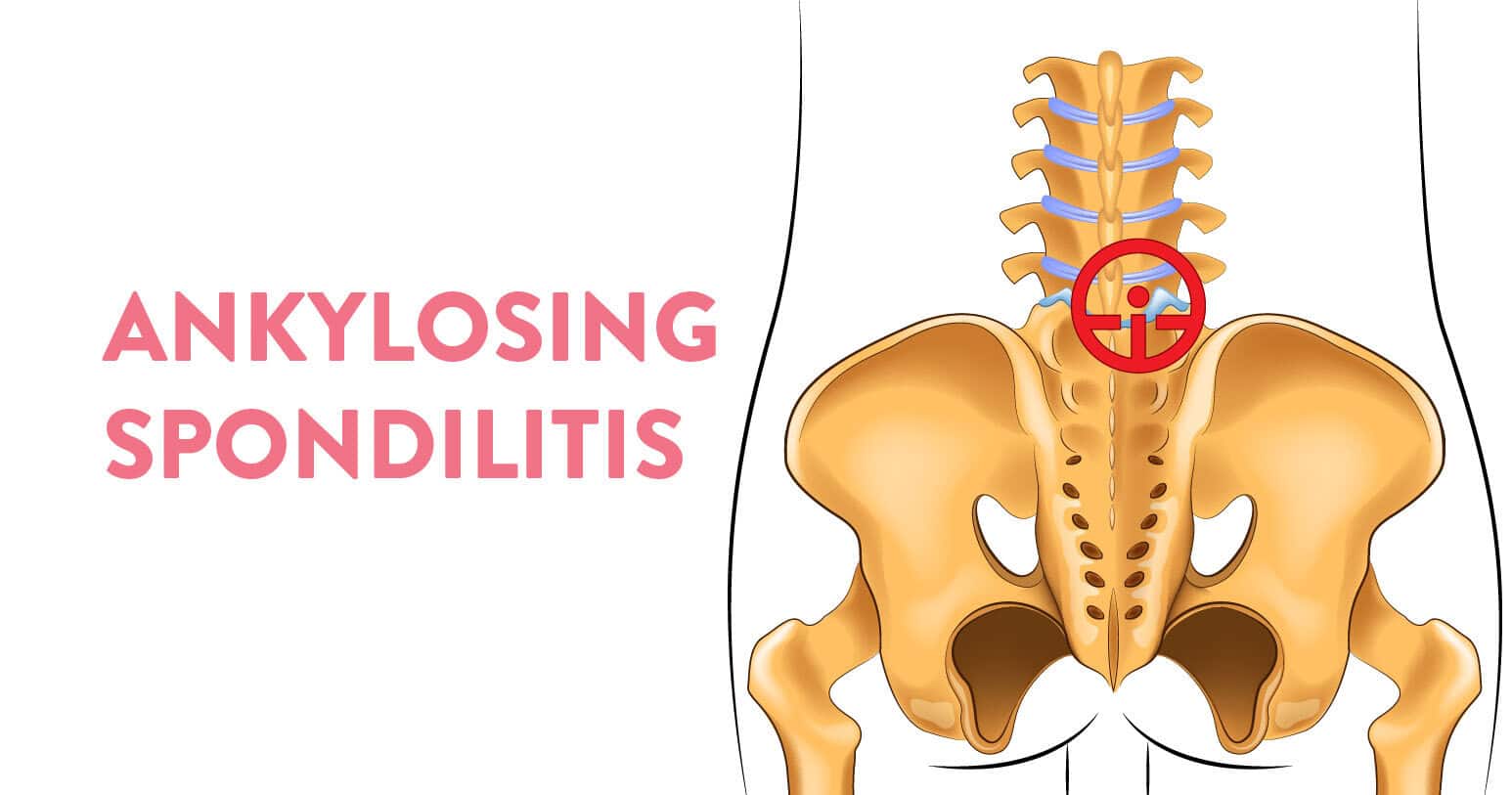
Ankylosing spondylitis, also known as Bechterew disease, is an autoimmune disorder that causes inflammation (similar to arthritis) around the sacroiliac joints connecting the spine with the pelvis.
Most patients report sacroiliitis (sacral vertebrae trauma) among the early ankylosing spondylitis signs.
Most ankylosing spondylitis (AS) patients have a history of lower back pain.
Are you among those with poor immunity? You might be prone to this rheumatic disorder. Ankylosing spondylitis (AS) has no permanent cure at present.
However, patients with this condition lead a natural lifestyle through early detection and preventive treatment to ease painful symptoms.
Ankylosing spondylitis signs include prolonged and unexplained lower back discomfort. You may feel it frequently in the morning or change posture after a long time, including back stiffness and pain around the neck.
Here are some of the potential symptoms:
Although a rare bone condition, ankylosis spondylitis is an advanced category under axial spondylarthritis (ax Spa). Rheumatologists call this condition radiographic axial spondylarthritis (ax Spa).
It has the name from the imagery diagnosis report, where affected spinal bones get fused, as observed during an MRI or spinal X-ray.
Rheumatologists treat ankylosis spondylitis patients using a combination of the following therapeutics. It includes:
Anti-inflammatory medications (NSAIDs, TNF blockers through oral and parenteral routes) provide considerable relief from recurrent pain. These drugs reduce inflammation and contain the muscle stiffness associated with ankylosing spondylitis.
It prevents further skeletal damage from a potential fall frequent in patients with a deteriorating bone structure.
Doctors may also prescribe calcium medication and multivitamins to compensate for rapid demineralisation preventing osteoporosis.
Posture therapy helps you cope with mechanical disability and overall discomfort to lead a natural lifestyle. It infuses ankylosing spondylitis patients to perform daily activities without fearing the risk of injury.
Besides, posture correction and dedicated exercises keep you in shape while strengthening core muscles to counter skeletal weakness.
Some patients with ankylosing spondylitis develop hip complications.
Your rheumatologist/orthopedic surgeon may suggest surgery to prevent further deterioration of the underlying condition.
Rheumatologists are yet to offer a permanent prognosis of ankylosing spondylitis. Here are the following reasons that trigger this autoimmune condition:
If you have potential signs of chronic back pain, visit a rheumatologist for a detailed checkup. Bone specialists use the following methods for ankylosing spondylitis diagnosis:
Ankylosis spondylitis prevention is not possible since it’s an autoimmune disorder. Individuals having the HLA-B27 gene are susceptible to developing it between 20 to 40 years of age.
Potential couples can avail of complete genetic screening to prevent their future offspring from inheriting such a rare illness.
Ankylosing spondylitis is an autoimmune rheumatic illness. Patients showing potential symptoms complain of physical discomfort prevailing around the skeletal system.
If you have a history of lower back pain, visit a physician to get diagnosed with underlying health anomalies.
If you show ankylosing spondylitis signs, meet a rheumatologist (bone specialist) for further treatment. For surgical intervention, a spinal surgeon will cater for your condition.
A rare rheumatic condition, hardly a quarter of individuals having the HLA-B27 gene report ankylosing spondylitis. Also, patients having poor immunity may develop this condition in their early 20s.
While a permanent cure is not yet available, rheumatologists recommend a cautious lifestyle to prevent potential blunt injuries. Besides, preventive treatment helps affected patients counter the symptoms of skeletal discomfort and seek physiotherapy for disability issues.
CTA: Prone to frequent lower back issues? Book your diagnosis session at the CK Birla Hospital online today. Also, receive a complete checkup conveniently under leading rheumatologist Dr. Rajiv Ranjan Kumar for potential ankylosing spondylitis symptoms.
1. Is ankylosing spondylitis a critical condition?
Ankylosing spondylitis has no treatment at present. This autoimmune condition affects the hip and gradually fuses bones, starting from the sacroiliac region.
It spreads from the tailbone to the neck region and leads to gradual disability, if not a hunchback posture.
You may also experience breathing issues when it affects the thoracic ribs.
2. What’s the nature of ankylosing spondylitis pain?
Patients experiencing ankylosis spondylitis in its early stages report it as prolonged back problems. Prominent signs include pain spreading from the lower spinal cord to the surrounding and upper skeletal structure, with inflammation at the base of the spinal cord, making it impossible to sit upright.
Besides, stiffness and frequent inflammation make ankylosis spondylitis different from usual sprains and body aches.
3. Does ankylosing spondylitis lead to permanent disability?
Ankylosing spondylitis causes motor problems from the early stages as spinal bones gradually fuse and lower the natural flexibility.
Besides, the risk of osteoporosis prevails while you may develop weakness in skeletal muscle and overall body strength. Again, this enhances the risk of further damage from blunt injury (collision or falling).
During advanced stages, patients are prone to heart attack and can experience permanent disability.
4. Does pathological diagnosis help in detecting ankylosing spondylitis at a nascent stage?
Ankylosing spondylitis happens from an underlying genetic mutation that makes it an autoimmune illness. The responsible gene HLA-B27 gets detected using blood tests among individuals experiencing unexplained lower back aches.
Rheumatologists check for suspected markers (HLA-B27) limited to persons of European descent (8%).
However, ankylosing spondylitis patients comprise only 2-5 people when screening in a population of 100,000.

