Filter :
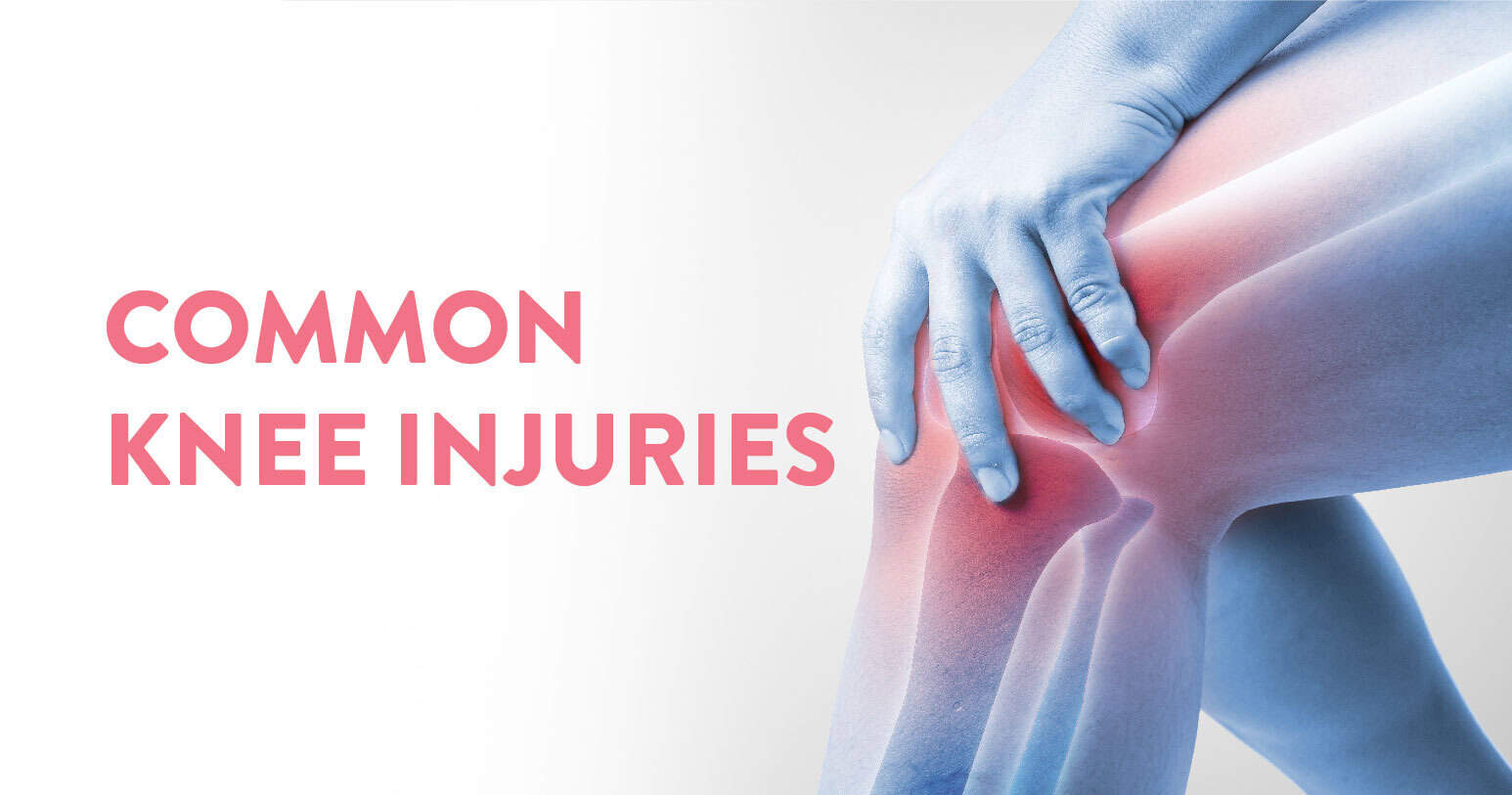
A knee injury can happen to anyone, from professional athletes to regular people. Whether a strenuous physical activity, an unfortunate fall, or a motor accident, common knee injuries can result from various circumstances.
Whatever the cause may be, knee injuries can lead to debilitating pain and hamper everyday life activities. If your knee is troubling you, you should act proactively to rule out anything serious.
Table of Contents
To understand what are knee injuries, let’s first understand the basic structure of the knee. Broadly speaking, the knee consists of bones, tendons, ligaments, and cartilage.
All these work together to provide stability and range of motion while performing various physical activities. The knee is considered to be injured when there’s trauma to any of these vital components.
Depending on the type and seriousness of the injury, anything from home care and treatment to surgery may be required.
You should consult a doctor and get your knee checked if you experience knee pain or suspect a knee injury. If these injuries aren’t treated on time, they can deteriorate over time and cause long-term damage.
Here are some common types of knee injuries described in more detail.
A fracture can happen in any knee bone, although it often occurs in the patella or kneecap. Significant trauma to the knee could result in a fracture, like during a fall or an accident.
Trauma to the knee when it’s in the bent position can injure the posterior cruciate ligament. This is possible during a vehicular accident or a fall.
This type of injury is common in sports activities where forceful motions like turning, twisting, or blocking are prevalent. These tears may also have age-related and degenerative causes.
An injury like a tear in the ACL is common in athletes but isn’t restricted to them. Sudden direction changes while moving or landing in the wrong position while jumping can cause ACL injuries.
These may require surgery, depending on the severity.
A partial or total misalignment of the knee bones is referred to as knee dislocation. The damaging impact caused by motor accidents or rigorous sports activities can lead to dislocation.
Sometimes dislocation may also result from existing structural abnormalities in the knee.
This condition occurs when the tendon between the shinbone and the kneecap suffers an injury that leads to inflammation. Excessive jumping movement is one common cause of patellar tendinitis.
There are many possible causes of knee injuries. It could be extreme trauma sustained during an accident or a physical sport.
Overstressing or improperly using the joint over time while playing a sport or even doing routine jobs can lead to knee issues. The degenerative effect of ageing on the knee joint can make it more vulnerable to injuries, even during regular movements.
If you have a prior history of a knee injury, then you’re at risk for future injuries.
While knee injuries symptoms are determined by the underlying cause of the injury, inflammation and pain in the area are some usual indicators to look out for.
Here are some general symptoms that can help you evaluate if your knee is injured:
The knee injuries diagnosis consists of different steps. When you approach your doctor for your knee injury, they’ll start by doing a physical exam.
Any visible or tangible symptoms like pain, bruising, inflammation, and tenderness will be noted. They’ll try to assess the mobility of your knee joint through various knee movements like extension, rotation, bending, etc.
Your doctor may order an imaging test to get a better look at the knee, like a CT scan, X-ray, and MRI. Additional tests like bloodwork and arthrocentesis may be ordered if your knee shows signs of an infection.
The knee injuries treatment covers a wide range of options. For some types of knee pain, medicines may be recommended.
Certain exercises or physiotherapy that increase the joint’s strength and flexibility may be advised to reduce the pain. Some injuries may need to be treated via procedures that include partial or total knee replacement, arthroscopy, osteotomy, kneecap replacement, aspiration, etc.
The initial self-care for a knee injury is also important. To start with, you should give complete rest to your knee to avoid aggravating it any further, including not rubbing or massaging it.
You can apply an ice pack to bring down the inflammation.
You should plan a visit to a trusted doctor to diagnose the exact problem and get the most suitable treatment for your knee injury.
For knee-related injuries, it’s best to get advice from a specialist immediately. An orthopedic physician or surgeon is the right person to approach and discuss your issue.
You should consult an orthopedist with an extensive background in treating knee injuries.
Taking some precautions in everyday life can help in avoiding stressing and injuring the knee. These precautions are all the more necessary if you play sports or participate in rigorous activities.
Proper warm-up before and adequate cool-down after any workout or sport is essential. Wear any necessary safety gear or equipment for your knees.
Be more mindful of your movements, avoiding any shock or stress to the knee.
It’s essential to be vigilant about the symptoms of a knee injury. Sometimes the injury may be mild and self-heal over time. Other times, however, it may be major enough to require surgery. Hence, you should seek medical attention to be safe.
Reach out to the CK Birla Hospital at Gurugram or book an appointment with Dr Ashwani Maichand to get the best consultation for your knee injury.
Q. How do I know if my knee injury is serious?
A. Some telltale signs of a problematic knee injury that needs urgent attention include redness, warm to touch, tenderness, swelling or inflammation, not being able to move the knee or lay weight on it, significant pain, etc.
Q. How do I know if I tore something in my knee?
A. When there’s a tear in your knee ligament, you might hear a pop sound at the time of the tear. Eventually, other symptoms like pain, discomfort, inflammation, and difficulty moving the knee may appear.
Q. How long do knee injuries take to heal?
A. The healing time for a knee injury depends on its type, severity, and treatment care. It can take anywhere from a few weeks to months. Following all recovery instructions is important to ensure proper and timely healing.
Q. What happens if a knee injury goes untreated?
A. If your knee injury is serious, then not getting it treated on time will only worsen it leaving you vulnerable to developing more injuries and chronic issues. Reach out to a specialist to explore the apt treatment options for your knee injury.

As you read this, India is competing for the top spot in the highest number of breast cancer patients in the world. As per multiple national and international surveys, 1 in 8 women are suffering from breast cancer. A majority of which are not even aware of having it grow in the body.
Table of Contents
Breast cancer contributes to over 1/5th of the total cancer fatalities in women. As with most cancers, early detection is the best defence. However, due to lack of awareness among women in different walks of life, most breast cancer cases are detected in the most advanced stages. Approximately, 60% of these cases can be eliminated if the cancer is detected at an early stage with the help of targeted treatment and surgery.
Breast cancer originates in the breast tissue where cells abnormally multiply to form a tumor (Metastasis). The disease is largely focused on women. It can happen to anyone, but is more likely for women who have:
Look out carefully for these warning signs:
Any of the above symptoms are sure shot indicators that you need to consult an oncologist. But in most early cases there are no tangible symptoms.
Early detection of breast cancer gives you a fighting chance against cancer. Since in the early stages the cancer symptoms do not surface, one should opt for regular breast examination and screening tests.
Screening test is a healthy practice to steer clear of chances of cancer.
– For women between ages 25-35, these can be done once in 3 months with a short self examination either by themselves or by a breast specialist.
– But for women above 35 clinical screenings become necessary as they are at a higher risk. This involves a yearly mammography or breast ultrasound and monthly self examinations.
Mammography is like a chest x-ray but only for the breast. These are very effective in locating early stage breast cancers including such cases where the symptoms surface years later. Those missed by a mammography are detected during ultrasound. The benefits of screening tests are:
Help is at hand, at the CK Birla Hospital, Punjabi Bagh. This October we are doing a Breast Cancer Awareness Drive, where we are offering up to 100% discount on our Breast Cancer Early Detection Package. This early bird offer includes Free Review by the leading Oncologists and Breast Cancer Specialists in Delhi NCR and a Free Mammography that will help in the early detection of breast cancer.
This offer is available to all the women who walk-in to our hospital all month, free of charge to ensure that more and more women across age groups are aware of the disease and its symptoms. Women are the backbone of our society, and it is our duty to protect them from unforeseen dangers, for together we #canbeatcancer.
Worldwide healthcare professionals are trying their best to find the ultimate cure to a fatal disease like cancer. This is a complex disease and requires consideration of various aspects, since it affects our bodies at the cellular level.
While every professional is an expert in their field, the technique and treatment plan will decide how much the patient can utilise the treatment and professional expertise. Finding the best course will help the patient lead a better quality of life.
Getting diagnosed with cancer is a life altering situation. Sometimes the news itself clouds our judgement and stops us from being optimistic. While it is vital that you get the treatment right at the very onset, second opinions ensure that you are making an informed decision about your body and life. With this you get to choose the latest therapy with the best possible chance of cancelling cancer.
In most cases where cancer is suspected a small sample is collected from the affected region. This abnormal tissue is extracted using a core needle and sent for biopsy. Post lab testing, if the results confirm cancer, you may seek a second opinion to re-confirm the diagnosis and suggested treatment.
You can always book an appointment with our oncologists by simply call our helpline (+911141592200)
When seeking a second opinion, make sure you disclose all the test results and findings with the specialist to first evaluate whether the first opinion was correct. Then you will ask the doctor whether an alternative or better approach is available for the stage of cancer and level of complications you might have.
To help those patients already diagnosed with breast cancer choose the right course of treatment we offer an independent and transparent approach at the CK Birla Hospital. During our ongoing Breast Cancer Awareness Drive we are offering a helping hand for all our patients, including those seeking second opinions.
We are always ready to serve you as your trusted healthcare partner.
At the CK Birla Hospital, we are committed to delivering the finest world class healthcare services to patients across multiple specialities. Which is why we are home to the best medical and surgical oncologists in Delhi NCR who believe in compassionate & restorative care. Each year our team helps women cancel cancer across age and nationalities.
Our Breast Centre is a dedicated unit offering comprehensive breast cancer treatment for all stages. We personalise your treatment plan based on your overall health, your symptoms and your history of the disease. Our treatment alternatives include surgical removal of cancer cells, chemotherapy, radiation therapy and immunotherapy.
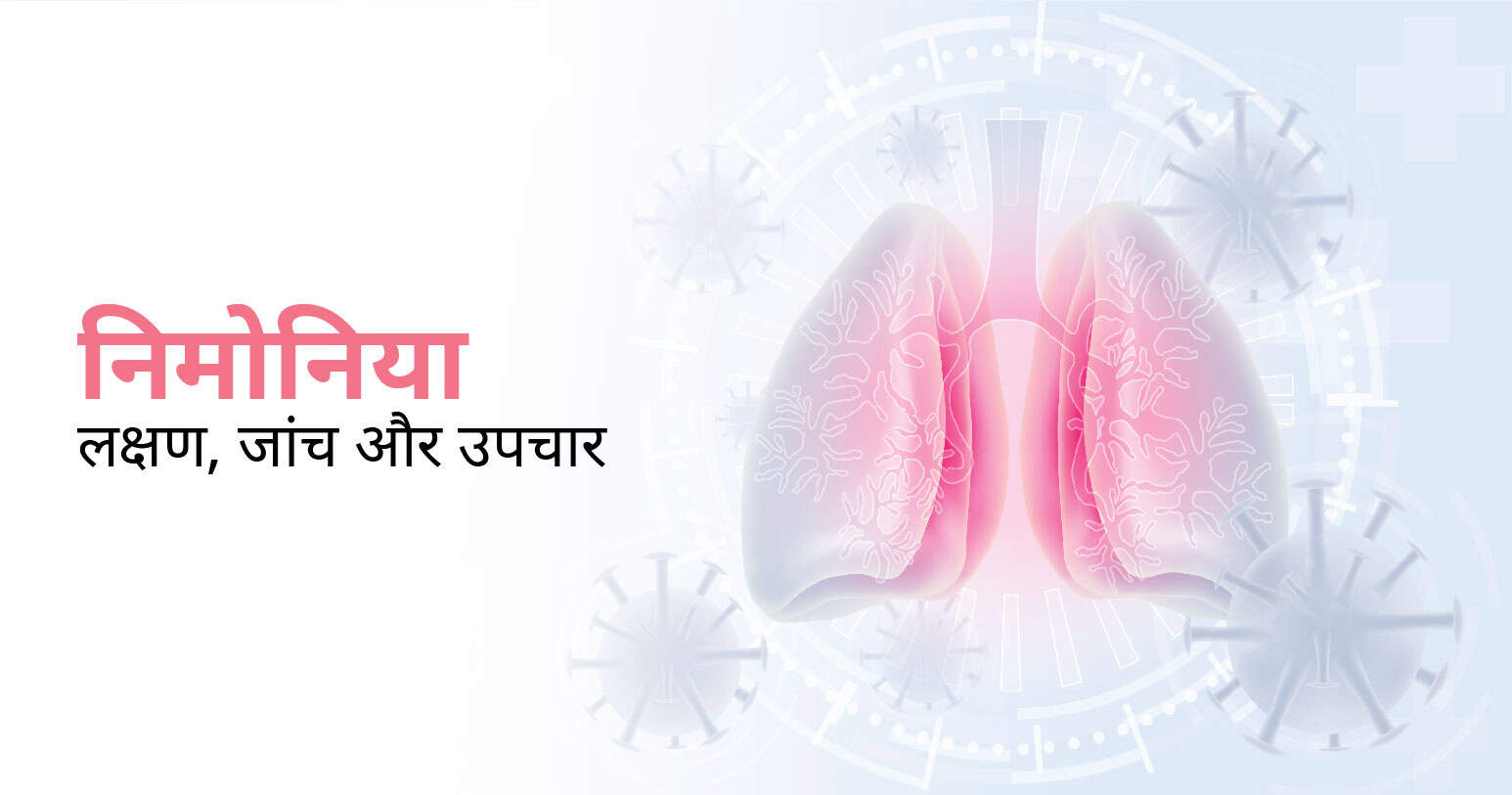
निमोनिया फेफड़ों को प्रभावित करने वाली एक गंभीर बीमारी है। इससे पीड़ित होने पर फेफड़ों में पानी भर जाता है और उसमें सूजन आ जाती है। यह बीमारी एक या दोनों फेफड़ों में हो सकती है। निमोनिया के असली कारणों में बैक्टीरिया और वायरस का नाम सबसे पहले आता है।
निमोनिया होने पर फेफड़ों में मौजूद वायु थैली में हवा या मवाद भर जाता है। इस वजह से मरीज को खांसने और सांस लेने में परेशानी होती है। साथ ही, सीने में दर्द भी हो सकता है। समय पर इस बीमारी का उपचार नहीं करने पर मरीज की मौत तक भी हो सकती है। सीके बिरला हॉस्पिटल के इस ख़ास ब्लॉग में आज हम निमोनिया क्या होता है, इसके कारण, लक्षण, जांच और उपचार के बारे में विस्तार से चर्चा करेंगे।

ये भी पढ़े: ठण्ड में अस्थमा के मरीज़ो को क्या सावधानियां रखनी चाइये?
Table of Contents
निमोनिया को न्यूमोनिया भी पढ़ा ओर लिखा जाता है ओर यह फेफड़ों में होने वाला संक्रमण है। इसके मुख्य कारण हैं जीवाणु या विषाणु संक्रमण। हालांकि, यह बैक्टीरिया, वायरस और पैरासाइट्स के कारण भी हो सकता है।
इन सबके अलावा, न्यूमोनिया सूक्ष्म जीव, कुछ खास तरह की दवाओं के सेवन और अन्य रोगों के संक्रमण के कारण भी हो सकता है। न्यूमोनिया रोग अधिकतर मामलों में छोटे बच्चों और बूढ़े लोगों में देखने को मिलता है। लेकिन यह दूसरी उम्र के लोगों को भी प्रभावित कर सकता है।
ये भी पढ़े: क्या सामान्य ज़ुकाम, खांसी या ठंड निमोनिया में बदल सकती है
निमोनिया के पांच प्रकार होते हैं जिसमें बैक्टीरियल निमोनिया, वायरल निमोनिया, माइकोप्लाज्मा निमोनिया, एस्पिरेशन निमोनिया और फंगल निमोनिया शामिल हैं।
इस प्रकार का निमोनिया विभिन्न बैक्टीरिया जैसे कि स्ट्रेप्टोकोकस निमोने के कारण होता है। इस बैक्टीरिया के कारण शरीर कमजोर हो जाता है। पोषण की कमी, किसी प्रकार की बीमारी या बुढ़ापा आदि में बैक्टीरिया से ग्रस्त होने पर बैक्टीरियल निमोनिया हो सकता है। यह निमोनिया हर उम्र के इंसान को हो सकता है।
यह इन्फ्लुएंजा (फ्लू) के साथ-साथ विभिन्न वायरल के कारण होता है। वायरल निमोनिया से पीड़ित मरीज को बैक्टीरियल निमोनिया होने का खतरा अधिक होता है।
इस प्रकार का निमोनिया माइकोप्लासम निमोने नामक जीवाणु के कारण होता है।
एस्पिरेशन निमोनिया किसी प्रकार के भोजन, तरल पदार्थ या धुप से होता है। कई बार इस प्रकार के निमोनिया को ठीक करने में काफी परेशानियों का सामना करना पड़ सकता है।
फंगल निमोनिया विभिन्न स्थानों या कुछ खास कारणों से होता है जैसे कि फंगस आदि।
ये भी पढ़े: गले में इन्फेक्शन का कारण, लक्षण, बचाव और घरेलू उपचार
निमोनिया के मुख्य कारणों में वायरस, बैक्टीरिया और फंगस शामिल होते हैं। जब कोई संक्रमित व्यक्ति खांसता या छींकता है, तो उसके ड्रॉपलेट्स आपके शरीर में मुंह के रास्ते प्रवेश कर सकते हैं। रेस्पिरेटरी वायरस, जैसे इन्फ्लुएंजा या राइनोवायरस, भी इस बीमारी का कारण बन सकते हैं।
इन सबके अलावा, निमोनिया होने के कारण में मिट्टी और पक्षियों के मल से निकलने वाले कवक भी हो सकते हैं। न्यूमोनाइटिस जीरो वेसी और क्रिप्टोकोकस स्पिसीज आदि इसके उदाहरण हैं। निमोनिया के कारण और निवारण के बारे में विस्तार से जानने के लिए नीचे पढ़ें।
ये भी पढ़े: गले में सूजन का कारण और उपचार | Swelling in Throat in Hindi
अनेक ऐसी जोखिम करक हैं जो निमोनिया की संभावना को बढ़ाते हैं। निमोनिया के मुख्य जोखिम कारकों में शामिल हैं:
ऊपर दिए गए जोखिम कारक निमोनिया के खतरे को बढ़ाते हैं। अगर आप ऊपर दिए गए बिंदुओं से खुद को जोड़ पाते हैं तो आपको डॉक्टर से परामर्श कर इसके बचाव के बारे में बात करनी चाहिए। अगर आप यह जानना चाहते हैं कि ‘निमोनिया में नहाना चाहिए या नहीं’ तो इसका सीधा जवाब है नहीं। न्यूमोनिया होने पर डॉक्टर मरीज को नहाने से मना करते हैं।
ये भी पढ़े: भूख बढ़ाने के आसान घरेलू उपाय
दूसरी बीमारियों की तरह निमोनिया के भी कुछ खास लक्षण होते हैं। निमोनिया के लक्षण की मदद से आप या आपके डॉक्टर इस बात का अंदाजा लगा सकते हैं कि आपको निमोनिया है।
निमोनिया के लक्षणों यानी निमोनिया सिम्पटम्स इन हिंदी में बता रहे हैं:
अगर आप खुद में या अपने परिवार के किसी सदस्य में ऊपर दिए गए लक्षणों को देखते हैं तो तुरंत डॉक्टर से परामर्श करना चाहिए। निमोनिया के लक्षण व उपचार के बारे में जानने के लिए नीचे पढ़ें।
ये भी पढ़े: गले में दर्द का कारण, लक्षण और उपचार (Gale Mein Dard)
कुछ सामान्य लक्षणों की मदद से निमोनिया की पहचान की जा सकती है। लेकिन इसके सटीक कारण और गंभीरता की पुष्टि करने के लिए डॉक्टर विशेष जांच का सुझाव दे सकते हैं। निमोनिया टेस्ट नाम में निम्न शामिल हो सकते हैं:
निमोनिया के कारण के बारे में पता लगाने के लिए डॉक्टर खून जांच यानी ब्लड टेस्ट करते हैं
निमोनिया फेफड़ों को प्रभावित करता है. फेफड़ों में सूजन की पुष्टि करने के लिए डॉक्टर मरीज के छाती का एक्स-रे करते हैं
इस टेस्ट के दौरान डॉक्टर मरीज के म्यूकस का जांच करके इंफेक्शन के कारण का पता लगाते हैं
इस प्रक्रिया के दौरान डॉक्टर इस बात का पता लगाते हैं कि मरीज के फेफड़े उसके खून में कितने प्रभाव से ऑक्सीजन भेज रहे हैं
इस टेस्ट के दौरान डॉक्टर मरीज के फेफड़ों की तस्वीर को साफ रूप से देख पाते हैं. इससे उन्हें फेफड़ों की स्थिति को अच्छी तरह समझने में मदद मिलती है
इस टेस्ट की मदद से डॉक्टर निमोनिया के कारण को जानने की कोशिश करते हैं
इन सभी जांच की मदद से डॉक्टर को निमोनिया के सटीक कारण का पता चलता है जिसके बाद उपचार के माध्यम का चयन और उपचार प्रक्रिया शुरू होती है।
न्यूमोनिया के इलाज के बारे में जानकारी के लिए आगे पढ़ें। निमोनिया का इलाज उसके कारणों पर निर्भर करता है। निमोनिया का कारण बैक्टीरिया होने पर डॉक्टर मरीज को एंटीबायोटिक निर्धारित कर सकते हैं। साथ ही, वायरल निमोनिया की स्थिति में एंटीवायरल दवाएं निर्धारित की जा सकती हैं।
निमोनिया का कारण फंगल होने पर डॉक्टर फंगल दवाओं का सुझाव दे सकते हैं। दवाएं निर्धारित करने के साथ-साथ डॉक्टर अधिक से अधिक आराम करने और शरीर को हाइड्रेट रखने का सुझाव देते हैं। इन सबके अलावा, निमोनिया को जड़ से इलाज करने के लिए डॉक्टर कुछ मामलों में इंट्रावेनस एंटीबायोटिक्स, रेस्पिरेटरी थेरेपी और ऑक्सीजन थेरेपी का भी इस्तेमाल कर सकते हैं।
निमोनिया के मरीज को अपने आहार में कुछ खास आहार सामग्री शामिल करनी चाहिए जो उनके शरीर को उचित पोषण और ऊर्जा प्रदान कर सकें। यहां कुछ सामान्य सुझाव हैं जिनका पालन निमोनिया से पीड़ित व्यक्ति के लिए फायदेमंद हो सकता है:
अगर आप निमोनिया से पीड़ित हैं तो डॉक्टर से सलाह लेनी चाहिए और अपने व्यक्तिगत स्वास्थ्य स्तर के आधार पर उपयुक्त आहार योजना तैयार करनी चाहिए।
ये भी पढ़े: संतुलित आहार (7-दिन का संतुलित आहार चार्ट) (Balanced Diet in Hindi)
निमोनिया के मरीजों को कुछ खाद्य पदार्थों से बचना चाहिए जो उनकी स्वास्थ्य स्थिति को और बिगाड़ सकते हैं और उनकी रोग प्रक्रिया को प्रभावित कर सकते हैं। निमोनिया से पीड़ित व्यक्ति को निम्नलिखित से दूर रहने की सलाह दी जाती है:
व्यक्तिगत चिकित्सा सलाह के आधार पर, निमोनिया से पीड़ित व्यक्ति को अपने चिकित्सक से संपर्क करना चाहिए और उनकी आहार योजना को समीक्षा करना चाहिए।
मुख्य रूप से निमोनिया वायरस या बैक्टीरिया के कारण होता है। लेकिन कुछ मामलों में यह अन्य कारणों जैसे कि फफूंद और परजीवियों द्वारा भी हो सकता है।
निमोनिया होने से मरीज को खांसी, तेज बुखार, सीने में दर्द और सांस लेने में कठिनाई होती है।
निमोनिया होने पर आप खुद में कुछ लक्षणों का अनुभव करेंगे जैसे कि खांसी, कमजोरी, थकावट, बलगम के साथ खांसी होना, बुखार, बेचैनी, भूख में कमी आना, पसीना और कपकपी, सांस लेने में कठिनाई, सीने में दर्द होना, सांस फूलने पर तेजी से सांस लेने की कोशिश करना आदि। इन लक्षणों को अनुभव करने पर आपको जल्द से जल्द डॉक्टर से परामर्श करना चाहिए।
निमोनिया रोग सामान्यतः बूढ़ों, बच्चों, गर्भवती महिलाओं और कमजोर रोगियों में होता है। निमोनिया रोग आमतौर पर वायरस, बैक्टीरिया या फंगस के कारण होता है जो श्वसन तंत्र को प्रभावित करते हैं।
निमोनिया के इलाज के बाद, आमतौर पर व्यक्ति दस से चालीस दिनों के बीच में पूरी तरह से ठीक हो जाता है, लेकिन यह व्यक्ति के स्वास्थ्य स्तर पर भी निर्भर करता है।
निमोनिया रोग का फेफड़ों पर बुरा असर होता है। इसके कारण एक या दोनों फेफड़े खराब हो सकते हैं।
घर पर निमोनिया का इलाज करना आमतौर पर संभव नहीं होता है। डॉक्टर की सलाह और उचित दवाओं के साथ समय पर इलाज करवाना आवश्यक होता है।
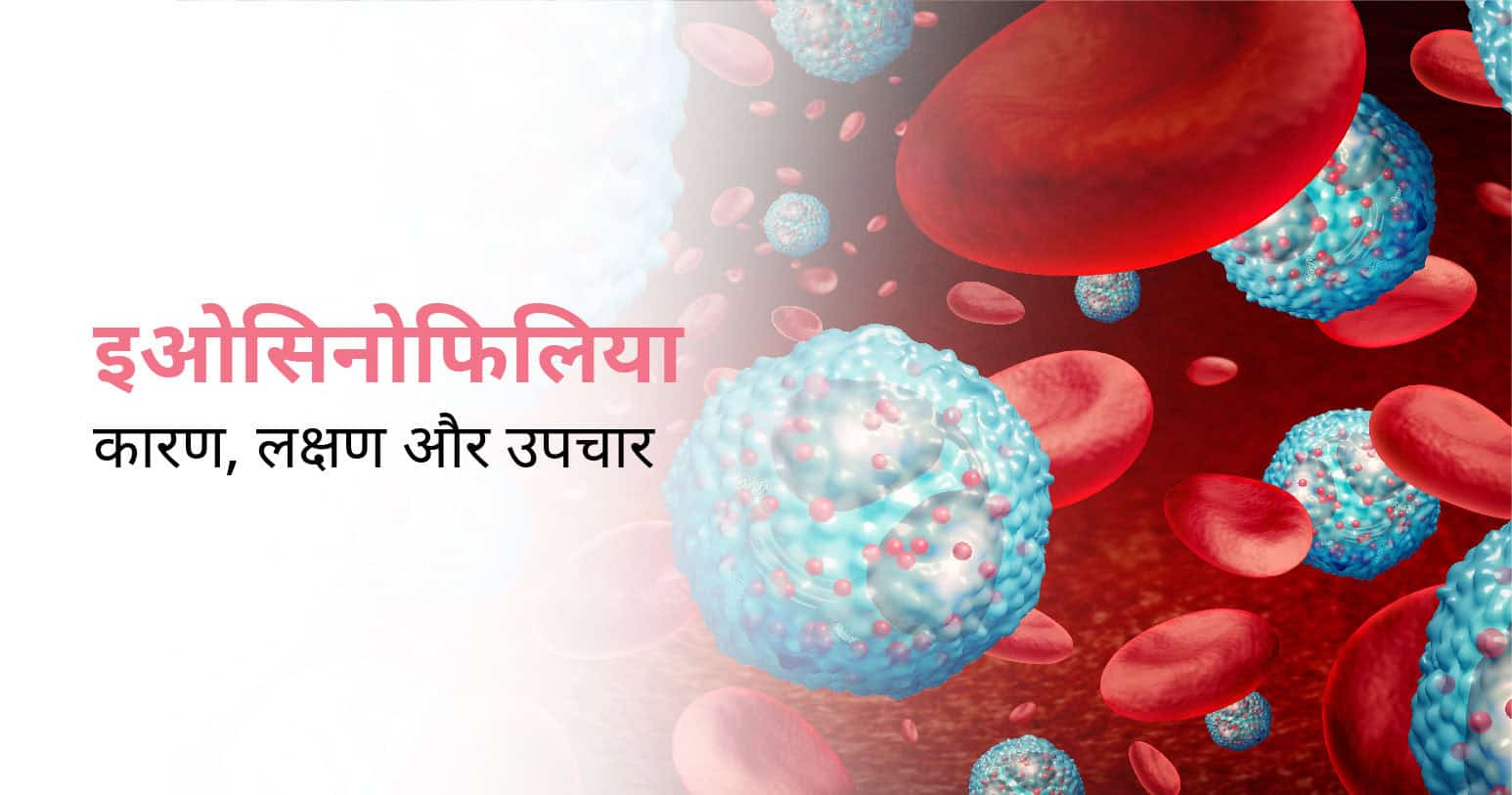
मनुष्य के शरीर में जब इओसिनोफिलिस (eosinophils) कोशिकाओं की संख्या बढ़ जाती है, तो इस स्थिति को मेडिकल भाषा में इओसिनोफिलिया कहते हैं। डॉक्टर के अनुसार, खून में इओसिनोफिलिस की संख्या एक माइक्रोलिटर में 500 से अधिक होने पर इओसिनोफिलिया की स्थिति पैदा होती है।
आइए इस ब्लॉग के जरिए हम इओसिनोफिलिया किसे कहते हैं (What is Eosinophils in Hindi), इसके कारण, लक्षण और घरेलू उपचार के बारे में विस्तार से जानने की कोशिश करते हैं।
ये भी पढ़े: Neutrophils in Hindi (White Blood Cell Kaise Badhaye)
Table of Contents
इओसिनोफिल श्वेत रक्त कोशिका यानी वाइट ब्लड सेल्स (White Blood Cells) का एक प्रकार है। श्वेत रक्त कोशिकाएं प्रतिरक्षा प्रणाली का एक महत्वपूर्ण हिस्सा है। इनका मुख्य कार्य शरीर में मौजूद बैक्टीरिया, वायरस व संक्रमण से लड़ना है और इसके प्रभाव से शरीर को बचाना है। लेकिन जब किसी कारण खून में इसकी संख्या बढ़ जाती है, तो इस स्थिति को इओसिनोफिलिया कहा जाता है।
शरीर के अंदर इओसिनोफिल कोशिकाओं का निर्माण बोन मेरो या अस्थि मज्जा में होता है और इन कोशिकाओं को पूरी तरह से विकसित होने में 8 दिन का समय लगता है। इन कोशिकाओं का बढ़ा हुआ उत्पादन अक्सर एलर्जी या फंगल संक्रमण का परिणाम होता है। हालांकि, कुछ चिकित्सीय स्थिति या दवाएं भी इओसिनोफिल्स के बढ़ने का कारण बन सकते हैं। सामान्यतः आपके शरीर में इओसिनोफिल कोशिकाओं की अधिक मात्रा नहीं होती है।
कुछ मामलों में, इओसिनोफिल्स का उत्पादन बढ़ सकता है और आपके रक्त, अंगों, या हृदय, फेफड़े, अन्नप्रणाली या आंत जैसे ऊतकों तक पहुंच सकता है, जिससे ऊतकों को नुकसान या क्रोनिक कफ का सामना करना पड़ सकता है। चिकित्सा भाषा में कहा जाए तो इओसिनोफिल कोशिकाओं के बढ़े हुए स्तर को “ब्लड इओसिनोफिलिया” कहा जाता है। यही इओसिनोफिलिया ऊतकों को प्रभावित करे तो इस स्थिति को “टिश्यू इओसिनोफिलिया” कहा जाता है।
इओसिनोफिलिया मरीज के फेफड़ों, दिल, रक्त वाहिकाओं (Blood Vessels), साइनस, गुर्दे और मस्तिष्क को प्रभावित कर सकता है, इसलिए इसके इलाज के लिए एक अनुभवी डॉक्टर से परामर्श लें।
ये भी पढ़े: सूखी खांसी: कारण, लक्षण, घरेलू उपाय और निदान
रक्त में तीन मुख्य प्रकार की कोशिकाएं होती हैं, जिसमें लाल रक्त कोशिकाएं, श्वेत रक्त कोशिकाएं और प्लेटलेट्स शामिल हैं। श्वेत रक्त कोशिकाएं मुख्यत तीन प्रकार की होती हैं, जिनमें शामिल हैं:
यह भी पढ़े: गले में इन्फेक्शन का कारण, लक्षण, बचाव और घरेलू उपचार
इओसिनोफिल की स्थिति में मरीज के खून में इओसिनोफिल्स की संख्या बढ़ जाती है। खून में इओसिनोफिल्स की संख्या बढ़ने के अनेक कारण (eosinophilia causes) हो सकते हैं। स्वास्थ्य संबंधी कुछ समस्याएं व रोग जो इओसिनोफिलिया का कारण बन सकते हैं, जैसे:
चलिए सभी कारणों को एक एक करके समझते हैं –
यह भी पढ़े: ठण्ड में अस्थमा के मरीज़ो को क्या सावधानियां रखनी चाइये?
अधिकतर मामलों में देखा गया है कि इओसिनोफिलिया के पीछे का कारण एलर्जी से संबंधित विकार होते हैं। अस्थमा, एलर्जिक राइनाइटिस, और एटोपिक डर्मेटाइटिस कुछ ऐसे एलर्जी है, जिससे एक व्यक्ति गंभीर रूप से प्रभावित हो सकता है।
इओसिनोफिलिया के कारणों (eosinophilia causes) में पैरासाइट और फंगल संक्रमण भी बहुत ज्यादा महत्वपूर्ण है।
इओसिनोफिलिया कुछ प्रकार के कैंसर के कारण भी हो सकता है। ल्यूकेमिया, लिम्फोमा, और मैलिग्नेंट मेलानोमा कुछ प्रकार के कैंसर है जो इओसिनोफिलिया का कारण बन सकते हैं।
यदि आपको दमा की शिकायत रहती है, तो इसके कारण इओसिनोफिलिया की समस्या हो सकती है। कई मामलों में दमा के कारण स्थिति और भी ज्यादा गंभीर हो सकती है। दमा की वजह से इओसिनोफिल्स ब्रोन्कियल ट्यूब में सूजन आ सकती है।
एलर्जिक राइनाइटिस में इओसिनोफिल्स नाक में सूजन और खुजली जैसी समस्या उत्पन्न हो सकती है।
त्वचा से संबंधित समस्याएं, जैसे कि एक्जिमा और सोरायसिस, इओसिनोफिलिया के मुख्य कारणों में से एक है।
कुछ ऑटोइम्यून बीमारियां, जैसे रूमेटिक आर्थराइटिस और सिस्टमिक ल्यूपस एरिथेमेटोसस, इओसिनोफिलिया जैसे रोग के मुख्य कारण बन सकते हैं।
बोन मैरो या अस्थि मज्जा से संबंधित कुछ समस्याएं हैं, जैसे माइलोडिस्प्लास्टिक सिंड्रोम और ल्यूकेमिया, जो इओसिनोफिलिया का कारण (eosinophilia causes) बन सकते हैं। इन स्थितियों में, बोन मैरो इओसिनोफिल्स का उत्पादन करने में असमर्थ रहते हैं और रोगी को बहुत परेशान करते हैं।
इन सबके अतिरिक्त, इओसिनोफिलिया के दूसरे भी अन्य कारण हो सकते हैं, जिसमें हेलमाइंथिक पैरासाइट संक्रमण (Helminth Parasite Infection) एटॉपिक, एलर्जी रोग या किसी दवा के प्रति रिएक्शन आदि शामिल है।
यह भी पढ़े: खांसी का कारण और इलाज | Cough in Hindi
आमतौर पर इओसिनोफिलिया के लक्षण स्पष्ट नहीं होते हैं। लेकिन दुर्लभ मामलों में मरीज खुद में कुछ लक्षणों का अनुभव कर सकते हैं, जैसे कि:
साथ ही, कारणों के आधार पर (Different Symptoms of Eosinophilia in Hindi) इओसिनोफिलिया के लक्षण अलग-अलग हो सकते हैं, जैसे कि:
इओसिनोफलिया के दुर्लभ लक्षणों (ये बहुत कम देखे जाते हैं) में वजन घटना, रात को पसीना आना, लिम्फ नॉड्स का आकार बढ़ना और नसों को नुकसान पहुंचने के कारण प्रभावित अंगों में झुनझुनी या सुन्न महसूस होना आदि शामिल हैं।
ऐसा कई बार देखा गया है कि इओसिनोफिलिया की समस्या तब सामने आती है, जब डॉक्टर किसी और रोग की जांच के लिए रक्त का परीक्षण करते हैं। लेकिन ऐसा बिल्कुल भी ज़रूरी नहीं है कि इस रोग के बारे में आपको सूचना अचानक से मिले। यदि आप निम्न में से किसी भी प्रकार के लक्षण महसूस कर रहे हैं, तो हम आपको सलाह देंगे कि आप जल्द से जल्द डॉक्टर से जांच कराएं –
इओसिनोफिलिया के पीछे कई कारण हो सकते हैं, जिससे बचाव संभव नहीं है। कुछ साधारण निर्देशों का पालन कर इस रोग से बचाव संभव है जैसे –
इओसिनोफिलिया का उपचार कई तरह से किया जाता है। इओसिनोफिलिया का उपचार आमतौर पर इसके कारणों पर निर्भर करता है। कारण के निर्धारित होने के बाद इलाज भी अलग अलग होते हैं। उदाहरण के लिए कहा जाए तो यदि किसी दवा या विशेष खाद्य पदार्थ के कारण यह समस्या उत्पन्न हुई है, तो डॉक्टर आपको बचाव के तौर पर उन दवाओं के सेवन को बंद करने की सलाह दे सकते हैं। इसके अतिरिक्त कुछ अन्य दवाएं हैं, जिसका सुझाव आपके डॉक्टर के द्वारा दिया जा सकता है। इसकी सहायता से बहुत सारे लक्षणों से आराम भी मिल सकता है।
उपचार से पहले डॉक्टर इओसिनोफिलिया का निदान करने के लिए कुछ जांच करने का सुझाव देते हैं। जांच के परिणाम से इओसिनोफिलिया के सटीक कारण के बारे में पता चलता है। उसके बाद, कारणों के आधार पर डॉक्टर उपचार के माध्यम का चयन कर उपचार की प्रक्रिया को शुरू करते हैं। इलाज के दौरान उन दवाओं का प्रयोग किया जाता है, जो फूड एंड ड्रग एडमिनिस्ट्रेशन (FDA) के द्वारा प्रमाणित होती है। उदाहरण के लिए यदि इओसिनोफिलिया का कारण अस्थमा है तो इलाज के लिए जिस दवा का प्रयोग किया जाएगा वह एफ़डीए के द्वारा प्रमाणित होगी। इन दवाओं को सिर्फ अस्पताल में ही दिया जाता है और दवा के बाद डॉक्टर उनके स्वास्थ्य की निगरानी करते हैं।
यह भी पढ़े: प्रतिरोधक क्षमता(इम्यूनिटी) बढ़ाने के लिए क्या खाएं?
इओसिनोफिल्स कोशिकाओं की बढ़ती मात्रा के निदान के लिए डॉक्टर मरीज के शरीर से ऊतकों का सैंपल ले सकते हैं और उनकी जांच कर सकते हैं। परीक्षण के परिणाम के आधार पर ही डॉक्टर इलाज की योजना बनाते हैं। इतना ही नहीं इओसिनोफिलिया की जांच के लिए डॉक्टर शरीर में मौजूद अन्य द्रवों की जांच भी कर सकते हैं। इसके साथ साथ इओसिनोफिल्स (eosinophils) कोशिकाओं का बढ़ा हुआ स्तर खून की जांच के दौरान मिल सकता है। इओसिनोफिल्स या इसके कारण की पुष्टि के लिए कुछ अन्य टेस्ट भी डॉक्टर करवा सकते हैं, जैसे:
इओसिनोफिलिया के कारण का पता लगाने के लिए डॉक्टर इन परीक्षणों का उपयोग करके एक व्यापक मूल्यांकन करेंगे और स्थिति के आधार पर इलाज की योजना बनाएंगे।
कुछ प्रकार के खाद्य पदार्थों के कारण इओसिनोफिलिया की समस्या बढ़ जाती है, इसलिए इस बीमारी के इलाज के लिए सही डाइट का खास ख्याल रखना चाहिए। इस बीमारी के इलाज के दौरान उन सभी खाद्य पदार्थों को हटा देना बहुत ज्यादा अनिवार्य होता है, जिसके कारण आपको एलर्जी हो सकती है। नीचे कुछ सुझाव दिए गए हैं कि इओसिनोफिलिया के मामले में क्या खाना चाहिए और क्या नहीं –
यदि आपको इओसिनोफिलिया है, तो अपने डॉक्टर से बात करें और अपने लिए एक विशिष्ट डाइट चार्ट की मांग करें। इससे आपको बहुत ज्यादा लाभ मिल सकता है।
श्वेत रक्त कोशिकाएं शरीर की प्रतिरक्षा प्रणाली को मजबूत बनाती हैं जिससे यह आसानी से संक्रमण, वायरस या बैक्टीरिया के कारण बनने वाले अन्य रोगाणुओं से लड़ता है। इन रोगाणुओं से लड़ने के लिए सिर्फ एक ही प्रकार की श्वेत रक्त कोशिकाओं की आवश्यकता नहीं होता है।
प्रतिरक्षा प्रणाली से संबंधित कई प्रकार की कोशिकाएं होती हैं। प्रतिरक्षा प्रणाली को ठीक तरह से काम करने के लिए इन कोशिकाओं का सही मात्रा (ना अधिक ना कम) होना आवश्यक है। अगर आप इओसिनोफिलिया के लक्षण को खुद में अनुभव करते हैं तो आपको तुरंत विशेषज्ञ डॉक्टर से परामर्श करना चाहिए।
इओसिनोफिलिया की समस्या तब होती है जब इओसिनोफिल्स कोशिकाओं की संख्या सामान्य से अधिक हो जाती है। इओसिनोफिलिया की समस्या के होने के कई कारण हो सकते हैं, जैसे पैरासाइट संक्रमण, एलर्जी, कैंसर, और ऑटोइम्यून विकार।
इओसिनोफिलिया की रोकथाम के लिए कोई निश्चित तरीका नहीं है, लेकिन कुछ चीजें हैं, जिससे इस रोग के जोखिम को बहुत हद तक कम किया जा सकता है जैसे –
निम्नलिखित लक्षण दिखने पर रोगी को जल्द से जल्द अपने डॉक्टर से परामर्श करने की सलाह दी जाती है –
यदि आपको इनमें से कोई भी लक्षण दिखते हैं, तो अपने डॉक्टर से परामर्श करें।
इओसिनोफिलिया के कारण रोगी को निम्नलिखित समस्या का सामना करना पड़ सकता है –
आमतौर पर इओसिनोफिलिया का इलाज उसके कारण पर निर्भर करता है। जिस भी कारण का निदान होता है, डॉक्टर उसी के आधार पर इलाज की योजना बनाते हैं। यदि इओसिनोफिलिया का कारण एलर्जी है, तो डॉक्टर सबसे पहले एलर्जी का इलाज करते हैं।
एक स्वस्थ व्यक्ति में रक्त में इओसिनोफिल्स की संख्या (eosinophils normal range) प्रति माइक्रोलीटर 30 से 350 के बीच होती है। इससे कम या ज्यादा स्तर होने पर व्यक्ति को बहुत ज्यादा परेशानी हो सकती है।
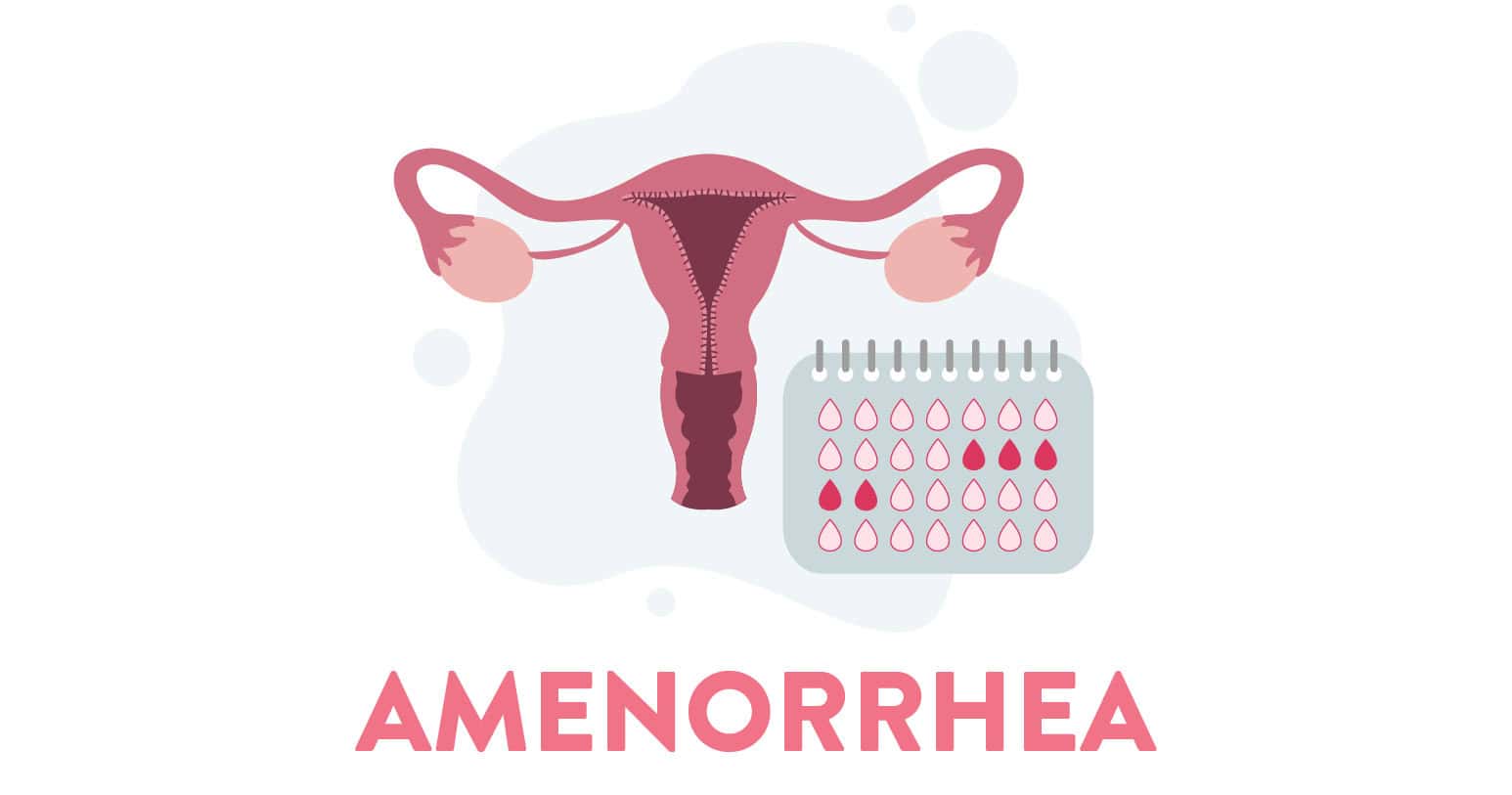
Table of Contents
Amenorrhea is a condition in which a woman does not get her periods at all or misses multiple periods. It can also be defined as the absence of menstrual periods. The two main types of amenorrhea are primary and secondary.
Amenorrhea is not dangerous, but it can lead to certain complications. These include:
There are different reasons for amenorrhea, as explained below:
Taking oral contraceptives can affect the menstrual cycle and periods. Even once you stop taking the birth control pills, it takes time for the normal menstrual cycle to return.
Certain medications can cause your periods to stop. These include:
Certain lifestyle factors can play a role in causing amenorrhea. These include:
Different kinds of conditions can cause hormonal problems or deficiencies. These include:
Structural issues with reproductive organs can also lead to amenorrhea. Examples include:
Amenorrhea can be caused by different factors based on the type.
Primary amenorrhea causes include:
The causes of secondary amenorrhea include:
Other causes of secondary amenorrhea can include:
The main symptom of amenorrhea is a lack of periods. Other amenorrhea symptoms include:
The risk factors of amenorrhea include the following:
If people in your family have amenorrhea or if there is a genetic history of it, you may be more likely to develop it. It is often caused by a change to the FMRI gene.
People who suffer from eating disorders like anorexia or bulimia are at an increased risk of getting this condition.
If you have had certain procedures to do with pregnancy or your uterus, the risk is higher.
These include lifestyle or weight issues such as excessive exercise and obesity.
Amenorrhea treatment usually depends on the underlying cause. Birth control pills or hormone treatments can help bring about the menstrual cycle in certain cases. If it is caused by thyroid or pituitary disorders, then medications may be required. If it is caused by a structural blockage or a tumour, then surgery may be required. In case it is caused by stress or weight gain or loss, your gynaecologist may suggest lifestyle changes as a part of the treatment.
Primary amenorrhea is often caused by a genetic condition called gonadal dysgenesis, in which the gonads (reproductive glands that produce hormones) do not develop properly. In some genetic disorders like Turner syndrome, patients need lifelong hormonal treatment.
Depending on your age and the results of physical exams and various tests, a gynaecologist may suggest ‘watchful waiting’ for primary amenorrhea. If required, this is accompanied by regular check-ups and ovary function tests to help determine the cause. Secondary amenorrhea is commonly treated with hormonal medications to reset the menstrual cycle. Estrogen replacement therapy is also used to balance hormones and revive the menstrual cycle.
Amenorrhea can be diagnosed by various tests. These include:
You can consult a doctor if you have missed several periods or if you have never had a menstrual period and are 15 years or older.
If you have missed multiple periods, it is best to visit a gynaecologist to find out if you have amenorrhea and what may be causing it. This condition can affect your fertility because it usually affects your ovulation cycles.
For the best gynaecological treatment and care, visit the CK Birla Hospital or book an appointment with
FAQs
Amenorrhea can be cured in most cases, depending on the cause. If the underlying cause is treatable, then it can be cured. However, if it is not treatable (such as a hormone issue caused by a uterus surgery), you may need to take hormone treatment for the rest of your reproductive years.
In most cases, you will not be able to get pregnant because lack of menses affects your ovulation cycle. However, it would depend on the specific cause of your amenorrhea.
Amenorrhea can last as long as the issue persists. However, if it is caused by a temporary factor such as pregnancy, stress, or lifestyle changes, it may resolve as soon as the situation changes.
Amenorrhea is not a disease, but it can be a symptom of underlying conditions such as hormonal, genetic, and structural issues.
In PCOS (polycystic ovary syndrome), amenorrhea is caused by high levels of certain hormones, usually male sex hormones. In people with PCOS, hormone levels are not the usual fluctuating levels as they are in the menstrual cycle.
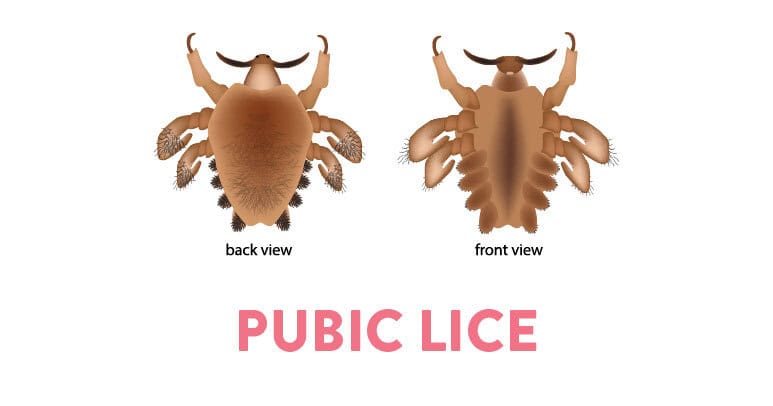
Pubic lice (also known as crab louse) is an infestation of parasitic insects that attach their eggs to hair in the pubic area.
These lice are so tiny that you aren’t able to see them without the help of a magnifying lens, but they leave tell-tale symptoms such as itching and redness at the site of their bites.
Table of Contents
Pubic lice are tiny insects that live in the pubic region of your body. They feed on blood and can be passed from one person to another through sexual contact.
A pubic louse infestation is often called crabs because they look like small crabs or insects crawling around in the pubic region. If left untreated, it can cause symptoms such as redness, itching, and skin inflammation.
Pubic lice are caused by close contact with someone who is infested and can also be transmitted by sharing clothing or bedding.
Other risk factors for infection include sexual contact with an infected person or living in a household where someone has an infestation.
The most common symptom of pubic lice is itching in the genital area, but it’s important to remember that other conditions like jock itch, crabs, or pinworms could cause similar symptoms.
In order to determine if you have pubic lice, your healthcare provider will examine your genitals for sores or tiny nits (eggs).
Itching is the most common symptom of pubic louse infestations; however, this can vary depending on the degree of infestation and individual sensitivity to the pubic lice bites.
The bites themselves are not visible to the naked eye. They may be difficult to notice because they appear as tiny black specks on pubic hair.
Some people do not experience any symptoms at all, making it important for them to ask for medical attention if they suspect an infestation. Pubic lice can also cause rashes, sores, and a generalized feeling of discomfort.
Attempts to fight pubic lice with ordinary home remedies like shaving or bathing have no significant results. Lice easily outlive ordinary soap and water.
You can eliminate pubic lice by applying topical lotions and shampoos containing permethrin. For pregnant women and nursing mothers or for treating an infant for pubic lice, consult your doctor about the safety of using RID, Nix, and A-200.
Another option is to use a natural treatment such as tea tree oil. If you go with a non-pesticide product, avoid getting it on your eyes or nose; if you get some in these areas, flush them with water immediately.
After treatment for lice, you might have some eggs remaining in your hair, so make sure to carefully remove them with a pair of tweezers.
It is also necessary to decontaminate your home. Vacuum the entire house and clean the bathroom using a bleach solution.
You should use hot water to wash and dry all clothing, bedding, and towels, and make sure that all items are airtight. If you are unable to wash or dry clean an item of clothing, place it in an airtight plastic bag for 72 hours before washing it.
Here are some medications your doctor might prescribe:
It is important to remember that all methods of pubic lice treatment are temporary; the bugs can return if the infestation continues and proper hygiene is not maintained.
Close contact with an infected person is one of the most common risk factors for pubic louse infestation. It is also possible to get pubic lice from sharing clothes, bed linens, or towels used by an infected person.
However, since pubic lice can only survive a few hours off the human body, it is not possible to get the parasites merely from sharing furniture or toilet seats.
Pubic lice are also easily transmitted through sexual contact, so be mindful of this when engaging in sexual activity.
You should also check if you have any other symptoms, as they may be caused by another type of infection, such as a sexually transmitted disease (STD).
You should see a Lice Doctor if you have symptoms of a pubic louse infestation and are uncertain about the cause.
Your doctor can conduct a physical exam and diagnose your condition by looking at the part of your body that is infected. They may prescribe medication or recommend another form of treatment depending on the severity of the infestation.
If you are experiencing any symptoms of pubic lice infestation, visit the CK Birla Hospital or book an appointment with professional diagnosis and treatment.
It is important to speak with a medical professional about any concerns you may have. Our doctors will determine if/how you have been infected by identifying the type of louse and recommend the best course of action for treatment.
How do you get rid of pubic lice fast?
The most effective way to get rid of a pubic lice infestation is to use topical over-the-counter treatment. Other options include hot baths. Also, be sure to wash all your clothes and bedding in hot water with detergent.
Can you see pubic lice?
Pubic lice are too small to be seen without a magnifying glass. You will know if they’re present because you will experience itching, irritation and redness.
Does shaving help get rid of pubic lice?
No, it doesn’t. In fact, shaving may irritate the skin even more and make your symptoms worse.
Is pubic lice curable?
Yes. Most cases of pubic lice can be cured with topical treatment from over-the-counter medication. However, recurrence is possible if proper hygiene techniques aren’t followed (including taking hot showers).
What happens if pubic lice are left untreated?
If pubic lice aren’t treated quickly, it can lead to intense itching, skin inflammation and hair loss. Pregnant women should seek medical attention as soon as possible because this type of infestation could lead to complications during pregnancy.
Other risks include bacterial infections and the transmission of HIV/AIDS or hepatitis B virus through sexual activity.
What do pubic lice bites look like?
The typical signs of pubic lice bites are oval-shaped reddish spots. These spots often appear near the groin area and at creases on thighs, buttocks or around bra lines.

Do you remember your mother scolding you for not washing your hands properly before eating your food? One of the most common infections caused due to infections, parasites, and germs is dysentery disease. Hence, washing your hands properly with soap and water is important, especially before eating.
Table of Contents
Dysentery, also referred to as ‘bloody flux’ and ‘bloody diarrhoea’, is an infection of the intestine containing blood or mucus causing diarrhea. Majorly there are two types of dysentery:
Without proper and timely treatment, dysentery can prove to be fatal. If you notice symptoms of dysentery in yourself or the people around you, it is important to go to the hospital as soon as possible.
Shigella bacteria and Entamoeba parasite are the two major dysentery causes. People who live in warmer climates and do not have access to proper sanitization and hygiene practices are more prone to catching these bacteria and parasites.
Some other causes of dysentery and catching these bacteria and parasites are:
Some of the common dysentery symptoms are:
Once someone catches a dysentery infection, he/she might not show symptoms immediately. Symptoms will become visible in 1-2 days. If treated properly, the infection can be controlled in one week. If left untreated or diagnosed late, the situation can worsen with time.
If you are suffering from dysentery and visit a doctor, he/she will ask you a variety of questions. You will be expected to share your recent travel details, if any. Knowing your travel history will allow the doctor to diagnose your condition better.
Dysentery infections are known to travel with passengers from one country to another. Some of the countries which are very prone to dysentery and have a high rate of it are Mali, Angola, Pakistan, Madagascar, India, Zambia, Uganda, Gambia, etc.
Subsequently, the doctor will ask you to get some blood tests done along with collecting your stool sample. The stool sample will then be analysed in the laboratory to diagnose dysentery and its type.
Mild dysentery can be treated easily with medication and the intake of a lot of fluids. It is very important to follow oral rehydration to fight fatigue and dehydration.
In case of mild shigellosis, the doctor will recommend plenty of fluid intake, rest, and some painkillers to relieve abdominal cramping and body pain. In case of severe shigellosis, the doctor might prescribe some strong antibiotics.
Similarly, amoebic dysentery can also be treated with fluid, plenty of rest, and antibiotics. The doctor might prescribe drugs with salts like metronidazole and tinidazole to kill the parasites in the intestine. Additionally, in case of severe weakness and fatigue, doctors also prescribe intravenous drugs to combat dehydration.
With proper care and medication, dysentery can be treated easily. Only a few risk factors are associated with dysentery, which affects very few. Some of the possible risk factors are:
If you are experiencing symptoms like dizziness, fatigue, and abdominal pain after having mistakenly consumed contaminated food and water, we recommend you visit a healthcare provider as soon as possible.
Also, visit the hospital if you have just finished travelling and experience these symptoms immediately after. If diagnosed on time, dysentery can be easily cured. Once you have been diagnosed with dysentery, started taking proper medication and still cannot notice an improvement in your condition, visit the doctor again without any delay. He/she will treatment plan depending on the situation and what your body requires.
If you live in an infection and contamination-prone area, here are some preventive measures you can follow to prevent dysentery.
It is very important to take proper care while suffering from dysentery. Remember to follow preventive measures to stop the spread of dysentery infection. If you or your loved ones are suffering from dysentery and want to get immediate treatment, visit the CK Birla Hospital near you. Or you can also book an appointment with Dr ___ to treat your infection quickly and efficiently.
Q1. Can dysentery cause death?
Only if it is left untreated for a long time can it be fatal or cause other complications. Otherwise, dysentery is a very common infectious disease which can be cured with proper medication and symptoms.
Q2. Which food is good for dysentery?
It is recommended to avoid spicy and oily food in dysentery. Simple and bland food like bananas, white rice, boiled potatoes, porridge, and oatmeal is good food to eat while suffering from dysentery.
Q3. What is the difference between diarrhoea and dysentery?
Diarrhoea is a very common infection where patients just suffer from watery stool, whereas in dysentery, patients experience diarrhoea with inflammation of the intestines. The stool in dysentery infections can also have mucus and blood in it.
Q4. What can I do at home for dysentery?
Along with following prescribed medications, you can follow some simple home remedies for dysentery, like drinking a lot of fluids like coconut water, watermelon juice, green tea, etc. Also, rest your body properly and eat simple, bland food.
Q5. How can I stop dysentery and stomach pain?
It is preferable to ask your doctors to recommend some painkillers to stop abdominal pain and cramping during dysentery.
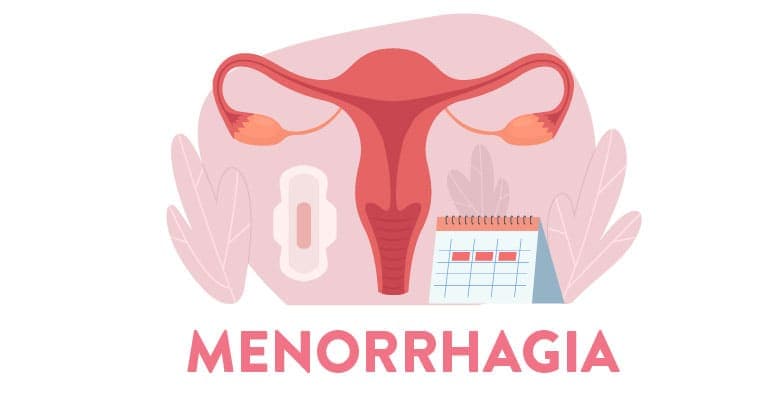
Table of Contents
Menorrhagia is a medical condition where you have painful menstrual periods accompanied by heavy bleeding.
Although bleeding is a normal occurrence with menstruation, the amount of blood is limited to perhaps two to three tablespoons (30-45 ml) a day. Bleeding more than this quantity is considered menorrhagia.
Menorrhagia symptoms include heavy, uncontrolled bleeding. This may occur from the onset of the first period, or it could develop later in life. You should consult your doctor if you have heavy periods or develop them at a later date.
If you have menorrhagia, you might exhibit the following menorrhagia signs and symptoms:
There can be multiple menorrhagia causes as follows:
Every month, your uterus wall builds up a lining. If you have a hormonal imbalance, the lining becomes thicker. When your uterus sheds this extra-thick lining, it can result in heavy bleeding.
The presence of polyps (growths) in your uterus can result in the development of fibroids (benign, non-cancerous tumours). The result can be heavier and longer menstrual periods.
An intrauterine device (IUD) is something a doctor inserts into your uterus for birth control purposes. You can find multiple types of IUDs.
While they are reasonably effective in preventing pregnancy, they can also create an imbalance in hormone levels, resulting in heavy bleeding during periods.
An ectopic pregnancy (pregnancy in the fallopian tubes) can cause heavy bleeding, which resembles menstrual bleeding. A miscarriage can also cause heavy bleeding.
Some people tend to bleed heavily if cut. It is due to the inability of the blood to clot in the event of an injury. If you have this condition, you are more likely to have heavier and longer periods.
Certain medications like blood thinners or anti-inflammatory drugs tend to give you heavy periods.
Many other health issues can give cause menorrhagia. You may experience heavy menstrual bleeding if you suffer from any of these medical conditions:
Any form of heavy blood loss can be dangerous. Heavy bleeding due to menorrhagia can lead to anaemia, a condition which occurs due to iron deficiency. It results in a drop in your hemoglobin, a red protein in the blood that aids in respiration.
Since menorrhagia can cause anaemia, which can be life-threatening, it can be dangerous.
Your doctor will recommend a particular line of menorrhagia treatment, which will depend on the extent of your problem and also its source:
Birth control medication can restore your hormones to their normal levels. You might also have to get an IUD that releases hormones, which can help correct your hormone levels.
Certain drugs can help stem your heavy menstrual flow. Your doctor might prescribe any of these drugs.
A common cause of vaginal or menstrual bleeding is the presence of fibroids. If you have polyps or fibroids in your uterus, your doctor might try to shrink them or surgically remove them.
This is a procedure involving scraping the outermost uterine layer. D&C has a high chance of success, but you might have to repeat the procedure later.
Here, the doctor removes the lining of your uterus permanently. It can result in lighter periods or no periods at all.
With certain extreme types of menorrhagia, a doctor will advise removing the uterus. This surgical procedure is called a hysterectomy.
After a hysterectomy, you will not get your period, but you cannot become pregnant either.
Your menorrhagia cure depends on its source. If it is caused by medication, simply discontinuing or changing the medication should suffice. If your menorrhagia symptoms include anaemia, you might have to take iron supplements.
Any of the lines of treatment mentioned earlier can cure menorrhagia. Sometimes, your heavy periods may subside on their own. But with suitable medical intervention, menorrhagia can be controlled if not cured.
Risk factors depend on your age and if you have other underlying medical issues or not.
Young girls on the verge of adolescence are more prone to puberty menorrhagia. Older women with uterine-related medical issues also tend to develop menorrhagia.
If you have excessive bleeding that continues for over a week or you experience bleeding intermittently between periods, you should seek medical help.
You should also do so if you are menopausal and continue to experience vaginal bleeding.
Your healthcare provider will diagnose your menorrhagia based on your response to the following questions:
You may also have to undergo a few tests as follows:
Menorrhagia is not necessarily a life-threatening disease. However, you shouldn’t neglect anything that involves heavy bleeding.
If you notice more than usual blood loss during your period, seek medical attention to find the reason for menorrhagia and get it treated.
Heavy periods can interfere with your emotional and physical well-being as well. It doesn’t have to be that way. You can contact the CK Birla Hospital or make an appointment with Dr. Deepika Aggarwal , who can help you get the best possible medical assistance with compassionate care.
If you experience heavy blood loss while menstruating, it can be serious. A common outcome of menorrhagia is anaemia. You should thus take it seriously and get appropriate treatment at the earliest.
Further, menorrhagia can interfere with your daily activities and peace of mind. It becomes a serious problem because it hampers your normal functioning.
The typical bleeding period for menstruation is four to five days. The blood loss is roughly two to three tablespoons (30-45 ml). If you have menorrhagia, the bleeding will last for more than seven days, and you can lose up to twice as much blood.
Yes, women with Polycystic Ovary Syndrome (PCOS) can also experience menorrhagia.
Menorrhagia is more like a symptom rather than a disease. It can occur due to hormonal imbalance, which can have adverse effects on pregnancy.
On the other hand, menorrhagia can occur due to other underlying medical conditions which can affect pregnancy.
There have been cases where menorrhagia has disappeared on its own. But since there is no means for the prevention of menorrhagia, it’s always advisable to seek medical help immediately and not delay to avoid further complications.
Table of Contents
Type 2 diabetes is a lifelong health condition wherein the level of blood sugar is very high in your bloodstream.
Usually, the pancreas secretes a hormone called insulin – it helps cells to absorb blood sugar (glucose), which then produces energy.
In type 2 diabetes, however, your body develops insulin resistance, and sometimes even the pancreas stops producing insulin to a sufficient level.
Type 2 diabetes commonly affects people who are in middle age and old age. That’s why it is also known as adult-onset diabetes. However, it can also affect children if they are suffering from childhood obesity.
When the cells present in your muscles and liver stop absorbing the insulin and develop a resistance against insulin, this can lead to type 2 diabetes.
Also, when your pancreas stops producing enough amount of insulin which can help your cells in glucose absorption, this can act as a type 2 diabetes cause.
Besides these two causes, there are several type 2 diabetes risk factors, such as:
Type 2 diabetes symptoms develop gradually and can consist of the following:
To check for the diagnosis of type 2 diabetes, a doctor usually conducts these tests:
This test involves taking your blood sample to measure your glucose levels on an empty stomach. It generally takes place in the morning as you can’t eat anything for at least 8 hours before this test.
Without needing to fast, this test can take place at any point of time in a day to measure your glucose levels.
This test measures your average glucose (blood sugar) levels for the past three months.
This test first checks your glucose level. Then it measures your blood sugar level two hours after you have had a sugary drink – to check whether any changes have taken place in blood glucose levels.
Though type 2 diabetes can’t be cured, it can still be managed. For its management, you need to include the following in your diet:
Besides diet, to manage type 2 diabetes, you can make the following changes in your lifestyle:
Type 1 and type 2 diabetes are chronic health conditions. Both can cause some serious health complications.
Keeping this in mind, the only thing that makes type 2 diabetes a little bit better than type 1 is that with some changes in lifestyle and diet – it can be managed and sometimes sent into remission.
It is essential to seek treatment for this type of diabetes to prevent yourself from suffering the following type 2 diabetes complications:
For the treatment of type 2 diabetes, any one of the following medications is prescribed by the doctor:
All these medications help to lower your blood glucose levels, increase insulin production and make the cells in your body respond better (absorb) to insulin.
When lifestyle and dietary modifications do not significantly change your blood glucose levels, insulin therapy is recommended. Insulin therapy helps in lowering and ensuring stability in blood glucose levels. It can be administered by:
Sometimes, when obesity is responsible for type 2 diabetes, weight loss surgery is the recommended form of treatment.
Type 2 diabetes is a serious lifestyle-related disease wherein your blood glucose levels are abnormally high. Over time, its symptoms develop and consist of blurry vision, increased hunger, slow healing of wounds, etc.
Type 2 diabetes, if not managed timely, can lead to health complications like CKD, nerve damage, skin infections, etc. Thus, it is crucial to seek treatment before you start suffering from these complications.
For this, you can reach out to skilled and experienced doctors at the CK Birla Hospital. The Gastroenterologists at the CK Birla Hospital perform state-of-the-art tests to screen for diabetes. They also provide a customised treatment plan for type 2 diabetes at affordable rates.
For the diagnosis and treatment of type 2 diabetes – visit a nearby branch or book an appointment with our doctors
1. What does being a type 2 diabetic mean?
Being a type 2 diabetic means that your body produces too much insulin and is unable to manage or absorb it. This can lead to symptoms like excessive hunger, blurry vision, fatigue, etc., and eventually serious complications- if not treated timely.
2. Is diabetes type 2 serious?
Diabetes type 2 is a serious condition that develops gradually. The high blood sugar levels – if not controlled – can cause complications like nerve damage, heart disease, retinopathy, miscarriages, etc.
3. What is the difference between type 1 and type 2 diabetes?
Type 1 diabetes fall under auto-immune diseases, whereas, type 2 diabetes falls under lifestyle-related diseases. Here, your immune system attacks the cells in the pancreas that produce insulin, causing insulin production to come to a stop. On the other hand, in type 2 diabetes, the pancreas does not produce enough insulin so that it can manage blood glucose levels.
4. Do type 2 diabetics need insulin?
When modifications in lifestyle and diet fail to control blood sugar levels, insulin therapy comes into play. It involves administering insulin to control and lower the raised blood glucose levels.
5. Can stress cause diabetes type 2?
Experiencing stress once in a while can not cause type 2 diabetes. However, living in a constant state of stress can cause fluctuations in your blood glucose levels – to the extent of raising them. So, a prolonged state of stress (chronic stress) can cause type 2 diabetes.

