Heart disease cases are increasing these days, but so are treatment advancements. With interventional cardiology, blocked or narrowed arteries and valve-related issues can be treated using thin catheters passed through a small puncture, usually with less pain and faster recovery than open surgery.
At the CK Birla Hospital, our interventional cardiology team offers advanced procedures such as angioplasty and valve interventions, along with 24×7 emergency cardiac care.
Interventional cardiology is a specialised branch of cardiology that treats certain heart and blood vessel problems using minimally invasive procedures.
Unlike open heart surgery, which usually requires a large incision in the chest, interventional cardiology is performed by inserting a thin, flexible tube called a catheter into a blood vessel, usually in the wrist or groin. The interventional cardiologist guides it to the heart and uses specialised instruments to diagnose or treat the problem.
An interventional cardiologist is a heart specialist with additional training in catheter-based procedures. They diagnose and treat conditions such as blocked heart arteries, certain heart valve problems, and narrowed blood vessels in other parts of the body.
Our interventional cardiology team performs these procedures, for emergencies as well as planned treatment.
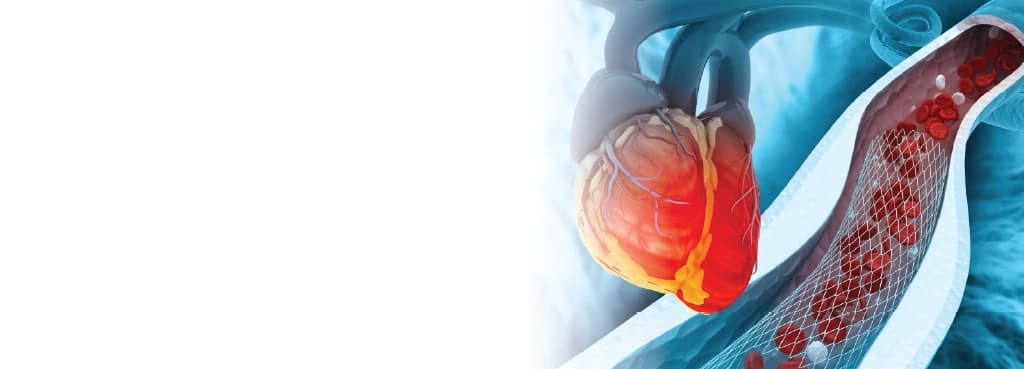
When a heart artery becomes narrowed or blocked, less blood can reach the heart muscle. Angioplasty helps open the affected artery and improve blood flow.
The interventional cardiologist guides a small balloon to the narrowed area and inflates it to widen the artery. A small mesh tube called a stent is usually placed inside the artery to help keep it open.
Angioplasty may be performed during a heart attack or recommended for certain patients with coronary artery disease (CAD). The decision depends on the location and severity of the blockage and the patient’s condition.
It involves passing a thin tube through a blood vessel to reach the heart. It allows doctors to measure pressure inside the heart, check blood flow and investigate certain heart problems.
Some procedures are used only to examine the heart, while others allow doctors to treat a problem during the same session.
Blood vessels outside the heart can also become narrowed or blocked, which reduces blood flow to areas like the legs. In peripheral vascular intervention, a catheter is used to open the affected vessel. A balloon widens the vessel, and a stent may be placed to keep it open.
Some heart conditions, including selected structural abnormalities present from birth, can also be treated using catheter-based procedures.
Heart valves control the direction of blood flow through the heart. If a valve becomes too narrow or does not close properly, blood may struggle to move forward or may flow backwards. Certain catheter-based procedures can treat these problems without traditional open heart surgery.
At the CK Birla Hospital, our interventional cardiology team provides the comprehensive care you require to manage your heart condition, from diagnosis through recovery.
We offer:
If you are looking for an interventional cardiologist in Delhi, a consultation can help you understand your diagnosis and whether a minimally invasive procedure is suitable for you.
Every interventional cardiologist is a cardiologist, but not every cardiologist performs certain procedures. A cardiologist diagnoses heart conditions and manages ongoing care with medicines and regular follow-up. An interventional cardiologist has additional training to treat certain heart problems through blood vessels.
Common procedures include:
The procedure depends on the patient’s diagnosis and treatment needs.
Recovery depends on the procedure and the patient’s health. After an uncomplicated diagnostic angiography, some patients can go home the same day. Angioplasty may require an overnight stay, while more complex procedures can involve a longer hospital stay.
Your doctor will explain when you can return to work, drive, exercise and resume everyday activities.
Where needed, the following tools are used to guide treatment.
You should take prescribed medicines as directed, follow your doctor’s advice on returning to physical activity and attend scheduled follow-up appointments. Eating a balanced diet, exercising when medically cleared, avoiding tobacco and managing blood pressure, cholesterol and blood sugar can help protect your heart.
Seek emergency medical care if you develop chest pain, severe breathlessness, fainting or other symptoms that could indicate a heart attack.