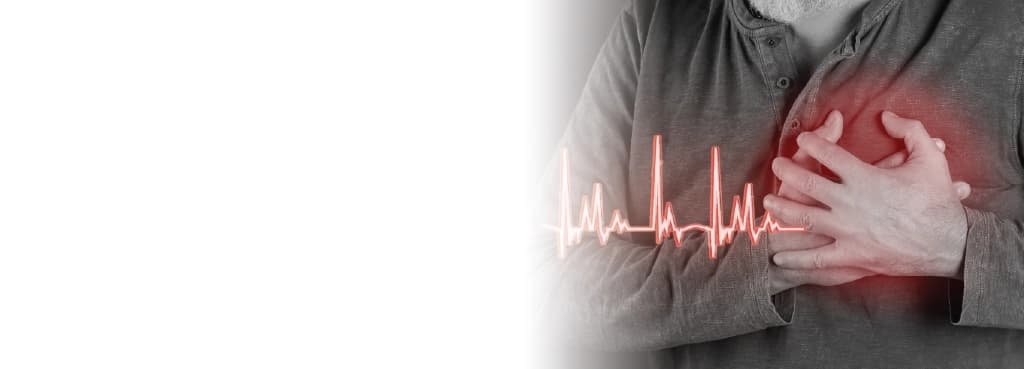
A heart attack is a serious medical emergency. The sooner it is recognised and treated, the lower the risk of complications later. At the CK Birla Hospital, our cardiac care teams manage these emergencies round the clock, and treatment is planned around what each patient actually needs.
A heart attack, medically known as a myocardial infarction, results when blood flow to part of the heart muscle is blocked or significantly reduced. Without enough oxygen-rich blood, the affected muscle begins to get damaged.
The most common cause is a blockage in a coronary artery, one of the blood vessels that carry oxygen-rich blood to the heart muscle. Over the years, fatty deposits can build up inside these arteries. If one ruptures, a blood clot may form and block the flow of blood.
Heart attack symptoms vary from person to person. They may begin suddenly or develop gradually over several minutes.
Look out for these warning signs:
Chest discomfort may last several minutes or ease and return. Some people have milder symptoms rather than severe pain.
If you suspect a heart attack, call emergency services immediately. Don’t wait to see whether it gets worse or disappears on its own.
Most heart attacks are caused by coronary artery disease (CAD), in which fatty deposits called plaque build up inside the arteries supplying blood to the heart.
A heart attack can result from:
To confirm a heart attack and find out which artery is affected, cardiologists look at the symptoms, the patient’s history and a set of tests:
Although the terms are sometimes confused, a heart attack and cardiac arrest are different conditions.
In a heart attack, a blocked artery cuts off blood supply to part of the heart muscle. The person may remain conscious and continue breathing.
In Cardiac arrest, the heart suddenly stops pumping blood effectively, usually because of an electrical problem. The person becomes unresponsive and stops breathing normally or only gasps.
A heart attack can cause cardiac arrest. Both are emergencies, but cardiac arrest requires immediate CPR and use of an automated external defibrillator (AED), if available.
If you think someone is having a heart attack:
The goal of the treatment is to reopen the blocked artery, limit damage to the heart muscle, and prevent complications.
Angioplasty opens a blocked coronary artery without open surgery. The cardiologist guides a thin tube to the blockage and inflates a small balloon to widen the artery. A stent, a tiny metal mesh tube, is usually left in place to hold it open. It restores blood flow and limits damage to the heart muscle.
Medicines are a major part of both treatment and recovery. Depending on the patient, they may be used to:
Which medicines are used, and in what combination, depends on the patient’s overall condition and bleeding risk.
If several arteries are badly blocked, or angioplasty is not suitable, coronary artery bypass surgery (CABG) may be advised. The cardiac surgeon takes a healthy blood vessel from elsewhere in the body and uses it to build a detour around the blockage.
After emergency treatment, patients are often kept in a cardiac care unit, where the team watches heart function closely and deals with any complications. Before going home, they are told which medicines to take, how active they can be, and when to come back for followup.
Cardiac rehabilitation can be an important part of recovery. It guides the patient about right exercise, education and risk-factor management to help them return to daily activities safely.
At the CK Birla Hospital, our cardiac team provides emergency care and ongoing treatment based on the severity of the heart attack and the patient’s health needs.
We offer:
Common warning signs are:
Symptoms can vary from person to person, and not everyone experiences severe chest pain. If you suspect a heart attack, seek emergency medical help immediately.
Chest discomfort and breathlessness can occur in both men and women. Women may also experience unusual fatigue, nausea, back pain or jaw discomfort. However, symptoms vary, so it is important to seek urgent medical attention if a heart attack is suspected.
A heart attack occurs when blood flow to part of the heart muscle is blocked. Cardiac arrest happens when the heart suddenly stops pumping blood effectively. A heart attack can lead to cardiac arrest, but the two are different medical emergencies.
Call emergency services immediately and help the person stop any physical activity. Follow the emergency operator’s instructions, and do not let the person drive themselves to the hospital. If they become unresponsive and are not breathing normally, begin CPR and use an automated external defibrillator (AED) if one is available.
Recovery involves taking prescribed medicines timely, attending follow-up appointments, eating a healthy diet, avoiding tobacco and gradually returning to physical activity as advised by your cardiologist. Cardiac rehabilitation can help through supervised exercise, education and risk-factor management.