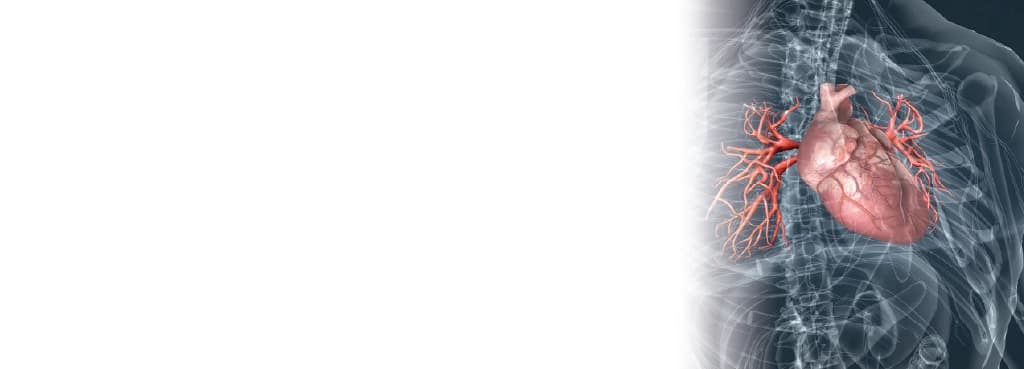
When symptoms such as chest pain or breathlessness need further evaluation, a CT angiogram offers an accurate way to examine your blood vessels without an invasive procedure. It helps detect coronary artery disease and other vascular conditions, allowing timely diagnosis and treatment planning.
At the CK Birla Hospital, the scan is performed in our advanced radiology unit, with images interpreted by experienced radiologists and cardiologists to support accurate diagnosis and the most appropriate treatment plan.
A CT angiogram is an imaging procedure that combines computed tomography (CT) scanning with an intravenous contrast dye to produce detailed pictures of blood vessels throughout the body.
A conventional angiogram requires a catheter to be inserted into an artery, whereas a CT angiogram test only requires an IV line in the arm. This makes it a less invasive option for evaluating blood circulation and detecting vascular conditions.
Depending on the symptoms being investigated, your doctor may recommend a CT angiogram of the:
The CT angiogram procedure is usually completed within 30 to 60 minutes, although the actual scan takes only a few minutes.
Before the scan
During the scan
The procedure is painless. Most people can return home shortly afterwards.
Your doctor may advise a CT angiogram if you have symptoms or risk factors suggesting problems with your blood vessels.
Some of the common reasons include:
A CT angiography heart scan is particularly useful in people with a low to intermediate likelihood of coronary artery disease. It helps in determining whether narrowed arteries are causing symptoms.
The CT angiogram scan helps doctors identify a wide range of conditions affecting blood vessels.
It can detect:
A CT coronary angiogram can also help figure out whether chest pain is related to blocked coronary arteries or another cause.
Your doctor will provide preparation instructions based on the area being examined and your medical history.
General preparation tips you should follow:
Following these instructions helps improve image quality received from the scan and reduces the risk of complications.
A radiologist analyses the images and prepares a detailed report for your referring doctor. CT angiography shows how narrow an artery looks, not always whether blood flow is actually restricted.
Reports generally use the CAD-RADS scale to grade the worst narrowing found:
The report may also note your:
At the CK Birla Hospital, CT angiography is performed using advanced imaging technology designed to produce detailed images while prioritising patient comfort and safety.
We offer:
Whether you require a CT angiogram for suspected heart disease or for another vascular condition, our multidisciplinary team ensures your care is personalised to your clinical needs. Book a consultation today!
Preparation usually includes fasting for a few hours if instructed, staying well hydrated, avoiding certain medications only if advised and informing your doctor about allergies, kidney disease, pregnancy or previous reactions to contrast dye.
Many patients are asked not to eat for 4to 6 hours before the scan. Drinking water is encouraged unless your doctor provides different instructions.
Yes. Caffeine can increase your heart rate, making it more difficult to obtain clear images. Most patients are advised to avoid coffee, tea, energy drinks and chocolate for at least 12 to 24 hours before a cardiac CT angiogram.
A CT angiogram can assess blood vessels in the heart, brain, neck, chest, abdomen, pelvis, kidneys, arms and legs, depending on your symptoms and the condition being investigated.
The scan can detect coronary artery disease, blocked or narrowed arteries, aneurysms, blood clots, peripheral artery disease, carotid artery disease, congenital blood vessel abnormalities and other vascular conditions that may require medical or surgical treatment.