Filter :

The CK Birla Hospital is a COVID-19 safe hospital offering uninterrupted quality care to patients in Gurugram and New Delhi.
COVID variants are constantly mutating, becoming a cause of distress. According to the World Health Organisation (WHO), the new strain of COVID – Omicron – has been marked as a ‘Variant of Concern’. In such unprecedented times, the priority of every individual is to remain safe. However, pandemic or not, your medical care cannot be paused. It is important for citizens to seek timely medicinal therapeutic and preventive treatments. Nonetheless, the idea of seeking medical care during these times raises the question – ‘Is it safe to visit a hospital right now?’
The answer is Yes, only if you are visiting a ‘COVID19 safe hospital’. At the CK Birla Hospital, we prioritise the safety and health of you and your family. Hence, in the span of the past 2 years, since the onslaught of coronavirus, we have taken diverse measures and developed a wide range of protocols to curb the spread of infection.
Before we delve into how we are a safe destination for your healthcare, let us first take a glance at the new strain of COVID – omicron.
COVID new strain, omicron, is the latest variant of the infectious disease caused by the SARS-CoV-2 virus. This new strain of coronavirus has been discovered recently and researchers all over the world are still understanding its impact in detail.
Omicron, however, has been considered as a highly-transmissible variant with an increased risk of infection.
Symptoms of omicron
Common symptoms of covid-19 new strain, omicron, include:
With omicron, the risk of infection is higher even with lesser exposure to the virus. Due to its highly transmissible nature, healthcare institutions and hospitals, all over the world, have bolstered their safety protocols.
The CK Birla Hospital has been at the forefront of the fight against COVID19. With the surge of omicron variant cases across the country, we have revisited our emergency preparedness plans to increase their impact.
Here is how we are ensuring the safety of our staff and our patients during Omicron:
Convenient Tele-consult facility
Utilising the digitisation of medical care, we have shifted to online platforms for doctor consultations. We offer primary care and preventive medicine through telephonic consultation with our team of experts. This allows the patients to have a personal, one-on-one interaction with the doctor from the comfort and safety of their homes. Our telemedicine facility lets you access high-quality healthcare services without actually visiting hospital premises.
Strict enforcement of COVID appropriate behaviour & PPE norms
Both the units of the CK Birla Hospital have put in place stringent COVID norms. The hospitals adhere to international and national guidelines and protocols including NICE guidelines and those from the NHS.
In the wake of Omicron, we have quickly transformed our day-to-day operations through extensive communication and cross-functional collaboration. We have placed porta cabins and makeshift arrangements for broader infection control and to ensure COVID-appropriate behaviour. We also established a robust task force to address the issue of medical supplies to assist the biomedical team and supply support function to procure essentials.
Strict covid-screening & testing protocols for all patients
We have stringent screening and testing protocols for all patients and visitors. At the entrance of the hospital, our staff discusses your symptoms in detail followed by routine screening and check-up which includes measuring your body temperature and pulse.
For the patients who are hospitalised at our centres, we arrange routine COVID tests as preliminary tests. We have also placed hand sanitising stations at several places in the hospital to make sure that all patients and visitors have access to sanitisers.
Vaccination of all staff
We take pride in declaring that our clinical and non-clinical staff at both centres are 100% vaccinated. While healthcare delivery is supreme, the safety and wellbeing of our staff and healthcare workers remain of utmost importance. We have bolstered up our protective measures extensively. From safety gears to on-premise awareness campaigns and uncompromising testing protocols, we stretch beyond our limits to keep our staff guarded and empowered.
Strong restrictions on the number of attendants & visitors
Since the dawn of COVID19, we have restricted and limited the number of attendants and visitors. Our guidelines clearly state that patients are to be supported by a single caregiver. It is an essential step to curb the spread of infection among visitors. Our experts only ask you to visit the hospital premises when it is absolutely essential for your health.
Multi-speciality expertise
The CK Birla Hospital, Gurgaon and New Delhi have a collective strength of over 100 experts. Our team of multidisciplinary experts provides a holistic outlook to help maintain your overall health. Our unique ‘care team’ approach allows us to provide our patients with personalised attention and care through a whole team, instead of a single caregiver.
Getting safe and trusted care during COVID19 is possible. Consult our team of experts to stay protected during the onset of the new strain of coronavirus.

Have you ever imagined how your life would be if you developed memory loss? For women who have reached menopause, the memory becomes one of their worst enemies. In this article, Dr Archana Pathak, a leading gynaecologist in Delhi NCR, explains why memory is so important to every one of us and how it can be difficult for women going through menopause to function in their daily lives.
As the statement goes, we learn from our mistakes, which we must have committed in the past. Life lessons, skills, and abilities are all hampered for people suffering from memory loss.
Table of Contents
Menopause is when a woman has her final menstrual cycle. It occurs when your ovaries cease the release of hormones that control the mensuration. It is a natural process of growing older, and it also signifies the end of women’s fertile and reproductive years. A woman starts to experience this between their 40s and 50s, while some people have premature menopause or induced menopause as a result of surgery or damage to the ovaries.
Menopause is the permanent termination of menstruation that does not occur as a result of any medical intervention; instead is a natural process. For women going through natural menopause, the transition is gradual and divided into three stages.
Perimenopause: It occurs approximately eight to 9 years before you reach menopause; this is when the ovaries start to generate less estrogen. Around this time, a woman may have irregular periods, weight gain, and have mood swings. A woman will still have periods and may become pregnant at this time.
Menopause: It is the period of time when you stop having menstrual periods. Your ovaries have stopped releasing eggs and producing estrogen. When a woman hasn’t had a menstrual cycle for around 12 months in a row, it clearly indicates that she has reached menopause.
Postmenopause: It refers to the times after which you haven’t had menstruation for a year.
Many women’s menopausal symptoms, such as hot flashes, may subside at this time. Some women, however, continue to have menopausal symptoms for years after they have reached menopause. Post-menopausal women are more likely to develop health diseases.
During the menopause transition, cognitive deterioration is a common concern. Changes in memory are linked to a decrease in oestrogen production. Many peri- and post-menopausal women complain about sleep problems, feeling of sadness and depression and hot flashes, all of which might contribute to cognitive deficits. Hormone therapy can boost oestrogen levels, but it is not for everyone. Mind-body together has the ability to alleviate the symptoms of post-menopausal cognitive decline.
One of the most aggravating symptoms women have throughout their menopausal years is fuzzy thinking, sometimes known as brain fog. These simple techniques might help you stay focused and rid your mind of any hazy feelings.
Keep your mind and body in shape
Working out and focusing on muscle training may help you keep your mind in balance. It might be possible that exercise may help cause new nerve cells to sprout in the brain. Physical activity can also boost the production of substances that help brain cells to repair themselves, therefore helping to prevent memory loss.
Keep your bedtime and wake up time constant
After menopause, feeling sleep deprived is common, but it is always recommended to have a good night’s sleep as it can aid with brain fog and goofy thinking. Recalling previous incidents can be difficult if you do not get enough sleep. A sleep schedule that provides more restful sleep and gives a peaceful relaxation to your mind and body should be practised. Avoid eating or drinking caffeine or alcohol close to bedtime, and unwind with a warm bath or relaxing music to set the atmosphere.
Fuel the body and brain with healthy food
Foods rich in omega 3 fatty acids, like salmon and mackerel, may benefit menopause. Omega 3 fatty acids are known to enhance learning, concentration and memory. Dark green leafy vegetables like spinach and kale are essential for the better functioning of the brain. Other food items like yoghurt, cheese, milk flax seeds, chia seeds, broccoli and berries like blueberries and other dark berries are beneficial for improving memory functioning.
Focus on mind games
If you are having trouble remembering phone numbers or passwords due to brain fog, segregate your passwords and phone numbers in a much simpler format. To make learning and recalling the complete piece of information easier, concentrate on remembering one portion at a time. Associating a name with an image is a clever approach to remembering names.
Find a healthy way to relieve stress
As menopause hits, a woman starts to stress over various life situations. Caring for ageing parents and juggling home and work life and all of this can act as a big stressor for women and can lead to memory loss and attention problems. Finding a healthy approach to unwind can be a lovely present for yourself. Meditation, yoga, dancing are a few techniques that may help with this menopause symptom.
Menopause is associated with memory problems, and brain fog is a common concern. Many women have reported feeling forgetful or experiencing a general “brain fog” that makes it difficult to concentrate.
Menopause “brain fog” is common in many women, however, it can be moderate and go away on its own. But it is important to consult and rule out any other severe possibilities like dementia so that you might be able to consider menopausal hormone therapy. These hormone therapies might help with various problems that you may suffer throughout menopause, not simply memory loss.
Memory loss is a common thing in menopause. It would only help if you talked to your doctor to create a personalised plan to help you get through the menopause stages. Keep track of your symptoms and discuss them with your specialist. As your treatment starts, you should start to feel much better, and hopefully, treatment will have a positive impact on your memory.
For more information on menopause, book an appointment with Dr Archana Pathak at the CK Birla Hospital.

Winter sun, short days, and falling temperature describe the pleasant winter season. However, winter also brings along sharp joint pain for a lot of people. This weather sensitivity affects close to 39% of osteoarthritis patients.
But why do your joints hurt more in the cold? Let’s find out.
In this article, a leading orthopaedic expert in Delhi, discusses the leading causes of joint pain in winters.
Table of Contents
There are several reasons for experiencing increasing joint pain during winter. Primarily, it happens because of the rising cold that causes stiffness in your muscles and soft tissues.
Additionally, the barometric pressure (a measurement of the weight in the air) causes your muscles, tendons, and joints to expand and swell. This swelling confines the space in your body leading to pain. Hence, the altered atmospheric pressure makes bones that are osteoporotic or otherwise diseased more tender.
During winters, your body tries to conserve heat by routing blood flow away from your arms and legs and towards the vital organs like the heart and lungs. This effort can cause your joints to hurt more. An incorrect slouched and crunched posture can also make the spine & shoulder blade more sensitive leading to pain.
You may experience greater pain in the joints that have an inherent disease or those which bear more load than others.
For instance, you may experience increased pain in your shoulders because your upper limb undergoes less activity. Similarly, you can feel more pain in your lower back as a result of prolonged sitting. Your knee joints may also have higher levels of pain due to weakened thigh muscles.
Another joint that may become more painful than others is your ankles as water retention makes them heavier.
It is well known that certain viral fevers actuate the process of systemic infections leading to swelling & pain in weight-bearing joints. Viral infections trigger your immune system to act against the joints. Various infections such as infection of the urine, throat, and intestine can lead to multiple joint pains.
Here are some tips you can follow to avoid joint pain in winters:
Warmth and hydration
Wear adequate layers of clothing to maintain warmth in your body. You should also ensure to drink plenty of water and avoid consumption of excessive alcohol & coffee to preserve muscle health.
Supplementation
Vitamin D supplements are useful in the timely treatment of osteoporosis. Another supplement you can consider is glucosamine. Consult your doctor for their daily intake.
Regular exercises
When it comes to exercising, it is important to note that consistency is important and sporadic bursts of activities can cause injuries. You should do gentle warming exercises daily followed by stretches & geometric strengthening.
Walking aids & supports
The senior population experiences more damage due to a lack of balance. It is advised that the elderly use walking aids such as sticks to increase stability & reduce pain.
During intense winters or wet winter days, surgical pain and stiffness can increase. Thus, it is wise to defer elective surgeries by 2-3 weeks after a detailed evaluation of risks.
For more information on joint and muscular health, book an appointment with our orthopaedic experts at the CK Birla Hospital.

एक महिला के लिए गर्भ धारण करना, उसको एक सम्पूर्ण महिला होने का एहसास कराती हैं। जहाँ गर्भ धारण करना एक सुखद एहसास होता हैं, वही गर्भावस्था से जुड़ि कई ऐसी परिस्थिति हैं जिनसे महिलाओ को गुजरना पड़ता हैं, उनमे से एक हैं मॉर्निंग सिकनेस (morning sickness)। मॉर्निंग सिकनेस गर्भावस्था का एक सामान्य लक्षण है और इसमें कभी-कभी जी मचलना या उल्टी होना शामिल हैं। प्रेगनेंसी के दौरान यह समस्या दिन के किसी भी समय असुविधा पैदा कर सकता है।
यह आमतौर पर गर्भावस्था के पहले चार महीनों के भीतर होती है, और अक्सर यह पहला संकेत है कि आप गर्भवती है।
इस ब्लॉग के माधयम से डॉ दीपिका अग्रवाल, ऑब्स्टट्रिशन एंड गयनेकोलॉजिस्ट- सी के बिरला हॉस्पिटल गुडगाँव, मॉर्निंग सिकनेस सी जुड़े कारण, लक्षण और टेस्ट्स बताएंगी, साथ ही साथ ऐसे कौनसे नेचुरल टिप्स से जिनसे आप मॉर्निंग सिकनेस दूर कर सकते है।
Table of Contents
इसके सामान्य लक्षणों जी मचलना और उल्टी शामिल है, जो अक्सर महक, मसालेदार भोजन, और गर्मी से होती है। पहली तीन महीनो के दौरान प्रेगनेंसी मॉर्निंग सिकनेस आम है और अधिकतर गर्भाधान के नौ सप्ताह बाद शुरू होती है। लगभग सातवे माह के मध्य से अंत तक अधिकांश गर्भवती महिलाओ में इसके लक्षणों में सुधार होता है।
ये भी पढ़े: जानिए ओरल रिहाइड्रेशन सॉल्यूशन (ओआरएस) क्या है और इसके क्या फायदे हैं ?
गर्भावस्था के दौरान मॉर्निंग सिकनेस का कोई एक ख़ास कारण नहीं होता है और हर महिला में इसकी गंभीरता अलग-अलग होती है। हम यह कह सकते हैं कि, गर्भावस्था में बढ़ा हुआ हार्मोन का स्तर सबसे आम कारणों में से एक है। घटा हुआ ब्लड शुगर लेवल भी इसका और आम कारण है।
कुछ अन्य कारण यह भी हो सकते हैं:
आपकी हर गर्भधारण में होने वाले सिकनेस भी अलग-अलग हो सकते है।
यह भी पढ़ें: प्रेगनेंसी के पहले महीने में क्या क्या होता है?
आपको डॉक्टर से मिलना चाहिए, अगर-
यह भी पढ़ें: जानिए प्रेगनेंसी में संबंध बनाना चाहिए या नहीं ?
आपके लक्षणों के आधार पर, आपका डॉक्टर आपको कुछ टेस्ट करने का सुझाव दे सकता हैं, जैसे कि-
ये सरे टेस्ट निर्धारित करेंगे कि आप कही निम्न चीजों से पीड़ित तो नहीं हैं:
इन नेचुरल टिप्स से दूर करें मॉर्निंग सिकनेस-
वैसे तो मॉर्निंग सिकनेस को पूरी तरह से रोकने का कोई तरीका नहीं हैं, लकिन इसके कारणो से बचने से आप इसको काम कर सकते हैं। यदि आप प्रेगनेंसी या उस से जुड़ि कोई अधिक जानकारी चाहते हैं या प्रेगनेंसी से जुड़ि परेशानियों का हल चाहते हैं तो आज ही अपॉइंटमेंट बुक करे या हमे +91 124 4570112 नंबर पर कॉल करे।
उत्तर- ऐसे बहुत सी संकेत हैं जिनसे पता लगाया जा सकता हैं कि आप प्रेग्नेंट हैं या नहीं-
उत्तर- हालांकि ‘मॉर्निंग सिकनेस’ में जी मचलना (उल्टी के साथ या बिना) दिन के किसी भी समय हो सकती है। कई महिलाओ में मॉर्निंग सिकनेस के अलग-अलग लक्षण होते हैं जैसे कि जी मचलना, उल्टी, और थकावट महसूस होना।
उत्तर- सबसे सटीक परिणाम के लिए आपको पीरियड्स छूटने के लगभग एक सप्ताह बाद प्रेगनेंसी टेस्ट करना चाहिए।
उत्तर- गर्भावस्था में दो सप्ताह के शुरू में आपको जी मचलना जैसे लक्षण हो सकते है या यह गर्भधारण के कुछ महीनों बाद शुरू हो सकते है। हर महिला को जी मचलना का अनुभव नहीं होता है और प्रेगनेंसी में जी मचलना के विभिन्न स्तर होते हैं।
उत्तर- यदि आपको मॉर्निंग सिकनेस हो रही हैं तो आप ऐसा खाना खाये जिसमे मसाले काम हो और जिसे खाने से आपको जी मचलने या उलटी जैसा महसूस ना हो-
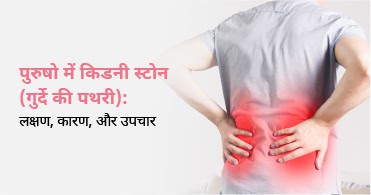
हम आमतौर में किडनी स्टोन (kidney stone in hindi) के बारे में बहुत सुनते है। लेकिन क्या आप जानते हैं गुर्दे की पथरी महिलाओ के मुकाबले पुरुषो में ज्यादा पाई जाती हैं। हालांकि पुरुषो में गुर्दे की पथरी हो या महिलाओ में गुर्दे की पथरी इसका ईलाज और लक्षण समान ही होते हैं।
इस ब्लॉग में डॉ शलभ अग्रवाल, मशहूर यूरोलोजिस्ट- सी के बिरला हॉस्पिटल गुडगाँव, पुरुषो में गुर्दे की पथरी से जुडी सारी जानकारी देंगे जैसे की किडनी स्टोन कब होता हैं? किडनी स्टोन कैसे होता हैं? किडनी स्टोन को कैसे ठीक किया जा सकता हैं? और यदि आपको किडनी स्टोन की शिकायत हैं तो आपको क्या खाना चाहिए?
Table of Contents
किडनी स्टोन या गुर्दे की पथरी जिसे मेडिकल भाषा में रीनल कॅल्क्युली (renal calculi), यूरोलिथियासिस (urolithiasis), या नेफ्रोलिथियासिस (nephrolithiasis) भी कहा जाता हैं। पेशाब में कई घुले हुए खनिज और साल्ट्स होते हैं। जब आपके पेशाब में इन खनिजों और साल्ट्स का स्तर बढ़ जाता है, तो आपके गुर्दे में पथरी बनने की प्रक्रिया शुरू हो जाती हैं। वैसे तो किडनी स्टोन का आकर छोटा होता हैं लेकिन समय के साथ उपचार ना करने पर इसका आकर बढ़ भी सकता हैं।
जब कुछ पथरी किडनी में रह जाती है तो वह आपको ज्यादा समस्या नहीं देती लेकिन कभी-कभी, गुर्दे की पथरी मूत्रवाहिनी (यूरेटर), गुर्दे और मूत्राशय (urinary bladder) के बीच की नली अटक जाती हैं। यदि पथरी मूत्राशय तक पहुँच जाती है, तो यह पेशाब के द्वारा शरीर से बाहर निकल सकती है। यदि पथरी मूत्रवाहिनी में जमा हो जाती है, तो यह उस गुर्दे से पेशाब के प्रवाह को अवरुद्ध कर देती है और किडनी में दर्द का कारण बनती है।
ये भी पढ़े: गाइनेकोमैस्टिया क्या है – कारण, लक्षण और उपचार (Gynecomastia in Hindi)
वैसे तो गुर्दे की पथरी किसी को भी हो सकती है, लेकिन कुछ लोगों को इसके होने की संभावना दूसरों की तुलना में अधिक होती है।
आपको किडनी स्टोन होने की अधिक संभावना हो सकती है यदि:
यदि आपके किडनी स्टोन का आकार छोटा हैं, तो वह आपके पेशाब के माध्यम से आसानी से निकल सकता हैं, और ऐसे में आपको कोई लक्षण नहीं देखेगा। लेकिन यदि आपके गुर्दा पथरी का आकार बड़ा हैं तो आपको निम्न में से कोई भी लक्षण दिखाई दे सकते हैं:
यदि आपको इनमें से कोई भी किडनी स्टोन लक्षण हो, तो अपने डॉक्टर से संपर्क करें और और उसका उपचार कराये।
ये भी पढ़े: जाने पेशाब में जलन का कारण, लक्षण और इलाज | Peshab me Jalan
गुर्दे की पथरी का उपचार निम्न चीजों पर निर्भर करता हैं-
यदि आपको इनमे से कुछ भी लक्षण हैं तो डॉक्टर आपको पेशाब परीक्षण, रक्त परीक्षण, एक्स-रे या सीटी स्कैन कराने के लिए कह सकता है।
यदि परीक्षण से यह पता चलता हैं आपकी गुर्दे की पथरी का आकार छोटा है, तो डॉक्टर आपको दर्द की दवा लेने और अपने पेशाब पथ के माध्यम से पथरी को बाहर निकालने के लिए बहुत सारे तरल पदार्थ पीने के लिए सलाह दे सकता है। यदि गुर्दे की पथरी का आकार बड़ा है, या यदि किडनी की पथरी आपके पेशाब पथ को अवरुद्ध कर रहा है, तो आपको अतिरिक्त उपचार की आवश्यकता हो सकती है।
गुर्दे की पथरी के लिए सबसे आम उपचार हैं। इस उपचार में पथरी को छोटे-छोटे टुकड़ों में तोड़ने के लिए शॉक वेव्स का उपयोग करता है। उपचार के बाद, गुर्दे की पथरी के छोटे-छोटे टुकड़े पेशाब के रास्ते आपके शरीर से बाहर निकल जाते। इस उपचार में आमतौर पर 45 मिनट से एक घंटे तक का समय लगता है।
यूरेटेरोस्कोपी किडनी की पथरी को ठीक करने की एक प्रक्रिया हैं। इस प्रक्रिया में डॉक्टर मूत्राशय के माध्यम से एक छोटी दूरबीन, जिसे यूरेट्रोस्कोप कहा जाता है, वह मूत्रवाहिनी में जहा तक पत्थर स्थित है वहा तक जाना शामिल है। यूरेटेरोस्कोपी आमतौर पर एक से तीन घंटे तक चलने वाली प्रक्रिया है।
कुछ ऐसे दुर्लभ मामले होते हैं जिसमे गुर्दे की पथरी को निकालने के लिए परक्यूटेनियस नेफ्रोलिथोटॉमी सर्जरी की आवश्यकता होती है। इस सर्जरी के दौरान पथरी को निकालने के लिए एक तुबे सीधे किडनी में डाली जाती हैं। इस उपचार से उबरने और ठीक होने के लिए आपको कम से कम दो से तीन दिनों तक अस्पताल में रहना पड़ सकता हैं।
ये भी पढ़े: कौन-कौन से सुपरफूड्स आपकी रोग प्रतिरोधक क्षमता बढ़ा सकते हैं?
अधिकांश गुर्दे की पथरी को रोकने का सबसे अच्छा तरीका है नियमित रूप से पर्याप्त मात्रा में पानी या तरल पदार्थ पिएं। यदि आप अपने आहार में सोडियम और पशु प्रोटीन जैसे की मांस और अंडे को सीमित करते हैं तो इस से भी आपके गुर्दे की पथरी को रोकने में मदद मिल सकती है।
यदि आपको पहले से कोई बीमारी हैं जिससे आपको गुर्दे की पथरी होने की अधिक संभावना है, तो आपको अपने डॉक्टर सलाह लेनी चाहिए ताकि वह इसका इलाज करने के लिए आपको दवा लेनी की सलाह दे सकता है।
यदि आप कोई उपचार या आहार शुरू या बंद करना चाहते हैं तो पहले अपने डॉक्टर से बात करे और सलाह ले!
ये भी पढ़े: किडनी में सूजन का कारण और इलाज | Kidney Inflammation in Hindi
वैसे तो बहुत से पुरुषो में किडनी स्टोन एक दर्दनाक और निराशाजनक समस्या हो सकती है, लेकिन किडनी स्टोन उपचार के कई अलग-अलग विकल्प उपलब्ध हैं, जिनसे आप इन समस्याओं से निकल सकते हो। वास्तव में, कई दवाएं और उपचार प्रक्रियाएं हैं जो किडनी स्टोन लक्षणों को प्रबंधित करने और किडनी स्टोन को ठीक करने में मदद कर सकती हैं। इसके अतिरिक्त, यदि आप अपने खान-पान का ध्यान रखे तो आप ना केवल इस समस्या को काम कर सकते हैं बल्कि लंबे समय तक गुर्दे की पथरी को बनने से रोक सकते है।
बहुत सारे तरल पदार्थ पीना किडनी की पथरी को बाहर निकालने और नए पथरी को बनने से रोकने में मदद करते है। पर्याप्त मात्रा में पानी पीने से यह न केवल अनचाहे पदार्थों को बाहर निकालता है, बल्कि यह आपके पेशाब पथ के माध्यम से पथरी और गंदगी को भी बाहर निकालने में भी मदद करता है।
आप निम्न पदार्थो का भी सेवन कर सकते हैं-
ऐसे कुछ आहार हैं जो पुरुषों में गुर्दे की पथरी को बढ़ाता हैं, जैसे की-
अगर आपको गुर्दे की पथरी है तो आपके लिए सबसे अच्छा पर्याप्त मात्रा में पानी पीना है। इसके अलावा आप अदरक, आंवले, निम्बू और फलो के जूस पी सकते हैं।
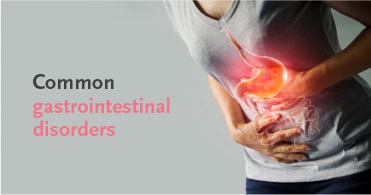
The burden of gastrointestinal disorders in India is increasing at an alarming rate. Several thousands of people across the country are affected by a variety of diseases afflicting the gastrointestinal (GI) tract. In this article, we will explore the most common gastrointestinal disorders as well as some expert-approved measures to prevent them.
This article is authored by Dr Anukalp Prakash, a leading gastroenterologist in Gurgaon.
Let’s first understand what is a gastrointestinal disorder.
Table of Contents
Gastrointestinal disorder is a disease that affects the organs present in your GI tract. The GI tract is the pathway from your mouth to anus and involves your digestive organs.
There are two types of gastrointestinal disorders – functional and structural.
Functional gastrointestinal issues are the ones in which the organs in your digestive tract look normal but experience difficulty in functioning properly. Structural gastrointestinal problems occur when your GI tract has structural abnormalities in one or more organs.
There is a wide range of health concerns that can affect the functioning of your gastrointestinal tract. Some common gastrointestinal disorders experienced by Indians are:
Irritable Bowel Syndrome (IBS) – Irritable bowel syndrome is one of the most common gastrointestinal disorders. In this condition, your colon muscles begin to contract in an atypical way. Common irritable bowel symptoms include pain or cramps in your stomach, bloating, changes in your bowel movement and constipation.
Constipation – Constipation is a digestive problem that causes difficulty in passing stool or irregular bowel movement. Constipation is identified by symptoms such as passing a hard stool, feeling of not being able to empty stool from your rectum and straining to have bowel movement.
Hemorrhoids – Hemorrhoids are also known as piles. It is a condition that causes enlarges, swollen and bulging blood vessels in and around your rectum. There are primarily two types of hemorrhoids – internal and external. Symptoms of hemorrhoids include itching, irritation, pain and discomfort and swelling around your anus.
Anal fissures – Anal fissures. is a structural gastrointestinal disorder. This condition causes a small tear in the thin tissue that lines your anus causing pain and bleeding during bowel movements. Other symptoms include a visible crack in the skin around the anus and pain after bowel movements.
GERD – Gastroesophageal reflux disease (GERD) is a common digestive problem that occurs when stomach acid moves back into your esophagus. Your esophagus is connected to your stomach through a small muscle valve called lower esophageal sphincter (LES). Stomach acid can get into your esophagus when your LES does not close properly. Common symptoms include heartburn, dry cough and bitterness or soreness in the mouth and throat.
Gallstones – Gallstones is one of the most common gallbladder diseases. Gallstones are small, hardened deposits that form and collect inside your gallbladder. Gallbladder is a pear-shaped organ located at the right side of your abdomen, under your liver. Gallstones symptoms include sharp and sudden pain in your abdomen, back pain, nausea and vomiting. It can effectively treated with gallstone removal surgery called Cholecystectomy.
Celiac disease – Celiac disease is a digestive and autoimmune disorder in which your small intestine gets damaged due to the intake of a protein called gluten. Gluten is mainly found in grains such as wheat, barley and rye. Signs and symptoms of celiac disease include digestive issues, skin rashes, unexplained anaemia and musculoskeletal issues.
Pancreatitis – The pancreas is a small, six-inches long gland located in your upper abdomen. It is responsible for producing and releasing certain enzymes and hormones that help in digestion and regulate your blood sugar. Pancreatitis is a condition that causes inflammation of the pancreas gland. There are two types of pancreatitis – acute and chronic. Common symptoms include pain in the upper abdomen, abdominal tenderness, fever, pain radiating to the back, rapid pulse, nausea and vomiting.
Crohn’s disease – Crohn’s disease is a part of a group of conditions called inflammatory bowel disease. This inflammation can affect any organ of your digestive system. Symptoms of crohn’s disease include pain and cramps in the abdomen, diarrhea, fever, excessive fatigue, loss of appetite, weight loss and mouth soreness.
Chronic diarrhea – Diarrhea is a common digestive condition that causes loose, watery and highly frequent bowel movements. Chronic diarrhea happens when the above-given symptoms persist for several weeks (more than 4 weeks). Other symptoms of chronic diarrhea include nausea, cramps and bloating.
Liver cancer – Liver cancer occurs when the cells in your liver begin to multiply abnormally at an unusual rate. There are several types of liver cancer. However, the most common type is hepatocellular carcinoma (beginning in the main type of liver cell – hepatocyte). Symptoms of liver cancer are unexplained, sudden weight loss, pain in the upper abdomen, loss of appetite, nausea, vomiting, fatigue, swelling in the abdomen and jaundice.
Ulcerative colitis – Ulcerative colitis is another type of inflammatory bowel disease which causes inflammation as well as ulcers in your digestive tract. This condition usually occurs in the innermost lining of the large intestine causing symptoms like diarrhea, pain and cramps in the abdomen, pain and bleeding in the rectum, increased urgency to pass stool and weight loss.
Most of the above-mentioned gastrointestinal disorders can be prevented effectively by adapting to certain lifestyle measures. Listed below are some expert-approved and recommended measures you can take to avoid developing gastrointestinal issues.
Eat smaller and frequent meals – You can improve your digestive health by eating small portions of food more frequently. This pattern of eating boosts your metabolism and prevents you from overeating.
Add more fibre to your diet – Fibre is the indigestible component of plant-derived foods. It helps in increasing the weight, size and softness of your stool. Additionally, eating fibre makes you feel fuller. Eating more fibre helps in enhancing your digestive health and prevents digestive disorders.
Drinking plenty of water – Increased water intake can help support your digestive health by cleaning your GI tract. It further allows your body to absorb nutrients in a better manner.
Know your triggers – Certain food items can trigger your digestive problems. For example, regular consumption of spicy, fatty foods can affect your gut causing gastrointestinal disorders such as GERD. You should make a note of your particular trigger foods and drinks and avoid consuming them to improve your health.
Exercise regularly – You should exercise most days of the week to prevent gastrointestinal disorders. Routine physical activity promotes the flow of blood to the organs in your digestive tract. It further stimulates your gut and lower inflammation.
Gastrointestinal disorders can affect anyone at any point of time. It is beneficial to understand your digestive health and identify your risk factors to avoid the above gastrointestinal problems.
To know more about these above given gastrointestinal disorders, book an appointment with Dr Anukalp Prakash, Department of Gastroenterology, CK Birla Hospital.
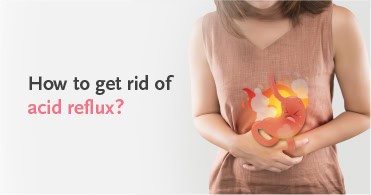
Indian cuisine is popular for its spicy, savoury essence. A wide variety of spices and herbs are combined together in a radical mix to bring such flavourful and diverse delicacies. While these foods are highly appetising, they also raise your risk of experiencing acid reflux.
According to the Indian Society of Gastroenterology, nearly 7.6% to 30% of the Indian population suffers from chronic acid reflux. Despite the high prevalence, it is a highly treatable and preventable condition.
In this article, with insights from Dr Anukalp Prakash, leading gastroenterologist in Gurgaon, we will explore various ways you can relieve acid reflux without any medication. But first, let’s learn what acid reflux is all about.
Table of Contents
Acid reflux is a common digestive disease in which the acid from your stomach moves backward into the esophagus.
Your stomach and esophagus are connected by a small spiral muscle valve called the lower esophageal sphincter. Acid reflux happens when this valve does not close properly allowing the acidic particles in your stomach to flow in the esophagus.
Acid reflux symptoms include:
There are a variety of factors that contribute to what causes acid reflux. The primary cause includes consumption of certain trigger foods or wrong patterns associated with the process of digestion. Common reasons include:
Acid reflux can impact your health and quality of life. It causes several discomforts that can disrupt your everyday activities.
Nonetheless, it is possible to relieve or avoid acid reflux at home without any clinical intervention. Here are some expert-approved ways you can relieve acid reflux at home:
Eat slowly and smaller meals – Eating large portions of foods more frequently can increase the pressure on your lower esophageal sphincter (the muscle that connects your stomach to your esophagus). High quantity of food can cause more pressure leading to a dysfunctional lower esophageal sphincter, thus, causing acid reflux. You should eat smaller portions of meals at a slow pace.
Avoid trigger foods and drinks – Similar to your unique taste buds and preferences, certain foods can act as triggers for acid reflux. You should keep a track of such triggers and avoid their intake to prevent acid reflux symptoms. There are certain common foods which can cause digestive health issues. If you suffer from acid reflux, you should avoid mint, fatty foods, spicy foods, citrus fruits, tomatoes, onions, garlic, coffee, tea, chocolate and alcohol.
Chew gum – Chewing gum can help in increasing your saliva production. Extra saliva can further help in clearing your esophagus and pushing the acid back into your stomach. You should preferably chew sugar-free gum after eating meals.
Make changes to your diet – Besides avoiding your trigger foods, you would need to make certain dietary changes. An acid reflux diet should include high-fibre, low-carb and low-fat foods. Consumption of more carbs can increase the growth of bacteria in your stomach, thus, increasing pressure and leading to acid reflux. While high-fibre foods can aid your digestion process and make you feel full.
Sleep on your left side – Your esophagus is connected from the right side of your abdomen. Thus, sleeping on the right side can cause stomach acid to entirely cover the lower esophageal sphincter leading to acid reflux. It is, therefore, suggested that you should sleep on your left side.
Elevate the head of your bed – A vast majority of people experience acid reflux symptoms particularly at night. Gastroenterologists suggest that you should incline your head slightly higher than the abdomen. It can help you reduce the symptoms of acid reflux and prevent nighttime awakenings.
Do not go to sleep directly after eating – Lying down immediately after you eat can disrupt the process of digestion leading to acid reflux symptoms. You should eat dinner at least 3 hours before bedtime.
Opt for herbal tea – Herbal teas are known for their diverse health benefits including their ability to aid digestion. Chamomile tea, licorice tea, green tea and fennel tea are some common herbal teas you can choose from. However, you should avoid drinking peppermint or spearmint tea as mint can trigger acid reflux.
Avoid vigorous exercise – Strenuous physical activities that involve a lot of movements or bending should be avoided as it can induce acid reflux. It is suggested that you only take a stroll after meals to support your digestive system.
Lose weight – If you are obese or overweight, your chances of suffering from acid reflux increase significantly. It is because extra fat in your abdominal area pushes your lower esophageal sphincter. It is advised that you should achieve and maintain a healthy, moderate body weight to avoid acid reflux.
Avoid smoking – Smoking causes your lower esophageal sphincter to loosen and become more relaxed. As your lower esophageal sphincter becomes loose, it can allow more stomach acid to enter your esophagus.
Wear loose clothing – Body hugging or tight clothes such as belts can increase the pressure on your lower esophageal sphincter causing acid reflux. You should wear slightly loose, comfortable clothing.
You can plan your acid reflux diet now that you know what type of foods you should eat and avoid. Some common items you can add to your acid reflux diet include:
The above-given dietary and lifestyle changes as well behaviours is your answer on how to get rid of acid reflux. However, if your symptoms do not subside with these home remedies, you should consult a gastroenterologist to seek treatment.
Acid reflux treatment involves the use of certain medication along with these measures. Your doctor will help design a personalised treatment protocol for you as per your unique health needs, symptoms and diet preferences.
Acid reflux, GERD and heartburn are often used interchangeably by patients. However, all three have different meanings.
Acid reflux, as discussed above, is a condition in which stomach acid flows back into the esophagus.
GERD (Gastroesophageal reflux disease) is the chronic form of acid reflux. It is diagnosed when acid reflux happens very frequently (more than twice in a week).
Heartburn, on the other hand, is a symptom of acid reflux and GERD. Heartburn is described as pain in the chest due to digestive problems.
Acid reflux is a common complaint among most Indians. It is also among the most preventable conditions. With routine use of above mentioned lifestyle tips, you can prevent and ease the symptoms of acid reflux.
For more information or personalised guidance on acid reflux, consult Dr Anukalp Prakash, Department of Gastroenterology at the CK Birla Hospital.
Ques: How do I know if I am having acid reflux?
Ans: Acid reflux symptoms include heartburn, bitterness and soreness in your mouth and throat, nausea, dry cough and discomfort.
Ques: Does drinking water help acid reflux?
Ans: Yes, drinking water can help in diluting the acid and ease symptoms of acid reflux.
Ques: How long does acid reflux take to heal?
Ans: Healing from acid reflux depends on the severity of your symptoms and your overall health. Most people get comfort within a few days.
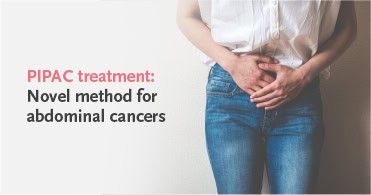
Abdominal cancers are among the most common cancers across the world. These include ovarian cancer, stomach cancer, colon cancer, appendicular cancer and other tumours. Thanks to the advancements in medical science, with the rise of incidence, various treatment options are also becoming available.
For most abdominal cancers, one of the most conventional and effective treatments involved is chemotherapy. It is advised when the cancer cells have substantially spread within the abdominal cavity and may also be given if the tumour recurs after surgery or other initial treatment.
Chemotherapy has been deemed effective when used in conjunction with other treatment methods. This form of treatment is injected or infused in liquid form through a needle in your vein. However, sometimes these options are not feasible for certain cancers due to a variety of medical reasons.
So what happens when multiple lines of systematic chemotherapy are exhausted? As technology has evolved, one such new and novel technique for abdominal cancers is PIPAC (Pressurized Intraperitoneal Aerosol Chemotherapy).
In this article, with insights from Dr Neeraj Goyal, a leading surgical oncologist in Delhi we will explore the benefits of PIPAC treatment for abdominal cancers.
Table of Contents
PIPAC is a minimally invasive method of administering chemotherapy in the form of an aerosol. In this advanced procedure, tumours are not surgically removed and chemotherapy is instilled directly into the abdominal cavity in the form of a spray via a laparoscope.
This procedure is performed under the effect of general anaesthesia at modular operating theatres with specifically trained clinicians. Usually, the PIPAC procedure takes nearly an hour.
PIPAC is an efficient treatment method when traditional chemotherapy deems ineffective. As well, it has a wide range of benefits compared to the conventional drug delivery system. Several studies have shown that this treatment alternative largely improves the overall patient experience.
A large number of patients have responded positively to the treatment as it has better tolerability. Through PIPAC, chemotherapy is administered in smaller dosages which in turn offers lesser toxicity and side effects for the patients. Another great advantage of PIPAC includes its ability of homogeneous drug distribution.
The distribution of drugs across all tissues is affected by a variety of factors such as plasma protein binding, overall body weight and body fluid spaces. However, in PIPAC, drug distribution takes place through a faster-repeated application resulting in better treatment outcomes.
PIPAC is most often used as a treatment option for final-stage peritoneal carcinomatosis. This is a rare form of cancer that develops in the thin layer of tissues that line the abdomen. It is usually offered to patients with cancers in the digestive system or female reproductive organs.
It should be noted that PIPAC is a palliative treatment option. It means that the approach of this technique is aimed at prolonging the patient’s life and preserving its quality as well as alleviating symptoms. It is not a curative treatment.
This state-of-the-art technique is offered in select centres such as The Oncology Centre at the CK Birla Hospital®. It is also offered to select patients who have not benefitted from other traditional chemo-delivery systems and is most often used for end-stage peritoneal carcinomatosis. Usually, a patient requires multiple sessions of chemo administration via this procedure.
PIPAC is a safe and efficient procedure. It has a lesser risk of complications and side effects as compared to systematic chemotherapy. However, there are a few side effects associated with this procedure. Common complications include slight pain and discomfort in your stomach and mild nausea.
There is substantial evidence on the effectiveness of this treatment and more data is emerging which reports superior survival rate and quality of life.
While PIPAC is still a new treatment, its results are looking highly promising with emerging data. Overall, it is an encouraging new treatment offering better outcomes for eligible patients with abdominal cancer and is worth considering when other options have been exhausted.
For more information on the treatment of abdominal cancers, book an appointment at the CK Birla Hospital.
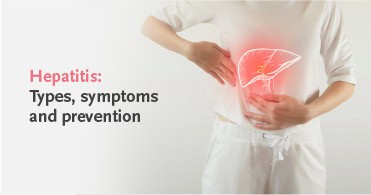
Hepatitis is a highly prevalent health problem across the globe. In India alone, nearly 40 million people are affected by this condition. Despite its high incidence, there is insufficient awareness about the disease and its treatment.
In this article, with insights from Dr Anukalp Prakash, a leading gastroenterologist in Gurgaon, we will discuss everything you need to know about hepatitis.
Table of Contents
Hepatitis is the inflammation of the liver. It is caused by a variety of reasons including infectious viruses, autoimmune diseases and side effects of certain medications and drugs. Hepatitis largely deteriorates the ability and function of the liver affecting a person’s quality of life.
There are five main types of hepatitis virus – Hepatitis A, B, C, D and E.
Hepatitis A – It is the most common type of viral hepatitis. Hepatitis A is an acute, contagious disease that spreads through the intake of contaminated food and water.
Hepatitis B – Hepatitis B is spread through the transmission of bodily fluids such as semen and vaginal fluids. The safest way to avoid being affected with Hepatitis B is to practice safe sexual activity.
Hepatitis C – This viral infection is found in the blood and bodily fluids like semen and vaginal fluids.
Hepatitis D – Hepatitis D is a more serious and rare type of infection. It is only present in patients who are already affected by Hepatitis B.
Hepatitis E – Hepatitis E is caused as a result of poor sanitation and uncontaminated water supply.
Other types of hepatitis include alcoholic and autoimmune hepatitis.
Different strains of hepatitis have distinct symptoms. Most types have mild or no symptoms at all. It is, however, important to note and track the symptoms in the initial stages of the disease onset. Common signs and symptoms include:
Your diagnosis protocol and treatment journey for a hepatitis infection depend upon the type of infection, the severity of symptoms and your overall health. Your gastroenterologist will examine your physical health as well as perform certain tests and procedures to diagnose the condition. Hepatitis is treated through anti-viral medicines and adequate rest. Your healthcare provider will make a personalised care plan to meet your medical needs and alleviate your symptoms.
Also Read: 8 Signs Your Liver Is Healing
Most types of viral hepatitis can be effectively prevented. Listed below are some approved tips to help avoid contracting this condition:
Vaccination – Vaccines are key aspects of preventing hepatitis. Presently, vaccination is available to prevent hepatitis A and B.
Hygiene – Maintaining clean and good sanitation practices in your everyday routine can help prevent hepatitis. Avoid consuming uncooked and raw food items and drink purified boiled water.
Safe sexual practice – Hepatitis B and C can be transmitted through unprotected intercourse. It is important to practice safe sex using barrier protection to avoid this disease as well as other STIs.
Hepatitis A, B, C, D or E, if left untreated, can cause severe and fatal complications such as liver failure, liver cancer and cirrhosis. It is, thus, important to stay informed and aware of the early signs and preventive measures of viral hepatitis.
For more information on hepatitis prevention and treatment, book an appointment with Dr Anukalp Prakash, Department of Gastroenterology at the CK Birla Hospital.

