Filter :
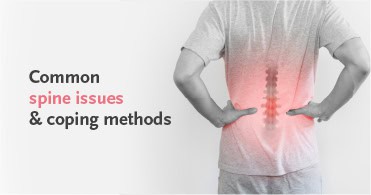
Back problems? You are not alone. Each one of us may have suffered from back pain or related issues at least once in our modern lives. These issues are especially common in young working-class adults as well as older adults. According to the QI Spine Clinic 2017 Insights Report, people between the age group of 16-34 years make up for 20% of back and spine patients.
Back pain is amongst the top indicators for spine issues. It is important to know the cause of your troubling symptoms so you can take timely preventive action and medical treatment.
In this article, with insights from our leading orthopaedic experts, we will be discussing some common spine issues experienced by a majority of the Indian population.
Slipped disc – A slipped disc happens when the cushions of tissues in your spinal column protrude out. Common symptoms include lower back pain, neck pain, difficulty in bending and muscle weakness.
Cervical Spondylosis – This condition is a result of ageing and chronic wear and tear of the spinal discs in your neck. It is very common and typically worsens as you grow old. It is identified by pain and stiffness in the neck, lack of coordination and difficulty walking.
Muscle strain – Most of us spend a lot of time in front of our electronic gadgets leading to bad posture. Incorrect postures and overuse can cause muscle strains on our neck and back.
Scoliosis – Scoliosis is the sideways curvature of the spine. It is mostly diagnosed during adolescence. Common symptoms include back pain, pinched nerves, uneven shoulders or waist and body leaning towards one side.
Osteoporosis – Osteoporosis is a condition caused by weakened bones in the spine. It is often characterised by symptoms including back pain, stooped posture and damaged bones.
Whiplash – Whiplash is a neck injury resulting from sudden jerking or back and forth movement. If you are suffering from whiplash, you may experience pain and stiffness in the neck, headache, back pain, fatigue and light-headedness.
Compression fracture – With regular overuse and wear & tear, your bones can become weak causing various thin lines of cracks and fractures. This condition can lead to chronic pain.
The spine problems mentioned above can be avoided. Here are some handy tips to help prevent these back issues:
– Use sleep to rejuvenate the spine: Use a firm or medium-firm mattress and keep your spine naturally aligned by using a pillow to match your sleeping position
– Devote 15 minutes every day to strengthen your core: Perform these basic stretching exercises
– Wear shoes that support your spine: Good fit shoes provide a supportive base to help the spine and body remain in alignment by preventing pronation or supination
– Lift right by leading with the hips: Unsupported lifting may cause your spinal joints to lock or your spinal discs to rupture. It is best to lead with the hips rather than shoulders and keep your chest forward while lifting heavy weights
– Take breaks: After every hour stand up from your desk or sitting position and walk around
– Correct your posture: Remind yourself and your friends to stop slumping over the desk, practise good ergonomics and keep correcting posture after every 20-30 minutes. This will prevent loading of the lower spine and release pressure form the lumbar discs
– Enjoy the benefits of massage: Moderate-level massage offers a number of therapeutic benefits such as increasing blood flow, reducing inflammation, loosening tight muscles and connective tissues, restoring spinal range of motion, and boosting feelings of relaxation
– Water therapy: Exercise in a pool to reduce downward stress on the spine and reap the benefits of gentle resistance through friction which can strengthen the back
– Soothe your pain with heat therapy: Heat application increases blood flow and brings healing nutrients to the muscles and may provide relief from muscle spasms as well
– Pay attention to warning signs: Left untreated, problems with the spine can worsen and turn serious. Listen to your body and don’t overdo it at the gym or at work, or self-medicate to relieve symptoms. Seek medical care to learn about your spine and take the right course of treatment
Besides the above, you should also avoid smoking to improve your back strength. Smoking restricts the flow of nutrient-rich blood to your spine making it weak. Living a healthy lifestyle that includes regular exercise, staying hydrated, maintaining body weight, getting rest and lowering stress levels can help your back in the long run.
These are simple ways to support your spine and even in chronic conditions, these small changes will aid the healing process over time.
For more information on spine health, book an appointment with Neck and Back Injury doctors at the CK Birla Hospital.

Pregnancy is an exciting time in a couple’s life. Expecting parents, wholeheartedly, wait for their newborn’s arrival before and during the course of 9 months. However, some babies arrive a little too soon.
In this article, with insights from Dr Shreya Dubey, a leading neonatologist and paediatrician in Gurgaon, we will learn about prematurity, its health impacts on the baby and their management.
Prematurity or premature birth is when a baby is born before 37 weeks of pregnancy. It is also known as preterm birth and is divided into three categories – extremely preterm (less than 28 weeks), very preterm (28 to 32 weeks) and moderate to late preterm (32 to 37 weeks).
Preterm birth can happen for a variety of reasons. Your risk of prematurity increases if you have:
Prematurity heightens the risk of health concerns in a newborn. It increases your newborn’s risk of developing complications such as learning and visual disabilities, risk of infections and breathing difficulties. Therefore, preterm birth is often considered taboo in our society.
However, there is an urgent need for awareness and understanding among expecting parents regarding this taboo. While it is true that prematurity increases your child’s risk of health difficulties, there are several treatment protocols available to offer an effective and timely remedy to these problems.
Thanks to the various advances in medical science, it is possible to not only treat but prevent the complications associated with prematurity.
Preterm babies are given comprehensive, compassionate care in advanced surroundings. Hospital infrastructure, today, are equipped with state-of-the-art technologies and modular units such as Level III Neonatal Intensive Care Unit (NICU) and Special Care Baby Unit (SCBU). Through this, the neonatology team is able to meet the baby’s unique medical needs at the right time.
The advanced medical care units offer a wide range of services including mechanical ventilation, intravenous nutrition and artificial surfactant for babies with complex medical problems. The treatment alternatives vary depending upon the symptoms, age and general health of the newborn.
Today, medical experts are able to identify and understand the causes of prematurity and build specialised care protocols. The ideal preventive measure is to understand these causes before or during the course of pregnancy and labour.
Expecting mothers should seek a tailor-made antenatal care routine that offers end-to-end support. Your antenatal program should include advanced prenatal tests and screenings, comprehensive counselling and guidance regarding your birthing plan. Some expert-approved ways through which you can prevent prematurity include:
Prematurity is highly prevalent across the globe. According to the World Health Organisation (WHO), nearly 3,519,100 preterm babies are born in India each year. The high incidence also corresponds to the evolving treatment measures.
Prematurity should no longer be considered taboo as there is a wide range of management and care protocols to heed to preterm babies. Preterm babies can have a nourishing life with the right guidance and timely intervention of a skilled neonatologist.
For more information on child health, book an appointment with Dr Shreya Dubey at the CK Birla Hospital.
For a vast majority of women, pregnancy is a noteworthy milestone in her life. This phase of life is, however, accompanied by immense levels of nervousness and concerns. From preconception to postpartum, a woman’s health undergoes remarkable changes. It is, thus, important that every mom-to-be receives personalised care throughout this journey.
So how is this focused care given? The answer is antenatal care.
In this article, Dr Anita Bansal, a leading obstetrician in Delhi NCR, discuss the importance and elements of antenatal care.
What? Antenatal care is the care that a woman receives during her pregnancy via a skilled healthcare professional. It includes diagnosis and treatment of health concerns and pregnancy complications, preventive measures such as immunization and specialised guidance regarding healthy behaviors.
You will be offered a variety of services during your antenatal appointments. Common services include:
Why? Antenatal care offers personalised information, awareness and access to medical tools to prepare you for pregnancy and parenthood.
When? While some pregnancies arrive as a surprise package, others are thought through and well planned. In both scenarios, the earliest access to antenatal care is the right approach. Women seek comprehensive care while trying to conceive or within the first trimester of pregnancy.
Where? Antenatal care is not the job of a single caregiver. At the CK Birla Hospital, we offer the support of a collaborated care team that includes your obstetrician, anesthetists, midwife, nutritionists, counsellors, lactation educator and support staff.
How? You will receive varying elements of antenatal care depending on the stage of your pregnancy, your medical history, your general health and the health of your fetus.
For more information on our antenatal services or personalised guidance, consult with our top Anenatal Care Specialist in Delhi NCR. Call +91 124 4882248 to book an appointment.
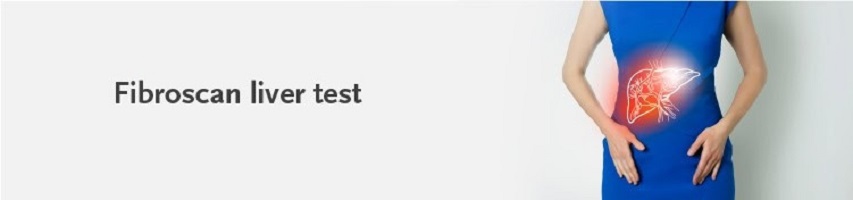
Indian delicacies have made way for a sedentary lifestyle which in turn has welcomed several health concerns for us. One such health concern is the growing incidence of chronic liver diseases. According to the World Health Organisation (WHO), liver diseases affect every 1 in 5 Indians and is considered the 10th most common cause of death in the country. It is, thus, important to keep a check on your liver health and preserve it with utmost care. The CK Birla Hospital is offering a fibroscan liver test to help you achieve the same.
Visit the CK Birla Hospital on 3rd December 2021 & 17th December 2021 between 11.00-13.00 hrs.
Table of Contents
Fibroscan test is also known as Liver Elastography. It is a painless, non-invasive diagnostic test that uses ultrasound technology to determine the health of your liver.
Primarily, the fibroscan test helps your gastroenterologist in identifying the degree of fibrosis or scarring in your liver. This scarring can be a result of a wide range of liver conditions. Common conditions for which your doctor may indicate fibroscan liver test include:
A fibroscan test helps in measuring the extent of scarring and fatty change in your liver. This test measures the stiffness of your liver and allows your healthcare provider to evaluate your condition and design a personalised treatment protocol. Through this test, your doctor can identify the causes and types of diseases that may be impacting your liver function.
It is sometimes done in conjunction with other tests such as ultrasound, imaging tests and blood tests.
Earlier, invasive techniques like liver biopsy were used to analyse a patient’s health. However, thanks to the advancements in medical science, tests like the fibroscan liver offer precision-driven results and an enhanced patient experience.
Benefits of a fibroscan liver test:
Gastroenterologists order fibroscan tests for patients who display symptoms of liver diseases. This test may also be indicated to people who have a higher risk of developing liver conditions, which include:
You may seek a fibroscan test if you are experiencing the following symptoms of liver damage:
Anyone who wants to gain a better understanding of their liver function can opt for this test.
You can fibroscan liver test at the CK Birla Hospital, Gurgaon on 3rd & 17th December 2021.
Fibroscan test is done using a specialised, state-of-the-art machine. This technology makes use of the velocity of vibration waves (shear waves ) to determine the hardness or stiffness of the liver.
You will be asked to fast for at least 2 hours before the test. Ensure to wear comfortable clothing to allow easy access to your rib cage. You should make sure to inform your doctor if you are pregnant or have any implants or pacemakers.
Your healthcare provider will ask you to lie down on your back. He/she will apply a water-based gel on your skin and then place an ultrasound-like probe over the area where the liver is located. Using this probe, your doctor will produce certain vibration waves to evaluate the stiffness of your liver. You can expect to experience a gentle flicking sensation every time a vibration is passed.
Your healthcare provider will remove the water-based gel using a washcloth and proceed to prepare the results.
The fundamental objective of a fibroscan test is to understand the levels of scarring on your liver. Higher levels of stiffness reading yielded from the test indicate higher levels of scarring or damage.
Fibroscan of liver normal ranges from 2.5 kPa to 75 kPa (kilopascals). Your fibroscan test results are used by your gastroenterologist to understand the progression of the disease and plan a treatment protocol that meets your unique health needs.
The results of a fibroscan liver test require expert insight. Your results may be difficult to comprehend if:
Fibroscan test price in India varies from INR 1500- 5000. The CK Birla Hospital, Gurgaon is offering a fibroscan liver test for adults on 3rd December 2021 & 17th December 2021. Based on your test results, our expert gastroenterologists will provide personalised guidance and management or preventive measures.
Call +91 11 41592200 to know more or book an appointment with our leading gastroenterologist.
Ans: A fibroscan is usually performed by a gastroenterologist.
Ans: A fibroscan is used to detect the extent of scarring or fibrosis caused by several conditions in your liver.
Ans: You can get a fibroscan in Gurgaon at the CK Birla Hospital.
Ans: You can reduce your fibroscan score by making significant lifestyle changes such as limiting salt intake, taking medicines to remove excess fluid in your body and exercising every day.
Acquired immunodeficiency syndrome (AIDS) is a chronic and potentially fatal disease caused by the human immunodeficiency virus (HIV). By damaging your immune system, HIV affects your body’s ability to fight infections and disease.
HIV/AIDS is a sexually transmitted infection (STI). It can be transmitted through infected blood or from mother to child during pregnancy, childbirth or breastfeeding. Without medication, HIV can take years to weaken your immune system and even turn it into AIDS.
There is no cure for HIV / AIDS, but medication can significantly slow the progression of the disease.
Table of Contents
HIV and AIDS symptoms vary, depending on the infection phase.
If you think you have HIV/AIDS virus or you are at risk of contracting the virus, seeking medical help is always a good option.
HIV is caused by a virus and can spread through sexual contact, blood transfusions, or from mother to child through childbirth, pregnancy, and breastfeeding.
Following are some of the simple steps you can do to avoid getting HIV/AIDS or its transmission-
Treatment should begin as soon as possible after an HIV diagnosis. The main treatment for HIV is antiretroviral therapy, a combination of daily medications that prevent the virus from multiplying. This helps protect CD4 cells and keeps the immune system strong enough to work against the disease.
Antiretroviral therapy helps prevent HIV from turning into AIDS. It also helps reduce the risk of transmitting HIV to other people.
If the treatment is successful, the viral load is “undetectable”. The person still has HIV virus, but not seen in the test results. And if that person stops taking antiretroviral therapy, the viral load will rise again and HIV can attack CD4 cells again.
The theme of World AIDS Day 2021 is “End inequalities. End AIDS” on this occasion, WHO emphasizes on End inequalities. End AIDS. End Pandemics.
Ques: What are HIV symptoms in men?
Ans: HIV symptoms vary from person to person but are similar in both women and men. These HIV symptoms can come and go or become progressively worse.
If a person is exposed to HIV, they may also be exposed to other STIs like-
Ques: What are HIV symptoms in women?
Ans: Both men and women have similar symptoms of HIV, but women with HIV are at increased risk for:
Ques: What are the stages of HIV/AIDS?
Ans: There are 4 stages of HIV/AIDS-
Ques: What is the difference between HIV and AIDS?
Ans: Human immunodeficiency virus (HIV) is a virus that attacks the human immune system, but AIDS is a term used when HIV has caused the immune system.
Ques: What is the difference between HIV1 and HIV2?
The differences between HIV1 and HIV2 are-
Fibroids are small growths in the uterus, and the condition is so common that around 1 in 3 women develops them at some point in their life. In many cases, fibroids don’t need to be removed, and they often shrink over time, especially after menopause. Many women only detect by chance that they have uterine fibroids during a routine checkup. However, once you know that you have fibroids, you might be anxious, especially for women of childbearing age who may have concerns about the possible effects on their fertility.
In this article, Dr Keerti Khetan, Obstetrician and Gynaecologist at CK Birla Hospital, will discuss what fibroids are and what causes them? She will also discuss different options for fibroid removal surgery and what are the different conditions when you need treatment?
Table of Contents
Fibroids are common, but it is difficult for doctors to determine who has them because not everyone has symptoms. According to various estimates, fibroids can affect between 20-80% of the female population under the age of 50.
Although fibroids can sometimes grow to a larger size, they are often very small. Many people with fibroids don’t know they have them. People with asymptomatic fibroids should consult with doctors for a better understanding of their fibroids.
Several factors are responsible for your chances of developing fibroids, including:
Fibroids are diagnosed during a regular health check-up by doctors. These fibroids can also be observed during a gynecologic exam, a pelvic exam, or prenatal care. Sometimes heavy bleeding and other symptoms related to fibroids may alert your doctor to examine fibroids as a part of the diagnosis. With the help of different tests, a doctor may confirm fibroids, and these tests are:
Although people with no symptoms sometimes do not require any surgery, some show symptoms and these individuals may require surgery. Following are some of the symptoms of fibroids, including-
You should consult your doctor if you experience any kind of discomfort or pain. Fibroids are treatable, and with the help of treatment, your symptoms can be improved.
There are mainly four types of fibroids found in the uterus-
Your doctor will create a treatment plan for you after taking into consideration your medical history, your age, and the size of fibroids. A doctor may also suggest a combination of treatments for you.
A doctor may prescribe you different medications to regulate your hormone levels and shrink fibroids.
Traditional surgical procedures involve:
If you have multiple fibroids, very deep fibroids, or large fibroids, the doctor may do open abdominal surgery to remove the fibroids. The scars after the abdominal surgery can affect future fertility.
This surgery is performed to remove the uterus, the only permanent solution for fibroids. Hysterectomy is major surgery, and it may affect your fertility.
In this procedure, the doctor will put a small catheter in the uterine artery or radial artery. This small catheter will help in blocking the flow of blood from the uterine artery to the fibroids. The loss of blood flow will automatically shrink the fibroids and will improve your fibroids symptoms.
RFA is a safe and effective treatment option for women with symptomatic fibroids. RFA can deliver through transvaginal, transcervical, or laparoscopic approaches.
Not everyone with fibroids needs surgery. In most cases, people with no symptoms of fibroids can consult with a doctor to know the need for any treatment. Try not to leave these fibroids untreated. In some cases of fibroids, a doctor can treat it successfully with medication, such as hormonal birth control pills. The doctor may also suggest pain relievers and other management strategies to ease fibroid symptoms. After menopause, fibroids can shrink or disappear by themselves, so women nearing menopause having no severe symptoms may opt to postpone treatment after doctors’ consultation.
Fibroids surgery can be a life-changing step for women whose fibroids and their symptoms are conflicting with their quality of life. Surgeries can improve many aspects of a woman’s health and life. For any information regarding uterine fibroids, you can book your appointment or call at +91 124 4882248.
In general, you can not prevent fibroids, but you can reduce the risk of having fibroids by maintaining healthy body weight and getting regular pelvic examinations.
Ans. Yes, you can get pregnant if you have uterine fibroids. Before planning pregnancy, you can go for pelvic examinations and other health check-ups. If you are diagnosed with fibroids, your doctor will suggest to you how to move forward by a monitoring plan for the fibroids. In some cases, fibroids can trigger infertility, and it can be difficult to point out the exact cause of infertility. But women with fibroids can become pregnant after receiving proper fibroid treatment.
Ans. There are some home remedies, and natural treatments for fibroids, including:
Ans. The benefits of fibroid removal surgery depend on the type of surgery, and it may vary from person to person. In hysterectomy surgery, fibroids will never grow back. Some possible benefits are relief from pain and reduced bleeding.
Shoulder pain can start from the shoulder joint itself or maybe its surrounding muscles, tendons or ligaments. Shoulder pain affects the movement or activities of the arm or shoulder.
Several diseases and conditions such as gallbladder disease or heart disease that affect structures in the abdomen or chest can also cause shoulder pain. When shoulder pain is due to some other causes is called referred pain.
Usually, people try different shoulder pain relief exercises and physical therapy exercises for shoulder pain without proper guidance from an Shoulder Pain doctor. It is always advisable to consult with a shoulder pain specialist before taking any home remedies for shoulder and neck pain or shoulder pain relief exercises. It’s because the shoulder pain could be some underlying health issues, or sometimes it could worsen your shoulder pain. You can connect with our expert shoulder specialist at the CK Birla Hospital in Gurgaon for the best treatment options and recommendations.
Table of Contents
Several conditions and factors can contribute to shoulder pain. The most common cause is rotator cuff tendinitis (which affects the muscles and the tendons that help in moving shoulder joints).
Other causes of shoulder pain include:
Depending upon the possible causes, symptoms may vary from person to person. These symptoms include:
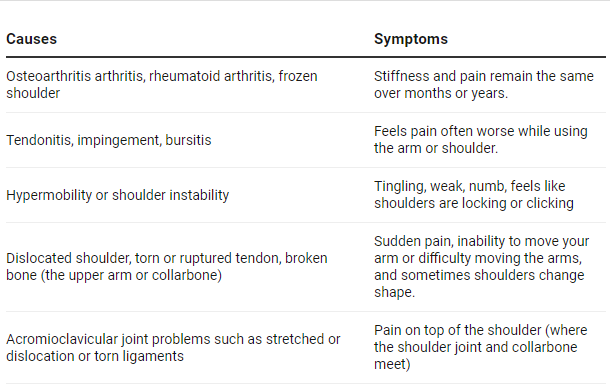
Some signs that need medical attention are;
If you are having similar issues related to shoulder pain or looking for an expert for shoulder pain relief, you might connect with Dr Praveen Tittal, leading shoulder specialist in Gurgaon, or book an appointment with the CK Birla Hospital today.
You can do a few things and avoid a few things to relieve shoulder pain by yourself. If your shoulders still hurt the same, seek medical attention.
Things you should consider;
Things you should avoid;
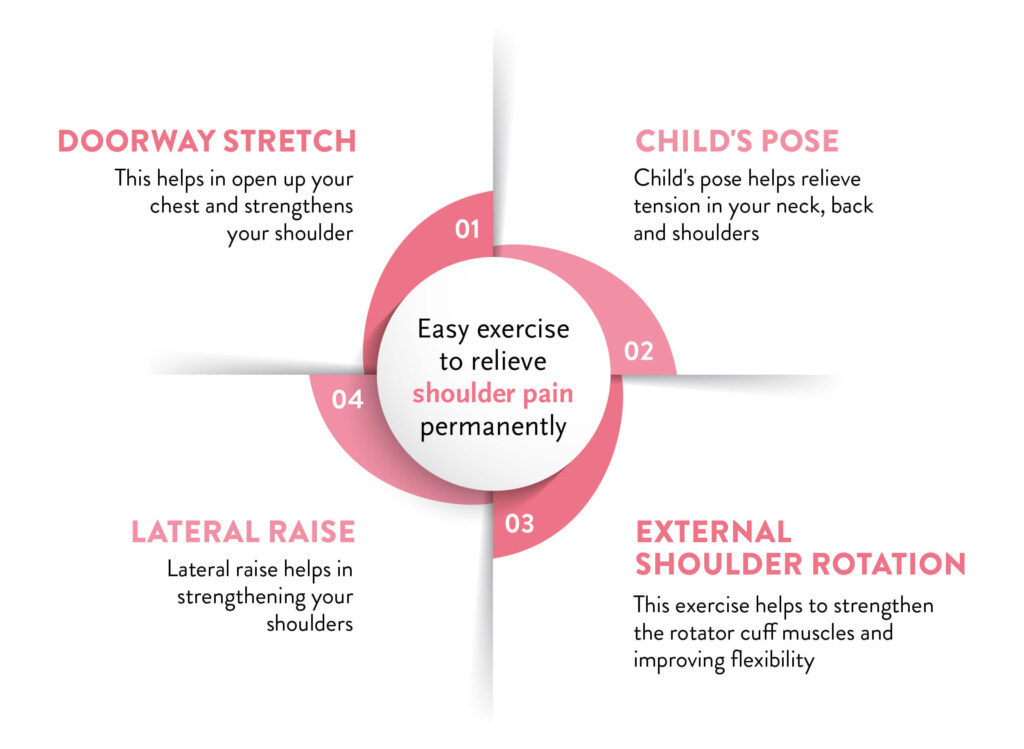
In case you are experiencing any kind of shoulder pain or you want to get immediate shoulder pain relief visit the shoulder specialist today. For more information, book an appointment with our expert orthopaedic surgeons at the CK Birla Hospital or call us at +91 124 4882248.
Ques: How do I get my shoulder to stop hurting?
Ans: Here are tips for helping shoulder pain to get better:
Ques: What are some Indian home remedies for shoulder pain relief?
Ans: Following are some of the best home remedies for shoulder pain relief:
Ques: What is the best pain reliever for shoulder pain?
Ans: There are many options for pain relievers for shoulder pain. Nonsteroidal anti-inflammatory medications (NSAIDs) can help to relieve pain and reduce inflammation. Over-the-counter drugs like ibuprofen and naproxen are also helpful in relieving shoulder pain. Before taking any medications, consult an expert shoulder surgeon.
Ques: What is the main cause of shoulder pain?
Ans: The most common cause of shoulder pain is when rotator cuff tendons are trapped under the bony area in the shoulder. The tendons become damaged or inflamed. This condition is known as rotator cuff tendinitis or bursitis.

Through the course of life, a woman’s body undergoes several changes. While some changes are natural, others can be unexpected and anxiety-inducing such as breast lumps. If you feel a lump in your breasts, the first thought that you are likely to have is that of breast cancer. While breast cancer is the most common cancer in India accounting for nearly 14% prevalence, it is not the only disease leading to lumps. Benign (non-cancerous) breast lumps are also highly common. However, benign or malignant, scarless removal of breast lump is possible.
A breast lump is a localised growth of tissue within the breast. These tissues may or may not be cancerous.
When a woman experiences this atypical growth, she, expectedly, have upheavals of emotions including fear, worry and panic. The next thought in line follows the breast lump removal that again causes distress. It is because according to popular opinion, a breast lump removal surgery leaves a lasting scar that can impact your self-image.
Nonetheless, advances in medical science have evolved and introduced a new technology for scarless removal of breast lump – Vaccum Assisted Breast Biopsy.
In this article, Dr Rohan Khandelwal, leading breast surgeon at the CK Birla Hospital, explores this technology, vacuum assisted breast biopsy indications and weighs its pros and cons.
Table of Contents
Vacuum assisted breast biopsy (VABB) is an innovative tissue sampling technique. It is a dynamic procedure in which your surgeon can remove a sample of breast tissue through minimal access.
Vacuum assisted breast biopsy allows surgeons to access breast abnormalities (benign and malignant) through a small and single incision without leaving any scars.
A breast biopsy is indicated when a patient displays symptoms of breast abnormality or when she undergoes her routine screening based on her risk factors of the concerned disease. However, an open breast biopsy is not considered a highly preferable option among patients as it causes an altered appearance of your breast which can be a distressing experience.
As vacuum assisted breast biopsy is a scarless breast surgery intervention. VABB is indicated for both diagnostic and therapeutic reasons.
Vacuum assisted breast biopsy indications include:
Vacuum assisted breast biopsy is indicated for the patients lower probability of coming for a follow-up procedure. It may also be recommended in case the patient feels extremely restless and anxious.
Breast lump removal as a vacuum assisted excision biopsy is done with the use of state-of-the-art medical equipment.
Vacuum-assisted breast biopsy for breast lump is a minimally invasive procedure. The removal is done under the influence of anaesthesia to numb the pain. It can be performed in three ways:
A mammogram exam is used to create real-time images of the insides of your breast. After you are given anaesthesia, your breast surgeon will first locate the breast tissues with the help of an ultrasound. After your surgeon has precisely located the tissues, he/she utilises the vacuum assisted instrument and inserts a special biopsy needle in your breast. Then, he/she draws out several tissue samples.
After taking enough tissue samples, your surgical team may insert a small titanium marker clip into your breast. This is not be done for every patient. This step is offered to patients who have a higher likelihood of follow-up surgery. A small marker clip makes it easier for the surgeon to locate the area of abnormality later.
After the tissue sampling is done, your surgeon will only sterilise the area. Stitches are not required in this procedure. If the procedure is being for diagnostic purposes, the sample will be sent to the laboratory for analysis. If the procedure has been to treat an abnormality, the healing period of your treatment journey will begin.
In this procedure, your surgeon uses both mammogram exam followed by an ultrasound to more accurately locate the breast lump tissues.
This guidance type is preferred when the abnormal tissue growth is too small to be visualised only through a mammogram. The rest of the procedure follows the same steps as done with the mammogram-guided scarless breast surgery.
When the breast lump tissues are even smaller, an MRI guidance is used that allows the surgical team receives higher levels of precision to accurately insert the needle. A small needle is placed in your arm to insert a specific liquid dye to enable your surgical team to visualise the lump.
Proceeded surgery is similar as mentioned above.
VABB is a very advantageous technique in comparison with open surgical biopsy. Some of the common benefits of this procedure include:
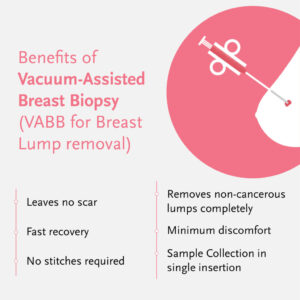
Scarless removal of breast lump through vacuum assistance is a highly safe method. However, as with other surgical procedures, this biopsy also has the possibility of certain risks and complications.
Common side-effects include:
Your surgical team will closely monitor your condition and observe you for a while to avoid any complications, should they occur. Your breast surgeon will give personalised instructions on how to care for your breast.
Scarless removal of breast lump is already a boon for patients with benign breast disease. However, the added benefits and comfort of vacuum-assisted procedure enhances their treatment journey largely.
To know more about scarless breast surgery, book an appointment with Dr Rohan Khandelwal, a leading breast surgeon in Gurgaon or visit the CK Birla Hospital.
Ques: Can you get breast lump surgery with no scarring?
Ans: Yes, scarless breast surgery is progressing intervention. Various techniques are available for this procedure for enhanced patient experience and satisfaction.
Ques: Is vacuum assisted breast biopsy painful?
Ans: No, since the procedure is performed under anaesthesia, you will not feel any pain. However, you can expect to experience a slight amount of discomfort.
Ques: How long does a vacuum assisted biopsy take?
Ans: Vacuum assisted biopsy is a simple procedure that lasts only a few hours. You may be able to go home the same day if no complications arise.
Ques: When should a benign breast lump be removed?
Ans: A benign breast lump such as one caused by fibroadenoma should be removed at the earliest to alleviate symptoms and avoid the risk of complications or long-term implications of the disease.

A healthy pregnancy diet is essential for both the mother and the baby because what a woman eats and drinks during pregnancy is the ultimate source of nutrition for her baby. Experts recommend that a pregnant woman’s diet should include a mixture of healthy foods and beverages to provide vital nutrients for the growth and development of the baby.
In this article, Dr Deepika Aggarwal, a leading gynaecologist at CK Birla Hospital, Gurgaon, will discuss a healthy pregnancy diet, including what a pregnant woman should eat and what to avoid, and why.
There is no fancy formula for a healthy diet during pregnancy. The basic principles of a healthy diet during pregnancy remain the same: eat plenty of fruits, vegetables, whole grains, lean proteins, and healthy fats. However, there are certain nutrients in the pregnancy diet that deserve special attention.
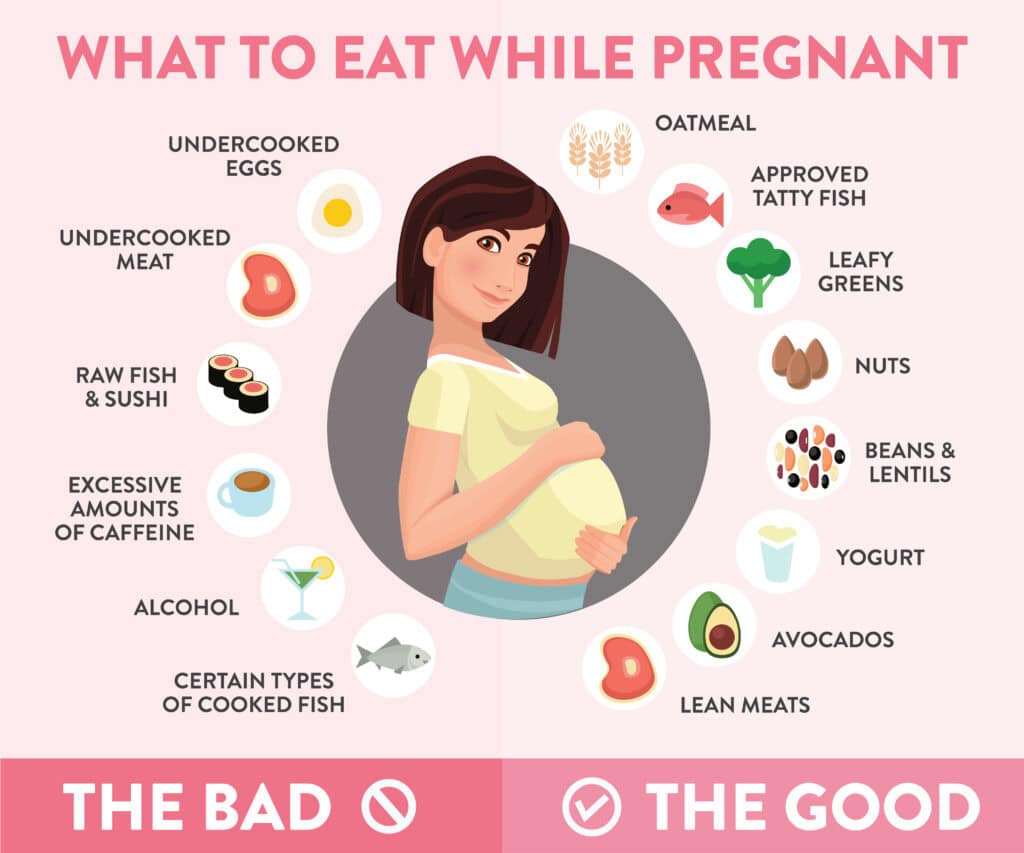
Table of Contents
Pregnant women tend to get numerous tips about the dos and don’ts from various sources like family, friends and the internet. Some expectant mothers believe that they have to eat for two but that’s not true. Quality matters more than quantity. So, instead of eating too much unhealthy food, the key is to focus on healthy food to ensure that you and your baby get all the required nutrients.
Listed below are some essential nutrients required during pregnancy:
Starches are a good source of vitamins and fibre. They will help you to satiate without having too many calories. Carbohydrates are a macronutrient that your body uses as an energy source for muscles and organs such as the heart, lungs, and brain.
Abundant sources are vegetables (sweet potatoes, corn, and potatoes), bread, pasta, rice, and fruits. Foods that contain carbohydrates in smaller amounts include milk, yoghurt, and legumes such as beans.
Protein is vital for a baby’s growth during pregnancy. Have at least three to four daily servings in a day. Healthy animal protein sources include- fish, lean meat, chicken, and eggs. All pregnant women, and vegans, in particular, should consider the following foods to be good sources of protein:
You need to have a healthy daily intake of calcium. Pregnant females require approximately 1 gram of calcium per day. The deficiency of calcium during pregnancy may affect bone metabolism or may affect fetal growth.
Dairy products like milk, cheese, and yoghurt are high in calcium. Some foods rich in calcium include soymilk, soybeans, Chinese cabbage, bok choy, broccoli, okra, beans, mustard greens, kale, and soy nuts.
Whole grain products like whole-grain bread, rice, whole-wheat pasta, fruits, vegetables, legumes like beans and lentils are high in fibre. Women usually develop constipation during pregnancy; so consuming lots of fibre is effective in minimizing this risk. Eating an adequate amount of fibre during pregnancy reduces the risk or severity of haemorrhoids.
During pregnancy, healthy fats are essential for a baby’s brain and eye development. A good source of healthy fats are nuts, avocados, and plant-based oils (including sunflower, corn, soybean, and olive oils).
Some types of fish such as salmon, tuna, herring, and trout are rich sources of good fat. Fat is very high in calories, so eating much or eating too often can lead to obesity.
During pregnancy, 40-90 grams of fat each day is sufficient for a healthy diet routine. Eating too much-saturated fat can also increase the level of cholesterol in your blood.
Zinc is an essential trace element. It is helpful in growth and development, cell integrity, and various biological functions such as protein synthesis and nucleic acid metabolism.
Hence, zinc is vital for the development of the baby. The best sources of zinc are chicken, turkey, beans, peanut butter, nuts, ham, shrimp, crabs, oysters, red meat, fish, dairy products, sunflower seeds, ginger, onions, bran, wheat germ, rice, pasta, cereals, eggs, lentils, and tofu.
Your body uses iron to make haemoglobin, which carries oxygen to your tissues. During pregnancy, you need twice as much iron as you would normally. Low iron levels in early and mid-pregnancy can lead to iron deficiency anaemia and increase the risk of low birth weight and other pregnancy complications.
It can be tough to meet your iron needs with meals alone, especially if you are a vegetarian or vegan. Those who are non-vegetarians can consume lean red meat to increase the amount of iron in the diet. For vegetarians, dark green leafy vegetables, such as spinach, dried fruit, like raisins and apricots, will be a great option.
Folate (vitamin B) helps to prevent neural tube defects, brain and spinal cord abnormalities. Folic acid supplements can reduce the risk of premature birth. Folate is extremely important for the foetus, especially in the first trimester. Taking folates in the form of dietary supplements might not be enough.
Extra vitamin supplements may be required to complete the daily recommended dosage. For women planning to get pregnant, the international guidelines suggest the addition of 400 micrograms of folate to their diet in the form of vitamin supplements prior to pregnancy, and 600 micrograms daily during pregnancy.
You can find folate in broccoli, brussels sprouts, leafy green vegetables (such as cabbage, kale, spring greens and spinach), peas, chickpeas, and kidney beans.
Watch the video in which one of the top obstetricians & gynaecologists explains the importance of Folic acid during pregnancy:
Even with a healthy diet, you can miss out on some essential nutrients. Taking prenatal vitamins daily- ideally at least three months before conception, can fill the nutritional gap in the body.
Your doctor can recommend special dietary supplements if you are strictly vegetarian or have a chronic illness. If you want to take any herbal supplements during pregnancy, take advice from your doctor.
Here is the list of foods to eat during pregnancy that are considered good food for pregnancy.
1. Vegetables and fruits
Vegetables and fruits are full of nutrients. Adding a variety of these to your diet will likely provide you with most of the vitamins, minerals, and fibre that you and your baby need. Eating fruits and vegetables also help to prevent constipation, a common symptom during pregnancy.
2. Eggs
Most of the nutrients that a person needs can be found in eggs. Eggs are rich in protein and high-quality fat and they are very important for pregnant women. They are one of the few sources that offer choline which is important for brain and heart development.
Neural tube defects and lack of proper brain function can be the result when choline isn’t taken adequately. So, 1-2 eggs per day, at least 4 times a week is good to be included in the diet regime.
3. Dark and green leafy vegetables
Kale, spinach, broccoli and other green leafy vegetables contain lots of Vitamin A, C, K, iron, folate, calcium, and potassium. The antioxidants and plant compounds in green vegetables help avoid anaemia and improve the immune system. This also helps in bringing down chances of low birth weight. Consuming any one of these food options every day is a good choice.
4. Dairy products
The child in the womb need lots of protein and calcium. Dairy products can contribute the required amount of protein in form of whey and casein. These products are also rich in calcium, phosphorus, magnesium and zinc.
Vitamin B requirements can also be met with the consumption of dairy products. Expectant mothers can take yoghurt, which also helps in maintaining the health of the digestive system. If you can get probiotic yoghurt, this could be a great way to maintain good digestive health during pregnancy.
5. Legumes
Vegetarian food lovers can find all protein, iron, folate, and calcium in legumes. Plant-based foods like beans, soybeans, peanuts, and chickpeas can ensure the pregnant mother gets enough B9 or folate.
This vitamin is essential to ensure low birth weight and neural tube defects are ruled out. Opting from these various choices for 1 serving per day, 4 times a week is recommended.
6. Oily fish such as Salmon
The abundance of omega 3 fatty acids in Salmon makes it a vital food for pregnant women. Long-chain omega 3 fatty acids, DHA and EPA, are very crucial during pregnancy.
These play a critical role in the development of the brain and eyes of your baby. Salmon is also one of the very few sources of Vitamin D found in nature. Include oily fish in your diet 3 times a week.
7. Whole grains
Fibres, vitamins and proteins are found in proper amounts in whole grains. Calorie requirements are high from the 4th month of pregnancy and whole grains like oats and quinoa help in meeting these needs.
8. Lean meat
More iron in the diet is required during pregnancy, particularly during the 3rd trimester, Iron is essential to deliver oxygen to the cells. A lack of iron in the diet may lead to severe anaemia, premature delivery and low birthweight. Lean meat, which includes, beef and pork are a must during pregnancy.
9. Berries
Vitamin C, fibre and good carbs are abundant in berries. Vitamin C is needed to absorb iron and a lack of Vitamin C can mean the iron you consume in your diet may not be absorbed by the body and therefore can go to waste. Berries are also of low GI, and perfect for expectant mothers who are worried about their increasing sugar levels.
10. Avocados
Monosaturated fatty acids required during the antenatal period can be met by including avocados in your diet. Avocados also contain the essential B vitamins, Vitamin K, E and C. Acidity experienced during pregnancy can be soothed with this fruit.
11. Dried fruits or nuts
An assorted variety of dried fruits is a tasty snack and can provide all nutrient requirements to expectant women. Prunes are an excellent source of Vitamin K, potassium and sorbitol. Dates are an abundant source of iron and fibre. Consuming dates every day in the 3rd trimester can help in faster dilation of the cervix.
Some foods are considered not so good during pregnancy for you and your baby’s health. These are:
It is equally important to debunk some common myths related to eating during pregnancy.
Myth 1: Avoid eating to treat nausea
Some women are under the impression that avoiding eating during pregnancy can reduce morning sickness. This is a myth believed by many, on the contrary, taking a dry toast right in the morning even before getting out of bed can reduce the chances of morning sickness.
Cravings and aversions to certain food items are common in pregnancy. Cravings are often the body’s way of saying that it is lacking in certain types of nutrients. It is perfectly okay to indulge moderately, however, do not overdo it.
Myth 2: When pregnant, eat for two
Eating for two during pregnancy is a common misbelieve. A pregnant woman does not need to eat twice as much. The calorie requirement of the body during pregnancy increases gradually over the period. In the first trimester, a pregnant woman needs almost the same amount of calories as she would have had in a non-pregnant stage.
The maximum calorie requirement reaches its peak in the third trimester, up to 500 calories only. Weight gain of 10- 15 kgs is considered to be ideal, according to the pre-pregnancy BMI, the amount of ideal weight gain may vary slightly.
Having a healthy, balanced and nutritious diet during pregnancy is extremely important not only for the health of the mother but also for the baby. The calorie requirements of a pregnant woman increase by 300 to 500 calories during the second and third trimesters of pregnancy.
Diet having a lack of certain important nutrients can affect the growth of the baby adversely. A healthy diet during pregnancy helps in keeping the pregnant woman healthy, adequate growth of the baby, uneventful delivery and an effective and healthy weight loss post-delivery.
Your growing baby is just waiting to sip all of these high nutrient foods from your complete pregnancy diet. For more information on a healthy pregnancy diet or any personal enquiry with Dr Deepika Aggarwal, you can book an appointment or call at +91 124 4882248.
Ans: If you are pregnant or trying to conceive, then you should avoid eating raw papaya. Raw or unripe papaya contains a latex substance that may cause uterus contractions. Papaya or papaya enzymes are sometimes responsible for soothing indigestion, which is common during pregnancy.
Ans: It’s always important to eat healthily and a balanced diet, and it is even more essential during pregnancy because the food you eat is the only source of nutrients for the baby. However, several women don’t get enough iron, calcium, vitamin D, folate, or protein during pregnancy. If a pregnant woman does not eat enough, it can lead to malnutrition. That means the body is not getting enough calories to maintain good health.
Ans: No, it’s a myth that a pregnant woman must eat for two. During pregnancy, the body increases the need for nutrition and calories. Always ask your doctor about the recommended weight gain during pregnancy. After the doctor’s consultation, follow a pregnancy diet plan for eating nutritious foods to gain a healthy weight during your pregnancy.
Ans: Craving for sweets during pregnancy may indicate the result in a drop in blood sugar. To avoid this situation, you must eat small and frequent meals. These small meals may help you to avoid eating too much sugar.

