Filter :

If you’ve recently discovered your triglyceride levels are on the higher side, know that you’re far from alone, especially with a diet as rich and flavourful as ours. Triglycerides—the blood fats formed from the extra calories our bodies don’t burn right away often build up quietly, posing a hidden risk to heart health long before any symptoms appear. If you’re looking for practical guidance on how to reduce triglycerides naturally through everyday lifestyle changes, you’re in the right place. In the sections ahead, we’ll walk through how mindful eating, regular movement, and simple lifestyle adjustments can help restore healthier levels over time. And whenever you need expert guidance along the way, our cardiologists are here to support you with personalised, up-to-date care for a healthier heart.
Table of Contents
You’ve likely heard of cholesterol, but triglycerides are equally important for managing your cardiovascular health. Triglycerides are a type of fat (lipid) naturally found in your bloodstream. When you eat food – especially meals high in calories—your body converts any calories it doesn’t immediately need into triglycerides. These are then stored in fat cells for future energy use.
The relationship between triglycerides and your body is straightforward: your liver produces triglycerides, and your intestines absorb them from food. Both sources contribute to your overall triglyceride level. When this level becomes elevated, it increases your risk for heart disease, stroke, and other serious health conditions.
Understanding your triglyceride levels is essential to managing your heart health. Triglycerides are measured in milligrams per deciliter (mg/dL) of blood. Here’s what your levels mean:
| Triglyceride Level | Classification | Risk Level |
| Less than 150 mg/dL | Normal / Desirable | Low risk |
| 150-199 mg/dL | Borderline High | Moderate risk |
| 200-499 mg/dL | High | Elevated risk |
| 500 mg/dL or higher | Very High | Very high risk |
Note Range: Most health experts recommend keeping triglycerides below 150 mg/dL. An optimal level is under 100 mg/dL, particularly if you have a personal or family history of heart disease.
High triglycerides don’t just affect your blood numbers—they increase your risk for serious health complications. Elevated triglycerides are often a sign of metabolic syndrome, a cluster of conditions that includes:
Together, these factors significantly increase your risk for heart attack, stroke, and type 2 diabetes. This is why addressing high triglycerides through diet and lifestyle is so important.
High triglycerides develop through a combination of lifestyle habits, medical conditions, and genetics. Understanding what causes your elevated triglycerides is the first step toward managing them effectively.
Several health conditions increase triglyceride production or impair your body’s ability to clear them:
Paradoxically, some medications can raise triglyceride levels:
If you suspect your medications are affecting triglycerides, discuss alternatives with your doctor—never stop medications without medical guidance.
Some people inherit a tendency toward high triglycerides (familial hypertriglyceridemia), even when following a healthy lifestyle. If you have a family history of high triglycerides or early heart disease, genetic testing and early intervention may be beneficial.
One of the most challenging aspects of high triglycerides is that they rarely cause noticeable symptoms—meaning many people don’t know they have elevated levels until a blood test reveals it. This is why routine triglyceride screening is important.
However, in cases of severely elevated triglycerides (above 500 mg/dL), physical symptoms may appear:
If you experience abdominal pain, unexplained skin bumps, or know your triglycerides are severely elevated, contact your doctor immediately. These symptoms require medical evaluation and potentially urgent treatment.
The most effective way to lower triglycerides is through therapeutic lifestyle changes (TLC). Here are 8 lifestyle strategies, ranked from most to least impactful:
Refined sugars are the primary dietary culprit in elevated triglycerides. When you consume sugar, your liver converts excess amounts directly into triglycerides.
Refined carbohydrates (white bread, pastries, processed snacks) behave similarly to sugar in your body, causing blood sugar spikes that trigger triglyceride production.
Soluble fiber (found in oats, beans, apples, and citrus) binds to triglycerides and cholesterol, helping your body eliminate them while slowing digestion.
Fatty fish are among the most effective dietary interventions for lowering triglycerides by reducing production in the liver.
Trans fats raise triglycerides and lower good HDL cholesterol. Avoid commercially baked goods, fried foods, margarine, and items listing “partially hydrogenated oils.”
Alcohol is high in sugar and calories. If you have elevated triglycerides, eliminating alcohol entirely is ideal. If choosing to drink, keep limits strict (no more than 1 drink daily for women, 2 for men).
Physical activity burns triglycerides directly and improves metabolic health.
| Type | Frequency | Duration | Benefit |
| Moderate cardio (brisk walking) | 5x/week | 30-40 min | Burns 200-300 kcal/session |
| Vigorous cardio (running) | 3-4x/week | 20-30 min | Burns 400-600 kcal/session |
| Strength training | 2-3x/week | 30-40 min | Builds muscle, improves metabolism |
Expected benefit: Exercise can lower triglycerides by 20-30% within 3 months.
Losing 5-10% of body weight can significantly improve triglyceride levels, particularly by targeting visceral abdominal fat.
Also Read – Best Foods for Healthy Weight Loss Journey
If lifestyle changes alone don’t lower triglycerides sufficiently after 3 months, your doctor may recommend medical therapy:
Triglycerides and cholesterol are both fats (lipids) in your blood, but they serve different functions. Understanding this distinction is critical to managing both effectively.
| Feature | Triglycerides | Cholesterol |
| Primary Function | Stores unused energy from food | Builds cell membranes, hormones, vitamin D |
| Source | Liver production + dietary intake | Liver production + dietary intake |
| When It Rises | After meals (especially high-sugar/high-carb) | Gradually from dietary saturated fat |
| Measurement | Single value (total triglycerides) | Total + HDL (good) + LDL (bad) |
| Heart Risk | High levels increase heart attack/stroke risk | High LDL + low HDL increases risk |
Your triglyceride level is an independent predictor of heart disease. Even if your cholesterol level numbers look good, high triglycerides alone increase your risk significantly. This is why doctors now measure triglycerides alongside cholesterol as part of routine cardiovascular health assessments.
The “metabolic triad” that signals danger is:
If you have two or more of these markers, aggressive lifestyle modification is essential.
Yes. A fasting lipid panel should include triglycerides and both HDL and LDL cholesterol. Many people discover they have normal cholesterol but high triglycerides, which is why both deserve attention.
Like other parameters, triglyceride is a determinant of good health. If you are experiencing high triglyceride levels, dietary changes can reduce triglycerides and bring and boost your general health. The measures listed in this article can help reduce triglycerides. These expert recommendations are practical and can be applied to your everyday life without additional effort.

Does your partner often complain about your snoring? Do you wake up tired after a full night’s sleep? Do you experience interrupted sleep and feel sleepy during the day? If so, then this article is for you. Disrupted sleep, snoring, difficulty in breathing and poor sleep quality are some attributes of a common sleep disorder – obstructive sleep apnea (OSA). According to a study, nearly 22% of men and 17% of women in India suffer from OSA. This condition is more prevalent in men compared to women.
In this article, with insights from Dr Kuldeep Kumar Grover, a leading pulmonologist at the CK Birla Hospital, we will explore everything you need to know about obstructive sleep apnea.
Table of Contents
Obstructive sleep apnea (OSA) is one of the most common sleep-related disorders. It is a type of sleep apnea.
Sleep apnea is a condition in which a person experiences interrupted sleep due to breathing difficulties. It causes you to stop and start breathing at varying intervals several times in your sleep.
There are mainly two types of sleep apnea:
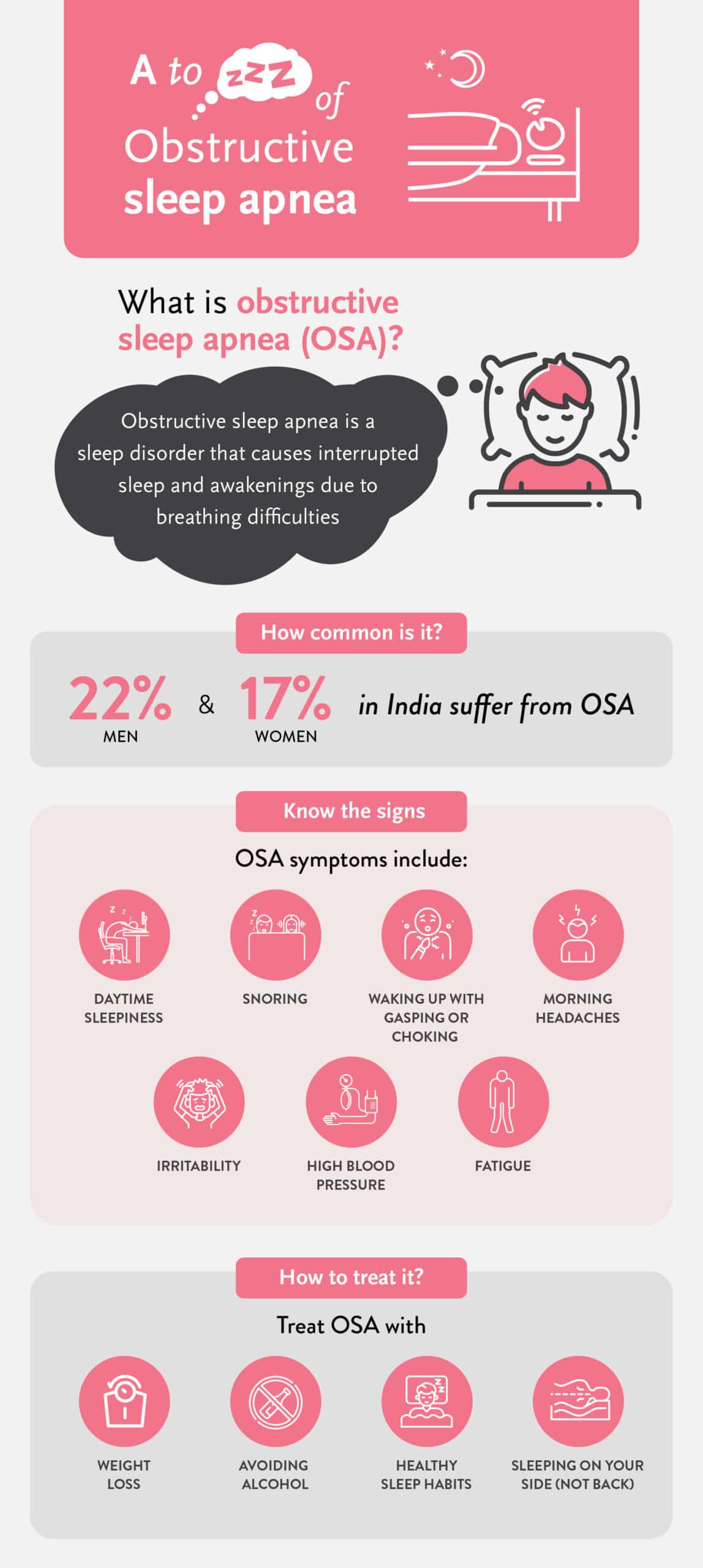
The signs and symptoms of OSA affect every individual differently. Common obstructive sleep apnea symptoms include:
Some of the above-given symptoms overlap with symptoms of other, underlying medical conditions. For instance, loud snoring is not necessarily an indicator of OSA. Your healthcare provider will be better able to overcome these diagnosis dilemmas and provide a comprehensive outlook and understanding of your condition.
Obstructive sleep apnea symptoms can be life-threatening if not addressed in a timely manner.
Obstructive sleep apnea in children is different from that in adults. OSA symptoms in children may be as obvious. Common symptoms include:
The muscles in the back of your throat offer support to the structures in your mouth including your soft palate, uvula, tonsils and tongue. Obstructive sleep apnea causes when these muscles relax more than what is required for normal breathing.
In this condition, your throat muscles relax making your airways more narrow or close during breathing. Due to this narrowing of airways, you experience a disruption in breathing for longer than 10 seconds. Disrupted breathing, in turn, can cause a drop in the oxygen levels in your blood and a build-up of carbon dioxide.
When breathing is hampered and your oxygen levels dip, your brain signals you to reopen your airways to continue breathing normally. Most of the time, this awakening signalled by the brain is so short that you do not usually remember it.
However, in this condition, you are likely to experience such short awakenings due to breathing difficulty nearly 5-30 times or more each hour. This leads to a highly disturbed, disrupted sleep.
While obstructive sleep apnea causes can affect anyone at any age, some people are more vulnerable to developing it than others.
You have a higher chance of experiencing OSA if you experience the following:
Obesity: Overweight or obese people are more likely to suffer from sleep apnea. It is because extra fat deposits around the upper airways can cause breathing difficulties easily.
Advanced age: Your risk of OSA grows as you advance in age. People who are older than 60 years of age are more likely to be affected by this condition.
Genetic factors: A family history of sleep apnea can make you more susceptible to this disease. It is also because of the inheritance factor of naturally narrowed airways.
Underlying health problems: OSA is more common in people who live with underlying medical problems such as hypertension, asthma and diabetes.
Chronic nasal congestion: If you live with chronic nasal congestion, you will have a greater problem breathing during sleep.
Smoking: Smoking cigarettes affect your respiratory health making you more vulnerable to OSA.
Usually, obstructive sleep apnea is detected when an individual presents with the above-given symptoms and complaints. Your healthcare provider will take your complete personal and family history of the disease, present-day symptoms and evaluate your overall health.
He/she may further recommend certain tests to diagnose the condition properly such as polysomnography and home sleep apnea test.
Obstructive sleep apnea treatment is based on factors including your unique symptoms, underlying health conditions and age.
Listed below are some common obstructive sleep apnea treatment methods:
Based on your lifestyle choices and general health, your healthcare provider will recommend making the following modifications:
Positive airway pressure is a therapy that helps in reducing the number of respiratory events. While an oral device such as a mouthpiece is an appliance designed to improve your sleep quality by keeping your throat open and relieving OSA.
Obstructive sleep apnea can be treated with surgical interventions including the removal of tissues from the back of your throat, upper airway stimulation and jaw surgery.
If you are suffering from mild obstructive sleep apnea symptoms, you can take the following measures for relief:
If obstructive sleep apnea is not treated properly and timely, it can have serious complications. Untreated OSA can result in:
Daytime sleepiness & fatigue: Obstructive sleep apnea can negatively impact your sleeping habits and health making it difficult for you to have a proper, sound and restful sleep. A lack of full sleep can leave you drained and fatigued.
Cardiovascular problems – Narrowed upper airways can lead to a decrease in oxygen levels in your blood. This drop directly impacts your heart health and leads to a range of cardiovascular problems including abnormal heart rhythms, coronary artery disease, heart attacks, heart failure and strokes.
Medicinal and surgical complications – Certain medications and general anaesthesia used for surgical procedures can further narrow your upper airway making it more difficult to breathe properly during sleep.
Eye problems – Studies have found that obstructive sleep apnea can result in an increased risk of developing eye complications such as glaucoma.
Problems in your relationships – Troubling symptoms of OSA such as loud snoring can also put a strain on your relationship with your partner as such symptoms may also affect their sleep.
Other problems caused by untreated OSA include:
Obstructive sleep apnea (OSA) is a highly prevalent condition, especially among Indian men. It can, however, be effectively treated if you receive medicinal intervention and guidance before the condition progresses.
Your treatment is entirely dependent on your unique health markers, symptoms and lifestyle. It is, thus, important to consult a Sleep Apnea Doctor who can help you in understanding your risk and guide you to live a better, healthier lifestyle in order to improve your quality of sleep and quality of life.
Learn about your risk of obstructive sleep apnea through a one-on-one consultation with Dr Kuldeep Kumar Grover, a leading pulmonologist in Gurgaon.

COVID19 has become a regular part of our lives and our news updates. The global pandemic has been constantly evolving into different variants – each with its unique set of symptoms and health impacts. India has so marked close to 4.26 crore cases of COVID19. During the dawn of these cases, a new and rare infection has been reported among COVID recovered patients. Black fungal disease or popularly known as the black fungus has concerned the nation and world, at large.
In this article, with the help of expert insights from Dr Rajiva Gupta, a leading internal medicine specialist at the CK Birla Hospital, we will explore the symptoms, causes, recovery and treatment of black fungal disease.
Table of Contents
The black fungal disease, scientifically known as Mucormycosis, is a rare but serious fungal infection. The origin of this disease is a fungus (called Mucormycetes)that develops from a mold that grows on decaying organic matter.
Black fungus infection affects individuals with a weakened immune system.
Black fungus disease is identified by a range of symptoms affecting the skin and respiratory function of a person. This fungal infection can affect your brain, skin, lungs, and gastrointestinal system.
Common black fungus symptoms include:
Mucormycosis is an airborne infection, meaning that it can transmit and spread through air droplets. The fungus causing this disease is present in the environment in animal dung, compost, soil, leaves, manure and rotting fruits and vegetables.
The black fungus can enter your body through open wounds in the skin or breathing and present itself through the above-given symptoms. Once the infection enters your body, it can damage your blood vessels.
Black fungus is not contagious, that is it cannot spread from one person to another. However, you can come in contact with airborne droplets carrying mucormycetes.
Researchers know that black fungal disease spread in people who have weakened immunity. The number of black fungus cases is growing significantly in recovering or recovered COVID patients. It is because the medications used in the treatment of coronavirus are immunosuppressants (that is, they further reduce immunity). COVID medications also increase your blood sugar levels, further lowering your immune defences.
Due to a compromised immune system, COVID patients are more vulnerable to developing black fungus. Hence black fungus COVID is becoming very prominent and progressing largely.
Besides COVID19, a weak immune system resulting from other underlying medical conditions can also make an individual susceptible to developing black fungus.
Here are some common health problems and treatments that weaken your immunity and hence increase your chances of developing this disease:
Black fungal disease can be life-threatening for patients who have the above health problems.
Black fungus infection can be prevented with the application of certain precautionary measures. Here are some steps you can take to help prevent this disease:
The primary element of prevention is to strengthen your immune system. If you are suffering from COVID19, your healthcare provider will provide certain guidelines to help enhance your symptoms, overall health and immunity. Irrespective of being affected by COVID, you should eat a healthy diet that includes nutrient-dense, immunity-boosting foods.
In order to prevent black fungus, it is inevitably important to prevent COVID. You should follow stringent safety measures that include wearing a face mask, maintaining social distancing, avoiding large gatherings and getting vaccinated.
An unhygienic environment is a fundamental cause for the spread of black fungal infection. Whether you are at your home or at a healthcare facility receiving treatment for COVID19, make sure to take care of your surroundings and practice good hygiene. Wash your hands frequently, improve air ventilation and sanitise high-touch surfaces.
Take extra care of your skin by cleansing and moisturising daily in order to remove dead skin cells and dirt from your body.
The black fungal infection spreads when you come in contact with decaying mould. Remain wary and stay away from mould-prone areas such as construction sites and gardens. In addition, try to cover your skin and exposed wounds properly by applying bandages, wearing full sleeves and covering your legs.
Black fungus is a rare disease and its symptoms present differently in every individual. The treatment protocol, hence, is also dependent on factors including your overall health, the severity of symptoms and age.
If you experience any of the aforementioned black fungus symptoms, you should consult a doctor to confirm the diagnosis. Your doctor will take your personal medical history, evaluate your symptoms and perform a manual health check. Further, he/she may order diagnostic tests including tissue biopsy, CT scan and examining the fluid sample of your nose.
Primarily, your healthcare provider will prescribe antifungal medication to help treat black fungus symptoms. These medications are aimed at relieving symptoms and bringing the infection under control.
However, if the infection is not treated in a timely manner, your doctor may recommend surgical treatment to remove dead skin tissues.
Black fungal disease is a rare and serious infection affecting a large population in India. Mainly, this infection is found in recovering or recovered COVID19 patients. Nonetheless, it has the potential of affecting people unaffected by COVID.
It is important to take necessary precautions during such critical times. Though, black fungus is treatable, preventing it should be the primary concern of all individuals.
If you are experiencing black fungus symptoms, consult Dr Rajiva Gupta, an internal medicine specialist at the CK Birla Hospital.
Q. Does Black Fungus affect only Covid patients?
No, the black fungus can affect anyone with a weak immune system. This infection can also develop in individuals who have compromised immunity due to underlying health problems such as diabetes and high blood pressure.
Q. Who are at higher risk of developing serious illness from COVID-19?
Elderly, people living with comorbidities, pregnant women or any other individual who is at a high risk of weakened immunity are susceptible to developing this disease.
Q. Is headache a symptom of black fungus?
Yes, black fungus symptoms include headache.

As you age, keeping your bones and joints healthy is important. Start loving your bones as your healthy bones and joints are your investment and so stop making excuses and work on building healthy and strong bones.
To keep all of your body’s systems running smoothly and your bones and muscles strong and healthy, convince yourself to consume the perfect balance of nutrients every day to maintain them throughout your life and allow your body to age well. The meal you eat should incorporate all essential nutrients like vitamins, minerals etc.
There are a variety of factors that need to be considered to maintain bones and joints because as you age, your bones and muscles start to deteriorate as well.
In this article, Dr Ashwani Maichand, an experienced orthopaedic surgeon, explains the best foods for strong bones and joints which will allow you to stay fit and eat what’s best for your body.
Table of Contents
A normal adult should eat food and consume nutrients as per the range required and is necessary for keeping the bones healthy and strong.
Below are foods that can help improve the way you provide nutrients and food to the bones.

No matter how much you hate it, still, you got to eat your green leafy vegetables. There is no way you can even think of skipping it because you may not feel the need for greens, but it surely is a favourite healthy snack for your bones.
Green vegetables like spinach contain a large amount of iron, vitamin A, calcium and fibre. And if you just can’t take spinach down your throat, then maybe try changing the way you eat it. Prepare a spinach smoothie for yourself and drink it right away.
You can also chop and saute the green vegetables as they are also an excellent source of vitamin K, which offers the bones the required calcium and magnesium.
These cruciferous veggies act as superfoods for strong bones. They help supply the nutrients needed to strengthen the bones and reduce the risk of bone conditions like osteoporosis, fractures, osteoarthritis, and rheumatoid arthritis. Green vegetables like kale, spinach, broccoli, cabbage and dark leafy green tops of turnips are foods to increase bone density.

There is a very famous saying, “an apple a day keeps a doctor away”, but in fact, the truth is any and every fresh and organic fruit can not only keep the doctor away but also help keep your bones away from severe pain and weakening. Banana is an excellent source of magnesium that helps activate and increase the content of vitamin D in the body.
Banana helps in digestion, strengthen the bones, keep the gut and intestines healthy. A healthy and well-balanced diet plan can help the body to absorb essential nutrients like calcium and magnesium

Leaving dairy products out of your daily diet plan would be a huge mistake. Dairy products are loaded with calcium, which is the most important nutrient that improves bone strength and helps treat joint discomfort.
Dairy products like cheese, milk, curd are beneficial for keeping the bones healthy for longer. Have you ever thought about why milk is best for bones? Because it not only comprises calcium but is also filled with protein, phosphorus, vitamin D, potassium and other minerals.

Fatty fish like salmon, tuna, sardines, and trout provide omega 3 fatty acids and vitamin D. It helps strengthen bone density and plays an essential role in improving joints and bones.
Fish oil helps to reduce bone loss in women, thereby preventing osteoporosis, heart-related issues, risk of thyroid and obesity. The fish is filled with anti-inflammatory elements that support the bones and joints.
It helps in reducing the stiffness in people caused due to bone diseases like osteoporosis rheumatoid arthritis. Therefore, it is essential that you include fish in your diet for strong bones and joints.
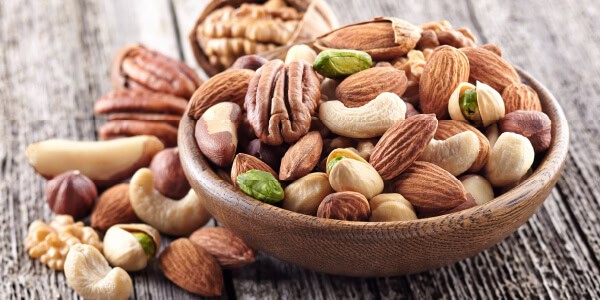
Nuts are a high source of calcium, magnesium and phosphorus, which help in improving bone health. Every day when you wake up, consuming 3-4 almonds, 2-3 cashews, 2 walnuts, etc., will always help keep your body healthy and strong.
So, eating dry fruits or nuts every day should become a part of your everyday diet plan. Infants, older people, pregnant women and all people who stay indoors should make sure to take extra care of their health to avoid any bone deteriorating conditions.
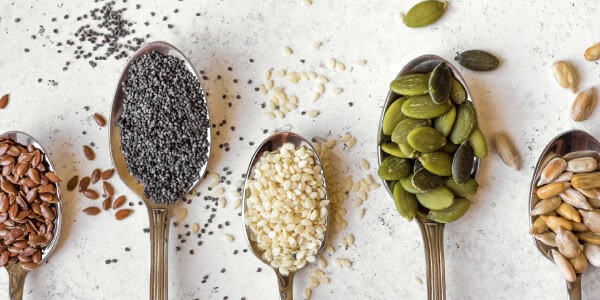
Seeds are filled with fibre, omega 3 fatty acids, magnesium, phosphorus, calcium and protein, and that is why they are simply known as superfoods.
Flax seeds, sunflower seeds, pumpkin seeds, chia seeds and sesame seeds are great and nutritious seeds to include in your diet.
You can add them to your smoothie, sprinkle them on a salad or just take a handful to strike that sudden craving to eat something.
Consumption of these seeds can help boost bone health and are beneficial in strengthening the muscles and joints.
Women who have reached menopause, especially at an early age that is around 40-45 years, are at a higher risk of getting affected with bone problems.
Women start to lose bone density fast after menopause as their ovaries stop producing estrogen, which acts as a protective shield on bones.
Eat a healthy balanced diet that includes calcium and vitamin D supplements that can help improve bone strength.
Vegetarian and vegan are two different things. Vegetarian and non-vegetarian people can consume their calcium and vitamins from fish and dairy products, but for vegans, it becomes difficult to consume the required nutrients at the right time.
Here are some excellent sources of calcium for vegan people
As stated in the above article, maintaining a healthy diet plan is an absolutely essential thing for keeping your bones and joints strong. Though every nutrient is important but food rich in calcium, vitamin D, and protein is the most vital nutrient to maintain healthy bones and prevent osteoporosis and the risk of rheumatoid arthritis.
And so, no matter what your age is, you have to focus on your diet and eat things that are right. If you eat food rich in nutrients, it will surely help keep your bones and muscles strong.
And even after eating the right food and taking the right diet, you still feel you are not getting enough, and you feel weakness in your joints or bones, you can book an appointment with Dr Ashwani Maichand, an experienced orthopaedic surgeon and understand more about the treatment plans and help you understand the right diet required for healthy bones.
Q. Which fruit is rich in calcium?
Fruits like banana, orange, papaya, kiwi, apricots and berries are high in calcium.
Q. What is the best supplement for strong bones?
Vitamin D and calcium is best for strengthening the bones but should only be consumed as per doctors recommendation.
Q. Can you take vitamin D and calcium together?
You can take both supplements together, but as every individual’s body differs, how a supplement would affect the body will also differ. Therefore, eat as per your doctor’s suggestion only.
Q. Is it better to take vitamin D every day or once a week?
As per NCBI, vitamin D taken regularly has been found to be more effective than taking it once a week.
Things you need to know
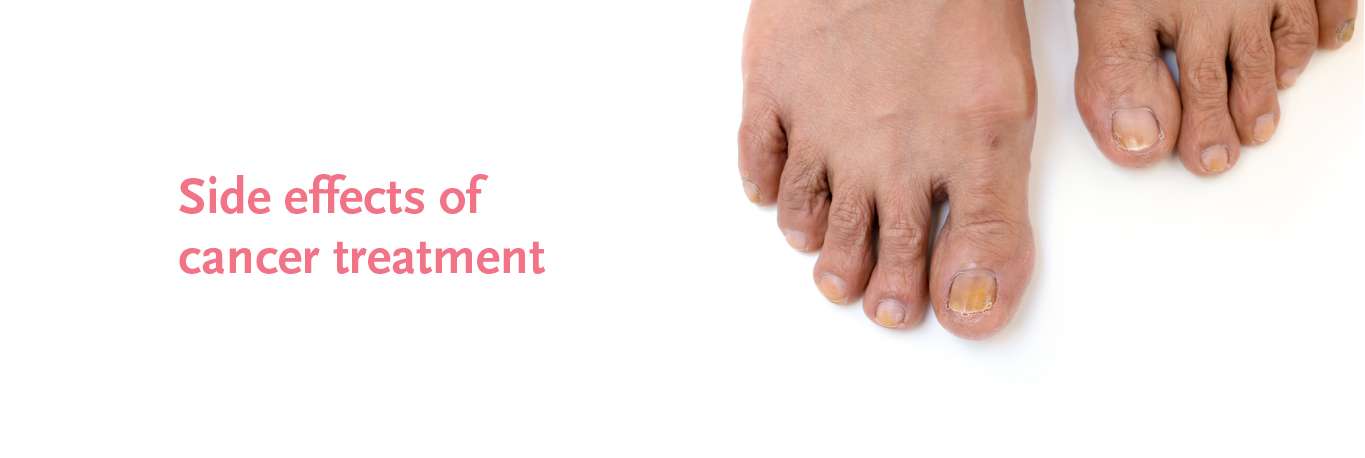
It’s important to examine, treat, and manage the long-term effects of cancer treatment on survivors. Complications depend on the type of cancer and the location in the body where cancer had earlier been affected.
Radiation therapy and increased dose of chemotherapy have may lead to adverse side effects. Every patient’s body may respond differently to the treatment, and so will be the side effects of cancer on their body, and to know the severity of the side effects, consult your specialist.
Remember, it’s difficult to analyse each individual’s side effects. Here are some common cancer chemotherapy side effects.
How many days after chemo do you feel better?
After chemotherapy, it takes approximately two to three months to feel better and lively. But each person’s treatment is different, so recovery time might also differ.
What percentage of chemo patients survive?
The success rate of every chemo patient differs, and there isn’t any fixed percentage to define the survival rate. Consult your specialist for a better understanding.
How many rounds of chemotherapy are considered normal?
Approximately 4 to 8 cycles of therapy are required over the course of treatment. Since after each round, your body needs rest, the number of cycles and duration of treatment varies.
Things you need to know:
It’s not always easy to control diabetes and keep blood sugar levels consistent, but it is essential to do a little planning, organising, and making sure it is well executed so that the risks of highs and lows are reduced.
It is necessary to maintain a routine that you are certain about and will be able to stick to in the long run because managing diabetics is the key to maintaining the right blood sugar levels all year long.
Examine again: Examine your blood sugar levels again before eating to have better clarity about the portion intake.
Nutritious meal: Always look for a healthy home-cooked meal to satisfy your hunger, which does not disturb your sugar levels.
Rest: If you are at home, rest for at least 30-45 minutes and if you are at work, relax for a while and go for a small walk.
Stay active: Walking, jogging, working out, light aerobics, or dancing can help you maintain a healthy weight and also help in keeping your blood sugar levels in control.
(Note: If you feel uncomfortable working out and experience low sugar, consult your doctor immediately.)
Snack time: Eat carrots, cherry tomatoes, cucumber, boiled eggs, or a handful of nuts.
Dinner: Avoid overeating at dinner time. Try eating small but nutritious portions to keep yourself full and healthy.
Relax: After having dinner, make it a habit to go for a little walk around your neighborhood to keep yourself active and fit.
Sleep: For people with diabetes, getting enough sleep is important because lack of sleep can make it more challenging to manage blood sugar levels. At least 6-7 hours of sleep is mandatory every night to function at their best the next day.
(Note: If you are experiencing trouble sleeping, consult your specialist. Sleep problems may be caused by either dip or rise in blood sugar levels.)
Recheck sugar levels: Before going to bed, always make it a habit to check your sugar level one last time.
Q. How often should I eat with type 2 diabetes?
You should eat at least 5-6 meals during the day.
Q. How long after taking insulin should I check blood sugar?
Wait for at least 2 hours after taking insulin to check the sugar levels.
Q. What is the miracle fruit that cures diabetes?
Jamun and blueberries are known to manage blood sugar levels.
Q. Is rice good for diabetes?
Rice can be included in the diet chart of diabetic patients but should be eaten in moderation.

Things you need to know
Table of Contents
Cancer might have started the fight with your body but make sure you finish the fight because cancer is only going to be a chapter in your book of life do not let it be your whole story. Its understandable that it is easier said than done, but it is equally important to be strong to face your fears and pick up a challenge to overcome cancer. So, exercising during and post-treatment will help you stay physically and psychologically fit.
Balancing exercises can help increase mobility and strengthen your muscles. Maintaining a good balance can help avoid fall injuries when fatigued and nauseous.
Stretching exercises can help improve flexibility and fix posture. Stretching can help repair the muscles by improving blood circulation. Radiation therapy can make your restrict your range of motion and tighten.
(Note: Make sure to consult your doctor before trying any exercises)
Breathing exercises can help improve the respiratory system as patients may feel shortness of breath during the cancer treatment. Breathing exercises also help relieve stress, make you feel less anxious, and help loosen the stiffness in your muscles.
Aerobics helps relieve tension and stress and elevate your heart rate to keep you healthy and away from several diseases. Aerobics can reduce heart diseases, high blood pressure, diabetes, obesity, and certain types of cancer. Aerobics can help you feel less exhausted during and after treatment by strengthening your heart and lungs.
(Note: Aerobics should be performed only after consulting the doctor.)
Before starting to work out and performing physical activities, always make sure that your doctor gives a green signal for exercising. Your exercise depends on the type of treatment and the type of cancer you are diagnosed with. Working out is important but working out safely and cautiously is more important. Below are some of the ways to do so:-
Q. What exercise is good for chemo patients?
There are plenty of exercises that are beneficial for the patients, but which works best might differ from individual to individual. So, it is recommended to consult a specialist.
Q. Can you exercise the day after chemo?
The decision to work out or not depends on how your body is responding. Though, it is advisable to avoid strenuous activities right after chemotherapy.
Q. Can you lift weights while on chemo?
It is beneficial t light some lightweight to help tone and strengthen your muscles
Q. Does exercise help cancer survival?
Each case and patient is different. But there have been studies with results that exercise can surely help reduce the risk of mortality in patients.

Things you need to know
It is essential to take a healthy and nutritious diet to keep patients healthy. Consuming a proper diet full of proteins, carbohydrates, vitamins, and minerals will help cancer patients get the essential nutrients.
General nutritional recommendations for cancer patients:-
Protein is necessary to heal the goo cells damaged during the treatment. It helps in repairing the tissues and maintaining a healthy immune system. Without protein, the muscles might start to lose and disrupt the energy required by the body to function. Cancer patients need more protein after chemotherapy, radiation therapy, or surgery.
Source of protein:
Carbs are the fuel to our body and are a significant source of energy. It helps in improving physical activity and enhances the functioning of the organs.
Source of carbohydrates
For a healthy body, intake of healthy fats is essential. Fats are broken down by the body and are used to store energy and transfer certain vitamins to the bloodstream. There are two types of healthy fats: monounsaturated fats like avocado, olive, peanut oil, and polyunsaturated fats like sunflower seeds, flaxseeds oil, seafood, and corn. Avoid using saturated and trans fats as they can affect your heart and increase cholesterol levels.
The majority of vitamins and minerals can be obtained in fruits and vegetables and in vitamin and mineral supplements. Your body will receive enough vitamins and minerals if you eat a diet rich in nutritious protein and carbohydrates.
To increase antioxidants intake, experts recommend eating a variety of fruits and vegetables rich in antioxidants. Avoid consuming antioxidant-rich supplements without consultation.
Q. What are the main objectives in nutrition intervention for cancer patients?
As per NCBI, nutrition intervention for cancer patients helps to detect, manage, and treat malnutrition using nutritional counselling with or without oral nutritional supplements (ONS) or artificial nutrition.
Q. Is cancer related to nutrition or the lack of nutrition?
Each person’s condition is different, and there isn’t any one cause that could have triggered cancer. An individual can do best for himself/herself is to follow a healthy and nutritious diet.
Q. What cancers are caused by poor nutrition?
Diet high in trans and saturated fat may lead to obesity and may also increase the risk of colon, breast, kidney, and gallbladder cancer.
When you become a mother, everything revolves around what would be best for your baby as you start prioritising your baby’s needs and health.
In this article, Dr Seema Sehgal, a leading obstetrician and gynaecologist in Gurgaon explains nutritional plans and diet best for breastfeeding moms out there.
Table of Contents
First-time moms are usually more worried and skeptical about what to eat and what to avoid while breastfeeding and believe me, this is perfectly normal behaviour.
They start being very cautious of their diet plan and ensure that it provides all of the nutrition required for the baby.
Post-delivery, the mother’s body produce milk the whole day. So you might think you need an extra amount of calories to keep yourself and your baby healthy. Breastfeeding does require an additional intake of calories, but it is not necessary to be too stringent about how many calories you take.
A diet chart for breastfeeding mothers should include nutrient-dense foods that assist your body and your baby’s growth and development.
New moms might still have their pregnancy weight on, and in such cases, your body already has those extra calories which will naturally be used for producing milk.
So too much intake of calories included in the diet plan of lactating mothers can also harm their body in the long run, especially when the baby starts consuming solid foods and the baby’s requirement of milk from mothers begin to decrease.
When breastfeeding, burning 200-500 calories a day is normal, so consuming the right amount of calories is essential, but overdoing it isn’t recommended.
Because the good news is that regardless of what you consume, your milk will most likely be adequate for your baby. At each stage of development, your body knows precisely what nourishment your kid requires.
Suppose you stayed within your doctor’s recommended weight throughout pregnancy and your postpartum weight is within normal ranges.
In that case, you shouldn’t need to worry about consuming any more or fewer calories than you already do, but still, if you have any doubts consulting your healthcare specialist is best.
Making the right nutritious choices will assist in stimulating the production of milk. Choosing foods rich in protein, vitamins, and minerals will help improve the growth and development of the baby.
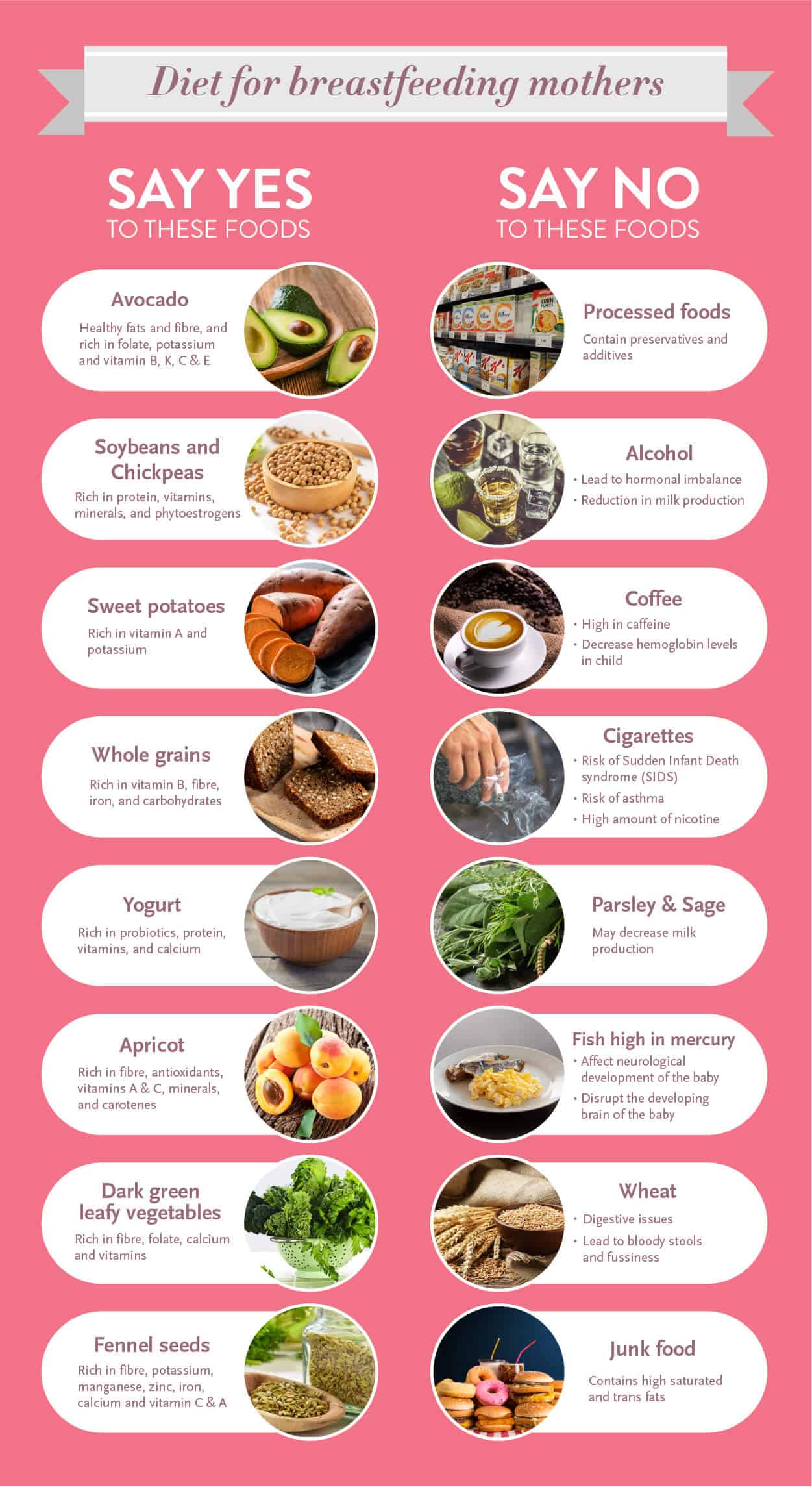
Due to the high consumption of calories, mothers do get the required nutrients essential for their health from avocado. So, avocados act as a nutritious powerhouse as it contains over 80% fat and helps sustain a sensation of fullness while also giving heart-healthy fats to your body.
Avocados are high in vitamin B, K, C and E, folate, potassium, along with other nutrients.
Beans and legumes are rich sources of protein, vitamins, minerals, and phytoestrogens, where phytoestrogens are known to boost milk production. Eating a variety of beans and legumes is beneficial to your overall health and maintaining healthy milk production.
Soybean and chickpea are some of the most nutritious foods to consume as they have been known to have the highest amount of phytoestrogens in them.
(Note: Please avoid soybean if your baby seems to be allergic to it.)
Sweet potatoes are rich in vitamin A and potassium. Vitamin A is required for improving eye health and immunological function and helps improve the health of the organs, including the heart, lungs, and kidneys.
Rice, bread, oatmeal are all rich in vitamins, minerals, fibre and carbohydrates. Being rich in carbohydrates and fibre, they help to keep you fuller for longer and also provides all the necessary nutrients required by the body, and fibre also helps in milk production.
Whole grains are also known to have properties that may help support the hormones responsible for making breast milk. Include- oatmeal cookies, healthy bread and brown rice in your diet during breastfeeding.
Yoghurt or yogurt is a convenient snack and is filled with probiotics, protein, vitamins and calcium. Include low-fat dairy products in your breastfeeding Healthy meal plan as it gives a concentrated amount of calories to help fulfil your body’s required energy needs.
Greek yoghurt is an excellent source of protein and is also available in different flavours so that you can choose as per your taste and mood.
Yogurt is also convenient to eat to consume even when you have very little time for yourself and are preoccupied with the baby’s needs.
Apricots are a great source of fibre, antioxidants, vitamin A, vitamin C, carotenes and minerals. It helps to keep the mother and the baby’s immune system healthy.
Dried apricots contain phytoestrogens, which aid in balancing the lactation hormones. Apricots act as friendly food buddies to breastfeeding moms. They’re one of the best lactogenic foods that can help with breast milk supply.
Dark green leafy vegetables like alfalfa, lettuce, kale, spinach, and broccoli are rich in fibre, folate, calcium, and vitamins. They include phytoestrogens, which may aid in the production of breast milk.
(Note: Too much intake of broccoli can harm the baby’s digestive system)
Fennel seeds are rich in fibre, potassium, manganese, zinc, iron, calcium and vitamin C & A. Fennel aids in the production of breastmilk as it is a well-known herbal galactagogue.
This substance may help in increasing the production of breast milk. Breastfeeding mothers can consume fennel seeds by adding a few seeds in tea, as a flavouring agent, and in the vegetables.
Processed foods might be easy and quick to prepare and eat but are very harmful and toxic to a baby’s health as it contains preservatives and additives.
It may leave your baby feeling irritated fussy. Processed foods can cause digestive problems and allergies to the baby.
Alcohol and breastfeeding don’t go hand in hand because there is no such thing as a safe amount of alcohol in breast milk for a baby to drink.
Some amount of alcohol reaches the breast milk, and once the baby is exposed to the alcoholic breast milk, the baby may have delayed motor development and also affect the baby’s sleep patterns.
Therefore, having too many glasses of alcohol can disturb a baby’s hormonal imbalances and reduce the production of milk.
During pregnancy and even after pregnancy, having too many cups of coffee can disturb the haemoglobin levels in the child. A moderate and recommended amount of caffeine intake would not harm the baby, but too many cups might lower the iron content in the milk.
Smoking has never been considered a good habit, even for mothers who aren’t breastfeeding. Smoking cigarettes can increase the risk of sudden infant death syndrome (SIDS) and breathing issues in children leading to asthma.
Though many women may not have seen any problems with parsley and sage, their intake may be low compared to women who noted a drop in milk production after eating parsley and sage.
Fish is a rich source of omega 3 fatty acids, but Breastfeeding mothers should avoid fish high in mercury at all costs.
Even in small amounts, Mercury can travel via breastmilk and harm the baby’s brain and nervous system. Fish heavy in mercury is tuna, swordfish, mackerel, orange roughy, ray, shark and ling.
Wheat-based food is nutritious, but it is not suitable for everyone, so it is critical to check how the baby is responding. Wheat-allergic babies may experience digestive problems, such as rashes, bloody stools, and fussiness.
Eating junk food once in a while will not harm you or your baby, but overeating junk food can harm the baby’s health. Mothers may put their children at risk of obesity and overeating as junk food contains high saturated and trans fats.
It is always best to test the food you eat, especially when you are breastfeeding. If you suspect your child has a food allergy, speak with your specialist immediately.
Depending on the intensity of the reaction, your healthcare practitioner may suggest avoiding a probable food for two to three weeks to see if it’s the real culprit behind the baby’s discomfort.
To know more about what to limit and what to love when you are breastfeeding, visit CK Birla Hospital or book your appointment with Dr Seema Sehgal, a leading obstetrician and gynaecologist in Gurgaon.

