Filter :
पेट शरीर का सबसे महत्वपूर्ण अंग है जो शरीर की कार्यप्रणाली में एक अमाह भूमिका निभाता है। शरीर में होने वाली अत्यधिक आंतरिक समस्याएं पेट से जुड़ी होती है। पेट खाना ग्रहण कर उससे शरीर को ऊर्जा प्रदान करता है। खान-पान में गड़बड़ी या दूसरी कारणों से पेट में कई तरह की समस्याएं पैदा होती हैं, पेट में दर्द होना भी उन्हीं में से एक है।
Table of Contents
पेट दर्द कई कारणों से हो सकता है, लेकिन अधिकतर मामलों में यह कब्ज, गैस, दस्त, सीने में जलन, अल्सर और गुर्दे की पथरी के कारण होता है। हालांकि, पेट में दर्द के अन्य भी कारण हो सकते हैं।
पेट में दर्द के कई लक्षण होते हैं। हालांकि, इसके मुख्य लक्षणों में निम्न शामिल हो सकते हैं:-
ये भी पढ़े: एसिडिटी से तुरंत राहत पाने के घरेलू नुस्खे
पेट में दर्द (Stomach Pain) कई कारणों से हो सकता है। पेट दर्द के मुख्य कारणों में निम्न शामिल हो सकते हैं:-
इन सबके अलावा, पेट में दर्द के दूसरे भी अनेक कारण हो सकते हैं जैसे कि दिल का दौरा और निमोनिया आदि।
ये भी पढ़े: ट्यूबरक्लोसिस क्या है – कारण, लक्षण और बचाव (Tuberculosis in Hindi)
पेट में दर्द (Stomach Pain) से राहत पाने के लिए अनेक तरीके मौजूद हैं। पेट के दर्द से राहत पाने के लिए घरेलू नुस्खों, अंग्रेजी दवाओं, आयुर्वेदिक दवाओं, होम्योपैथिक दवाओं आदि का उपयोग किया जा सकता है।
अगर पेट में दर्द का कारण बदहजमी, गैस, फूड पॉइजनिंग या कोई दूसरी सामान्य समस्या है तो दवाओं से इसका उपचार किया जा सकता है। अगर पेट दर्द का कारण कोई गंभीर बीमारी या समस्या है तो इस स्थिति में डॉक्टर सर्जरी का उपयोग कर सकते हैं।
पेट में दर्द के सटीक कारण की पुष्टि करने के लिए डॉक्टर जांच का सहारा लेते हैं। जांच का परिणाम आने के बाद, डॉक्टर पेट दर्द के कारण और मरीज की उम्र एवं समग्र स्वास्थ्य को ध्यान में रखते हुए उपचार के माध्यम का चुनाव करते हैं।
पेट में दर्द होने पर नीचे दिए गर खाद्य पदार्थों का सेवन किया जा सकता है:-
पेट में दर्द होने पर आपका डाइट कैसे होना चाहिए इस बारे में अपने डॉक्टर से बात करनी चाहिए। अपने मन मुताबिक पेट दर्द के दौरान किसी भी खाद्य पदार्थ का सेवन आपके लिए नुकसानदायक साबित हो सकता है।
जहां एक तरफ, पेट दर्द होने पर आपको कुछ चीजों का सेवन करने का सुझाव दिया जाता है, वहीं दूसरी तरह आपको कुछ खाद्य पदार्थों से परहेज करने को कहा जाता है। पेट दर्द होने पर आपको निम्न चीजों से परहेज करना चाहिए:-
पेट में दर्द होने पर ऊपर दिए गए खाद्य पदार्थों के सेवन से बचना चाहिए, क्योंकि ये पेट दर्द को बढ़ाकर दूसरी जटिलताएं पैदा कर सकते हैं।
पेट दर्द का घरेलू उपचार किया जा सकता है। अगर पेट में दर्द का कारण कब्ज, बदहजमी या कोई आम समस्या है तो कुछ खास घरेलु नुस्खों से इसका उपचार किया जा सकता है। पेट में दर्द का उपचार निम्न घरेलू नुस्खों से किया जा सकता है:-
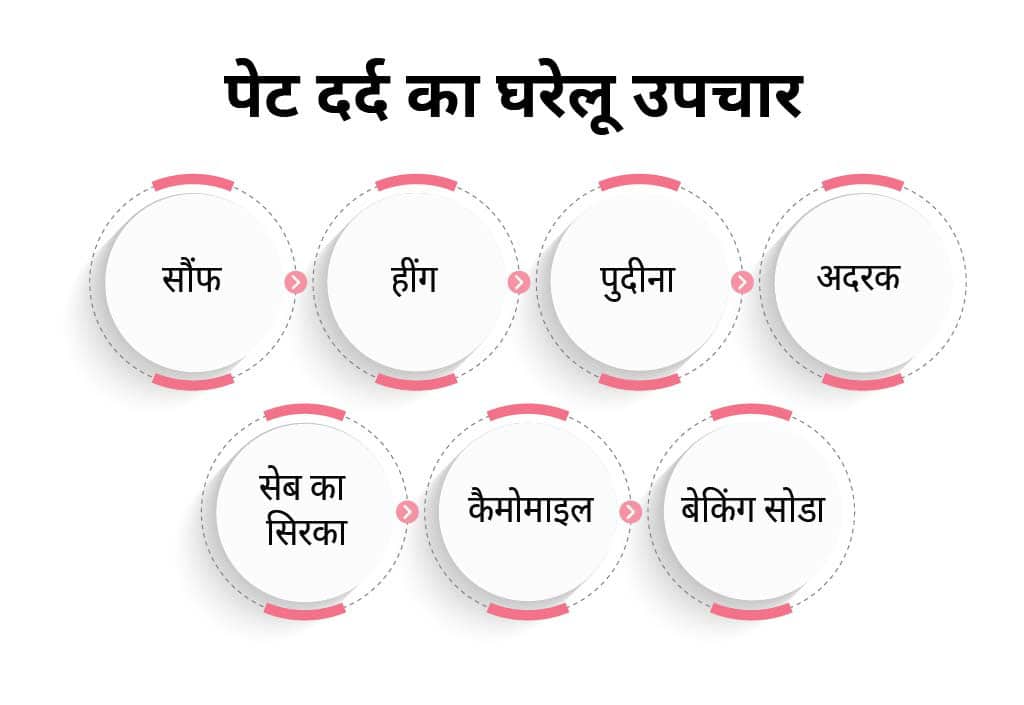
इन सबके अलावा, आप दही और चावल के पानी का भी उपयोग कर सकते हैं। लेकिन ध्यान रहे कि पेट दर्द का उपचार करने की नियत से किसी भी प्रकार के घरेलू नुस्खे का इस्तेमाल या सेवन करने से पहले डॉक्टर से उनकी राय अवश्य लें।
पेट दर्द होने पर आपको अपने जीवन में अनेक बदलाव लाना चाहिए, क्योंकि इससे दर्द को कम करने में काफी मदद मिलती है। पेट में दर्द होने पर आप अपनी जीवनशैली में निम्न बदलाव ला सकते हैं:-
साथ ही, घरेलू नुस्खों या दवाओं से पेट दर्द ठीक नहीं होने पर डॉक्टर से मिलकर अपने पेट दर्द का उचित जांच और इलाज कराएं। लंबे समय तक पेट दर्द को नजरअंदाज करना खतरनाक साबित हो सकता है।
कान में कई तरह की समस्याएं होती हैं, कान में दर्द होना भी उन्हीं में से एक है। आमतौर पर कान में दर्द के साथ-साथ भारीपन की समस्या होती है। अगर आप भी कान में दर्द से परेशान रहते हैं तो यह ब्लॉग आपके लिए है।
इस ब्लॉग में हम कान में दर्द क्यों होता है, कान दर्द के क्या लक्षण होते हैं और कान में दर्द का घरेलू उपाय क्या है आदि के बारे में विस्तार से बात करेंगे।
ये भी पढ़े: टॉन्सिल (टॉन्सिलाइटिस) के कारण, लक्षण और इलाज
Table of Contents
कान का दर्द कान से शुरू होकर धीरे-धीरे मुंह, गले और सिर तक भी जा सकता है। कान में दर्द कई कारणों से होता है।
कान दर्द के कारण मरीज का सोना, एक जगह चैन से बैठना या दैनिक जीवन के किसी भी काम को करना मुश्किल हो जाता है। कान के दर्द का इलाज इसके कारण और गंभीरता पर निर्भर करता है।
कान दर्द का इलाज करने से पहले डॉक्टर मरीज से उसके लक्षणों के बारे में पूछते हैं और कुछ सामान्य जांच करते हैं। उसके बाद, जांच के परिणाम के आधार पर उपचार प्रक्रिया को शुरू करते हैं।
संबंद्धित लेख: घुटने में दर्द का कारण, लक्षण और घरेलू इलाज
कान में दर्द का सबसे बड़ा लक्षण खुद ‘दर्द’ है। इसके अलावा आप दूसरे भी लक्षण अनुभव कर सकते हैं।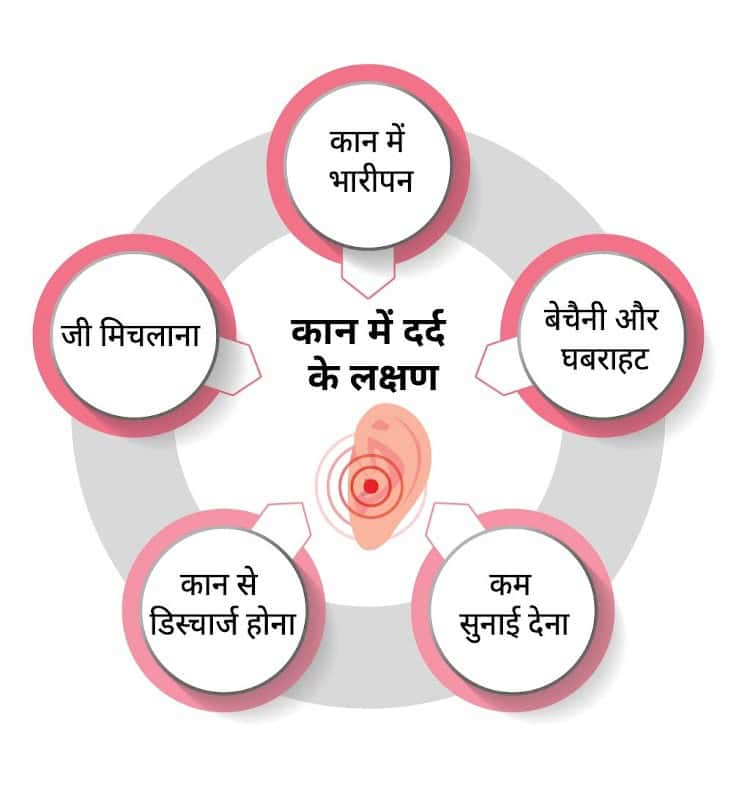
अगर आप नीचे दिए गए कान में दर्द के लक्षणों को खुद में अनुभव करते हैं तो आपको जल्द से जल्द एक विशेषज्ञ डॉक्टर से परामर्श करना चाहिए।
कान में दर्द के साथ-साथ भारीपन भी महसूस हो सकता है। कान दर्द से पीड़ित मरीज में अक्सर कान में भारीपन की समस्या देखी जाती है।
कान शरीर के मुख्य अंगों में से एक है। जब किसी कारण से कान में दर्द होता है तो मरीज को आवाज साफ-साफ सुनाई नहीं देती है जिसके कारण उन्हें बेचैनी और घबराहट महसूस हो सकती है।
लंबे समय तक कान में दर्द रहने के कारण सुनने की क्षमता प्रभवित होती है। नतीजतन, मरीज को कम सुनाई देने लगता है। इस स्थिति में मरीज को जल्द से जल्द कान के विशेषज्ञ डॉक्टर से मिलकर इस बारे में बात करनी चाहिए।
कान में दर्द होने के कारण अक्सर कान से द्रव का स्राव यानी डिस्चार्ज देखने को मिलता है। अगर इस डिस्चार्ज को लंबे समय तक नजरअंदाज किया गया तो आगे कान में इंफ्केशन होने का खतरा बढ़ सकता है।
जी मिचलाना कान में दर्द के लक्षणों में से एक है। कुछ मामलों में जी मिचलाना किसी गंभीर समस्या की और इशारा कर सकता है।
अगर आप ऊपर दिए गए लक्षणों को खुद में अनुभव करते हैं तो बिना देरी किए एक अनुभवी और विशेषज्ञ डॉक्टर से अपने कान का जांच और इलाज कराना चाहिए ताकि आगे होने वाली जटिलताओं की संभावना को कम या ख़त्म किया जा सके।
ये भी पढ़े: सिर में भारीपन के कारण और घरेलु इलाज
कान में दर्द कई कारणों से होता है। अगर कान का दर्द के कारण बारे में पहले से पता हो तो कुछ सावधानियां बरतकर कान में दर्द के खतरे को कम किया या रोका जा सकता है।
निम्न कान में दर्द होने का कारण हो सकते हैं:-
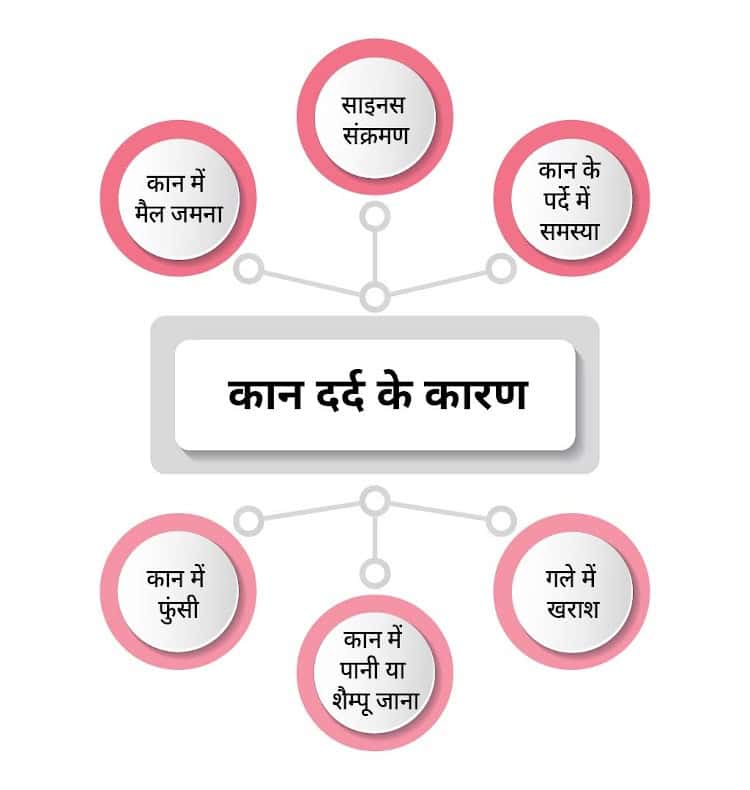
आमतौर पर हम अपने शरीर के सभी अंगों की साफ-सफाई का खास ध्यान रखते हैं, लेकिन जब बात कान की आती है तो हम पीछे छूट जाते हैं।
नियमित रूप से कान की सफाई नहीं करने से कान में मैल जमा हो जाता है जिसके कारण कान में दर्द हो सकता है।
साइनस से पीड़ित मरीज को कान में दर्द होने का खतरा अधिक होता है। साइनस से पीड़ित मरीज को कान में दर्द होने पर तुरंत डॉक्टर से मिलना चाहिए।
कई बार कान का पर्दा कान में दर्द का कारण बन सकता है। कान के पर्दे में चोट लगने, कान का पर्दा फटने या दूसरी किसी बीमारी या समस्या होने पर कान में दर्द की शिकायत हो सकती है।
कान में दर्द का कारण कान में पनपा फुंसी भी हो सकता है। फुंसी कई कारणों से हो सकता है।
अगर कान में दर्द का कारण फुंसी है तो जल्द से जल्द इसका उपचार कराना चाहिए ताकि भविष्य में होने वाली जटिलताओं का खतरा कम किया जा सके।
अक्सर नहाते समय कान में पानी या शैम्पू चला जाता है। कान में दर्द के सामान्य कारणों में नहाते समय कान में पानी या शैम्पू जाना भी शामिल है।
इससे बचने के लिए आप नहाते समय अपने कान में कॉटन डाल सकते हैं।
`
गले में खराश होने पर व्यक्ति को कान में दर्द हो सकता है। गले में खराश का मुख्य कारण सर्दी और जुकाम होता है।
इन सबके अलावा अन्य कारणों से भी कान में दर्द हो सकता है जैसे कि दांत या जबड़े में दर्द होना आदि।
संबंद्धित लेख: गले में दर्द का मुख्य कारण एवं उपचार
कुछ सावधानियां बरतकर कान के दर्द से बचा जा सकता है। हम आपको नीचे कान दर्द से बचने के कुछ ख़ास उपायों के बारे में बता रहे हैं।
साथ ही, कान दर्द के रोगी को ठंडी चीजों का सेवन नहीं करना चाहिए, क्योंकि इससे साइनस या सर्दी हो सकती है जो आगे कान दर्द का कारण बन सकता है।
कान का दर्द घरेलू उपचार से दूर किया जा सकता है। लेकिन अगर इसका कारण कोई गंभीर मेडिकल स्थति है तो फिर डॉक्टर कान दर्द का इलाज करने के लिए दवाओं या सर्जरी आदि का सहारा लेते हैं। आपके कान के दर्द का इलाज बेस्ट तरीके से कैसे किया जा सकता है, यह जांच के बाद ही डॉक्टर पता लगा पाते हैं।
अगर आपके कण के दर्द का कारण कोई सामान्य समस्या है तो डॉक्टर से परामर्श करने के बाद आप निम्न कान का दर्द घरेलू उपचार की मदद ले सकते हैं।
इन सबके अलावा भी कान में दर्द का घरेलू उपचार करने के अनेक उपाय मौजूद हैं जिसमें निम्न का इस्तेमाल शामिल हो सकता है:-
साथ ही आप, कान दर्द का तुरंत इलाज करने के लिए निम्न का भी कर सकते हैं:
ध्यान रहे कि डॉक्टर से परामर्श करने के बाद ही आप कान में दर्द का उपचार करने के लिए ऊपर दिए गए घरेले नुस्खों का इस्तेमाल करें। बिना डॉक्टर की सलाह के कान में किसी भी तरह के पदार्थ को डालना खतरनाक साबित हो सकता है।
अगर आप कान दर्द का तुरंत इलाज पाना चाहते हैं तो सीके बिरला हॉस्पिटल के विशेषज्ञ के साथ अपना अपॉइटमेंट बुक करें। अपॉइंटमेंट बुक करने के लिए आप इस पेज के ऊपर दिए गए मोबाईल नंबर या बुक अपॉइंटमेंट फॉर्म का इस्तेमाल कर सकते हैं।
अगर आपके कान में लंबे समय से दर्द है, कान का दर्द लगातार बढ़ रहा है, घरेलू नुस्खों से कोई फायदा नहीं हो रहा है या दर्द के कारण आपको बेचैनी और घबराहट हो रही है या आवाजें सुनाई नहीं दे रही हैं तो आपको बिना देरी किए जल्द से जल्द कान के विशेषज्ञ डॉक्टर से परामर्श करना चाहिए।
कान में कम सुनाई देना गंभीर समस्या की ओर इशारा हो सकते है। ऐसी स्थिति में जल्द से जल्द कान के विशेषज्ञ डॉक्टर से मिलकर अपने कान का उचित जांच और इलाज कराना चाहिए।
कान में भारीपन के कई कारण हो सकते हैं। कान में पानी, तेल, शैम्पू आदि चले जाने के कारण कान में भारीपन हो सकता है। कान में भारीपन के कारण कान और सिर में दर्द भी हो सकता है। इसलिए कान में भारीपन होने पर डॉक्टर से मिलने का सुझाव दिया जाता है।
कान के अधिकांश दर्द तीन दिनों के भीतर ठीक हो जाते हैं, हालांकि कभी-कभी लक्षण एक सप्ताह तक भी रह सकते हैं। यदि आपको या आपके बच्चे को उच्च तापमान है या आप अपनी सामान्य गतिविधियों को करने के लिए पर्याप्त अच्छा महसूस नहीं करते हैं, तो घर पर रहने की कोशिश करें और जब तक आप बेहतर महसूस न करें तब तक अन्य लोगों के संपर्क से बचें। साथ ही, अधिक परेशानी होने पर जल्द से जल्द विशेषज्ञ से परामर्श करें।
अगर कान में दर्द के साथ चक्कर आना, गंभीर सिरदर्द, कान के आसपास सूजन या चेहरे के एक तरफ चेहरे की मांसपेशियों का गिरना आदि अनुभव हो तो आपको जल्द से जल्द डॉक्टर के पास जाना चाहिए। बच्चों में 104ºF (40 ºC) या इससे अधिक का लगातार बुखार इस बात का स्पष्ट संकेत है कि डॉक्टर से मिलने की आवश्यकता है।
चाय के पेड़ का तेल, अजवायन का तेल, तुलसी का तेल और लहसुन का तेल आदि विशेष रूप से कान के दर्द को कम करने के लिए जाने जाते हैं। आवश्यक तेल की कुछ बूंदों को जैतून के तेल की कुछ बूंदों के साथ मिलाकर सीधे कान के अंदर लगाने की कोशिश करें। लेकिन इन सबसे पहले डॉक्टर से एक अवश्य परामर्श करें। बिना डॉक्टर की जानकारी के कान में तेल डालने से आपकी परेशानियां और बढ़ सकती हैं।
मांसपेशियां कमजोर होने के कारण मनुष्य को कई तरह की बीमारियां और परेशानियां होती हैं, हर्निया भी उन्हीं में से एक है। जब एक मांसपेशी या उत्तक में छेद होकर उसके अंदर का अंग/हिस्सा बाहर आने लगता है तो उसे मेडिकल की भाषा में हर्निया रोग (Hernia in Hindi) कहते हैं।
ये भी पढ़े: पेट दर्द (Stomach Pain)के कारण, लक्षण और घरेलू इलाज
Table of Contents
हर्निया की स्थिति में मांसपेशी या ऊतक कमजोर होकर फट जाती है या उसमें छेद हो जाता है और उसके अंदर का अंग उभर कर बाहर आ जाता है। हर्निया एक सामान्य बीमारी है जिससे पीड़ित मरीज को चलते, दौड़ते या दैनिक जीवन के दूसरे कामों को करते समय दर्द होता है।
ज्यादातर मामलों में यह पेट में देखने को मिलता है, लेकिन यह जांघ के ऊपरी हिस्से, नाभि और कमर के आसपास भी हो सकता है। अधिकतर मामलों में हर्निया घातक नहीं होते हैं, लेकिन उन्हें इलाज की आवश्यकता होती है। हर्निया का एकमात्र इलाज सर्जरी है।
ये भी पढ़े: हाइड्रोसील के प्रकार, कारण, लक्षण और इलाज (Hydrocele in Hindi)
हर्निया कई प्रकार के होते हैं, लेकिन मुख्य रूप से उन्हें पांच भागों में बांटा गया है। हर्निया रोग के प्रकार निम्न है:-
इनगुइनल हर्निया सबसे सामान्य प्रकार का हर्निया है। शोध के मुताबिक लगभग 70% हर्निया के मामलों में इनगुइनल हर्निया होता है। इस स्थिति में पेट के निचले हिस्से की परत में छेद हो जाता है और उस हिस्से की आंत बाहर आ जाती है।
आमतौर पर इनगुइनल हर्निया इनगुइनल कैनाल यानी जांघ नलिका के आसपास होता है। महिलाओं की तुलना में इनगुइनल हर्निया पुरुषों में अधिक देखने को मिलता है।
हाइटल हर्निया 50 से अधिक उम्र के लोगों में अधिक देखने को मिलता है। इस बीमारी से गर्ड (गैस्ट्रोइसोफेगल रिफ्लक्स) पैदा होता है जिसके कारण पेट की सामग्री का रिसाव भोजन नलिका में होने लगता है जो आगे पेट में जलन का कारण बनता है।
अम्बिलिकल हर्निया 6 महीने से कम उम्र के शिशु में हो सकता है। इस बीमारी की स्थिति में आंत का उभार पेट की अंदरूनी परत के माध्यम से नाभि के पास पहुंच जाता है। जब शिशु रोता है तो अम्बिलिकल हर्निया के उभार को नाभि के पास देखा जाता है।
अम्बिलिकल हर्निया एकमात्र ऐसा हर्निया है जो पेट की मांसपेशियां मजबूत होने पर अपने आप ही ठीक हो जाता है। अगर बच्चे की उम्र एक साल होने के बाद भी अम्बिलिकल हर्निया ठीक नहीं होता है तो डॉक्टर सर्जरी से इसका इलाज करते हैं।
पेट में सर्जरी होने के बाद इंसिजनल हर्निया का खतरा अधिक होता है। सर्जरी के दौरान जहां चीर-फाड़ की जाती है वहां और उसके आसपास की कमजोर मांसपेशियों पर इसका प्रभाव पड़ता है जिसके कारण इंसिजनल हर्निया हो सकता है।
पेट के निचले हिस्से और ग्रोइन में तनाव तथा किसी मुलायम उत्तक के फटने से स्पोर्ट्स हर्निया होता है।
हर्निया के कई कारण हो सकते हैं। मुख्य रूप से मांसपेशियां कमजोर होने के कारण हर्निया होता है। मांसपेशियों के कमजोर होने के मुख्य कारणों में निम्न शामिल हो सकते हैं जो आगे जाकर हर्निया का कारण बन सकते हैं:-
दूसरी समस्याओं की तरह हर्निया के भी कुछ मुख्य लक्षण होते हैं जो उनकी मौजूदगी की ओर इशारा करते हैं। हर्निया के लक्षण में निम्न शामिल हो सकते हैं:-
इन सबके अलावा, उठते, बैठते या दैनिक जीवन के कामों को करते समय प्रभावित हिस्से में दर्द महसूस करना भी हर्निया के मुख्य लक्षणों में से एक है।
हर्निया के अनेक नुकसान हैं। जब आंत या वसायुक्त चर्बी का टुकड़ा हर्निया की थैली में फंस जाता है तो सूजन पैदा होती है और उत्तक में खून की आपूर्ति बंद हो जाती है। खून की आपूर्ति नहीं होने के कारण उत्तक मरने लगते हैं जिसे स्ट्रैंगुलेटेड हर्निया कहते हैं।
स्ट्रैंगुलेटेड हर्निया के कारण मरीज की मृत्यु भी हो सकती है। यही कारण है कि इसे आपात मेडिकल देखभाल की आवश्यकता होती है। साथ ही, हर्निया का आकार बड़ा होने पर पेट और खाने की नाली विस्थापित हो सकती है।
हर्निया का परीक्षण करने के लिए डॉक्टर कुछ टेस्ट करते हैं जिनमें निम्न शामिल हो सकते हैं:-
हर्निया की जांच करके डॉक्टर हर्निया के प्रकार और उसकी गंभीरता की पुष्टि करते हैं। उसके बाद, इलाज की प्रक्रिया शुरू करते हैं।
जैसे कि हमने आपको ऊपर ही बताया कि कुछ मामलों में हर्निया के इलाज की आवश्यकता नहीं होती है। कुछ समय के भीतर यह अपने आप ही ठीक हो जाता है, लेकिन जब यह अपने आप ठीक नहीं होता है तो डॉक्टर सर्जरी का चयन करते हैं।
सर्जरी ही हर्निया का एकमात्र इलाज है। जीवनशैली में बदलाव या दवाओं की मदद से हर्निया के लक्षणों को बस कम किया जा सकता है। सर्जरी के दौरान डॉक्टर (Gastroenterologist )हर्निया को बाहर निकाल देते हैं। हर्निया की सर्जरी को दो तरह से किया जाता है जिसमें ओपन सर्जरी और लेप्रोस्कोपिक सर्जरी शामिल हैं।
मोटापा से ग्रसित महिलाओं को हर्निया होने का खतरा अधिक होता है।
अधिकतर मामलों में हर्निया पेट में देखने को मिलता है। हर्निया होने पर पेट में भारीपन और दर्द होता है।

गले में दर्द रहना एक सामान्य समस्या है जो बैक्टीरिया और वायरस के कारण होता है। हालाँकि, गले में दर्द सामान्य समस्याओं के साथ-साथ कुछ गंभीर बीमारियों के कारण भी हो सकता है। मौसम बदलने पर गले में गई तरह की समस्याएं पैदा होती हैं। गले में दर्द रहना या होना उनमें सबसे सामान्य है।
अगर आपके गले में दर्द हो रहा है तो इसके अनेक लक्षण हो सकते हैं जो आप खुद में अनुभव करते हैं। इस समस्या का इलाज कई तरह से किया जा सकता है। अगर गले में दर्द का कारण सर्दी, जुकाम या कोई सामान्य समस्या है तो उसका उपचार घरेलू नुस्खों और दवाओं से किया जा सकता है।
अगर आपके गले में दर्द रहता है या गले में लंबे समय से हो रहे दर्द को नजरअंदाज नहीं करना चाहिए। ऐसी स्थिति में जल्द से जल्द एक ईएनटी डॉक्टर से मिलकर गले में दर्द के सटीक कारण का पता लगाकर उसका उचित इलाज कराना चाहिए।
अगर आपके गले में दर्द की शिकायत रहती है तो यह ब्लॉग आपके लिए महत्वपूर्ण है। आइए इस ब्लॉग में हम Gale Me Dard के कारण, लक्षण और उपचार के बारे में विस्तारपूर्वक जानने की कोशिश करते हैं।
यह भी पढ़े- गले में इन्फेक्शन का कारण, लक्षण, बचाव और घरेलू उपचार
ये भी पढ़े: टॉन्सिल (टॉन्सिलाइटिस) के कारण, लक्षण और इलाज
Table of Contents
गले में दर्द को मुख्य रूप से तीन भागों में विभजित किया गया है। आमतौर पर गले में दर्द को उसके प्रभावित हिस्से के आधार पर निर्धारित किया जाता है। अगर गले में दर्द हो तो जल्द से जल्द विशेषज्ञ से परामर्श करना चाहिए।
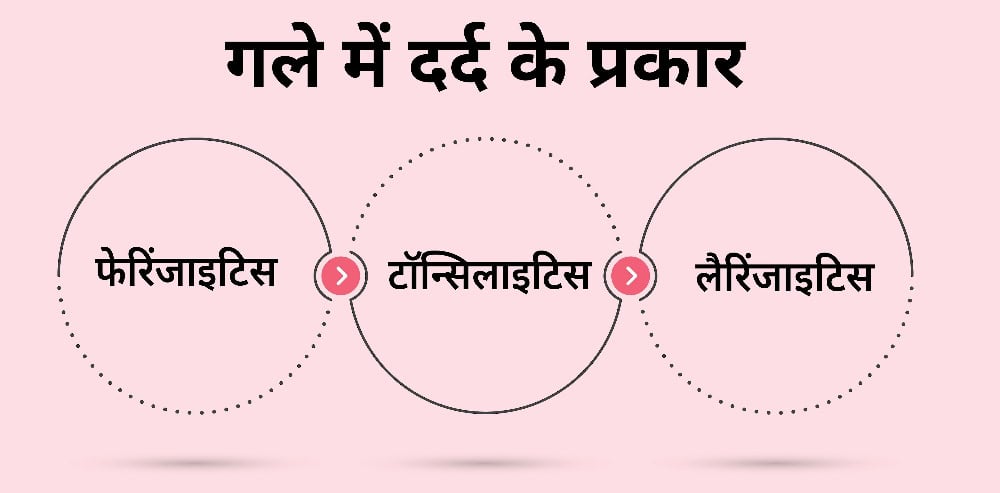
गले में दर्द के तीन प्रकार निम्न हैं:
डॉक्टर लक्षणों के आधार पर जांच करने का सुझाव देते हैं। जांच की मदद से डॉक्टर गले में दर्द के सटीक कारण की पुष्टि करते हैं। उसके बाद, गले में दर्द का उपचार शुरू होता है। गले में दर्द होना या अचानक गले में दर्द होना किसी गंभीर समस्या की ओर इशारा भी हो सकता है। इसलिए डॉक्टर से परामर्श करने में देरी नहीं करनी चाहिए।
ये भी पढ़े: निमोनिया क्या होता है – कारण, लक्षण, जांच और उपचार (Pneumonia Meaning in Hindi)
गले में दर्द के कई लक्षण हो सकते हैं। आमतौर पर गले में दर्द का लक्षण उसके कारण पर निर्भर करता है। गले में दर्द के कारण के आधार पर, गले में दर्द के लक्षण में बदलाव आ सकता है।
गले में दर्द के कई लक्षण हो सकते हैं। गले में दर्द होना लक्षण हो सकता है अन्य मेडिकल स्थितियों का भी। हालाँकि, आमतौर पर गले में दर्द का लक्षण उसके कारण पर निर्भर करता है। गले मे दर्द और सूजन के कारण के आधार पर, गले में दर्द के लक्षण में बदलाव आ सकता है।
गले में दर्द और खराश के मुख्य लक्षणों में गले में खुजली, गले में खराश, खान-पान की चीजों को निगलने में दर्द, बोलते समय गले में दर्द और गले का सुखना आदि शामिल हैं।
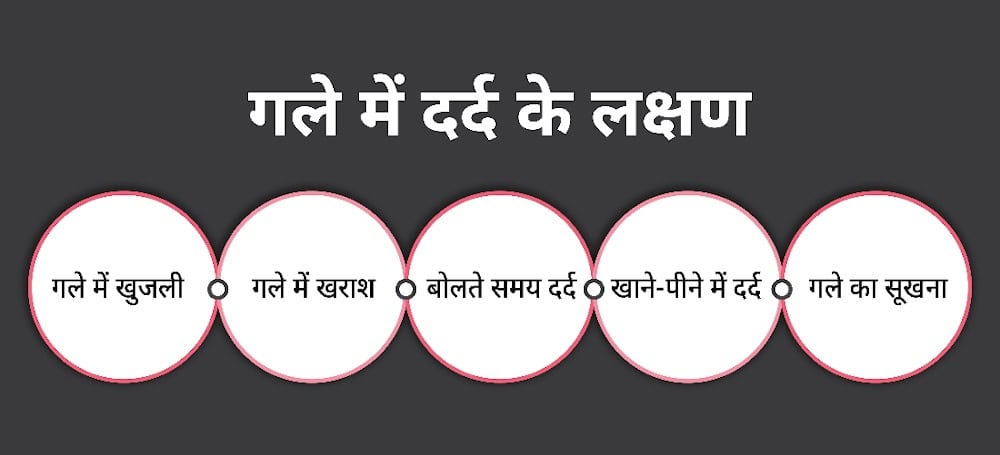
इन सबके अलावा भी गले में दर्द के दूसरे कई लक्षण हो सकते हैं जैसे कि:-
इन सबके अलावा, वात दोष की प्रधानता एवं त्रिदोष प्रकोप से गले में दर्द होता है। अगर आप गले में दर्द और बुखार के साथ-साथ ऊपर दिए गए लक्षणों को भी अनुभव करते हैं तो आपको तुरंत एक ईएनटी विशेषज्ञ डॉक्टर से परामर्श करना चाहिए।
ये भी पढ़े: क्या सामान्य ज़ुकाम, खांसी या ठंड निमोनिया में बदल सकती है
गले में दर्द कई कारणों से होता है। आमतौर पर गले में दर्द का कारण सर्दी, जुकाम और फ्लू वाले वायरस होते हैं। कुछ मामलों में गले में दर्द का कारण बैक्टीरिया भी हो सकता है, हालांकि, यह काफी कम मामलों में देखने को मिलता है।
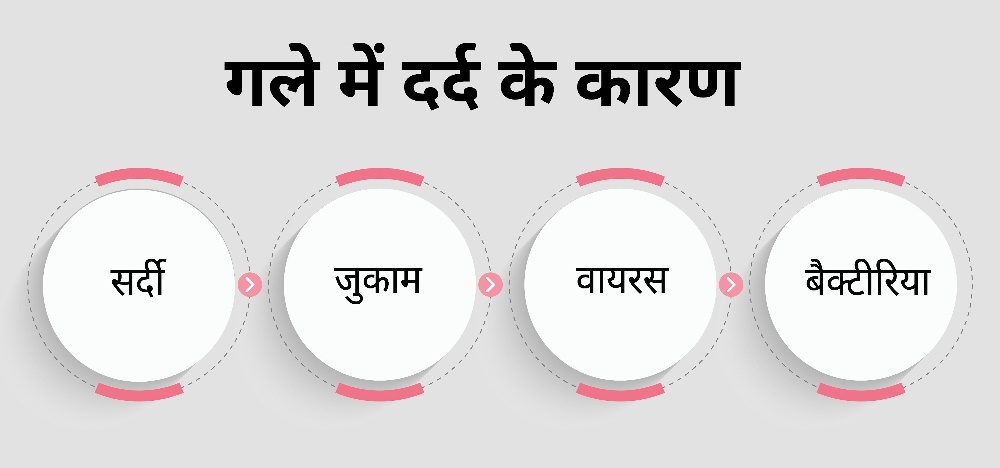
ऊपर दिए गए कारणों के अलावा एचआईवी संक्रमण और गले, जुबान या कंठनली में किसी प्रकार का कैंसर भी गर्दन में दर्द का कारण हो सकता है। गले में दर्द के कारण और उपाय के बारे में विस्तार से जानने के लिए डॉक्टर से परामर्श करना आवश्यक है।
ये भी पढ़े: गले में खराश का कारण, लक्षण और घरेलू उपचार (Sore Throat In Hindi)
गले में दर्द का बचाव कर इस समस्या से आसानी से बचा जा सकता है। गले में दर्द अधिकतर मामलों में वायरस या बैक्टीरिया के कारण होता है। साफ-सफाई पर खास ध्यान देकर गले में दर्द होने के खतरे / संभावना को कम किया जा सकते है।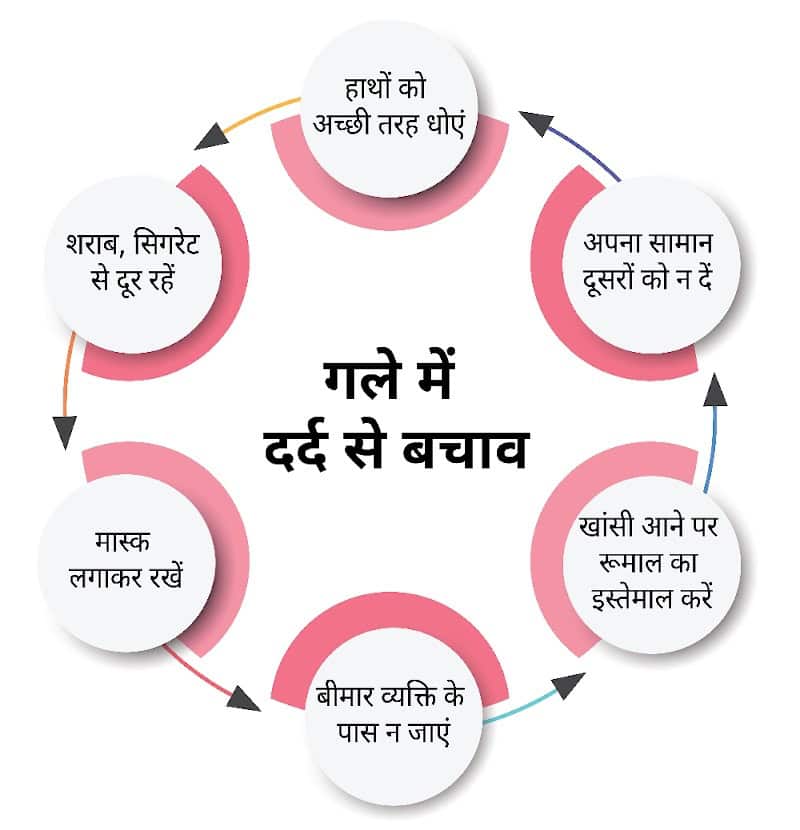
अगर आप खुद को गले में दर्द से बचाना चाहते हैं तो निम्न बातों का पालन कर सकते हैं:-
ये भी पढ़े: गले में सूजन का कारण और उपचार | Swelling in Throat in Hindi
गले में दर्द का परीक्षण करके डॉक्टर इसके सटीक कारण का पता लगाते हैं। गले में दद का निदान करने के लिए डॉक्टर सबसे पहले आपके लक्षणों के बारे में कुछ प्रश्न पूछते हैं। टोर्च की मदद से आपके गले के अंदर देखकर सूजन, लालिमा की पुष्टि करते हैं।
आपके गर्दन के अंदर दोनों तरफ देखकर डॉक्टर इस बात का पता लगाते हैं कि आपकी ग्रंथियों में सूजन है या नहीं। स्ट्रेप थ्रोट की समस्या होने पर डॉक्टर थ्रोट कल्चर टेस्ट करने का सुझाव देते हैं। इस जांच के दौरान डॉक्टर गले के पिछले हिस्से में स्वैब की मदद से सैम्पल लेकर उसमें बैक्टीरिया की मौजूदगी की जांच करते हैं।
गले में दर्द का जांच करने के लिए डॉक्टर दूसरे भी अनेक जांच कर सकते हैं और यह काफी हद तक आपके गले में दर्द की गंभीरता पर निर्भर करता है। जांच के परिणाम आने के बाद डॉक्टर इलाज के प्रकार का चयन कर गले में दर्द का उपचार शुरू करते हैं।
अगर आप गले में दर्द से तुरंत राहत राहत पाना चाहते हैं तो डॉक्टर से परामर्श करने के बाद कुछ घरेलू नुस्खों का इस्तेमाल कर सकते हैं। आमतौर पर गले में दर्द का उपचार कई तरह से किया है। गले में दर्द का उपचार पूर्ण रूप से इसके कारण और गंभीरता पर निर्भर करता है।
अगर गले में दर्द का कारण वायरल संक्रमण है तो इसके उपचार की जरूरत नहीं पड़ती है, क्योंकि आमतौर पर यह 4-8 दिनों के अंदर अपने आप ही ठीक हो जाता है। अगर ऐसा नहीं होता है तो डॉक्टर गले में दर्द के उपाय के तौर पर कुछ दवाएं निर्धारित कर सकते हैं।
अगर गले में दर्द का कारण वैक्टीरिया है तो इसका उपचार करने के लिए डॉक्टर एंटीबायोटिक्स दवाएं निर्धारित करते हैं। कुछ मामलों में आप गले के दर्द का उपचार करने के लिए ओवर-द-काउंटर दवाओं का भी सेवन कर सकते हैं।
बच्चों में गले में दर्द होने पर डॉक्टर द्वारा निर्धारित दवाओं का ही सेवन करना चाहिए। बच्चों में गले में दर्द होने पर बिना डॉक्टर की सलाह के किसी भी दवा का सेवन करना नुकसानदायक साबित हो सकता है। याद रहे कि गले में दर्द होने के उपाय के बारे में हमेशा एक विशेषज्ञ से ही सलाह लेनी चाहिए।
गले में दर्द का कारण गंभीर बीमारी जैसे कि टॉन्सिलाइटिस या साइनोसिएट होने पर डॉक्टर सर्जरी का सहारा भी ले सकते हैं। अंतत गले में दर्द का उपचार इसके कारणों पर निर्भर करता है। गले में दर्द से तुरंत राहत पाने के लिए आपको जल्द से जल्द डॉक्टर से परामर्श करना चाहिए। डॉक्टर गले में दर्द के सटीक कारण का पता लगाकर गले में दर्द के लिए उपाय का सुझाव दे सकते हैं।
गले में दर्द होने पर आपको कुछ चीजों को नहीं खाना चाहिए। अगर आपके गले में दर्द है तो आपको निम्न चीजों से परहेज करना चाहिए:-
ऊपर दि गई खान-पान की चीजों का सेवन गले में दर्द की समस्या को और बदतर बना सकता है। इसलिए गले में दर्द होने पर इन सबसे परहेज करना चाहिए।
गले में दर्द होने पर आप खान-पान की कुछ चीजों को अपनी डाइट में शामिल कर सकते हैं। ये सभी गले में दर्द को कम करने में काफी फायदेमंद साबित होते हैं।
मौसम बदलने पर सर्दी-जुकाम के साथ गले में दर्द होना स्वाभाविक है। अगर इसका कारण एलर्जी या कोई सामान्य समस्या है तो यह बिना उपचार के कुछ दिनों के अंदर अपने आप ही ठीक हो जाता है।
गले में दर्द का घरेलू इलाज/उपचार भी किया जा सकता है, लेकिन अगर गले में दर्द का कारण कोई गंभीर समस्या या बीमारी है या यह लंबे समय से है तो इस स्थिति में ईएनटी डॉक्टर से मिलकर गले के दर्द का उचित जांच और इलाज कराना आवश्यक है।
गले में बहुत तेज दर्द किसी गंभीर समस्या की ओर इशारा हो सकता है। इसलिए इस स्थिति में आपको जल्द से जल्द एक ईएनटी डॉक्टर से परामर्श करना चाहिए।
अगर गले में दर्द का समय पर इलाज नहीं किया जाता है तो आगे जाकर यह अन्य समस्याओं का कारण बन सकता है जैसे कि गुर्दे की सूजन या संधि बुखार आदि।
अगर आपके गले में दर्द है तो आपको खट्टे फल और रस, जैसे संतरे, नींबू और अंगूर, जामुन, स्ट्रॉबेरी, रसभरी और ब्लैकबेरी आदि का सेवन नहीं करना चाहिए।
Table of Contents
टॉन्सिल गले का अहम हिस्सा है जो गले के दोनों तरफ स्थित होता है। टॉन्सिल का मुख्य काम शरीर का बाहरी संक्रमण से रक्षा करना है, लेकिन कई बार टॉन्सिल में संक्रमण हो जाता है जिसके कारण इसका आकार बढ़ने लगता है। टॉन्सिल में संक्रमण होने की स्थिति को मेडिकल की भाषा में टॉन्सिलाइटिस कहते हैं।
टॉन्सिलाइटिस को टॉन्सिल बढ़ना, टॉन्सिल में इंफेक्शन होना आदि नाम से भी जाना जाता है। टॉन्सिलाइटिस होने पर आपको काफी परेशानियों का सामना करना पड़ सकता है जैसे कि सांस लेने में दिक्कत आना, खानपान की वस्तुओं को निगलने में तकलीफ होना और गले में दर्द आदि।
टॉन्सिलाइटिस के कई लक्षण होते हैं। इन लक्षणों की मदद से आपको इस बात का अंदाजा लग सकता है कि आपके टॉन्सिल का आकार बढ़ गया है। टॉन्सिलाइटिस के लक्षणों में निम्न शामिल हो सकते हैं:-
छोटे बच्चों में टॉन्सिलाइटिस होने पर निम्न लक्षण दिखाई दे सकते हैं:-
अगर आप खुद में या अपने बच्चे में ऊपर दिए गए लक्षणों को देखते हैं तो आपको तुरंत डॉक्टर से परामर्श करना चाहिए।
टॉन्सिल का काम शरीर को बाहरी बैक्टीरिया और वायरस से बचाना है, लेकिन कई बार यह खुद ही उन बैक्टीरिया या वायरस से संक्रमित हो जाते हैं।
टॉन्सिल के संक्रमित होने यानी टॉन्सिलाइटिस कई कारणों से होता है जिसमें मुख्य रूप से निम्न शामिल हो सकते हैं:-
टॉन्सिलाइटिस का इलाज कई तरह से किया जाता है जिसमें घरेलू नुस्खे, दवाएं और सर्जरी आदि शामिल हैं। डॉक्टर इलाज के लिए कौन से माध्यम का चुनाव करते हैं यह पूरी तरह से टॉन्सिलाइटिस के प्रकार और गंभीरता एवं मरीज की उम्र, समग्र स्वास्थ्य और पहले से चल रही दूसरी दवाओं तथा एलर्जी आदि पर निर्भर करता है।
अगर टॉन्सिलाइटिस ने गंभीर रूप नहीं लिया है तो कुछ घरेलू नुस्खों से उसका इलाज किया जा सकता है। टॉन्सिल के घरेलू उपचार में निम्न शामिल हो सकते हैं:-
अदरक में अनेक औषधीय गुण पाए जाते हैं जो टॉन्सिलाइटिस में मददगार साबित हो सकते हैं। हल्का गर्म पानी में नींबू का रस और अदरक को पीसकर मिलाएं। उसके बाद, उस पानी से दिन में 2-4 बार गरारा करें।
इसके अलावा, आप अदरक की चाय भी पी सकते हैं। यह भी टॉन्सिलाइटिस के लक्षणों को कम करने में मदद कर सकता है।
लहसुन में कई औषधीय गुण मौजूद होते हैं जो टॉन्सिलाइटिस के लक्षण जैसे कि गले में दर्द और सूजन जैसी परेशानियों में बहुत फायदेमंद होते हैं। लहसुन की कलियों को पानी में डालकर उन्हें अच्छी तरह उबालें और फिर पानी हल्का ठंडा होने के बाद उससे गरारे करें।
दूध में हल्दी मिलाकर इसका सेवन करने से टॉन्सिल की प्रॉब्लम में मदद मिलती है। अगर आप टॉन्सिलाइटिस के लक्षणों से परेशान हैं तो दिन में या रात में सोने से पहले एक गिलास दूध में थोड़ा सा हल्दी पाउडर मिलाकर इसका सेवन कर सकते हैं।
हल्का गर्म पानी में सेंधा नमक मिलाकर उससे गरारे करने पर टॉन्सिलाइटिस में मदद मिलती है। सेंधा नमक को पानी में मिलाकर उसका गरारे करने से बैक्टीरिया खत्म हो जाते हैं।
टॉन्सिलाइटिस की स्थिति में गले में इंफेक्शन हो जाते हैं। ऐसे में सेब का सिरका पानी में मिलाकर उससे गरारे करने पर गले में इन्फेक्शन के लक्षणों से राहत मिलती है।
हल्का गर्म पानी में नींबू और शहद मिलाकर उसका सेवन करने से टॉन्सिल्स में बहुत आराम मिलता है। अगर आप टॉन्सिल में इंफेक्शन के कारण परेशान हैं तो आप इस घरेलू नुस्खे का उपयोग कर सकते हैं।
आप ऊपर दिए गए घरेलू उपायों का इस्तेमाल कर टॉन्सिलाइटिस के लक्षणों से छुटकारा पा सकते हैं, लेकिन उनका इस्तेमाल करने से पहले एक बार डॉक्टर से मिलकर उनकी राय अवश्य लें। अपने मन मुताबिक किसी भी चीज का उपयोग आपके लिए खतरनाक साबित हो सकता है।
टॉन्सिलाइटिस होने पर आपको कुछ चीजों का सेवन करना चाहिए, क्योंकि ये लक्षणों को दूर करने में मदद करते हैं। टॉन्सिलाइटिस होने पर आपको निम्न चीजों को अपनी डाइट में शामिल करना चाहिए।
टॉन्सिलाइटिस होने पर आपको कुछ चीजों का सेवन नहीं करना चाहिए, क्योंकि इनका सेवन करने से आपके लक्षण और गंभीर रूप ले सकते हैं और आपकी परेशनियां बढ़ सकती हैं। टॉन्सिलाइटिस में आपको निम्न चीजों से परहेज करना चाहिए:-
टॉन्सिलाइटिस से बचने के लिए आपको अपनी जीवनशैली में कुछ बदलाव लाने की आवश्यकता होती है। निम्न बातों को ध्यान में रखकर आप खुद को टॉन्सिलाइटिस से बचा सकते हैं:-

एक स्वस्थ शरीर के लिए अनेको विटामिन की आवश्यकता होती है, विटामिन डी भी उन्हीं में से एक है। अगर आप बीमारियों से दूर रहना चाहते हैं तो आपको दूसरे पोषक तत्वों की तरह विटामिन डी से भरपूर खानपान की चीजों को अपनी डाइट में शामिल करना चाहिए।
विटामिन D का सबसे बड़ा स्रोत सूरज की रौशनी है। यही कारण है कि विटामिन डी को सनशाइन विटामिन भी कहा जाता है। यह विटामिन आपके शरीर को कई प्रकार से फायदा पहुंचता है जैसे कि हड्डियों और दांतों को स्वस्थ और मजबूत बनाना आदि।
इस ब्लॉग में हम आपको शरीर में विटामिन डी की कमी होने के लक्षण और इसे बढ़ाने के उपायों के बारे में विस्तार से बताने वाले हैं।
सम्बंदित लेख: चिया सीड्स के फायदे, नुकसान, और पोषक तत्त्व
Table of Contents
विटामिन डी वसा में आसानी से घुलने वाले स्रावी स्टेरॉयड का एक समूह है जिसके अंतर्गत डी1, डी2 और डी 3 आते हैं। विटामिन डी अनेक पोषक तत्व जैसे कि कैल्शियम, मैग्नीशियम और फॉस्फेट आदि को आंतों द्वारा अवशोषित होने में मदद करता है। विटामिन डी की कमी होने पर हड्डियां कमजोर और पतली हो जाती हैं।
सम्बंदित लेख: घुटने में दर्द का कारण, लक्षण और घरेलू इलाज
विटामिन डी दो प्रकार के होते हैं जिसमें पहला विटामिन डी2 (एग्रो कैल्सी फेरल) और दूसरा विटामिन डी 3 (कॉलेकैल्सिफेरॉल) है।
विटामिन डी2 मनुष्य के शरीर में उत्पादन नहीं होता है, इसे पौधों से प्राप्त किया जाता है। पौधे विटामिन डी2 का उत्पादन सूरज की पराबैंगनी किरणों की उपस्थिति में करते हैं।
मनुष्य के शरीर में विटामिन डी 3 का उत्पादन होता है। इस विटामिन का निर्माण मनुष्य द्वारा सूरज की किरणों से प्रतिक्रिया होने पर होता है। विटामिन डी3 को मछलियों के सेवन और दूसरे भी अन्य खानपान की चीजों से प्राप्त किया जा सकता है।
अगर आपके मन में भी यह प्रश्न उठता है कि आखिर क्यों कम होता है शरीर में विटामिन-डी का लेवल तो हम नीचे आपको इसके कुछ मुख्य कारणों के बारे में बता रहे हैं:-
शरीर में विटामिन डी की कमी होने पर आप खुद में अनेक लक्षणों का अनुभव करते हैं। विटामिन डी का स्तर कम होने पर निम्न लक्षण देखे जा सकते हैं:-
अगर आप खुद में इन लक्षणों को अनुभव करते हैं तो डॉक्टर से परामर्श करने के बाद आपको विटामिन डी का टेस्ट कराना चाहिए। साथ ही, इसे विटामिन डी को कैसे बढ़ाया जाए इस बारे में भी डॉक्टर से बात करनी चाहिए।
शरीर में विटामिन डी की कमी होने पर प्रतिरक्षा प्रणाली यानी इम्युनिटी कमजोर हो जाती है जिसके कारण आप हमेशा थकान महसूस करते हैं। विटामिन डी की कमी होने के कारण आपको अनेको समस्याओं का सामना करना पड़ता है जिसमें शामिल हैं:-
लंबे समय तक विटामिन डी की कमी होने के कारण कुछ गंभीर समस्याएं पैदा हो सकती हैं जिनमें निम्न शामिल हैं:-
अगर आपके शरीर में विटामिन डी की कमी है तो आपको जल्द से जल्द डॉक्टर से मिलकर इस बारे में बात करनी चाहिए ताकि इस परेशानी को आसानी से दूर किया जा सके।
सम्बंदित लेख: प्रतिरोधक क्षमता(इम्यूनिटी) बढ़ाने के लिए क्या खाएं
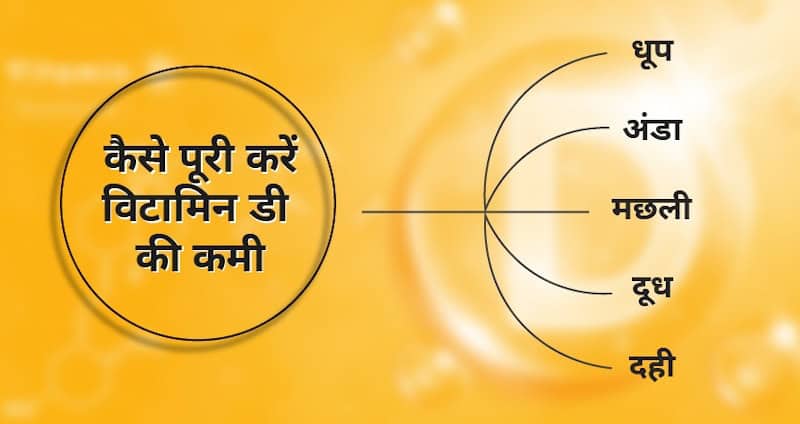
विटामिन डी की कमी को पूरा करने के लिए आपको अपनी जीवनशैली और खानपान में कुछ खास बदलाव लाने की आवश्यकता होती है। शरीर में विटामिन डी की कमी को पूरा करने के लिए आप निम्न खानपान की चीजों को अपनी डाइट में शामिल कर सकते हैं।
धूप यानी सूरज की रौशनी विटामिन डी का सबसे अच्छा और प्राकृतिक स्रोत है। आप धूप से अपने शरीर में विटामिन डी की कमी को पूरा कर सकते हैं। धूप से विटामिन डी पाने के लिए आप रोजाना सुबह कुछ समय तक धूप में बैठ सकते हैं।
अंडा में भरपूर मात्रा में पोषक तत्व पाए जाते हैं। अंडा की जर्दी में विटामिन डी मौजूद होता है। अगर आप विटामिन डी की कमी को पूरा करना चाहते हैं तो अंडा का सेवन आपके लिए फायदेमंद हो सकता है।
अगर आप नॉन-वेज खाने वालों में से हैं तो कुछ ख़ास तरह की मछलियां आपके लिए फायदेमंद हो सकती है। हेरिंग, टूना, मैकेरल और सैल्मन मछलियों में विटामिन डी भरपूर मात्रा में पाया जाता है। आप इन मछलियों को अपनी डाइट में शामिल कर सकते हैं।
गाय के दूध विटामिन डी और कैल्शियम का बेस्ट स्रोत है। विटामिन डी की कमी को पूरा करने के लिए आप रोजाना एक गिलास गाय का दूध पी सकते हैं। इससे काफी फायदा होगा।
दही भी विटामिन डी का एक बढ़िया स्रोत है। यह आपको विटामिन डी प्रदान करने के साथ-साथ आपके शरीर को ठंडा भी रखता है। गर्मी के मौसम में दही पेट के लिए फायदेमंद होता है।
इन सबके अलावा, आप विटामिन डी के आहार में निम्न चीजों को शामिल कर सकते हैं:-
इन सबकी मदद से आप अपने शरीर में विटामिन डी की कमी को आसानी से पूरा कर सकते हैं। लेकिन ध्यान रहे कि किसी भी चीज का सेवन करने से पहले आप एक बार डॉक्टर से अवश्य परामर्श करें।
Q. कौन सी सब्जी में सबसे ज्यादा विटामिन डी पाया जाता है?
बहुत सी ऐसी सब्जियां हैं जिनमें भरपूर मात्रा में विटामिन डी पाया जाता है। इसमें नींबू, गाजर, ब्रोकली और पालक आदि शामिल हैं।
Q. विटामिन डी के स्तर को जल्दी कैसे बढ़ाएं?
विटामिन डी के स्तर को जल्दी बढ़ाने के लिए आप निम्न कार्यों को अपनी जीवनशैली में अपना सकते हैं:-

Here’s an activity for you – Sit silently in a room full of people and observe your surroundings and the people in it.
Based on the environment, you are most likely to notice people running in havoc, stressed out, even a bit unhappy. Having a bad, rough day has sadly become the routine for most of us.
All of us have felt the blues at some point in our lives. We have felt disoriented, drained of energy and overly exhausted at the end of a long day.
As it is rightly said, life is full of ups and downs. However, most of us have been impacted heavily by the downs that leave a mark on our mental health.
Mental health issues, in today’s society, are not uncommon. Each individual is struggling with some form of challenge with their psychological health.
While some bit of the onus lies on our sedentary lifestyles like lack of exercise, unhealthy eating habits, more screen time, poor sleeping patterns, smoking, and high levels of stress, there are additional factors that contribute to poor mental health status.
We cannot afford to pause the functioning of our society and our households. Nonetheless, it is equally important for us to navigate through these challenges and find a path where our mental health is optimum.
Thankfully, we have access to spiritual leaders like Sister Shivani to pave the way for the same.
On the occasion of World Health Day, we would like to bring your attention to the various mental health challenges we face and their relation to your overall, general health.
The team at the CK Birla Hospital would also like to invite you to a spiritual learning event with Sister Shivani on 10th April 2022 at the CK Birla Hospital, Punjabi Bagh, West Delhi.
Table of Contents
In the Indian context, we still witness a lack of awareness and a lot of hesitancy with respect to mental health issues. On top of these challenges, there is also a heavy stigma around this issue.
People are not open to discussing mental health problems and mostly dismiss them as having a bad day. However, we should note that nearly 56 million Indians suffer some form of mental health condition each year.
Such high incidence calls for the growing recognition of these problems that would allow us to address them. The government of India brought into action the Mental health act 1987 to help regulate access to mental health services in India.
However, the primary responsibility of acknowledging and seeking help lies in the individual and their family.
Mental health is defined as the emotional, psychological, and social well-being of an individual. It is the state of your mind that helps you to think, feel and act rationally.
Your cognitive and behavioural responses to day-to-day life events reflect the state of your mental health.
There is a diverse range of mental health issues that can affect men and women across all age groups. Some common conditions include:
Mental health awareness is of supreme significance for your general health. The strength of your mind helps in determining your physical wellness also. It is because poor mental health can increase your risk of contracting a range of chronic illnesses.
Poor mental health can negatively affect your eating habits. A lot of people experience a change in their eating habits. Some people tend to lose their appetite while others may begin to eat more. Both these patterns can either cause malnutrition or obesity affecting your general wellness.
Mental health conditions can cause you to make poor lifestyle choices that can further translate into hypertension, diabetes, osteoarthritis, asthma, cardiovascular diseases and more.
It is important to understand your triggers and symptoms. Every mental health condition has different types of symptoms. You should seek the help of a verified counsellor/therapist/healthcare provider for your diagnosis and treatment.
Besides clinical treatment, you can take several measures to help promote mental wellness and control/manage your symptoms. These include:
At the CK Birla Hospital, we are aware of the connection between physical and mental health. Our healthcare delivery is aimed at providing a comprehensive focus on holistic health.
We have a designated care team approach for our patients where we offer the care, attention and expertise of multiple experts instead of a single caregiver for well-rounded advice and treatment.
Based on this ideology, we timely organise health awareness events on varied issues. This Sunday, 10th April 2022, we are organising a spiritual learning event on ‘Unlocking the treasures of the mind’. We welcome you to this special event led by the renowned spiritual teacher Brahma Kumari Shivani, popularly known as Sister Shivani.
Know more about the event here!
यौन स्वास्थ्य पर ध्यान न देने के कारण महिलाओं को कई तरह की परेशानियां होती हैं। लिकोरिया (Likoria) यानी योनि से सफेद पानी आना भी उन्हीं में से एक है। यह एक सामान्य समस्या है जिसका आसानी से उपचार किया जा सकता है।
आइए इस ब्लॉग में लिकोरिया के कारण, लक्षण और उपचार के बारे में विस्तार से जानते हैं।
ये भी पढ़े: प्रेगनेंसी के तीसरे महीने में क्या क्या लक्षण दिखते हैं?
Table of Contents
लिकोरिया को आम बोलचाल की भाषा में सफेद पानी, श्वेत प्रदर या व्हाइट डिस्चार्ज के नाम से जाना जाता है। यह महिलाओं में होने वाली एक आम समस्या है जो पीरियड्स से पहले या बाद में सामान्य तौरपर एक से दो दिन के लिए होता है।
इससे पीड़ित महिला की योनि से सफेद, पीला, हल्का नीला या लाल रंग का चिपचिपा और बदबूदार पदार्थ का स्राव होता है। ज्यादातर मामलों में यह स्राव सफेद रंग का होता है। हर महिला में इस स्राव की मात्रा और समयावधि अलग-अलग हो सकती है।
लिकोरिया के कारण महिला में संक्रमण का खतरा बढ़ जाता है। आमतौर पर यह समस्या विवाहित महिलाओं में अधिक देखने को मिलती है, लेकिन यह किसी भी उम्र की लड़की या महिला को हो सकता है। लिकोरिया रोग नहीं है, बल्कि लिकोरिया डिजीज इन फीमेल एक आम स्थिति है। लिकोरिया सफेद पानी(White Discharge) यानी कि लिकोरिया की पहचान करके इसके प्रति जो दर उसे खत्म किया जा सकता है।
अगर लिकोरिया के प्रकार की बात करें तो डिस्चार्ज सफेद होने के साथ-साथ अन्य स्थितियां भी हो सकती हैं जिसमें निम्नलिखित शामिल हैं:
अगर आपके पीरियड्स का सामान्य समय आने पर आपके सामान्य प्रवाह के बजाय स्पॉटिंग होती है और आपने जन्म नियंत्रण का उपयोग किए बिना सेक्स किया है, तो गर्भावस्था परीक्षण करें।
लिकोरिया का कारण शरीर में पोषण की कमी और योनि के अंदर बैक्टीरिया मौजूद होना है। अत्यधिक मानसिक तनाव, भारी काम या व्यायाम आदि भी इसका कारण बन सकते हैं। लिकोरिया डिस्चार्ज कारण को ध्यान में रखकर कुछ सावधानियां बरती जायें तो इससे होने वाले नुकसान की संभावना को ख़त्म किया जा सकता है।
लिकोरिया यानी सफेद पानी (White Discharge) आने के अन्य कारणों में निम्न शामिल हो सकते हैं:-
ये भी पढ़े: प्रतिरोधक क्षमता(इम्यूनिटी) बढ़ाने के लिए क्या खाएं?
लिकोरिया के लक्षण हर महिला में अलग-अलग हो सकते हैं जिनकी मदद से एक महिला इस बात का अंदाजा लगा सकती है की उसे लिकोरिया है।
लिकोरिया यानी योनि से सफेद पानी आने के सामान्य लक्षणों में निम्न शामिल हैं:-
अगर आप ऊपर दिए लिकोरिया का लक्षण को महसूस करती हैं तो एक अनुभवी स्त्री रोग विशेषज्ञ से परामर्श करना चाहिए ताकि समय पर उचित जांच और इलाज की मदद से इस समस्या को आसानी से दूर किया जा सके।
ये भी पढ़े: कमर दर्द क्यों होता है — कारण और घरेलू इलाज (Back Pain in Hindi)
लिकोरिया की जाँच के दौरान डॉक्टर रोगाणुओं और श्वेत रक्त गणना करने के लिए योनि से डिस्चार्ज होने वाले तरल पदार्थ की जाँच करते हैं। लिकोरिया टेस्ट दौरान किसी तरह की समस्या की पुष्टि होने पर डॉक्टर उपचार की सहायता लेते हैं।
लिकोरिया का इलाज कई तरह से किया जाता है। डॉक्टर सफेद पानी के कारण की पुष्टि करने के बाद उपचार प्रक्रिया शुरू करते हैं। लिकोरिया कोई गंभीर समस्या नहीं है, लेकिन समय पर उचित इलाज नहीं करने पर जटिलताओं का खतरा होता है।
अगर आपइस समस्या से पीड़ित हैं तो एक अनुभवी स्त्री रोग विशेषज्ञ से परामर्श करन चाहिए। वह लिकोरिया बीमारी का इलाज करके इसे दूर कर सकते हैं। साथ ही, आप आप अपनी जीवनशैली में कुछ सकारात्मक बदलाव लाकर इससे छुटकारा पा सकती हैं जैसे कि:-
इन सबके अलावा,
साथ ही, अगर आपको किसी तरह की कोई समस्या है, मन में प्रश्न है और आप लिकोरिया ट्रीटमेंट के बारे में विस्तार से जानना चाहती हैं तो डॉक्टर से मिलकर इस बारे में बात करें।
लिकोरिया होने पर आपको निम्न खाद्य पदार्थों से बचना चाहिए:
यह पूरी तरह से लिकोरिया के कारण और महिला की समग्र स्वास्थ्य पर निर्भर करता है। यदि लिकोरिया जारी रहता है या असामान्य ल्यूकोरिया में बदल जाता है, तो इसके लिए तत्काल चिकित्सा की आवश्यकता होती है। ल्यूकोरिया उपचार का प्रकार पूरी तरह से इसके कारणों पर निर्भर करता है।
ल्यूकोरिया एक प्राकृतिक स्राव को संदर्भित करता है जो एक महिला की योनि से निकलता है। ये स्राव स्नेहन और संक्रमण की रोकथाम के लिए जिम्मेदार है।
लिकोरिया को आम बोलचाल की भाषा में योनि से सफेद पानी आना भी कहते हैं। अगर आपको लिकोरिया है तो डॉक्टर निम्न चीजों के सेवन का सुझाव देते हैं:
कोरोना वायरस प्रकोप के बाद से लगातार दुनिया भर में रोग प्रतिरोधक क्षमता को लेकर बातें हो रही हैं। बीमारियों से दूर रहने के लिए आपका रोग प्रतिरोधक क्षमता मजबूत होना आवश्यक है।
शोध के मुताबिक, जिसका रोग प्रतिरोधक क्षमता कमजोर होता है उन्हें कोरोना और दूसरी बीमारियां होने का खतरा अधिक होता है। अगर आप अपने स्वास्थ्य को लेकर गंभीर हैं तो यह ब्लॉग आपके लिए खास साबित हो सकता है।
आइए, विस्तार से जानते हैं रोग प्रतिरोधक क्षमता के बारे में, यह कौन से कारणों से प्रभावित होता है और इसे कैसे मजबूत बनाया जा सकता है।
Table of Contents
रोग प्रतिरोधक क्षमता विशेष कोशिकाओं, उत्तकों और शरीर के दूसरे अंगों का एक नेटवर्क है जो शरीर को नुकसान पहुंचाने वाले बैक्टीरिया और वायरस से बचाता है। रोग प्रतिरोधक क्षमता को अंग्रेजी में इम्युनिटी कहते हैं। यह शरीर को बीमारियों से लड़ने की शक्ति प्रदान करता है।
रोग प्रतिरोधक क्षमता में खान-पान और जीवनशैली की बड़ी भूमिका होती है। जिसका रोग प्रतिरोधक क्षमता कमजोर होता है वो अधिक बीमार पड़ते हैं। खान-पान और जीवनशैली में सकारात्मक बदलाव लाकर रोग प्रतिरोधक क्षमता को आसानी से मजबूत बनाया जा सकता है।
ये भी पढ़े: बच्चो के लिए हेल्दी डाइट चार्ट
अनेको ऐसे पोषक तत्व हैं जो रोग प्रतिरोधक क्षमता को मजबूत बनाने में बड़ी भूमिका निभाते हैं। आप इन्हें अपनी भोजन में शामिल करके रोग प्रतिरोधक क्षमता को मजबूत बना सकते हैं।
इसमें एंटीऑक्सीडेंट गुण पाए जाते हैं जो शरीर में सूजन को रोकने का काम करते हैं। साथ ही, शरीर में बीमारियों से लड़ने वाली कोशिकाओं की संख्या बढ़ाते हैं।
शरीर में विटामिन ए की मात्रा बढ़ाने के लिए आप गाजर, कद्दू, शकरकंद, दूध, दूध से बने पदार्थ, दही, पनीर, आम, पपीता, खरबूज, संतरा, खुबानी आदि को अपनी डाइट में शामिल कर सकते हैं।
इसमें मौजूद एंटीऑक्सीडेंट गुण शरीर को होने वाले नुकसान और संक्रमण से बचाते हैं। आंवला, पपीता, स्ट्रॉबेरी, अंगूर, संतरा, नींबू, टमाटर, हरी मिर्च और ब्रोकोली में विटामिन सी पाया जाता है।
शोध के मुताबिक, विटामिन डी सांस से संबंधित संक्रमण और वायरल संक्रमण को रोकने में प्रभावशाली साबित होता है। सूरज की रौशनी, अंडे की जर्दी और मशरूम विटामिन डी के बड़े स्रोत हैं।
इसमें एंटीऑक्सीडेंट गुण पाए जाते हैं जो शरीर को डिटॉक्सीफाई करके रोग प्रतिरोधक क्षमता को मजबूत बनाते हैं। विटामिन ई की पूर्ति करने के लिए ब्रोकोली, कद्दू, शलजम और साग का सेवन कर सकते हैं।
इन सबके अलावा, बादाम, जैतून, मूंगफली, कीवी, खुबानी, गेहूं का बीज और वनस्पति तेल जैसे कि सूरजमुखी, गेहूं, बादाम और सोयाबीन के तेल में विटामिन ई की अधिक मात्रा पाई जाती है।
आयरन, सेलेनियम, ओमेगा 3, जिंक और प्रोबायोटिक भी फायदेमंद होते हैं। इन सब की मदद से रोग प्रतिरोधक क्षमता को मजबूत बनाकर शरीर में होने वाली क्षति और संक्रमण को रोका जा सकता है।
ये भी पढ़े: कौन-कौन से सुपरफूड्स आपकी रोग प्रतिरोधक क्षमता बढ़ा सकते हैं?
रोग प्रतिरोधक क्षमता बढ़ाने के लिए संतुलित आहार का सेवन करना चाहिए। फलों में आप निम्न को अपनी डाइट में शामिल कर सकते हैं:-
इम्यून सिस्टम को सुधारने वाले पेय पदार्थ में निम्न शामिल हैं:-
रोग प्रतिरोधक क्षमता को मजबूत बनाने के लिए आप निम्न जड़ी बूटियों, मसालों और बीजों का सेवन कर सकते हैं:-
इन सभी का इस्तेमाल आप काढ़ा या सूप तैयार करने में कर सकते हैं। ध्यान रहे कि अगर आपको पहले से सर्दी, जुकाम या बुखार है तो आपको कुछ चीजों से परहेज करना चाहिए। किसी भी वस्तुए का सेवन करने से पहले डॉक्टर से परामर्श करें।
ये भी पढ़े: प्रोटीन युक्त आहार लिस्ट: 15 हाई प्रोटीन फूड्स
जैसे रोग प्रतिरोधक क्षमता को बढ़ाने के लिए आप अनेको खान-पान की चीजों का सेवन करते हैं, वैसे ही आपको कुछ खान-पान की वस्तुओं से परहेज भी करना आवश्यकता होता है।
नीचे हम आपको कुछ ऐसी वस्तुओं के बारे में बता रहे हैं जिससे आपको परहेज करना चाहिए।
सिगरेट, बीड़ी, हुक्का या दूसरा किसी भी तरह का धूम्रपान सीधे तौर पर फेफड़ों को बुरी तरह से प्रभावित करता है। नतीजतन, रोग प्रतिरोधक क्षमता कमजोर हो जाती है और आपके शरीर में कई तरह की समस्याएं पैदा होनी शुरू हो जाती हैं।
अगर आप अपनी रोग प्रतिरोधक क्षमता को मजबूत बनाना चाहते हैं तो सबसे पहले आपको सिगरेट या दूसरे धूम्रपान को बंद कर देना चाहिए।
शराब लिवर को प्रभावित करता है जिससे लिवर के साथ-साथ शरीर के दूसरे अंगों में भी कई तरह की बीमारियां पैदा होती हैं। अगर आप शराब का सेवन करते हैं तो इसका सेवन सीमित या बंद कर देना चाहिए।
सीमित रूप में जंक फूड्स खाने से कोई प्रॉब्लम नहीं है, लेकिन जब इसका सेवन अधिक मात्रा में होने लगता है तो यह पाचन तंत्र को बुरी तरह प्रभावित करता है जिससे आपको गैस, बवासीर और लिवर से संबंधित बीमारियों का सामना करना पड़ता है।
इन सबसे से आपकी रोग प्रतिरोधक क्षमता प्रभावित होती है जिसके परिणामस्वरूप आप हमेशा बीमार पड़ते हैं और आपका पर्सनल एवं प्रोफेशनल दोनों जीवन में असंतुलन पैदा होता है।
रोग प्रतिरोधक क्षमता को कमजोर होने से बचाने का एक तरीका यह भी है कि आप जंक फूड्स का सेवन कम से कम या न करें।
चाय और कॉफी में कैफीन मौजूद होता है जो आपकी पाचन शक्ति और नींद को प्रभावित करता है। आप सुबह या शाम में चाय या कॉफी का सेवन कर सकते हैं। लेकिन आपको ध्यान रखना चाहिए कि आप इसका ज्यादा और खासकर रात में सोने से पहले सेवन न करें।
रात में सोने से पहले चाय या कॉफी का सेवन करने से आपकी नींद प्रभावित होती है जो आपकी रोग प्रतिरक्षा शक्ति को कमजोर करता है।
इन सबके अलावा, आपको डब्बा में बंद पदार्थों, मैदा, चीनी और रिफाइंड फूड्स आदि के सेवन से भी बचना चाहिए। ये सभी रोग प्रतिरोधक क्षमता पर बुरा असर डालते हैं।
ये भी पढ़े: सहजन (मोरिंगा) खाने के क्या फायदे हैं?

