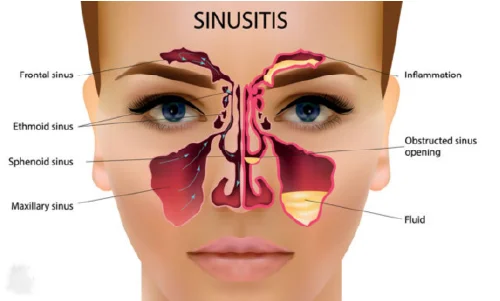
Sinusitis can be triggered by a variety of pathogens such as viruses, bacteria, fungi, and allergens. Common culprits for sinusitis include:
Certain individuals are at a higher risk of developing sinusitis due to specific factors:
Sinusitis, if untreated, poses various risks and complications, such as:
The various types of sinusitis are:
Acute, Subacute, Chronic, and Recurrent Sinusitis
Bacterial and Viral Sinusitis
Fungal Sinusitis – More severe, particularly in those with weakened immune systems.
Viral infections are the main cause of sinusitis instances, which may resolve on their own. Your symptoms might be eased by over-the-counter (OTC) medications and home remedies, like:
Nasal Congestion
Pain Medications – OTC options like acetaminophen and ibuprofen help with sinus headaches.
Antibiotics
Doctor’s Visit
Surgery
Various methods can be employed to lower the likelihood of developing sinus infections, contingent on the underlying cause. These methods include:
Based on the patient’s medical history and symptoms, medical professionals diagnose sinusitis. They examine ears, nose, and throat for swelling, draining, or blockage, often using an endoscope to look inside the nose.
Diagnosis involves these specific tests:
Pre-treatment and surgery instructions for sinusitis involve both medical and surgical approaches:
Consult your healthcare provider for personalised guidance and adherence to specific instructions.
Post-surgery instructions for sinusitis can vary based on surgery type and patient condition, but general guidelines include:
Follow specific instructions for optimal healing and consult your medical team with any concerns.
Recovering from sinusitis involves several steps:
These measures, alongside rest and hydration, contribute to effective recovery. Monitor symptoms closely and consult your healthcare provider if symptoms persist or worsen.
The sinus is a system of hollow cavities in the skull that produce mucus, helping to filter, moisten, and warm the air we breathe, and providing resonance for speech.
Sinus issues like infections or inflammation can cause discomfort but are typically not dangerous. However, severe or chronic conditions may require medical attention for proper management and relief.
The cost of a sinusitis treatment varies as per the specific type advised by a healthcare provider, such as:
The cost can also vary widely depending on several factors, including the location, the type of treatment, the doctor’s experience, and the hospital’s pricing structure.
To get an explicit estimate for the cost of sinusitis treatment at the CK Birla Hospital, contact the hospital directly. Additionally, you can consult with our board-certified ENT specialist to discuss your specific needs and receive a personalised quote for the treatment.
To get lasting relief from chronic sinusitis, you can adopt a healthy lifestyle along with medications or treatments such as surgery (functional endoscopic sinus surgery, or FESS) by consulting an ENT specialist.
If you want immediate sinus relief, you can try home remedies, such as steam inhalation and saline nasal sprays, and stay hydrated throughout the day, as this thins mucus and promotes drainage.
Yes, sinus inflammation or infections can lead to headaches due to pressure buildup in the sinus cavities. This pressure can cause pain around the forehead, eyes, cheeks, and nose.


