Filter :
Pregnancy is an extraordinary experience and by far the most beautiful phase of a woman’s life leading to motherhood. During pregnancy, a woman’s body and her emotions undergo changes which make her strong and positive preparing her for childbirth. There are different kinds of delivery procedures possible namely; vaginal delivery or natural childbirth, caesarean section, forceps delivery, vacuum extraction and vaginal birth after cesarean.
Out of all these procedures, the most recommended method is the vaginal delivery process. Going through a normal vaginal delivery is an empowering experience and has its own advantages over a C-section or any other kind of procedure. Natural vaginal childbirth is said to take place without any form of medical intervention where the doctor doesn’t need to use any tools to help pull out the baby. However, it might not always be possible to perform a normal delivery, depending upon the complications, the position of the baby and the capacity of the patient to handle pain.
There are three major steps that a mother has to go through for the delivery process.
Labour
The first stage of labour normally happens at the end of the third trimester of pregnancy where the body begins to show signs, that it is time for the baby to be born. The early labour stage is where the muscles of the uterus start to contract and then relax. These contractions are an important part as it helps to thin (efface) and open (dilate) the cervix for the baby to pass through the birth canal. At first, the contractions may be irregular and last for less than a minute leaving an uncomforting feeling in the woman. The pain gradually intensifies, and the body goes through contractions lasting for up to a minute which is an indication that the woman needs to pack-up and make a move to the hospital. Active labour often lasts for four to eight hours or more.
Birth of your baby
You are finally prepared for the much-awaited childbirth! The delivery process might take from a few minutes to up to a few hours to push the baby out into the world. If the woman is delivering for the first time, it might take longer to deliver versus the second or third time. The doctor will ask the patient to push during each contraction and advise changing position until the woman feels most comforting to push out the baby. One can try pushing out the baby while squatting, sitting or kneeling with the intention of minimizing pain and speeding up the delivery process. It is important to stay motivated and calm throughout the entire process. The baby will come out head first, followed by the rest of the body. Once the baby is out, the doctor will cut the umbilical cord and the patient can rejoice and relax.
Delivery of placenta
The mother can hold the child in her arms and be glad that the baby has been delivered in a healthy state. However, the last stage of labour now takes place, where the mother delivers the placenta. The placenta is normally delivered after five to thirty minutes from the time the child has been birthed. The mother will continue to have low-intensity contractions and will have to push one more time to deliver the placenta. At this stage, the doctor will examine the patient to make sure that there is no excessive bleeding. After the placenta has been delivered, the uterus gradually contracts and returns to its normal size.
While we have elaborated here the benefits of normal delivery, it is important to remember that the primary aim of a doctor is to perform a safe delivery and to ensure that both the child and the mother are healthy and safe.
Connect with Dr. Astha Dayal, Consultant – Obstetrics and Gynaecology at the CK Birla Hospital in Gurgaon. Book your appointment today!
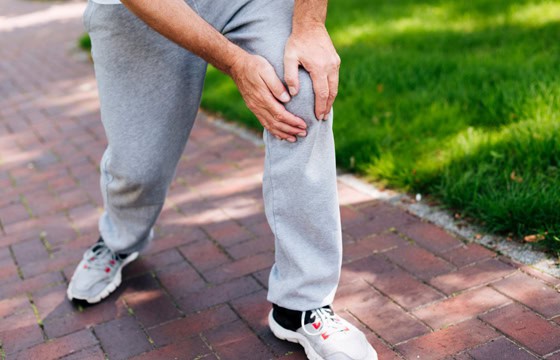
When one talks about pain in the knee, many people feel that it is a condition that can usually affect athletes and elderly people. While these are the high-risk categories, it is important to know that almost anyone can experience this pain. The pain can begin in the joints or in the knee cap area or it may also occur in the ligaments, tendons and cartilages of the knee.
The most obvious symptom is pain in the knee. But the location of the pain and the severity of the pain will depend on the cause of the pain. Along with knee pain sometimes there can be swelling, stiffness, redness, peculiar sounds may be heard when one moves the knee. The patient might not be able to straighten the knee completely.
It is important to know the causes of the pain. Now there can be many reasons which can result in pain in the knee. One might just strain the knee or one might suffer from pain due to an injury like ACL injury or fracture etc. In some cases it can be due to overuse of the knee. Sprained ligament, tendinitis, runners knee, meniscal tear, torn cartilage, gout etc are some of the common causes of pain in the knee.
One of the top causes of pain in the knee in the case of people who have crossed the age of 50 years is osteoarthritis. Rheumatoid arthritis and infection in the knee can also result in pain. There can be a number of other conditions that can result in the pain. This includes dislocation of knee cap, an old knee injury that was not treated properly etc.
One needs to understand here that there are factors due to which there are more chances that the person will suffer from this painful condition. Obesity will increase the strain on the knee and it will also increase the risk of osteoarthritis. Expectant mothers are at a risk as they put on weight during pregnancy. If the muscles are not strong enough or if they are not flexible then that too can increase the chances of injury to the knee. Previous knee injuries may also flare up after some years. People who are engaged in certain occupations like sports activities or farming or construction labourers are also more likely to suffer from this problem.
Sometimes if the cause is not very serious then rest can help in providing relief. Use of ice pack on the knee for few minutes can also be useful. One may also opt for compression which involves wrapping of elastic bandage around the knee. Over-the-counter non-steroidal anti-inflammatory medicines are also available but it is highly recommended to consult a doctor before taking any medicines.
If the person has chronic knee pain which is not responding to the home treatments, then it is time to visit a good orthopaedic doctor. If the person has suffered from a major injury and there is redness and swelling on the knee then one must immediately seek medical advice. If you have severe pain and are not able to move the knee then there is no point in wasting time. Just rush to the doctor on priority.
Osteoarthritis is a medical condition in which the pain will increase. If you do not get proper medical treatment in time then it can lead to damage of the joint. It may even result in disability. If the joint seems to be deformed or if you fear that the knee injury has resulted in fracture or if there is too much pain and swelling that has appeared suddenly then it is always better to visit the doctor on priority. One must see the doctor if there is severe pain accompanied by fever, inability to walk or if there is discomfort while walking or doing routine activities like climbing stairs.
The doctor will do a physical examination and will ask some questions to determine the cause of the knee pain. Sometimes the doctor may recommend radiology tests like X ray and MRI scan. X ray is used to check if there is degeneration in the knee or if there is a fracture. MRI scan is used to check if there is any issue with the soft tissues. In some cases the doctor may ask the patient to do certain blood tests and arthrocentesis.
The line of treatment will depend on the cause of the pain. In some cases medicines and physical therapy might be enough. Sometimes injections that are injected in the knee might have to be used. However there are few conditions where the only option is surgery.
One of the most common surgeries is Arthroscopic knee surgery in which the surgeon can mend certain injuries. In some cases the surgeon may recommend partial knee replacement in which the partial damaged part of the knee is replaced with artificial parts made from metal. If the damage is significant then the surgeon will recommend total knee replacement in which the entire joint is replaced.
If one chooses the best orthopaedic surgeon and healthcare facility then one need not be worried about the knee issues. Even if one has to opt for knee surgeries the best hospital will always make sure that they make use of latest technology to treat the patients. Some of the most reputed hospitals like us, the CK Birla Hospital, located in Gurgaon, make use of computer navigation system in knee replacement surgeries. The use of these advanced techniques ensures that the patient experiences less pain after the operation. There will be reduced scarring and the recovery of the patient will be faster. We also offer special orthopaedic care to expectant mothers.
So next time you suffer from knee pain do not ignore it as it can result into something very serious. Make sure that you seek the advice of an expert orthopaedic doctor at the earliest.
Connect with Dr. Praveen Tittal, Consultant – Orthopaedics at the CK Birla Hospital in Gurgaon. Book your appointment today!
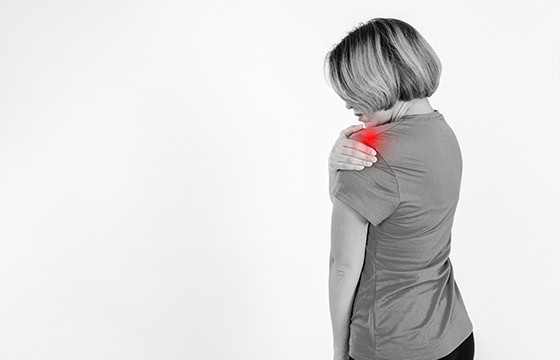
There are two joints in the shoulder and arthritis usually occurs in the big ball and socket joint, namely glenohumeral joint. This joint connects two bones, glenoid and humerus. These two bones are covered by cartilage. When this cartilage is damaged, it results to shoulder arthritis. Shoulder arthritis can also develop to the acromioclavicular joint.
Shoulder arthritis starts developing when the cartilage that covers the bones of the shoulder starts to wear and tear. This cartilage is meant to cover the surface of the bones.
There are different stages in which this arthritis may develop.
There are different types of shoulder arthritis, which are as follows:
Primary Osteoarthritis
This arthritis has another name, which is a degenerative joint disease in which aging is the factor that results in wear and tear. Other joints are also affected in this case, that is near to the shoulder.
Rheumatoid Arthritis
This arthritis is related to an autoimmune disorder. In this case, the immune system attacks the healthy cells of the body. This arthritis can develop on both shoulders at the same time.
Post-Traumatic Shoulder Arthritis
This type of arthritis occurs if the shoulder has been dislocated, fractured or injured severely due to any reason.
Rotator Cuff Tear Arthropathy
This type of arthritis takes place if the rotator cuff of the shoulder is tearing for a long span. There are four rotator cuff tendons and the ball portion is surrounded by these four cuff tendons. If these tendons are damaged, the humeral bone may get rubbed with other bones, which leads to the development of arthritis.
Avascular Necrosis
This condition refers to the interruption in blood supply. The humeral of the shoulder may lose blood supply in this case and that results in collapsing of the bone. This collapse results in arthritis.
The symptoms of arthritis depend on the amount of cartilage. The symptoms of the cartilage are as follows.
Shoulder Joint Pain
This pain is a major sign of arthritis and can occur on any side of the shoulder. Some people face pain even if the arm is not in use. The pain can occur at any point of time irrespective of the fact whether the shoulder has become stiff or not. The pain increases when someone lifts something with the affected arm where the shoulder is having the pain. If the pain gets severe it can go down to the elbow as well.
Joint Stiffness
Joint stiffness of shoulders can be a sign of arthritis. Movement of that arm becomes too painful and the patient may find issues in doing things with that affected arm.
Grinding, cracking, or clicking
If the cartilage covering the shoulder bones is irregular, this may be due to the development of arthritis. Pain may not occur in this case.
In order to diagnose arthritis, the physician has to do a physical examination. He will also check the medical history and ask several questions related to the pain. X-Ray or CT scan can be performed to check the damage of the cartilage.
There are various ways in which the disease can be treated. These treatments are discussed here.
Exercises
Physicians suggest a range of motion exercises, which helps in the movement of shoulder comfortably. The goal of these exercises is to prevent further damage to the cartilage. Loss of motion is gradual and people do not notice it. The pain grows due to the growth of stiffness in the shoulder.
Modifications in lifestyle
The person suffering from shoulder arthritis has made changes in his lifestyle. He should not do such things that may result in pain. Pain may occur due to lifting heavy things or playing such games in which shoulder is involved.
Pain control
Pain can be controlled with the help of ice one can put the pack of ice on the shoulder several times a day. If heat is preferred, then you can use a bag full of hot water and put it on your shoulder. The heat warms up the joint and gives relief to the pain.
The CK Birla Hospital strives to provide you the best treatment with utmost care. Connect with our team of expert orthopaedic doctors for more guidance and expert advice on shoulder pain. Book appointment today!
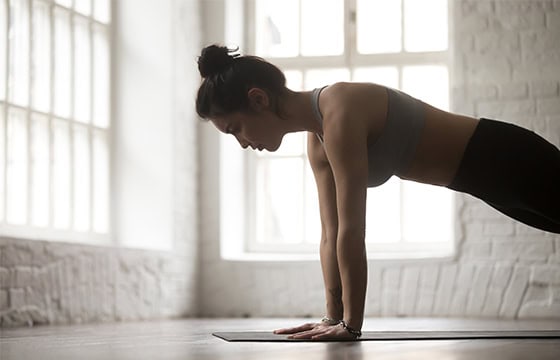
The core is the foundation of our body. Just as a building can’t stand tall without a sound foundation, our body too needs a sound foundation to function efficiently. The core makes everyday activities, from getting out of bed, to walking down the street more efficient. The core is the central link in the chain movements involving various parts of our body. Whether we’re hitting a ball or chopping vegetables, the necessary movements either originate in our core, or traverse through it.
Our abs aren’t just important cosmetically. The deepest layer of abdominal muscles, the transverse abdominis (often referred to as the corset) stabilizes your spine and pelvis & helps keep us upright and maintain an erect posture. Having a strong core thus enhances balance and stability. Weak core leads to slouching whereas a sound core trims our silhouette and projects confidence. It also reduces wear and tear on the spine.
A strong core is what allows us to complete or continue an exercise or activity efficiently. It is however also important to be able to recruit the core effectively. Weak, tight, or unbalanced core, all can hamper the efficient functioning of our body. While back injuries are very common with a weak core, other parts such as the shoulders, hips, and knees are also made prone.
Only with a stable center can the peripheries perform effectively.
‘Proximal stability allows Distal mobility.’
To learn more about body fitness, connect with Dr. Praveen Tittal, expert orthopaedic, specialised in Shoulder, Arthroscopy & Sports Injury. Book an Appointment today!
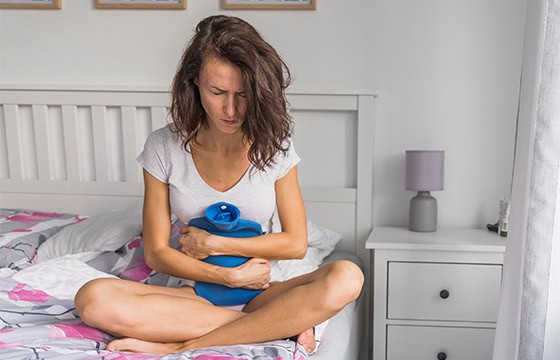
Menstrual cramps are cramping pains in your lower abdomen. Most women tend to get these cramps before or during the period. For some women, the cramps can just be annoying whereas for some it becomes very severe that it interferes in their daily routine during those days of the month.
Endometriosis and uterine fibroids can also be reasons for severe menstrual cramps, to reduce the pain it becomes important to get such conditions treated. For some women these pains can reduce after giving birth to a child.
Menstrual cramps are caused because of contractions in the muscles of the uterus or womb, if these contractions happen very strongly during menstrual cycle, it can press nearby blood vessels which sometimes cuts off the supply of oxygen the uterus, the lack of oxygen causes this pain and cramping. Though there could be other reasons for these cramps, listed below are a few:
Urinary tract infection (UTI) is an infection which can happen in any part of urinary system – kidneys, ureters, bladder and urethra. Women are more prone than men to get infected form UTI.
Symptoms of infection in upper urinary tract (kidney and ureters) are different from symptoms of infection in the lower urinary tract (bladder and urethra), however, in some cases they can overlap.
Following are the common symptoms to identify lower UTI
Symptoms of upper urinary tract include
If you suspect that you might have UTI, you should consult a doctor who might ask you to have a simple urine test to check if your urine has bacteria which causes UTI. For treating UTI you might have to take a course of antibiotics prescribed by your doctor, it is suggested to complete the complete course of the medicine even if you have started feeling better. Drinking a lot of water also helps in getting the bacteria flushed of.
A lot of preventive measures can be taken to reduce the risk of your getting infected with UTI, below mentioned are a few: –
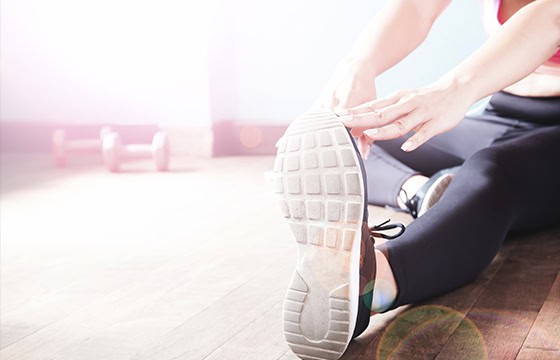
Menstrual Cramps are very common in women, these cramps prevail in 90% of young women. At times these become so severe that they become the cause of absence from school, college and work.
Relief from Menstrual Pain
Exercise helps relieve these pains as it releases beta-endorphins, which are internal opioids “human morphine”. Exercise helps in producing analgesia, a sort of pain relief and helps in burning the prostaglandins, the chemicals that is released during menstruation which causes muscle contractions.
Experts suggest that the best exercises during your periods are swimming, brisk walking and cycling.
Exercise releases brain chemicals that can make you feel good. A little effort in your exercises that breaks sweat is helpful while real relief from period cramps comes from vigorous exercise which gets your heart pumping fast.
What is HPV?
HPV stands for Human Papilloma Virus. It is a very common infection and most women get it at some time in their life. In most cases it clears up by itself without the need for treatment. But in some women the virus persists, placing them at greater risk of developing cervical abnormalities (CIN) which may need treatment.
Human papillomavirus (HPV) is known to cause a number of ailments, ranging from issues as benign as common warts to life threatening diseases such as cervical cancer.
How do people get HPV?
HPV is a very common infection among people who have been sexually active at some time in their life. It is easily transmitted during sex between men and women and between partners of the same sex. The virus shows no symptoms, so it is possible that
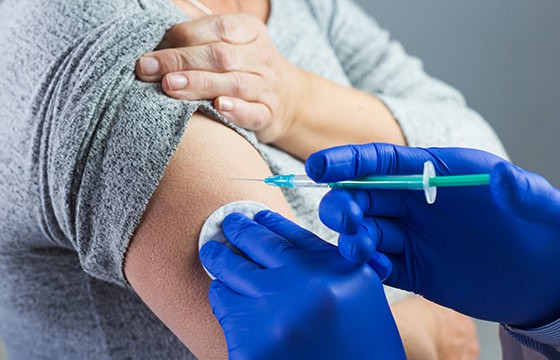
The HPV vaccine gives protection against the most high risk strains of the Human Papillomavirus (HPV), including ones which cause cervical, mouth and genital cancers.
Gardasil and Cervarix are the two HPV vaccines available, and both protect against the two most common high-risk types of the virus: 16 and 18. These strains are linked to over 70% of cervical cancers, and most anal, penile and mouth cancers. Gardasil vaccine which also protects against types 6 and 11 of the virus, which are responsible for around 90% of genital warts. Cervarix vaccine protects against the high-risk HPV strains linked to cancer.
It is important that women who have been vaccinated continue to take up the offer of cervical smear testing later in life, so that other kinds of cervical cancer can be picked up.
HPV vaccinations are recommended for all children of ages 9 to 15. The process requires 2 injections administered at least 6 months apart.
If the vaccination is administered when an individual is older (above 15 years) – 3 doses are required.
Both males and females can receive the vaccination until the age of 25.
Regardless of HPV vaccination status, cancer screening by Pap test, visual inspection with acetic acid (VIA) and/or HPV testing are also recommended as vaccine does not prevent against all high risk HPV viruses.

The cervix is the lowermost part of the uterus – a slim, cylindrical neck of tissue that connects the uterus to the vagina. It allows menstrual blood to flow from the uterus to the vagina, and sperm must pass through it to reach and fertilize the egg following sexual intercourse.
What is Cervical Cancer?
Cervical cancer happens when cells in cervix grow in an uncontrolled way and build up to form a lump (also called a tumor).As the tumor grows, cells can eventually spread to other parts of the body and become life threatening.
In India, cervical cancer contributes to up to 29% of all cancers in women. The figures are alarmingly high, and without any government-sponsored screening programs, the responsibility to understand and screen for cervical cancer falls upon us.
What causes cervical cancer?
Nearly all cervical cancer is caused by HPV, or Human Papillomavirus, which is transmitted through skin to skin contact. There are several types of HPV, some more threatening than others. “Low-risk” types may cause genital warts, while “high-risk” types are linked to cancer.
In reality, HPV infections are extremely common, especially in women who have ever been sexually active. Usually, an HPV infection will clear on its own. It is only women with persistent HPV, the kind where the virus can’t be fought off by the immune system, that are at risk of cervical cancer.
What puts a woman at risk of cervical cancer?
The main risk of contracting cervical cancer lies in not getting regularly screened. Aside from this, those with weak immune systems or those suffering from human immunodeficiency virus (HIV) will be more likely to contract cervical cancer.
The HPV Vaccine can be taken to prevent cervical cancer and is available at the CK Birla Hospital. Connect with Dr. Keerti Khetan, expert gynaecologist at the Department of Obstetrics & Gynaecology to lean more.

