

Consult Dr. Praveen Tittal, pediatric orthopaedic surgeon in Gurgaon at the CK Birla Hospital if your child is suffering from clubfoot. Book your child’s appointment today!
Filter :
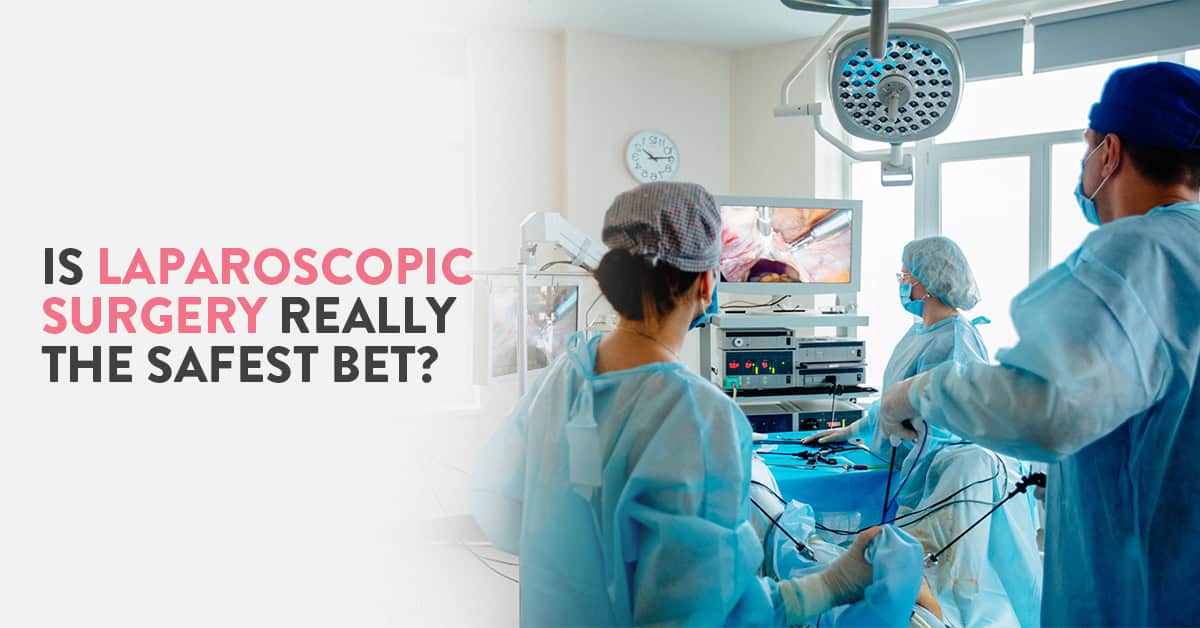
Over the past few years, recovery time, scarring and pain associated with a wide range of general surgeries have reduced significantly. This is all thanks to the rising popularity of “laparoscopic” procedures or keyhole surgeries. With the help of laparoscopic surgery, surgeons can now treat patients in outpatient procedures itself avoiding unnecessary risks, scarring, pain and expenditure, enabling the patient to recover comfortably at home. In this article we will be exploring the laparoscopic risks and benefits that need to be factored in while deciding to opt for the procedure.
While laparoscopic procedures can be traced as far back as 1805. However, it was Dr Heinz Kalk, a German gastroenterologist who popularised it by inventing a superior laparoscope. This earned him the title of “Father of Modern Laparoscopy”. In the 1930s, Laparoscopy gained popularity in the United States through the work of internist John Ruddock. In the last few decades, laparoscopy has become the first choice of surgical treatment for both doctors and patients.
Table of Contents
According to the National Health Service-UK, laparoscopic surgeries or keyhole surgeries are defined as “a type of surgical procedure that allows a surgeon to access the inside of the abdomen or pelvis without having to make large incisions in the skin”
In this procedure, the surgeon makes one or more small incisions. A small tube is used to pump gas into the body cavity through one of these incisions. This is to help the surgeon get a clearer view inside the body. Using a laparoscope (a small tube with a light source and camera), the surgeon can either see inside the body to make a diagnosis or use it to guide other surgical instruments. Over the years, laparoscopy has become a common procedure to diagnose and treat gynaecological, GI, minimal access and urological conditions.
Laparoscopy is used to treat a wide range of GI, gynaecological and urological conditions. It can be used to perform tubal sterilization, hysterectomy, gallbladder removal, appendectomy, kidney stone removal etc.
Laparoscopy is also a common way to conduct a number of diagnostic tests such to diagnose and treat conditions such as endometriosis, fibroids, ovarian cyst, ectopic pregnancy, pelvic floor disorders and some forms of cancer.
Read: What you need to know about an Ectopic pregnancy
The most obvious and basic benefit of laparoscopic surgery is that large open wounds and incisions can be avoided. This in turn significantly decreases blood loss, pain, discomfort and scarring. Even the side effects caused by anaesthesia can be reduced or avoided. The instruments used in laparoscopy also cause less trauma to the tissue.
Owing to the nature and size of incisions in laparoscopic procedures, the risk of developing postoperative complications associated with the wound is much lower. This includes complications such as dehiscence, infection and incisional hernia amongst others.
Laparoscopic procedures also help avoid cooling, drying, excessive handling and retraction of internal organs that can occur in traditional open surgeries.
These benefits together aid in minimising recovery time and post op pain hence reducing the risk of developing conditions associated with prolonged bed rest and inactivity (such as bone loss, muscle atrophy and urinary retention). Most of the time, laparoscopic surgeries can also be performed as outpatient procedures.
In a more practical sense, laparoscopic procedures minimise direct contact between the surgeon and patient. Consequently, there is a much lower risk of transmission of any type of infection between the two, making it a preferred surgical option for a wide range of treatment and diagnostic needs.
The benefits of laparoscopic surgery are quite obvious and widely accepted. However, like all surgical procedures, it does not come without its own risks. One of the main risks is that laparoscopy takes longer time to perform as compared to open surgery. This increases the exposure of the patient to general anaesthesia which can result in complications.
Other serious complications that can occur (rarely) in laparoscopic procedures are:
Just like any traditional surgical procedure, the complications may not be evident right after surgery. Rather they can start developing over a period of time following the surgery. So, it is generally advised that the patient is not left alone for the first 24 hours after surgery. Even if they have been discharged from the hospital. If you observe any of the following symptoms after a laparoscopic procedure, seek immediate medical attention:
In some cases, due to complications arising during the procedure, the surgeon might also have to switch to open surgery instead of laparoscopic surgeries. Further surgery may also be required to treat some of the serious complications that may arise after a laparoscopic procedure.
Now, let us come back to the main question. Is laparoscopic surgery safe? Considering all of the above facts, it is clear why laparoscopic surgeries are rising in popularity. As compared to traditional open surgeries, they are considered safer as they minimise the time spent by the patient in the hospital or on bed rest. In fact, in many cases, patients are discharged a few hours after the procedure itself.
It is important to remember that laparoscopic surgery is by no means a magic cure to all surgeries. Not all patients are suitable for this procedure. Based on the severity of the condition and the patient’s general health, the doctor can decide between open or laparoscopic procedures.
Laparoscopy during procedure is not considered unsuitable or dangerous to the health of the fetus and the mother during any trimester. However, precautions are to be taken to ensure the safety of the baby and mother such as carefully deciding the type and dosage of anaesthesia as well as ensuring the facility is equipped to handle any complications should they arise.
Patients are generally advised not to eat or drink anything for at least 8 hours before the surgery. This is because laparoscopic procedures are usually performed under general anaesthesia.
The recovery time after a laparoscopic procedure depends on several factors such as the type of treatment and your general health. Surgeries such as appendectomy can take around 3 weeks for recovery.
Robotic-assisted laparoscopy is the latest innovation in the field of laparoscopy. In this procedure, the surgeon uses a console located in the operating theatre to perform the procedure using robotic arms attached with a special camera and surgical equipment. The greatest advantage of this technique is that the system offers a magnified 3D vision and increased range of movement for the instruments inside the body cavity. This helps the surgeon be more precise and accurate. There is also evidence suggesting that robotic assisted laparoscopy can have lower risk of complications as compared to traditional laparoscopy or open surgeries.
Read: Treatment of fibroadenoma without surgery – here’s how you can dissolve it naturally

Most of us have experienced bouts of back pain at some point of our adult lives. Today, back pain and related conditions is said to be one of the most frequent medical complaints. It is also one of the most common reasons for lost work time, coming second only to the common cold. Here we explore the common causes of back pain and explore tips for maintaining a healthy back.
Back pain is broadly divided into two categories. These are chronic back pain and acute back pain. Chronic back pain is defined as back pain that persists after an injury/surgery or if its cause is hard to determine. Acute back pain on the other hand refers to a brief episode of pain that manifests suddenly. It can develop into chronic back pain eventually if not treated correctly on time.
Mechanical conditions of the spine such as back strain, disc herniation, disc disease, osteoarthritis and spinal stenosis reportedly cause almost 98% cases of back pain.
Common causes of back pain include:
This condition refers to the rupture or tear of the cartilage surrounding the vertebral discs. This occurs when the pressure from the vertebrae on either side of the affected disc squeezes out the nucleus pulposus (cushioning substance in the inner core of the vertebral disc). Studies show that the pressure on the nucleus pulposus is greater when you are sitting. Hence, this condition is especially prevalent amongst individuals in a sedentary occupation.
Osteoarthritis is a form of arthritis associated with ageing. Osteoarthritis of the spine can be accompanied by a condition called spinal stenosis. Patients with spinal stenosis complain of tingling, weakness, numbness and/or pain radiating down the arm or leg.
This is a chronic inflammatory condition that first affects the spine and its nearby structures. It eventually results in the vertebrae fusing together. Ankylosing spondylitis has strong genetic links and is generally seen in men aged below 30 years.
Spondylolisthesis is a condition of the spine that affects the lower vertebrae. In this condition, one vertebrae slips forward over the vertebrae below it. It can be congenital (present at birth), isthmic (caused by a defect such as a fracture in the bony supporting vertebral structure at the back of the spine) or degenerative (caused by degenerative disc disease). People with a family history of this condition are more likely to develop it. Performing some activities such as gymnastics, weight lifting etc can also increase the risk of developing this condition.
Any type of injury due to any traumatic event such as an accident can result in fracture or muscle injury causing back pain.
Infections can cause (very rarely) acute and chronic back pain.
Cancer causes less than 1% of all back pain cases.
Other conditions such as abdominal aortic aneurysms, kidney stones or perforating stomach ulcers are also known to cause back pain. Although such cases are not very common.
It is without a doubt that today, our sedentary lifestyle is one of the leading causes of chronic and acute back pain. Lack of exercise combined with long hours of sitting in wrong postures renders the back so weak that even simple movements like bending or even coughing can result in conditions such as herniated discs.
Maintaining a healthy and strong back is extremely important, as the spine forms the core of our skeletal structure. Any damage to this region can cause extreme pain and sometimes loss of mobility.
Also, read: Severe pain in heels during the morning: do I have Plantar Fasciitis?
To help you keep your back strong and straight, we have compiled a few tips for how to keep your back healthy.
Posture is one of the key factors to consider to maintain spinal health. Many of us are guilty of ignoring the way we sit. Especially since it is natural to slouch or hunch after many hours of sitting in the same position.
The thing to keep in mind while sitting is that it is best to sit with a relatively straight back. The best way to do this is to sit with your posterior right back in your seat. Straighten yourself, push your shoulders back and then relax a little. Using ergonomic furniture will also help you to maintain a good posture.
Sitting or staying inactive for prolonged periods of time is not good for the spine (or the rest of your body). Staying active and physically fit is one of the most basic ways to stay healthy. You don’t have to do high intensity workouts, just a simple stretch and a walk around the office every couple of hours can have a significant positive impact.
On an average, we spend anywhere between 6-8 hours sleeping. What we sleep on plays a significant role in maintaining the health of our backbone and spine. Many of us get so comfortable with a specific type of mattress that we tend to put off changing it. There is no specific magic mattress that suits everyone so it is important that you choose a mattress that feels the most comfortable to you. If you are experiencing stiffness and pain in the back that does not seem to go away, it is a good idea to think about changing your mattresses. You can also try changing the position you sleep in.
One common cause of chronic and acute back pain is poor lifting technique.
Even lifting moderately heavy objects, or the simple act of bending down to pick up something can strain the back and result in pain.
The first thing to keep in mind is to never lift things which are too heavy, especially if your body is not used to the stress. The ideal lifting technique is to bend at the knees and lift keeping your back straight
When you are walking, it is advised to avoid leaning forward or backward. Bring your stomach in slightly, engage the core, tuck the buttocks in and tilt your hips forward a little. This is considered the best walking posture
These days, along with minding our backs while going about our day to day life, we also have to pay attention to our neck. Especially as we spend the majority of our day looking down on one screen or the other. Remember to practice simple neck exercises and rotations every couple of hours to avoid stiffness and pain.
There are three main factors to keep in mind while selecting footwear. These are “form”, “fit” and “function”. While form refers to the visual aspect of the shoe, fit and function are the most important factors associated with how the shoe feels and impacts the body. Ill-fitting or uncomfortable shoes have a huge impact on how we walk and our general posture. Opt for cushioned and supportive shoes and avoid high heels or heavy shoes etc.
Also, read: From bunions to hammertoes : How to avoid the shoes that kill your feet
A well balanced diet has a number of benefits on the body. It is also important to follow a healthy diet to maintain good spinal health. Excessive weight gain and obesity can result in excessive pressure on the back. Diet also impacts the nutrients going into the spinal cord. So, it is essential that you make your eating choices carefully.
Most spine health exercises focus on improving flexibility and strengthening the core. The core refers to a band of muscle that wraps around our stomach. It is essential in maintaining good posture and having a healthy back. You can enroll in pilates and yoga for a healthy back, as these activities focus on flexibility and core strength.
There is nothing like a massage to squeeze out the stress from our body. The occasional massage is the ultimate treat for our backs. It improves circulation and releases the tensions in the muscles to relieve pain and stiffness.
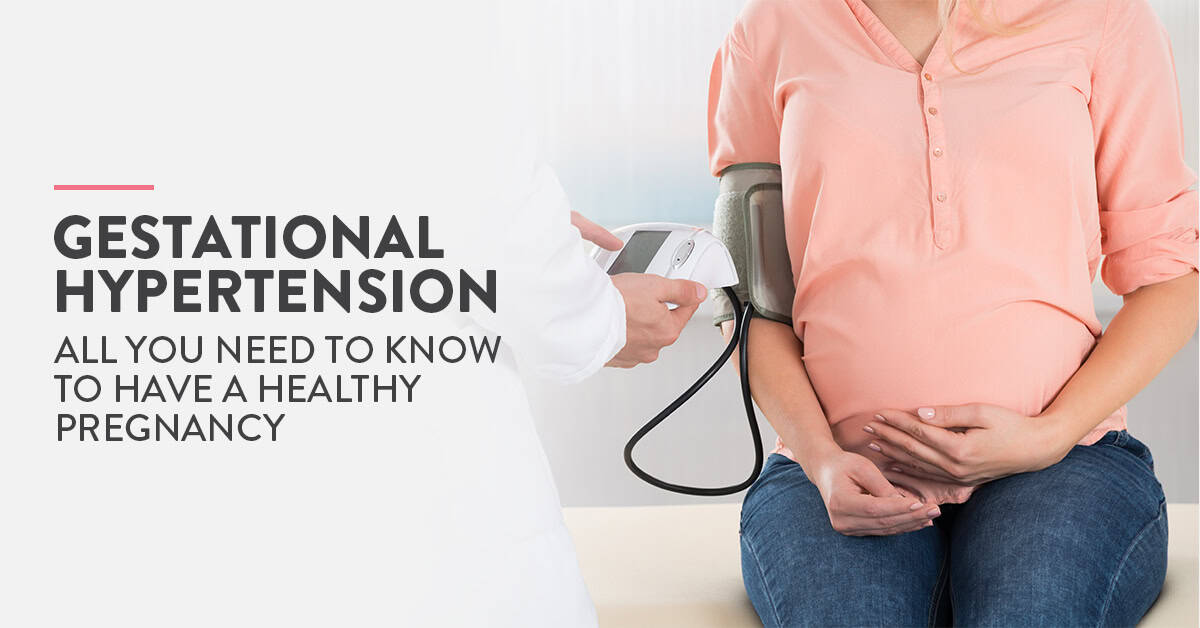
Gestational hypertension is a pregnancy condition characterised by high blood pressure in pregnancy. This condition should not be confused with other blood pressure conditions such as chronic hypertension or preeclampsia. Gestational hypertension generally develops in the second trimester and goes away after you give birth. Don’t be alarmed if your doctor observes high blood pressure during your pregnancy, many women with high blood pressure deliver healthy babies. Your doctor would closely monitor your condition as well as your baby’s health and growth.
To effectively manage gestational hypertension, let us first understand this condition better.
Medical experts are still to identify the exact causes of gestational hypertension. A few factors that can increase the risk of developing high bp in pregnancy include:
During your prenatal visits, your doctor would evaluate the risks to your pregnancy based on your medical and family history. Apart from high blood pressure, you might also experience the following symptoms of high BP in pregnancy:
It is important to carefully monitor and manage signs of high blood pressure during pregnancy as it can result in severe blood pressure conditions such as preeclampsia. If you notice any new symptoms bring it to the notice of your obstetrician right away.
If you are detected with high blood pressure, your doctor might run additional tests to rule out any other conditions. These include:
The main goal of treatment for gestational hypertension is to prevent the condition from worsening. Your treatment would include the following:
Gestational hypertension on its own doesn’t necessarily be a cause of worry. However, if not managed correctly it can lead to complications such as preterm labour and preeclampsia. Preeclampsia is a serious blood pressure condition that affects various organ systems in the body including the nervous system. The only course of treatment in this event is performing an emergency delivery.
Watch the video as Dr Deepika Aggarwal, consultant obstetrics and gynaecology at the CK Birla Hospital discusses “Hypertension and Preeclampsia – Silent dangers to pregnancy” in full detail.
If you do have high blood pressure during your pregnancy, the following tips can help you have a healthier pregnancy
Remember, it is always better to err on the side of caution and check with your doctor in case you aren’t sure whether something is out of the ordinary or not.
Ques: Is gestational hypertension and chronic hypertension the same?
Ans: Gestational hypertension is a blood pressure condition characterised by high bp after the 20th week of pregnancy. Chronic hypertension is high bp that existed before the pregnancy. If you have high blood pressure and are planning to or have become pregnant, consult your doctor for ways to manage the condition. In case you are overweight, your doctor might ask you to lose some pounds with diet and exercise to help manage your blood pressure. Also, consult your OBGYN for any medications that you might be taking for any pre-existing conditions.
Ques: What is preeclampsia?
Ans: Preeclampsia is a type of hypertensive disorder in pregnancy characterised by high blood pressure and a significant amount of protein in the urine. It can cause multiple organ systems to fail and can also be fatal to the mother and child. Preeclampsia also hinders foetal growth by restricting blood flow to the placenta. The exact causes of this condition are not known however, it is more commonly seen in first time pregnancies, pregnant teens and pregnant women over the age of 40. Signs and symptoms of preeclampsia include:
If you notice any of the above symptoms seek immediate medical attention.
Ques: Can gestational hypertension be prevented?
Ans: There are no ways to completely eliminate the risk of developing gestational hypertension. Early diagnosis and treatment are the most effective ways to manage this condition. So, make sure to go on regular prenatal visits to monitor the progress of your pregnancy.
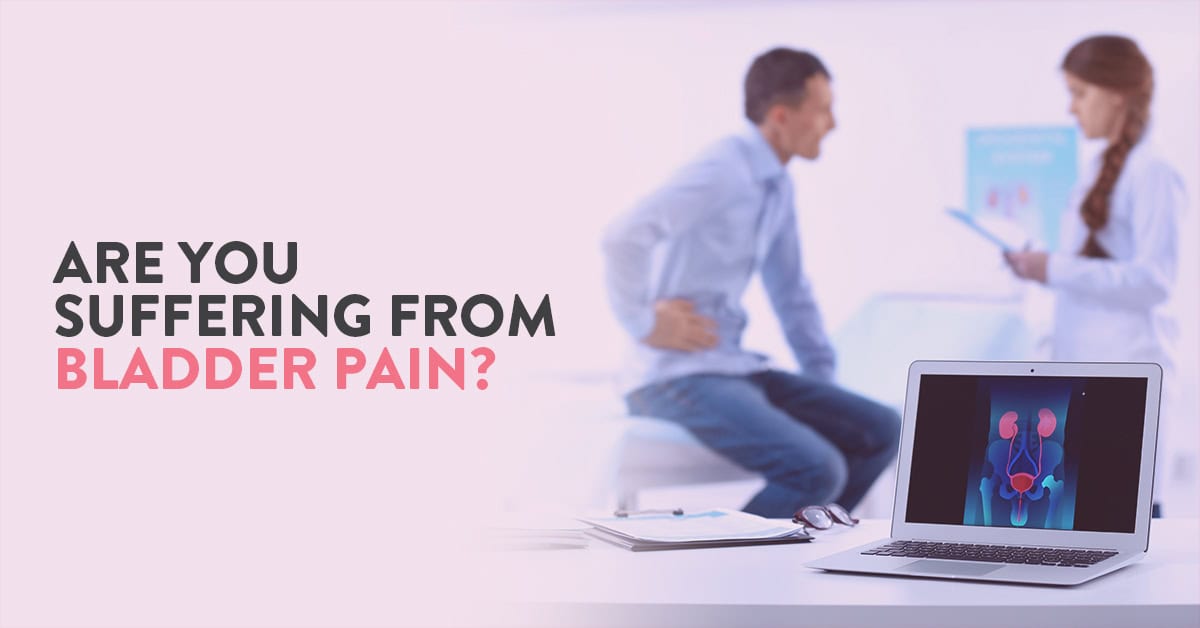
The bladder is a bag-like organ, the size of a grapefruit, located behind the pelvic bone. The bladder is connected to the kidneys through a set of tubes called the ureters. Kidneys make urine and transport the same to the bladder through the ureters.
The bladder consists of muscles that stretch to accommodate the urine produced by the body. The bladder can hold up to half a litre of urine for two to four hours at a time. When the body relieves the urine, two valves open up and allow the urine to pass out of the body through the urethra.
Like every vital organ in the body, the bladder is prone to issues that cause difficulty in functioning. Some of these issues are:
Cystitis is the medical term for bladder inflammation, commonly referred to as painful bladder syndrome. If the pain and inflammation lingers for more than six weeks, with no underlying infection, the doctor might diagnose it as Interstitial Cystitis (IC).
Common symptoms of cystitis include:
The pain resulting from cystitis can be mild to severe depending differing from person to person.
The symptoms of IC could worsen because of improper diet, mental or physical stress. In women, menstruation could cause additional pain to the bladder.
The treatment for IC includes:
In case the treatment options are ineffective, the doctors might suggest surgery as a last resort.
You can also control IC by keeping an eye on your diet to identify and avoid the food which causes bladder irritation.
A urinary tract infection (UTI) could affect the kidneys, ureters, bladder, or urethra, which form part of the urinary system. While the condition affects 8 million people each year, UTI is more likely to cause bladder pain in women as compared to men.
The more common symptoms of UTI are:
You should treat UTIs as soon as possible to avoid severe infections to the kidneys and other parts of the urinary system. Your urologist will conduct a urine analysis to check the level of infection and also to identify the bacteria causing the infection.
UTI could be caused by:
UTIs are generally treated with oral medications that include antibiotics as a first defence. Depending on the severity of the infection, your doctor will dictate the course of antibiotics. In the case of extreme cases, antibiotics are given intravenously.
Drinking lots of water and using heating pads are simple remedies for reducing the effects of the infection and manage side effects of the antibiotics.
Bladder stones are stones made of accumulated mineral deposits in the bladder. When the kidneys form highly concentrated urine, it can lead to the formation of stones. Urine becomes concentrated due to dehydration or a problem in emptying the bladder fully.
The more common symptoms of bladder stones are:
The most usual sign of bladder stones could be by not keeping the body hydrated. As urine is almost 90% water, the reduction in water quantity makes the mineral deposits stronger.
Other signs of bladder stones include:
In the case of small bladder stones, drinking lots of water is enough to flush it out with urine. However, if the stones are bigger in size, lasers or ultrasound are used to break the stones into smaller pieces and flush them out. Surgery is the last option considered when all other treatments are ineffective.
The ninth most common cancer in India, bladder cancer entails the abnormal growth of cells of the inside lining of the bladder. This type of cancer usually causes bladder irritation in men between the ages of 50 and 70.
The more common symptoms of bladder cancer are:
The usual cause of bladder cancer is the abnormal growth of cells without control in the bladder. The growth of these cells is aggravated by:
Different procedures like cystoscopy, biopsy, urine cytology and imaging tests help identify any cancerous areas in the bladder and urinary tract system. Cancer could be at either of the four stages.
Bladder cancer treatment includes:
Doctors might recommend a different mix of treatments for most effectiveness. However, there is a relapse in more than 50 % cases, which often infects the surrounding tissue of the bladder too.
Ques 1: What causes bladder pain without infection?
Ans: Kidney stones could move from the kidney and lodge the bladder’s walls, causing bladder irritation and pain. In some cases, the reason could be bladder cancer.
Ques 2: How do I get my bladder to stop hurting?
Ans: If you have a bladder infection, constant hydration will help flush the bacteria out of your body. Using heating pads and avoiding intercourse until your bladder stops hurting are effective ways to combat bladder pain.
Ques 3: What causes bladder pain in females?
Ans: One of the main causes of bladder pain in women is a bacterial infection from a UTI or IC. Women are more susceptible to bacteria because they tend to have a shorter urethra than men, which is also located closer to the anus. To avoid contracting a bladder infection, women must pay special attention to their intimate hygiene.
Although bladder pain has many different causes, almost all of them can be treated. Bladder pain should be treated right at the start of the discomfort for maximum relief. You can book an appointment with the doctor in case your symptoms persist or are aggravated.
Also, Read: Gallbladder stones – everything you need to know
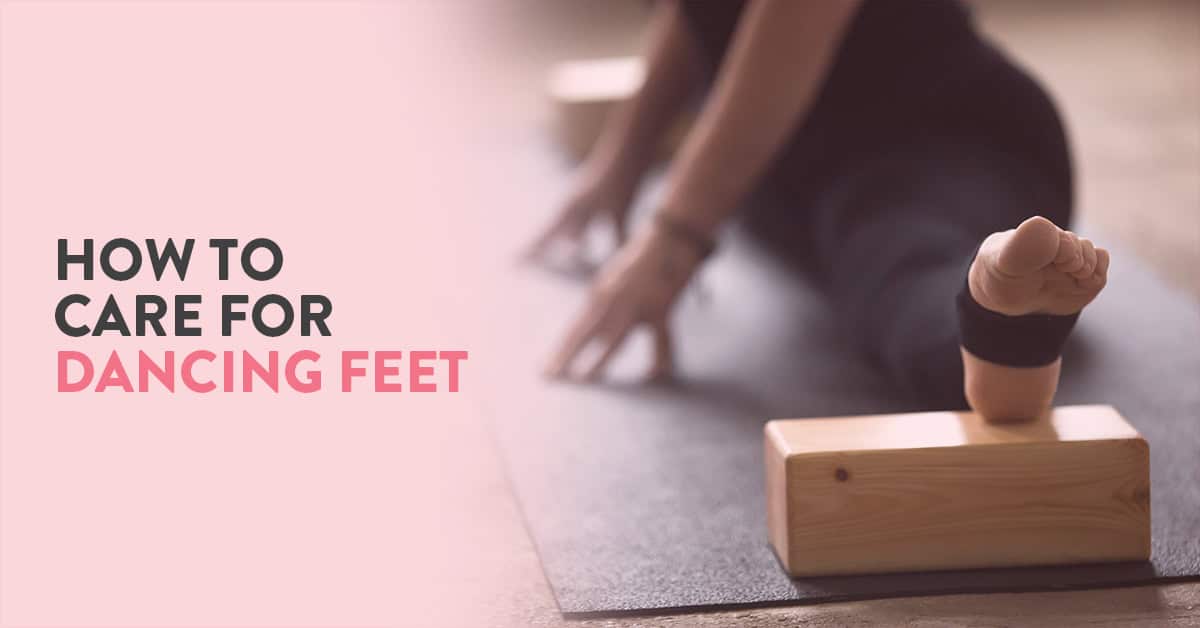
“Dancing is like dreaming with your feet” this age-old quote quite rightly reflects the beauty of dance. Many of us can vouch to have felt the same while dancing to our favourite beats. Dance can be an exhilarating experience, keeping us fresh and fit if done regularly. But without proper care and precautions, this dream can quickly turn into a nightmare for our feet.
Dance is a form of art that has been around for centuries. It requires a lot of physical and psychological dedication. Professional dancers train for years to achieve the motor control and flexibility required to flawlessly execute complex dance routines. These training sessions can be extremely rigorous and last for several hours at a time. Foot and ankle injuries are extremely common amongst dancers, especially female ballet dancers. These can be a result of sudden trauma due to improper landing or more commonly due to repetitive insults during excessive training.
The most common foot and ankle problems that plague dancers are:
Almost every dance form from ballet to freestyle and even contemporary places importance on leg and foot stretches. Every dancer can claim to have had an ankle sprain at least once in their career. This usually happens due to any injury while performing dance moves. Improper training or overexertion can weaken the ankle and increase the risk of developing this problem.
There are multiple joints, ligaments and tendons located in the foot and ankle region holding the ankle joint in its place and allowing up-down and side-to-side motion of the foot. In a typical ankle sprain, any one of these ligaments are torn or severely stretched.
Based on the severity of the condition, ankle sprains can be classified into three different grades. Grade 1 means mild severity while grade III suggests severe injury to ligaments on both sides of the ankle. Common symptoms of an ankle sprain include inflammation, swelling, bruising, redness and rise in temperature of the affected ankle.
Many of us are guilty of underestimating sprained ankles and regretting the decision later on. Ankle sprains should always be checked by a medical expert. An untreated ankle sprain can result in far more severe problems such as:
The initial management of ankle sprain is commonly remembered using the acronym “RICE”. It stands for
If the pain in the ankle is extremely severe, the doctor may recommend other treatments such as a brace, cast etc. Physiotherapy may be required after the pain settles to combat stiffness, weakness and regaining stability of the ankle is needed to get back to pre-injury status.
Long gruelling practice sessions are almost synonymous with dance. These strenuous practice sessions result in a lot of pressure on the foot muscles and bones. Over a period of time, this habitual overexertion and recurring pressure or stress on the bones can result in a type of fracture called stress fractures. It is usually diminutive and as small as a tiny crack in the bone.
Symptoms of stress factors include pain while performing any particular activity that involves the affected bone, pain in touching the affected area, and swelling over the region of fracture.
If stress fractures remain untreated, they can worsen resulting in a major fracture. Experts generally suggest a reduction in activity and use of orthopaedic devices such as braces, walking boots, cast among others to reduce the load on the bone. For severe cases, surgery can also be performed.
One tiny misstep or trip during a complex dance routine can result in a fracture in the outer aspect of the foot (fifth metatarsal bone). The fifth metatarsal bone is found below the little toe. The line of the fracture is usually spiral-shaped throughout the bone and can also cause cracking of the bone into smaller parts. This type of fracture is also commonly called the “dancer’s fracture”. Some of the most common mechanisms of dancer’s fracture include awkward landing after jumps or rolling on the outer border of the foot during demi-pointe position in ballet dancers.
Dancer’s fracture usually presents as swelling, pain, and bruising in the outermost region of the foot. The treatment protocol is similar to other foot fractures and can take 6-12 weeks to heal.
Notice a hard bump at the backside of your ankle? It is probably a “Dancer’s heel”. Dancer’s heel, also known as posterior ankle impingement syndrome, develops when the tissue and bone present behind the ankle gets compressed to form a hard bone-like bump. Ballet dancers who practice the pointe technique for prolonged periods of time often complain of the dancer’s heel. There might also be a bony growth at the back of the ankle (Os trigonum or Steida’s process) which may exacerbate the problem. In these dancers, achieving a full pointe position can trigger pain in the back of the ankle on the outer aspect. Many of them may have adjoining inflammation of the tendon (muscle) of the big toe. This condition is called FHL tenosynovitis and moving the big toe may cause pain.
If the ankle pain caused by the dancer’s heel is limiting one’s daily activities and/or dance, they should seek medical attention for proper diagnosis. The treatment procedure generally includes physical therapy to strengthen and mobilize the ankle, avoiding movements and positions that trigger the pain and medication to manage the pain. If the patient does not respond satisfactorily to these treatments, the doctor can also suggest surgical treatments.
After years of ballet, one may notice slight bending of the toes. This can result in a deformity called hammertoes. Hammertoes is a deformity where the middle joints of all the toes except the big toe bend. This deformity is commonly seen in ballet dancers attempting the full-pointe position as well as individuals wearing small/tight-fitting shoes. This deformity results in an additional force on the toes while wearing shoes. This in turn results in pain and callus formation on top of the toe.
Hammertoes, if untreated can become worse and more prominent with time. Doctors treat hammertoes through non-surgical methods like a change of footwear, padding and stretching exercises. Although if the condition becomes too severe, surgery might be the only treatment option.
Anyone who has had an ingrown toenail can vouch for how uncomfortable and painful it is. Training in shoes that are too tight can result in this condition. Ingrown toenail refers to a medical condition wherein the nail grows into the skin from the edges and corners rather than outwards. This results in inflammation, pain, redness and even infection. This problem is especially dangerous for people suffering from peripheral vascular disease or diabetes. It is also a common issue amongst dancers with sweaty feet. Cutting nails too short, injury, history in the family are some other common causes of an ingrown toenail.
It would require medical intervention if the ingrown toenail results in an infection. In some cases, the doctor may pull out the nail from the affected region and apply medication to heal the wound and protect it from infections. But if the problem persists, then toenail avulsion may be recommended. Toenail avulsion is a surgical method to remove the nail partially or completely. If you frequently face the problem of ingrown nails, you should seek medical consultation to know the available treatment options
Also, read: From bunions to hammertoes: How to avoid the shoes that kill your feet
When it comes to personal grooming, we often overlook our feet. Little do we realise that if foot problems go untreated, it can result in lifelong disability. For dancers, their feet are their livelihood and are at a higher risk of injury. Dr Praveen Tittal who is known to be one of the best orthopaedic doctors in Gurgaon (at present, consultant – orthopaedics at the CK Birla Hospital, Gurgaon) suggests some preventive measures which can be helpful to avoid common dance induced foot conditions:
Read: Severe pain in heels during the morning: do I have Plantar Fasciitis?
Congratulations on becoming pregnant! This marks the start of a beautiful and exciting part of your life. Your body goes through major changes whilst preparing to give birth and it is completely normal to feel overwhelmed. To make this journey smoother and worry-free for you, we have put together an “ultimate guide for your first trimester” to help you navigate through your first trimester. So, take a deep breath and read on.
Before we begin to cross off the completed tasks in the “ultimate guide for your first-trimester” checklist, let us understand the first phase better. Your pregnancy is divided into three stages: the first trimester, second trimester and third trimester. Your first trimester starts from the date of your last period and lasts till week 12 of the pregnancy. In these first three months, your baby grows faster than any other time. Starting out as a couple of cells, by the end of the first trimester, your baby’s bones muscles and all the organs would have formed. By this point, your tiny little miracle will even start looking like a mini human in the ultrasound.
Without further ado, let us start preparing to bring your little bundle of joy into this world.
First things first. Visit your obstetrician. Your doctor would first take your detailed medical history and perform a pelvic exam. He/she may also confirm the pregnancy with an ultrasound, test for STDs, estimate your due date, and screen you for risk factors.
In case of any complications, your doctor would also help you plan out your pregnancy to mitigate any of risks (such as diabetes and hypertension during pregnancy). Your doctor is an important aspect of having a healthy pregnancy. Make sure to discuss all your questions and feelings with full candour. If you don’t understand anything specific, be sure to ask.
Prenatal vitamins are an important part of pregnancy care. These vitamins such as folic acid are used to make up for any nutritional gaps in the mother’s diet. They go a long way in protecting your baby from developing any complications such as spina bifida. Your obstetrician would recommend prenatal vitamins based on your general health and diet.
There is no grey area when it comes to smoking during pregnancy. Smoking puts you at a greater risk of preterm labour, ectopic pregnancy, miscarriages, not to mention complications in foetal growth and development. If you smoke, quit as soon as you find out about your pregnancy.
Excessive consumption of caffeine has been linked to an increased chance of miscarriage. Limit yourself to less than 200 mg of caffeine in a day (equivalent to two cups of instant coffee or one cup of brewed coffee). You can even switch to decaf.
Remember, your baby eats what you eat. Diet is an important factor in ensuring a healthy pregnancy. Develop a tailored diet to your needs with the help of your obstetrician and nutritionist. Certain foods such as unpasteurised dairy products, raw or undercooked meat, raw shellfish, liver and pate, and some cheeses should be strictly avoided. Eat plenty of fruit, vegetables and folate rich food.
Alcohol and illicit substance consumption during pregnancy has been linked to several birth defects, miscarriages and other pregnancy complications. Consult your doctor to help you stop consuming any addictive substances during pregnancy.
Building a tiny human from scratch is no easy feat. Give your body time to adjust to the changes and get plenty of rest. Try to fix your sleep schedule and get as much sleep as possible to prepare yourself for the arrival of your little one. Your sleeping position is also important. It is advised to sleep on your side especially in the third trimester, getting used to this sleeping position is advised early on.
Understand what to watch out for during pregnancy. In case you feel any form of cramps or observe any amount of bleeding, get it checked to ensure the health of your baby. If you have any pregnancy conditions such as gestational diabetes or hypertension, take advice from your doctor to identify any early signs of complications.
Mastalgia (breast pain) is a common complaint amongst pregnant women. In the first trimester, you can experience discomfort and tenderness in your breasts. Your breasts might even grow in size. Invest in good supportive maternity bras to help you relieve the symptoms.
Unfortunately, coronavirus and the disease it causes (COVID_19) is especially dangerous for pregnant women. So, it becomes more important for you to take the necessary precautions against this 2020 pandemic. Step out as little as possible to minimise your exposure, wear proper masks to cover your nose and mouth, wash your hands regularly with soap and water, use hand sanitiser if necessary, minimize your contact with outsiders and seek guidance from your doctor regarding any additional precautions you should take.
Read: Early signs of pregnancy
Most importantly, remember to stay positive during your pregnancy. Stress is never good, especially not for the little one growing inside you. Fix regular appointments with your doctor to monitor the health and growth of your baby. Every pregnancy is unique in its own way, understand your needs and indulge once in a while. The best way to take care of your little one is by taking good care of yourself. Stay happy and stay healthy while you get ready to take on your new role.
Read: How to prepare your body for Pregnancy: A complete how-to-guide
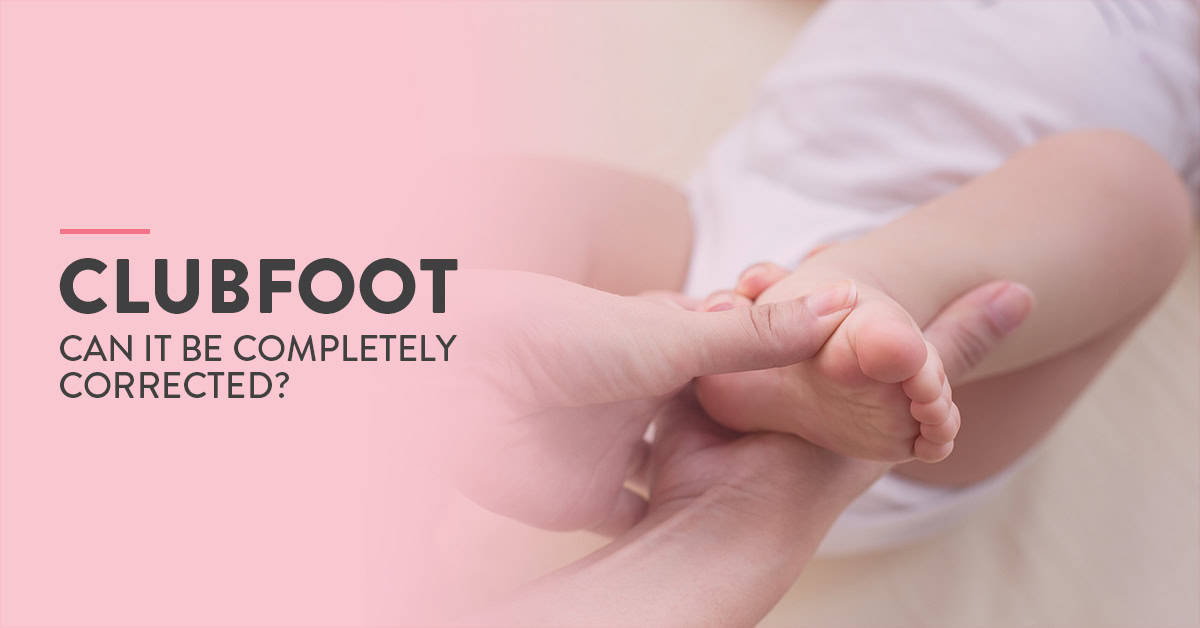
It is estimated that 1 in every 1000 live births is affected by clubfoot. These numbers vary amongst different countries. Clubfoot can result in lifelong disability and pain if not treated correctly and on time. In fact, if treated right after birth, this condition does not even require surgery for correction. Lack of awareness is one of the leading causes due to which this easily correctable deformity progresses to permanent disability in so many children. In this article, we will explore this condition in further detail to understand it better.
Table of Contents
Clubfoot is a congenital deformity (present at birth) of the foot. In this condition, the infant’s foot is twisted out of shape, inward and upward. It is one of the most common deformities that occurs in the bones and joints in new-born.
This condition can be mild or severe. It can also appear either one or both of the feet. This deformity occurs when the tendons connecting the leg muscles to the foot bones are short and tight. This causes the foot to twist inward.
The exact cause of idiopathic clubfoot is still unclear. Research indicates that it is mostly due to a complex interplay of genetic and environmental factors, and not because of any single gene transmission.
Risk factors that increase the likelihood of a baby born with clubfoot include factors such as:
Another form of clubfoot can be sometimes seen in babies with underlying genetic or neurological problems that cause muscle imbalance. This form of clubfoot is called a “secondary clubfoot”.
Clubfoot can be diagnosed during pregnancy itself, in the 20-week ultrasound scan. However, most cases are diagnosed at birth after a clinical examination by a paediatrician or a paediatric orthopaedic surgeon.
Fortunately, clubfoot is completely correctable, provided it is treated on time. Sequential plasters are used to correct this deformity and prevent any long-term effects. In fact, children with this deformity may not face any functional limitations with the right treatment.
Starting the treatment as early as possible is key to ensuring maximum results. It is advised that the casting should start as early as 5-7 days after birth. Almost 95-98% of affected children can fully recover without any surgical correction. So, most parents need not be alarmed if they get a diagnosis of clubfoot during pregnancy or after birth.
It is important to remember that this condition only worsens with age. So early medical intervention is essential for the child to lead a healthy and normal life.
Clubfoot is generally treated with non-surgical methods. The treatment protocol is a combination of initial stretching, weekly casting and bracing.
The treatment is started 5-7 days after birth as long as the baby is otherwise healthy. If the baby is premature or has very or extremely low birth weight, stretching is done till the time the baby is healthy enough for casting.
This process of gradual correction of the foot using weekly casting is called the “Ponseti technique”. Depending on the severity of the condition, it can span over a few months and also require the use of a special boot and bar.
The main aim of this treatment protocol is to achieve a functional, pain-free foot that allows standing and walking with the sole of the foot flat on the ground. Starting the treatment early ensures faster and fuller recovery.
In rare cases, the Ponseti technique might not yield the desired results. This can happen if the condition is extremely complex or caused by underlying conditions (secondary clubfoot). Surgical correction can be used to treat such cases.
Named after Ignacio V. Ponseti, a physician recognised for his contribution to the field of orthopaedics, the Ponseti technique is the most widely used technique for treating clubfoot around the world.
It uses a combination of gentle stretching and sequential casting to correct the deformity over a period of time.
In this technique, the baby’s foot is stretched gently and manipulated into a corrected position. It is then held in place with the help of a cast (typically covering toes to thigh). This process is repeated every week till the desired results are achieved. It can take 6-8 weeks or more.
Once the stretching and sequential casting is complete, the surgeon releases the tightness in the Achilles tendon (heel cord) with the help of a minor procedure. The next phase involves a minor procedure. This procedure is called tenotomy and involves using a very thin instrument to cut the tendon. Stitches are not required in this procedure.
A cast is then applied to protect the tendon, usually for about 3 weeks. Once the tendon regrows to a proper length and heals, the condition (clubfoot) is considered it be completely corrected
In the Ponseti technique, the cast is changed weekly after gently manipulating the foot. Every time the plaster is cast, the foot is corrected a little more. Hence, the number of casts required depends on the severity of the deformity. However, generally, 4-10 casts are used on average. This may increase if the age of the child is greater, if the deformity is more complex, or left untreated for long. In such cases, biweekly casting might be required as well.
Once the final casting is complete and removed, the baby will be required to wear special boots connected with a metal bar. This is called the Dennis Brown/Mitchell Ponseti splint. These boots are typically worn for 23 hours a day over a duration of 3 months. Post this, they are recommended while the baby is sleeping and at night, till they are 4 years of age.
Parents are also required to continue performing the stretching exercises on the baby. Proper usage of the boots is essential in correcting the deformity.
In the following cases, a surgical correction might be required to treat clubfoot:
In such cases, tendon transfer is usually required if the child shows signs of the hyperactive tendon when they start walking. This causes inward movement of the feet while walking.
Other surgical treatments for clubfoot also include soft tissue release, gradual correction with an external fixator, bone-cutting surgeries or fusion of foot joints.
As long as the right treatment protocol is followed, there are no significant risks involved in this treatment technique. In some cases, if the baby’s skin is more sensitive or if the cast is not proper, the plaster can cause sores on the skin. These are easily treated with antibiotics and forgoing casting for about a week.
If the Ponseti technique is not done correctly, it can result in complications such as rocker-bottom foot (midfoot break) or an iatrogenic complex clubfoot. The procedure used to cut the heel cord after the casting can also result in bleeding although, this is easily managed.
Fortunately, with the right treatment, babies born with this deformity can grow to have a nearly normal foot and be able to run, play and wear regular shoes. The affected foot might become 1 to 1.5 inches smaller than the other foot. The calf muscles might also be smaller causing the child to feel sore or tired easily. However, it rarely causes any significant problem.
This condition is best treated by a trained paediatric orthopaedic surgeon. Attention to detail is key in avoiding long term complications and for achieving full functionality of the foot by the time the child starts walking.
Even though the procedure is relatively simple and non-surgical, great precision is required to align the foot correctly. Choose an experienced pediatric orthopaedic surgeon who is well versed in clubfoot treatment.
If your child is diagnosed with clubfoot either during pregnancy or right after birth, the most important thing to do is start treatment right away. Follow the home care instructions such as stretching exercises for the baby provided by the doctor diligently for the best results.
Also, read: Vaccinating your child – What you need to know?
Consult Dr. Praveen Tittal, pediatric orthopaedic surgeon in Gurgaon at the CK Birla Hospital if your child is suffering from clubfoot. Book your child’s appointment today!

Vaccinations play a key role in enabling our babies and children to grow strong and healthy. Child vaccination also helps us avoid a number of diseases in our adult life. In fact, some of these infections (ex: chicken pox) are far more severe if it occurs later on in life.
Routine childhood vaccinations are one of the most effective ways to cut down on the requirement of life-saving medical interventions. Unfortunately, not all children are vaccinated. While in some cases, it can be due to the unavailability of the required medical care; in others, vaccinations can be missed due to a lack of awareness.
Table of Contents
Here is a list of essential vaccinations as defined as per the National Immunisation Schedule by the Government of India.
BCG is the acronym for Bacillus Calmette-Guerin vaccine. It is administered at birth and is used to protect them from Tuberculosis (TB). This vaccine is 70%-80% effective in preventing more severe types of TB such as Tuberculosis meningitis.
The vaccine contains weakened live bacteria that help stimulate the immune system to produce antibodies.
It is not given to individuals and babies who are immuno-compromised or have any other complications.
OPV or oral polio vaccine protects the baby from polio throughout his/her life. It is a mixture of attenuated poliovirus strains, which is capable of inciting an immune response from the body while not causing severe symptoms. The poliovirus strains used in OPV are carefully selected by their ability to mimic the immune response triggered by an infection of wild poliovirus.
OPV vaccine is given in spaced doses for the required efficacy. According to the National immunisation schedule, OPV vaccine is administered as:
Hepatitis B vaccine protects the body against hepatitis B, a viral infection that can cause acute or chronic liver problems. It is generally transmitted from mother to child during birth, but can also be transmitted by coming in contact with bodily fluids such as blood and sperm. This infection can be transmitted via sexual intercourse.
The vaccine offers an impressive 98%-100% protection against this infection.
Similar to OPV, this vaccine is also administered in spaced-out doses. The schedule is as follows:
HiB vaccine provides protection from pneumonia, meningitis and other invasive diseases caused by the haemophilus influenza type b bacteria. It is generally transmitted through the respiratory tract.
Vaccines are considered to be the only way to curb the spread of this infection. HiB vaccines are safe and extremely effective when they are administered during infancy. This vaccine is given in spaced out doses. The defined schedule is as follows:
DPT vaccine offers protection against diphtheria, whooping cough (pertussis) and tetanus. Vaccination is the single most effective way to reduce the number of fatalities associated with these infections.
DPT vaccine can be administered on its own or as combination shots with HepB and HiB vaccines. The recommended dosage schedule is:
Inactivated polio vaccine or IPV is made from wild-type poliovirus strains of each serotype that has been inactivated with formalin. It is an injectable vaccine. It protects a person from polio.
IPV vaccine is administered on its own or combined with other vaccines. According to the national immunisation schedule defined by the Government of India, IPV vaccine is administered when the baby is 14 weeks old.
The MMR1 vaccine is a combined vaccine that offers effective protection against:
These are extremely contagious viral conditions that can be more severe in adults. So, safeguarding yourself during childhood itself is the best way to steer clear of these illnesses. The National Immunisation Schedule states that the MMR1 vaccine should be administered when the child is 9 months of age and when he/she is 16-24 months of age.
This vaccination protects the individual from Japanese encephalitis. This is a relatively common infection in Asia. It causes inflammation in the brain which can prove to be fatal. This vaccine is administered to babies who are 9 months old with a second dose when they are 16-24 months old.
There are still many who are apprehensive about the effects of vaccines on children. In reality, not only do vaccines contain inactive and mainly harmless strains of the virus and bacteria, but these infections are usually significantly milder in childhood. So, getting immunised during childhood is the best way to be healthier as we grow older.
If you are concerned that you have missed any or some particular vaccines for your child, you can always get in touch with your paediatrician for booster shots to help your child catch up.
Watch Dr Shreya Dubey, paediatric and neonatology specialist at the CK Birla Hospital, explaining why administrating child vaccination on time is essential. She also speaks about what one can do to help their child catch up on any missed vaccinations.
Ques: Can I still get my child vaccinated during COVID-19?
Today, as we are struggling with the coronavirus pandemic, many parents consider pushing back their child vaccination for a safer time. This is not advised. Try not to delay your child vaccination as far as possible.
In fact, the truth is that no one knows when the pandemic will end. While ensuring protection against coronavirus is still an impossible task (without a vaccine), safeguarding your child against these specific diseases is still under your control. So, it is never a good idea to delay vaccinations.
Ques: Can you delay your child’s vaccination?
In certain unavoidable scenarios, you may end up skipping the ideal age of getting a specific vaccination. In such a case, if you have missed any vaccination, talk to your paediatrician for booster shots and other alternatives.
Ques: Can my child still get vaccinated if they are sick?
Children with mild illness may still be considered for vaccination. However, during the coronavirus pandemic, consult your doctors for steps to take in case your child is showing signs of fever, cough or runny nose.
Also read: Behavioral problems in children in a cosmopolitan city like Gurgaon – Fussy Eating
Pregnancy and childbirth can cause pronounced changes in a women’s body – visible veins, enlarged uterus, and weight gain are all frequent physical changes that a pregnant woman may undergo.
Apart from these changes, sagging or drooping breasts is considered another inevitable norm for most pregnant and ageing women. This can be a cause for significant concern and embarrassment.
Unfortunately, there is very little you can do to combat sagging breasts or what is medically termed as ‘breast ptosis’.
These breast changes are a distressing reality for every woman at some point in their lives, young or old. Lifestyle changes and certain home remedies can, however, help to slow down the sagging process.
If droopy breasts are a concern for you, read on to find out some of the most common causes of loose breasts and what you can do to prevent excessive sagging.
Table of Contents
Breast ptosis or sagging of breasts is one of the many natural bodily changes that a woman may experience with pregnancy, ageing, weight fluctuations and nursing.
According to the Oregon Health & Science University (OHSU), the skin surrounding the breasts loses volume and elasticity. As they stretch and lose shape and firmness, they begin to sag.
There are varying degrees of ptosis or breast sagging, including mild, moderate, significant, and unusual. The degree may be determined by an individual’s genetics, changes in body weight, and pregnancy history.
Saggy breasts are primarily attributed to the following causes:
In addition to this, causes of loose breasts entail low estrogen, menopause, and nutritional deficiencies. Even diseases like breast cancer or tuberculosis can also potentially accelerate the sagging process.
Wearing the right kind of bra can hold up your breasts and give it the support it needs after pregnancy. This is especially important when you exercise or perform high-impact workouts.
Neglecting to give your breasts adequate support can cause permanent damage to connective tissues of the breasts over time.
If you want to prevent breast sagging post-pregnancy, ensure that you breastfeed on demand. Don’t keep long intervals between your feeding sessions as this may lead to engorged breasts.
Engorged breasts can not only cause the skin of your breasts to stretch, but it may also sometimes result in clogged milk ducts that could lead to a painful condition called mastitis.
If you find that your breasts feel engorged, breastfeed your baby. If your baby is not ready to nurse, pump the breast milk and freeze it for later use.
Staying well-hydrated helps to maintain the skin’s elasticity and slow the progression of sagging.
To keep your breast from sagging, drink at least eight glasses of water daily and steer clear of diuretics and dehydrating drinks such as alcohol, coffee, tea, and soda.
In addition to this, use a safe moisturiser to take care of the delicate tissues around your breasts.
If you want a firm pair of breasts after delivery, don’t try to lose the baby weight too quickly. Rapid fluctuations in weight can cause elastin and collagen loss, contributing to droopy breasts.
Regular exercise and nutritious food are imperative for perky breasts post-delivery. Fad diets and food low on nutrition can steal the skin of its elasticity and result in droopy breasts.
Breastfeeding has been widely attributed as a major cause of saggy breasts. However, as indicated in a 2007 study conducted by Dr Brian Rinker and his colleagues, this is just a plain misconception.
A tip that could help tighten breasts after delivery, though, is gradual weaning. Slow or gradual weaning allows for slower involution (the shrinking of an organ to its former size) and will be less traumatic for both your breasts and your child.
Proper posture, especially while breastfeeding, can help you avoid sagging breasts. Use a supportive breastfeeding pillow if possible, as this can reduce a lot of unnecessary pull on the breast tissue.
Cold showers have proven to be another effective way to improve breast shape after pregnancy.
Anatomically, the breasts do not have any muscle and are principally composed of only specialized tissue and fat.
Logically, therefore, there are no exercises that can tighten or tone the breasts. Certain chest exercises can, however, help to strengthen the ligaments surrounding the breasts and improve its overall appearance.
Before trying any new physical exercise, check with your healthcare specialist.
Most of the remedies suggested in this article intend to improve sagging breasts after breastfeeding and delivery.
If, however, you experience premature sagging or suspect an underlying medical condition such as hormonal imbalance or breast cancer, it is worth checking with your doctor to ensure that everything is as it should be.
Detecting early signs of breast cancer or other malignant breast conditions can help your doctors provide you with timely and rapid medical care.