Filter :
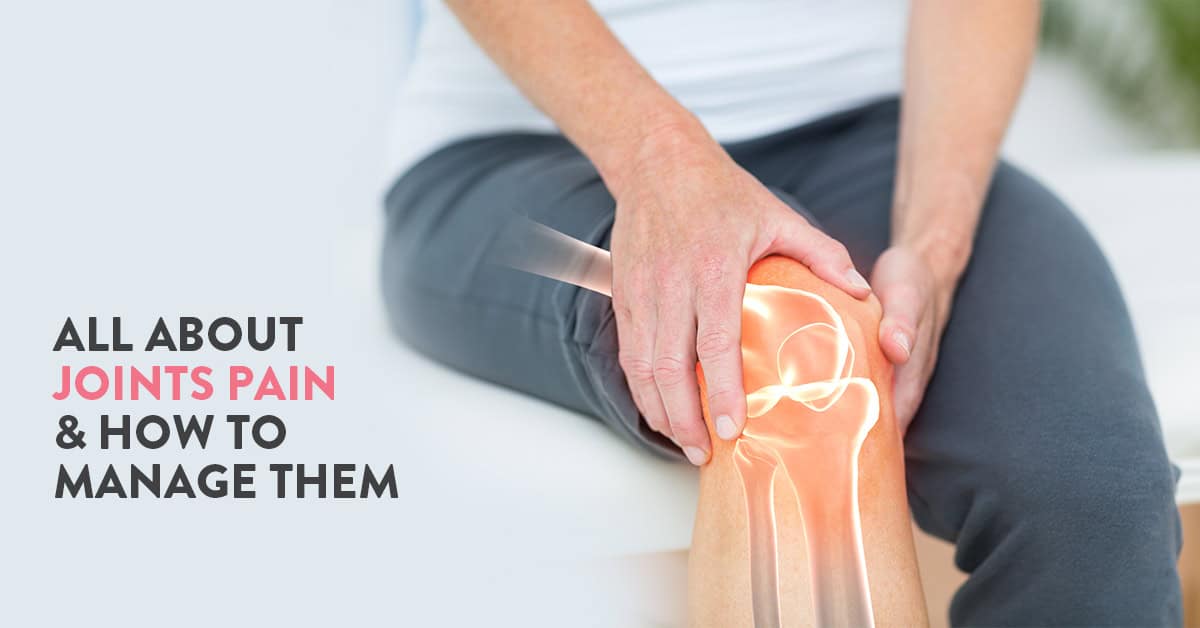
Joint pain is a common complaint in older people. Surprisingly, there is also a rising prevalence of bone and joint pain in younger adults. Nearly 20-25% of the Indian population living with chronic pain is affected by musculoskeletal disorders involving the joints. The alarming incidence rate provokes a fairly common question – why joint pain occurs?
There are various answers to this question. In this article, Dr Ashwani Maichand, a leading orthopaedic doctor at the CK Birla Hospital, will help us understand joint pain reason and its management.
Table of Contents
Before we move forward to learn about the different joint pain reason, let us understand what is meant by joint pain?
Your joints are the connecting parts in your body where two bones meet. It is because of the anatomy of joints in the skeletal system that you are able to move your body. There are four main types of joints:
A discomfort, ache or soreness felt in a joint is called joint pain, medically known as arthralgia. Joint pain is mostly the result of an underlying health condition that stifles your range of movement. Your bone and joint pain may vary from mild to debilitating. Mostly, the severity of joint pain is characterised by your age.
Joint pain can be caused as a result of an illness or injury to the joint. Sudden joint pain causes are mostly associated with injury or trauma. In other cases, a detailed investigation and diagnosis are required to find out the core cause of pain. These pains may arise due to old age, injury, or an underlying condition such as arthritis. Joint pains are also sometimes due to exertion of your limbs and multiple other causes. You do not necessarily require a visit to the doctor unless the pain is hampering daily activities.
Joint pains have a varied level of seriousness and based on the reasons they might require you to act in different ways. There are almost 15 different joint pain causes. Here, we outline some common joint pain causes include:
Arthritis: There are two forms of arthritis that might impact your joint pain – Osteoarthritis (OA) and Rheumatoid Arthritis (RA).
Sometimes arthritis is also a factor of sudden joint pain causes. The onset of arthritis can also affect in the form of acute pain.
Bursitis: Commonly seen in the major joints, bursitis causes the fluid-filled sacs near the joints (also known as bursae) to get inflamed.
Lupus: This is an inflammatory disease when the immune system attacks the body’s own tissues. The joints are often a commonly affected area.
Chondromalacia Patella: This is a term used for the damage of the cartilage under the kneecap.
Tendinitis: This is the irritation of the tendons or thick fibrous tissues that attached the bone to the muscle.
Fibromyalgia: This is a condition where widespread muscle pain and tenderness are often accompanied by fatigue as well as sleep, and mood issues.
Osteoporosis: A condition that leads to the weakening of bones which cause them to get susceptible to breaking and damage.
Joint pains can also happen because of injury, overuse of the joints, infectious diseases like mumps and flu, cancer, and infections.
Joint pains do not always require medical attention. But if you are going through any of the below joint pain symptoms and you are unsure about why you are experiencing the same, you must visit a doctor:
You must also visit the hospital’s emergency room if you have:
When you go to your doctor, he/she will most likely perform a physical exam to understand and diagnose your condition. If the injury is serious, he might even order an X-Ray to understand the root cause of your joint pain. In fact, this is by far the most common way to diagnose arthritis-related damage.
If your doctor suspects the root cause of your joint pain as something more severe, he can request a blood test to determine the same. This could be for autoimmune diseases, influenza, or any other viral ailments.
Your doctor may ask for a sedimentation rate test to understand the extent of your inflammation as well as a full blood count.
Depending on the nature of the problem, joint pain treatment can range from medical treatment to home remedies for joint pain.
In the case of home treatment, one can implement them in the case of both varieties of arthritis – both OA and RA. The following methods are very impactful for joint pain relief:
Regular Exercise: Keeping your joints active helps them slow down the damage. Regular exercise for joint pain is advised, however, a very intense routine is not recommended, as it can cause further inflammation and discomfort. Low impact physical activities such as yoga for joint pain can be done to help relieve symptoms.
If your condition is significantly more serious, your doctor might ask you to undergo surgery to ease joint pains and other related issues. They might also need to draw out excess fluid, especially in the case of gout or infections.
In the case of rheumatoid arthritis, the doctor is most likely to prescribe joint pain medication and lifestyle changes. Thereafter, they might suggest other methods to keep a check on your inflammation and prevent it from getting out of control.
Joint pain is a natural result of wear and tear in our joints. While, in most cases, it is not terribly crippling, some individuals might face significant trouble in these situations.
If your joint pain is making your movements difficult, you must visit your doctor and understand their diagnosis to maintain good health. We hope you may have gained a clearer understanding of why joint pain occurs.
For more information or personalised guidance, book an appointment with Dr Ashwani Maichand, a leading orthopaedic doctor at the CK Birla Hospital, Gurgaon.
Ques: When should I worry about joint pain?
Ans: If your joint pain is caused due to an injury or if it is hampering your daily activities, you should seek medical intervention immediately.
Ques: What are the common causes of joint pain?
Ans: Common causes of joint pain include osteoarthritis, rheumatoid arthritis, bursitis, lupus, osteoporosis and injury.
Ques: How can I relieve joint pain at home?
Ans: You can relieve joint pain at home by doing low impact exercises, hot and cold compressions and eating more fibre.
Ques: Which vitamin deficiency can lead to joint pain?
Ans: A deficiency of vitamin D can cause joint pain and related problems.
‘Drinking is injurious to health’ – all of us are familiar with this health advisory. The ill-effects of alcohol are evident among people of all age groups. There is no good time for heavy drinking. However, there is a most definitively a bad time – pregnancy. Alcohol during pregnancy poses harm to not only the expectant mother but also the unborn child.
In this article, Dr Aruna Kalra, a top obstetrician and gynaecologists at the CK Birla Hospital, talks about the effects of using alcohol during pregnancy and how much alcohol is ok during pregnancy.
Table of Contents
Alcohol consumption during early pregnancy can pass on to the placenta and to the unborn baby through your blood. Your unborn child cannot process any quantity of alcohol due to the limited development of body organs. When the alcohol enters the fetal bloodstream, it can interrupt the baby’s growth leading to several complications.
The common side-effects of alcohol during pregnancy include:
Binge drinking (heavy alcohol consumption) during pregnancy has life-threatening consequences. It can also lead to a higher incidence of Fetal alcohol syndrome, a chronic condition in children whose mothers have excessive amounts of alcohol during their pregnancy.
Fetal alcohol syndrome is the most prevalent reaction to alcohol consumption during pregnancy. It is a health condition that causes brain damage and other growth problems. Every child with this condition is affected differently. Fetal alcohol syndrome leads to physical deformities, restrictions to brain development and behavioural issues. The side-effects of alcohol during pregnancy translate adversely in the form of fetal alcohol syndrome.
Some of the common symptoms of fetal alcohol syndrome are:
If you are wondering how much alcohol is safe during pregnancy, the brief answer to this question is – no. Researchers have not been able to identify exactly how much alcohol is safe for mothers-to-be. Medical experts recommend that a pregnant woman should completely avoid the intake of alcoholic drinks.
If you are wondering what harm a small glass of wine could do, then you may want to rethink. No amount of alcohol is safe during pregnancy. You should avoid having that occasional drink.
Alcohol is extremely unsafe, especially during the first trimester. Your baby undergoes tremendous development in the first 3 months. Your chances of a miscarriage and premature birth increase significantly if you drink at this time.
After 3 months of pregnancy, the likelihood of birth defects in your baby rises upon alcohol intake. There is no good time to drink if you are planning to conceive, well into pregnancy or even breastfeeding.
When you know the aftermath a drink can do, you would definitely want to quit. The question is ‘how can I quit?’.
The safety of your unborn child is reason enough to avoid alcohol. You may not be in the need of motivation at this sensitive time. However, since pregnancy is a major life-event, your family and friends may want to celebrate this milestone. It can be somewhat difficult to avoid alcohol during social events such as parties.
Here are some tips to help you avoid drinking alcohol during pregnancy:
If you have difficulty quitting alcohol, you can always ask your OB-GYN or primary healthcare provider to support you.
For some women, pregnancy arrives packed as a surprise gift. It is possible that you may be oblivious to pregnancy and have had a few drinks.
If you are a light-drinker and consumed only a few drinks, you should not be panic. Light drinking at the most initial stage of pregnancy may not cause major complications. You should discuss this situation with your healthcare provider and avoid drinking again during pregnancy.
However, you must consult your OB-GYN immediately in case you have consumed a large amount of alcohol. Your doctor can perform a variety of screening tests and preventive measure to maintaining the safety of your pregnancy.
Every day is a dry day during pregnancy and rightly so. Alcohol during pregnancy can have adverse effects on the mother and the child. Considering that precaution is better than cure, you must avoid completely restrict alcohol consumption during this period. Try to steer away from your doubts about how much alcohol is ok during pregnancy? Because no amount of alcohol is safe during pregnancy.
Book an appointment with Dr Aruna Kalra, best obstetrician at the CK Birla Hospital to learn more about safe and healthy pregnancy.
Ques: How early in pregnancy does alcohol affect the baby?
Ans: Alcohol can affect the baby right from early pregnancy i.e. during the 1st trimester.
Ques: How much alcohol is safe to drink during pregnancy?
Ans: No amount of alcohol is considered safe during pregnancy.
Ques: How can drinking alcohol during pregnancy affect my baby?
Ans: Drinking alcohol during pregnancy can hinder fetal development, damage brain and spinal cord cells, cause heart defects and other abnormalities in the baby.
Ques: Which complications affect mothers from drinking alcohol during pregnancy?
Ans: Mothers can experience a loss of the pregnancy, preterm delivery and childbirth and labour complications.
Do you find yourself rushing to the bathroom every 20 minutes? If yes, then this article is for you. Frequent urination in men is a commonly shared woe. Most men, especially in the age group of over 50 years, experience distressing symptoms associated with urination. In this article, we will explore the various reasons for frequent urination and ways to manage it.
In the piece below, Dr Shalabh Agrawal, a leading urologist at the CK Birla Hospital, explains the reasons for frequent urination in males.
Table of Contents
Urination is our body’s natural mechanism of getting rid of waste fluids. Your urinary tract includes your kidneys, bladder, ureters and urethra.
Urine is produced in the kidneys where the waste and toxins are filtered from the blood. Then the urine flows through the ureters and gets stored in the bladder. Through the urethra, the urine is passed from the bladder and out of our bodies. On average, a person urinates nearly 4-8 times during the day.
Frequent urination in men is exactly what the name entails. It is majorly a symptom of an underlying condition that causes a person to pass urinate several times (more than 4-8 times) throughout a day. In this condition, a man experiences a reduced ability to hold urine in the bladder and an increased urge to pass urine.
Frequent urination is often associated with an underlying health condition. It can even compel you to wake up several times in the night to urinate. The condition in which your bladder forces you to wake up in the middle of the night is known as nocturia.
Everyone, irrespective of age and gender, can be affected by frequent urination. However, some men have an increased risk of suffering from this problem than others.
Older men, above the age of 50 and men with an enlarged prostate are at a higher risk of being affected by frequent urination.
As mentioned above, frequent urination is a sign and symptom of another health condition. Experiencing an increased need to urinate implies that there may be something wrong with a part of your urinary tract.
There are several different causes of frequent urination. Various health issues can affect the organs of your urinary tract.
Here are some common reasons for frequent urination in men:
Urinary tract infections (UTIs): Urinary tract infection in men is a highly common bladder infection. UTI is classified into two types – the upper tract UTI (the one that affects the ureters or kidneys) and the lower tract UTI (the one that affects the bladder or urethra). UTI is more commonly found in women, as compared to men. However, the prevalence of this infection in men is also rising.
Along with frequent urination, the symptoms of UTI include painful urination, burning sensation while urinating, pain in the lower abdomen and blood in the urine.
Benign prostate hyperplasia (BPH): Benign prostate hyperplasia or prostate enlargement is among the top causes of frequent urination in men. It is an age-related health condition that leads to abnormal growth of the prostate. The enlarged prostate, then, begins to press against the urethra and causes the bladder to weaken.
Common symptoms of BPH, besides frequent urination, are a feeling that the bladder is full, even right after urinating, a weak flow or stream of urine, disrupted urine flow and more.
Bladder stones: If you are wondering why frequent urination occurs, bladder stones may be the answer. Bladder stones are small hard deposits of minerals that form inside the bladder. This condition happens when minerals found in the urine crystalise and clump together.
Changes in the urine colour, blood in urine, a disrupted flow and increased urge to urinate are common causes of bladder stones.
Prostatitis: The prostate gland sits right below your bladder. It is responsible for the production of seminal fluid. Prostatitis is a condition that causes the prostate gland to swell and become inflamed. It is a common condition that mostly affects the health of men over the age of 50 years.
Frequent urination symptoms can indicate the presence of this ailment. Other common signs include pain in the groin, genitals or pelvic area and flu-like symptoms.
Urinary incontinence: Urinary incontinence is the inability to hold urine often leading to involuntary leakage. Simply put, urinary incontinence is the loss of bladder control. Incontinence is widely different from frequent urination. Urinary incontinence is associated with urine leaking while frequent urination is related to an increased frequency.
There are different types and symptoms of urinary incontinence such as stress incontinence, urge incontinence, functional incontinence and overflow incontinence.
Diabetes: Diabetes is a chronic condition that leads to increased levels of sugar in the blood. The kidneys of a diabetic person have to work extra to filter excessive blood sugar. Sometimes, the kidneys cannot function properly due to which the extra glucose is excreted from your body through urine. Excretion of sugar can also lead to dehydration.
Frequent urination symptoms are common in a person suffering from type 1 and type 2 diabetes.
Interstitial cystitis: Interstitial cystitis or painful bladder syndrome is a chronic condition that leads to pain and pressure in the bladder. Interstitial cystitis is more commonly found in women as compared to men.
Common symptoms include chronic or intermittent pain, pressure or discomfort in the bladder, frequent urination day and night.
If you are wondering what is the reason for frequent urination, one of the above conditions may be your answer. However, only an experienced urologist can diagnose the problem correctly.
The management or treatment of frequent urination depends upon its underlying cause. If the symptoms begin to disrupt the quality of your life, you should instantly seek medical intervention.
Your urologist will perform a variety of tests and analysis to diagnose the correct cause of frequent urination. Here is what you can expect during the diagnosis:
Your healthcare provider may order additional tests to confirm the diagnosis if they suspect the need for it.
The treatment of frequent urination depends upon the reason behind it. Your healthcare provider will aim to manage or treat the underlying cause leading to urinary symptoms.
If you are passing urine frequently due to diabetes, your doctor will offer effective management of your blood sugar levels. If the same is caused due to an infection such as UTI, then you will be offered certain medications to treat the bacterial infection.
Along with medication, your healthcare provider will help you regain bladder control through training and exercises. There are different forms of bladder training techniques used by doctors to control the constant urge to urinate male.
Frequent urination can easily translate into a habit. It is, however, possible to effectively control the urgency through some natural measures, such as:
Frequent urination in men is a leading cause of distress in older men. This condition can also equally impact younger men.
If you are experiencing increased frequency to urinate along with symptoms such as fever, nausea, vomiting, pain in the lower back or side, changes in urine or abnormal discharge, you should immediately seek medical intervention.
For more information or personalised guidance on men’s urinary health, book an appointment with Dr Shalabh Agarwal, a leading urologist at the CK Birla Hospital, Gurgaon.
Ques: What is the cause of frequent urination in males?
Ans: There are several reasons for frequent urination in men including prostate problems, urinary tract infection, sexually transmitted infection, diabetes and more.
Ques: How many times a day should a man urinate?
Ans: Normally, a man should urinate four to eight times a day.
Ques: When should you see a doctor about frequent urination?
Ans: You should see a doctor if you experience fever, chills, nausea, vomiting, cloudy or smelly urine, abnormal discharge and loss of appetite along with frequent urination.
Ques: Is frequent urination at night a sign of diabetes?
Ans: Yes, diabetes can cause frequent urination in the day and even at night.
Ques: Is frequent urination bad for the kidneys?
Ans: Yes, frequent urination can cause damage to kidney function.

Arthritis is a chronic condition that causes inflammation of the joints. However, this one symptom is used to describe more than 100 different types of arthritis. One of the more common types is osteoarthritis. According to the World Health Organisation (WHO), nearly 9% of men and 18% of women suffer from osteoarthritis across the globe. Osteoarthritis is highly prevalent and mostly affects the shoulder joint. Several men and women, worldwide, are living with the symptoms of shoulder osteoarthritis.
In this article, Dr Praveen Tittal, a leading orthopaedic doctor at the CK Birla Hospital, explores what is osteoarthritis of the shoulder?
Table of Contents
Your shoulder is made up of three bones – upper arm bone, shoulder blade and collarbone. These bones make up two joints inside your shoulder:
The ends of your shoulder bones are protected by a smooth white tissue known as articular cartilage.
Osteoarthritis is the degenerative wear and tear of the articular cartilage. Over several years of use, the smooth protective tissue between the bones decreases. As a result, the bones of a joint rub against each other causing pain and swelling.
As the name suggests, osteoarthritis in the shoulder joint is a degenerative joint disease of the shoulder. When this ailment affects the glenohumeral joint, it is known as glenohumeral osteoarthritis shoulder.
Glenohumeral osteoarthritis shoulder is more common and prevalent than arthritis in the acromioclavicular joint.
The primary symptom of osteoarthritis in the shoulder joint is pain. However, shoulder osteoarthritis symptoms are characterised by pain that occurs while moving the shoulder or after you have moved the shoulder.
Other common symptoms of shoulder arthritis include limited or restricted range of motion, a clicking noise while moving the shoulder joint and an increase in pain while sleeping.
As mentioned above, shoulder osteoarthritis is a condition that is caused by the wear and tear of the shoulder joint. Over a span of several years, shoulder arthritis occurs due to overuse or aging. Primarily, osteoarthritis of left shoulder or even the right shoulder happens when the cartilage (soft tissue) in between the bones of the joints begin to break down.
Shoulder arthritis is highly common in people over the age of 50 years. However, it can also affect younger people. Mostly, in young people, this ailment is a result of injury or trauma, for example, shoulder dislocation or fracture.
It is evident that no person is exempt from developing osteoarthritis. However, the risk for osteoarthritis of right shoulder or left increases due to:
Your orthopaedic doctor will conduct a few tests to diagnose osteoarthritis of left shoulder or osteoarthritis of right shoulder. Before a shoulder osteoarthritis treatment is offered, it is important to draw a thorough diagnosis. Here is what the diagnosis protocol entails:
After the diagnosis is complete, your doctor offers the right shoulder osteoarthritis treatment depending on your overall wellbeing, age and health.
Shoulder osteoarthritis treatment is unique for every patient. Several factors such as your overall general health, age, past medical records, the severity of symptoms and more determine which treatment is ideal for you.
Here are some common methods of shoulder osteoarthritis treatment:
Osteoarthritis shoulder replacement is also known as shoulder arthroplasty. It is a partial or total invasive procedure and is often recommended as a last resort for advanced arthritis. Osteoarthritis shoulder surgery recovery time is nearly 3-6 weeks.
Another treatment procedure is stem cell therapy- stem cell therapy doctors for osteoarthritis of the shoulder. It is a fairly new method that involves the use of stem cells (building blocks of human tissue) for the treatment of arthritis.
As mentioned above, the shoulder joint is the most mobile joint in human body. Due to its excessive use over the years, nearly everyone is at a risk of developing an arthritic condition concerning the shoulder.
Shoulder osteoarthritis is a common ailment that affects several people in India. Despite its rising figures, the treatment of osteoarthritis of the shoulder is accessible.
Book an appointment with Dr Praveen Tittal, a leading orthopaedic doctor at the CK Birla Hospital to learn more about treatment methods for shoulder conditions.
Ques: Is osteoarthritis of the shoulder common?
Ans: Yes, osteoarthritis of the shoulder is the most common form of arthritis affecting the shoulder.
Ques: What does osteoarthritis of the shoulder feel like?
Ans: Osteoarthritis of the shoulder is characterised by pain, swelling, stiffness and reduced range of motion of the shoulder.
Ques: Can shoulder osteoarthritis be cured?
Ans: No, there is no cure for shoulder osteoarthritis. However, this ailment can be treated effectively to relieve symptoms and improve strength.
Ques: What is the best treatment for osteoarthritis?
Ans: There are several treatment methods for osteoarthritis. The best treatment for each patient is distinct and depends upon their health, symptoms and age.
Also, read: What is frozen shoulder? Causes, prevention and treatment
Do you know more than 76 million Indians suffer from diabetes? It means that 1 out of 6 people with diabetes in the world is from India. Clearly, the high incidence rate of this illness is alarming. However, what is even more startling is the serious complications diabetes can lead to, such as, diabetic kidney disease.
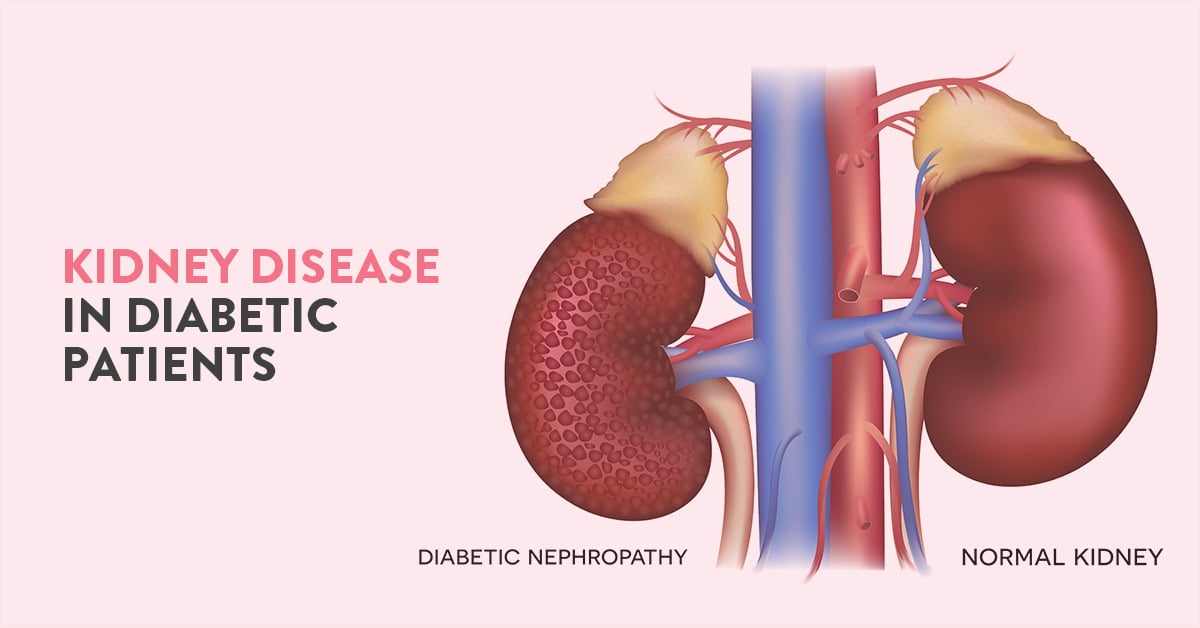
Diabetic kidney disease (DKD) or diabetic nephropathy affects more than 25% of people living with diabetes. Despite such high figures, there is less light shed on the relationship between diabetes and kidney disease.
In this article, Dr Mohit Khirbat, a leading nephrologist at the CK Birla Hospital, discusses everything you may need to know about diabetic kidney disease.
Table of Contents
Before we begin to grasp an understanding between diabetes and kidney disease, let us learn what these illnesses mean, individually.
Diabetes is a chronic illness in which the blood sugar levels in your body become too high. It is because your body is unable to make or use insulin (the chemical responsible for turning sugar into energy) in the intended way. There are two types of diabetes: type 1 and type 2.
A kidney disease, on the other hand, is the inability of kidneys to function properly. Your kidneys are responsible for filtering the waste and extra fluids out of your blood. Kidney disease can cause waste to build up inside your body leading to kidney damage.
Diabetic nephropathy is among the top kidney disease complications of diabetes. It is a condition that leads to loss of kidney function in people suffering from diabetes. To put it simply, diabetic nephropathy is a kidney disease resulting from diabetes. This condition can occur in both type 1 and type 2 diabetic patients.
This ailment develops gradually over several years. It is possible to overlook diabetic kidney disease symptoms in its early stages. It is, thus, important to learn and track signs and symptoms reflecting diabetic kidney disease.
Diabetic kidney disease symptoms can be detected early with the help of routine screenings and checkups. If you are living with type 1 or type 2 diabetes, you should regularly get tested for kidney disease.
As mentioned above, DMK progresses slowly over the years. Whether kidney disease is a result of diabetes or not, it is divided into 5 stages. Medical experts measure estimated glomerular filtration rate (e-GSR) to check the kidney function level and determine these stages.
Stage 1: Normal kidney function
Stage 2: Mild loss of kidney function
Stage 3: Mild to a severe loss of kidney function
Stage 4: Severe loss of kidney function
Stage 5: Kidney failure
Your kidneys are made up of millions of tiny blood vessel clusters. Uncontrolled or poorly controlled blood sugar levels can cause damage to these blood vessels. Diabetic kidney disease is caused when the damaged blood vessels lead to a decreased or complete loss of kidney function.
Furthermore, damage to blood vessels can lead to high blood pressure. High blood pressure or hypertension can aggravate kidney function leading to kidney disease.
While all diabetic patients are prone to developing diabetic nephropathy, some people have a higher likelihood than others. Common risk factors for diabetic kidney disease include:
You should seek diabetic kidney disease diagnosis if you experience any of the above-given symptoms. A variety of tests are ordered to diagnose diabetic nephropathy. Your healthcare provider will determine the right types of tests based on your condition.
Some of the most common tests recommended for this condition are:
Diabetes and kidney disease treatment depends upon various factors such as the severity of your symptoms, your overall health and age. Medical experts determine which treatment protocol should be ideal for you. To treat diabetic nephropathy, your healthcare provider may first aim to manage your diabetes.
Here are some diabetes and kidney disease treatment protocols:
The medicinal approach is useful in patients who have mild diabetic nephropathy. If your condition is advanced or severe, you may be offered one of the following treatments:
If diabetic nephropathy is left untreated or unmanaged, it can lead to several different types of complications over months or years, such as:
You can expect to see some form of minor changes in the kidney function after 2-5 years of diabetes diagnosis if you have uncontrolled blood sugar and hypertension. A more serious form of kidney damage is usually seen in diabetic patients within 10 years.
It is evident that diabetes can cause kidney disease, however, there is little information on the reverse, that is, whether or not kidney disease can cause diabetes.
Studies have shown that kidney diseases can increase the risk of diabetes. When kidneys lose their ability to function, the waste products keeps building up in your blood. One such waste, known as urea, also increases as a result of kidney damage. Increase in the levels of urea has been linked with an increased probability of diabetes.
The dietary management of diabetic nephropathy can be an effective way to control kidney damage and improve your health. Here are some recommendations on foods to eat and foods to avoid with kidney disease and diabetes.
Legumes (beans), peas, squash, pumpkin, sweet potatoes, corn, oatmeal, quinoa, barley, non-starchy vegetables, water, herbal tea, almond milk or soy milk, greek yogurt, popcorn, whole-grain crackers, whole grain cereals.
Fruit juice, soda, sweetened iced tea and coffee drinks, white bread, multi-grain bread, white pasta or rice, muffins, croissants, sugary cereals, chips, pretzels, sweetened dried fruit, cookies, cake, ice cream, candy, syrup.
Mild kidney damage from diabetes is reversible with the help of an actively monitored lifestyle and medical management.
Here’s what you can do to reverse diabetic nephropathy:
Diabetic Kidney Disease affects nearly 1/3rd people living with diabetes. However, an active life, healthy diet and routine checkup with your medical expert can help in reducing your risk of this ailment.
For more personalised guidance on diabetes and kidney disease, book an appointment with Dr Mohit Khirbat, a top nephrologist at the CK Birla Hospital.
Ques: What are the signs of stage 1 kidney disease?
Ans: The presence of protein in the urine and/or physical damage to the kidney are common signs of stage 1 kidney disease.
How long does it take for diabetes to cause kidney damage?
Ans: It takes about 2-5 years for mild diabteic kidney disease to develop.
Ques: Can you reverse kidney damage caused by diabetes?
Ans: Yes, you can reverse mild kidney damage from diabetes with lifestyle moderations and clinical management.
Ques: Is diabetic nephropathy curable?
Ans: No, there is no cure for diabetic nephropathy but you can slow down the progression of the disease, significantly.
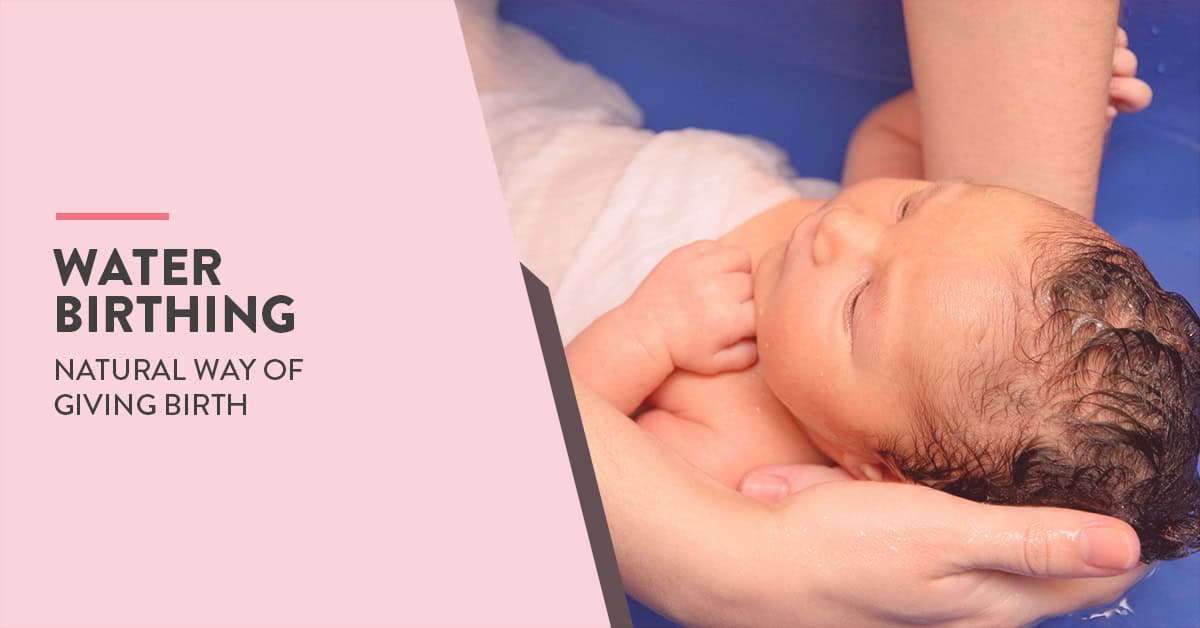
What would be your first assumption if we ask to think about childbirth? Like most of us, your thoughts will likely be about the process of labour and delivery and the excruciating pain attached to it. However, what if we tell you that there are ways to lessen the intensity of this searing pain? Water birth delivery is one such delivery alternative for women.
Waterbirth delivery is a traditional scientifically-backed method that eases the pain for the mother and offers a smooth transition for the baby.
In this article, a leading obstetrician and water birthing expert, will tell us everything we need to know about what is water birth delivery and what is it like giving birth in water.
Table of Contents
Water birth delivery is gaining wide popularity in metro cities. Despite the recent fame, the practice of giving birth in delivery dates back nearly 200 years ago. The first incident is believed to have happened in 1803 in France when a woman who was in labour for over 48 hours decided to enter a bath upon her physician’s advise. Later, water birthing method was used as she gave birth to her child without any complications.
Water birthing method is a birthing option in which you spend some part of your labour or delivery (or both) submerged in water. This technique can be applied in a tub or pool filled partially with warm water.
Water birth process is a safe way of welcoming your baby in this world, under strict supervision of a qualified expert and nursing team.
Water birth process is not a widely understood concept because of the misconceptions or fears associated with it. Nonetheless, the benefits of water birth overweigh these misconceptions.
There are various benefits of water birth that make it a preferred birthing option for women.
All these factors combined signify why is water birth good for you and your baby.
Similar to other birthing options, medicinal factors are the deciding points for whether or not you are eligible to give birth in water.
You can opt for water birthing if you have:
You may not be a candidate for water birthing if you have:
If you have any of the above complications, you will be advised not to choose water birthing.
After you gain an understanding of what is water birth, you may find yourself wondering is water birth safe for you and your baby? Waterbirth is a relatively safe birthing option if and when performed with the guidance of verified medical experts at a natural water birthing centre.
However, despite its numerous advantages, there are also substantial water birth risks associated with the process.
Some common risks of water birthing process include:
1. Risk of drowning: Warm water gives a familiar environment of amniotic fluid to the newborn. In theory, the child takes his first breath after he comes out of the water and in the air. However, if the baby breathes when he submerged, he may be exposed to various complications including the risk of drowning.
Nonetheless, it is highly unlikely to happen. It is because babies do not breathe when they in the womb. They receive oxygen from their mother through the placenta. During water birthing, their bodies behave similarly in the warm water and only breathe when they out in the air. In this process, the newborn comes from water (amniotic fluid in the womb) to water and so his lungs are not open yet.
2. Risk of pneumonia: There is a minimal risk of the child contracting Legionnaires’ Disease which is a type of bacterial pneumonia.
Medical experts take necessary precautionary measures to avoid any complication to the mother and the child. If you are still wondering is water birth safe, then the answer is yes (under the supervision of qualified medical professionals).
While both methods are effective, safe and reliable techniques for childbirth, water birth has more advantages than normal delivery. As discussed above, the amount and duration of labour pain that a mother has to experience can be significantly reduced through water birthing. While on the other hand, normal delivery makes you dependent on medicinal pain relievers. Hence, water birthing is a more natural form of delivery.
However, it should be noted that both of these birthing processes have their own pros and cons. Clinical requirements and the mother’s gestational health is the final indicator of the type of method used.
Yes, it is possible to have a healthy water birth after C section. Vaginal birth after cesarean (VBAC) is safe, reduces the risk of complications and has a lesser recovery time. The requirements will almost be the same as regular water birthing. You should always consult an experienced water birthing expert and choose a natural water birthing centre.
If you have had a C-section in your previous pregnancy, you should discuss this with your obstetrician while planning future childbirth options.
Water birth delivery is no longer a birthing option just for celebrities. You can access the advantages of the most natural form of childbirth at the CK Birla Hospital, the only hospital that offers water birth in North India.
For more information on birthing options, book an appointment with Water Birth Delivery Doctors in India, at the CK Birla Hospital.
Ques: Is water birth safe?
Yes, water birth is a safe and reliable birthing option, if carried out under the guidance of a verified medical professional.
Ques: Which is the best centre for water birth in India?
The CK Birla Hospital Gurgaon is the best centre for water birth in India. It is, in fact, the only centre offering water birth services in the entire northern part of India.
Ques: Can I have a water birth after C section?
Yes, vaginal birth after cesarean (VBAC) through water birthing is possible.
Ques: Do water births hurt less?
Yes, one of the advantages of water births is that it reduces the severity of labour pains.
Ques: Can you still have an epidural with water birth?
No, you cannot have an epidural (anaesthesia injection) in water.
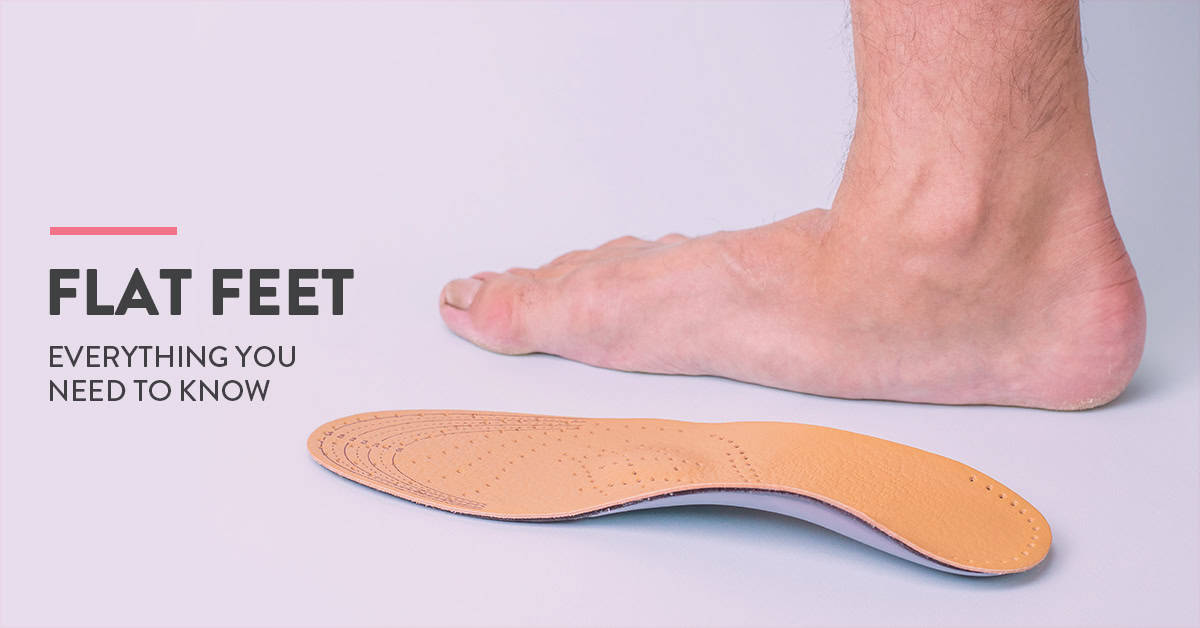
We tend to ignore certain areas of our body’s anatomy unless they are causing us discomfort. One such area that we take for granted is the sole of our foot. However, like every other part of our body, our feet can also suffer from abnormalities or ailments such as flat feet. Flat feet symptoms are highly common in people across all age groups. More than 30% of the world’s population have a flat foot condition. Despite the commonness of this problem, few people know what is flat feet.
In this article, Dr Praveen Tittal, a leading foot & ankle specialist in Gurgaon, will discuss everything we need to know about flat feet symptoms.
Flat feet problems, however, are not easier to overlook for those suffering from it. Before we address what these problems are and how to treat them, let us understand what is flat feet.
Table of Contents
You must have noticed that usually, people have a gap beneath their feet. This gap helps in equal distribution of weight when a person stands up. Flat feet, also known as fallen arches or pes planus, is a condition in which this gap is not present.
Having flat feet means that the arches beneath your feet are flattened. It means that people either have a very low arch or no arch at all. Flat feet symptoms are most visible when a person stands up with the entire soles of the feet touching the ground.
Flat feet is, majorly, a painless condition and so most people don’t display any symptoms. However, in some cases, people living with this condition may experience discomfort and pain.
Some common flat feet symptoms include:
There are two answers to the question – what causes flat feet? Flat feet problems can be congenital (by birth) or acquired (the result of age or injury).
Congenital flat feet: Flat feet problems are highly common in infants and toddlers. It is because foot arches do not develop completely during early childhood. Over time, these arches take shape in most people, however, when absent, they result in congenital flat feet.
Flat feet in children can occur as a result of genetics or underlying health conditions such as cerebral palsy. Most children develop flexible flatfoot (the arch is visible when the person is sitting but it disappears on standing). Some children take longer than others to outgrow flat feet while some never do.
Acquired flat feet: As the name denotes, acquired flat feet is a condition in which a person acquires this condition with age. The arch of our feet is primarily supported by the posterior tibial tendon. As we grow old, this tendon can be exposed to inflammation and tear due to excessive and prolonged use. The extended overuse can result in damage to the arch leading to flat feet in adults.
Flat feet in adults may also be caused by:
The diagnosis of pas planus deformity is rather simple. Here are the common ways to diagnose this ailment.
If your healthcare provider may also order an MRI scan if he/she suspects the need for it.
Flat feet are not always a distressing condition. Most people, especially children, do not experience any kind of pain or discomfort. However, you should seek flat feet treatment if you do experience any of the following:
There are several different flat feet treatment methods offered by healthcare providers. The answer for how to cure flat feet may depend on factors such as the cause of your condition and the extremity of your symptoms. Some treatment methods include:
There are two types of surgeries for flat feet –
Flat feet disadvantages or complications arise when you are experiencing distressing symptoms due to fallen arches but not seeking clinical intervention to correct them. Besides affecting the alignment of your body, an untreated and painful flatfoot can aggravate leg and ankle conditions for them.
Some common complications include:
As discussed above, flatfoot problems don’t always need treatment. If you are experiencing mild symptoms, you can practice the following lifestyle and home remedies:
Flat feet are mostly an asymptomatic condition however, flat feet symptoms can be easily detected by qualified orthopaedic doctors.
You cannot prevent flat feet problems. However, you can alleviate the severity of symptoms by exercising the above steps and consulting a verified doctor.
Dr. Praveen Tittal is the only surgeon in Gurgaon who is accredited to perform Extra-Osseus Talo Tarsal Stabilization (EOTTS). Performed as day surgery, it can be done using a small incision and involves the insertion of a titanium stent in the sinus tarsi, the space between ankle bone (talus) and the heel bone (calcaneum).
It is a quick surgical procedure with minimal side effects and a rapid and significant recovery. It is one of the few procedures to rebuild the arch without doing any surgery for bone.
Ques: Is it bad to have flat feet?
Ans: No, flat feet is a highly common condition in, both, children and adults.
Ques: Why do people have flat feet?
Ans: There are several causes why people develop flat feet. Some common causes include genetics, injury, obesity, diabetes and more.
Ques: Can I fix my flat feet naturally?
Ans: You can reduce your symptoms by practicing home remedies and doing flat feet exercises.
Ques: Do you need surgery for flat feet?
Ans: Surgery is indicated when flat feet is caused by an associated problem such as tendon rupture, bone deformity and more.
Ques: How long does it take to fix flat feet?
Ans: Your recovery from flat feet depends upon its causes, severity of symptoms and type of treatment taken.
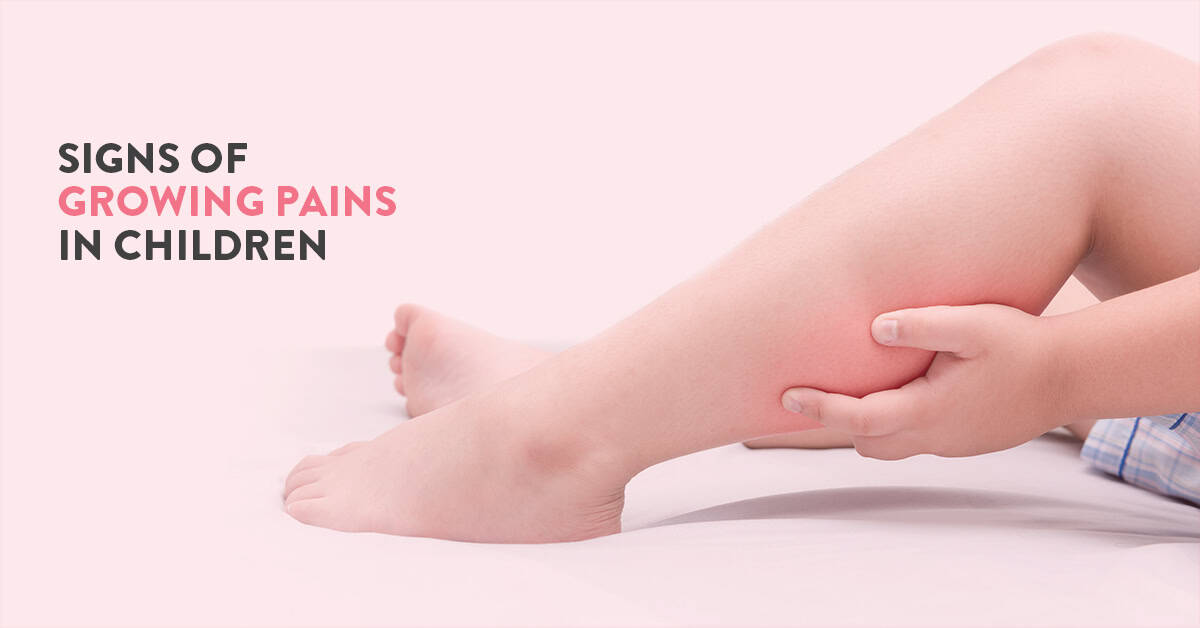
The transition from childhood to early adulthood may seem swift on the surface. However, there is much that a child has to experience while growing up. From routine wellness habits to settling with hormonal changes and emotional upheavals, they also have to undergo some extent of pain in the process. Growing pains is one such phase that affects children, especially during the night. In this article, Dr Shreya Dubey, leading paediatrics and neonatologist at the CK Birla Hospital gives you an overview of growing pains in kids.
Table of Contents
A dull throbbing muscular ache felt by children in their legs is identified as growing pains. Your child may complain of sharp pain in front of the thighs, the calves and behind the knees if they are suffering from growing pains.
The intensity of this pain is felt in both the legs and is felt most during the night. It often starts in the afternoon or evening.
A child between the age group of 2-12 years is most likely to experience growing pains. In most cases, this condition is not persistent and the pain usually comes and goes.
This condition is characterised by pain in both legs. Nevertheless, some symptoms are uncommon and vary in children.
Symptoms of growing pains in kids include:
Only a verified healthcare provider can diagnose growing pains in kids. Most often, your medical doctor will assess your health to rule out the possibility of any other condition.
You must seek urgent medical help if:
It is not essential that your child’s pain in legs is due to growing pains. Several other conditions can cause similar pain such as:
There is no known cause for growing pains. A child’s development through the years does not necessarily cause pain and discomfort.
Research has suggested the possibility of an association between growing pains and restless leg syndrome. Some medical experts also believe that muscle cramps and pain in the night may result from exertion throughout the day. Since children put their legs to great use, as compared to adults, they may also feel higher pain. Activities such as running, climbing, jumping and more can tire a child and cause pain.
Despite its name, the idea that growing pain is related to a child’s development is not certain. It is because our bones keep growing most parts of our life. Bone growth should not cause pain in the legs and arms.
Watch Dr Shreya Dubey, Paediatric & neonatology specialist at the CK Birla Hospital talks about growing pains in kids and warning signs to look out for. She also gives a few tips to help you manage your child’s growing pain effectively at home.
A detailed investigation of the symptoms is usually enough to diagnose growing pains. Your healthcare provider will ask a range of questions such as:
Your doctor will evaluate your physical health and analyse your personal and family medical history.
Your doctor may not need to order additional tests and screenings to diagnose growing pains. However, to rule out the possibility of other musculoskeletal conditions, an X-ray may be indicated.
Growing pains are not aggravating and do not further develop into other conditions. In most incidences, the intensity of the pain gradually lessens and vanishes within a year or two. Therefore, there is no particular treatment protocol for growing pains.
However, there are several clinical measures and home remedies to alleviate the pain and help your child to deal with it.
Here are some expert-approved measures you can take to treat growing pains:
Due to the insufficient research on growing pains, it is also not known if they can be prevented. However, an active lifestyle and a sufficient supply of nutrients to your child’s body can help them cope.
You should make sure that your child is getting all the needed nutrients. Your child’s diet must include fibrous fruits and vegetables. You should also ensure that your child is taking plenty of rest. If they are fatigued throughout the day, you should divide nap times for them.
Growing pains are mostly harmless. The pain and discomfort associated with this condition can be dealt with clinical intervention and extra care by the parents. However, it is necessary for parents to ask for the opinion of doctors so that complications can be avoided.
If you wish to learn more about growing pains, book an appointment with Dr Shreya Dubery, best paediatric doctor at the CK Birla Hospital.
Ques: At what age do the kids get growing pains?
Ans: Growing pains usually start during early childhood. It affects a child between the age of 3 and 5 or 8 and 12 years.
Ques: How long do the growing pains last?
Ans: Growing pains affect every child differently. Mostly, it appears in intervals and lasts for nearly half an hour.
Ques: Do growing pains mean a growth spurt?
Ans: Despite the names, there is no clear evidence that growing pains are linked with a growth spurt.
Ques: Can you take anything for growing pains?
Ans: No, it is ideal to consult a medical expert for the treatment of growing pains.
Pregnancy will bring about a rollercoaster of emotions. You will feel happy, teary, excited and anxious, all at once. But emotions are not all that is pregnancy about. Your body will experience tremendous variations of physical changes and as an expectant mother, these changes can be puzzling at times. One such event that can raise suspicion is white discharge during pregnancy – a sign prevalent in nearly 43% of pregnant women.
Most women are familiar with the different types of vaginal discharge but what does discharge during pregnancy mean?
In this article, Dr Astha Dayal – a leading obstetrician in Gurgaon will explore everything there is to know about vaginal discharge during pregnancy and how to deal with it.
Table of Contents
As the name denotes, white discharge during pregnancy is a discharge that women experience during their pregnancy. It is thin, white coloured and milky textured.
With or without pregnancy, vaginal discharge is a common phenomena. Before we move on to discuss milky white discharge during pregnancy, let us understand the concept of normal discharge aka leukorrhea.
Leukorrhea is the medical term for vaginal discharge. Vaginal discharge is the fluid made by the vagina and cervix that helps to keep your vagina moist and clean. It also helps to protect you from infection.
There are different types of vaginal discharges based on their colour, texture or cause. Some common types include –
The vaginal discharge during pregnancy is known as leukorrhea pregnancy. It is usually odourless or, sometimes, can be smelled mildly.
You may have more vaginal discharge than usual when you become pregnant. But a change in your vaginal discharge could be a sign of something that needs treatment. It’s important to know what’s normal, and when to get medical help.
If you are a newly pregnant woman, leukorrhea pregnancy discharge will not feel any different from what you experienced between periods. Leukorrhea pregnancy is also considered early pregnancy discharge. You are likely to notice a change in your normal discharge one or two weeks before conception.
Most women feel an increase in their present discharge which continues to happen throughout the course of pregnancy. The thick white discharge during pregnancy will become more dense as your pregnancy develops. It is, usually, the thickest as your gestation approaches an end.
Leukorrhea or vaginal discharge is a normal body function indicating good health. Almost all women experience the passage of vaginal discharge during their reproductive years. There are multiple reasons why leukorrhea happens.
Primarily, it is your body’s natural way of cleaning the vagina. Through normal body discharge, your body is paving a way for protecting itself against several types of bacteria. Besides its body function, normal vaginal discharge can be caused by bacterial or yeast infection.
However,the reasons for leukorrhea pregnancy can be slightly varying. There are various reason for white discharge during pregnancy (abnormal) that include:
Vaginal discharge is a highly common occurrence. Likewise, in pregnancy white discharge is normal, however, you should keep a track of any abnormal changes.
As mentioned above, early pregnancy discharge is thin, white and less smelly, if you notice anything atypical or distinct from this description, make it a note to aware your obstetrician about it.
You can maintain a diary to record the colour, texture and odour changes in your vaginal discharge to avoid any pregnancy complications for yourself and your child.
As we discussed above, leukorrhea is a healthy bodily function. However, it is important to address any atypical signs, especially during pregnancy.
Now that you know what a healthy leukorrhea pregnancy is like, you would be able to identify abnormal signs. Some common atypical signs to watch out for are:
A pink or brown coloured discharge may highlight a sign of implantation bleeding. Even light vaginal spotting during pregnancy is not a cause for concern. However, it is ideal to visit your obstetrician for any concerns.
While trying to conceive, it is advised that you and your partner get tested for STIs to avoid undergoing speculating reason for white discharge during pregnancy.
Furthermore, an abnormal discharge can be indicative of possible pregnancy complications. You should not be alarmed if you experience any of the above given symptoms. Your healthcare provider is the right person to identify the exact problem and offer appropriate treatment for it.
Many pregnant women experience a ‘show’ in the last few days of their pregnancy. This is where you notice you have some vaginal discharge. It’s generally creamy white and splashed with a pink jelly-like material.
This happens when the mucus that has been present at the neck of your womb (cervix) comes away. This is a sign that your body is preparing for birth. Some women have several shows before they go into labour.
If you have a show, you should contact your obstetrician immediately if:
Despite the fact that it is almost an everyday occurrence, pregnant women may feel irritable due to the presence of constant discharge. The dampness and associated wetness can make a woman highly irritable. However, there are effective ways on how to get rid of white discharge during pregnancy.
Here are some top home remedies to help you offer relief:
Sometimes, the above given homes remedies are not effective. If your symptoms are severe and likely to interfere with your health, it is advised that you consult a verified practioner and take an appropriate treatment of white discharge during pregnancy.
The treatment for leukorrhea pregnancy is unique for each patient. Ideally, it depends upon the reason for white discharge during pregnancy.
If you have developed a bacterial infection induced by pregnancy, your obesterician will prescribe you relevant antibiotics. On the other hand, if your discharge is caused by sexually transmitted infections, your healthcare provider will aim to treat it in order to alleviate symptoms.
Your healthcare provider will, first, assess your condition and determine the cause before indicating any treatment.
Experiencing white discharge during pregnancy is not alarming. Nevertheless, since you will feel various new symptoms and changes during this time, it is in your best interest to be informed about what they mean.
To learn more about pregnancy or basic gynaecological health, book an appointment with Dr Astha Dayal – best obstetrician & gynaecologist at the CK Birla Hospital today.
Ques: When should I be worried about discharge during pregnancy?
Ans: White discharge during pregnancy is a normal occurrence. You should, however, seek clinical help if the discharge is yellow, brown, pink or green-coloured, foul smelling, accompanied by fever, abdominal pain and itching.
Ques: Can white discharge mean miscarriage?
Ans: Milky white discharge during pregnancy is healthy. However, if your vaginal discharge is tinged with blood, you should meet your obsterician immediately.
Ques: How much white discharge is normal in pregnancy?
Ans: You will experience that the white discharge during pregnancy will increase gradually throughout pregnancy. Increased discharge is normal if it not associated with atypical signs.

