Filter :

Breast cancer in women is the most common type of cancer in India, amounting to 14% of all cancers in women. There are a rising number of cases in both rural and urban India, with one woman diagnosed with breast cancer every 4 minutes. Studies have established that sociodemographic, epidemiological, and socioeconomic status also contributes to breast cancer, the risk of which increases with lifestyle choices such as low physical activity and consumption of high‑fat diet.
Table of Contents
Although breast cancer cannot be prevented, diagnosing breast cancer with a screening test may ensure early detection and a chance of easy treatment. A breast exam checks a woman’s breasts for cancer before she has symptoms or signs of the disease. Sometimes, screenings tests also detect cancer, which may be slow-growing and benign. Such cancers may not always cause illness or death. The cost of breast cancer screenings in India may be below 10,000 INR. The figure varies depending upon socioeconomic and regional factors.
As the risk of breast cancer increases with age, it is recommended for women of ages 40 to 54 to start annual breast cancer screening. Women of 55 and above should consider a breast cancer check every two years, or even a yearly screening in case of family history. In India, 28% of women with breast cancer are in the 40 to 50 age group, while almost 48% of patients are below 50. With the current advancement in the field of medicine, there are fortunately several ways to diagnose breast cancer.
Breast Screening tests have their own set of risks, which may sometimes cause serious problems. It is vital to know the risks of the test before taking one, as every screening test has its own set of pros and cons. The patient should be involved in decision making and should get all the necessary information from the expert doctor before choosing the right screening test.
False-positive test results and false-negative test results are a common phenomenon in breast cancer check. A false-positive test is one that shows there is cancer when there isn’t and is usually followed by more tests and procedures.
A false-negative test result may appear to be normal even though there is cancer. All screening tests are therefore not helpful, and proper information should be sought from expert doctors.
If the screening test result is abnormal, it is followed by a number of diagnostic tests. These tests further help locate the lump in the breast and evaluate whether it is cancerous. Such tests include mammogram, biopsy, etc.
Watch the video as Dr. Rohan Khandelwal, Breast Cancer surgeon at the CK Birla Hospital, Gurgaon talks about different imaging techniques used in identifying breast problems.
There are several ways to diagnose breast cancer. Below are the best ways to detect breast cancer at an early stage:
Mammography is the most common screening test to detect breast cancer. The procedure uses a mammogram—an X-ray of the breast. In the procedure, the breast is pressed between two plates, and X-rays are taken of the breast tissue. A mammogram helps in detecting even small tumours that may not be felt by touch. Taking regular mammograms decreases the risk of discovering breast cancer at a later stage.
Also, read: What does BIRADS on your mammography/ ultrasound report mean?
A breast MRI is another common breast cancer diagnostic test. It uses magnets and radio waves to take detailed pictures of the areas inside the breast. MRI, along with mammograms, is used to examine women at high risk of getting breast cancer. MRI does not use any X-rays and does not expose patients to radiation.
During a clinical breast exam, the medical professional uses her hands to feel for lumps or other changes in the breasts, which may be signs of breast cancer.
In thermography, a special camera records the temperature of the skin that covers the breasts. Thermogram detects tumours that can cause temperature changes.
The procedure includes taking samples of cells from the breast tissue. These are then examined under a microscope for signs of cancer.
Breast Self-Awareness and familiarizing with the look and feel of one’s breasts helps in realizing visible abnormalities. A breast self-exam is recommended by medical experts for women of all ages to self-check for lumps, pain, or changes in breast size, which may be signs of the disease. Reporting any such changes to a doctor minimizes the risk of detecting breast cancer at a later stage.
Finding cancers at an early stage, i.e. even before the symptoms appear, increases the chances of survival, ensures better treatment, and has optimistic chances of cure and recovery.
The need for breast cancer screening tests is emphasized, mainly because it increases the number of early-stage cancers while decreasing the number of late-stage cancers and thereby, the number of deaths from cancer.
Related read: What to expect when you are diagnosed with the Breast Cancer
Gestational diabetes is a common ailment that affects pregnant women. The American Diabetes Association (ADA) describes this condition as any degree of glucose intolerance that is first recognised at the onset of or during the course of pregnancy. To put it in simpler terms, a woman who was not previously diabetic develops high blood sugar level during pregnancy.
In India, a recent study indicates that around 4 million women are affected by gestational diabetes mellitus (GDM) at any given point in time. This galloping surge in the rate of GDM across India is tied to factors such as obesity, poor dietary habits, the increasing prevalence of Polycystic ovary syndrome (PCOS), and sedentary or inactive lifestyles.
A spike in blood sugar levels can put pregnant women at high risk for complications, such as:
Prompt and appropriate management of sugar level during pregnancy is, therefore, essential to minimize any risks to the mother and fetus. In this article, we discuss how to control sugar level during pregnancy.
Unfortunately, symptoms associated with gestational diabetes can be difficult to detect, and the only way to know if you have high blood sugar is to get tested. Normally, all pregnant women are screened for gestational diabetes between 24 and 28 weeks of their pregnancy. However, if high levels of glucose are found in your urine during your early prenatal visits, you may be advised to do a screening even sooner.
The most commonly administered test to check for blood sugar while pregnant is the oral glucose challenge test (OGCT), wherein the doctor will ask you to drink a glucose solution. One hour after you have had this sweet glucose solution, the doctor will draw your blood to check your blood glucose level.
If your blood glucose is above the healthy range (more than 140 mg/dL), you may have to come back for a fasting blood glucose test. For the fasting blood sugar test during your pregnancy, you must abstain from eating or drinking anything but water for at least 8 to 10 hours. This will ensure an accurate measurement of your blood glucose levels.
If you think you are at risk of developing gestational diabetes or find out that your blood glucose levels are indeed high, there are several things you can do to control your blood sugar levels naturally. The following general guidelines can help pregnant ladies keep their sugar levels under control:
The food you eat has an important role to play in keeping your blood sugar levels steady. While some foods can help stabilise and lower your blood sugar during pregnancy, others can cause your blood glucose levels to spike.
It is crucial, therefore, to watch every bite of food that you put into your mouth. Collaborate with your doctor or health care practitioner to create a diet that is healthy for you. Try cutting back on carbs, have smaller and frequent meals, and increase your fibre intake.
Regular and moderate physical workout is both important and beneficial during pregnancy. While it can ease a number of your pregnancy discomforts, exercise is also an effective way to reduce your blood sugar levels. Try to incorporate walking, swimming, prenatal aerobics, or light running in your daily routine.
However, do not begin any physical activity without consulting your doctor first. Health conditions like asthma and heart disease make it unsafe to exercise during pregnancy and could lead to complications.
Keep an eye on the weight you are gaining from the time you learn that you are pregnant. Gaining too much weight, losing weight, or gaining weight too quickly could be an indication of a problem.
It is a good idea to discuss the healthy range of weight gain with your doctor. If you cannot manage your weight gain adequately, your condition could quickly get out of control.
If you want to control your blood sugar level during pregnancy, you should probably start by testing your glucose levels regularly. Maintain a systematic record of your results, along with information about your diet and exercise.
This will help you determine if your treatment plan is effective or needs modifications. Moreover, you may begin to get a clearer picture of how certain foods and activities affect your blood sugar levels.
A recent article by the University of Washington School of Medicine indicates that insufficient sleep or lack of sleep could lead to gestational diabetes.
To keep your sugar levels in control during pregnancy, you should get adequate sleep. Make sleep a priority by minimising screen time, exercising, and adopting healthy food habits.
If you are a woman with gestational diabetes, your pregnancy may sometimes feel like a lot of hard work! However, there is no reason for you to feel disillusioned. When managed well, gestational diabetes can be controlled, and you can go on to have a perfectly healthy pregnancy.
Also read: Transitioning to Menopause

One of the most common types of cancer among men, prostate cancer, accounts for 11% of cancer-related deaths in men. Prostate cancer affects the prostate—a walnut-shaped gland located below the urinary bladder and in front of the rectum. The prostate gland produces seminal fluid and is responsible for nourishing and transporting sperms.
The spread of prostate cancer is slow and initially remains confined to the prostate gland. In serious cases, the tumour is likely to spread quickly to tissues surrounding the prostate, as well as the lymph nodes and bones. When it’s still confined to the prostate area, the cancer may not cause serious harm. On early detection, chances of successful treatment are more favourable. Prostate cancer is more common among men above 50 years of age, and the risk increases as they grow older.
Table of Contents
The main symptoms of prostate cancer tend to be different for every man. Sometimes it may also be a typical case of severe prostatitis symptoms, which is swelling and inflammation of the prostate gland.
The types of prostatitis and their symptoms are:
Another common prostate problem is Benign Prostatic Hyperplasia (BPH) which is the enlargement of the prostate gland that often blocks the urethra. Common symptoms of BPH include:
Owing to the closeness of the prostate gland to the bladder and urethra, these are most affected in the early-stage symptoms of cancer. The tumour constricts or adds pressure to the urethra, preventing the urine flow.
Although the early symptoms of prostate problems vary from patient to patient, some of the most commonly observed symptoms of prostate cancer are:
The patient might experience extreme pain and burning sensations while urinating due to chronic pelvic pain and pressure on pelvic muscles.
This inability happens when there is an enlargement of the prostate. An enlarged prostate can add pressure on the urethra which can then affect urination.
Due to an enlarged prostate, the patient might have to visit the washroom more than he should, especially at night. The enlarged prostate can narrow your urethra making it difficult for the individual to empty the bladder. An individual loses control of their bladder.
When the prostate gland gets big or enlarged it can block the free flow of the urine through the bladder and urethra.
During ejaculation there might be chances that the blood vessels break along its route to the urethra. Blood from the broken vessels leak.
Prostate cancer can affect the sexual desire and the ability to have sexual intercourse. The hormones block the testosterone caused by radical prostatectomy to further increase the risk of erectile dysfunction.
Other signs of prostate cancer include painful ejaculation, change in bowel habits, weight loss, fatigue, and pain in the pelvic region, back or hips.
In cases of metastasizing, i.e. when the prostate cancer spreads to nearby organs, it forms tumours in the adjacent organs or bones. The cancer may spread to the bladder or grow through the bloodstream or lymphatic system to bones and other organs.
Some of the most common symptoms of metastatic prostate cancer are as follows:
In most cases, prostate cancer has been diagnosed before its spread to distant organs or bones. Moreover, prostate cancer cells often grow slowly, and therefore do not require immediate treatment.
However, it is crucial to evaluate serious symptoms to diagnose the disease or confirm a previous diagnosis. Therefore, patients must take advice from trained specialists with experience in treating prostate cancer.
Today, there are several tests available to diagnose prostate cancer. It is recommended that men with one or more risk factors should consult medical experts about routine screening tests.
Men showing symptoms associated with prostate cancer usually are recommended to have a PSA test along with a digital rectum exam (DRE).
Since there are many treatment options available for prostate cancer, an informed discussion with your doctor can help you decide what’s the best-suited option and medicine for the prostate problem.
If cancer has not spread outside the prostate gland, usually a radical prostatectomy is performed. During this procedure, the surgeon removes the entire prostate gland along with the surrounding tissues. Such a procedure can either be laparoscopic or robotic.
Today, the surgical approach is more suited to the patient’s comfort and ensures a faster recovery.
In chemotherapy, drugs are injected in the vein or given orally to kill cancer cells and reduce the tumour size. The chemotherapy approach is becoming increasingly popular in treating prostate cancer.
This therapy uses high-energy x-rays, gamma rays or particles to kill the cancer cells. Radiation therapy has two types: external beam radiation and brachytherapy (internal radiation).
In external radiation therapy, high-energy x-ray beams are directed at the tumour from outside the body. In internal radiation, a radioactive source is directly placed inside or near the tumour.
This therapy lowers the level of male hormones (androgens) and is therefore also known as Androgen Deprivation Therapy (ADT) and Androgen Suppression Therapy. The procedure helps to restrain androgens from affecting the prostate cancer cells. Lower androgen levels also shrink the size of the prostate cancer and restrict their growth.
Immunotherapy for prostate cancer boosts a patient’s immune system in order to help fight back against cancer cells.
The FDA has approved one immune therapy—a vaccine called Sipuleucel-T (Provenge). The vaccination, which is made with the help of a patient’s white blood cells, boosts the body’s immunity system. The vaccine, in return, attacks the prostate cancer cells.
As the prostate cancer cells grow slowly, most cases do not require immediate medical intervention. In such cases of low-grade prostate cancers, the active surveillance approach is recommended. This approach, along with regular clinical testing, monitors indications and changing signs of prostate cancer and helps specialists evaluate the further course of treatment.
Patients undergoing treatment for prostate cancer may have to deal with distressing symptoms of the disease or unpleasant side effects of the procedure.
The aftermath of the treatment often hampers the patient’s quality of life. It is, therefore, crucial to be aware of the early signs of prostate cancer, in addition to choosing hospitals offering intensive care, and a treatment program that avoids delays and preserves the patient’s well-being.
Also, read: The Growing Problem Of An Enlarged Prostate Gland
Ques 1. Can prostate cancer be cured?
Yes, if cancer is diagnosed at an early stage it can be treated and cured. As per the symptoms, prostate cancer is detected early and the doctor is about to treat the tumour depending on the severity of the tumour.
Ques 2. What kind of pain does prostate cancer cause?
The patient might feel deep, stiff pain in the pelvic area, lower back, upper thighs and severe pain in the bones of these areas. A prostate cancer patient might start to lose appetite, feel fatigued or like vomiting.
Ques 3. Does prostate cancer affect your legs?
Prostate cancer might sometimes manifest itself as pain in the upper or inner thighs. It’s commonly defined as a dull, deep ache that comes from deep within your body.
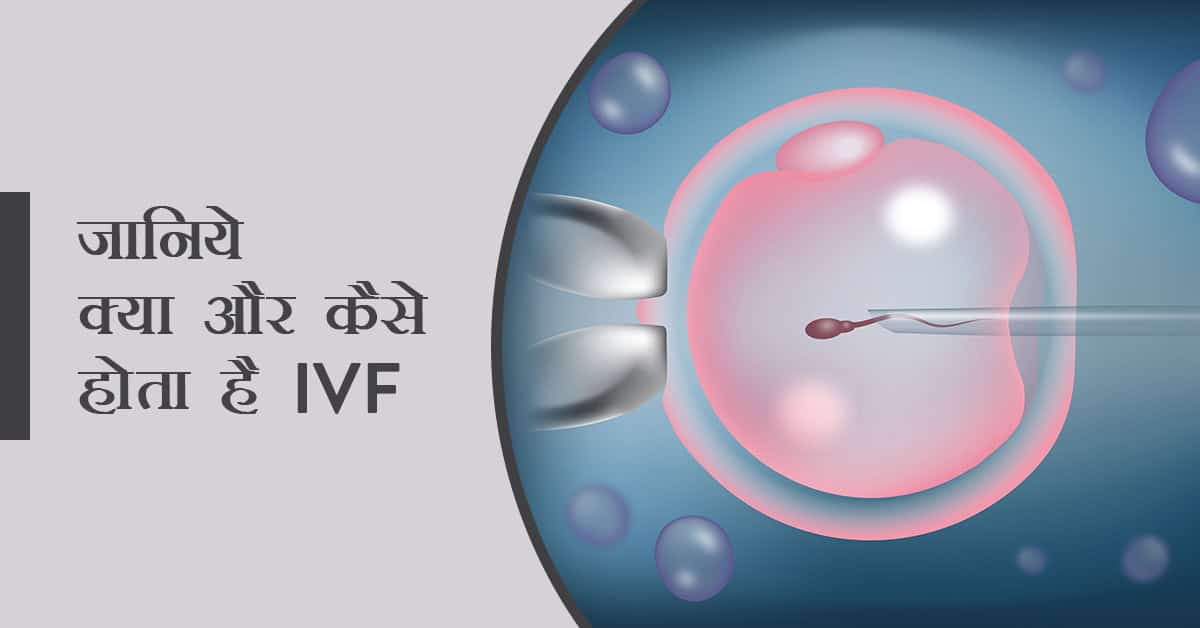
माँ बनने का एहसास सभी महिलाओं के लिये बहुत ही खास होता है। ऐसा कहा जाता है कि जब एक महिला माँ बनती है, यह उसके लिए एक नये जीवन के समान होता है, किन्तु वहीं अगर वह किसी कारणवश माँ नहीं बन पाती है, यह एक कमी के समान होता हैं। यदि आप किसी कारणवश माँ नहीं बन पा रहीं हैं या आप निःसन्तान हैं, उस स्थिति में आप IVF ट्रीटमेंट (IVF in Hindi) का उपयोग कर सकते हैं। आज IVF की सहायता से बहुत से दम्पति आसानी से माता-पिता बन पा रहें है।
आजकल के व्यस्त जीवन और जीवनशैली के कारण महिलायें एवं पुरुष दोनों ही इनफर्टिलिटी का शिकार होते हैं और परिणामस्वरूप निःसन्तानता उनके जीवन की सबसे बड़ी समस्या बन जाती है।
मेडिकल क्षेत्र में विज्ञान ने बहुत विकास किया है, परिणामस्वरूप आज हम बहुत सी तकनीकों का प्रयोग करके अपने जीवन की विभिन्न कमियों को पूरा कर सकते हैं। IVF ट्रीटमेंट (IVF in Hindi) उन्ही तकनीकी विकासों में से एक है। अब आप सोच रहे होंगे कि आखिर IVF ट्रीटमेंट होता क्या है और किस प्रकार यह आपके माँ बनने में सहायक हो सकता है? इस लेख की सहायता से हम आपको बतायेंगे की IVF kya hai, यह प्रक्रिया (IVF process in Hindi) कैसे होते है और किन कारणों से इनफर्टिलिटी होती है?
Table of Contents
इन विट्रो फर्टिलाइजेशन ट्रीटमेंट को IVF ट्रीटमेंट कहा जाता है। पहले इसे “टेस्ट-ट्यूब बेबी” के नाम से जाना जाता था। इस प्रक्रिया का प्रयोग पहली बार 1978 में इंग्लैंड में किया गया था। आईवीएफ ट्रीटमेंट में प्रयोगशाला में कुछ नियंत्रित परिस्थितियों में महिला के एग्स और पुरुष के स्पर्म को मिलाया जाता है। जब संयोजन से भ्रूण बन जाता है तब उसे वापस महिला के गर्भाशय में रख दिया जाता है। हालाँकि आईवीएफ एक जटिल और महंगी प्रक्रिया है, किन्तु यह प्रक्रिया उन दम्पतियों के लिए बहुत सहायक होती है जो बहुत समय से गर्भधारण की तैयारी कर रहे हैं या किसी कारणवश अन्य फर्टिलिटी ट्रीटमेंट असफल हो गए हैं। आइये जानते हैं IVF प्रक्रिया (IVF Process in Hindi) क्यों, कैसे और कितने चरणों में होती हैं?
यदि आप निःसन्तानता से जूझ रहे हैं तो आप अपने डॉक्टर से विचार विमर्श करके, किसी भी फर्टिलिटी इलाज को चुन सकते हैं। यदि आपका डॉक्टर आपको IVF कराने की सलाह देता है तो उसके लिए निम्न कारण हो सकते हैं:
इसके अलावा IVF प्रक्रिया (IVF process in Hindi) के लिए आप डोनर स्पर्म या डोनर एग का प्रयोग भी कर सकते हैं। इस प्रकार की प्रक्रिया उन दम्पतियों के लिए लाभकारी होती है जो किसी प्रकार के गंभीर आनुवंशिक विकार से पीड़ित हैं और अपने बच्चो में उस विकार को नहीं चाहते हैं।
साथ ही यदि कोई महिला या पुरुष कम आयु में कैंसर से पीड़ित हो जाते हैं, उस स्थिति में भी वे अपने स्वस्थ अंडे या शुक्राणु को IVF की सहायता से भविष्य के लिए बचा सकते हैं। ऐसा इसलिए किया जाता है क्योंकि कैंसर के इलाज के लिए कीमोथेरेपी और रेडियोथेरेपी का प्रयोग किया जाता है जो प्रजनन क्षमता को नुकसान पहुंचा सकती है। कैंसर के इलाज के बाद इन एग्स या स्पर्म को IVF प्रक्रिया के लिए प्रयोग किया जा सकता है।
हम यहाँ आपको सलाह देना चाहेंगे कि किसी भी प्रकार की प्रक्रिया का प्रयोग करने से पहले IVF डॉक्टर से सलाह अवश्य लें।
यदि आपको लगता है कि आप IVF के लिए सही कैंडिडेट हैं तो इस प्रक्रिया को कराने से पहले किसी भी IVF सेंटर (IVF centre in Hindi) का सावधानीपूर्वक आकलन करें, आप अपने पास के ही IVF सेंटर (IVF centre near me) जा सकते हैं और उचित प्रश्न कर सकते हैं। हमने यहाँ कुछ प्रश्न दिए हैं जिनका प्रयोग करके आप जान सकते हैं कि वह IVF सेंटर आपके लिए सही है या नहीं:
और पढ़े : IUI क्या है?
IVF प्रक्रिया करने से पहले अपने डॉक्टर से सलाह अवश्य लें कि क्या आप IVF के लिए सही कैंडिडेट हैं या नहीं। डॉक्टर के निर्देशानुसार ही IVF कराना चाहिए। यह प्रक्रिया कई चरणों में पूरी होती है जिनमें शामिल हैं – ओवेरियन स्टुमिलेशन, महिला की ओवरी से एग निकालना, पुरुष से स्पर्म प्राप्त करना, फर्टिलाइजेशन और महिला के गर्भ में भ्रूण स्थानांतरण। आईवीएफ के एक साइकिल में लगभग दो से तीन सप्ताह लग सकते हैं, और एक से अधिक साइकिल (IVF Cycle) की आवश्यकता हो सकती है।
यदि आप आईवीएफ के दौरान अपने खुद के एग का उपयोग कर रहे हैं, तो साइकिल (IVF Cycle) की शुरुआत में आपकी ओवरी को कई अंडे बनाने के लिए स्टुमिलेट यानि कि उत्तेजित किया जाता है, इसके लिए आपका डॉक्टर सिंथेटिक हार्मोन के साथ इलाज शुरू करेगा। एक से अधिक एग की आवश्यकता इसलिए होती है क्योंकि कुछ अंडे निषेचन (फर्टिलाइजेशन) के बाद सामान्य रूप से निषेचित या विकसित नहीं होते हैं।
इस प्रक्रिया में आपका डॉक्टर आपको बहुत सारी दवाइयाँ दे सकता है। जिसके लिए आपका डॉक्टर कई टेस्ट कर सकता है कि कौन सी दवाओं का उपयोग करना है और कब उनका उपयोग करना है। आमतौर पर, एग देने के लिए तैयार होने से पहले आपको एक से दो सप्ताह के ओवेरियन स्टुमिलेशन की आवश्यकता होगी। यह पता करने के लिए कि कब आपके एग्स लिए जा सकते हैं उसके लिए आपका डॉक्टर अल्ट्रासाउंड, ब्लड टेस्ट इत्यादि के लिए कह सकता है।
ओवरी से एग निकालने की प्रक्रिया महिला के ओवुलेशन प्रक्रिया के सही 34 से 36 घंटे बाद की जाती है। यह प्रक्रिया सामान्यतौर पर डॉक्टर के ऑफिस या क्लिनिक में की जा सकती है। इस दौरान आप बेहोश रहेंगे, और आपका ट्रांसवेजिनल अल्ट्रासाउंड किया जायेगा जिसकी सहायता से आपकी वजाइना में एक पतली सुई डालकर एग्स को निकला जायेगा।
यदि ट्रांसवेजिनल अल्ट्रासाउंड के माध्यम से ओवेरी सही से दिखाई नहीं देती है तो सुई का मार्गदर्शन करने के लिए पेट के अल्ट्रासाउंड का उपयोग किया जा सकता है। एग्स को सुई की सहायता से फॉलिकल्स से अलग कर दिया जाता है, और एग्स को निकल लिया जाता है। परिपक्व अंडे को एक पोषक तरल में रखा जाता है और ऊष्मायन किया जाता है। अंडे जो स्वस्थ और परिपक्व दिखाई देते हैं उन्हें भ्रूण बनाने के प्रयास में स्पर्म के साथ मिलाया जाएगा। हालांकि, सभी अंडों को सफलतापूर्वक फर्टिलाइज़ नहीं किया जा सकता है।
यदि आपके पार्टनर का स्पर्म प्रयोग किया जा रहा है, यह प्रक्रिया आपके डॉक्टर के ऑफिस में या क्लिनिक में की जा सकती है। इसके लिए मस्टरबेशन की सहायता से डॉक्टर को IVF प्रक्रिया (IVF in Hindi) के लिए स्पर्म दिया जाता है। इसके अलावा टेस्टिक्युलर एस्पिरेशन (testicular aspiration) प्रक्रिया की सहायता से भी स्पर्म दिया जा सकता है। स्पर्म देने के बाद डॉक्टर लेब में स्पर्म को स्पर्म फ्लूड से अलग करेगा।
फर्टिलाइजेशन प्रक्रिया सामान्यतः दो तरीकों का उपयोग करके की जा सकती है:
भ्रूण स्थानांतरण आपके डॉक्टर के ऑफिस या क्लिनिक में किया जाता है और आमतौर पर एग लेने के दो से पांच दिन बाद होता है। आपको एक हल्का पैन रिलीवर दिया जा सकता है। प्रक्रिया आमतौर पर दर्द रहित होती है, हालांकि आप थोड़ी ऐंठन का अनुभव कर सकते हैं। इसके बाद डॉक्टर आपकी योनि में, आपके सर्विक्स के माध्यम से और आपके गर्भाशय में एक लंबी, पतली, लचीली ट्यूब को डालेगा, जिसे केथेटर कहते हैं। केथेटर में एक या एक से अधिक भ्रूड को इसके माध्यम से आपके गर्भाशय में रखा जाता है।
भ्रूण स्थानांतरण के बाद, आप सामान्य दैनिक गतिविधियों को फिर से शुरू कर सकते हैं। हालांकि, आपकी ओवरी अभी भी थोड़ी बढ़ी हई हो सकती है इसलिए किसी भी असमान्य गतिविधि से बचने पर विचार अवश्य करें। इसके अलावा कुछ मामलों में आप निम्न परेशानियों का सामना करना पड़ सकता है:
यदि आप भ्रूण स्थानांतरण के बाद थोड़ा या तेज़ दर्द महसूस करती हैं, तो तुरंत अपने डॉक्टर से संपर्क करें। वह आपकी किसी प्रकार के इन्फेक्शन जैसे ओवरी (ओवेरियन मरोड़) और गंभीर ओवेरियन हाइपरस्टीमुलेशन सिंड्रोम की जटिलताओं के लिए जाँच करेगा।
IVF के बारे में इंग्लिश में भी पढ़ें : Understanding IVF (In vitro fertilization)

Piles is the most widespread anorectal disease among adults—as much as 75% of the Indian population experience mild or severe symptoms of congenital anorectal anomalies. The most simple way to understand this disease is that there are swollen veins that develop around the anus or lower rectum. Contrary to popular belief, men and women have equal chances of developing such anorectal ailments.
A few other anorectal malformation types that you might not be aware of are:
Table of Contents
The causes for piles are mostly unknown, but some factors might increase your chances of developing anorectal ailments. Some of them are:
Stage 1: This stage usually goes by on its own, and the patient experiences no major pain or discomfort.
Stage 2: Here, too, the swelling can go unnoticed, but the level of uneasiness is a bit more than Stage 1.
Stage 3: Here, the haemorrhoid can be seen protruding out, but can easily be pushed in. The patient may experience a certain level of pain at this point.
Stage 4: In this stage, the haemorrhoid cannot be pushed inside and should be treated only with the help of a medical professional. Do not try to push it inside on your own and consult a doctor immediately.
Some of the best remedies of piles at milder stages like 1 and 2 include medication and adopting a healthy lifestyle. A doctor must treat anything that does not alleviate the pain.
Usually, anorectal malformations have many common symptoms that are very easy to detect. The disease is almost always self-diagnosed, due to the level of unease the affected person experiences.
The following anorectal disease symptoms are almost always common among major ailments:
Read: Reasons and Treatment for Blood in Stool
Medication usually works in the initial stages of anorectal disease in case of mild discomfort. The doctor might prescribe pain relief medications, creams, ointments that contain ingredients like hydrocortisone and lidocaine to ease the pain. Blood pressure medications like oral nifedipine or diltiazem can help in the case of anal fissures.
Eating high fibre foods like vegetables and whole grains softens your stool and increases its frequency, thereby easing any colon problems faster. Having warm showers instead of cold can also help in mellowing the swollen area. These methods are more preventative in nature and can be practised even when one doesn’t have the disease.
The above treatments, especially medical and surgical, are best done by a proctologist. It is important that for every step during your treatment, you consult a medical professional and seek expert guidance.
Apart from this, having a clean and healthy lifestyle can help in the long-term, not just for anorectal conditions, but for others as well.
To get the best comprehensive medical treatment for piles, visit CK Birla Hospital
Also, read: Piles and Fissures – Know the Difference

Over the past few months, coronavirus has taken over the world, impacting almost every country. As the number of cases surge past 1.44 million in the country itself as of July 2020, the spectrum of disease presentation has widened as well. Currently, Haryana has recorded over 30,000 confirmed COVID-19 cases (20% of which are in Gurgaon).
As our knowledge of the virus and the infection it causes increases, a number of unheard symptoms have come into light. Symptoms involving the foot and ankle region is one such rare manifestation of COVID-19. Before we start discussing uncommon symptoms of the “coronavirus disease” it is important to keep in mind the common symptoms to take the necessary precautions and isolate ourselves at the earliest.
Everyone wants clarity on the exact symptoms which can help indicate coronavirus infections in its early stages. As we still have no cure for COVID-19, symptomatic treatment is the only treatment protocol. Hence, early detection and treatment gives the patient the best chance for quick recovery. Early detection is also essential in preventing further spread of the virus as it helps isolating the infected person before he/she can spread it to too many people. Some of the common symptoms that may indicate COVID-19 are:
Of late, a new term called COVID toes has been making rounds. Is it related to coronavirus or just a simple foot problem? Read ahead to find answers to such perplexing questions.
Read: What is Coronavirus: symptoms | how it spreads | how to avoid it
According to a research conducted by doctors in Spain, there have been nearly 5 different patterns of rashes associated with COVID-19. The one rash that has got the most attention despite it not being the most common rash is “COVID toes”- a foot problem similar to Chilblains. Chilblains are an inflammation of the toes that cause pain, redness and itchiness, which usually occurs in the winter due to a prolonged exposure to cold. The rashes observed in coronavirus patients however, have no relation to exposure to cold. These may manifest before or weeks after the appearance of the more common symptoms
COVID toes are seen more commonly in younger people and can fade away in a couple of weeks. Experts say that they have observed an increase in the number of patients complaining of lesions and inflammation of the toes, making it painful to walk. The exact cause of these lesions is still a mystery and further research is required for a conclusion.
The most surprising observation in this study was various rashes caused by a single virus. Similar to AIDS and syphilis, COVID-19 is called the New “Great Mimicker” due to the number of rashes associated with it. As these symptoms are not common and prevalent in COVID patients, it is not added in the list of common symptoms. At the moment, the symptoms of flu and respiratory problems are still considered primary symptoms. Despite being seen very often in Spain and the US, COVID toes have not been seen in patients in India.
If you are experiencing any rashes in your feet or toes, visit your doctor. Even though this is not a definite indicator of COVID-19, it can cause difficulty in walking. Also getting a medical opinion about any unexplained rash or swelling will always be in your best interest. This is the time to be cautious, vigilant and safe.
Read: Common foot problem One should not ignore
| S.No. | Symptoms | Treatment |
| 1 |
Fever & Chills |
Test |
| 2 | Muscle pain | Visit the doctor |

Immunotherapy is a relatively new method of treating cancer that involves using the body’s immune system to fight cancerous cells. Immunotherapy can help by boosting the immune system to be more effective in fighting cancer, or by marking cancerous cells, and making it easy for the immune system to identify them.
Table of Contents
The immune system comprises cells and special organs that protect the body from harmful viruses and infections. The immune system is aware of all the minute elements that exist in the body and attacks any foreign particle introduced in the body.
Germs and viruses contain specific proteins that the immune system does not recognize, and hence it attacks these germs. Against cancer cells, however, the immune system is less successful.
Cancerous cells are normal cells that have mutated. The immune system has a hard time differentiating between healthy cells and cancer cells. Even if the cancer cells are correctly identified, sometimes the immune response is not enough to make the body healthy.
In such cases, immunotherapy for cancer is a big help in boosting the immune system and helping it in differentiating between normal, healthy cells and cancer cells.
Immunotherapy has a more positive outcome on some types of cancers than others. Different ways of applying immunotherapy are considered for different types of cancers.
The types of immunotherapy for cancer are:
The immune system has checkpoints that make them able to identify between healthy cells and any foreign particles. Since cancer cells are mutated cells, they are many times able to bypass these checkpoints and spread.
Immune checkpoint inhibitors are drugs that manipulate the checkpoints in the immune system and make them target the cancer cells. Medications for checkpoint inhibitors don’t attack the cancerous tumours. Instead, they boost the immune system to fight cancer cells more effectively.
Vaccines introduce a weak or dead virus into the body, which makes the immune system fight against foreign particles. The immune system has a memory—once it defeats the bad cells, it remembers and protects the body against any future infections.
Cancer vaccines aim to induce the immune system to attack cancer cells. Some vaccines could potentially prevent certain cancers from occurring.
Adoptive Cell Therapy uses the cells of the patients to fight against diseases. T-cells are the backbone of the immune system. These cells direct the immune system to the affected areas and trigger an immune response in fighting infections and viruses. CAR T-cell therapy involves extracting a few T-cells from the body and genetically altering it with a disarmed virus, and re-injecting them into the body.
These altered cells are known as ‘a living drug’ as once they enter the human body, they multiply as other cells do. The modifications of the cells can help the immune system to identify and fight against the cancer cells and hopefully eliminate cancer.
Unlike other forms of treatments, immunotherapy for cancer helps towards arming the body for long-term survival. As the treatment is directed at the immune system, the modifications can be maintained even after the treatments stop.
Doctors observe a patient who has completed treatment for cancer. The chance for relapse is high in the first five years. However, various studies have identified that in most cases, immunotherapy for cancer has prolonged the five-year survival period by a few more years. However, each case is different, and the survival rate depends on many various factors.
Immunotherapy for cancer is not without side effects. This treatment makes changes to the body on a cellular level. The base protection system of the body gets modified to fight against the cancerous cells. Although all the treatment types aim at only targeting the mutated cancer cells, it is still possible for the immune system to start attacking the healthy cells in the body. Palliative care is initiated along with the procedure to help improve the quality of life during and after cancer treatment.
Most common side effects of immunotherapy include,
Depending on the intensity of the side effects, the treatments are either stopped or modified. Your doctor may prescribe drugs to combat the side effects once the treatment is resumed.
Chemotherapy is one of the more well-known treatments available for treating cancer. Initially, chemotherapy used to be the only treatment available against cancer, but over the years, many new options like cancer immunotherapy have become available.
Read: How Chemotherapy Works Against Cancer
Treatments for cancer are chosen depending on several factors. Choosing immunotherapy for cancer over chemotherapy or any other treatment depends on the type of cancer, at which stage the cancer is in, any other treatments undergone for cancer, and the overall health of the patient. Besides, cancer immunotherapy can be used in multiple ways to help the immune system fight against the disease.
Any cancer treatment is taxing on the body, and palliative care must be included right from the start to manage any side effects as and when they are detected.

You may require a total knee joint replacement due to various medical reasons. An unfortunate accident which severely damages your knee or having debilitating arthritis are the most common reasons where people have to get their knee or both knees replaced.
Arthritis is a condition of inflamed joints and affects 15% of the Indian population. A damaged, worn off cartilage in one or both knees is a characteristic symptom of this disease. Total knee arthroplasty is an effective treatment option for arthritis and replaces your damaged joint and relieves pain.
Your doctor will substitute your knee joint with a prosthesis which is an artificial knee made up of either metal, plastic, or ceramic.
In cases where both the knees are severely damaged and affect your daily activities, your doctor may recommend a double knee replacement surgery.
It is of two types:
Your doctor will determine the procedure that works best for you after considering your underlying medical conditions carefully.
A single surgery for both the knees simultaneously puts a lot of stress and strain on your body. Should you have both knees replaced at the same time is a common question that concerns people. Not everyone can handle the pressure and other complications of this type of surgery.
However, your doctor may consider you a suitable candidate for the procedure if:
Watch the video as Dr Debashish Chanda (Dept. of Orthopaedics at the CK Birla Hospital) explaining which surgery you should choose for your knee replacement.
It is essential to be aware of all pros and cons associated with simultaneous bilateral knee replacement surgery before considering it.
Though it finishes-off the work in one go, this type of surgery has its share of benefits and risks. You have to approach it cautiously and go ahead only after a thorough discussion with your doctor.
Cons
When you undergo replacement surgery for both the knees at the same time, you may require to stay in the hospital for up to ten days. After that, you are shifted to a rehabilitation centre for physical therapy to help you recover better. You may require physical assistance for up to three weeks after this surgery.
In a staged bilateral knee replacement, the doctor may keep you in the hospital for three to five days after each surgery. You may need a helper for the first week and after that an assistance device like cane, walker, crutches, till you can manage on your own.
The total knee replacement recovery time can take anywhere between six to twelve weeks.
Though the recovery after knee replacement surgery is the same in both types of double knee replacements, you can get back to your daily life faster in the simultaneous bilateral procedure.
The staged knee replacement usually happens for a total period of six months to one year. The doctor operates on one knee and gives it time to heal and then keeping a few months gap, the other knee is operated upon and given time to recover.
It is important to note that your full knee replacement recovery will also depend on your age and overall health.
There is a significant reduction in knee-pain right after the surgery. However, surgery-related pain is mild and temporary and easily managed by pain-killers. Your doctor will check for any signs of infection, blood clots or any other complication that may arise post-surgery, during your hospitalisation.
Physical therapy will start soon after the surgery to help you with some movement. These sessions aim at building strength and regaining mobility. The therapist will include some knee-strengthening exercises and make you walk gradually. How long you will require physical therapy will depend on your health and progress.
Read: Quality of life after Total Knee Replacement Surgery
Despite the challenges present in double knee replacement surgery, be it a staged procedure or simultaneous knee replacement, it is often successful in repairing your knees completely.
Nonetheless, getting both knees replaced at the same time is a big decision to take for anyone. Just being aware of the benefits and risk factors of each type of knee replacement surgery isn’t enough. Nothing can replace the experience of visiting a doctor personally and talking about your condition and preferences.
Your doctor is the best person who will diagnose the severity of your knees and recommend a suitable treatment option.

The first few months of a new mom’s life can be beautiful, tough, and also very rewarding, provided you take care of yourself, as much as you do of your little one. Aspects like self-case, positive mental health, and practicing good dietary habits are gaining importance over merely reaching for goals like weight loss.
Many new moms are also committed to losing all that postpartum belly fat as quickly as possible. “How to lose weight after pregnancy?”, “How long does it take for postpartum belly to go away?”, questions like these can even turn into an obsession at times. However, weight loss at the cost of good health and well-being can be detrimental. Poor habits like crash diets can lead to quicker weight gain, not to mention poor physical and mental health.
Here’s how you can achieve your postpartum belly weight loss goals, by doing it in a way that’s gentle and nourishing for your body.
Table of Contents
Aiming for slow and steady postpartum tummy loss has some real benefits, and one way to ensure this is that your diet is packed with all the nutrition you need.
A pilot study conducted indicates that when new mothers follow DASH (Dietary Approach to Stop Hypertension), which focuses on healthy eating, not only did it lead to weight loss, but it also helped them keep it off, permanently.
The DASH diet promotes nutritious food choices without completely prohibiting you from eating any specific kinds of food. Some key aspects of the diet are:
Eating meals on time also really helps to improve metabolism, thus aiding in faster weight loss. Before implementing any substantial changes in your diet, talk to your doctor to understand the possible risks and benefits.
Whether you bring in walking, or any other form of physical activity, it helps to develop a routine that consistently helps you raise your metabolism levels. Weaving in postpartum belly exercises like tummy crunches on a daily basis can help you beat any “belly after baby” stress weighing on your mind.
These days, tons of workouts are available on the Internet, especially for moms looking to lose post-pregnancy belly fat, and tighten those muscles. “Baby and me” workout classes are also gaining popularity, especially with moms who do not have house help; the baby also gets to have a fun time with mommy! Ensure that you follow a credible instructor and do not experience fatigue while working out.
In case of any medical complications, make sure you get a sign-off from the doctor before indulging in any strenuous routines.
“How do I lose the baby weight?”, while this is an important priority for new mothers, no doubt, focusing on emotional well-being alongside physical fitness is just as important. Taking care of yourself as much as caring for your little one is important. An important aspect of the weight loss journey that we hardly pay much attention to is acknowledging the value of positive mental health.
Introducing daily pranayamas (breathing) and asanas (yoga postures) helps you improve overall mental health, and address common disorders like postpartum depression.
Watch out for symptoms like extreme sadness or anger without any warning, a feeling of having to go through the motions while getting through the day, feelings of anxiety, guilt, as well as irritation.
Staying connected to yourself and your needs via meditation is a powerful experience. There are several meditations available online, especially for new moms, and they can help you relax and unwind, mentally, especially if practised every day, even if it is for just a few minutes.
Additionally, asking for help from loved ones when you need it, having conversations with friends and family, and communicating your needs, are all healthy practice.
Watch the video, Dr Aruna Kalra (Director- Obstetrics & Gynaecology at the CK Birla Hospital) sharing some important tips on how to lose weight after childbirth.
The human body, when continuously deprived of sleep, sets off a domino effect that slows down your metabolism. It leads to the release of the stress hormone cortisol, which signals to your body that it needs to conserve energy by hanging on to fat, especially post-pregnancy tummy fat. Sleep deprivation also triggers other behaviours like stress eating, irritability and lack of focus.
Yet, lack of sleep is something most new moms fall prey, too, as they always aim to place the baby’s needs first. One century’s old tried and tested hack that works is to sleep whenever your baby sleeps.
Breastfeeding your baby up to six months or more helps build up natural immunity. The most organic way to understand how often to breastfeed is to follow your baby’s lead.
You might not realise this, but one of the unique side effects of regular breastfeeding is faster weight loss and in particular post-pregnancy tummy fat. It also helps to restore the uterus to its original size much faster. Another unique benefit is that it helps to reduce the risks of diabetes, breast cancer and ovarian cancer in young mothers.
Keeping yourself hydrated when you are breastfeeding is especially important. Consume water, milk and juices. Include vegan milk options like almond and peanuts, which come with power-packed nutritional value.
Read: What you can do to prevent breast sagging post pregnancy
Motherhood can be an even more enjoyable experience if you bring balance and harmony into it early on. Building positive personal habits will make you emotionally and physically stronger, and nudge you to achieve your postpartum weight loss goals, faster.
So set new routines in place, receive the nutrition and support you need and set the stage for a beautiful journey for you and your child.
Your belly is a primary storehouse area of body fat, especially during pregnancy. Hence, it’s natural that it will take some time to lose the fat in your stomach after birth.
Postpartum belly binding is an age-old tradition that provides support and comfort for new mothers. Whether you use a special postpartum belt or a wrap, the effects are the same. However, be careful not to wrap up too tight, as it can put undue pressure on your uterus.
Childbirth is an intense experience, followed by an even more intense caregiving routine for the next six months of you and your baby’s life. Good mental health will keep you motivated, and more invested in your own self-care, as much as in your baby’s well-being.
Also, read: 4 Postpartum complications you must monitor

