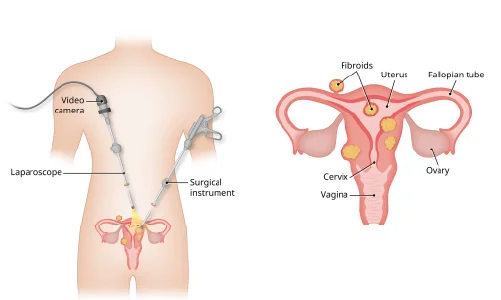
| Aspect | Minimally Invasive Surgery | Traditional Open Surgery |
| Incisions | Smaller incisions | Larger incisions |
| Recovery Time | Shorter recovery period | Longer recovery period |
| Pain and Scarring | Less pain and minimal scarring | More pain and noticeable scarring |
| Hospital Stay | Shorter hospital stay | Longer hospital stay |
| Infection Risk | Reduced risk of infection | Higher risk of infection |





For accurate detection of uterine fibroids, a thorough medical examination by a gynaecologist is essential. The doctor will review your medical history and may recommend the following tests:
Recovery time depends on the type of surgery performed. Generally, patients can expect:
Recovery time varies based on the type of surgery. Minimally invasive procedures like hysteroscopic and laparoscopic myomectomy typically require 1-2 weeks for initial recovery, while open surgery may take 4-6 weeks.
Yes, uterine fibroids can recur even after myomectomy. Long-term management and regular monitoring are necessary to reduce the risk of recurrence.
Yes, non-surgical treatments include medication, hormone therapy, and uterine artery embolization. These treatments can manage symptoms and reduce fibroid size but may not eliminate fibroids entirely.
Most health insurance plans cover myomectomy surgery. It is important to check with your insurance provider for specific coverage details and any potential out-of-pocket costs.
Signs include sudden, severe pelvic pain, fever, heavy bleeding, and increased urinary frequency. Seek immediate medical attention if you experience these symptoms.
Yes, uterine fibroids can affect fertility and pregnancy. They can interfere with conception, increase the risk of miscarriage, and cause complications during labour. Myomectomy can improve fertility outcomes.
For expert diagnosis and treatment of uterine fibroids, including myomectomy surgery, trust the experienced gynaecologists at CK Birla Hospital in Gurgaon. Contact us to schedule a consultation and explore your treatment options.

