Filter :
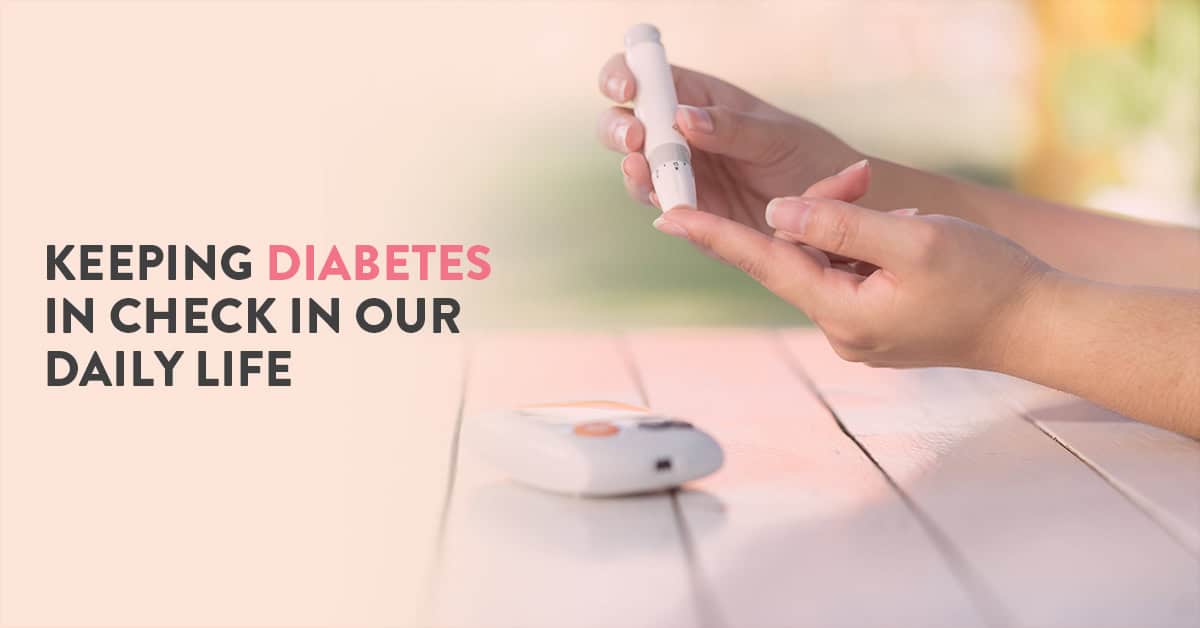
Indian sweets have a separate fan base across the globe. The wide variety of delicacies are an element of joy for everyone. However, happiness is not all that these sweets bring. Diabetes is a popular and common ailment with prevalence in more than 30 million Indians. Our lifestyle choices and eating habits have a large contribution to the high indecent rates of this condition. The rising figures call for effective measures for the management of diabetes in men and women.
Living with diabetes is not as complex once you learn the tactics to keep your blood sugar under control. In this article, Dr Tushar Tayal, best internal medicine specialist explains how the clinical management of diabetes is done.
Before we start learning diabetes management tips and tricks, let us grasp an overview of what this condition is all about.
Table of Contents
Diabetes (medically known as diabetes mellitus) is a condition that causes the sugar levels in your blood to rise. It is medically referred to as diabetes mellitus.
The food (sugar) we eat is converted into energy which is used by our body for functioning. The hormone insulin is used for transferring and storage of sugar. When the mechanism of our body fails to utilise or produce sufficient insulin, we develop diabetes.
There are several types of diabetes, including:
Diabetes mellitus is a complex metabolic condition with several complications. Uncontrolled levels of blood sugar can lead to cardiac diseases, stroke, hearing loss, foot damage, dementia, depression among other conditions.
For everyday functioning and wellness and to avoid diabetes complications, it is important for a diabetic patient to keep his/her sugar levels checked and under control.
Though diabetes has no cure, it can be efficiently managed through the course of life. Here are some diabetes management tips you can practice to make sure that your diabetes does not aggravate and remains within the recommended range:
Managing diabetes with diet and exercise are the starting steps. The primary dietary amendment you need to make with diabetes is to limit the intake of sweetened foods. You may need to completely avoid certain foods and beverages such as sweet bakery products and carbonated drinks. You can, however, compensate for these high-calorie and low-nutrient products by replacing them with juices and healthy snacks.
It is critical to check what you eat and how much you eat when you have diabetes. You should maintain a track of which foods are not healthy for you. The key is to maintain your intake of carbohydrates. High levels of carbohydrates can directly increase your blood sugar. You must make sure to eat all nutrients including carbs in moderation.
You should plan your meal in accordance with your sugar levels. Eating small portions of foods several times throughout the day can keep your health better. Dietary management of diabetes does not broadly restrict your choices.
Make sure to eat portions of fruits and vegetables regularly. You should choose fibrous foods and eat a good mix of starches, proteins and fats. Eating too little and eating too much, both have enormous disadvantages. It is important to take your medicines regularly along with moderate food intake.
Also Read: Ivy Gourd: Benefits & Side Effects
Living with diabetes can put additional emphasis on the need to exercise. Regular physical movement allows your muscles to use insulin effectively from the blood. The effect of exercise on insulin depends on how long you exercise. Exercising without a proper plan may not be very beneficial if you have diabetes. You should talk to your healthcare provider or trainer to help design a suitable exercise regime.
You need not exercise each day if you are not highly motivated or able. Exercising for 30-40 minutes most days (4-5 days) of the week is enough to keep your sugar levels in control. Simultaneously, you should keep a track of how your blood sugar changes before, during and after exercise.
You should also make sure to keep yourself hydrated to utilise maximum benefits of working out. Sometimes, eating a snack prior to exercise is also useful. You should consult your healthcare provider and do what is best for you.
While managing diabetes with diet and exercise are essential, we cannot ignore the importance of medication. Diabetes is a chronic illness with no cure. It is evident that regular medication and a diabetes management plan to keep your sugar levels appropriate. Along with diet and exercise, following your medicine routine is vital for the management of diabetes.
There are specific medicines designed to keep blood sugar levels in moderation throughout the day. You should not skip your diabetes medication or stop them without consulting your doctor.
Over time, your body’s response to the medicines may change. It is important to routinely check your blood sugar levels and go for regular follow-ups. In case of gestational diabetes, your healthcare provider may work with your obstetrician to make the correct plan.
Another underlying health condition or an illness can alter your blood sugar levels. Being affected by an illness while living with diabetes can negatively affect your overall wellbeing. You should aim to follow all precautionary measures and keep illness at bay.
It is critical to stick to your meal plan to avoid complications. If you fall ill, you should immediately consult your healthcare provider for clinical support.
Whether you have diabetes or not, drinking and smoking can harm your health. It is best to avoid smoking cigarettes or drinking alcohol. Smoking can narrow your blood vessels disrupting the flow of blood and increasing the chances of diabetes complications.
Blood sugar levels can drop significantly due to alcohol consumption. However, you can still do social drinking, in moderation and if your diabetes is already under control. It is advised that you recommend your doctor about the amount of alcohol safe for you. You should avoid drinking on an empty stomach.
Stress, besides drinking, can also alter your blood sugar levels. High-stress levels release such hormones in your body that promote a rise in blood sugar. You should make sure to stay out of stressful situations. You should meditate or learn relaxation techniques to calm your mind. Diabetes and hypertension go hand in hand. These lifestyle measures can also help you in keeping your blood pressure under control.
Diabetes management is not a one time task. Since it is a chronic illness, you need to practice the above-given tips every day. Your way of living needs to be designed according to your blood sugar levels. You should regularly monitor your glucose levels.
You can book an appointment with Dr. Ravindra Gupta to formulate your personalised diabetes management program. Visit the CK Birla Hospital for more information.
Also Read: What is cholesterol? Type, normal range, Diagnosis and Treatment
Ques: Can I treat diabetes completely?
Ans: Unfortunately, diabetes cannot be cured but only managed. Lifestyle measures and medicinal treatment can help in treating diabetes consistently.
Ques: What type of foods should I eat to manage diabetes?
Ans: Good food choices for diabetic patients include fatty fish, leafy greens, avocados, eggs, beans, yogurt, broccoli, olive oil, flaxseeds and nuts.
Ques: How does blood pressure affect diabetes?
Ans: Diabetes can lead to stiffening and narrowing of blood vessels leading to an increase in blood pressure.
Ques: Can I control diabetes without medication?
Ans: It is possible to control diabetes only with lifestyle modifications. However, the healthcare provider decides the best treatment for you based on your blood sugar levels.

A baby’s skin is considered the standard for softness and natural texture. You may see cosmetic products, mostly moisturisers and lotions, being advertised with the analogy that they make your skin as soft and natural as a baby’s. However, infants and small children are not exempt from skin conditions. Nearly 23.7% of children under the age of 3 years in India visit a healthcare provider for skin conditions. There are some common skin rashes in children that parents should look out for.
In this article, Dr Shreya Dubey, a leading paediatrician in Gurgaon, discusses some common skin conditions and rashes in children.
Table of Contents
As a new parent, changes in your child’s skin can frighten you. It is, thus, important to learn about these skin conditions. While the range of skin rashes in children is varying, there are a few rashes that are more prevalent than others.
If you wondered that the onset of acne happens when you hit puberty, you may be wrong. Baby acne, also known as neonatal acne, is a common skin condition affecting thousands of babies worldwide. As the name denotes, it is a condition in which pimp, white and red spots on skin begin to appear.
Baby acne are common baby rashes that mostly affect the child’s forehead and cheeks. This acne appears within the first month of birth and is associated with maternal hormones during pregnancy.
Treatment: Baby acne is not a frightening condition. It does not cause long-term effects and usually subsides on its own after the first one or two months. If your baby’s skin does not improve after a few months, you should consult your healthcare provider.
One of the most common skin rashes in children and babies is the cradle cap. In this condition, you will notice a thick and crusty layer (often yellow in colour) on the scalp of your child’s head.
While a cradle cap usually appears on the head, it can also be found behind the ears.
Treatment: Cradle cap is normally a harmless skin condition.It disappears on its own within a few months. You should ensure to maintain your baby’s hygiene for quick relief from the cradle cap. You should brush, hydrate and wash your baby’s hair routinely. Seek medical help if the condition persists or spreads to your baby’s face or other parts.
If babies could communicate as well as adults, they would agree how common and aggravating diaper rashes are. As the name denotes, a diaper rash is one of the common rashes in children caused by excessive moisture or prolonged contact with feces or urine in the diaper.
A diaper rash appears in the form of redness in your baby’s bottoms or genital area.
Treatment: A diaper rash can be prevented and easily managed by a routine hygiene check. You should make sure to change your baby’s nappies every 2-3 hours. Use diaper rash oil and creams.
Another condition common in infants and young children is eczema. It is characterised by dry and scaly patches on the skin. Baby eczema is among the commonest rashes in children. It is a chronic condition that often causes itching. Dust and heat can cause eczema in children.
Treatment: You should keep your baby clean and neat by bathing him every second or third day. If the rashes become severe, you should make sure to consult your doctor.
Baby’s skin tends to be extraordinarily sensitive. Their skin can become more dry due to a lack of moisturising oil created by the baby. Dry skin is a major factor leading to viral rashes in children.
Treatment: Skin dryness can be treated simply by hydrating your skin. You can use moisturisers and lotions specifically made for babies to keep your baby’s skin healthy.
Heat rash toddler can also lead to skin conditions in children. A harsh humid weather or excessive layers of clothing can trigger a heat rash. Heat rashes appear in the form of bright red spots on skin and not usually harmless.
Treatment: Heat rashes usually do not persist for long. They tend to disappear on their own in due time and care. Shifting your baby to a cooler environment can help in reducing this rash.
Milia is among the common skin rashes in children that appears on the nose, cheeks and chin. This condition is mostly present by birth and is not harmful for the baby.
Treatment: You can wash your baby’s face with clean water and soap to decrease the white bumps caused by milia. If the condition persists or aggravates, you should consult your healthcare provider.
Fifth disease also known as ‘slapped cheek disease’ is among the popular skin conditions in children. It is a result of a viral illness. Fifth disease is characterised by redness on the cheeks accompanied by low-grade fever and cold-like symptoms.
Treatment: There is no home remedy you can use for fifth disease. If your child develops a skin rash along with fever, you should make sure to take him to the medical doctor.
A drool rash is caused by the constant presence of saliva on your baby’s face. It usually appears during the teething phase of your child when your little one is growing milk teeth. A drool rash occurs on the mouth and is characterised by redness.
Treatment: You should ensure that your baby’s face is clear of saliva at most times. Do not scrub your infant’s mouth, instead pat dry it.
Hives is another common skin rash in children. It appears in the form of red or white bumpy patches of skin. These patches can sometimes be painful and itchy. However, hives in children is an acute illness and should not be a reason for panic.
Treatment: Your healthcare provider will be able to offer relevant medicines for the treatment of hives.
Most skin rashes can be avoided or reduced if you provide a healthy and clean environment for your baby. Here are some expert-approved tips on how to get rid of skin rashes in children.
The prevalence of common skin rashes in children is considerably high. Little kids have sensitive skin that can be easily affected by irritants. Parents should not be alarmed if they suspect a small change in their child’s skin. Make sure to practice the above-given tips on how to get rid of skin rashes in children and consult your doctor for regular health checkups of your child.
For more information on child health, book an appointment with Dr Shreya Dubey at the CK Birla Hospital.
Ques: How can you tell if a rash is serious?
Ans: You can tell if a skin rash is serious if:
Ques: What kind of rashes are painful?
Ans: Most rashes in children are not painful. However, some kinds such as diaper rash, baby eczema, heat rash, fifth disease and hives can cause mild discomfort and pain.
Ques: When should I worry about rashes on my child?
Ans: If your child’s rashes are serious and associated with symptoms such as fever and painful urination, you should consult a doctor urgently.
Ques: What should I do if my child has a rash?
Ans: The action steps depend on the severity of the rashes. If your child’s rash is not severe, you can simply pat a wet cloth on it to soothe pain and itching.
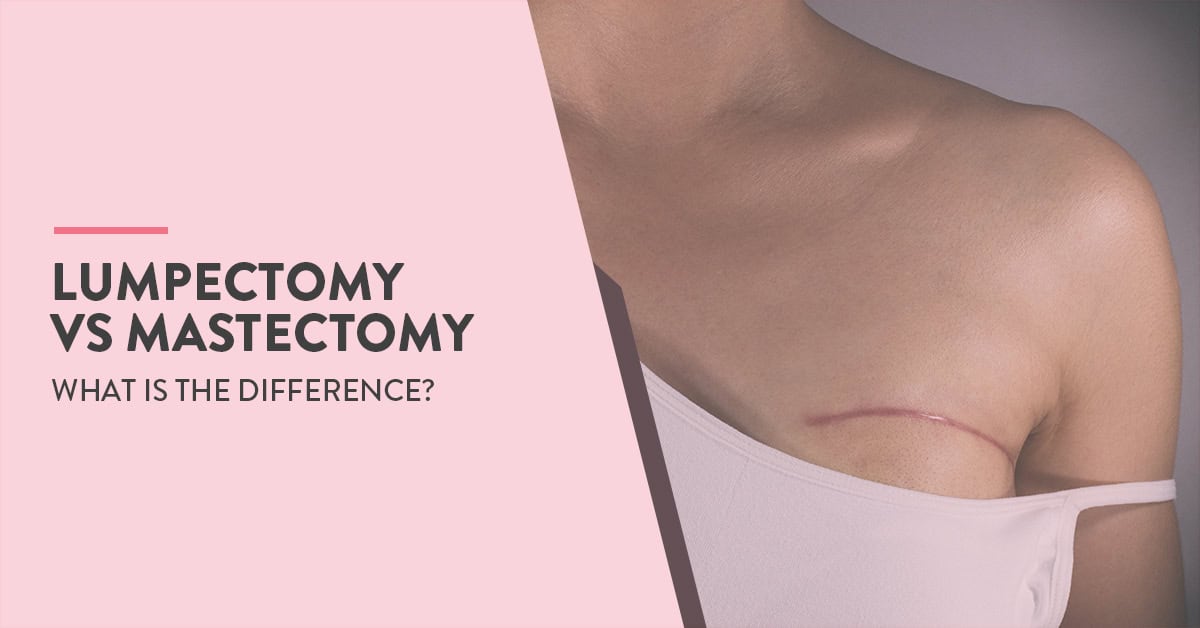
“Cancer is a word, not a sentence”
Nearly 1 in 8 women (13%) will be diagnosed with invasive breast cancer in their lifetime. It can be appalling to receive a breast cancer diagnosis and be that one woman. However, the constant progress of medical science offers hope at times of distress. Patients are faced with breast cancer treatment options almost immediately after they discover this ailment. It is, especially, ordinary for patients with early-stage cancer to have a choice of treatment.
While having a range of treatment options is great, it can also be stressful to make the best choice. Early-stage breast cancer patients face the dilemma of choosing between lumpectomy vs mastectomy.
This article explores the difference between lumpectomy and mastectomy.
Table of Contents
The objective of a breast cancer treatment is to remove the cancerous cells from the body and stop them from spreading further. There are several different types of treatment modalities for breast cancer.
Breast cancer treatment is mostly offered by combining more than one methods. Lumpectomy or mastectomy are also used in conjunction with other measures such as radiation therapy, chemotherapy, breast reconstruction surgery and more.
Lumpectomy vs mastectomy for breast cancer are surgical procedures aimed at removing cancer cells from the breast. They are both effective for specific patients.
Lumpectomy: Lumpectomy surgery is a type of breast-conserving surgery. In this procedure, your breast cancer surgeon removes the tumour inside your breast. Along with tumour, he/she also removes some amount of surrounding healthy tissues to stop the spread of cancer.
In most cases, radiation therapy is also offered after lumpectomy to prevent recurrence of the disease.
Mastectomy: Mastectomy is the surgical removal of the entire breast for the management of cancer. This procedure is further categorised into five types –
Several medical factors contribute to deciding the most suitable breast cancer treatment. The size and location of the tumour, your overall health, your medical history, family history of the disease and age are some determinants that doctors take into account.
However, personal reasons are also regarded when treatment is being sought for early stages of breast cancer.
Here is what you should consider if you are perplexed on how to decide between lumpectomy or mastectomy:
Lumpectomy and mastectomy surgery are both safe procedures. However, certain risks and complications are associated with these surgeries. Some of the common side-effects include pain, the chance of infection, bleeding and more.
If you choose to undergo lumpectomy, your healthcare provider will suggest you have radiation therapy for the completion of treatment. Radiation therapy has added side-effects that are likely to impact your general health. These include fatigue, damage to surrounding tissues, low white blood cell count, skin problems such as redness, itchiness etc.
While lumpectomy provides you with a way to preserve your breast partially, it also allows for a chance of cancer recurrence. Cancer cells may occur again in the breast after a lumpectomy. In such a rare case of recurrence, you may need another course of breast cancer treatment.
On the other hand, mastectomy surgery provides full and final relief from cancer in the breast with almost no chance of recurrence. In a post mastectomy care, you would also not need any other procedures as it offers maximum benefits alone.
The overall recovery period and care after lumpectomy or mastectomy are unique for each patient. It depends upon factors such as the stage of cancer, your general wellbeing, age and more. Your recovery may be lengthier based on the additional treatments you have.
Besides the medical prerequisites, you can choose between lumpectomy and mastectomy for breast cancer based on their effect on your appearance.
Mastectomy surgery is the process in which breast is completely removed. Breasts are often an important aspect of a woman’s identity and a complete absence of breast can impact her psychologically and emotionally. You can choose to have a breast reconstruction surgery after mastectomy. Nonetheless, this surgery also has its particular medical necessities and expenses.
While you can choose to have breast reconstruction post care after lumpectomy, the possibilities of the same become limited. It is because radiation therapy after lumpectomy affects the timing and options of reconstruction.
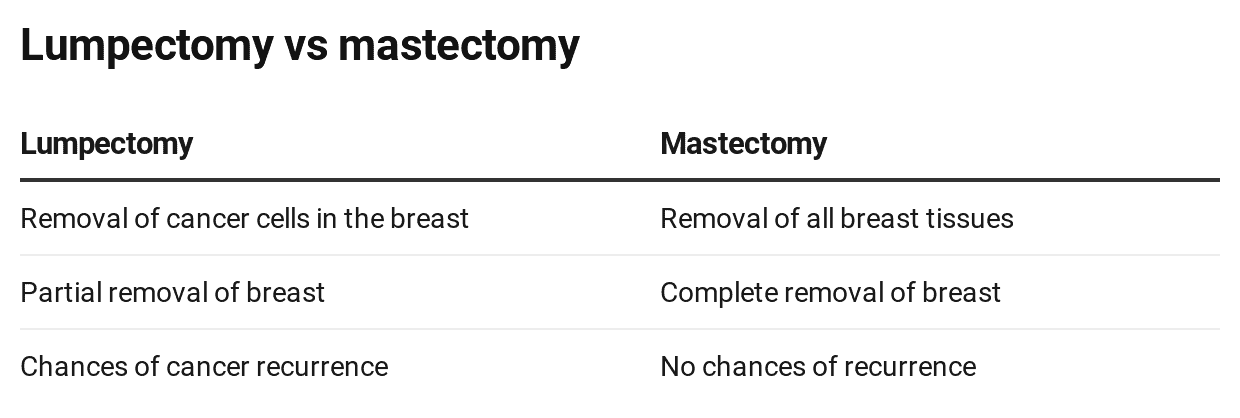
Questions to ask yourself on lumpectomy or mastectomy how to decide
If you have the choice to decide between lumpectomy and mastectomy, you should think through your options. Ask yourself:
Breast cancer treatment options should only give you hope and not anxiety. By learning more about your choices, you can make an informed decision. You should note that your personal preferences will be kept secondary to medical necessities. The primary objective is to get rid of cancer cells as safely and permanently as possible.
For more information on lumpectomy and mastectomy for breast cancer treatment, visit our world-class breast centre at the CK Birla Hospital.
Book an appointment with Dr Rohan Khandelwal for personalised guidance on breast health.
Ques: Is it better to have a mastectomy than a lumpectomy?
Ans: Mastectomy and lumpectomy are both effective breast cancer treatment measures. The appropriate surgery depends upon the health of the patient & size and location of cancer.
Ques: What stage of breast cancer requires a mastectomy?
Ans: Breast cancer, detected in early stage, can be treated effectively with mastectomy. On average, mastectomy is suited for stage II breast cancers.
Ques: What stage of breast cancer requires a lumpectomy?
Ans: Similar to mastectomy, lumpectomy surgery is also performed on a patient with stage II cancer. However, other factors such as the severity of symptoms, patient’s age and health are taken into regard.
Ques: Can I lay flat after a mastectomy?
Ans: Yes, after breast cancer surgery, a patient is asked to remain on her back until healed enough to lay sideways. However, since each patient is unique, your breast surgeon will offer you specific guidelines.
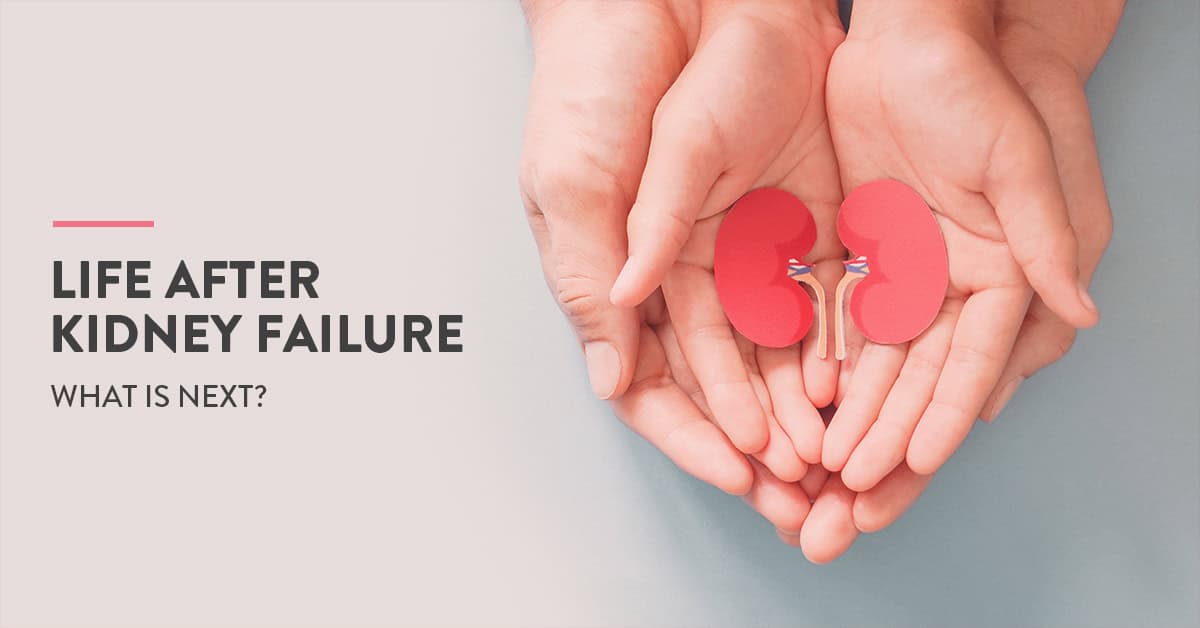
A kidney failure, in itself, is very challenging. Knowing that you are affected by end-stage kidney disease (ERSD) can take a toll on your overall well-being. What is even more taxing is accomplishing to live a healthy life after kidney failure. More than 10% of the world population lives with chronic kidney disease. Though it is difficult, life after kidney failure can be very smooth and productive.
In this article, Dr Mohit Khirbat discusses how kidney failure impacts a patient’s life. Dr Mohit Khirbat is a leading nephrologist consulting at the CK Birla Hospital.
Table of Contents
Kidneys are two bean-shaped organs responsible for removing extra toxins and waste produced by the body. They also enable the body to filter blood before pumping it to the heart.
Kidney failure occurs when the kidneys lose their ability to perform the above-given functions completely.
This condition is of two types –
Acute kidney failure occurs very suddenly and is often reversible. Nonetheless, chronic kidney failure progresses slowly and leads to a complete shutdown of kidney functions.
Kidney failure is also known as end-stage renal disease. It is considered the final stage of chronic kidney disease and requires long-term clinical intervention.
Since acute kidney failure happens abruptly, its signs are often unnoticed. However, kidney failure symptoms for both acute and chronic failure can be detected and managed beforehand. It is important to have an understanding of these symptoms, especially if you have an ailment related to the kidney.
Common acute kidney failure symptoms include:
Common chronic kidney failure symptoms include:
There are several different causes of kidney failure. Sometimes, an underlying health condition can trigger kidney failure.
A disruption in the flow of blood to the kidneys can also prompt kidney failure. If there is a difficulty in passing out urine, the load of toxins of the kidneys may increase leading to a failure.
Conditions leading to kidney failure are:
There is no cure for kidney failure but it can be treated successfully. Dialysis and kidney transplants are two effective treatment measures for renal failure.
Dialysis – In this treatment type, the patient is dependent upon a machine that replaces the function of kidneys, to some extent. It does not offer a cure for renal failure but extends the patient’s life effectively.
Kidney transplant – Kidney transplant is an invasive surgery in which the damaged kidneys are replaced with a compatible donor’s kidney.
Irrespective of the treatment type, life after kidney failure requires care with careful planning. Let us learn about the life expectancy after kidney failure and the challenges one may face.
The life expectancy after kidney failure mainly depends upon the type of treatment a patient undergoes. Besides treatment preference, your overall health, age, way of living and clinical care may affect life expectancy after kidney failure.
A person living with kidney failure can expect to live for up to 10-20 years with the help of dialysis. The life expectancy of a person who has a kidney transplant can be extended up to 10-12 years. Several factors such as the health of the donor’s kidneys, complete health of the recipient and more add to the life expectancy.
The treatment for kidney failure can help in managing your symptoms and extend your life. These modalities do not cure you of the disease. During or after treatment, you can expect to feel a variety of symptoms that may affect your physical, mental and emotional health.
Some of the common symptoms include swelling in the stomach and ankle, problems with digestion, loss of appetite, weakness, confusion, headaches and fatigue. However, all of these health issues are manageable and may not necessarily interrupt your life.
Chronic kidney failure is capable of changing the course of your life. You will become more dependent on your family members for care at home. Their support will be critical to the progress of your health.
Kidney failure impacts the boundaries in the relationship between the patient and caregiver. It is important that while your loved ones offer you unrestricted support, they also take care of their well-being.
Your visits to the hospital will also become routine. You will need to consult your healthcare provider for regular tests and screenings. If you are a dialysis patient, the hospital setting may just be your second home.
The amount of clinical help you seek in your life after kidney failure is considerably high. Needless to say, kidney failure can negatively impact your mental and emotional health. You may also seek consistent emotional and mental support from your loved ones. It is beneficial to take counselling sessions from a verified therapist.
Life after kidney failure demands most attention towards the management of the disease. For some people, their professional life becomes secondary. You may not need to completely get rid of your career goals. You can talk to your employer about your condition and ask for flexible working hours, remote working and more.
In men, kidney failure can prompt a low sperm volume. While women may suffer from menstrual issues as a side effect of this disease. These issues can further impact the fertile potential in a patient. If you wish to start or expand your family while living with kidney failure, you should consult with your healthcare provider. There are numerous scientific advances in the field of reproductive medicine that may be able to help you.
If you can offer appropriate medical management of kidney failure, your life expectancy can increase or at least remain unaffected.
Life after kidney failure calls for extensive medical help and lifestyle modifications. Here is what you can do to manage your symptoms effectively:
A proper check on medications – As a chronically ill patient, you are expected to regularly take your medicines. Irrespective of the severity of symptoms, you must follow your medication schedule as per your doctor’s guidelines.
If you require additional medicines for other health concerns, you must consult your nephrologist and take their opinion on the same. Your medicines allow you to operate normally and keep health complications at bay.
Eating a well-balanced diet – It is important to note that kidney failure treatment cannot replace the original abilities of the kidneys. During treatment, you are required to eat a nutritious diet for kidney health that does not cause digestive issues.
The dialysis machine or the donor’s kidney may not be able to filter all the waste. Therefore, you should avoid consuming food products that may be difficult to get rid of. You need to control their sodium, phosphorus and fluids intake while loading on fibre, calories and vitamins.
Engage in regular physical activity – Exercising regularly has a variety of benefits for anyone living with renal failure. You should avoid doing extraneous exercises and engage in light activities such as yoga, jogging, swimming and more.
Stop smoking and drinking – Smoking cigarettes can harm your overall health and cause multiple complications. Excessive consumption of alcohol can also hamper your kidney failure treatment.
The news of kidney failure can be discouraging. However, there is hope in knowing that kidney failure symptoms can be managed with relevant care. With the above-mentioned care tips, you can make sure that your life after kidney failure is not aggravating.
Book an appointment with Dr Mohit Khirbat, a leading nephrologist at the CK Birla Hospital to know more about kidney diseases and their treatment options.
Ques: Can kidney failure be reversed?
Ans: Whether or not kidney failure can be reversed depends upon its type. Acute kidney failure that sets in suddenly is reversible while chronic kidney failure which progresses gradually is not.
Ques: What are the stages of chronic kidney disease?
Ans: Chronic kidney disease develops over time across five stages. Stage 1 refers to mild kidney damage while stage 5 is the last stage in which kidney function completely declines.
Ques: Can I receive dialysis at home?
Ans: Yes, advanced medical science services have enabled patients to receive dialysis at home. However, extreme care and clinical intervention is necessary to perform the process accurately.
Menopause is a natural biological process that happens to women as they age. A woman is said to have reached menopause if she has not had her periods for more than 12 months. Before she reaches menopause, she may experience several symptoms such as changes in her menstrual cycle, perimenopausal bleeding, hot flashes, and premenopausal osteoporosis symptoms. This is called the menopausal transition. or perimenopause.
Perimenopause usually hits women between the ages of 45 years and 55 years and lasts for 7-14 years. Menopause can also be triggered by a hysterectomy or removal of the ovaries.
During perimenopause or the menopausal transition, the bone health of women is also greatly affected. In this article, we will look more closely at the impact of menopause on your bones as well as how to minimise this impact.
As mentioned above, menopause marks the end of periods in a woman. But what does that really imply? How are menopause and osteoporosis linked?
When a woman enters menopause, the oestrogen and progesterone levels in her body begins decreasing. This is said to speed up bone loss and increase the risk of osteoporosis significantly. Some studies show that up to 20% of bone loss can occur during menopause.
Table of Contents
As the name suggests, osteoporosis is a bone disorder characterised by low bone mass and weaker bones. As a result, the patient is more susceptible to fractures. It can be caused by several factors, even the use of certain medications. Corticosteroids and osteoporosis mechanisms are a clear example of the impact of medications on this condition. Corticosteroids are medications used to manage and treat inflammation in the body, prolonged use of this medication is said to lower the body’s ability to absorb calcium while also increasing the rate of bone resorption.
Studies also indicate that osteoporosis in women is far more common than in men, raising the question “Why are women more prone to osteoporosis?”
Osteoporosis was considered to be a silent disease, as it is usually detected only after the first fracture. Today, knowing the increased risk of postmenopausal fractures, women can opt for a variety of screening, assessment and treatment options and manage postmenopausal osteoporosis effectively.
Initially, osteoporosis was diagnosed if a fracture occurred with little or no trauma/force. Diagnosis can also be done using a dual X-ray absorptiometry (DEXA) scan. This helps define the patient’s bone mineral density. The unit used is called a T-score. The guidelines established by the world health organisation state that a T-score between −1 and −2.5 indicates low bone mass (not low enough for osteoporosis) and a T-score of −2.5 or lower indicates osteoporosis. The severity of osteoporosis is determined by the negative T-score.
There are several treatments available to reduce the risk of fractures due to osteoporosis. The treatments are designed to either reduce resorption of the bone or increase rate of bone formation. The treatment protocols depend on your general health as well as the suitability of the medication.
Hormone replacement therapy for osteoporosis (or HRT) has also been shown to have a positive impact on bone health after menopause. Postmenopausal osteoporosis pathophysiology indicates that the cause of decreasing bone density is directy related to decreasing oestrogen levels. Hence, the treatment involves maintaining the hormonal balance in the body with oestrogen replacement therapy for osteoporosis.
Oestrogen therapy for osteoporosis has shown promising results and is also associated with several benefits apart from bone health.
Functional medicine approach to treat and manage osteoporosis involves the use of calcium supplements after menopause as well as vitamin D supplements to maintain bone density after menopause.
Lifestyle both before and after menopause plays a significant role in maintaining good bone health. Dr Anjali Kumar, leading gynaecologist and obstetrician in Delhi NCR offers an insight into healthy lifestyle practices that can both reduce the risk and impact of osteoporosis after menopause.
Maintaining the correct posture while sitting, standing or performing any physical activity (as simple as picking something from the ground) is one of the key factors deciding bone and joint health later on in life. Today, with our increasingly sedentary lifestyle, incorrectly sitting in one place for more than 6-8 hours every day, can cause irreparable damage to our bones over time. So pay attention to how you sit, stand, run etc, regardless of how old you are. It is never too early to start protecting your bones.
Exercise plays an important role in preventing many bone and joint-related problems such as arthritis and slip-discs.
Balance work should be done with care, especially if you are suffering from osteoporosis. These include exercises such as yoga, pilates etc. They are designed to improve muscle stability and strength.
You should aim to exercise at least 45-60 minutes every week to maintain healthy bones.
Follow a healthy balanced diet to minimise the impact of menopause of bone health with food rich in vitamins, minerals and other nutrients known to promote tissue growth and regeneration. Osteoporosis pathophysiology is characterised by a reduction in skeletal mass caused by an imbalance between bone resorption and bone formation with age. It is important to increase your calcium intake to tackle this imbalance, either through natural sources or supplements. Dairy products, green leafy vegetables, soya beans, sardines, salmon etc are all rich sources of calcium.
Getting sufficient vitamin D is also essential for bone health, as it is vital for calcium and phosphorus absorption in the body. It can be taken as a supplement but is also produced in the body naturally when exposed to sunlight. Supplements should be taken by individuals who have very limited exposure to natural sunlight.
One of the most important things to keep in mind is that the earlier you start strengthening your bones, the lower the risk of developing osteoporosis later on in life. Studies show that bone regeneration happens rapidly till the age of 30, post which the rate of regeneration decreases significantly. Women are at a greater risk of developing osteoporosis, as a result, they should start performing strengthening exercises early in their life. This will not only strengthen their muscles, offering better support to their bones but also help in preventing falls later on in life.
To conclude, bone health is something many of us overlook, especially when we are younger. The truth is that making an effort when our bones give us the least amount of trouble will save us a lot of pain later in life.
Also, read: Can you prevent osteoporosis by just increasing your calcium intake?
Ques: How does menopause cause osteoporosis?
Ans: Perimenopausal women are known to be at a higher risk of developing osteoporosis as this condition is directly linked to oestrogen deficiency (as occurs during menopause).
Ques: Can early menopause cause osteoporosis?
Ans: Studies show a direct link between the lack of oestrogen and osteoporosis. Early menopause (as defined as menopause before the age of 45 years) and prolonged periods of low hormone levels and absent menstrual periods can also result in loss of bone mass.
Ques: How to increase bone density in menopause?
Ans: Bone density in menopause can be increased with calcium & vitamin D supplements and hormone replacement therapy as advised by the doctor. Regular weight bearing exercises can improve muscle strength to offer better support to bones and joints.
Ques: How is osteoporosis treated during menopause?
Ans: Osteoporosis in menopause is typically treated with a customised exercise regimen, calcium rich diet, vitamin supplements and oestrogen replacement therapy.
To know more about managing menopause and osteoporosis and minimising its impact in our daily life, you can speak to Dr Anjali Kumar – Director of obstetrics and gynaecology at the CK Birla Hospital.
Table of Contents
Changes in urinary habits or prostate health can understandably raise concerns. However, many symptoms, such as frequent urination or difficulty starting urination, are common in benign conditions like an enlarged prostate (BPH) and don’t necessarily indicate cancer. In this article, Dr Shalabh Agrawal, a leading urologist in Gurgaon, explains how an enlarged prostate differs from prostate cancer and what signs to watch for.
Prostate enlargement (BPH) is a condition that causes the prostate to grow. It majorly affects older men over the age of 50 years. Nonetheless, BPH can begin developing in a man starting from the age of 40.
Prostate cancer is a condition that leads to the growth and spread of cancer cells in the prostate. This cancer can affect any man at any age
| BPH | Prostate cancer |
| Non-cancerous cells. | Cancer cells are present. |
| Centre of the prostate is affected. | Sides of the prostate are more affected. |
| PSA levels increased | PSA levels increased. |
| Normal enlargement die to aging | Abnormal enlargement/tumor |
| Does not spread | Does spread |
| Not life-threatening | Can be life-threatening |
BPH is a benign enlargement of the prostate, caused by increased numbers of normal cells, primarily in the transition zone around the urethra.
Key point: Although both conditions share risk factors such as age and hormonal influences, they have different pathophysiological mechanisms and do not transform into one another. Studies indicate that BPH does not increase the risk of prostate cancer, and vice versa.
Symptoms of BPH and prostate cancer can overlap which may create confusion. Here is a brief comparison to understand.
| Symptoms | BPH | Prostate Cancer |
| Frequent urination | ✔ | ✔ (less common in early stage) |
| Nocturia (night time urination) | ✔ | ✔ (less common early in early stage) |
| Weak urine stream | ✔ | Occasionally |
| Difficulty starting urination | ✔ | Occasionally |
| Dribbling / incomplete emptying | ✔ | Rare |
| Blood in urine or semen | Rare | ✔ |
| Unexplained weight loss | ❌ | ✔ |
| Bone pain | ❌ | ✔ (advanced disease) |
Takeaway: BPH mostly causes urinary symptoms whereas early prostate cancer may be silent and later present with symptoms like blood in urine, weight loss or bone pain.
Also Read: Common causes of frequent urination in men
Although both BPH and prostate cancer affect the same organ, their risk factors differ.
Risk Factors for Prostate Cancer
Also Read: Top 10 expert- approved tips for prostate cancer prevention
Only symptom evaluation is not sufficient to differentiate between BPH and prostate cancer. Your doctor will use a combination of tests for an accurate diagnosis.
| Test Name | Findings in BPH | Findings in Prostate Cancer |
| Digital Rectal Exam (DRE) | Smooth, symmetrically enlarged prostate | Hard, nodular or irregular areas |
| PSA Testing | Mild elevation possible | May be elevated, but not always reliable alone |
| Imaging (Ultrasound / MRI) | Shows overall prostate enlargement | Detects suspicious lesions or abnormal areas |
| Prostate Biopsy | Benign tissue growth | Malignant (cancerous) cells confirm the diagnosis |
Prostate-Specific Antigen (PSA) is a protein produced by prostate cells and measured in blood:
Note: PSA is not a cancer-specific marker. Doctors assess PSA trends over time rather than a single result to decide if further testing is needed.
Even men with BPH should undergo regular prostate screening, because early prostate cancer may be silent.
Benefit: Early detection increases the chances of successful treatment and reduces complications.
The treatment for both these conditions is unique. Prostate cancer is treated with a multidisciplinary approach and is usually more extensive. The objective of cancer treatment is to destroy the cancer cells and stop them from growing further.
Read: Everything you need to know about prostate enlargement: Benign prostatic hyperplasia
We have understood that there is no direct link between an enlarged prostate and prostate cancer. They do have some similar symptoms, but prostate enlargement does not directly lead to cancer. There are many other risk factors associated with cancer.
You can learn more about the health of your prostate at the CK Birla Hospital. Book an appointment with Dr Shalabh Agrawal, best urologist in Gurgaon today.
Also, read: The Growing Problem Of An Enlarged Prostate Gland
Indian daily soaps are well-known for their overabundant dramatic plots. However, on rare occasions, these dramatic scenes are nearly realistic – for instance – while showcasing a pregnancy. An expecting mother undergoes an upheaval of mood swings throughout 9 months. The mood swings during pregnancy are not at all exaggerated.
While the physical changes of pregnancy are lauded in women, the emotional changes are often sidelined. Every shift of emotions that a pregnant woman encounters is valid and reasonable.
In this article, Dr Aruna Kalra, the best obstetrician and gynaecologist in Gurgaon, talks about the emotional highs and lows of pregnancy. Read on to explore tips and tricks to cope with these changes.
Table of Contents
Your body starts to prepare for the course of pregnancy as soon as conception happens. The tremendous changes you go through during gestation are necessary to host the growth of your baby.
It is only natural to experience a shift in how you feel. Various factors attribute to the emotional ups and downs of pregnancy.
No two pregnancies are alike. Every pregnant woman experiences a different set of mood swings at a unique intensity. Here are some common mood swings during pregnancy and strategies to help you deal with them.
The thought of starting or expanding your family with the arrival of a baby is the most joyous feeling for most women. Chemically, the good emotions that you feel during pregnancy are linked with the rise in estrogen hormones. Estrogen is responsible for regulating your mood and is associated with serotonin (the happy hormone). In the early stages, you are likely to feel very enthusiastic and excited about this journey.
The easiest way to cope with happiness is to spread it. These hormones can help you bond with your partner in an extraordinary manner.
Along with estrogen, your body will also undergo an increase in the levels of progesterone. This hormone keeps the muscles from contracting and thus, may cause weariness and fatigue. The constant shift between estrogen and progesterone can make you irritable towards small inconveniences.
You should seek your partner’s support to cope with irritation and fatigue. It is always better to inform others about your heavy feelings. You can make a list of activities or conversations that particularly irk you and avoid them on bad days.
Most women experience an elevated sex drive, especially in the second trimester. While for some, the idea of having sexual intercourse during pregnancy is strange, others tend to enjoy it. The increased libido is a result of increased blood flow in your body.
Sexual intercourse during pregnancy is mostly safe. You should, however, consult your OB-GYN and discuss if it is safe for you to have sexual activity. You should also consider your partner’s comfort and have an at-length discussion.
Pregnancy can make you feel distinctly tired. Your body will be making overwhelming adjustments to support the growth of your baby. Besides the hormonal imbalances, the side-effects of pregnancy such as morning sickness can add to your sense of fatigue. In addition to caring for your health, you have to continue working on your routine tasks or manage your job. All of these factors contribute to a feeling of exhaustion.
The best solution to overcoming fatigue is rest. You should focus on prioritising your tasks and making time for sleep. You can try to adopt a new self-care routine to help you relax and prepare for the next day.
If you feel uncontrollably anxious during pregnancy, you are not alone. Anxiety is a very common emotion felt by expecting mothers. While you would be busy adapting the consistent changes, you may feel fearful of what is to come. A wide spectrum of aspects need attention during this sensitive time – your health, child’s health, career, family, monetary issues, goals and whatnot.
Anxiety can be overwhelming to cope with. The ideal strategy for pregnant women is to take one day at a time. While you should have a plan for the future, try not to think too much about the several ‘what ifs’. You can start journaling your thoughts to help alleviate anxiety.
Fear and anxiety are correlated. The intense sense of fear is mostly associated with the outcomes of pregnancy. As a woman progresses in her pregnancy, her sense of fear also changes. During the first trimester, most women fear having a loss of pregnancy. While in the second trimester, they are worried about their capacity for motherhood. By the third trimester, most women fear the complications of childbirth and labour.
It is okay to be fearful for the health of yourself and your baby. You can, however, eliminate most fears by rational thinking. You should frequently discuss your concerns with your OB-GYN. You should aim to practice all the clinical guidelines to have a healthy and safe pregnancy.
Pregnancy can make you more forgetful and disoriented. The mood swings during pregnancy-related to lack of concentration and memory issues are known as ‘baby brain’. The cognitive thinking and ability to remember becomes weak in expectant mothers. The higher levels of progesterone are accountable for this situation.
You can easily deal with the occasional forgetfulness by maintaining a small diary. If you feel you miss out on something important, just note it down for the future. You should seek your partner’s support through these memory lapses.
You may find yourself wanting to cry at minor difficulties during pregnancy. The fluctuation of pregnancy hormones impacts your emotional capacity. Sometimes, a joyful occasion can also make you tearful. Most expecting women tend to cry when they are unable to manage the internal mixup of hormonal and chemical imbalances.
You should remember that crying is not a sign of weakness. You should discuss your feelings with your partner. If your emotions well-up, you should consider talking to a counsellor.
We seldom see women in plus sizes or imperfections on television or even social media. This representation is also applicable for pregnant women. However, pregnancy can have more clear effects on your face, skin and size. Some expecting mothers start to have body image issues during the second and third trimester of pregnancy when the bump is more pronounced.
You should remember that the gained body weight is only temporary. Instead of hampering self-esteem, you should delight in the pregnancy glow. You can also go to a salon and get a new skincare routine to pamper yourself.
The mood changes in pregnancy are sometimes very random. The interplay of mood swings can leave you confused, angry, frustrated, irritated and more all at once. It is a very commonplace situation for pregnant women.
The best coping strategy to deal with mixed emotions is to identify the exact mood and the reason behind it. Narrowing down your mixed moods to one or two feelings can give you more clarity on how to address them. You can talk to your OB-GYN or counsellor about this.
Here are some expert-approved tips to help you deal with the mood swings:
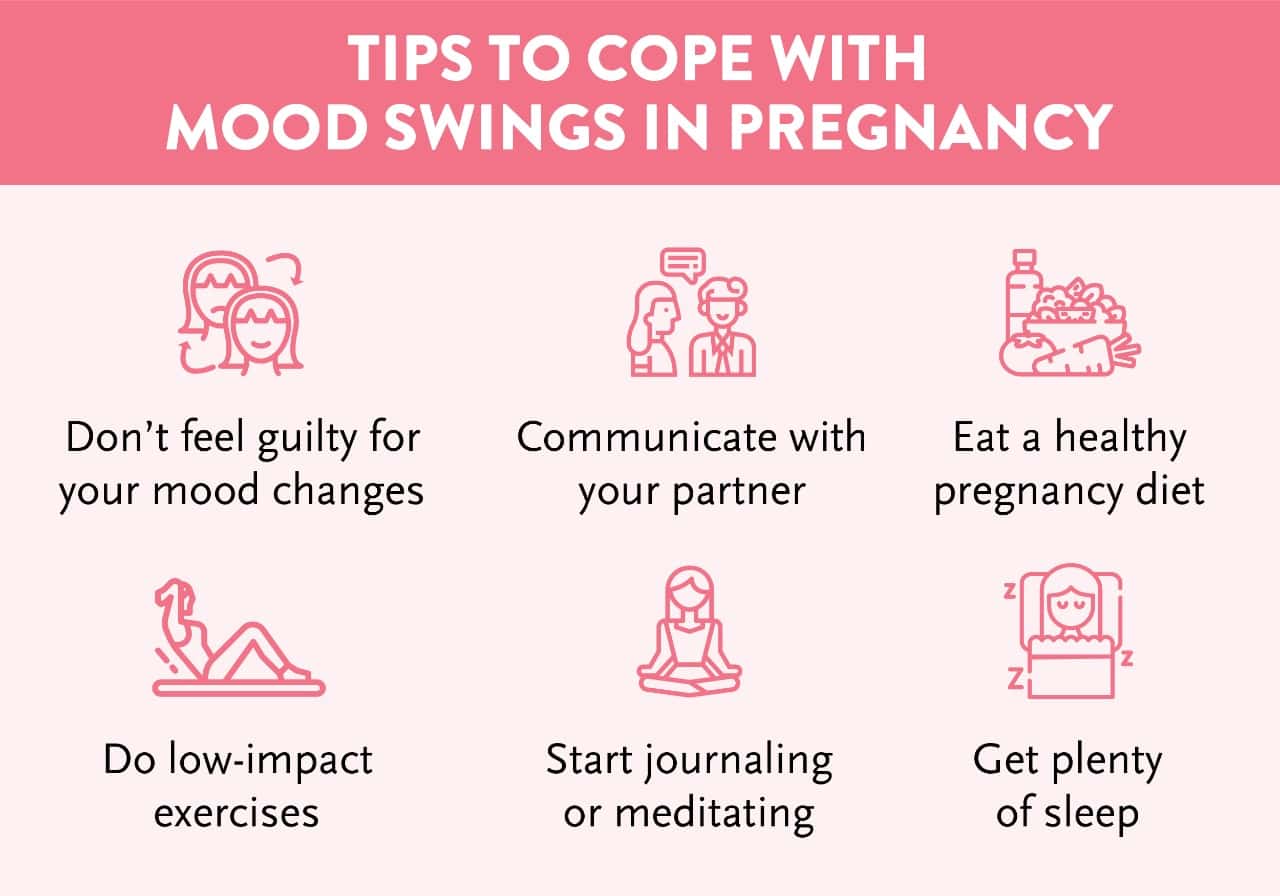
Mood swings during pregnancy is a routine phenomenon. You should let all your emotions come and go at their own pace.
If your negative emotions do not subside by practising these techniques for up to 2 weeks, consult your doctor.
Learn more about pregnancy changes from Dr Aruna Kalra – Director – Obstetrics and Gynaecology at the CK Birla Hospital.
Also, read: Pregnancy Diet- What to eat whatnot
There is substantial levels of stigma prevailing around breast health. Women are embarassed to openly talk about concepts concerning their breasts. An ailment as simple as breast pain is shrugged under the carpet. Nonetheless, recognition is ideal for accessibility. To rally awareness about the same, we will discuss the several causes why breast pain occurs.
An abnormal sensation of sharp pain, burning, tenderness or tightness in the breast is characterises as breast pain. It is most often a symptom of some underlying breast condition.
Breast pain is also medically referred to as mastalgia. It affects each woman differently. Some women experiences a sudden throbbing pain while others have persistent pain in the chest.
Breast pain reasons are not restricted to a single condition. Here are top 10 breast pain causes:
If every month you find yourself wondering why my breast is paining, your hormonal changes could be the answer. Your body undergoes severe hormone fluctuations each month as your menstrual cycle approaches.
The levels of estrogen and progesterone swift drastically. This shift in hormones can cause your breasts to swell and become tender. You may also experience pain and lumpiness in your breasts at this time. You can expect to feel immense pain 2-3 days before you get your periods.
Treatment – The pain in your breasts caused due to reproductive hormones normally subsides on its own towards the end of your periods.
As you grow old, your breasts undergo several types of non-cyclic changes. Overtime, cysts-like structures can develop in your breast leading to pain. Most often, breast cysts cause breast tenderness.
Treatment – Breast pain reasons associated with cysts need to be examined by your healthcare provider. You can eat a fibrous and low-salt diet to help alleviate the pain.
Mastitis is an infection that affects your breasts. It is most commonly found in new mothers who breastfeed their infants. The clogging of the milk duct can cause mastitis and lead to breast pain.
Besides breast pain, other symptoms of mastitis include fever, fatigue, swelling and redness of breasts.
Treatment: A cure for mastitis requires medical intervention by your healthcare provider.
A chest wall is the collective muscles, tissues and bones that surround your heart and lungs. Pain in right breast or left one can also be prompted when your chest wall gets hurt or injured. A muscle pull, fracture, trauma or inflammation can cause pain and discomfort.
Treatment – Your healthcare provider will order a range of tests to identify the cause of pain. Based on the diagnosis, he/she will offer treatment for the area that is hurt or affected.
Sometimes the answer to why is my breast paining is hidden in the type of bra or support you are wearing. An improperly fitted bra, whether it is too loose or too tight, can cause breast pain.
Treatment – If your breast pain causes are linked with your bra, the ideal fix is to replace the undergarment with the one that fits better. Make sure that your bra does not ride back up or dig deep into the skin.
The importance of breast cancer screening is heightened because most times, its signs and symptoms are overlooked. Breast cancer rarely causes any pain. However, you would be able to notice a change in the appearance of your breast. Sometimes, you can also find yourself become more tender as a result of cancer.
Treatment – The treatment of breast cancer depends upon the stage of stage and your overall health. Your breast cancer care team will offer you comprehensive treatment options to get rid of cancer.
Also, read: High risk of breast cancer: Screening guidelines
Some medications aimed at treating a completely different condition can cause breast pain. For instance, a few medicines for mental health conditions, reproductive hormone and cardiovascular diseases can trigger sharp pain in the breast.
Treatment – You should discuss these side-effects with your healthcare provider. Your doctor may suggest some lifestyle remedies or clinical care to help alleviate the pain.
Sometimes, pain in your back, neck or shoulders can travel down to your breasts. This transfer of pain is caused by the structure of upper torso responsible for the distribution of nerves.
Treatment – Your healthcare provider will treat the root cause of pain and offer relevant relief medicines.
Similar to any other body part, your breasts can also get injured from high-impact sports or accidents. Breast pain is the foremost sign of a breast injury.
Treatment – Breast pain reasons related to injury require a proper treatment that ranges from medicinal use to surgical procedures. Your doctor will treat the injured site and give relief from all symptoms.
If you have had breast surgery recently, your pain could be a result post-operative health. Sometimes, breast surgery can lead to scar tissue formation that can cause pain and tenderness.
Treatment – You should consult your surgeon if your pain escalates after surgery. Your doctor will give you proper instructions for a swift and quick recovery.
Breast pain can also be triggered by other reasons such as acid imbalance in your stomach, breastfeeding, presence of breast implants, smoking and more.
Most breast pain reasons require clinical inspection and care. Nevertheless, you can still take measures from your end to reduce or alleviate breast pain. These tips include:
You should note that cyclic pain accounts for nearly 70% of breast pain causes. A change in your lifestyle habits can result in healthier cycles which can further prevent breast pain.
Pain in the left breast can sometimes be misinterpreted as cardiovascular pain. It is important that you understand why breast pain is happening. However, you should not self-diagnose yourself and consult a Breast cancer specialist for investigating the cause.
For more information on breast health, consult Dr Rohan Khandelwal, best breast specialist at the CK Birla Hospital.
Picture this – you have sent that important email, rushed to cook and eat dinner, cleaned up the house and put the children to bed. Now it’s your time to cuddle up and get a good night’s sleep. But as you are dozing off in the world of dreams, you are interrupted by a throbbing pain the stomach. Stomach pain at night is a surprisingly common condition.
In this article, a leading general surgeon at the CK Birla Hospital, discusses some common reasons behind nighttime stomach pain and what you can do about it.
Table of Contents
It is never a pleasing situation to find that your stomach has turned up against you. However, what feels worse is being compelled to wake up from the pain.
Some people experience a disturbing ache in their abdomen usually at the end of the day or in the middle of the night. Stomach pain during the day can differ from the one at night. The primary reason lies in what causes stomach pain to occur.
The following is a list of some common causes of nighttime abdominal pain-
So, you had a fancy three-course meal for dinner. But the deliciousness of the food has transitioned into sharp bouts of pain in the stomach. Chances are high that your stomach pain is a result of gas. Gastric issues are extraordinarily common when people lose or divert from their usual dietary patterns. It can also be a result of stale or uncooked food. A heavy meal at any time of the day (usually lunch or dinner) can often translate into gas. If you experience sharp pain mostly in your upper abdomen, you may be suffering from gas.
Have you ever felt a sour irritable sense in your food pipe or your mouth? Acid reflux is when the acid in your stomach travels back up. It is a common digestive disorder that often shows up at the night in the form of heartburn. If your meal was loaded with spices, you may have acid reflux. Fried and oily foods also lead to stomach pain associated with indigestion. If you lie down right after eating dinner, your chances of getting acid reflux increase.
Your stomach pain at night may also be related to irritable bowel syndrome. Most people experience gas, bloating and a change in bowel movement in this condition.
So you ate a healthy and light meal but still woke up from stomach pain? You may have an underlying health condition that requires a detailed investigation. Sometimes yours nighttime stomach ache can be a result of stones in the gallbladder. Gallstones cause high-intensity stomach pain during sleep. If you have had a heavy meal, the symptoms of gallstones will worsen.
If your stomach is left empty for an extended time, then you may feel pain due to ulcers. Nighttime is when your stomach is empty for the longest time in a day. Stomach ulcers cause throbbing pain, especially during sleep.
Several other conditions such as diverticulitis, kidney stones, food intolerances, allergies, constipation, Crohn’s disease, gut and throat conditions can also cause stomach pain.
Read: Foods to avoid to prevent acid reflux (GERD)
The appropriate treatment for stomach pain at night depends upon the reason that is causing it. You should try to identify the core issue and address it. For instance, if the pain is related to gas, you should walk to clear up the gas or ask your pharmacist for an antacid.
If you have recurrent abdominal pain during the night (more than twice a week), you should consult a gastroenterologist. Your primary healthcare provider may also be able to guide you towards a relevant remedial method.
Conditions such as acid reflux or irritable bowel syndrome can be treated with the use of medications. Some conditions, such as gallstones or kidney stones, may also require surgical removal for relief from stomach pain and other symptoms. Your doctor determines the size of stones, your complete health condition, age and other factors before indicating surgery.
There are a variety of preventive measures you can take for stomach pain at night. Most precautions require basic lifestyle moderations.
Here is a list of fairly simple lifestyle changes you can do:
If you experience stomach pain at night, there is no need to worry or panic. Most of the times, abdominal pain at night subsides on its own and does not require immediate medical attention.
However, you should not take abdominal pain lightly if it occurs for long periods or at a higher frequency. You should practice the above-given prevention tips to avoid pain. In case the prevention measures do not work, make sure to consult with your healthcare provider.
More often than not, stomach pain at night results from an underlying health condition. Your doctor would suggest relevant screenings and diagnostic tests identify the real cause of concern. According to the diagnosis and your overall wellness, treatment is offered.
Also, read: Causes of stomach ache after eating

