Trust img

Laminectomy Procedure
In Delhi

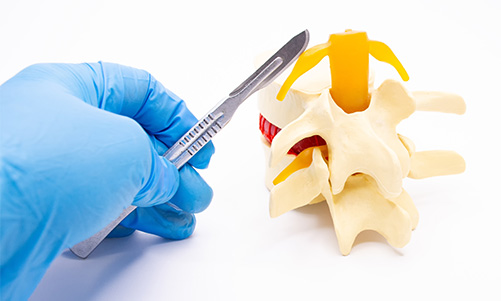
Laminectomy is a surgical procedure that involves removing a part or all of the lamina, a part of the vertebra that offers protection to the spinal cord and nerve roots. A laminectomy is performed on the lumbar spine to relieve pressure on the nerve and spinal cord that may cause pain, numbness, or tingling in the back, arms, and legs.

Consult with the orthopedists for a laminectomy at the CK Birla Hospital, Delhi.

Laminectomy Procedure
CK Birla Hospital
What is a Laminectomy?

Laminectomy is performed to relieve pressure on the spinal cord and nerves caused by conditions like arthritis, bone fractures, bone spurs, herniated discs, spinal stenosis, and more. Laminectomy helps treat persistent neck or back pain, numbness or tingling in the back, muscle weakness, difficulty walking or standing, etc. Laminectomy is more common among older adults, people with physically demanding jobs, obese individuals, people with a history of spine injury, and others.

What are the Types of Laminectomy?

  • Cervical Laminectomy: A surgical procedure performed on the cervical vertebrae in the neck.
  • Lumbar Laminectomy: The Procedure involves the surgical removal of part or all of the lamina in the lower back.
  • Sacral Laminectomy: Sacral laminectomy refers to a procedure that removes the lamina on the fused sacral vertebrae.

What is the Average Cost of Various Laminectomy Procedures?

  • Cervical Laminectomy: Costs around ₹2,85,000 to ₹4,60,000 
  • Lumbar Laminectomy: Priced at ₹1,00,000 to ₹3,50,000
  • Sacral Laminectomy: Costs approximately ₹1,00,000 to ₹2,50,000

Note: The costs mentioned above are approximate and can vary based on factors such as the hospital’s location, the surgeon’s expertise, the complexity of the procedure, and the patient’s specific condition.

Complications that Can Occur Without an Early Laminectomy

  • Increased Pain: The root cause could continue worsening to cause greater and constant pain.
  • Numbness & Weakness: Nerve compression for long can result in numbness and weakness in different areas of the body, leading to extensive motor deficits.
  • Loss of Bowel & Bladder Control: Nerve compression for a prolonged time could impact the nerves responsible for bowel & bladder function.
  • Irreversible Neurological Damage: If compression is long-standing and severe, it can result in irreversible damage to the spinal cord & nerves.
  • Paralysis: An untreated condition may cause compression of the spinal cord and nerve roots, which may lead to paralysis, incomplete or complete.

Meet Our Doctors
Dr. Dr Ashwani Maichand
Dr Ashwani Maichand

Joint Specialist

Experience: 25+ Years

Delhi

Preventive Measures to Reduce the Risk of Spinal Issues

Prevention of the risk of spinal issues includes maintaining a healthy lifestyle, regular exercise, good posture, and a normal weight.

  • Exercise Regularly: Perform exercises that help strengthen the lower back muscles and enhance spinal flexibility.
  • Maintain Correct Posture: Always sit, stand, etc., in correct posture. Also, avoid activities that involve straining the spine.
  • Maintain a Healthy Weight: Excess weight can put extra pressure on the spine and increase the risk of spinal conditions.
  • Ensure Proper Lifting Techniques: Learn how to lift heavy objects properly to avoid straining the back. Especially during exercising. 
Pre-Treatment Instructions
  • Avoid blood thinners or certain medications as advised by your doctor.
  • Don’t eat or drink anything after midnight before surgery.
  • Arrange for a caregiver to drive you home and help for a few days.
  • Follow any specific tests or imaging instructions given before surgery.
Post-Treatment Instructions
  • Take all the prescribed pain medications as directed.
  • Refrain from heavy lifting, bending, or twisting for a few weeks.
  • Keep the surgical area clean and dry.
  • Check for all the signs of infection, like fever, swelling, or discharge.
  • Attend all follow-up appointments and start physiotherapy if advised.
Recovery After Laminectomy

Recovery after a laminectomy depends on the individual and the complexity of the surgery. Usually, a full recovery after the surgical procedure may take four to six weeks. However, a laminectomy with spinal fusion may take six months or longer. 

FAQs About Laminectomy
Does lumbar laminectomy weaken the spine?

Laminectomy doesn’t inherently weaken the spine.

Is post-laminectomy syndrome a disability?

No, post-laminectomy syndrome is not a disability, but it can lead to disability. 

What is the recovery time for a laminectomy?

Recovery time after a laminectomy can vary depending on the patient’s age and the complexity of the surgery.

How soon after a laminectomy can I exercise?

Light exercises and stretching can be started within a few weeks after a laminectomy.

Other Treatments in Delhi
Doctors in Delhi
Cost of Other Treatments in Delhi