Filter :
Knee joint pain is a common condition that affects people of all ages. Knee pain can be the result of an injury, like a torn ligament or cartilage. Other factors like arthritis, gout and infections can also cause knee pain. Various types of light knee pain respond well to self-care. Physiotherapy and knee pads can also help relieve pain. However, in some cases, the knee may require surgical repair. The knee joint is a hinge joint named for its movement, similar to opening and closing a door. The knee joint consists of three main bones, and each one has a protective covering of cartilage called the meniscus, which gives the knee more support. The daily demands on the knee and its injury potential make it a common source of arthritic damage. There are different types of arthritis, and the type will determine the treatment a doctor will recommend.
In this article, Dr Ashwani Maichand, one of the best orthopaedic surgeons at the CK Birla Hospital, will discuss the common symptoms and treatments for arthritis of knee.
Table of Contents
Depending on the causes of the knee pain, its location and severity, symptoms of knee arthritis may vary. Some of the common signs and symptoms that accompany knee pain are:
If you notice any of the following signs, then you should consult with a doctor:
It is always advisable that you should not ignore your early signs and symptoms. Taking external help or medical help is always a better option to cure any problem before it becomes untreatable.
Treatments for knee arthritis will vary, depending upon the symptoms and causes you are facing.
Your doctor may prescribe you medications that help in relieving the knee pain. These medications will also treat the conditions causing knee pain, like gout or rheumatoid arthritis.
The main goal of knee arthritis therapy is to improve joint mobility, pain relief and provide strength to the knee. It also helps in controlling knee pain symptoms and prevents additional damage to the joint.
Strengthening the knee muscles will make the knees more stable. Your doctor may suggest physical therapy or different types of exercises depending on the specific condition causing your pain.
When you are physically active, you may need to exercise to correct your movement patterns that can affect your knees. Exercises to improve your flexibility and balance are also important. Arch supports and different orthotics can be used to protect and support the knee joint under certain conditions.
If you have a problem that is the leading cause of your knee pain, your doctor might recommend surgery. There are both types of surgical reconstruction and nonsurgical rehabilitation, depending upon causes, these are:
Also, read: Partial vs total knee replacement surgery: Which fits better?
Arthritis pain in the knee is sometimes not curable due to its symptoms and causes but is easily manageable with knee arthritis treatments. These treatments will reduce the potential disability causes and slow down the joint damage. If you have similar symptoms to knee arthritis, don’t delay in getting treatment. You can book your appointment with our orthopaedics surgeons for managing your conditions, or you can call at +91 124 4882248.
Meniscus Replacement Procedure (MRP) is a prosthetic, joint-preserving orthopedic implant surgery using a manufactured, non-biological medical device. It does not involve transplantation, human tissue, donor material, or biological grafts, and is not governed by transplant or tissue laws. MRP is clinically distinct from partial or total knee replacement, as it preserves native joint surfaces and bone and is intended for selected patients with early compartment-specific degeneration. Clinical outcomes may vary; no assurance, guarantee, or claim of superiority over other treatments is made, and future knee replacement may still be required. Final treatment decisions are made by patient through informed consent upon considering the available treatment modalities advised by the treating surgeon following individualized clinical assessment. This information is provided solely for patient education and professional clarification.
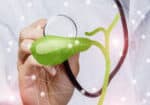
The gallbladder is a four-inch organ in the upper-right abdomen area, under the liver. It helps produce, store, and transport bile, a yellowish-brown fluid produced by the liver.
This fluid is responsible for digesting and breaking down food with fats.
When problems arise, if first-line treatments do not work, and the issue is persistent, doctors may recommend removal to prevent further complications.
Though the gallbladder is a component of the biliary system, it is not considered to be an essential organ. Bile fluid can find its way directly to the small intestine through ducts in the liver.
Table of Contents
The procedure for removal of the gallbladder is called Cholecystectomy. Two types of procedures come under cholecystectomy:
This is the most common choice of surgery used to remove over 95% of gallbladders. This method is less invasive and entails 3 to 4 small incisions. The procedure involves the use of a small tube through the incision. This tube holds a camera (called a laparoscope) along with surgical devices. The surgeon extracts the gallbladder through one of the incisions.
A conventional method involves making a single large incision at the site and extracting the gallbladder through it.
Gallbladder removal surgery is mostly done to gallstones and complications related to it. There could be many reasons to opt for gallbladder removal. A doctor may also recommend the surgery for the following conditions:
Common factors that could increase the risk of gallbladder problems are:
Gallbladder removal is a low-risk and frequently performed the surgery. While any form of surgery has threats, the risk of not having the procedure when recommended could be far worse.
Some of the possible gallbladder removal complications could be:
Disclose your complete history to your doctor and discuss any fears about complications that may arise.
If you smoke, let the surgical team know and plan on quitting before the surgery to decrease the risk of complications.
If you have a laparoscopic cholecystectomy, you would mostly be discharged the same day. An open cholecystectomy may need you to stay overnight for monitoring.
While your doctor will give you a comprehensive understanding about your surgery plan, here are some things to keep in mind:
You would be placed under anaesthesia, the surgery would be conducted, and if needed, fluid might be drained.
The surgeon will make incisions after anaesthesia. Carbon dioxide will be used to inflate your abdomen for easy visibility of organs.
Once the procedure is complete, the gas is let out through the incisions.
The following are common symptoms to watch out for:
Visit a doctor if these symptoms persist.
Depending on the reason for surgery, the benefits may vary, but the general advantages of gallbladder surgery range from the following:
Before surgery
If you experience any of the above symptoms.
After surgery
Recovery
It is important to follow the instructions given by your doctor (gall bladder surgeon). Make sure to wash your hands and sterilize whenever caring for the wound. Avoid wearing tight clothing that might restrict the healing of the wound.
Patients usually take up to 3 weeks to return to normal activity. So, slowly increase your activity level and avoid abrupt exercises.
Further care
Maintain the health of your biliary and digestive system by eating right and keeping fit. Ensure to add nutritious high-fibre food like fresh vegetables and whole grains.
Avoid eating high-fat meals and processed food to prevent overloading your system. Drink 8 to 10 glasses of water daily to stay hydrated.
While the prevention of diseases with a healthy lifestyle should be your first priority, the cure for them is also advancing rapidly. If you have experienced any of the symptoms stated for a prolonged period, or are continually facing gastrointestinal issues, make sure to visit a doctor promptly. To know more about gallbladder surgery or issues related to gallbladder you can book an appointment with our expert or call us at +91 124 4882248.
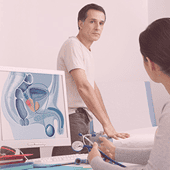
When a man ejaculates sooner during sexual intercourse than he himself or his partner would like to, it is called as premature ejaculation. It is a very common sexual complaint and almost one out of every three males have faced this problem at some point of their lives.
A diagnosis of premature ejaculation occurs when a man always or almost always ejaculates within a minute or two of penetration or is unable to delay the process of ejaculation during intercourse always or almost always, or when the person is distressed or frustrated due to ejaculatory issues and hence is afraid of sexual intimacy.
Both biological and psychological factors play a role in the condition. Males usually avoid discussing this issue; however, this is very common and can be treated easily. Certain medications, counselling sessions and some sexual techniques that can help in delaying the process of ejaculation can help in improving sexual intimacy for both the partners.
The symptom of a premature ejaculation is the inability to delay the process of ejaculation for longer than a minute after penetration. It can also occur during masturbation. The condition can be classified as primary and secondary.
A primary condition is one where one undergoes a premature ejaculation always or nearly always since the first ever sexual encounter.
Secondary premature ejaculation is a condition that has developed later on where the man has been able to experience intercourse previously without any ejaculatory issues.
Sometimes, men do feel that they have premature ejaculation, but the symptoms do not classify as premature ejaculation.
The exact reason for premature ejaculation remains unknown. Earlier it was believed that the condition is only psychological, but lately it has been stated that it is a condition where the psychological and biological factors both play a significant role.
It is important to talk to a doctor that you are suffering from this condition. At times, counselling by a doctor and reassurance that it is normal to have premature ejaculation tends to reduce stress among males.
Some males, while going for treatment of the condition might feel awkward to initiate a conversation during the first interaction with the doctor. It is important to discuss and share the necessary information that the doctor might require about the patients’ current and past sexual and relationship history. Managing stress is important as stressing more about the condition can only worsen it over time.
Based on your symptoms our doctors will prescribe you some medicines which can help increase serotonin levels in your brain and help you ejaculate on time. Once the habit to ejaculate is changed the new habit of ejaculating on time takes precedence and the internal clock is restored to normal. It is then that the problem is cured permanently.
If premature ejaculation is causing stress in your relationship or affecting you, it is time to break the silence and consult a urologist today.
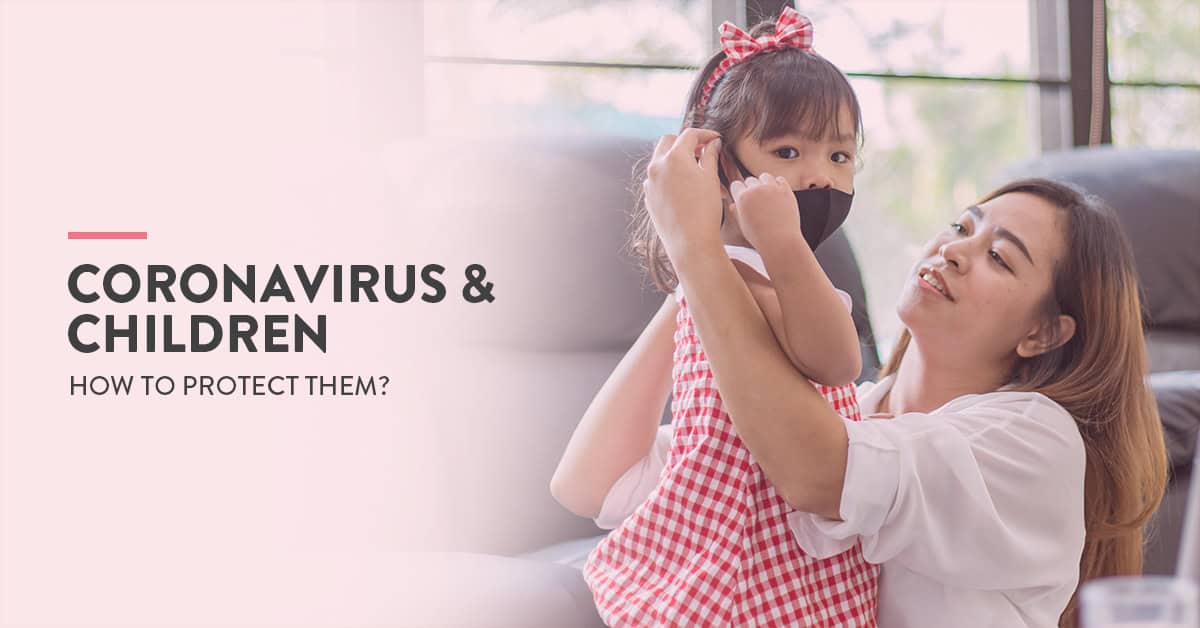
Children can also become ill with COVID-19, although most infected kids do not become as sick as adults, and some might not show any symptoms at all. Parents generally asked questions like “What are the signs and symptoms of COVID-19 in babies and children?” “How do I know if my child has COVID-19?” and “What can we do to prevent the spread of the COVID?” Before discussing these issues and tips on how you can protect your child from coronavirus, let us find out how COVID-19 affects children and how COVID-19 reacts differently to children and adults.
Table of Contents
Paediatricians suggest that children might not be as severely affected by COVID-19 because other viruses spread in the community cause diseases like a common cold or flu. Since children often get cold, their immune systems might provide them with some protection against COVID-19. It’s also possible that children’s immune systems contact the coronavirus differently than adults’ immune systems. Some adults are getting sick because their immune systems overreact to the virus, causing more damage to their bodies. Whereas, in children, it may be less likely to happen.
Children, including very young babies and toddlers, can develop COVID-19 with no symptoms or milder symptoms such as low-grade fever, cough, and fatigue. Kids with underlying health conditions may be at higher risk for severe illness.
A potentially severe complication can occur in children called Multisystem Inflammatory Syndrome in Children (MIS-C), which leads to critical problems with the heart and other organs in the body.
Symptoms of MIS-C can include:
Adults and children experience similar symptoms of COVID-19, even so, children’s symptoms tend to be mild and flu-like. Most children recover from COVID-19 within one to two weeks. Possible symptoms can include:
If you find that your child is showing symptoms of COVID-19 and he or she might have COVID-19 infection, seek medical help from your paediatrician. Keep your child at home and follow all the COVID-19 guidelines provided by WHO.
Wash hands
Ask your child to wash hands with soap and water for 20 seconds, and to encourage them you too do the same. If water and soap are not available, use a hand sanitizer that contains at least 70% alcohol. Teach them how to use a hand sanitizer properly and if your child is below 6 years of age, supervise them when they use a hand sanitizer.
Wear a cotton mask
Make sure whenever your child (2 years of age or older) is in public and when around people who do not live in your house, he or she should wear a cotton mask. Ensure your child wears their cotton masks correctly and safely.
Cover sneezes and coughs
Ask your child to use a tissue to cover the mouth and nose while coughing or sneezing, throw the tissue in a dustbin and wash hands.
Avoid close contact
Teach your child to keep a distance of at least 6 feet from other people who do not live with them and avoid people who are sick (such as sneezing or coughing).
Help your child to stay active.
Regular physical activity can improve your child’s mental and physical health. Engage your child in different activities throughout the day.
Help your child to manage stress.
The COVID-19 pandemic can be stressful for both children and adults. Children sometimes can not express their stress; try to talk to your child and play with them. If they face any issues related to study, friends or any other thing try to solve them.
Understanding and following WHO guidelines to prevent the spread of the COVID-19 virus can be difficult for kids. Stay patient and handle them with love.
For more information or if you need any help, you can book an appointment with our consultants, or you can reach us at +91 124 4882248.
Ques: How can I keep my child safe if they are going to school during COVID-19?
Ans: If your child is going to school during COVID-19, try to include the following habits to keep your child safe;
Ques: How should children wear a mask during COVID19?
Ans: Children more than 2 years old should follow the same guidelines provided by WHO for wearing masks. This includes few steps,
Ques: What is the COVID-19 incubation period for children?
Ans: The incubation period for children and adults is the same, suggested by WHO. Generally, COVID-19 symptoms start around 5 to 6 days and range from 1 to 14 days.
Ques: What are the psychological effects of COVID-19 on children?
Ans: Research shows the impact of quarantine, social isolation, and the pandemic on children as a behavioural health concern. Young children are facing issues related to mental health also. If you notice any behavioural changes in your kids, talk to their paediatrician, it will be helpful for your kid’s overall health.

It is normal to experience anxiety, worry, and pain when you are diagnosed with a medical problem. Especially if you have tested positive for COVID-19 or you are waiting for your test result to come.
If you are recovering or have mild symptoms of COVID-19, you should follow the healthcare guidelines provided by WHO until it is safe for you to be with others. Taking too much stress will negatively affect your body, so while you are at rest and recovering physically, it is important to keep your mental health in check.
According to doctors, people addicted to tobacco or drugs are likely to have more severe health issues if they get COVID-19. That is because their addictions can harm lung function and weaken their immune system, causing chronic diseases such as heart and lung diseases, increasing the risk of significant complications from COVID-19. If you are one of those who are addicted to unhealthy habits or dealing with any health issues, then seek medical help.
Here are some tips for good mental health while you recover from COVID-19:
Self-care is a good option for both mental and physical health. Take care of your mind and body and connect with others to get the care you need to help you cope.
The doctor will always advise you on the best possible solution to cope with stress during the pandemic.
Assuming mental health problems like anxiety or depression will go away on their own can lead to severe symptoms. If you experience mental health symptoms or any other health issues which trigger your mental health, ask for help and be upfront about how you’re doing. For more information or seeking help, you can always contact the CK Birla Hospital in Gurgaon.
Ques: How can I reduce stress down during the coronavirus pandemic?
Ans: In a difficult time, like this pandemic, it is important to keep looking after your physical and mental health. It will not only help you to keep healthy and fit in the long term but also help you to fight against COVID-19.
Try to do all the following things to keep your physical and mental health up,
Ques: How to take care of one’s physical and mental health?
Ans: The COVID-19 pandemic can feel disturbing due to news, long work hours, and worrying for your family and friends. But take a pause, give a thought, and make plans on how you can deal with worries to stay calm.
Tips for you to take care of yourself:
Physical health:
Mental health:
Ques: What are the signs of mental illness?
Ans: Mental illness refers to a wide range of mental health conditions that affect your mood, behaviour and thinking.
Many people have mental health concerns, but it becomes a mental illness when ongoing signs and symptoms cause constant stress and affect your ability to function.
Following are some of the signs of mental illness,
Ques: What are some suggestions on managing anxiety during the COVID-19 pandemic?
Ans: Concerns about COVID-19 can take emotional damage on anyone. The difficulty surrounding COVID-19 is one of the most difficult things to handle for anyone. Following are some suggestions that can help you to manage your anxiety during the COVID-19 pandemic.
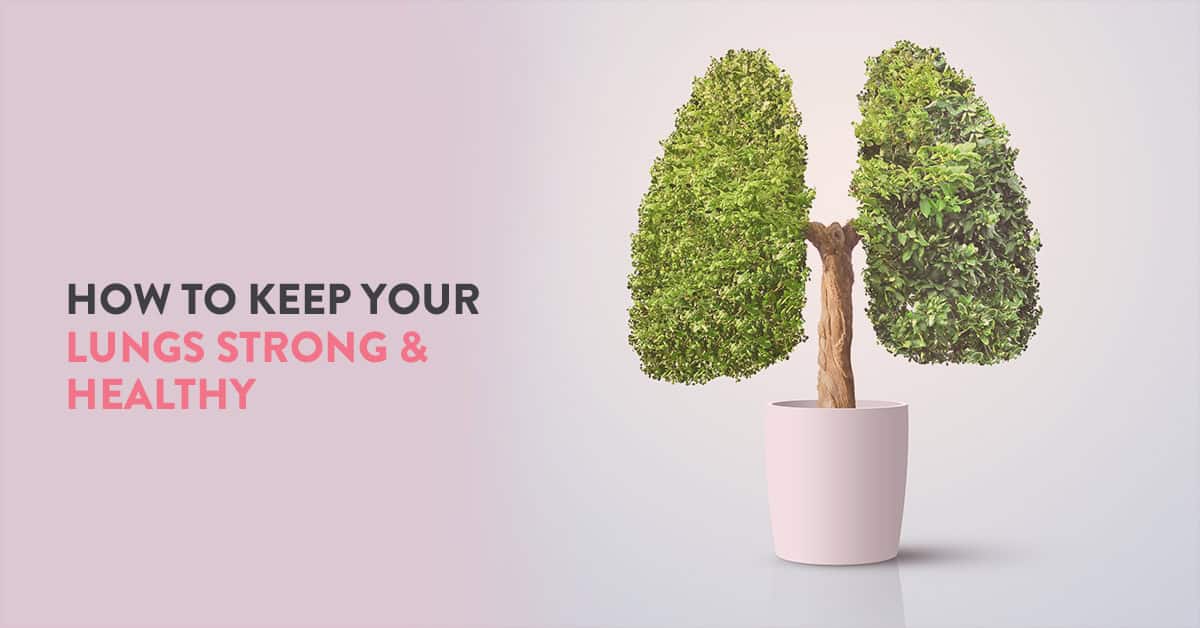
You already know exercise is good for your health. Doing regular exercise makes your lungs, muscles, and heart stronger. As physical fitness improves, the body becomes more efficient at getting oxygen into the bloodstream and transporting it all over the body. It will also give you the best chance of coping with a COVID-19 infection.
“How to strengthen lungs?” “How to improve lung health?” “Breathing exercises to strengthen lungs?” are some of the frequently asked questions to doctors. Let’s discuss these topics.
Before increasing the oxygen level in the lungs, one must do exercises to clear the lungs. Doctors recommend an active cycle of breathing technique (ACBT), which is one of the best exercises to clear out the productive cough from your lungs.
Continue doing these simple ACBT exercises daily until your chest is cleared out. If you feel your cough is too much then you can do these exercises twice a day. Doctors recommend that you should clear out as much phlegm as you can without getting exhausted. So, do these exercises for at least 10 minutes in one go, but not more than 30 minutes.
Table of Contents
While doing ACBT exercises, doctors recommend using a few body positions that will help in the clearing out of the chest.
But if you are not feeling well, or you have acid reflux, blood in your phlegm, nausea, recent injuries to the chest, spine or rib, or if you’re feeling breathless, do not try these positions. Also, avoid these positions immediately before or after having your meal.
Proning is the process in which a patient is lying from his/her back onto the abdomen (stomach). The process is beneficial in COVID-19 patients with compromised breathing comfort.
Proning is a medically accepted body posture to improve breathing comfort and oxygenation.
It improves ventilation, keeps alveolar consonants open and breathing easy. Those patients who feel difficulty in breathing and their SpO2 percentage decreases below 94 are suggested to do the proning.
Constant monitoring of SpO2 level, along with other signs like blood pressure, temperature, and blood sugar, is important during home isolation. Regular proning and having good ventilation could save many lives from COVID-19.
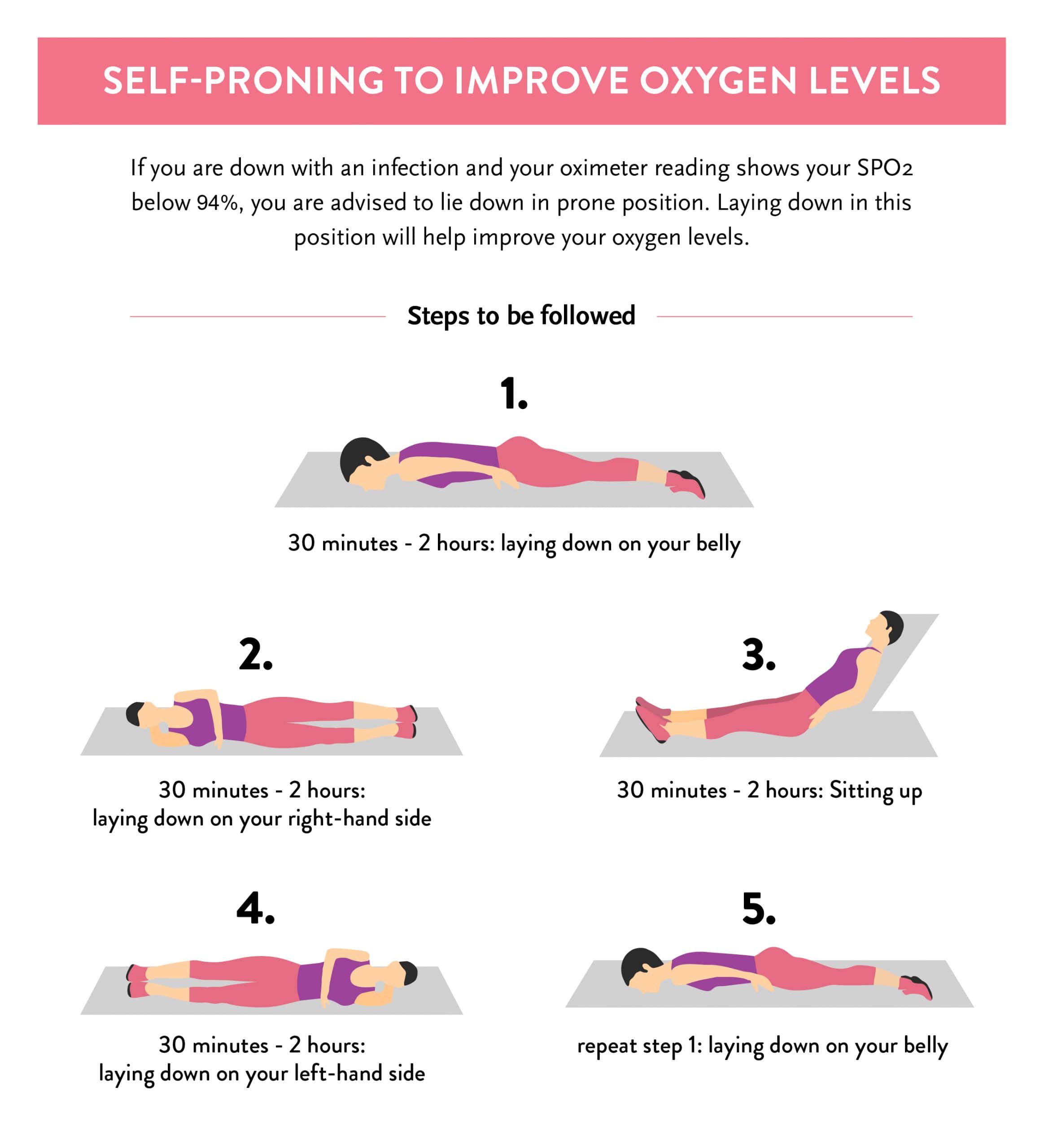
Other than these exercises, making a few lifestyle changes will also help strengthen the lungs.
Antioxidants protect our body cells against free radicals, which play a vital role in defending against heart disease, cancer and other diseases.
Antioxidants, like vitamins C, E and carotenoids, help in protecting cells from free radicals. Other naturally occurring antioxidants include tannins, phenols, flavonoids, and lignans. Also, plant-based foods are the best sources of antioxidants.
These include vegetables, fruits, nuts, seeds, herbs, whole grains, and spices. If you are looking for tips on how to strengthen the immune system, check the article now.
Doing exercise regularly, helps oxygen to reach each body organ and function properly. If you do aerobic activity, such as bicycling, walking, or swimming, it helps you live healthier and longer. Aerobic activities involve legs, arms, and hips muscles.
Hence, the body responds quickly and increases breathing. This will increase the amount of oxygen in the blood as the heart will beat faster, blood flow to muscles and back to the lungs increases, small blood vessels (capillaries) will open up to deliver more oxygen, and the body will even release endorphins (natural painkillers).
Keeping yourself hydrated makes a great impact on your ability to breathe well. Research has shown that dehydration affects all of the systems in the body including the respiratory system.
Doctors suggest that taking enough water helps to thin the mucus lining the airways and lungs. The recommended adequate amount of water intake for men is about 3.7 litres a day and for women is about 2.7 litres a day.
Shortness of breath is one of the common symptoms caused by the COVID-19 infection. If your oxygen level in the blood on a pulse oximeter is below 95, consult a doctor. Also, try not to follow any home remedies to increase oxygen levels. Get yourself checked and get treated.
For more information or personalised guidance, you can book an appointment with Dr Kuldeep Kumar Grover, a well-renowned pulmonologist, sleep medicine and critical care specialist at the CK Birla Hospital or call us at +91 124 4882248.
Ques: What are 4 ways to keep your respiratory system healthy?
Ans: Making some small changes in daily life is very helpful to keep your respiratory system healthy. If you are dealing with any serious illness, disease, or allergies, then consult with a doctor for proper medication. With this, try to do the following changes,
Ques: What is good for respiratory health?
Ans: We all are well aware of the importance of lungs in keeping us strong and well. Like other body parts, our lungs need daily care and attention.
Follow these tips to improve your lung health:
Ques: What best exercises for the lungs?
Ans: Despite your age, weight or athletic skill, doing aerobic activities is good for you. Doctors recommend that aerobic activities have many health benefits such as it keeps your body active, it involves almost every muscle, very helpful in keeping your lungs healthy. Aerobic activities like walking, bicycling or swimming are some of the best to keep you healthy.
Ques: How much oxygen level is good?
Ans: In normal pulse oximeter readings, oxygen level ranges from 95 to 100 percent considered as good. Values under 90 percent are considered low oxygen level in the body and will indicate the need for supplemental oxygen.
Ques: How to use a pulse oximeter correctly?
Ans: The pulse oximetry is a plastic clip-like device with a light attached to it. The oximeter helps in measuring the oxygen saturation level of arterial blood and heart rate. The correct technique to use a pulse oximeter is,
In the current pandemic, “How to increase immunity?” “What are immunity-boosting foods?” “Tips to boost immunity?” “Foods that help you boost your immune system?” are some of the most searched queries. There are many ways to boost your immunity naturally or by supplements. Let us discuss what immunity boosters you should include in your daily diet. But first let us begin by understanding how the immune system works?
People with a weak immune system have a higher risk of getting infections frequently and developing more severe symptoms of viral and bacterial diseases. Bacteria and viruses can have a damaging effect on a person with a weak immune system. Seek medical attention if you seem to be falling sick often, like frequently catching a cold or flu.
Your immune system consists of several organs that need different vitamins and minerals to function well, and to have vitamins and minerals- your body requires a balanced and a healthy diet. In the meantime, having healthy living habits can help you boost your immune system.
Taking care of your body and mind is the best way to improve immunity. The better your immune system functions, the better your body will function.
Eating a healthy and well-balanced diet is one of the most important things to boost your immunity. Try to include whole foods, fruits in your diet, and avoid taking a large amount of salt, sugar, or processed foods. Additionally, you should focus on eating more whole plant foods.
Nutrients are an essential part of building a healthy immune system. A good healthy diet with plenty of fruits, vegetables and lean protein is a good source of most of these nutrients. Supplements can be included as per the advice of your doctor to fill any nutritional gap.
Vitamin A: It is a powerful antioxidant and acts as a natural defence against illness and infection.
Source: sweet potatoes, pumpkin, carrots, and squash.
Vitamin C: It is an antioxidant that fights against free radicals in the body.
Source: citrus fruits (like orange, lemon), leafy green vegetables, strawberries, carrots, bell peppers and many more fruits and vegetables.
Vitamin B6: It supports biochemical reactions of the immune system.
Source: lean poultry, tuna, bananas, and chickpeas.
Vitamin D: Vitamin D protects you from a number of health problems and it keeps your teeth, bones, and muscles healthy. The body creates vitamin D from sunlight on the skin when outdoors, but you may need a supplement to fulfil the requirement.
Source: fatty fish, red meat, liver, egg yolks, and fortified foods.
Vitamin E: Antioxidant that fights infections in the body.
Source: spinach, almonds, peanuts, broccoli, and hazelnuts.
Folate (folic acid): It helps the body form healthy red blood cells. Folic acid deficiency can lead to a weakened immune system. Folate reduces the risk of unusual birth defects such as spina bifida in unborn babies.
Source: beans, peas, leafy green vegetables, broccoli, and brussels sprouts.
Iron: Iron forms an important part of hemoglobin that absorbs oxygen and carries it in the blood to take it to the rest of the body.
Source: red meat, beans, nuts, fortified breakfast cereals, soybean flour, and dried fruit.
Zinc: It helps to control inflammation in the body.
Source: oysters, crabs, poultry, beans and chickpeas.
On top of these elements, you should also cut down your sugar intake. As high levels of blood sugar increase your possibility for a range of health conditions including having a poor immune system.
Also Read: Ivy Gourd: Benefits & Side Effects
Stress and anxiety can have a physical and mental effect on our bodies, impacting the body’s natural defences.
One study reveals a link between autoimmune diseases and chronic stress-related conditions. Try a few stress-busting techniques like breathing techniques, meditation or yoga to manage your stress.
Engaging your body with regular exercise daily or 3-4 days a week can strengthen your immune system. Other than this, it also helps you sleep better and reduces your stress levels.Try to engage in moderate exercise and not heavily strenuous activity.
Sleep and immunity are very closely interrelated. Poor sleep quality makes you more prone to a compromised immune system. When you sleep, your body produces proteins called cytokines, which fight against infection and inflammation. So, not getting enough sleep will impact the immune system. If throughout the day your body is feeling fatigued then probably you aren’t getting enough sleep.
Doctors always advise that your gut health has an impact on your overall health. If you have a weak digestive system, then it will affect your immune system. Healthy gut microbiomes promote a healthy immune system.
Many studies are being conducted on the importance of gut microbiomes for overall health and bodily functions. An imbalance in levels of gut bacteria contributes to chronic diseases like diabetes, carcinoma, and IBS. Gut health is linked with depression, mental health, obesity, and cholesterol levels.
Taking care of all the above things while maintaining good personal hygiene will keep your immune system strong and healthy. Practising good personal hygiene will stop germs from entering your body and keep your health good.
Maintaining a healthy lifestyle is the first way to boost your immune system. Making changes according to good-health guidelines, suggested by experts, will also help you to keep your immune system strong. Making small changes and developing the following habits will improve your immunity:
Also Read: Top High Protein Foods
If you are stuck in some situation where you do not understand how to strengthen your immune system, you can always take external help. For more information or personalized guidance, you can book an appointment with a leading internal medicine specialist at the CK Birla Hospital.
Ques: What are the signs of a weak immune system?
Ans: Usually, our immune system protects our body from infection and illness and naturally develops antibodies to fight any foreign organism inside the body.
However, due to several reasons, the immune system can weaken and become less effective against infections. These reasons include lifestyle factors such as excessive alcohol intake, smoking, and poor nutrition.
If you do have a weak immune system, your body will indicate this to you through some signs, including:
Ques: Does honey boost your immune system?
Ans: Honey has antioxidant, anti-viral, anti-fungal and anti-bacterial properties of phytonutrients that improve the digestive system. The other two main bioactive molecules, flavonoids and polyphenols, act as antioxidants. These antioxidants help in neutralising the free radicals in the body.
Honey can be considered an immune system builder with antioxidant, anti-bacterial and anti-tumour properties. Eating honey is generally safe for adults and children older than age 1. Some people are allergic to particular components present in the honey and may experience symptoms like wheezing, nausea, vomiting, and dizziness after having it. If you also experience the same, seek doctor’s advice.
Ques: How do you know if your immune system is strong?
Ans: If you recover from common illnesses and seasonal flu quickly and don’t generally fall sick, you probably have a strong immune system.
Ques: Do supplements help the immune system?
Ans: Supplements can help fill nutritional gaps. With age, taking vitamin supplements like vitamin C and D, calcium, and vitamin B12 tablets can be recommended based on the doctor’s advice.
Ques: Why do I have a weak immune system?
Ans: There are many reasons for a weak immune system. People with primary immunodeficiency, lack some of the body’s immune defences, which impact their body and make them more susceptible to germs that can cause infections. These immunodeficiencies could be present from birth or can be acquired later. Other than this, some other factors are also responsible for a weak immune system like an unhealthy lifestyle.
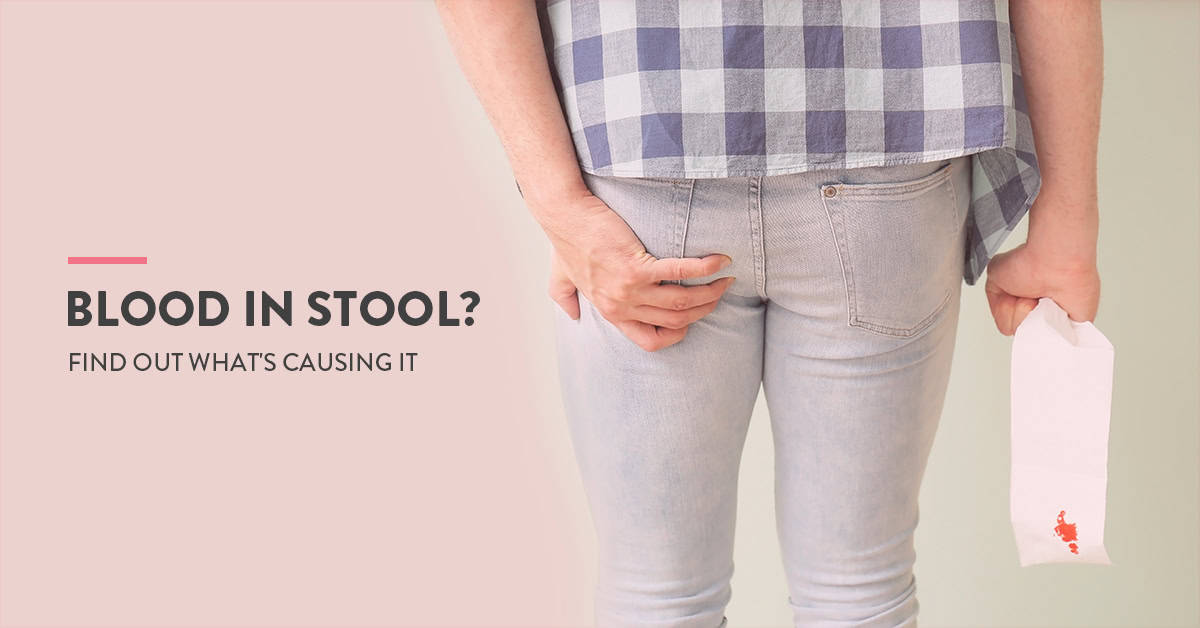
Blood in stool (rectal bleeding or haematochezia) can refer to any blood that passes from the anus, although blood in the stool is usually assumed to refer to bleeding from the lower colon or rectum. However, not all bleeding passing out from the body comes from the rectum. The blood or blood clot can come from anywhere in the gut. The correct term used in medicine is gastrointestinal tract bleeding.
Normally, blood in stool is a symptom rather than a condition by itself. Thus, bleeding in stools could be an indication of an underlying condition or problem and must be taken seriously.
Table of Contents
Typically, blood in stools indicates bleeding in the digestive tract. However, when you delve deeper into what does blood in stool indicate, the following reasons for blood in stools come to light:
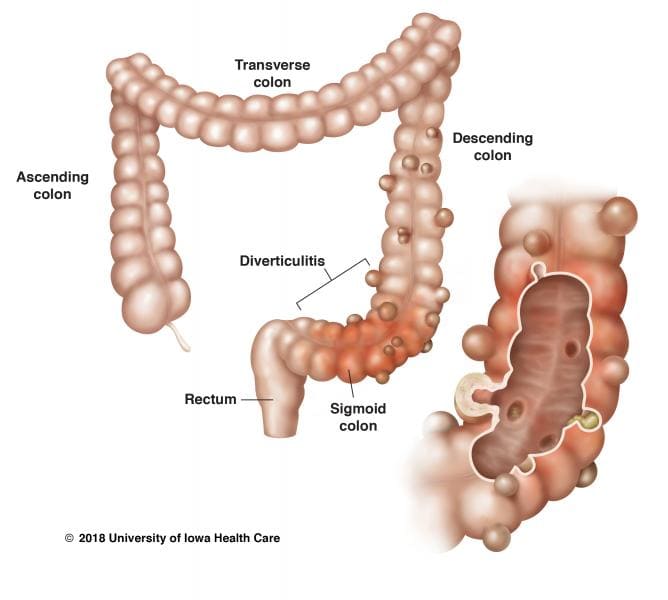
Although the prevalence of diverticulitis in India is 1-3%, it could be the reason behind abdominal pain and bleeding. Diverticula are small pouches that form on the colon wall. The formation and excessive growth of the diverticula up to several centimetres cause diverticulosis. The infection of these overgrown diverticula causes diverticulitis.
Ischemic colitis often affects the elderly and is caused by inadequate blood flow to the colon. In addition to blood in stools, ischemic colitis also exhibits symptoms of diarrhoea, abdominal pain, and vomiting. Thus, if you experience no constipation but blood in stools, you may have ischemic colitis.
If you experience blood in stool but no pain, it is possible that the pigments in foods consumed have resulted in red-coloured stools, which may be mistaken for blood.
IBD is an autoimmune disease that causes inflammation of the bowels. Crohn’s disease and ulcerative colitis are the most prevalent forms of IBD.
Blood in stools could also be an indication of colorectal cancer. Polyps, which are benign tumours that eventually grow and become cancerous, can also cause bleeding in the stools.
Today, we will discuss at-length the commonest blood in stool causes, namely, piles and fissures.
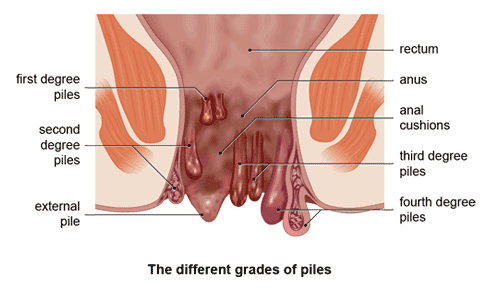
Piles, also known as haemorrhoids, are characterised by inflamed blood vessels, muscles, support tissue, and elastic fibres in the anus and rectum.
These could be internal or external and are categorised from Grade I to IV.
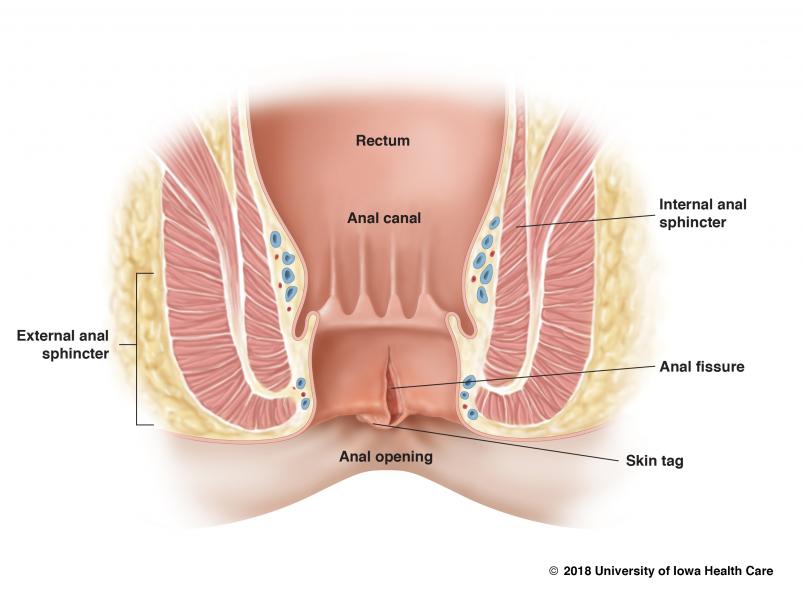
Anal fissures are a tear in the anal lining. The cut in the skin caused by hard stools that come with blood flow and severe pain after every bowel movement.
It may take the body about 4-6 weeks to recover from an anal fissure. On the other hand, severe cases may result in the exposure of the muscle tissues present underneath.
The risk of having blood in your stool could increase if you have:
Unknown bleeding inside the body is always a reason for you to get a diagnosis from your doctor. Seek medical help if the bloody stool persists for more than two days or if you are experiencing diarrhoea that is not becoming better.
You should receive medical treatment at the earliest if you develop additional symptoms, including:
To confirm the diagnosis, your doctor may order several diagnostic tests, including:
The initial treatment for blood in the stool is to stop the bleeding. Once the bleeding has stopped, your doctor will suggest a plan to treat the cause of the bleeding.
Depending on the cause, your doctor may recommend:
If you spot blood in your stool, it need not always be a cause of concern. But if the bleeding persists for more than two days, consulting a gastroenterologist is a must. If you are concerned about bleeding in your stool or if you have any other stomach problems that you need help with, you can book an appointment with our consultants, or you can reach us at +91 124 4882200
Consult a doctor for blood in stools now!
Premature ejaculation is a type of sexual dysfunction which occurs when a man releases (ejaculates) semen quickly during sexual intercourse than his partner would like. It often happens before or shortly after penetration during sexual intercourse. Premature ejaculation is a common sexual complaint and, at least 1 out of 3 men have experienced this premature ejaculation problem at some time.
Occasional episodes of early ejaculation are common and are not a cause for concern. However, if you’re experiencing that around half of your sexual intercourse attempts result in premature ejaculation, seek medical attention.
Table of Contents
Many physiological and psychological factors can cause a man to experience premature ejaculation.
Physiological causes of premature ejaculation include:
Psychological causes of premature ejaculation include:
Types of premature ejaculation
A common symptom of premature ejaculation is when a man is unable to delay or control ejaculation during sexual intercourse. Depending on experiences of premature ejaculation, it is divided into two types:
When a man is experiencing premature ejaculation nearly all the time, starting from early sexual intercourses. It is often due to psychological causes.
When a man has recently developed the problem. It is also known as acquired premature ejaculation and can cause due to both psychological and physiological factors.
Many factors can increase the risk of premature ejaculation, including:
Premature ejaculation can cause difficulties in your personal life, including:
For diagnosing premature ejaculation, the urologist will ask about the patient’s medical and sexual history. If the urologist is unable to find any physiological or psychological reason for the condition, he may recommend neurological tests.
There are various treatment options available for premature ejaculation based on its causes. A urologist will use anyone or a combination of the following treatment to treat a patient depending upon its severity.
In behavioural therapy, a patient may ask to masturbate an hour before sexual intercourse to delay ejaculation during sex. The doctor may recommend avoiding intercourse for a while and focus on other types of sexual activity to remove pressure on the patient’s sexual encounters.
In this technique, the doctor will ask the partner to squeeze the end of the penis (the point where the glans joins the shaft) for a few minutes during sex until the urge to ejaculate passes. Repeat this technique often to increase ejaculation time during sexual intercourse.
Condoms decrease penis sensitivity which helps premature ejaculation during sexual intercourse. These condoms are also known as “climax control” as they contain numbing agents like benzocaine or lidocaine that help delay ejaculation.
Some creams and sprays that contain numbing agents like benzocaine, lidocaine or prilocaine can be applied topically on the penis 10 to 15 minutes before sexual intercourse to reduce sensation and help delay ejaculation. Some oral medications after a doctor’s prescription can also use to reduce and delay premature ejaculation.
Sometimes premature ejaculation can be due to psychological factors. Talking to a doctor regarding issues related to premature ejaculation can be helpful for a couple. After taking counselling sessions, the doctor can develop a suitable treatment plan for them.
There is no known way to prevent premature ejaculation. Some advice might be helpful to reduce the risk of having premature ejaculation, such as maintaining a healthy attitude about sex, following a healthy lifestyle, communicating with your partner, and addressing issues like depression and anxiety.
If you are experiencing issues of premature ejaculation or if you have any other problems that you need help with, you can book an appointment with our consultants, or you can reach us at +91 124 4882200.

