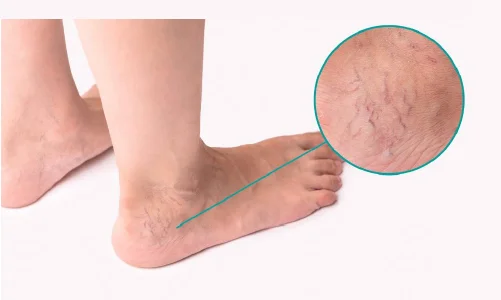
Ignoring varicose veins might result in problems like these:
Before undergoing treatment or surgery for varicose veins, patients should follow these instructions:
After a varicose vein surgery, follow these instructions:
After varicose vein treatment, successful recovery depends on following your doctor’s instructions:
Compression Stockings:
Leg Elevation:
Activity Levels:
Pain Management:
Follow-up Appointments:
Medications and Treatments:
By adhering to these guidelines and maintaining vigilant care, you can achieve a smoother and faster recovery after varicose vein treatment.
Treatment Options:
The symptoms include bulging veins, aching, swelling, and skin changes.
Varicose veins result from weakened or damaged vein walls and valves, leading to blood pooling and enlarged, twisted veins. Genetics, ageing, pregnancy, and extended standing or sitting are risk factors.
Worry about varicose veins if they cause pain, swelling, ulcers, or bleeding. Consult a healthcare professional for evaluation if concerned about their appearance or any associated symptoms.
While not entirely preventable, lifestyle changes can reduce the risk and alleviate symptoms, such as maintaining a healthy weight, staying active, elevating legs, avoiding prolonged sitting or standing, wearing compression stockings, and managing risk factors like genetics and pregnancy.
Varicose veins can be treated with lifestyle changes, compression stockings, sclerotherapy, laser therapy, radiofrequency closure, or surgery. Consult a healthcare professional for the best treatment option based on your condition.
Varicose veins are generally not dangerous but can cause discomfort or lead to complications like ulcers or blood clots. Seek medical advice if concerned or experiencing symptoms.
Recovery varies based on the treatment but typically ranges from a few days to a few weeks.

