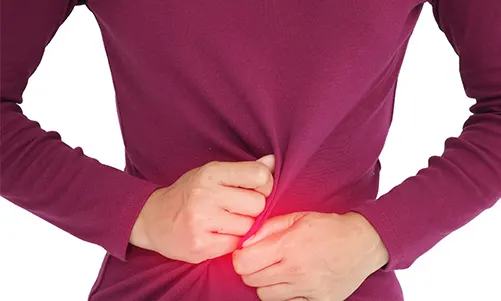
Rectal prolapse happens when part of the large intestine slips outside the muscle opening at the end of the digestive tract. It can be caused by old age, pregnancy, constipation, diarrhoea, etc. Early diagnosis and treatment can help the condition from worsening and reduce the risk of complications.
Internal Prolapse: Also called incomplete prolapse, the rectum has dropped partways or folds in itself.
Complete Prolapse: The entire wall of the rectum protrudes outside the anus.
Mucus Prolapse: Only the inner lining of the anus protrudes through the anus.
Abdominal Rectopexy: Surgical treatment involving repositioning and fixing the rectum to the sacrum.
Perineal Rectosigmoidectomy: Surgery performed through the anus for removing the prolapsed part or the internal lining of the rectum.
Laparoscopic Rectopexy: A minimally invasive treatment approach involving using laparoscopic instruments to perform rectopexy.
Abdominal Rectopexy: Typically costs around ₹50,000 to ₹3,00,000.
Perineal Rectosigmoidectomy: Can range from ₹50,000 to ₹1,50,000.
Laparoscopic Rectopexy: Ranges between ₹50,000 to ₹1,80,000.
Persistent Discomfort & Pain: Consistent pain and discomfort especially during sitting or bowel movements.
Ulceration & Bleeding: The prolapsed rectal tissue can become irritated leading to ulcers and bleeding.
Strangulation: The prolapsed tissue can have compromised blood supply leading to tissue death.
Chronic Constipation & Straining: Difficulty passing stool due to prolapsed rectum and worsening of the condition due to excessive straining.

GI, Minimal Access & Bariatric Surgeon
GI, Minimal Access and Bariatric surgery
28+ Years Experience
Gurgaon

GI, Minimal Access & Bariatric Surgeon
GI, Minimal Access and Bariatric surgery
27+ Years Experience
Gurgaon
Dietary Changes: Increase the fibre intake and eat whole grains, vegetables, and fruits, additionally drink adequate water throughout the day.
Bowel Habits: Avoid straining during bowel movements and establish a regular bowel routine.
Stay Physically Active: Maintain a healthy weight and perform pelvic exercises to strengthen pelvic muscles.
Manage Symptoms: Manage symptoms caused by pre-existing conditions like coughs or asthma as they can increase the risk of developing the condition.
Post-rectal prolapse treatment, the recovery depends on the type of treatment or surgery performed. Generally, patients can expect:
Initial recovery takes 2-4 weeks for minimally invasive surgery.
Full recovery may take anywhere from 6-12 weeks.
Rectal prolapse is a condition where the part of the large intestine slips outside the muscle opening at the end of the digestive tract.
Rectal prolapse can permanently damage the rectum, cause ulceration, bleeding, potential strangulation of the tissue, etc, and ultimately impact the quality of life.
Prolapse can be fixed without surgery through lifestyle changes like strengthening the pelvic muscles, avoiding heavy lifting, maintaining a healthy weight, controlling coughing, quitting smoking, etc.
Rectal prolapse is also referred to as prolapsed bowel. A condition where the rectum slips down inside the anus.
Lifestyle modifications like adding high-fibre to the diet, preventing constipation, and practising pelvic muscle exercises can help treat partial rectal prolapse. However, if the conservative measures are not impactful, surgery may help treat the condition.

