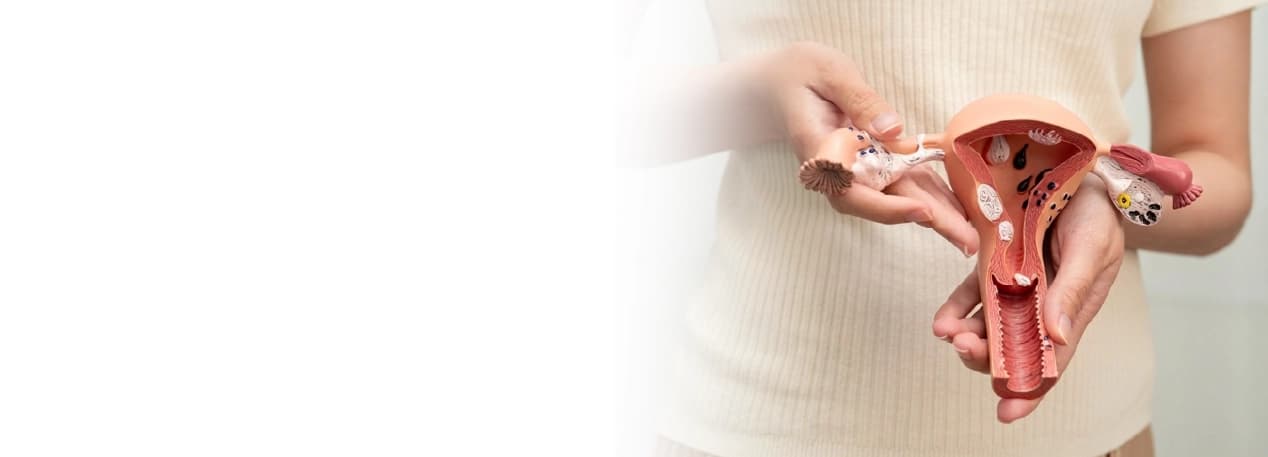
Labiaplasty is a surgical procedure that reduces or reshapes the labia, most commonly the labia minora. When performed specifically to reduce the size of the inner labia, it is also known as labia minora reduction surgery.
The labia minora are the two inner folds of skin that surround the vaginal and urethral openings. Their size, shape, colour and symmetry vary from one woman to another. It is also common for one side to be larger than the other.
Women may consider it for physical reasons, such as discomfort during daily activities, and for personal reasons, such as how they feel about their appearance. It is usually performed as a day-care procedure, allowing patients to return home the same day, depending on their recovery and medical evaluation.
There are different ways to perform labiaplasty. The technique your surgeon recommends will depend on your anatomy, how much tissue needs to be reduced and what you hope to achieve.
In some cases, the surgeon may use a surgical laser instead of a scalpel to remove excess tissue. If there are also concerns about excess skin around the clitoris, a separate procedure called clitoral hood reduction may be considered alongside labiaplasty.
During your consultation, your surgeon will explain which technique may work best for you, how it is performed and what results you can realistically expect.
Before surgery:
You may be considered for labiaplasty if you:
A gynaecologist confirms suitability after taking your history and carrying out a gentle examination. If you plan to have a vaginal delivery soon, the doctor may suggest waiting, as childbirth can alter the area.
Enlargement is not a disease. In most women it is simply how the body developed. Common contributing factors are:
Labiaplasty usually takes 1 to 2 hours. It can be done under local anaesthesia with sedation, or under general anaesthesia, depending on your preference and your surgeon’s advice. The surgeon marks the tissue to be removed, reshapes the labia and closes the edges with dissolvable stitches, so they do not need to be taken out. Most women go home the same day.
Swelling, bruising and tenderness are expected in the first week and settle gradually. Pain relief prescribed by your doctor is usually enough. Most women return to desk work within a few weeks.
For smooth healing:
The stitches dissolve on their own. Mild swelling can take a few weeks to settle fully, and final results become clearer over two to three months.
Serious complications after the surgery are uncommon. But call your doctor immediately if you notice heavy bleeding, fever, foul-smelling discharge, or pain that grows worse instead of easing.
When choosing a hospital for labiaplasty, privacy, surgical experience and clear guidance count for the most. The CK Birla Hospital is focused on women’s health. Consultations are held one-to-one, your records remain confidential, and surgery is carried out in a fully equipped operating theatre by a trained surgical and anaesthesia team.
Other highlights:
You will not feel pain during surgery because of anaesthesia. Afterwards, most women have mild to moderate soreness, swelling and tenderness for several days, which usually settles with prescribed medicines and rest.
Labiaplasty usually takes one to two hours, depending on the surgical technique and the amount of tissue being removed. It may take longer if an additional procedure, such as clitoral hood reduction, is performed at the same time.
Most women return to desk work within a few weeks. Swelling settles over several weeks, and full healing takes around six weeks, with final results visible by two to three months.
Walking is encouraged from the first few days. Most surgeons advise waiting about four to six weeks before cycling, strenuous exercise and swimming, and about six weeks before sexual activity. Your surgeon will confirm when it is safe at your follow-up visit.