Filter :
अधिक वजन और मोटापा कई स्वास्थ्य समस्याओं की जड़ माने जाते हैं। ऐसे में लोग जिम या योगा करना शुरू कर देते हैं। यह सच है कि व्यायाम से वजन और मोटापा नियंत्रित किया जा सकता है, लेकिन सही डाइट के बिना यह संभव नहीं है। इस ब्लॉग में हम मोटापा और वजन घटाने के लिए एक पूरा डाइट चार्ट साझा करेंगे, जिसकी मदद से न सिर्फ आपका वजन कम होगा, बल्कि आपको ऊर्जा और ताजगी भी महसूस होगी।
ये भी पढ़े: ट्राइग्लिसराइड्स क्या होता हैं – ट्राइग्लिसराइड्स बढ़ने के कारण, लक्षण और इलाज
Table of Contents
वजन घटाने के लिए एक ऐसे आहार का चुनाव करें जो संतुलित भी हो और पौष्टिक भी। हेल्दी डाइट में फल, सब्जियां, होल ग्रेन्स, दुग्ध उत्पाद और प्रोटीन अच्छी मात्रा में होते हैं। यदि आप अपना वजन घटाना चाहते हैं तो आप नीचे बताए गए डाइट चार्ट को फॉलो कर सकते हैं –
| कब खाएं? | क्या खाएं? | क्यों खाएं? |
| नाश्ता | ओट्स या पोहा और ग्रीन टी | यह एक संतुलित आहार है, जो फाइबर से भरपूर है। ग्रीन टी पाचन क्रिया को दुरुस्त रखते हैं। |
| दोपहर का भोजन | ब्राउन राइस/रोटी, दाल और सब्जियां, और सलाद। | यह प्रोटीन और फाइबर का अच्छा स्त्रोत है। |
| शाम का नाश्ता | ग्रीन टी और फल | यह दोनों ही एंटीऑक्सीडेंट्स से भरपूर होते हैं और ताजगी भी प्रदान करते हैं। |
| रात का भोजन | ग्रिल्ड पनीर या चिकन, सब्जियां और सलाद। | यह हाई प्रोटीन डाइट है। इसके सेवन से शरीर की मांसपेशियों को रिपेयर करने में मदद मिलती है। |
मोटापा से बचने के लिए डाइट के साथ कुछ चीजों से बचने की सलाह हमेशा ही दी जाती है जैसे कि –
ये भी पढ़े: यूरिक एसिड बढ़ने का कारण, लक्षण, इलाज और आसान घरेलू नुस्खे
वजन घटाने के लिए सही डाइट के साथ-साथ व्यायाम भी बहुत ज्यादा जरूरी है। यदि आप रोजाना ऊपर बताए गए डाइट का पालन करते हैं, तो नीचे बताए गए व्यायाम और योग को अपनी जीवनशैली में जोड़ने से आपको बहुत लाभ मिलेगा –
ये भी पढ़े: तेजी से वजन कम करने के घरेलू उपाय और उपचार
नीचे दिए गए उपायों की मदद से वजन को आसानी से कम किया जा सकता है –
ये भी पढ़े: व्यस्त दिनचर्या में अपने हृदय को स्वस्थ रखने के 10 आसान घरेलू उपाय: विश्व हृदय दिवस
वजन कम करने के लिए डाइट के विभिन्न चार्ट पहले से ही मौजूद है, जिनको आप भी फॉलो कर सकते हैं जैसे कि –
वजन और मोटापा कम करने में विशेषज्ञ आपकी मदद कर सकते हैं। इस स्थिति में डाइटिशियन आपकी मदद कर सकते हैं।
ये भी पढ़े: रात में बढ़िया नींद के लिए अपनाएं ये 8 नुस्खे
स्वस्थ एवं संतुलित आहार और पर्याप्त नींद के साथ नियमित व्यायाम, वजन कम करने और मोटापा को कम करने में आपकी मदद कर सकते हैं। इसके अतिरिक्त कैलोरी इनटेक का भी खास ख्याल रखें।
इस प्रश्न का उत्तर आपके उम्र, लिंग, वजन और गतिविधि के स्तर पर निर्भर करता है। जितनी कैलोरी की खपत आप दिन में करते हैं, उससे कम ही कैलोरी का सेवन आपको करना चाहिए।
प्रयास करें कि आप कम से कम 7-8 गिलास पानी पीना चाहिए। इससे आपका शरीर हाइड्रेट रहेगा और वजन को कम करने के लिए शरीर को बहुत मदद भी मिलेगी।

As women approach their 40s and 50s, many notice changes in their bodies that can be both perplexing and frustrating. This is when your body is gradually moving towards a new phase called menopause. One of the most common concerns that bothers most women during menopause is weight gain. This blog aims to shed light on why weight gain happens during menopause, its implications, and how to manage it effectively.
Table of Contents
Weight gain during menopause is a common concern for many women, and it can be attributed to several factors:
Menopause weight gain is not just a cosmetic concern; it can also lead to several health risks:
The physical changes associated with menopause weight gain can also take a toll on emotional well-being. Many women struggle with body image issues, leading to decreased self-esteem and increased anxiety or depression. The physical discomfort of carrying extra weight, such as joint pain and fatigue, can further impact daily life and emotional health.
Stress can have a profound impact on weight gain during menopause. Under stress, the body produces cortisol hormone, leading to increased appetite and cravings for high-calorie, high-sodium foods. Managing stress through relaxation techniques, physical activity, and adequate sleep can help mitigate its effects on weight.
If menopause weight gain is affecting your health or quality of life, it’s important to seek professional help. A healthcare provider can assess your individual situation and recommend appropriate interventions, such as hormone therapy, medications, or lifestyle changes.
Joining a support group or working with a healthcare professional can provide the encouragement and accountability needed to manage menopause weight gain. Connecting with others who are going through similar experiences helps cope with changes better. If you need guidance on this new aspect of life, reach out to our women’s health experts and let them help you lead a better quality of life.
Menopause weight gain is a common but manageable issue that many women face. Understanding the causes, implications, and management strategies can empower you to take control of your health during this transitional phase. By adopting a proactive approach, you can navigate menopause with confidence and maintain your overall well-being.
Yes, menopause can cause weight gain, particularly around the abdomen, due to hormonal changes, a slower metabolism, and lifestyle factors.
Weight gain during menopause can persist for several years, but with proper management, it can be controlled and even reversed.
To stop menopause weight gain, focus on a balanced diet, regular physical activity, stress management, and getting enough sleep.
Control menopause weight gain by monitoring your diet, staying active, managing stress, and seeking professional guidance if needed.
Yes, yoga can help manage menopause weight gain by reducing stress, improving flexibility, and promoting overall physical and mental well-being.
Prevent weight gain during menopause by maintaining a healthy lifestyle, including a balanced diet, regular exercise, and stress management.
Every Indian loves street food. The right mix of salt and spices are part of our core memories growing up. Which is why people are often overwhelmed by the idea of making dietary changes, particularly when it involves reducing their sodium intake.
Salt or Sodium Chloride, has sodium- a mineral that our bodies need in small amounts to function properly, but when consumed excessively, it can lead to significant health problems. In some individuals due to their food habits this subtle balance goes off-key leading to specific health conditions like hypertension, kidney disease, or heart failure. Find out how you can overcome this risk with a low sodium diet by making healthier food choices without feeling deprived.
Table of Contents
Sodium is an essential mineral responsible for maintaining fluid balance, nerve function, and muscle contractions. It is naturally found in many foods, but it’s also commonly added to processed foods as a preservative or flavour enhancer.
Here are some facts about an average Indian’s sodium intake:
| Indians consume 8-11 gms of salt daily. WHO prescribed limit is 5gms |
Men consume more salt than women |
| Tobacco users consume more salt than others | Overweight and obese people have more salt cravings |
A low sodium diet is a dietary approach that limits the intake of sodium to a level that is beneficial for overall health, particularly for individuals with certain medical conditions. Generally, this involves consuming less than 1,500mg to 2,300mg of sodium per day, depending on your health status and dietary guidelines. A low sodium diet is prescribed especially for those individuals with high risk of high blood pressure, heart disease, stroke, and other health issues linked to sodium imbalance.
The low sodium diet chart for one day with everyday Indian foods. It is a general guide for a target of roughly 1,500 mg of sodium intake to adjust it for your condition.
| Meal | Sample low sodium options | Swap to avoid |
|---|---|---|
| Early morning | Warm water with lemon; soaked almonds | Salted nuts |
| Breakfast | Vegetable poha or idli with fresh coriander chutney; or oats with fruit | Bread + butter, namkeen, packaged cornflakes |
| Mid-morning | Fresh fruit (apple, banana, orange) or unsalted buttermilk | Packaged fruit juice, salted chaas |
| Lunch | 2 phulka (no added salt), dal, mixed-veg sabzi, salad, low-sodium curd | Pickle, papad, packaged masala |
| Evening | Roasted chana or makhana (unsalted); herbal tea | Chips, biscuits, instant noodles |
| Dinner | Vegetable khichdi or grilled fish/paneer with steamed veg, flavored with herbs and lemon | Restaurant gravies, sauces, processed meats |
Note: The season with herbs, lemon, garlic and spices instead of extra salt and keep the salt added during cooking measured rather than ‘to taste’.
If you’re considering adopting a low sodium diet, here are some practical recommendations to help you get started:
Most of the salt you eat doesn’t come from the salt you sprinkle on your food at home. It is already inside packaged, processed, and restaurant-prepared foods. These are consists with extra salt for flavor and to help food to last longer.
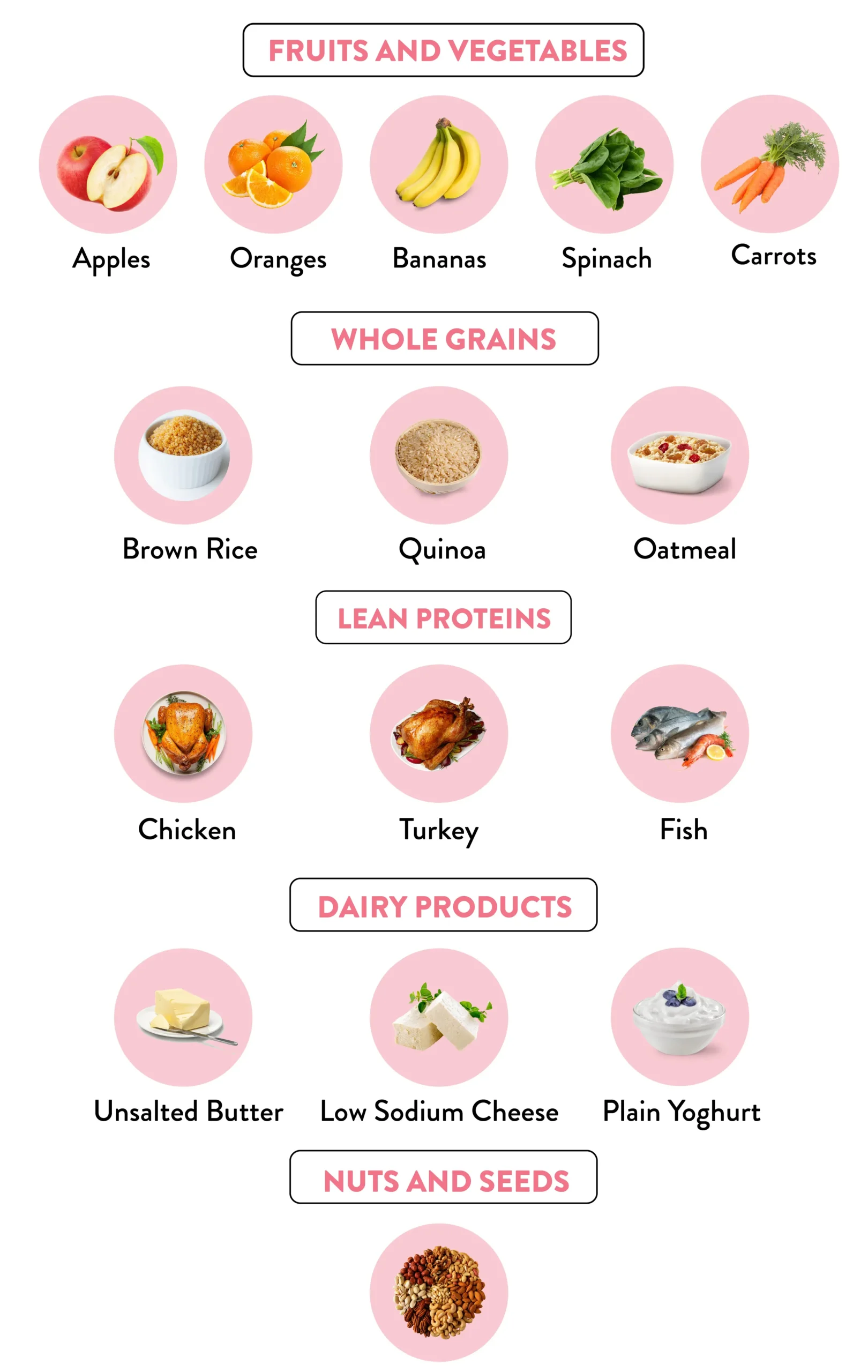
If you’re wondering what foods you can eat on a low sodium diet, here are some options that are naturally low in sodium:
You can still eat tasty food which is low in sodium. Here are some tips to help you cut back:
Changing the way you eat takes effort. But when the question is between your health and your salt, always choose your health. With time and practice, it can become a natural part of your lifestyle. Remember that small, gradual changes are more sustainable than drastic ones. To help get the most out of your diet remember to stay hydrated, as adequate water intake can help your body manage sodium levels effectively.
A low sodium diet is a powerful tool for improving health, particularly for those at risk of high blood pressure, heart disease, or kidney disease. By understanding the basics, benefits, and practical recommendations, you can take control of your sodium intake and make healthier choices that support your long-term well-being. Need a push to start on a healthy journey? Reach out to our clinical nutritionist and get a customised sodium food chart. This will help you manage a host of problems while maintaining a healthy habit. To book an appointment with our dietician at CK Birla Hospital click here (link to booking)
Fibre rich foods are mostly low on sodium. So fresh fruits, vegetables, whole grains, lean proteins, and low sodium dairy products.
For most adults, the recommended daily sodium intake is less than 2,300 milligrams, with an ideal limit of 1,500 milligrams for those with specific health conditions.
Yes, consuming too little sodium can lead to hyponatremia, a condition where sodium levels in the blood are too low. This can cause symptoms like headache, nausea, and fatigue. However, this is rare and typically occurs in individuals with certain medical conditions.
In kidney disease, the kidneys are less effective at removing excess sodium from the body, which can lead to fluid retention and high blood pressure. A low sodium diet helps manage these symptoms and protect kidney function.
In heart failure, the heart struggles to pump blood efficiently. This causes a fluid buildup in the body. Reducing sodium intake can help minimise fluid retention and therefore reduce the strain on the heart.
The time it takes for a low sodium diet to reduce blood pressure varies from person to person, but many people see improvements within a few weeks to a few months.
A simple low-salt day could be vegetable poha or idli for breakfast, dal with phulka and salad for lunch, roasted makhana in the evening, and vegetable khichdi or grilled fish for dinner with seasoned with herbs, lemon and spices instead of extra salt.
Pickles, papad, namkeen, chips, instant noodles, processed and cured meats, canned soups, sauces, packaged cheese and most bakery items are highest in sodium and are best limited.
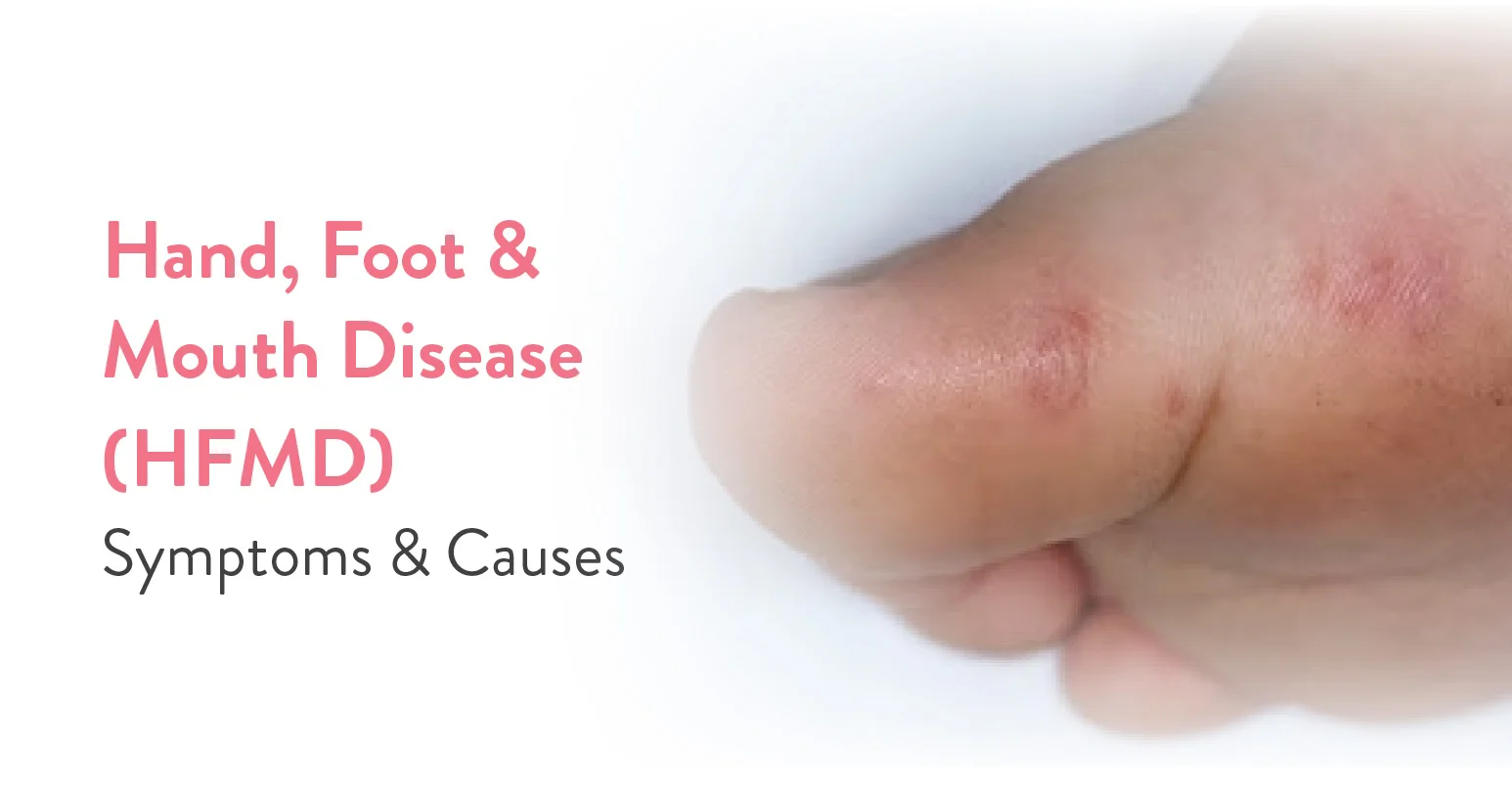
If your child has been feeling unwell for the past few days, and you notice sores in their mouth and tiny blisters or red spots on their hands, feet, and diaper area, they might have hand, foot, and mouth disease (HFMD).
HFMD is a viral infection that primarily affects children under 5 years old, though teens and adults can also contract it. The incidence of HFMD often increases during the monsoon season when the virus becomes more active. While there is no specific treatment for HFMD, it usually resolves on its own within 7 to 10 days. Maintaining proper hygiene and avoiding contact with infected individuals can help prevent the spread of HFMD.
Table of Contents
Hand, foot, and mouth disease (HFMD) is a highly contagious illness caused by the Coxsackievirus-A16 and Enterovirus-71. The virus spreads through direct contact with unwashed hands or contaminated surfaces. HFMD is characterized by a rash that can appear anywhere on the body, including the hands, feet, chest, back, genitals, and buttocks, and may also cause painful sores in the mouth.
Infants and children under 5 are most susceptible to HFMD. This is the time when children venture out of their homes and into classrooms and nurseries. The virus therefore spreads quickly among children in schools, daycare centres, or during play since their immune systems have not developed enough. Older children, teens, and adults can also get infected, which means these are people with a weak immune system. though they typically build immunity after exposure to the virus. People with weakened immune systems are at higher risk of infection. HFMD can recur, making prevention essential.
Initial Symptoms |
Advanced Symptoms |
| Mild fever | Painful sores in the front of the mouth or throat, including the tongue |
| Loss of appetite | |
| Stomach ache | Itchy, blister-like rash on the palms, soles, elbows, genitals, and buttocks |
| Runny nose | |
| Fussiness | Swollen lymph nodes in the neck |
| Sore throat |
HFMD is caused by viruses from the Coxsackievirus and Enterovirus families. The virus can spread through:
In childcare settings, frequent diaper changes and using the toilet can facilitate the spread of HFMD among babies. Adults can also spread HFMD without showing symptoms.
While HFMD symptoms are usually mild, complications can arise, including:
In rare cases, the enterovirus can cause serious complications such as viral meningitis (inflammation of the brain and spinal cord membranes) or encephalitis (brain inflammation).
Healthcare providers diagnose HFMD by examining blisters and symptoms. They may also prescribe some probationary tests such as:
There is no specific medication or vaccine for HFMD. Antibiotics are ineffective as HFMD is a viral disease. Treatment focuses on home care, including:
Note: Consult a healthcare provider before giving any medication.
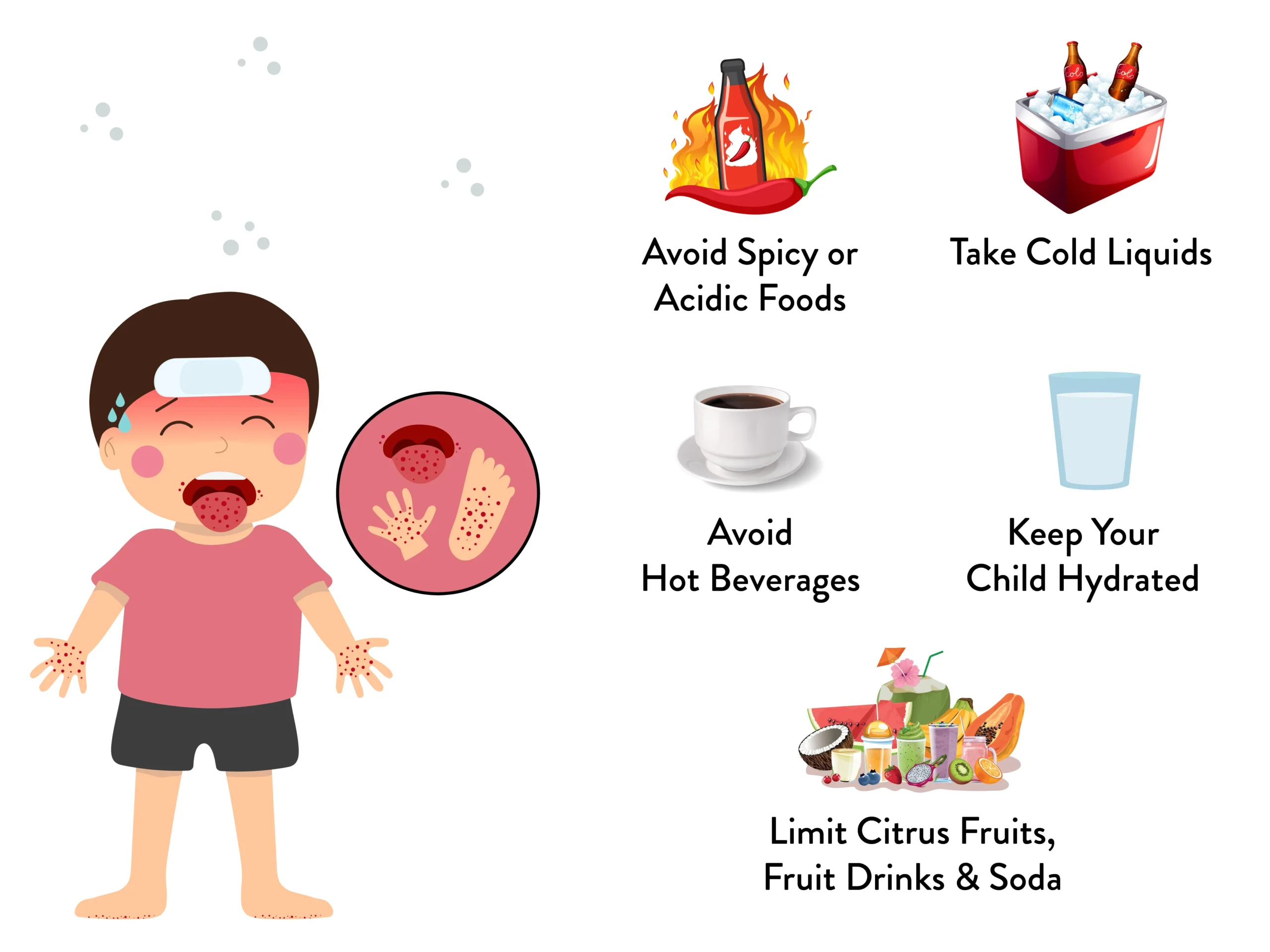
HFMD is highly contagious, so practising good hygiene is essential to slow or stop its spread. Preventive measures include:
HFMD typically resolves in 7-10 days. During this time, keeping your child hydrated and maintaining cleanliness is crucial. Ensure they wash their hands regularly and avoid spreading the virus to others.
Hand, foot, and mouth disease is a common and contagious illness that mostly affects infants, children, and teens but can also infect adults. Initial symptoms last 2-3 days, followed by a recovery period of 7-10 days. The disease is most contagious in the first week, but the spread diminishes during recovery. If symptoms persist beyond 10 days or blisters become severely itchy, consult a healthcare provider. Children who are just starting school are at the highest risk of getting the disease. Hence it is advisable to reach out to a paediatrician at the slightest incidence of discomfort.
HFMD is primarily caused by the Coxsackievirus, which belongs to the enterovirus family. This virus can be found in various bodily secretions, including saliva, nasal mucus, and stool. It is highly contagious and can spread through direct contact with an infected person or contaminated surfaces. Maintaining good hygiene and cleanliness is crucial to prevent the spread of this virus.
Yes, adults can contract HFMD, although it is less common and often presents with milder symptoms or none at all. Adults can still spread the virus to others, even if they don’t show symptoms. This is why it is important for adults to maintain good hygiene practices, especially around children.
HFMD progresses through two main stages with symptoms that can cause significant discomfort, particularly in children:
The initial stage includes cold-like symptoms such as a mild fever, sore throat, and general discomfort. Within a few days, the disease progresses to the major stage, where painful sores develop in the mouth, and a rash or blisters appear on the hands, feet, and other parts of the body.
It is best to avoid close physical contact, such as hugging and kissing, with your child during the initial days of HFMD infection. This period is when the virus is most contagious, and physical contact can easily spread it to others.
Instead, focus on comforting your child through other means, such as verbal reassurance and gentle care. Once the blisters start to dry up and heal, the risk of contagion decreases significantly.
With no vaccine, prevention relies heavily on maintaining good hygiene practices, such as:
Researchers are continuously studying the virus to develop potential vaccines in the future. Until then, vigilance and preventive measures are the best defence against HFMD.
Recovery from HFMD typically takes about 7 to 10 days. During this period, the body’s immune system works to fight off the virus, leading to the resolution of symptoms.
Most individuals recover fully without any long-term effects. However, maintaining hydration and comfort is essential during recovery, especially for children who may have difficulty eating and drinking due to mouth sores.
Both diseases are highly contagious but caused by different viruses.
HFMD causes blisters and sores on the hands, feet, and mouth.
Chickenpox usually starts with red spots on the torso and spreads to the head, arms, and legs. They are also more widespread and can cover the entire body.
Links:
https://www.shutterstock.com/image-photo/parents-hold-hands-child-hfmd-2219506669
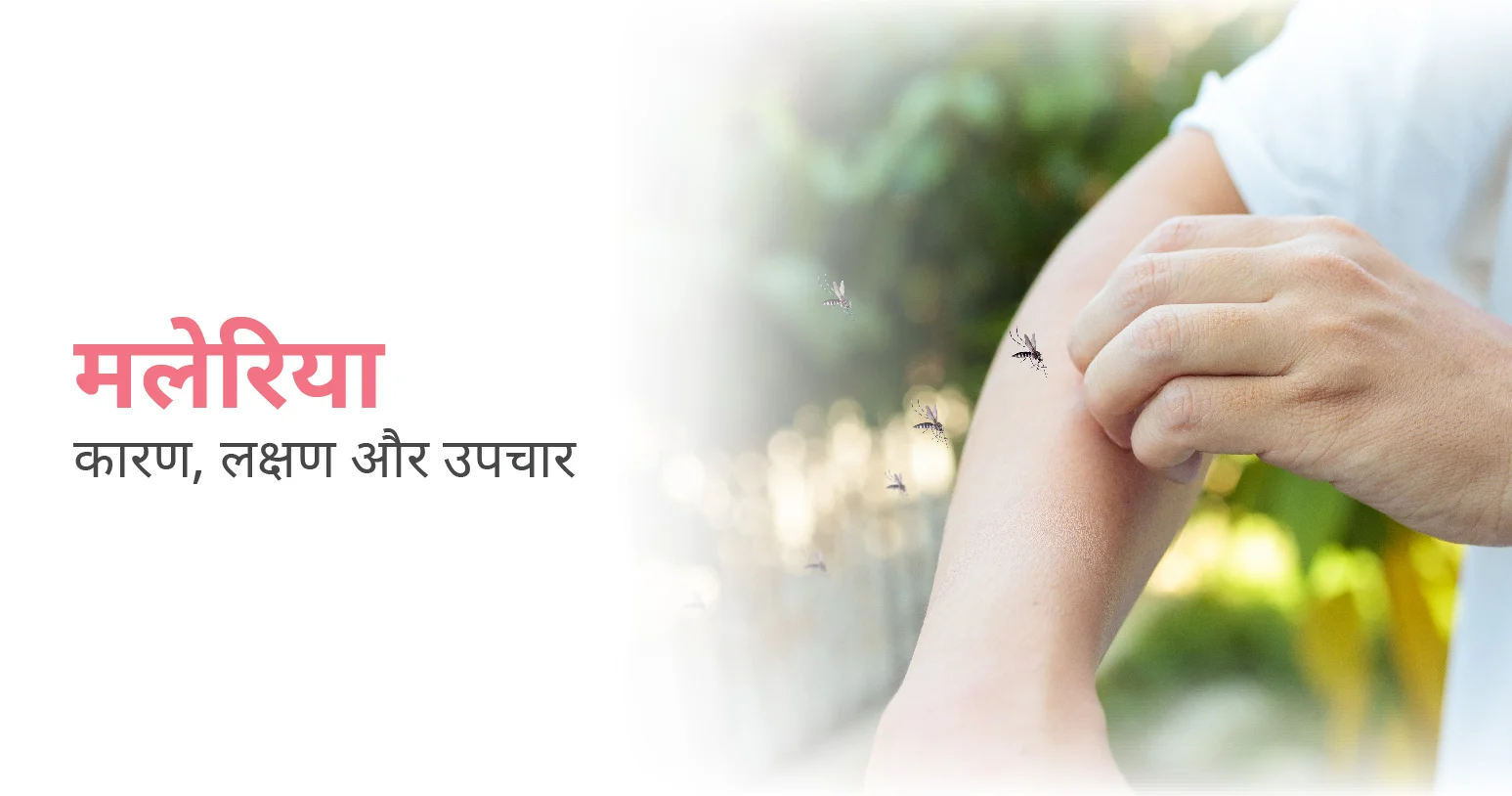
मलेरिया एक गंभीर बीमारी है जो परजीवी (पैरासाइट) के कारण होती है। ये परजीवी संक्रमित मच्छर के काटने से फैलते हैं। इसके लक्षणों में तेज बुखार, ठंड लगना और फ्लू जैसा दर्द शामिल हैं। अगर इसका इलाज न किया जाए, तो मलेरिया जानलेवा हो सकता है। मलेरिया से बचाव के लिए मच्छरदानी और कीट निरोधक का इस्तेमाल करें। अगर आप उच्च जोखिम वाले क्षेत्रों में यात्रा कर रहे हैं, तो दवा भी ले सकते हैं। लक्षण दिखने पर तुरंत मेडिकल सहायता लें।
अच्छी खबर पहले – भारत मलेरिया के खिलाफ जो लड़ाई लड़ रहा है, उसमें बड़ी कामयाबी मिली है। 2015 में देश में करीब 11.69 लाख मलेरिया के मामले थे, जो 2023 तक घटकर 2.27 लाख रह गए और 2025 में यह आंकड़ा करीब 2 लाख तक पहुंच गया। यानी मामलों में करीब 80% की गिरावट देखी गई है। मौतों की संख्या भी 2015 के 384 से घटकर पिछले कुछ सालों में सालाना 50-80 के आसपास सिमट गई है। 2024 में भारत WHO की “हाई बर्डन टू हाई इम्पैक्ट” सूची से भी बाहर आ गया। लेकिन इसका मतलब यह बिल्कुल नहीं कि खतरा टल गया है। WHO के मुताबिक दक्षिण-पूर्व एशिया में मलेरिया के कुल मामलों में से करीब 77% अकेले भारत में दर्ज होते हैं, खासकर राजस्थान, छत्तीसगढ़, झारखंड, ओडिशा और पूर्वोत्तर राज्यों में यह आंकड़ा अधिक है। इसलिए मानसून के मौसम में सतर्कता अब भी उतनी ही जरूरी है जितनी पहले थी।
Table of Contents
मलेरिया, प्लाज्मोडियम नामक छोटे परजीवियों के कारण होता है। ये परजीवी संक्रमित एनोफिलिस मच्छरों के काटने से फैलते हैं। जब मच्छर काटता है, तो परजीवी खून में चले जाते हैं। उसके बाद, ये लिवर और फिर लाल रक्त कोशिकाओं में चले जाते हैं, जहां इनकी संख्या तेजी से बढ़ती है। यह प्रक्रिया लाल रक्त कोशिकाओं को नुकसान पहुंचाती है, जिससे कुछ लक्षण पैदा होते हैं। मलेरिया आमतौर पर गर्म और ट्रॉपिकल क्षेत्रों में होता है, जहां ये मच्छर रहते हैं। गंदगी और रुके हुए पानी से भी खतरा बढ़ जाता है, क्योंकि इन जगहों पर मच्छर पनपते हैं।
मलेरिया मादा एनोफिलीज मच्छर के काटने से फैलता है, और यहीं पर एक भ्रम अक्सर बना रहता है कि सारे मच्छर एक जैसे व्यवहार करते हैं। असल में ऐसा नहीं है। एनोफिलीज मच्छर शाम और रात के समय ज्यादा सक्रिय रहता है, जबकि डेंगू फैलाने वाला एडीज मच्छर दिन में काटता है। यही वजह है कि मलेरिया से बचाव के लिए रात में मच्छरदानी का इस्तेमाल खासतौर पर जरूरी माना जाता है।
दुनिया भर में प्लाज्मोडियम परजीवी के चार-पांच प्रकार पाए जाते हैं, लेकिन भारत में मुख्यतः दो ही ज्यादा देखने को मिलते हैं –
मलेरिया के लक्षण गंभीरता में भिन्न हो सकते हैं, लेकिन आमतौर पर इनमें शामिल हैं:
तेज़, बार-बार आने वाला बुखार मलेरिया का मुख्य लक्षण है। बुखार का टेम्परेचर अक्सर घटता-बढ़ता रहता है।
बुखार के दौरान ठंड लगना और कंपकंपी होना आम है।
बुखार के बाद, शरीर ठंडा होने के प्रयास में अत्यधिक पसीना आ सकता है।
कई लोगों को कमज़ोरी और सिरदर्द का अनुभव भी होता है।
अक्सर फ्लू के दर्द जैसा अनुभव होता है।
थकान और सुस्ती आम हैं, जिनसे दैनिक जीवन के कामों को करना मुश्किल हो जाता है।
मतली और उल्टी हो सकती है, जिससे डिहाइड्रेशन हो सकता है।
परजीवियों द्वारा लाल रक्त कोशिकाओं के नष्ट होने से एनीमिया हो सकता है, जिससे त्वचा पीली पड़ सकती है और सांस लेने में तकलीफ हो सकती है।
प्लीहा या तिल्ली और लीवर बढ़ने के कारण पेट में दर्द हो सकता है।
अगर आप इनमें से कोई लक्षण अनुभव करते हैं, खासकर मलेरिया वाले क्षेत्र में रहने के बाद, तो तुरंत मेडिकल सहायता लें। जटिलताओं से बचने के लिए जल्दी उपचार कराना महत्वपूर्ण है।
मलेरिया के निदान में कई चरण शामिल होते हैं:
सबसे पहले, डॉक्टर लक्षणों और हाल की यात्रा के बारे में जानकारी लेते हैं।
इसमें बढ़े हुए प्लीहा या लिवर जैसी शारीरिक समस्याओं की जाँच की जाती है।
गंभीर मामलों में, मलेरिया की गंभीरता का आकलन करने के लिए अन्य परीक्षण किए जाते हैं।
एक चीज़ जो मलेरिया को दूसरे बुखारों से अलग पहचान देती है, वह है इसका पैटर्न। कुछ प्रकार के मलेरिया में बुखार लगभग 48 घंटे के चक्र में लौटता है, पहले तेज ठंड और कंपकंपी, फिर अचानक तेज बुखार, और अंत में जमकर पसीना आने के साथ बुखार उतरना। अगर यह चक्र दिखे, तो इसे डॉक्टर को ज़रूर बताएं। यह जानकारी निदान में काफी मदद करती है।
मलेरिया का इलाज परजीवी के प्रकार और मरीज़ की गंभीरता पर निर्भर करता है। साधारण मलेरिया के लिए, आमतौर पर आर्टीमिसिनिन-आधारित संयोजन थेरेपी या क्लोरोक्वीन जैसी दवाएं निर्धारित की जाती हैं। गंभीर मामलों में, नसों के द्वारा एंटीमाइरियल दवाएं जैसे आर्टेसुनेट दी जाती है और अस्पताल में सहायक देखभाल की जाती है।
प्लास्मोडियम विवैक्स में दोबारा संक्रमण से बचाव: चूंकि vivax परजीवी लिवर में सालों तक छिपा रह सकता है, भारत सरकार के NVBDCP दिशानिर्देशों के मुताबिक क्लोरोक्वीन के साथ 14 दिन तक प्राइमाक्वीन (Primaquine) दी जाती है, ताकि रिलेप्स न हो। यहां एक जरूरी चेतावनी है – G6PD डिफिशिएंसी वाले मरीजों, शिशुओं और गर्भवती महिलाओं में प्राइमाक्वीन का इस्तेमाल नहीं किया जाता। इसलिए यह दवा हमेशा डॉक्टर की जांच और सलाह के बाद ही लें, खुद से शुरू न करें।
इसके उपचार में डिहाइड्रेशन और एनीमिया जैसी जटिलताओं का प्रबंधन भी शामिल है। दवा का पूरा कोर्स पूरा करना महत्वपूर्ण है ताकि सभी परजीवी समाप्त हो सकें। संक्रमण पूरी तरह से ख़त्म हो गया है, इस बात की पुष्टि करने के लिए फॉलोअप टेस्ट की आवश्यकता हो सकती है।
बचाव का पूरा फंडा एक ही बात पर टिका है कि मच्छर को न काटने दें, और उसे पनपने का मौका न दें –
वैक्सीन की बात करें तो इस संबंध में कुछ उम्मीद जगी है। WHO ने बच्चों के लिए RTS,S और R21 मलेरिया वैक्सीन को मंजूरी दी है, जो फिलहाल मुख्यतः अफ्रीका के उच्च-जोखिम देशों में इस्तेमाल हो रही हैं। दिलचस्प बात यह है कि इनका निर्माण भारत की सीरम इंस्टीट्यूट और भारत बायोटेक करती हैं, लेकिन ये अभी भारत के सामान्य टीकाकरण कार्यक्रम का हिस्सा नहीं बनी है। यानी फिलहाल भारत में मच्छरों से बचाव ही सबसे भरोसेमंद हथियार बना हुआ है। सरकार का लक्ष्य भी 2030 तक देश को मलेरिया-मुक्त बनाने का है।
अगर समय पर इलाज न मिले, खासकर Plasmodium falciparum संक्रमण में तो मामला तेज़ी से बिगड़ सकता है –
घरेलू उपाय इलाज की जगह नहीं ले सकते, लेकिन रिकवरी की रफ्तार बढ़ाने में ज़रूर मदद करते हैं जैसे कि –
बरसात के मौसम में डेंगू और मलेरिया दोनों ही आम हो जाते हैं, और शुरुआती लक्षण इतने मिलते-जुलते लगते हैं कि पहचानना मुश्किल हो सकता है। फर्क समझने के लिए आपको डेंगू के लक्षणों को समझना पड़ेगा –
शुरुआती लक्षणों के लिए इंटरनल मेडिसिन स्पेशलिस्ट से मिलना सही कदम है; अगर मामला गंभीर हो जाए, तो क्रिटिकल केयर/ICU टीम की ज़रूरत पड़ सकती है। CK Birla Hospital में डॉ. कुलदीप ग्रोवर (MBBS, MD — पल्मोनरी मेडिसिन, 18+ वर्षों का अनुभव, स्लीप मेडिसिन व क्रिटिकल केयर स्पेशलिस्ट) मलेरिया सहित गंभीर संक्रामक बीमारियों के इलाज का लंबा अनुभव रखते हैं। लक्षण दिखते ही अपॉइंटमेंट बुक करने में देर न करें।
हाँ, मलेरिया को मच्छरदानी, कीटनाशक और प्रोफिलैक्सिस दवाओं से रोका जा सकता है। मच्छरों को नियंत्रित करना और स्वच्छता बनाए रखना भी महत्वपूर्ण है।
मलेरिया संक्रामक नहीं है। यह मच्छर के जरिए फैलता है, न कि सीधे व्यक्ति से व्यक्ति में। संक्रमण के लिए मच्छर का काटना आवश्यक है।
उन लोगों को मलेरिया का खतरा अधिक होता है जो मच्छर वाले क्षेत्रों में रहते हैं या यात्रा करते हैं। कमजोर प्रतिरक्षा वाले लोग और बच्चे भी इससे प्रभावित हो सकते हैं।
मलेरिया का उपचार आमतौर पर प्रभावी होता है यदि इसे समय पर और सही दवाओं के साथ किया जाए। इलाज के बाद, संक्रमण को पूरी तरह से ठीक करने के लिए दवा का कोर्स पूरा करना आवश्यक है।
मलेरिया के लक्षण आमतौर पर मच्छर के काटने के 7-14 दिन बाद दिखने शुरू हो जाता हैं, लेकिन कभी-कभी यह अवधि छोटी या लंबी भी हो सकती है।
मलेरिया के लक्षण कितने समय में दिखते हैं?
WHO और CDC के मुताबिक, मलेरिया के लक्षण आमतौर पर मच्छर के काटने के 7-30 दिन बाद दिखने लगते हैं – यह परजीवी के प्रकार पर निर्भर करता है। कभी-कभी यह अवधि इससे छोटी भी हो सकती है, तो कभी महीनों तक भी खिंच सकती है।
मलेरिया के कितने प्रकार होते हैं?
मुख्य रूप से चार प्रकार – प्लास्मोडियम विवैक्स, प्लास्मोडियम फाल्सीपेरम, प्लास्मोडियम मलेरियाई और प्लास्मोडियम ओवेल। भारत में vivax सबसे आम है, जबकि फाल्सीपेरम को सबसे खतरनाक माना जाता है।
मलेरिया में क्या खाना चाहिए?
हल्का व सुपाच्य भोजन, नारियल पानी, ORS और भरपूर तरल पदार्थ लें। तला-भुना खाना फिलहाल टालें। पूरी जानकारी के लिए ऊपर डाइट सेक्शन देखें।
डेंगू और मलेरिया में क्या फर्क है?
मलेरिया परजीवी से होता है और एनोफिलीज मच्छर (शाम/रात में काटता है) फैलाता है; डेंगू वायरस से होता है और एडीज मच्छर (दिन में काटता है) फैलाता है। विस्तार से जानने के लिए ऊपर तुलना सेक्शन देखें।
मलेरिया का मच्छर कब काटता है?
मलेरिया फैलाने वाला मादा एनोफिलीज मच्छर मुख्यतः शाम और रात के समय ज्यादा सक्रिय रहता है।
Table of Contents
बारिश की पहली बूंदें भले ही चिलचिलाती गर्मी से राहत देती हों, लेकिन मेडिकल फील्ड के अतने बड़े अनुभव ने मुझे एक कड़वी सच्चाई सिखाई है कि मानसून अपने साथ बीमारियों का पूरा पैकेज लेकर आता है।
हाल ही के आंकड़े इस बात की गवाही देते हैं। स्वास्थ्य रिपोर्ट्स के अनुसार, भारत में अकेले 2023 से 2025 के बीच डेंगू के 6.36 लाख से अधिक मामले सामने आए हैं। साल 2023 में ही देश में डेंगू के लगभग 2.89 लाख केस दर्ज किए गए थे। आखिर ऐसा क्यों होता है कि बारिश आते ही अस्पतालों में भीड़ बढ़ जाती है? इसके पीछे मुख्य रूप से 4 वैज्ञानिक कारण हैं –
यहां मानसून में होने वाली प्रमुख बीमारियों की एक क्विक चेक लिस्ट है, ताकि आप समय रहते लक्षणों को पहचान सकें और सही कदम उठाने के लिए प्रेरित हो सके –
| बीमारी का नाम | मुख्य कारण | शुरुआती लक्षण | जरूरी जानकारी |
| मलेरिया | मादा एनाफिलीज मच्छर (प्लाज्मोडियम परजीवी) | तेज बुखार, कंपकंपी छूटना, पसीना आना और सिरदर्द | समय पर इलाज न होने पर स्थिति गंभीर हो सकती है। |
| डेंगू बुखार | एडीज मच्छर (ये दिन में काटते हैं) | तेज बुखार, आंखों के ठीक पीछे दर्द, शरीर पर लाल चकत्ते | इसे ‘हड्डी-तोड़ बुखार’ भी कहते हैं। लापरवाही जानलेवा हो सकती है। |
| चिकनगुनिया | चिकनगुनिया वायरस (संक्रमित एडीज मच्छर) | अचानक बुखार आना और जोड़ों में भयंकर दर्द | इसका दर्द हफ्तों या महीनों तक आपको परेशान कर सकता है। |
| लेप्टोस्पायरोसिस | लेप्टोस्पाइरा बैक्टीरिया | बुखार, आंखों में लालिमा, पीलिया | अक्सर पैरों में लगी खरोंच या घाव के जरिए गंदे पानी से शरीर में घुसता है। |
| हैजा (Cholera) | विब्रियो कॉलेरी (गंदा पानी/भोजन) | लगातार उल्टियां और गंभीर दस्त | शरीर में तुरंत डिहाइड्रेशन होता है। |
| डायरिया (दस्त) | दूषित खान पान (बैक्टीरिया/वायरस) | पेट में मरोड़, पतले दस्त, हल्का बुखार | ओआरएस (ORS) का घोल इस बीमारी में सबसे बड़ा हथियार है। |
| टाइफाइड | साल्मोनेला टाइफी बैक्टीरिया | लंबे समय तक रहने वाला बुखार, पेट दर्द और कमजोरी | डॉक्टर की सलाह पर एंटीबायोटिक का कोर्स पूरा करना जरूरी है। |
| हेपेटाइटिस A | हेपेटाइटिस ए वायरस (दूषित खाना/पानी) | पीलिया (Jaundice), बहुत ज्यादा थकान, भूख न लगना | इसके लिए वैक्सीन उपलब्ध है, जो मानसून से पहले ली जा सकती है। |
| फ्लू (इन्फ्लूएंजा) | इन्फ्लूएंजा वायरस | खांसी, गले में खराश, बुखार और बदन दर्द | सालाना फ्लू वैक्सीन इससे बचाव का बेहतरीन तरीका है। |
| फंगल इन्फेक्शन | नमी वाले वातावरण में पनपने वाले फंगस | पसीने वाली जगहों पर तेज खुजली, लालिमा और पपड़ी जमना | एंटी-फंगल पाउडर और त्वचा को सूखा रखना सबसे जरूरी है। |
मलेरिया एक गंभीर बीमारी है जो लाल रक्त कोशिकाओं को संक्रमित करने वाले परजीवियों के कारण होती है। मलेरिया हल्के बुखार से लेकर गंभीर जटिलताओं तक पैदा कर सकती है और अगर ठीक से इलाज न किया जाए तो जानलेवा हो सकती है।
यह प्लास्मोडियम जीनस के परजीवियों के कारण होती है। ये परजीवी संक्रमित एनोफिलीज मच्छरों के काटने से फैलते हैं। बरसात में जमा पानी मच्छरों के लिए आदर्श प्रजनन स्थल बनाता है, जिससे मलेरिया का खतरा बढ़ जाता है.
मलेरिया के लक्षण आमतौर पर संक्रमण के 9 से 14 दिन बाद दिखते हैं, जैसे तेज बुखार, ठंड लगना, सिरदर्द, मांसपेशियों में दर्द और थकान। गंभीर मामलों में, यह एनीमिया, ऑर्गन फेल्योर या सेरेब्रल मलेरिया (जो मस्तिष्क को प्रभावित करता है) जैसी जटिलताओं का कारण बन सकता है।
मलेरिया का इलाज विशेष दवाओं से किया जाता है, जैसे क्लोरोक्वीन, आर्टेमिसिनिन-आधारित संयोजन चिकित्सा (एसीटी) या कुनैन। इस बीमारी से बचने के लिए कीट निरोधक का उपयोग करें, लंबी बाजू के कपड़े पहनें और मच्छरदानी के नीचे सोएं। घर के आसपास जमा पानी हटा दें और मच्छरों के प्रजनन स्थलों को कम करने के लिए कीटनाशक का उपयोग करें।
डेंगू बुखार एक वायरल संक्रमण है जो एडीज एजिप्टी मच्छरों के काटने से फैलती है। इसे अक्सर “हड्डी तोड़ बुखार” कहा जाता है, क्योंकि इसमें मांसपेशियों और जोड़ों में गंभीर दर्द होता है। डेंगू गंभीर जटिलताओं का कारण बन सकता है।
डेंगू बुखार, डेंगू वायरस के कारण होता है। यह वायरस संक्रमित मच्छरों के काटने से फैलता है। बरसात का मौसम इन मच्छरों के लिए आदर्श माना जाता है, जिससे डेंगू फैलने का खतरा बढ़ जाता है।
इसके लक्षणों में अचानक तेज बुखार, गंभीर सिरदर्द, आंखों के पीछे दर्द, जोड़ों और मांसपेशियों में दर्द शामिल हैं। गंभीर मामलों में, यह डेंगू रक्तस्रावी बुखार (डीएचएफ) या डेंगू शॉक सिंड्रोम (डीएसएस) का रूप ले सकता है, जो जीवन के लिए खतरा हो सकता है।
डेंगू बुखार का कोई विशिष्ट एंटीवायरल उपचार नहीं है। इलाज का ध्यान लक्षणों को नियंत्रित करने और शरीर को हाइड्रेट रखने पर होता है। मरीजों को आराम करने, अधिक तरल पदार्थ पीने और दर्द तथा बुखार के लिए एसिटामिनोफेन लेने की सलाह दी जाती है। गंभीर मामलों में अस्पताल में भर्ती की आवश्यकता हो सकती है।
मच्छरों के काटने से बचने के लिए कीट प्रतिकारक का उपयोग करें, लंबी आस्तीन और पैंट पहनें और मच्छरदानी का उपयोग करें। मच्छरों के प्रजनन स्थलों पर जमा पानी हटा दें और आवश्यकतानुसार कीटनाशक का उपयोग करें।
मेडिकल फील्ड में मैंने कई मरीजों को डेंगू और चिकनगुनिया को लेकर भ्रमित होते देखा है। चिकनगुनिया भी एडीज मच्छर के काटने से ही फैलता है, लेकिन इसकी सबसे बड़ी पहचान होती है ‘जोड़ों का असहनीय दर्द’।
जैसे ही कोई संक्रमित मच्छर आपको काटता है, तो कुछ ही दिनों में अचानक तेज बुखार और मांसपेशियों में दर्द शुरू हो जाता है। सबसे ज्यादा परेशान करने वाली बात यह है कि बुखार तो आमतौर पर कुछ दिनों में उतर जाता है, लेकिन जोड़ों का दर्द कई मरीजों में हफ्तों या महीनों तक बना रहता है। फिर दिमाग में आता है कि इसका इलाज क्या है? सच कहा जाए तो इसका कोई ‘जादुई’ एंटीवायरल इलाज नहीं है। सारा फोकस लक्षणों को कम करने पर होता है –
बरसात में बाहर का चटपटा या स्ट्रीट फूड खाने का मन बहुत करता है, लेकिन डायरिया यानी पेट के इन्फेक्शन की शुरुआत अक्सर यहीं से होती है। गंदा पानी और दूषित खाना सीधे बैक्टीरिया और वायरस को हमारे शरीर तक पहुंचाते हैं।
भले ही ज्यादातर मामलों में यह समस्या हल्की होती है, लेकिन बच्चों और बुजुर्गों में यह तेजी से डिहाइड्रेशन (पानी की कमी) का कारण बन सकती है। इसके लक्षणों में बार-बार पतले दस्त होना, पेट में तेज ऐंठन, उल्टी और मुंह सूखना शामिल हैं।
लेप्टोस्पाइरोसिस एक बैक्टीरियल संक्रमण है जो मनुष्यों और जानवरों को प्रभावित कर सकता है। बिना इलाज के, यह गंभीर रूप ले सकता है। शरीर पर कट लगने या खरोंच आने के माध्यम से बैक्टीरिया शरीर में प्रवेश करते हैं और लीवर एवं किडनी को प्रभावित करते हैं।
यह संक्रमण लेप्टोस्पाइरा जीनस के बैक्टीरिया के कारण होता है। ये बैक्टीरिया चूहों के पेशाब से दूषित पानी में होते हैं। भारी बारिश और बाढ़ से बैक्टीरिया फैल सकते हैं, जिससे संक्रमण का खतरा बढ़ जाता है।
लेप्टोस्पाइरोसिस के लक्षणों में तेज बुखार, ठंड लगना, सिरदर्द, मांसपेशियों में दर्द और कभी-कभी पीलिया (त्वचा और आंखों का पीला पड़ना) शामिल हैं। गंभीर मामलों में, यह किडनी और लीवर को नुकसान या मेनिनजाइटिस (मस्तिष्क और रीढ़ की हड्डी की झिल्लियों की सूजन) का कारण बन सकता है।
लेप्टोस्पाइरोसिस का इलाज एंटीबायोटिक दवाओं, जैसे डॉक्सीसाइक्लिन या पेनिसिलिन, से किया जाता है। गंभीर जटिलताओं को रोकने और पूरी तरह ठीक होने के लिए शीघ्र उपचार आवश्यक है।
इस समस्या से बचने के लिए बाढ़ या दूषित पानी से बचें। पानी से बचने के लिए सुरक्षात्मक कपड़े और वाटरप्रूफ जूते पहनें एवं संक्रमण के स्रोतों से संपर्क कम/बंद करने के लिए स्वच्छता बनाए रखें।
हैज़ा एक बैक्टीरियल संक्रमण है जो आंतों को प्रभावित करता है और गंभीर दस्त एवं डिहाइड्रेशन का कारण बनता है। बिना इलाज के, यह तेजी से शरीर को डिहाइड्रेट करके घातक रूप ले सकता है।
हैज़ा बैक्टीरियल विब्रियो कॉलेरी के कारण होता है, जो दूषित भोजन और पानी से फैलता है। भारी बारिश और बाढ़ से पानी प्रदूषित हो सकता है, जिससे हैज़ा फैलने का खतरा बढ़ जाता है।
इसके लक्षणों में गंभीर दस्त, उल्टी और डिहाइड्रेशन शामिल हैं। तरल पदार्थ और इलेक्ट्रोलाइट्स की तेजी से कमी होने के कारण गंभीर समस्याएं, जैसे कि सदमा, गुर्दे फेल होना और मृत्यु हो सकती हैं।
हैज़ा का इलाज, शरीर में तरल पदार्थ और इलेक्ट्रोलाइट्स की कमी को ओआरएस से पूरा करने पर केंद्रित होता है। दस्त और बैक्टीरिया को कम करने के लिए एंटीबायोटिक दवाओं का उपयोग भी किया जा सकता है। हैज़ा से बचने के लिए स्वच्छ पानी पिएं और साफ सफाई का पालन करें।
टाइफाइड बुखार एक बैक्टीरियल संक्रमण है जो आंतरिक अंगों को प्रभावित करता है। बिना इलाज के, यह गंभीर जटिलताओं का कारण बन सकता है। यह बुखार साल्मोनेला टाइफी बैक्टीरिया के कारण होता है, जो दूषित भोजन और पानी से फैलता है, विशेषकर ऐसे क्षेत्रों में जहां स्वच्छता की कमी होती है।
इसके लक्षणों में लंबे समय तक बुखार, कमजोरी, पेट दर्द, सिरदर्द और भूख न लगना शामिल हैं। कुछ लोगों को पेट पर गुलाबी रंग के चकत्ते भी हो सकते हैं। टाइफाइड बुखार का इलाज एंटीबायोटिक दवाओं जैसे सिप्रोफ्लोक्सासिन या एज़िथ्रोमाइसिन से किया जाता है। शीघ्र निदान और उपचार जटिलताओं को रोकने और ठीक होने में मदद करते हैं।
टाइफाइड बुखार से बचने के लिए, सुनिश्चित करें कि भोजन और पानी सही से पकाए और साफ किए गए हों। हाथों की साफ सफाई का ध्यान रखें, अस्वस्थ खानपान से बचें और उच्च जोखिम वाले क्षेत्रों में यात्रा करते समय टीकाकरण करवाएं।
हेपेटाइटिस ए एक वायरल संक्रमण है जो लिवर को प्रभावित करता है और सूजन एवं अन्य परेशानियों का कारण बनता है। यह दूषित भोजन और पानी से फैलता है। बरसात के मौसम में, बाढ़ के कारण पानी दूषित होती है, जिससे संक्रमण का खतरा बढ़ जाता है।
इसके लक्षणों में पीलिया (त्वचा और आंखों का पीला पड़ना), पेट दर्द, मतली, दस्त और थकान शामिल हैं। यह बीमारी सामान्य से लेकर गंभीर हो सकती है। हेपेटाइटिस ए से बचाव के लिए टीका लगवाएं। स्वच्छता बनाए रखें, साफ पानी पिएं, और दूषित भोजन या पानी से बचें।
हेपेटाइटिस ए का कोई विशेष एंटीवायरल उपचार नहीं है। इसके उपचार में आराम और उचित हाइड्रेशन पर ध्यान दिया जाता है। अधिकांश मरीज़, बिना जटिलताओं के पूरी तरह ठीक हो जाते हैं।
फ्लू या इन्फ्लूएंजा एक वायरल संक्रमण है जो नाक, गले और कभी-कभी फेफड़ों को प्रभावित करता है। यह सामान्य से गंभीर तक हो सकता है और खासकर कमजोर लोगों में जटिलताएं पैदा कर सकता है।
यह वायरस के कारण होता है। यह संक्रमित मरीज़ के खांसने, छींकने या बात करने से निकलने वाली बूंदों से फैलता है। भीड़-भाड़ वाली और नम स्थितियों में, जैसे बरसात के मौसम में, फ्लू का खतरा बढ़ जाता है।
फ्लू के लक्षणों में बुखार, खांसी, गले में खराश, शरीर में दर्द, सिरदर्द, ठंड लगना और थकान शामिल हैं। कुछ लोगों को मतली और उल्टी भी हो सकती है।
फ्लू का इलाज एंटीवायरल दवाओं से किया जा सकता है जो लक्षणों की गंभीरता और अवधि को कम करती हैं। आराम, तरल पदार्थ और ओवर-द-काउंटर दवाएं भी मदद कर सकती हैं। गंभीर मामलों में मेडिकल देखभाल की आवश्यकता होती है।
फ्लू से बचाव के लिए सालाना टीका लगवाएं। साफ सफाई का ध्यान रखें, जैसे बार-बार हाथ धोना और बीमार व्यक्तियों के संपर्क से बचना।
सामान्य जुकाम एक वायरल संक्रमण है जो अपर रेस्पिरेटरी ट्रैक्ट को प्रभावित करता है। यह आमतौर पर सामान्य होता है, लेकिन अगर समय पर सही उपचार न हो तो यह गंभीर हो सकता है।
सामान्य जुकाम राइनोवायरस और अन्य वायरस के कारण होता है। यह संक्रमित मरीज़ के संपर्क में आने या खांसने और छींकने से निकलने वाली बूंदों से फैलता है। इसके लक्षणों में नाक बहना या बंद होना, गले में खराश, खांसी, छींक आना और हल्का बुखार शामिल हैं। सामान्य जुकाम आमतौर पर एक या दो सप्ताह में अपने आप ठीक हो जाता है।
सामान्य जुकाम का कोई विशिष्ट इलाज नहीं है। उपचार लक्षणों को राहत देने पर केंद्रित होता है, जैसे कि डिकंजेस्टेन्ट, गले की लोजेंज और ओवर-द-काउंटर दवाएं। आराम करना और पर्याप्त मात्रा में तरल पदार्थ लेना भी ठीक होने में मदद कर सकते हैं।
आम जुकाम से बचने के लिए नियमित रूप से हाथ धोएं, संक्रमित लोगों से दूरी बनाएं और साफ सफाई का ध्यान रखें।
फंगल संक्रमण तब होता है जब कवक त्वचा या शरीर के अन्य हिस्सों को प्रभावित करता है। यह संक्रमण आमतौर पर गर्म, नम वातावरण में फैलते हैं। फंगल संक्रमण विभिन्न प्रकार के कवक, जैसे डर्मेटोफाइट्स, यीस्ट और मोल्ड के कारण होता है।
बरसात के मौसम में बढ़ी हुई नमी और ह्यूमिडिटी, कवक के विकास के लिए आदर्श परिस्थितियां प्रदान करती हैं। फंगल संक्रमण के लक्षण संक्रमण के प्रकार के आधार पर भिन्न हो सकते हैं। सामान्य लक्षणों में खुजली, लालिमा, दाने और त्वचा का पपड़ीदार होना शामिल हैं।
फंगल संक्रमण का इलाज संक्रमण की गंभीरता और प्रकार के अनुसार एंटी फंगल क्रीम, मलहम या दवाओं से किया जाता है। प्रभावी उपचार के लिए प्रभावित क्षेत्र को हमेशा साफ और सूखा रखना आवश्यक है।
फंगल संक्रमण से बचने के लिए, साफ सफाई का ख्याल रखें और त्वचा को सूखा रखें। निजी वस्तुएं जैसे कि तौलिए और कपड़े को साझा करने से बचें। सांस लेने योग्य और नमी सोखने वाले कपड़े और जूते पहनें। नम या ह्यूमिड वातावरण में फंगल विकास को कम करने के लिए उचित वेंटिलेशन सुनिश्चित करें।
हम भारतीय अक्सर घरेलू नुस्खों (काढ़ा, अदरक वाली चाय) पर बहुत भरोसा करते हैं। ये चीजें फायदेमंद है, लेकिन एक हेल्थकेयर राइटर होने के नाते मैं आपको आगाह करना चाहूंगा कि कुछ लक्षणों को कभी नजरअंदाज नहीं करना चाहिए। तुरंत डॉक्टर के पास जाएं अगर:
बरसात का मौसम बीमारियों के जोखिम को बढ़ा सकता है। इन बीमारियों को जानना, उनके लक्षण समझना, उनका इलाज कैसे करें और उन्हें कैसे रोकें, आपकी सेहत बनाए रखने में मदद कर सकता है। इन बीमारियों के प्रभाव को कम करने और खुद को स्वस्थ रखने के लिए, साफ सफाई का ध्यान रखें और डॉक्टर से परामर्श करने के बाद, ऊपर दिए गए निवारक उपायों का पालन करें।
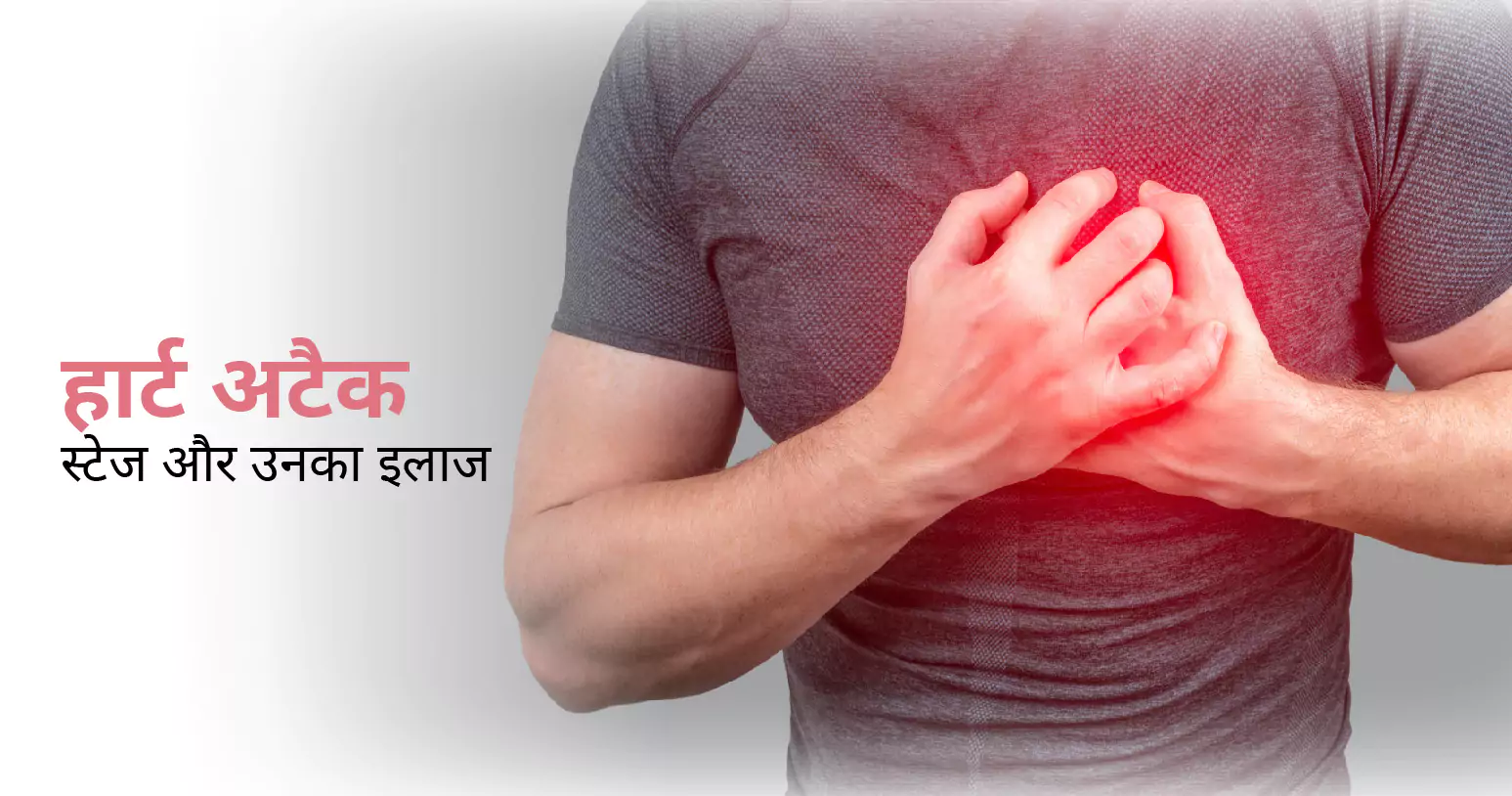
हार्ट अटैक (दिल का दौरा) तब होता है जब दिल की मांसपेशियों को ज़रूरत मुताबिक रक्त नहीं मिलता है। इससे मांसपेशियों की कोशिकाएं क्षतिग्रस्त हो सकती हैं या मर सकती हैं। हार्ट अटैक के चार मुख्य स्टेज होते हैं। पहले स्टेज में, हल्के लक्षण जैसे थकावट या बेचैनी दिख सकते हैं। इसके बाद, गंभीर लक्षण जैसे तेज दर्द या दबाव महसूस होते हैं। तीसरे स्टेज में, दिल की मांसपेशियों को नुकसान होता है। अंत में, इलाज और सुधार पर ध्यान दिया जाता है। सही समय पर इन स्टेज को पहचानना और समय पर उचित इलाज कराना आवश्यक है।
Table of Contents
इस स्टेज में वे लक्षण शामिल हैं जो हार्ट अटैक से पहले दिख सकते हैं। सीने में असामान्य दर्द, सांस लेने में कठिनाई या अत्यधिक थकान महसूस हो सकती है। ये लक्षण हार्ट अटैक का संकेत हो सकते हैं। इन लक्षणों को गंभीरता से लेना और समय पर चिकित्सा सहायता प्राप्त करना बहुत महत्वपूर्ण है।
एक्यूट स्टेज तब होता है जब हार्ट अटैक अचानक आता है। इस स्टेज में गंभीर और तीव्र लक्षण दिखाई देते हैं। आम लक्षणों में सीने में तेज दर्द या दबाव शामिल है, जो बांहों, पीठ, गर्दन या जबड़े तक फैल सकता है। पसीना, मतली या सांस लेने में कठिनाई भी हो सकती है। दिल को होने वाले नुकसान को कम करने के लिए इस समय तुरंत एक्सपर्ट से मिलना चाहिए।
इस स्टेज में, बंद धमनियों के कारण दिल की मांसपेशियों में दिक्कतें आती हैं। दिल के एक हिस्से में रक्त का प्रवाह रुक जाता है, जिससे मांसपेशियों की कोशिकाएं मर जाती हैं। इससे स्थायी नुकसान होता है और क्षतिग्रस्त मांसपेशियों की जगह पर निशान बन जाते हैं। यह स्टेज महत्वपूर्ण है, क्योंकि कितना नुकसान हुआ है, यह दिल के काम करने और उपचार के रिजल्ट को प्रभावित करता है।
हार्ट अटैक के बाद, मरीज़ की रिकवरी पर ध्यान केंद्रित होता है। दिल धीरे-धीरे ठीक होने लगता है, लेकिन स्कार टिशू रह जाता है। रिकवरी में दवाइयाँ और जीवनशैली में बदलाव शामिल हैं। मरीज़ को दिल की सेहत बनाए रखने और भविष्य में समस्याओं से बचने के लिए दवाइयों की जरूरत हो सकती है। एक स्वस्थ आहार, नियमित व्यायाम और धूम्रपान छोड़ना महत्वपूर्ण हैं। कार्डियक रिहैब प्रोग्राम भी मददगार हो सकते हैं। यह स्टेज दिल की सेहत को सुधारने और भविष्य में हार्ट अटैक के खतरे को कम करने में मदद करते हैं।
इन स्टेज को समझने से लक्षणों को पहचानना और समय पर मदद लेना आसान हो जाता है। अगर आप ऊपर दिए गए लक्षणों को महसूस करते हैं, तो तुरंत चिकित्सा सहायता लें। स्वस्थ दिल और बेहतर भविष्य के लिए समय पर सही इलाज आवश्यक है।
ये भी पढ़े: एसिडिटी से तुरंत राहत पाने के घरेलू नुस्खे
जब हार्ट अटैक आता है तो दिल की मांसपेशियों को बचाने और ठीक करने के लिए, तुरंत उपचार की जरूरत होती है। हार्ट अटैक के लिए उपचार के विकल्प में निम्न शामिल हैं:
इन उपचारों का पालन करना और जीवनशैली में स्वस्थ बदलाव करना, भविष्य में हार्ट अटैक को रोकने और ठीक करने के लिए बहुत महत्वपूर्ण है। निजीकृत देखभाल और सर्वोत्तम उपचार के लिए हमेशा अपने डॉक्टर से परामर्श लें।
ये भी पढ़े: गाइनेकोमैस्टिया क्या है – कारण, लक्षण और उपचार (Gynecomastia in Hindi)
छाती में दर्द, सांस की कमी, उल्टी, पसीना और हाथों या जांघों में दर्द हो सकता है।
तुरंत चिकित्सा सहायता लें, आपातकालीन नंबर पर कॉल करें और आराम करें। दिल की स्थिति पर नजर रखें।
ईसीजी, रक्त परीक्षण और छाती के एक्स-रे से हार्ट अटैक की पुष्टि की जाती है।
दवाइयाँ, एंजियोप्लास्टी, स्टेंट्स और बाईपास सर्जरी इसके उपचार में शामिल हैं।
ठीक होने में कुछ हफ्ते से लेकर कुछ महीनों तक का समय लग सकता है। यह मरीज़ की स्थिति और उपचार पर भी निर्भर करता है।
जोखिम कारकों में उच्च रक्तचाप, उच्च कोलेस्ट्रॉल, धूम्रपान, मधुमेह, मोटापा और पारिवारिक इतिहास शामिल हैं।
नहीं, दिल का दौरा किसी भी उम्र में हो सकता है, लेकिन वृद्ध लोगों में इसका खतरा अधिक होता है।
आपातकालीन चिकित्सा में आमतौर पर एंजियोप्लास्टी, दवाइयां और अन्य प्राथमिक उपचार किए जाते हैं ताकि रक्त के प्रवाह को शुरू किया जा सके और हृदय की मांसपेशियों को बचाया जा सके।
स्वस्थ आहार, नियमित व्यायाम, धूम्रपान छोड़ना और तनाव प्रबंधन जैसे बदलाव करने चाहिए।
हाँ, लेकिन यह महत्वपूर्ण है कि आप अपने डॉक्टर के साथ मिलकर एक सुरक्षित व्यायाम योजना तैयार करें जो आपकी स्थिति के अनुसार बेहतर हो।
Women’s anatomy is still vastly unexplored. Despite significant advances in medical knowledge, many people still lack a comprehensive understanding. This often leads to confusion, anxiety, and embarrassment about conditions like a septate hymen. A septate hymen is a congenital anomaly that many might not be familiar with, but understanding its causes, symptoms, and treatment options is crucial for those affected.
This blog aims to demystify the septate hymen, providing clear information to help individuals navigate this condition confidently.
Table of Contents
In simple words, hymen is a moon-shaped two pieces of tissues that are present at the opening of vaginas in a girl. It makes the outflow of menstrual blood easy.
A septate hymen is a congenital condition where an extra band of thin tissue runs vertically through a female’s hymenal opening. This creates two small vaginal openings instead of one. This condition occurs during fetal development and is present from birth.
Practically, there is only one vaginal but the extra tissue partially creates an obstruction down the middle which is why it looks like two holes. This makes the use of tampons difficult and additionally one may feel pain during sexual activity.
Research suggests that this is a rare anomaly and usually affects only 1 in 1000 girls. This condition is not identified until you have menstruation or try to have sex.
The presence of a septate hymen can sometimes go unnoticed, as many individuals do not experience symptoms until a girl reaches puberty and starts getting periods. Some of the symptoms of the septate hymen are mentioned below:
There are no known causes of septate hymen condition because it’s a congenital anomaly that is present during your birth. When the hymen doesn’t form the membrane properly during the development of the baby then this condition occurs.
The septate hymen problems increase if you do not get it removed. It can cause infertility or act like a natural contraception. However, if you will conceive then also septate hymen pregnancy leads to various complications such as miscarriages, premature labor, etc.
A septate hymen can only be noticed when a girl reaches puberty or starts menstruation. Most commonly, it is found in teenagers. In all cases, based on the severity the following is the diagnostic process followed by most women’s health experts:
Surgical procedure is the primary treatment option for a septate hymen. Hymenectomy is one such minor surgical procedure that is performed to remove an extra piece of hymenal tissue. This process is done under general anesthesia. It is an elective surgery which means after a few hours of surgery, you can go home.
It is a painless process and fine stitches are used to secure the edges of the hymen. You can also resume your regular activities after a few days of this surgery. Hymenectomy does not have any long-term complications.
This procedure involves making a small incision to remove the extra tissue, creating a single vaginal opening. The surgery is usually performed under local anesthesia and is relatively quick.
Post surgery, you need to follow the instructions recommended by the doctor.
A septate hymen is a congenital condition and it can affect day-to-day activities in form of:
So what are the preventive measures you should bring into consideration?
Hymens are the tissues that are present at the vaginal opening and most people don’t even notice it until pain or discomfort is felt during menstruation or sexual intercourse. It can easily be removed through a minor gynecological procedure called hymenectomy. By recognizing symptoms early and seeking appropriate medical care, individuals can manage this condition effectively and improve their quality of life.
We understand that open communication and awareness about treatment options are key steps toward better health and well-being. At the CK Birla Hospital, our expert gynecologists provide timely consultation and diagnosis to ensure you lead a healthy and happy life, free from medical complications. To book a consultation with our lead gynecologist
A septate hymen typically does not resolve on its own and usually requires surgical intervention to remove the extra tissue. However, there are cases in which the septate hymen resolves on its own. The extra piece of tissue sometimes breaks on its own during the insertion of tampons or during sexual intercourse.
Hymenectomy is a minor surgical procedure that is done under general anaesthesia so it is pain-free but you can feel discomfort for a few days after the surgery.
The recovery time period of hymenotomy is not very long. Within a few days after the surgery, you can resume your regular activities. However, it is recommended by the doctor to avoid sexual intercourse for at least 2-4 weeks so that the stitches dissolve properly.
Yes, a septate hymen will act as a form of natural contraception preventing successful pregnancy. However, a septate hymen itself does not directly cause infertility, it can complicate sexual activity and menstrual flow, potentially impacting reproductive health.
You can feel symptoms like difficulty in using tampons or pain during sex. In this case, meet a healthcare provider, who will do a physical examination and give confirmation about the septate hymen.
A septate hymen is a rare condition and is found in 1 in 1000 girls. It’s okay to have a septate hymen till puberty but once the menstrual cycle starts, it will create discomfort and pain.
It is a very rare condition and affects about 1 in one thousand females. A septate hymen is a congenital anomaly that is present at birth.
In some cases, the septate hymen breaks on its own without any surgery but in most cases you have to go for a surgical procedure called hymenectomy.
No, a septate hymen is not a normal condition. It is a rare congenital disorder.
A septate hymen can be painful during periods or sexual intercourse. This can affect your daily activities.
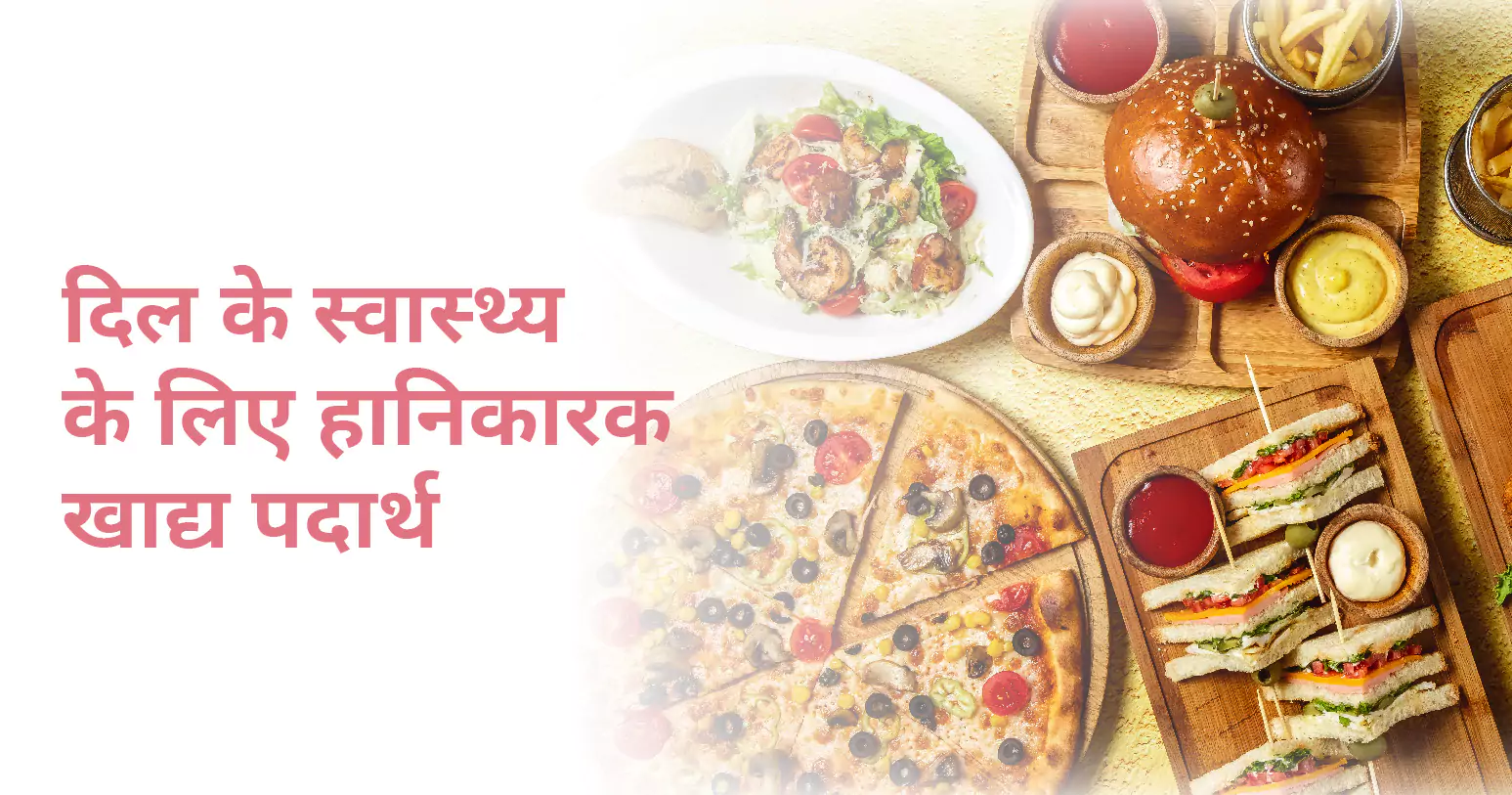
कुछ खाद्य पदार्थ दिल को नुकसान पहुंचा सकते हैं और दिल की बीमारियों का खतरा बढ़ा सकते हैं। इन खाद्य पदार्थों से परहेज करने या इन्हें सीमित करने से दिल को स्वस्थ रखा जा सकता है।
ट्रांस फैट युक्त खाद्य पदार्थ: (Foods containing trans fat)
ट्रांस फैट दिल के लिए बहुत हानिकारक होते हैं। ये खराब कोलेस्ट्रॉल (एलडीएल) को बढ़ाते और अच्छे कोलेस्ट्रॉल (एचडीएल) को कम करते हैं। ट्रांस फैट अक्सर तले हुए खाद्य पदार्थों में पाए जाते हैं। इन्हें खाने से धमनियां अवरुद्ध हो सकती हैं और दिल की बीमारी हो सकती है।
प्रोसेस्ड मीट: (Processed Meat)
सॉसेज, बेकन और डेली मीट जैसे प्रोसेस्ड मीट में अनहेल्दी फैट और सोडियम अधिक होते हैं। इससे रक्तचाप और कोलेस्ट्रॉल का स्तर बढ़ सकता है। अत्यधिक प्रोसेस्ड मीट खाने से दिल की बीमारी और अन्य स्वास्थ्य समस्याएं हो सकती हैं। दिल के बेहतर स्वास्थ्य के लिए, इन्हें सीमित करें या उनसे बचें।
शर्करा युक्त पेय पदार्थ: (Sugary Beverages)
सोडा, एनर्जी ड्रिंक और मीठी चाय आदि दिल के लिए हानिकारक होते हैं। इनमें शर्करा की मात्रा अधिक होती है, जिससे मोटापा होता है और मधुमेह का खतरा बढ़ जाता है। ये दोनों स्थितियां दिल को नुकसान पहुंचा सकती हैं। चीनी युक्त पेय रक्त शर्करा के स्तर को भी बढ़ाते हैं, जो दिल के स्वास्थ्य के लिए बुरा है।
उच्च-सोडियम खाद्य पदार्थ: (High Sodium Foods)
अधिक सोडियम वाले खाद्य पदार्थ दिल के लिए हानिकारक हो सकते हैं। अत्यधिक नमक के सेवन से रक्तचाप बढ़ता है, जिससे दिल पर दबाव पड़ता है। सामान्य उच्च सोडियम वाले खाद्य पदार्थों में पैकेज्ड सूप, चिप्स और फास्ट फूड शामिल हैं। हमेशा पोषण लेबल जांचें और कम सोडियम वाले विकल्प चुनें। अपने आहार में नमक कम करने से रक्तचाप को स्वस्थ बनाए रखने में मदद मिलती है।
सैचुरेटेड फैट्स युक्त खाद्य पदार्थ: (Foods Containing Saturated Fats)
सैचुरेटेड फैट लाल मांस, मक्खन, पनीर और पूर्ण फैट वाले डेयरी उत्पादों में पाया जाता है। अत्यधिक सैचुरेटेड फैट खाने से कोलेस्ट्रॉल का स्तर बढ़ता है, जो धमनियों को अवरुद्ध कर सकता है और दिल के रोग एवं स्ट्रोक का खतरा बढ़ा सकता है। सैचुरेटेड फैट का सेवन कम करने के लिए दुबले मांस, कम फैट वाले डेयरी उत्पाद और पौधे-आधारित तेलों का उपयोग करें।
रिफाइंड कार्बोहाइड्रेट्स: (Refined Carbohydrates)
सफेद ब्रेड, पास्ता और पेस्ट्री जैसे रिफाइंड कार्ब्स दिल को नुकसान पहुंचा सकते हैं। ये रक्त शर्करा और वजन बढ़ाने का कारण बनते हैं। रिफाइंड कार्ब्स में फाइबर और पोषक तत्वों की कमी होती है, जो दिल के लिए अनहेल्दी है। भूरे चावल, जई और साबुत गेहूं जैसे साबुत अनाज बेहतर विकल्प हैं। ये अधिक पोषक तत्व प्रदान करते हैं और रक्त शर्करा के स्तर को स्थिर बनाए रखने में मदद करते हैं।
अत्यधिक शराब: (Excessive Alcohol)
ज्यादा शराब पीने से दिल को नुकसान पहुंच सकता है। इससे उच्च रक्तचाप, हार्ट फेल्योर और स्ट्रोक हो सकता है। अत्यधिक शराब भी वजन बढ़ाने में योगदान देती है, जो दिल पर दबाव डालती है। शराब का सेवन मध्यम स्तर तक सीमित रखना बेहतर है।
उच्च कोलेस्ट्रॉल वाले खाद्य पदार्थ: (High Cholesterol Foods)
उच्च कोलेस्ट्रॉल वाले खाद्य पदार्थ, जैसे लाल मांस, अंडे की जर्दी और पूर्ण फैट वाले डेयरी, रक्त में कोलेस्ट्रॉल के स्तर को बढ़ा सकते हैं। इससे धमनियों में रूकावट आ सकती है और दिल की बीमारियाँ हो सकती हैं। दिल को स्वस्थ रखने के लिए कम कोलेस्ट्रॉल वाले खाद्य पदार्थ चुनें। कोलेस्ट्रॉल के स्तर को नियंत्रित रखने के लिए कम फैट वाले मांस, बिना जर्दी के अंडे और कम फैट वाले डेयरी उत्पादों का सेवन करें।
कृत्रिम रूप से मीठा किया गया भोजन: (Artificially Sweetened Foods)
कृत्रिम मिठास डाइट सोडा, शुगर-फ्री स्नैक्स और कुछ कम कैलोरी वाले खाद्य पदार्थों में पाई जाती है। कुछ अध्ययनों से पता चलता है कि ये दिल के रोगों का खतरा बढ़ा सकती हैं। इसके अलावा, ये वजन बढ़ाने और चयापचय संबंधी समस्याओं का कारण भी बन सकती हैं। कृत्रिम मिठास को सीमित करें और शहद या फलों जैसी प्राकृतिक मिठास को सीमित मात्रा में चुनना बेहतर है।
उच्च-कैफीन वाले खाद्य पदार्थ और पेय: (High Caffeine Foods & Drinks)
उच्च कैफीन वाले खाद्य पदार्थ, जैसे कॉफी, एनर्जी ड्रिंक और कुछ चाय, दिल को प्रभावित कर सकते हैं। अत्यधिक कैफीन से दिल की धड़कन और रक्तचाप बढ़ सकते हैं, जो समय के साथ दिल पर दबाव डाल सकते हैं। कैफीन का सेवन नियंत्रित करना महत्वपूर्ण है। दिल को स्वस्थ रखने के लिए दिन में कॉफी को एक या दो कप तक सीमित रखें और एनर्जी ड्रिंक से बचें।
डिब्बाबंद और प्रसंस्कृत खाद्य पदार्थ: (Canned & Processed Foods)
डिब्बाबंद और प्रसंस्कृत खाद्य पदार्थों में अक्सर अस्वस्थ फैट, उच्च सोडियम और अतिरिक्त शर्करा होती है। इनमें स्नैक्स, फ्रोज़न फूड्स और इंस्टेंट नूडल्स शामिल हैं। इन खाद्य पदार्थों का नियमित सेवन दिल को नुकसान पहुंचा सकता है और रक्तचाप, कोलेस्ट्रॉल और दिल की बीमारियों का खतरा बढ़ा सकता है।
इन हानिकारक खाद्य पदार्थों से परहेज करके या इनको सीमित करके, आप अपने दिल के स्वास्थ्य का ध्यान रख सकते हैं।
तले हुए खाने, जंक फूड, मीठे पेय, प्रोसेस्ड स्नैक्स और बेकरी उत्पाद हृदय के लिए सबसे हानिकारक होते हैं।
ट्रांस वसा हृदय के लिए हानिकारक होते हैं, जिससे कोलेस्ट्रॉल बढ़ता है। यह बेक्ड, तले हुए खाने और मार्जरीन में मिलते हैं।
जैतून का तेल, एवोकाडो, नट्स, बीज और फैटी मछली जैसे सैल्मन सैचुरेटेड फैट्स के बढ़िया विकल्प हैं।
मीठे पेय से बचें, फल और सब्जियों का सेवन बढ़ाएं, प्रोसेस्ड खाने से बचें और लेबल पढ़कर खरीदारी करें।

